标签: Barbados

巴巴多斯

  • President of the Barbados Co-operative & Credit Union League underscores unity, resilience, stability in his Independence Message.

    President of the Barbados Co-operative & Credit Union League underscores unity, resilience, stability in his Independence Message.

    As Barbados commemorates another year of independence, the nation’s credit union movement reflects on its pivotal role in fostering economic resilience and community empowerment. Under the leadership of the Barbados Co-operative & Credit Union League, the movement has embraced a philosophy centered on growth, collaboration, and harmony to navigate contemporary challenges.

    This year’s celebrations coincide with strategic advancements within the financial sector, where credit unions have prioritized systemic modernization while maintaining compassionate member services. The movement has demonstrated remarkable adaptability in addressing pressing issues such as rising living costs and small business revitalization through tailored financial solutions.

    Collaboration emerges as a cornerstone achievement, with strengthened partnerships between credit unions, government entities, and community organizations. This cooperative approach has facilitated knowledge sharing, resource optimization, and meaningful contributions to national dialogues on financial wellbeing.

    The movement’s resilience shines through its ability to withstand global economic pressures and rapidly evolving financial landscapes while preserving its core identity. This endurance enables continuous service improvement without compromising the fundamental principles of fairness and transparency.

    Harmony remains the guiding principle ensuring balanced decision-making that benefits broader communities rather than select interests. As Barbados progresses, the credit union movement reaffirms its commitment to values that have historically strengthened both the organization and the nation.

    The independence anniversary serves as both milestone and reminder of the movement’s ongoing mission: to create equitable opportunities for all Barbadians through financial inclusion and community support.

  • Scotland District road rehab ‘makes progress’

    Scotland District road rehab ‘makes progress’

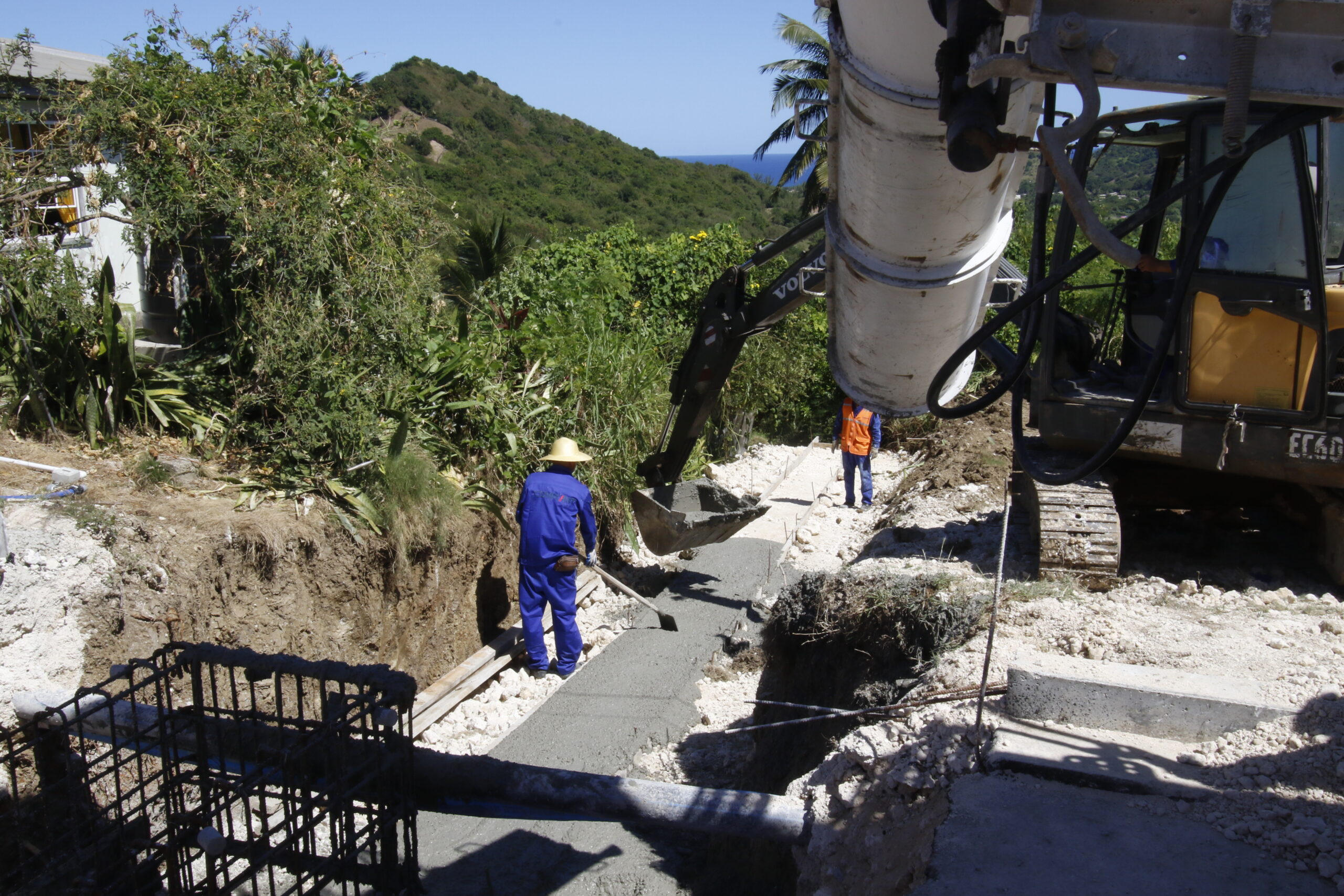
    In the geologically volatile Scotland District of Barbados, two of the most technically complex routes in the national road rehabilitation program—Ermy Bourne Highway and Highway F (Phase 2)—are progressing toward their completion deadlines of July 2026 and August 2024 respectively. Chinese state contractor COMPLANT, leading the infrastructure initiative, confirmed the timeline despite confronting substantial environmental and technical obstacles.

    Project Manager Wang Wei detailed the multifaceted challenges facing engineering teams, including unstable terrain patterns, seasonal rainfall disruptions, and the logistical complexities of utility relocations. The project, launched in 2020 and funded through a concessional loan from China’s Export-Import Bank, focuses on one of Barbados’ most fragile geological zones, spanning the erosion-prone region of St Andrew characterized by unstable clay, chalk soils, and high landslide susceptibility.

    Additional high-priority sites accelerated by the Ministry of Transport & Works due to structural deterioration and public inconvenience include White Hill, Laynes Bridge, Airy Hill Bridge, and Melvins Hill Bridge. Wang emphasized that many bridges and culverts, such as Bruce Vale Bridge, required complete reconstruction after decades of service in corrosive conditions left them structurally compromised and unsuitable for modern transportation demands.

    Road degradation has been largely attributed to aged asphalt surpassing its service life and inadequate drainage infrastructure, permitting water infiltration that damaged subgrades and triggered localized collapses—notably at Bloomsbury and Laynes Bridge gully.

    To date, 11 roads including Jemmotts Road and Chance Hill Road have been fully paved, with active construction ongoing across 16 additional roads, bridges, and culverts. Eight bridges are scheduled for reconstruction, with Bruce Vale Bridge already completing pile foundation works and nearing abutment construction.

    COMPLANT has implemented rigorous environmental and geotechnical safeguards, including Dynamic Cone Penetration testing and detailed subsurface investigations. Collaboration with government forester Nigel Jones ensured protection of rare species during excavation phases. Despite persistent challenges, Wang reaffirmed the team’s commitment to high construction standards and scientific management practices to ensure both quality and timeliness of the project.

  • Major survey finds most women suffered intimate partner violence

    Major survey finds most women suffered intimate partner violence

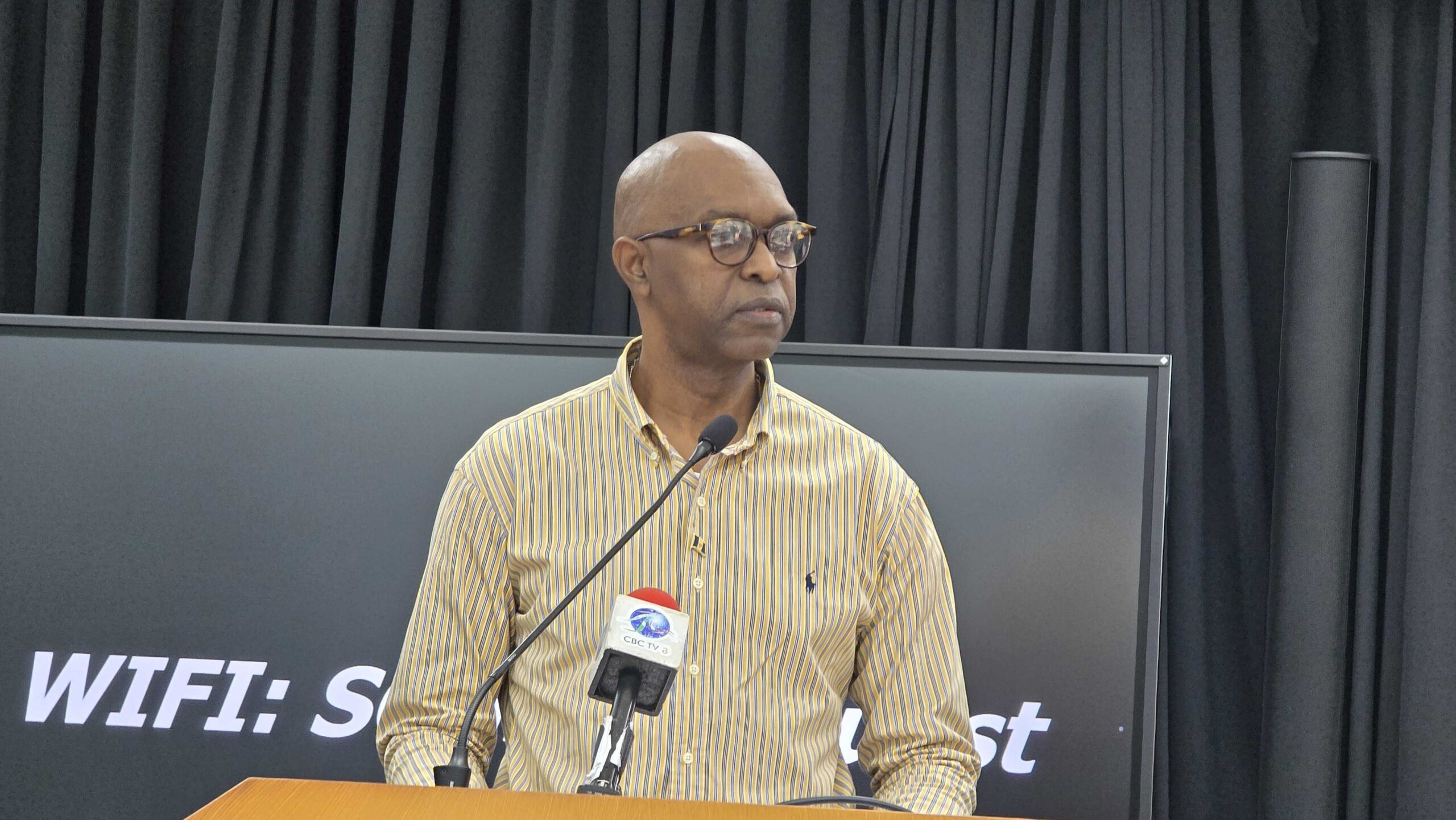
    A groundbreaking national survey in Barbados has uncovered alarming rates of gender-based violence, revealing that nearly two-thirds of women have suffered intimate partner abuse. The comprehensive study, conducted by DB Research Services and commissioned by advocacy group Jabez House with European Union funding, exposes what officials are calling a “national emergency” requiring immediate coordinated action.

    The National Intimate Partner Violence Survey, which interviewed 515 individuals across diverse demographics, found emotional abuse to be the most prevalent form at 37%. Social isolation followed at 25%, with physical violence affecting 22% of respondents. Most disturbingly, 46% of survivors reported experiencing multiple categories of abuse simultaneously, indicating that violence typically manifests as interconnected behavioral patterns rather than isolated incidents.

    The data release coincided with Barbados’ launch of the Red Shoes Project and local observances of the 16 Days of Activism Against Gender-Based Violence. EU Ambassador Fiona Ramsay emphasized that the findings “demand not just empathy but action,” noting the particular concern of rising digital violence in online spaces. She called for enhanced protections, improved reporting systems, and greater accountability from technology companies to ensure digital platforms become tools for safety rather than endangerment.

    Permanent Secretary Wayne Marshall of the Ministry of People Empowerment and Elder Affairs declared the situation “no longer a private tragedy but rather, a national emergency.” He stressed the urgent need for collaborative efforts between government agencies, NGOs, and international partners to provide survivors with comprehensive support systems including justice mechanisms, psychological services, and safe spaces. Marshall emphasized that addressing this crisis requires both legislative reform and profound cultural transformation.

  • Govt, Light & Power sign licences to unlock $500m in renewable projects

    Govt, Light & Power sign licences to unlock $500m in renewable projects

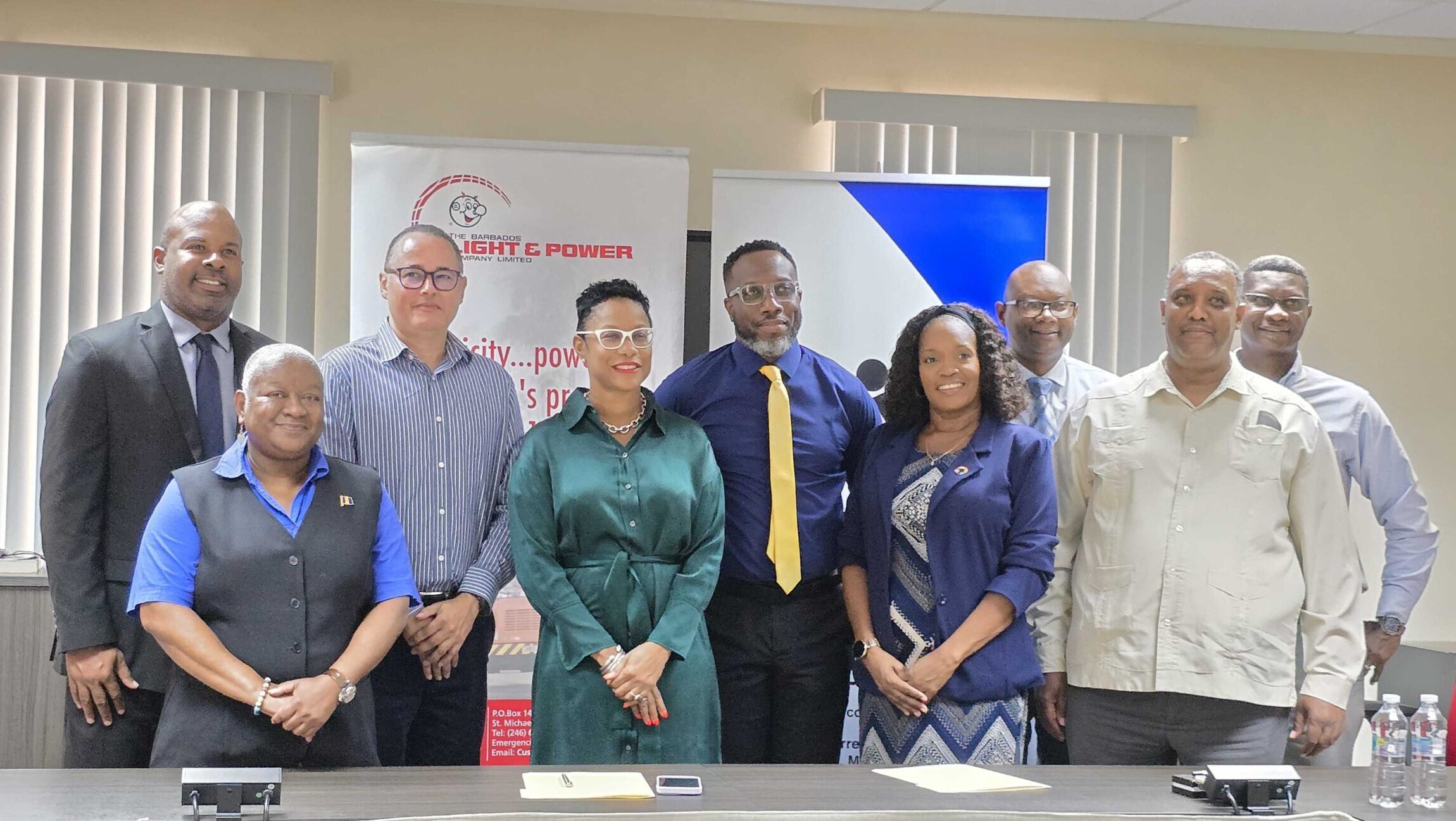
    In a transformative move for its energy future, Barbados has successfully averted potential grid collapse and secured long-term electricity stability through newly ratified licensing agreements with the Barbados Light and Power Company (BLPC). The landmark signing ceremony at Warrens Office Complex, presided over by Energy Minister Senator Lisa Cummins, clears the path for over $500 million in renewable energy investments while extending operational frameworks beyond the previous 2028 expiration deadline.

    Minister Cummins characterized the previous energy infrastructure as being in ‘gridlock’ due to insufficient storage capacity, emphasizing that these newly negotiated licenses fundamentally restructure the nation’s power procurement ecosystem. The comprehensive agreement establishes a modernized framework for power purchase agreements between independent renewable energy producers and BLPC as the primary off-taker, effectively democratizing energy generation while ensuring grid reliability.

    The licensing breakthrough enables financial institutions, notably Scotiabank as represented at the signing, to release previously frozen capital for massive renewable infrastructure development. This financial unlocking addresses what energy officials described as a critical investment bottleneck that had hampered Barbados’ transition to sustainable energy sources.

    BLPC Managing Director Roger Blackman hailed the 30-year licensing arrangement as ‘an important milestone’ that creates unprecedented operational certainty. The new structure separates generation/storage operations from transmission/distribution activities, establishing distinct regulatory frameworks for each sector while ensuring coordinated grid management. This bifurcated approach allows for streamlined integration of independent power producers while maintaining BLPC’s oversight of grid stability.

    The minister highlighted the legislative evolution from the outdated Electric Light and Power Act to the contemporary Electricity Supply Act, requiring meticulous alignment between existing operations and new regulatory standards. The transition eliminates a potential regulatory vacuum that could have emerged after 2028, ensuring continuous investment in grid modernization and preventing infrastructure deterioration that might have led to blackouts.

    This strategic energy sector overhaul coincides with Barbados’ Energy Month celebrations, marking the culmination of what Minister Cummins described as ‘a genuinely aggressive period’ of behind-the-scenes restructuring. The new licenses take immediate effect upon revocation of previous orders, creating seamless regulatory continuity that promises to transform Barbados’ energy landscape for generations to come.

  • Celebrating Barbados’ Independence in a changing world

    Celebrating Barbados’ Independence in a changing world

    As Barbados commemorates another year of sovereignty, the nation reflects on its journey as a small island demonstrating extraordinary fortitude amid global challenges. This annual celebration reinforces the enduring truth of Barbados’ significant spirit despite its geographical size.

    The historical narrative of Barbados is marked by numerous instances where citizens united to advance and prosper against formidable odds. In the current climate of worldwide uncertainty—characterized by economic pressures, environmental threats, and international instability—the significance of Barbadian independence resonates with profound meaning.

    This commemoration serves not merely as a reminder of historical origins but as a testament to the persistent strength exhibited by the nation. Recent years have presented Barbados with substantial challenges: escalating living costs impacting households island-wide, global economic disruptions affecting nations of all sizes, and altered weather patterns manifesting through intensified rainfall and more powerful storms that threaten environmental stability.

    Like all nations, Barbados navigates complex global trade dynamics as major powers vie for dominance, while technological advancements like artificial intelligence present both opportunities and risks. Despite these multifaceted challenges, the country has achieved notable successes that underscore its capabilities and character.

    Economic recovery and expansion represent particularly significant accomplishments. Despite inflationary pressures and high global prices, Barbados has gained international recognition for responsible fiscal management and concerted efforts to stabilize and reconstruct its economy. Through collaboration with international partners, strengthened industries, and focus on long-term resilience, the nation demonstrates refusal to let adversity dictate its future.

    In climate leadership, Barbados maintains a prominent global presence. Prime Minister Mia Mottley has emerged as an influential advocate for small island states, compelling international communities to address climate action seriously and support nations facing environmental dangers disproportionately.

    The tourism sector, vital to the economy, has shown remarkable recovery. Visitors continue choosing Barbados for its people, culture, and reputation as a secure, hospitable destination amidst evolving global travel patterns and increased competition—a credit to workers and all who sustain the tourism industry.

    Digital transformation represents another area of progress, with Barbados making consistent advances in modernizing services, enhancing technological infrastructure, and promoting digital literacy among youth through National Transformation Initiative programs. This shift positions the country for new opportunities in banking, government services, education, and entrepreneurship, helping to create equitable playing fields.

    Perhaps most profound is the less visible yet powerful quality of resilience. Barbadians consistently demonstrate strength and patience through challenges, finding ways to mutually support those in need.

    Amid these achievements, honest assessment reveals pressing threats affecting daily life and long-term prospects. The rising cost of living remains particularly urgent, with global price increases, elevated fuel costs, and supply chain issues making essential goods more expensive for many households, especially those already financially vulnerable.

    As the nation celebrates another independence anniversary, it recognizes that sovereignty represents not merely a day of rest but an ongoing commitment to protect national achievements, uplift citizens, and persistently pursue a better future. Though geographically compact, Barbados possesses mighty character, with accomplishments demonstrating capacity to thrive amid global uncertainty, while challenges reinforce that collective unity yields greatest strength.

  • Hands-on training ‘vital’ in tackling youth violence, says education official

    Hands-on training ‘vital’ in tackling youth violence, says education official

    Barbadian education authorities are championing a paradigm shift in addressing the nation’s escalating youth violence crisis, emphasizing that prevention-focused strategies must supersede traditional law enforcement approaches. Dr. Roderick Rudder, Director of Tertiary Education at the Ministry of Training and Tertiary Education, articulated this position during a ‘Village Builders’ breakfast convened with faith leaders and government officials at the UWI School of Business.

    Dr. Rudder presented alarming statistics as representing ‘young ladies derailed and communities living in fear,’ asserting that solutions reside not in policing but in comprehensive prevention initiatives. He highlighted the evolving behavioral patterns among youth and the inadequacy of conventional engagement methods, noting that ‘the old Sunday school approach must be revisited’ to captivate youth with diminished attention spans.

    The proposed solution centers on a five-pillar holistic training framework designed to equip community volunteers with skills addressing the complete spectrum of youth development challenges. This methodology integrates social, emotional, spiritual, behavioral, and conflict resolution dimensions, recognizing that surface behaviors frequently mask deeper emotional trauma and spiritual voids.

    Dr. Rudder emphasized the critical importance of training volunteers in restorative justice principles and de-escalation techniques, enabling them to substitute aggression with dialogue and reasoning. He specifically noted the erosion of spiritual dimensions in society, evidenced by declining church attendance among youth.

    The strategy further advocates for experiential learning methodologies—including play-based and project-based approaches—already gaining traction in educational institutions. It promotes establishing collaborative ecosystems where novice volunteers partner with seasoned activists to ensure knowledge transfer and sustained support mechanisms.

    Supporting this educational initiative, Minister for Crime Prevention Kirk Humphrey underscored the indispensable role of faith-based organizations in national crime prevention efforts. He affirmed the government’s policy recognition that ‘this nation still needs prayer’ and an actively engaged church body, while maintaining that ‘the children of Barbados are not lost’ despite confronting widespread crises of meaning and purpose.

  • Police step up vendor inspections

    Police step up vendor inspections

    Barbados has initiated a significant enforcement operation targeting agricultural produce vendors, implementing the Protection of Agricultural Products Act three years after its legislative passage. This development comes amid growing demands for specialized law enforcement resources to combat the escalating problem of praedial larceny across the island nation.

    Deputy Chief Agriculture Officer Barney Callender confirmed that police officers have commenced systematic inspections of vendors, requiring them to present proper documentation and receipts verifying the legitimate sourcing of their agricultural products. “The receipt verification represents merely the initial phase of our enforcement protocol,” Callender explained. “When officers suspect documentation irregularities, they possess full authority to conduct deeper investigations, including tracing produce back to its original farming source.”

    The enforcement initiative gained momentum following several high-profile agricultural theft cases that captured public attention earlier this year. Particularly notable was the comprehensive theft of an entire quarter-acre cantaloupe crop from Christ Church farmer Veronica Garnes, an incident that generated substantial public outrage when reported by Barbados TODAY in July.

    Callender praised the strengthened provisions within the 2022 legislation, which substantially increases penalties for agricultural theft to include fines reaching $100,000, imprisonment terms up to five years, or both combinations—a dramatic enhancement from the previous maximum penalty of $5,000. Despite these strengthened legal measures, Callender acknowledged significant implementation challenges, primarily stemming from limited police resources and competing law enforcement priorities.

    The agriculture official pointed to Jamaica’s Praedial Larceny Prevention Coordination Unit as an exemplary model for effective enforcement. Established in 2015, Jamaica’s specialized unit combines administrative oversight from the Ministry of Agriculture with dedicated enforcement capabilities through the Jamaica Constabulary Force, additionally collaborating with agricultural organizations to comprehensively address produce theft island-wide.

    Callender revealed that many Barbadian farmers have become increasingly reluctant to report theft incidents due to perceived inadequate response from authorities. “One farmer explicitly stated his discontinuation of reporting thefts because previous responses proved insufficient,” Callender noted. “Effective police response is essential for accurately quantifying losses and understanding the full scope of this criminal activity.”

    Concerningly, Callender indicated that agricultural thieves are increasingly arming themselves, recognizing the confrontational nature of their operations. Beyond immediate economic impacts, he emphasized that praedial larceny poses substantial threats to national food security and public health, particularly when stolen produce enters markets without proper pesticide clearance periods being observed.

    The Ministry of Agriculture is exploring additional support mechanisms for farmers, including potential rebates for security systems that can cost agricultural operators up to $80,000 annually. Callender also stressed the necessity of incorporating larger establishments like supermarkets into the verification framework, ensuring they maintain proper sourcing documentation for all purchased agricultural products.

    This enforcement initiative follows a high-level praedial larceny forum convened at Kensington Oval in August, where stakeholders including the Inter-American Institute for Cooperation on Agriculture and police representatives gathered to develop comprehensive strategies addressing agricultural theft.

  • ‘Unnecessary’ pork imports harming farmers, economy, BAS warns

    ‘Unnecessary’ pork imports harming farmers, economy, BAS warns

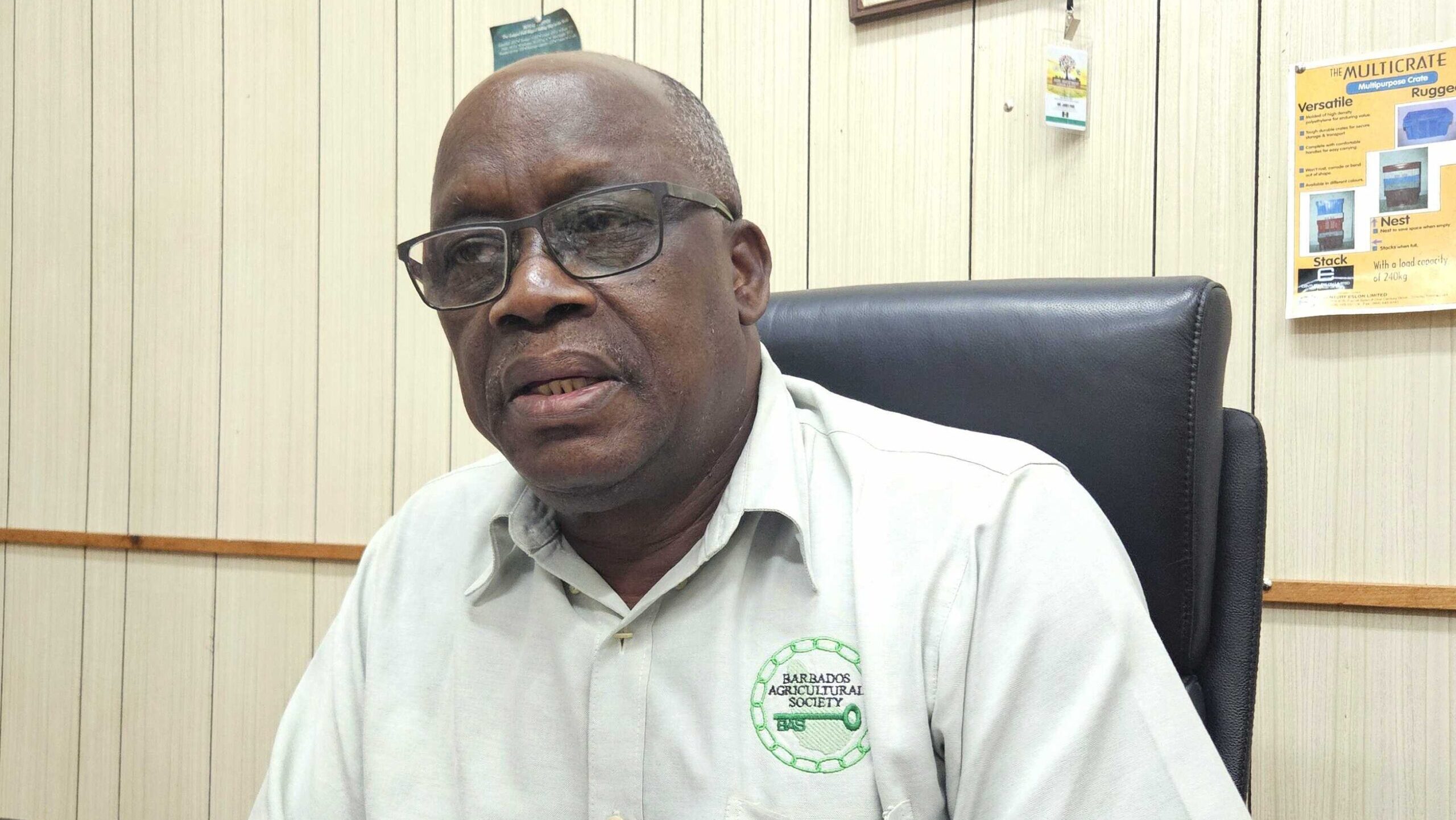
    Barbados faces a growing agricultural crisis as local pork producers confront what industry leaders describe as unfairly priced imports that threaten to undermine domestic farming operations. With Christmas traditions driving heightened demand for ham, Barbados Agricultural Society CEO James Paul has sounded the alarm about import practices that he claims disadvantage both farmers and the national economy.

    Paul asserts that Barbados has achieved sufficient domestic production to completely meet seasonal demand for both pork and poultry, rendering imports unnecessary. Despite local farmers increasing output specifically for the holiday season, certain companies continue to import pork products at significantly reduced duty rates. This practice, according to Paul, results in millions of dollars in lost foreign exchange and deprives government coffers of substantial tariff revenue.

    “The farmers of Barbados have catered this year for the Christmas season, and we have ample supplies,” Paul stated in an interview with Barbados TODAY. “We have a situation where people have Champagne tastes and mauby pockets. We utilize valuable foreign exchange that we have borrowed to finance unnecessary importation.”

    The agricultural representative highlighted particular concern over imported products entering at approximately 184% below the appropriate duty rate. This pricing advantage creates what Paul characterizes as “unfair competition” that potentially includes dumped products from both within and outside the region.

    Meanwhile, Acado (Barbados) Limited, the nation’s leading distributor of local ham brands including Farmer’s Choice, EVE, and Hilldale, reports preparing for strong seasonal demand. Food and Consumer Director Joy-Ann Carter indicated that retailers are maintaining robust inventory levels to accommodate Christmas traditions, with heightened visibility and product variety expected throughout December.

    “While hams are available throughout the year, our Bajan traditions of consuming ham increase during the Christmas season,” Carter noted, adding that the company also offers turkey alternatives for consumers who avoid pork.

    The contrasting narratives reveal a complex economic tension between supporting domestic agricultural production and meeting consumer preferences during Barbados’ most significant culinary season.

  • Hefty fines as police share traffic changes for Independence Parade on Sunday

    Hefty fines as police share traffic changes for Independence Parade on Sunday

    Barbadian authorities have issued a comprehensive traffic advisory ahead of Sunday’s dual ceremonies celebrating national independence and presidential installation at Kensington Oval. The Barbados Police Service will implement extensive road closures and parking restrictions from 5:00 AM to 2:30 PM, with severe penalties for violations including $500 fines or potential three-month imprisonment sentences for non-compliance.

    Strategic road closures will affect critical transportation arteries including Fontabelle Road from Lakes Folly/Redman Drive to President Kennedy Drive/Holborn Circle, and President Kennedy Drive from Westbury Road to Holborn Circle. Public Service Vehicles maintain special access privileges along the President Kennedy Drive corridor despite the general vehicular ban.

    Significant traffic congestion is anticipated along multiple parade routes spanning key urban thoroughfares: Fontabelle Road, Cheapside, Chapel Street, Prince Alfred Street, Broad Street, Trafalgar Street, Bridge Street, Charles Duncan O’Neal Bridge, Probyn Street, Bay Street, Lower Fairchild Street, Marhill Street, James Street, Magazine Lane, Coleridge Street, and Independence Square.

    Enhanced parking regulations prohibit vehicle placement on Westbury Road, President Kennedy Drive, Cheapside Road, Redman Drive, Prescod Boulevard, the access road to Hanschell Inniss, Pickwick Gap, University Row, Mighty Grynner Highway, and Kensington New Road.

    Designated parking facilities with shuttle services have been established for official participants: Kensington Oval for VVIPs, Parliament and Rickett Street for Parliamentarians, Cube Blue Barbados Port Inc for award recipients, Government Headquarters for honourees, Supreme Court and Helipad for participants including parents and children, State House for Presidential guests attending the Toast to the Nation ceremony, Government Procurement for diplomats, judiciary members and emergency services personnel, UWI Car Park for general invitees, and Kensington Mall for staff of designated persons.

    Law enforcement personnel will maintain heightened visibility along the parade route to facilitate traffic flow and ensure public safety during the ceremonial proceedings.

  • Traffic changes, road closures for Drag Fest this weekend and Monday

    Traffic changes, road closures for Drag Fest this weekend and Monday

    Barbados authorities have issued a comprehensive traffic advisory ahead of Drag Fest 2025, scheduled for this Saturday and Monday, warning motorists to anticipate significant disruptions along critical transportation corridors. The Barbados Association of Dragsters and Drifters (BADD) will host the automotive event from 8:00 AM to 6:00 PM on both days, necessitating complete closure of the ABC Highway between Norman Niles (Haggatt Hall) Roundabout and Clyde Walcott (The Turning) Roundabout.

    Law enforcement agencies have implemented stringent measures to manage the anticipated congestion, with police warning that violations of temporary traffic regulations could result in substantial penalties—including $500 fines or imprisonment for up to three months. Officers will be strategically deployed throughout the affected region to direct vehicular movement and enforce compliance.

    The closure extends beyond the ABC Highway to include Belle Road (both East and West sections) from Lower Estate to My Lords Hill intersections. Authorities have established detailed diversion routes: Motorists traveling westward from Bussa may redirect via Norman Niles Roundabout to My Lords Hill, proceeding to Bridge Road and Station Hill before reaching Clyde Walcott Roundabout. Alternative routes include detours through Salters and Charles Rowe Bridge to Lower Estate Road.

    For southbound traffic from Warrens, drivers may reroute left at Clyde Walcott Roundabout toward Lower Estate and Belle Road, continuing to Charles Rowe Bridge before advancing to Salters and Norman Niles. The secondary option involves right turns at Clyde Walcott toward Station Hill traffic lights, then left onto Bridge Road through My Lords Hill.

    Strict no-parking zones will be enforced along ABC Highway, Waterford Road, The Turning, Salters, and Belle Road. To mitigate parking challenges, organizers will operate park-and-ride services from Queen’s College, Garfield Sobers Sports Complex, The Botanical Gardens, and Sky Mall (exclusively on Monday). Emergency services including Police, Barbados Defence Force, and Fire Service vehicles remain exempt from all restrictions.