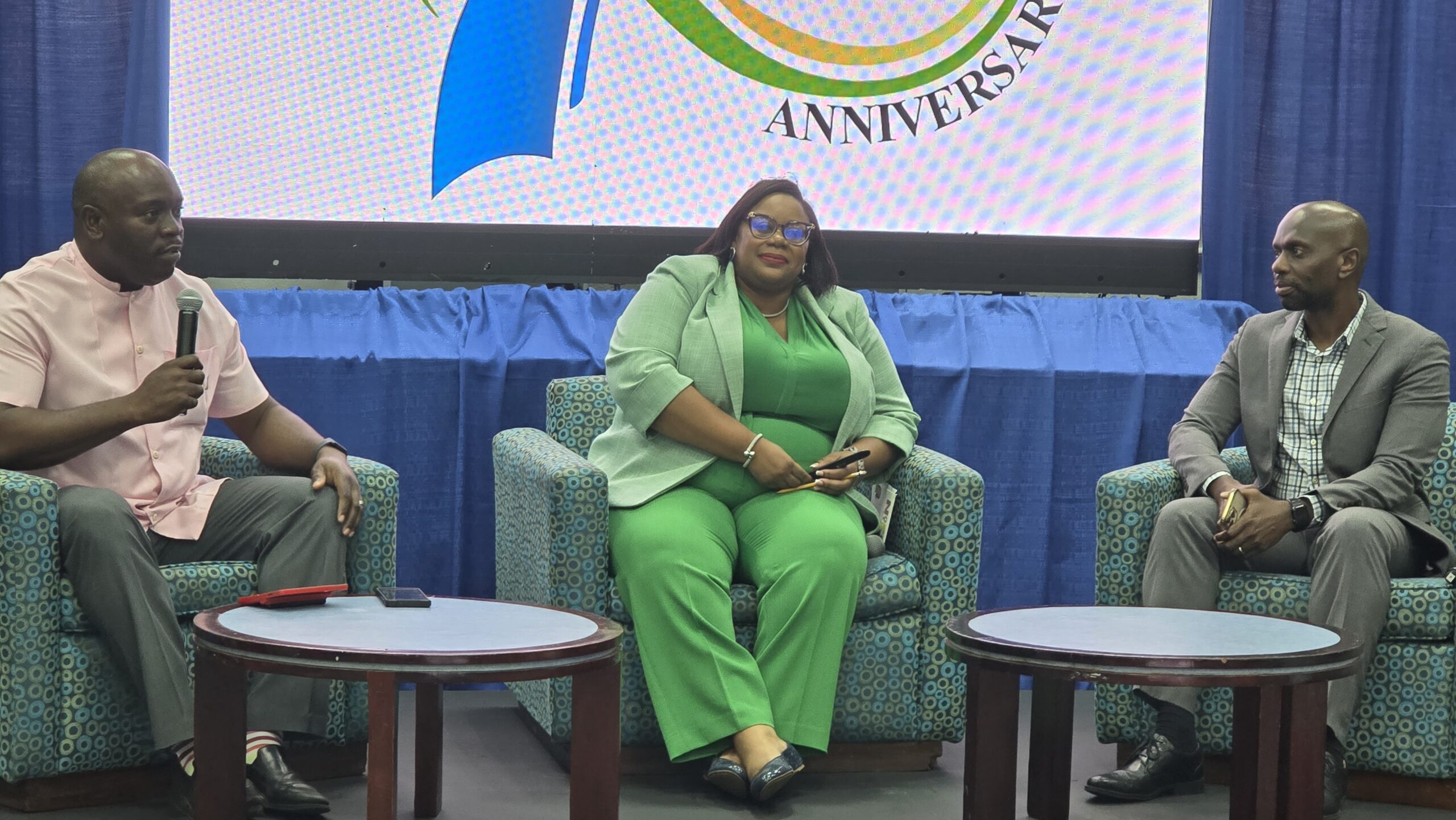
Barbados stands at a critical economic juncture, with top financial, business and academic leaders issuing a stark warning that the country could slide further behind competing Caribbean economies if national wage negotiations remain limited to minimum wage adjustments rather than tackling systemic issues including lagging productivity, gaping data deficits and the true burden of the cost of living. The joint call to action came during a high-profile panel discussion hosted just after the Barbados Employers’ Confederation (BEC) annual general meeting, held at the Lloyd Erskine Sandiford Centre, bringing together Finance Minister Ryan Straughn, BEC Executive Director Sheena Mayers-Granville, and Winston Moore, Professor of Economics and Deputy Principal at the University of the West Indies Cave Hill Campus. The panel’s conversation centered on the interconnected structural barriers holding back Barbados’ productivity and long-term economic expansion.
标签: Barbados
巴巴多斯
-

Nurses praised for resilience amid mounting pressures
Against a backdrop of growing strain on the island nation’s healthcare workforce, Barbados’ main opposition political group is shining a spotlight on the extraordinary grit and persistent dedication of the country’s nursing community, marking International Nurses Week with a public call for elevated acknowledgment of nurses’ irreplaceable role in national healthcare. The Democratic Labour Party (DLP) used the annual observance to amplify the contributions of both local nurses and Barbadian nursing professionals working abroad, with the party’s shadow health spokesperson Felicia Dujon leading the tribute in an official public statement.
Dujon emphasized that even when facing overwhelming emotional and physical burnout from challenging workplace conditions, Barbadian nurses have never wavered in their commitment to delivering high-quality patient care. “No matter how much pressure mounts, no matter how difficult working conditions become, nurses here show up every day with dedication, compassion, and uncompromising professionalism,” Dujon stated in the address. “Their impact on our healthcare system and our country’s broader social development simply cannot be overstated.”
Framing nursing as the backbone of Barbados’ healthcare infrastructure, Dujon noted that nurses serve as the consistent frontline touchpoint for patients and their families through every stage of care, building the trust that holds the nation’s health system together. “Our nurses embody the very best values of Barbados,” she added. “Even when they are drained, exhausted, and stretched emotionally thin, they still show up with extraordinary compassion, courage, and humanity for the people they care for.”
Beyond honoring frontline nursing staff, the DLP also extended recognition to the Barbados Nurses Association and its president, Dr. Fay Parris, for their ongoing work advocating for nursing professionals and elevating the key challenges facing the profession. Dujon walked through the schedule of activities marking the week, noting that while official International Nurses Week observances wrapped up on Tuesday with formal Nurses Day celebrations, the Barbados Nurses Association will cap off its week of programming this Saturday with a public awards ceremony to honor outstanding nursing professionals across the country.
Closing her statement, Dujon issued a call to young Barbadians exploring career paths, encouraging them to consider nursing as a long-term profession. She described the role as a deeply noble calling that creates tangible, lasting impact on communities and individual lives across the island.
-
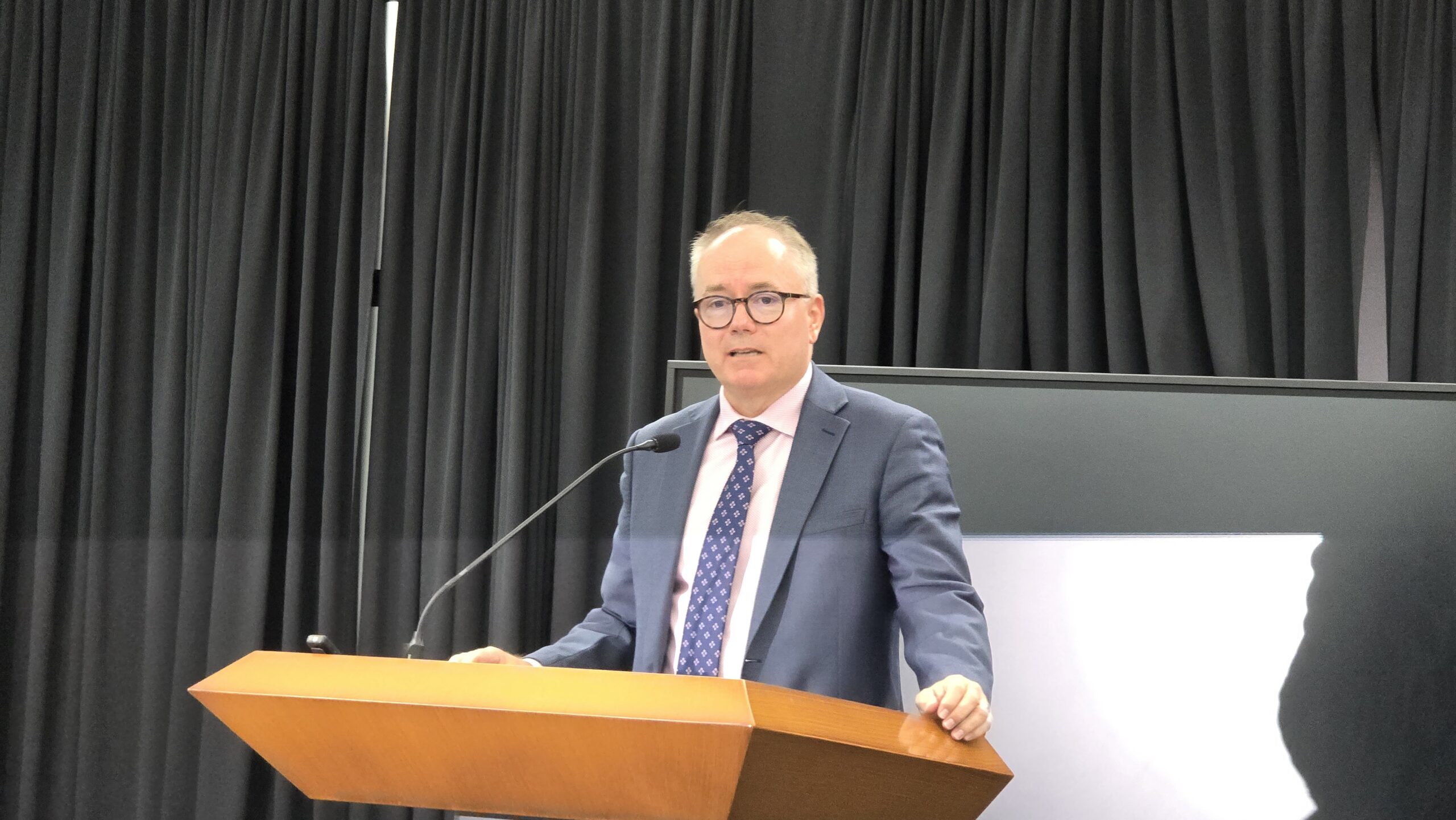
BPSA cites steady growth but flags risks to outlook
Fresh off the release of the Central Bank of Barbados’ first-quarter economic assessment, the leader of the island nation’s top private sector advocacy group has outlined a mixed but broadly encouraging outlook for the domestic economy, flagging solid growth and improving fiscal health as key drivers of rising investor confidence, while warning that external and domestic headwinds threaten to undermine long-term progress.
In a public statement issued Wednesday, James Jimmy Clarke, Chairman of the Barbados Private Sector Association (BPSA), noted that the Caribbean island logged another three months of consistent GDP expansion through the end of March, with the Central Bank pegging first-quarter growth at 1.7%. This uptick was fueled primarily by steady activity across the island’s core economic pillars: tourism, construction, business services and other service-related industries. Labour market conditions have also shown measurable improvement alongside this growth, Clarke added.
Clarke emphasized that consecutive quarters of sustained expansion deliver a clear signal of economic stability, a critical metric for drawing and retaining private capital. “Overall, the attainment of successive economic growth of the economy provides further indication of stable economic performance, an important indicator to building investor confidence in the local economy,” he said. “We anticipate that Barbados will maintain its attractiveness to private sector investors.”
The BPSA also praised the island’s ongoing solid fiscal performance, highlighting that the primary surplus for the 2025/2026 financial year hit $647 million – equal to 4% of Barbados’ GDP. Over the same period, the country’s overall fiscal deficit narrowed to just $58.3 million. These improvements have driven a downward shift in Barbados’ debt-to-GDP ratio, which fell 2.7 percentage points to 94.6% by the end of the financial year.
While international reserves dipped slightly compared to the prior reporting period, Clarke confirmed that the buffer remained robust at $3 billion as of the end of March 2026, enough to cover 25.5 weeks of imports, well above standard adequacy thresholds. Contained domestic inflation and continued improving labour metrics further add to the economy’s positive momentum, the BPSA found.
Despite these encouraging gains, Clarke did not downplay the significant challenges still facing the small island nation. External risks including ongoing global geopolitical instability and the cascading impacts of climate change have paired with domestic concerns, most notably rising energy costs and elevated crime rates, to create heightened economic uncertainty. In response to public safety threats, Clarke reaffirmed the private sector’s commitment to collaborating with other national stakeholders to mitigate the social and economic damage of crime and gun violence.
“As we face global geopolitical tensions, rising energy prices, the impacts of climate change, and concomitant social pressures causing higher levels of uncertainty, the private sector hopes for continued national resilience and stable economic performance and growth,” Clarke said.
-
Officials get third-highest honours for getting Barbados off financial lists
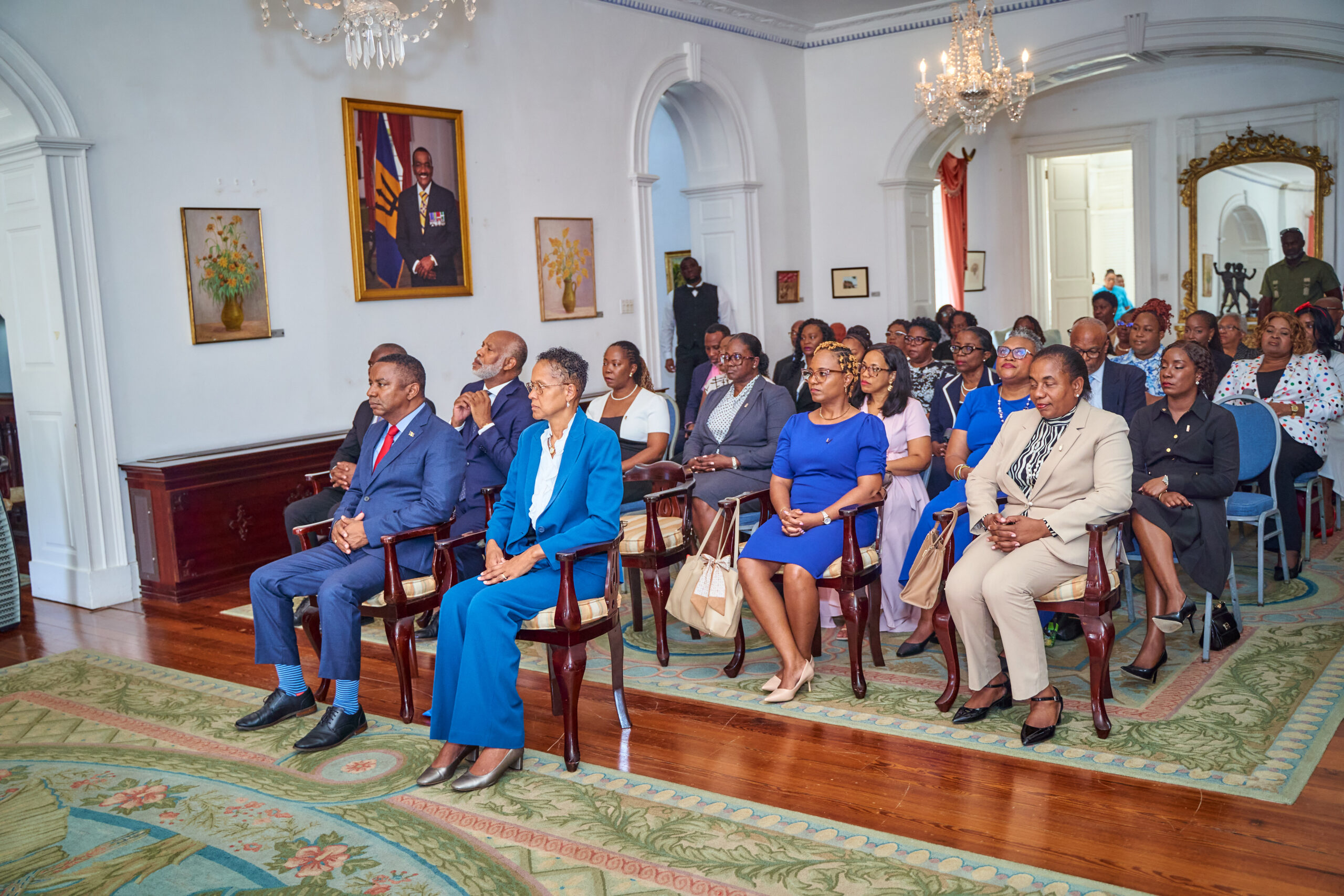
In a formal ceremony held Wednesday at Barbados’ State House, 33 senior government and financial sector officials received the Caribbean nation’s third-highest civilian honor, capping years of coordinated work to lift the country off two critical international financial watchlists that had threatened its global economic standing. The awardees came from two core working groups: the Financial Action Task Force (FATF) Action Plan Implementation Team and the International Business Unit Economic Substance Team. Their collective effort culminated in two landmark delistings that have reshaped Barbados’ reputation as a global financial hub: the island was removed from the FATF’s monitoring-focused grey list in 2024, which triggered an automatic removal from the United Kingdom’s high-risk third country register, and formally taken off the European Union’s blacklist of high-risk non-EU jurisdictions on August 5, 2025. Barbadis President Jeffery Bostic used the ceremony to recognize the years of behind-the-scenes work and sacrifice that made the delistings possible, emphasizing the significance of the honor being conferred. The award granted to the officials is the third-highest distinction in the Order of Barbados, ranking only below the Freedom of Barbados and the Order of the Republic. “I want to offer my sincerest congratulations to you on what I consider to be a very significant achievement,” Bostic told the gathered honourees. “That is something to be very proud of. We all are very proud of what we’ve been able to do and to achieve.” Bostic also extended formal gratitude on behalf of the entire nation for the team’s consistent commitment to public service, noting that their relentless dedication delivered long-term benefits to Barbados’ economy. Deputy Prime Minister Santia Bradshaw echoed the president’s praise, highlighting the grueling long hours and meticulous policy changes the teams implemented to meet international regulatory standards. “The country owes you a debt of gratitude for the dedication, the commitment, and I’m sure the long hours of unbroken service and sacrifice that you’ve made,” Bradshaw said. She added that the successful delistings have already delivered tangible economic results, restoring investor confidence and strengthening growth prospects for Barbados’ key international business sector. “It has allowed us to be able to have investors certainly turning their attention back to Barbados,” she noted. Industry and policy observers have widely framed these dual delistings as a transformative milestone for Barbados, which has long positioned itself as a leading offshore international business and financial center. Inclusion on global anti-money laundering and counter-terrorism financing watchlists like the FATF grey list and EU blacklist carries significant economic risks: it can undermine international investor trust, raise transaction costs for cross-border business, damage the overall credibility of a country’s financial regulatory framework, and deter foreign direct investment. Wednesday’s honors ceremony marks a formal national recognition of the critical role these public servants played in protecting Barbados’ economic future and securing its position in the global financial system.
-
Countdown on: ‘One year’ to prove compliance with global regulators
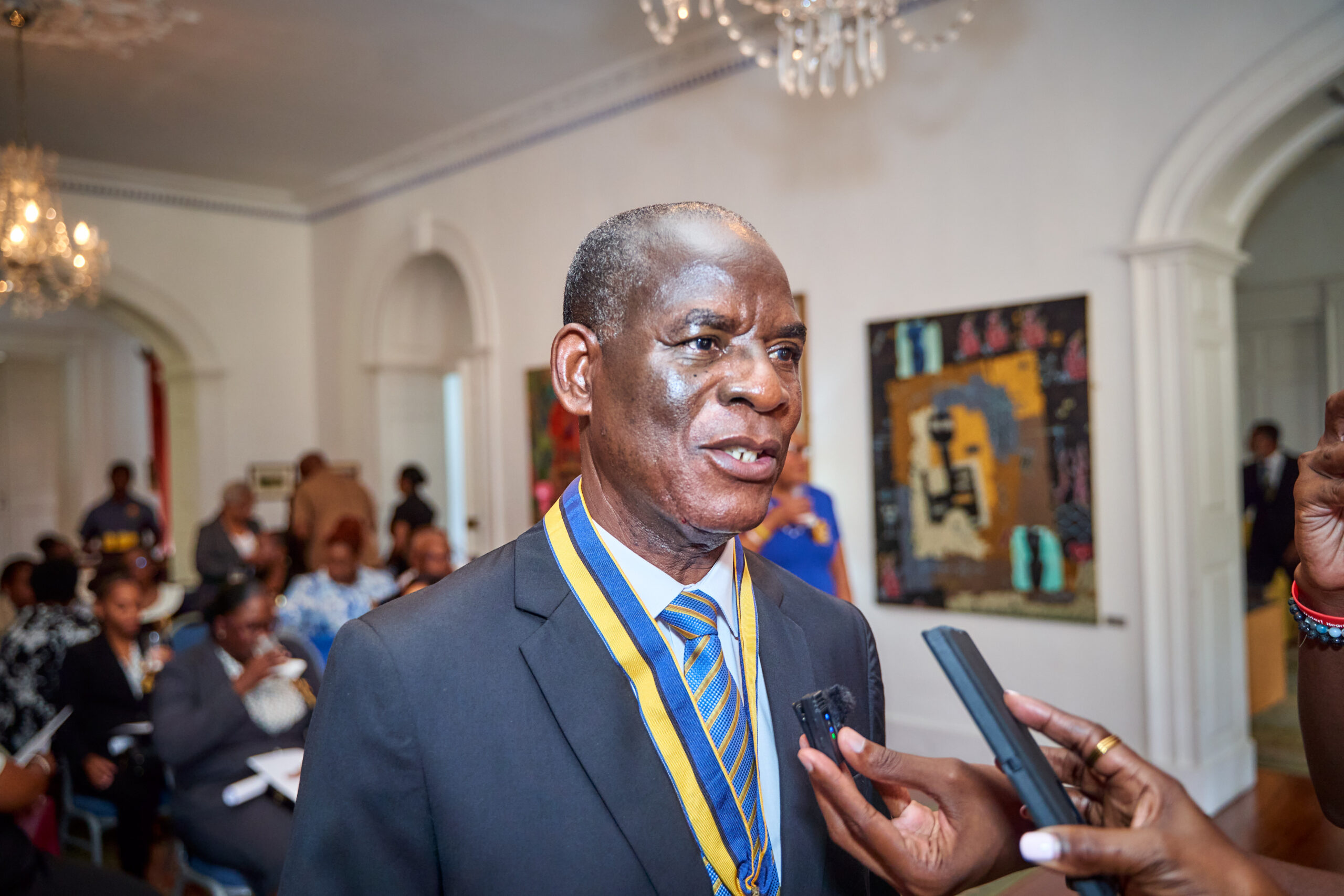
On Wednesday, as Barbados honored the team that steered the country off two major global anti-money laundering risk lists, Senate President Reginald Farley delivered a stark warning: the island nation has just over a year to prove its ongoing compliance with tightened international anti-money laundering and counter-terrorist financing standards, or it could be pushed back onto harmful grey and blacklists.
Farley was a core member of the working group that secured Barbados’ removal from the Financial Action Task Force (FATF) grey list and the European Union’s blacklist of high-risk financial jurisdictions, a milestone achieved earlier this year after more than seven years of sweeping regulatory reform. During a national honours ceremony at State House recognizing the efforts of the FATF Action Plan Implementation Team and the International Business Unit Economic Substance Team, he laid out the strict timeline for the upcoming compliance assessment.
“Between now and June next year, we essentially have to prove to the international financial community that we have a system which is compliant with the new arrangements,” Farley told reporters on Wednesday. The delisting achieved earlier this year was the end result of a years-long reform process launched after a 2016–2017 mutual evaluation identified critical gaps in Barbados’ regulatory framework. At that time, FATF issued a formal action plan with binding deadlines for the country to address its deficiencies, a process that dominated the work of financial regulators and government officials for nearly a decade.
Though Barbados has retained its off-list status to date, Farley confirmed that a high-stakes re-evaluation is scheduled for June 2027. Over the coming months, Barbados will first submit a series of detailed written reports to international assessors, before a review team travels to the island for what Farley called the “final test.” During the on-site visit, assessors will interview stakeholders across the private sector, national law enforcement agencies, and top financial regulators. Their mandate: verify that Barbados’ domestic laws, regulatory frameworks, and enforcement mechanisms are robust enough to counter money laundering, block terrorist financing, and stop the proliferation of weapons of mass destruction.
“As a member of the international community, one of the requirements is that all countries must show they are not even unwittingly being used as a funnel for money to fund terrorist activity or the spread of weapons of mass destruction,” Farley explained. Against a backdrop of stricter global standards for the fifth round of FATF evaluations, the Senate President stressed that Barbados cannot afford to ease its reform efforts. “We have a responsibility to redouble our efforts to ensure that under the new tightened rules of this next fifth round, we do not find ourselves on any negative listing,” he said.
Back in February of this year, when Barbados secured its delisting, Finance Minister Ryan Straughn called the achievement a major breakthrough after more than seven years of relentless work. He emphasized that the milestone clears the way for Barbados to position itself as a leading, fully compliant international investment hub aligned with all global tax and regulatory standards. “Over the last seven and a half years, the government has worked to address every issue highlighted on the EU black list, working alongside FATF and the OECD,” Straughn said at the time. “We did this because the reputation of Barbados required a complete overhaul, to demonstrate that we are a well-run jurisdiction.”
Leading regional economists echoed that optimism when the delisting was announced. Dr. Don Marshall, director and senior research fellow at the Sir Arthur Lewis Institute of Social and Economic Studies (SALISES), framed the removal from the lists as a transformative boost to Barbados’ national brand. He noted that the economic benefits of the improved reputation would be felt almost immediately, helping to stabilize existing international businesses operating on the island and attract new foreign direct investment.
For the upcoming assessment, Farley has reaffirmed Barbados’ commitment to meeting all global requirements, pledging that the government will allocate the necessary financial and technical resources, and pass any new legislation needed to preserve international confidence in the country’s financial sector. He also outlined the coordinated governance structure that guides Barbados’ anti-money laundering (AML) efforts: overall responsibility falls to the Office of the Attorney General through the national AML Authority, which works in close coordination with law enforcement, customs, the Barbados Revenue Authority, the Central Bank of Barbados, and the Financial Services Commission via a formal AML Network that holds regular coordination meetings.
“We do have governance structures in place, a coherent strategy, and a national action plan mapping where we are and what we need to deliver to meet our goals by the end of this process in June 2027,” Farley said.
-
‘Flexi-time key to improving workplace wellness’
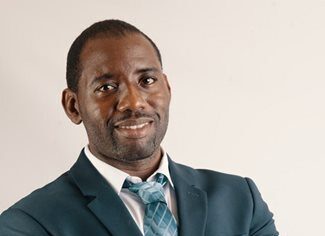
As Caribbean nations continue to reimagine workplace norms in the wake of global public health and demographic shifts, a top Caribbean management scholar is pushing for widespread adoption of flexible work arrangements in Barbados, arguing that a departure from the rigid 40-hour, 9-to-5 workweek could dramatically cut worker stress and improve population-level health outcomes.
Flexible work policies, often referred to as flexi-time, grant employees autonomy to adjust their start and end times, and in many cases their work location, while still requiring completion of contracted hours and core job responsibilities — a marked break from the one-size-fits-all fixed schedule that has defined global work structures for more than a century.
Professor Dwayne Devonish, a specialist in management and organizational behavior at the University of the West Indies, outlined his case during a recent virtual public forum focused on advancing workplace wellness. He emphasized that the hard-learned lessons of the COVID-19 pandemic must drive permanent changes to how local businesses prioritize worker health going forward. The global public health crisis, he noted, laid bare the inherent fragility of human life and cemented the centrality of wellness across every sector of Barbados’ economy.
Beyond pandemic lessons, Devonish pointed to two other major shifts reshaping the need for updated workplace policies over the past six years: Barbados’ persistent public health burden from non-communicable diseases (NCDs), and rapidly changing expectations across shifting workforce demographics. Unlike previous generations of workers, he explained, younger employees entering the workforce today — particularly members of Generation Z — consistently rank workplace health and wellness support above base salary when evaluating job opportunities, a priority shift that businesses can no longer afford to ignore.
A common misconception holding back small businesses, which form the backbone of Barbados’ economy, is the belief that comprehensive workplace wellness programs are prohibitively expensive to roll out. Devonish pushed back against this narrative, stressing that even small, incremental adjustments to workplace policies can deliver outsized benefits for employee wellbeing and productivity. “It doesn’t have to be an expensive undertaking,” he noted. “We’re not asking you to implement all types of wellness initiatives all at once. It can be incremental and according to your capacity as a small business.”
Among the most accessible, low-cost changes Devonish highlighted are flexible scheduling and part-time remote work options, which allow employees to balance competing work and personal care responsibilities more effectively. For small teams with limited resources, these adjustments count as low-hanging fruit that require little to no additional investment, he added.
Faye Prescod, Acting Permanent Secretary of Barbados’ Ministry of Labour, echoed Devonish’s calls, confirming that rethinking traditional work structures remains a key topic of national policy discussion. She recalled that Prime Minister Mia Mottley has previously floated proposals to restructure the standard 40-hour workweek, including the popular compressed schedule model that allows employees to work four 10-hour days instead of the traditional five-day split, while still fulfilling the full 40-hour requirement.
Devonish further noted that multiple European countries have already run large-scale pilots of four-day workweek policies, with most studies reporting overwhelmingly positive outcomes including improved retention, lower stress, and no loss of productivity. He also questioned whether the 40-hour workweek, a model first popularized by Henry Ford in early 20th century United States, remains the most effective structure for 21st century work. “Who’s to say that a 40-hour work week is the best work week?” he asked. “That was something inspired by Henry Ford in the US…who’s to say that we can’t do something different?”
Despite proven benefits of flexible work during the pandemic, Prescod acknowledged that skepticism persists among many local employers, who continue to question whether remote workers maintain productivity outside of a traditional office setting. As a public sector leader who works a hybrid schedule of two remote days and three in-office days per week, Prescod personally supports flexible arrangements, but recognizes the slow pace of cultural change among private sector employers.
Barbados’ public sector has already taken formal steps to embed flexible work into policy: the government introduced a national Flexible Work Arrangement Policy in 2020, which offers thousands of public servants access to a range of options including flexi-time, compressed workweeks, staggered shifts, and full or part-time telecommuting. Under the policy, public employees on flexi-time can select their preferred start and end times within pre-agreed bounds, but are required to work full mandatory hours and be present for core working hours set by their individual ministry.
-
CARIFTA champion Greenidge-Lewis honoured
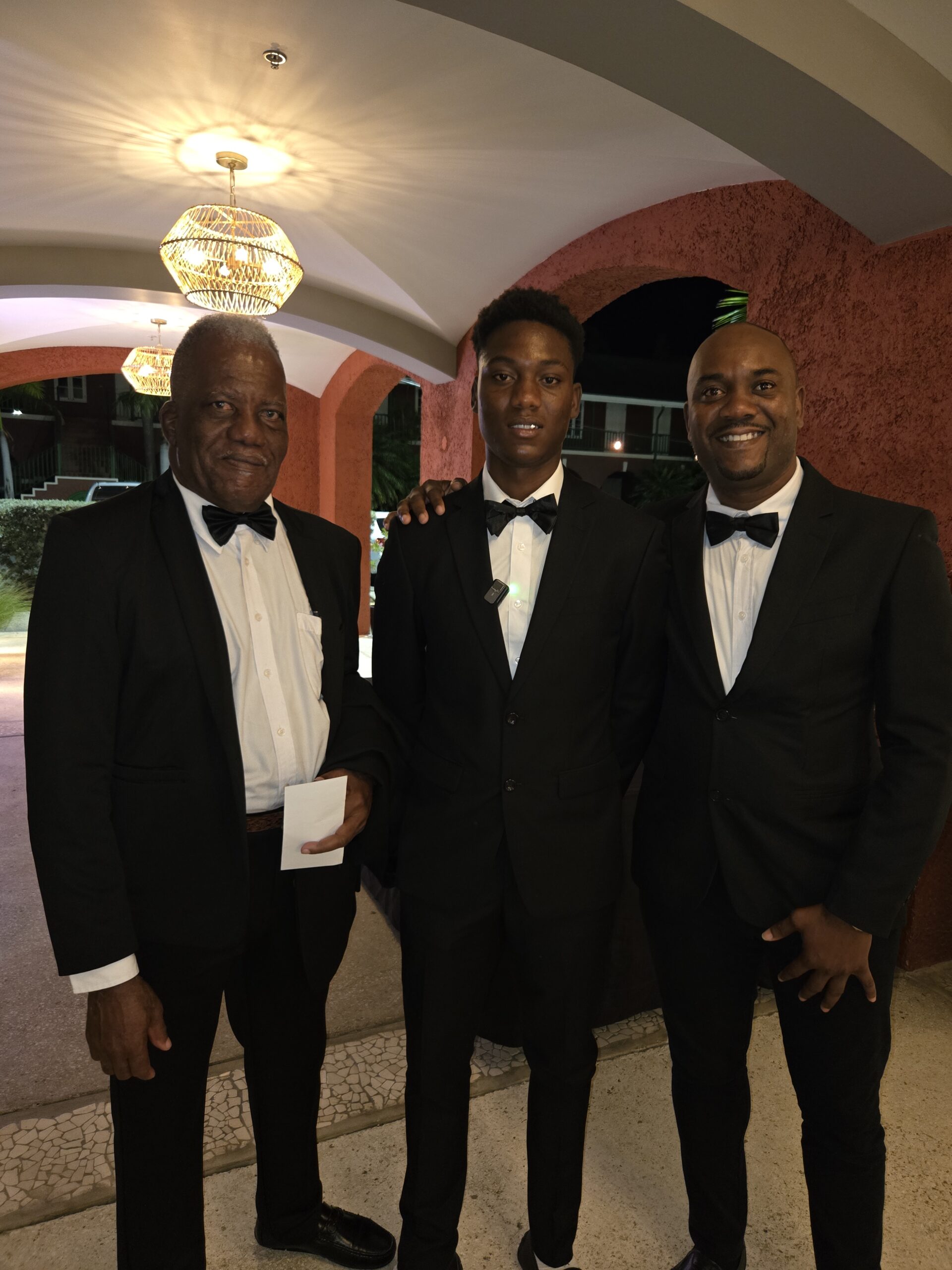
One of Barbados’ most promising young track and field talents added another accolade to his breakout 2024 season over the weekend, as CARIFTA Games gold medalist Shamari Greenidge-Lewis received a special recognition award at the Ex-Police Association of Barbados’ 55th annual awards gala. The ceremony, held Saturday evening at the Courtyard by Marriott, brought together retired and serving law enforcement officers to celebrate community achievements and outstanding individual success.
Greenidge-Lewis, a student at St George Secondary School, has had a standout season so far. After taking home the top spot in the Under-20 Boys’ 400-meter event at the Dasani BSSAC Championships, he delivered a career-defining performance at the CARIFTA Games held in Grenada, where he anchored the Barbadian Under-20 men’s 4×400-meter relay team to a historic, record-breaking gold medal, cementing his place in regional track history.
The teen athlete received a warm welcome from attendees, many of whom had personal ties to the police force. What made this recognition particularly meaningful for Greenidge-Lewis is its deep connection to his own family legacy in Barbados law enforcement: his father, Corey Lewis, is an active serving police constable, and his grandfather, Selwyn Went, is a retired veteran of the Barbados Police Force.
Speaking to reporters after accepting the award, Greenidge-Lewis expressed gratitude for the honor. “It feels great getting an award and being here tonight, being with my grandfather and his colleagues that served Barbados in the Police Force,” he shared, adding that the full scope of his recent historic achievements is only just starting to sink in. Looking ahead to the next phase of his young athletic career, the young sprinter set clear new goals: he will next compete at the World Junior Athletics Championships, where he hopes to bring home another medal and clock a new personal best time.
For his father Corey Lewis, the special tribute was the perfect capstone to his son’s relentless years of training and competition. Calling his sense of pride “an understatement,” Lewis noted that he has long seen the commitment and sacrifice his son puts into every training session, making this public recognition all the more satisfying. He also shared that the idea to honor Greenidge-Lewis came as a welcome surprise: when his own father (Selwyn Went) first reached out to tell him the association planned to recognize the sprinter, Lewis assumed his grandfather had organized the honor, but soon learned it was a unanimous initiative from the association’s president and board of directors.
Greenidge-Lewis was not the only honoree at Saturday’s event. Retired law enforcement officer Vernon Wilkinson also took home a special achievement award during the ceremony. In a nod to the upcoming Mother’s Day holiday, event organizers also presented bouquets of roses to all mothers in attendance, closing out the evening with a moment of celebration for family and community service.
-
Wins for Ellerton and Wotton in BFA Premiership
The Barbados Football Association (BFA) Premier League resumed this week at the association’s Technical Centre in Wildey, delivering two contrasting results that shifted the dynamics of both the title race and the relegation battle across the league table.
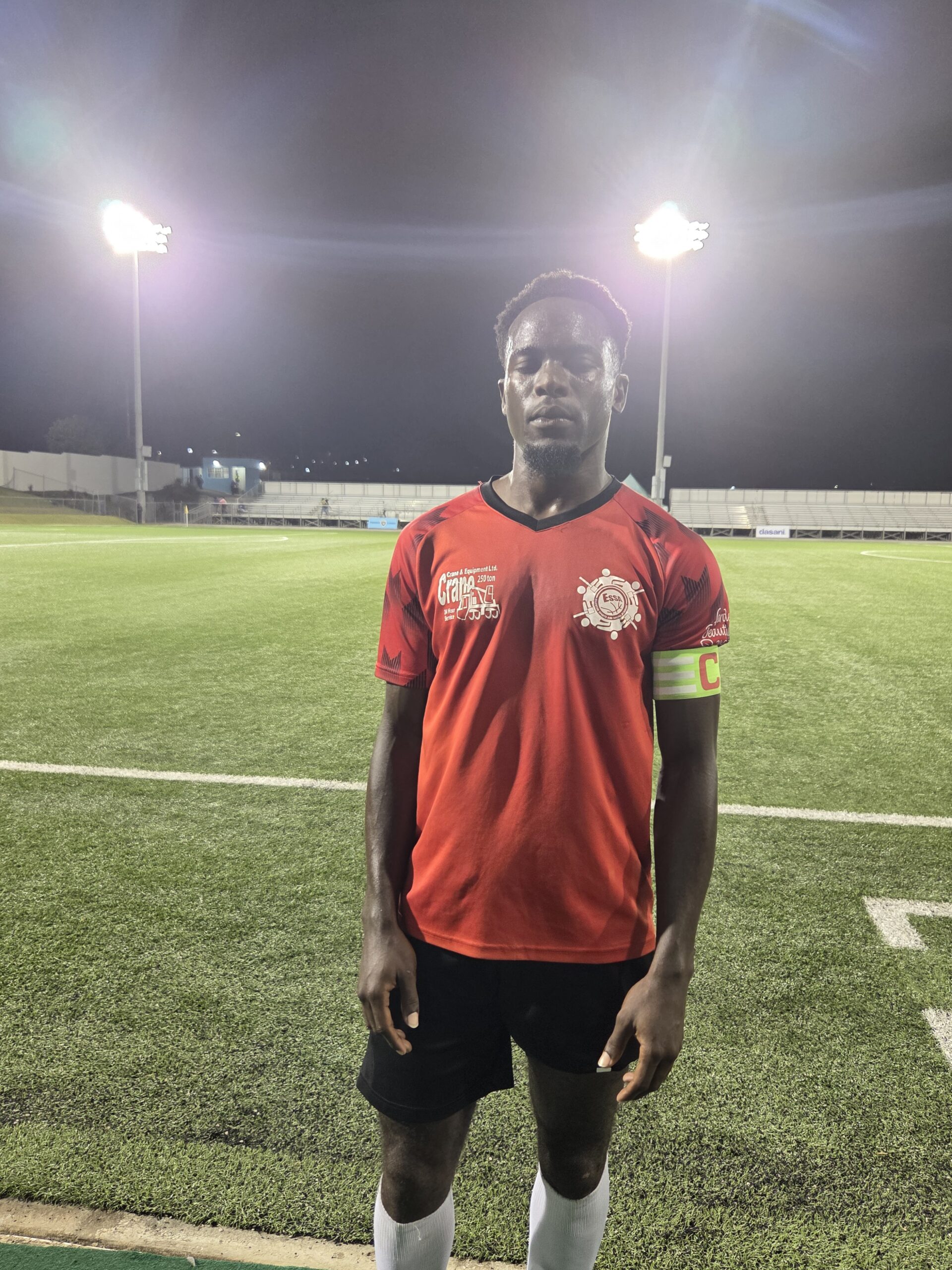
In the early 7 p.m. kickoff, mid-table side Ellerton secured a vital 3-1 victory over bottom-of-the-table St Andrew Lions, a result that pushes the promoted side ever closer to an immediate drop back to Division One. Last season’s Division One champions have struggled drastically since stepping up to the top flight, and this latest defeat has left their top-flight status hanging by a thread. It was a dominant opening half for Ellerton: captain Shakille Belle broke the deadlock in the 26th minute, and forward Rickneco Marshall stretched the lead to two goals just seven minutes later, putting Ellerton firmly in control. St Andrew Lions mounted a second-half comeback attempt, with Jemari Henry cutting the deficit in half in the 58th minute to give the side a glimmer of hope. But Belle put the result beyond doubt 10 minutes before full time, notching his second of the match to lock in three full points for Ellerton.
The win keeps Ellerton firmly in the hunt for a third-place finish in the league, locked in a tight battle with Brittons Hill United. Ellerton currently sits fourth in the table with 28 points, just one point behind third-placed Brittons Hill, and holds a game in hand over their rivals. That extra match comes after a uncontrolled bush fire near the original match venue forced the abandonment of their fixture against Paradise at halftime on Sunday. For St Andrew Lions, however, the defeat leaves them mired in one of the two automatic relegation spots, with only two regular rounds of matches left to play. The side sits on just seven points, staying only above last-placed Wotton on goal difference.
That lowly placing for Wotton did not stop the side from pulling off one of the biggest upsets of the league campaign in the night’s second fixture, a 2-1 come-from-behind win over local rivals Gall Hill that marks only Wotton’s second victory of the entire season. Gall Hill got off to a fast start, with Shaquon Jones putting the side ahead in the 18th minute to take an early lead. Wotton responded just before the halftime break, earning a penalty that Keon Harding converted to level the score. The match remained tied through most of the second half until Wotton winger Logan Carrington found the back of the net in the 79th minute to score the game-winner, handing his side a much-needed, morale-boosting three points.
Heading into the final stretch of the season, the title race remains wide open. Reigning champions Weymouth Wales hold a narrow one-point lead at the top of the table with 34 points, followed closely by second-placed Paradise on 33 points. Both title contenders still have rescheduled matches to make up, leaving the door open for either side to claim the crown. Weymouth Wales can secure back-to-back titles if they win all three of their remaining matches, but the side is currently navigating a significant injury crisis that has forced manager to repeatedly reshuffle their matchday squads.
The next round of BFA Premier League fixtures is set to kick off Sunday with a 6 p.m. matchup between Kickstart Rush and relegation-battling St Andrew Lions. Kickstart Rush will be looking for a win to close the gap on the top four and secure a spot in the upper half of the table. Following that opener, Brittons Hill will face a tricky test against an unshackled Wotton side, which has nothing left to lose after dropping to the foot of the table. The final late fixture will see league leaders Weymouth Wales take on UWI Blackbirds, who come into the match fresh off a hard-fought win in their most recent outing.
-
Young children to benefit from Micro Games
The first-ever Micro Games 2026 has officially gotten underway at Queen’s Park, bringing together nearly 700 young learners from seven government-run nursery schools across the region for three days of age-appropriate athletic competition and skill-building. Designed to introduce foundational values of teamwork, resilience, and healthy competition to children at the earliest stages of development, the event opened its doors on Wednesday with a ceremonial opening that drew government officials, education leaders, proud parents, and excited participating students.
The opening ceremony was marked by a symbolic moment when two students from Maria Holder Nursery School (Sharon), Zuri Doyle and Tai Parris, led the assembled athletes in reciting the official athletes’ oath, formally declaring the games open. On the first day of competition, three schools took to the fields: Maria Holder Nursery School (Sharon), Social Empowerment Agency Nursery, and Maria Holder Nursery School (Oldbury), with the remaining four schools competing across the following two days of the event.
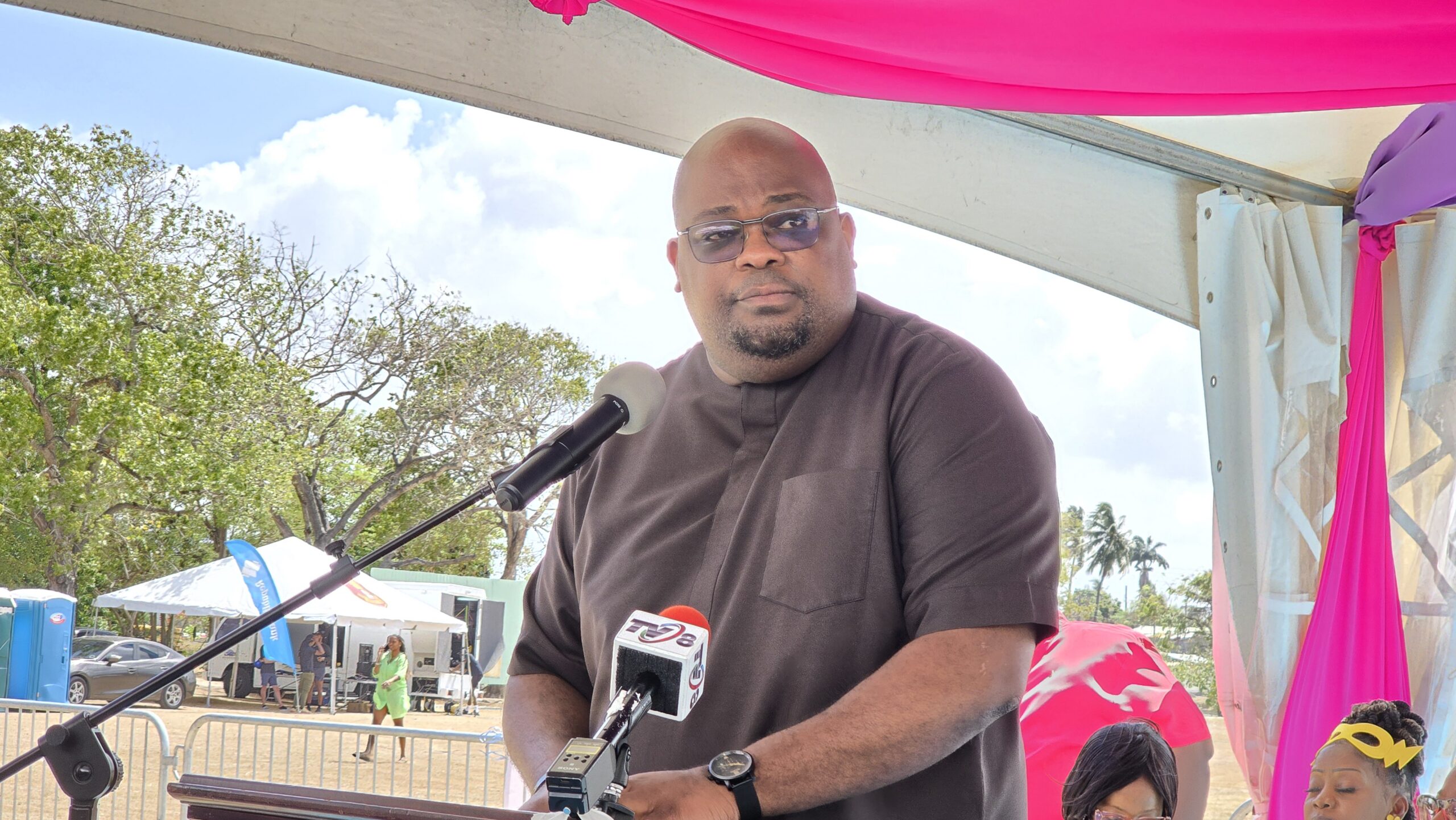
Speaking at the opening ceremony, Minister of Education Chad Blackman framed the Micro Games as far more than a casual children’s sporting event, positioning it as the critical first step in a national pipeline that cultivates athletic talent from early childhood all the way to elite international competition. Blackman explained that the games act as the precursor to a sequential development pathway: leading first to the National Primary Schools Athletic Championships (NAPSAC), then to the Barbados Secondary Schools Athletic Championships (BSAC), and eventually to the Caribbean Free Trade Association Games (CARIFTA), the region’s premier youth athletic competition.
“For a country looking to build a long-term strategy of sporting success, these children are the future of global competition,” Blackman said. “These are the young people who will one day go on to compete at the Olympic Games, represent the nation at the FIFA World Cup, and earn spots on the West Indies men’s and women’s national cricket teams.” Beyond athletic achievement, Blackman emphasized that the games were intentionally designed to foster transferable life skills that benefit children far beyond the sports field. “Today is about young people coming together to have fun, compete fairly, and build the core skills and values that our whole nation relies on to thrive,” he noted.
Against the backdrop of two key national milestones – the country’s 60th anniversary of independence and five years as a republic – Blackman tied the event to the nation’s broader development goals. “These milestones are catalysts that push us to invest in our young people, who will carry our country forward through the next 60 years of growth,” he said. The minister also issued a heartfelt call to parents, urging them to prioritize positive reinforcement as they support their children’s growth. Citing a principle he lives by, Blackman said: “The best way to predict the future is to create it. Parents, continue to give your children nurturing, encouraging support, help them understand they can be the best version of themselves, that they have the potential to excel anywhere in the world.” He added: “Words hold incredible power – what you speak over your children’s lives will manifest in their futures, for better or worse. If you want positive outcomes for your kids, speaking encouragement and goodness into their lives is not just helpful, it is essential.”
Dr. Ramona Archer-Bradshaw, the nation’s Chief Education Officer, shared her excitement at seeing the years-long vision for the Micro Games come to life, coming on the heels of successful national celebrations for NAPSAC and BSAC competitors earlier this year. “Earlier this year, we cheered on our primary school competitors at NAPSAC and our secondary school athletes at BSAC, and now it is our turn to celebrate our youngest learners as they take the field for the first Micro Games,” she said. Archer-Bradshaw stressed that the event fills a critical gap in early childhood education by teaching children the value of mutual support and sportsmanship from their earliest years. “We live in a world today where far too many adults focus on tearing each other down, on social media and in public spaces. We have to teach children from the earliest age how good it feels to lift each other up and celebrate one another’s success,” she explained. “Beyond the lessons they learn in their pre-primary classrooms, this event will teach them what it means to win with humility, lose with grace, and stand with each other through every challenge.”
As the title sponsor of the inaugural event, Republic Bank’s Retail and Operations Manager Sharon Zephirin praised the Ministry of Education for developing a creative, accessible platform that lets young children build critical life skills – including teamwork, discipline, and confidence – through play and friendly competition. “Through this collaborative effort, we are laying the foundational building blocks for these children to succeed throughout their entire lives,” Zephirin said. “At Republic Bank, we firmly believe every child deserves a strong, supportive right start in life. That is why we are so proud to support the Micro Games through our Right Start initiative, a program designed specifically to nurture the needs of young people across the country.” Like Minister Blackman, Zephirin encouraged parents to remain consistent pillars of support for their children’s evolving dreams. “Continue to stand by your kids in every new thing they try. Cheer them on, nurture their goals, and remind them that even the smallest step forward is a victory worth celebrating,” she said. “When we work together as a community, we can help every child grow up with the confidence, curiosity, and courage to reach their full potential.”
-
Barbados Tridents to return for 2026 CPL
After five years competing under the Barbados Royals moniker, one of the Caribbean Premier League’s (CPL) most storied franchises is heading home to its roots. The Government of Barbados and global multi-team sports ownership leader Royals Sports Group (RSG) have jointly announced the relaunch of the Barbados Tridents, a move anchored by a transformative three-year public-private partnership billed as the first of its kind in elite international franchise cricket.
Framed as the centerpiece of the broader national “One Barbados” initiative, the partnership coincides with the island nation’s 60th anniversary of independence, tying the franchise’s rebrand to a moment of national reflection and forward-looking ambition. Under the terms of the agreement, the Government of Barbados will take a minority co-investment stake in the franchise, pending final regulatory approvals. Majority ownership and day-to-day operational control will remain with RSG, preserving the group’s proven expertise in professional sports management while aligning the team’s activities with national public goals.
Barbadian Prime Minister Mia Amor Mottley emphasized the deep cultural and national significance of the move during the official announcement. She noted that cricket has long stood as a core pillar of Barbadian national identity and self-determination, making the return of the Tridents name and original national color scheme a fitting tribute to the nation’s six decades of independent progress. “The return to the Barbados Tridents reflects our confidence, our pride and our ambition as a nation, as we begin to chart the path towards our next 60 years,” Mottley said. “We want to make sure that the Barbados Tridents is at the heart of our national story – inspiring our young people, strengthening our global presence, and demonstrating how sport can serve the wider national interest.”
Manoj Badale, lead owner of Royals Sports Group, reaffirmed the organization’s long-term commitment to Barbados beyond the annual CPL playing window. The partnership includes a multi-year investment plan designed to deliver year-round economic and social impact across the island, extending well beyond match days. Badale framed the collaboration as a landmark model for public-private cooperation in elite sport, highlighting RSG’s enduring confidence in Barbados both as a global cricket powerhouse and a dynamic leader across tourism, investment and innovation. “Relaunching the franchise as the Barbados Tridents, playing in the national colours, is a powerful statement of pride and intent,” Badale said. “We remain fully committed to Barbados, to the CPL, and to one clear ambition: sustained success, with both the men’s and women’s CPL titles brought home to the island.”
For long-time cricket fans, the return of the Tridents name carries strong nostalgic and competitive weight. The franchise claimed two CPL titles under the Tridents branding in 2014 and 2019, before rebranding to Barbados Royals ahead of the 2020 season. Most recently, the team finished at the bottom of the league standings in the 2025 CPL edition, making the relaunch a fresh start for the franchise as it targets renewed on-field success.
Officials on both sides of the partnership stressed that the One Barbados initiative is designed to position the Tridents as a permanent year-round national asset, rather than just a seasonal sporting side. The innovative partnership model is expected to serve as a test case for future collaborations between national governments and private sports ownership groups across the globe, proving that aligning public national pride with private sector expertise can deliver shared benefits for all stakeholders.