标签: Barbados

巴巴多斯

  • New probation officers offer hope to ‘stretched’ service

    New probation officers offer hope to ‘stretched’ service

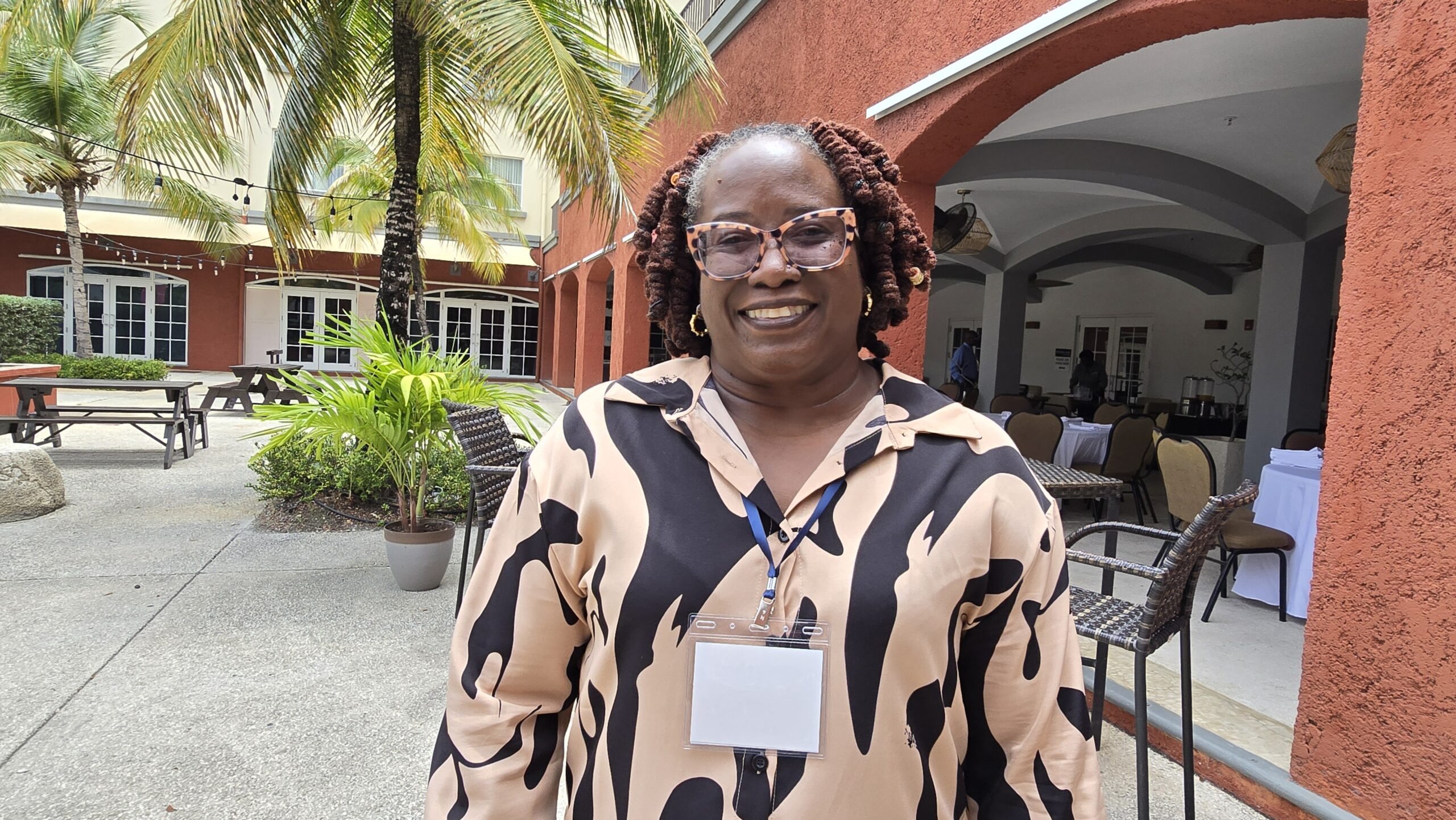
    The Barbados Probation Service is entering a new phase of operational improvement, buoyed by the addition of seven new probation officers that have lifted total staffing to 16, according to Chief Probation Officer Dr. Angela Dixon. The long-awaited expansion is expected to ease crippling backlogs that have plagued the department, particularly around the preparation of critical pre-sentencing reports that have experienced costly delays in recent months.

    In an exclusive interview with Barbados TODAY, Dr. Dixon noted that while the new hires are still in onboarding and their full impact will not be felt immediately, the additional headcount marks a turning point for the service that has been stretched thin by overlapping responsibilities and limited staff. “It is definitely going to help us reduce the existing backlog of work we have accumulated over time,” she confirmed.

    Beyond cutting wait times, the new staffing capacity paves the way for a fundamental restructuring of how the department operates. Historically, all probation officers have served as generalists, taking on every core task from writing court-mandated reports and running rehabilitation programming to supervising offenders under their care. This one-size-fits-all model left teams overstretched and prevented specialists from deep diving into high-priority work.

    With seven extra team members on board, the service can now transition to a specialized role structure. Dr. Dixon outlined the new framework: some officers will focus exclusively on preparing court reports and attending court proceedings, others will dedicate their full attention to offender supervision, and a third cohort will lead rehabilitation and intervention programming. This targeted model, she explained, will allow the department to better measure its public safety impact and address long-standing gaps in service delivery that have gone unaddressed due to limited capacity.

    Despite the progress from this recruitment round, Dr. Dixon emphasized that further expansion will likely be needed to meet the service’s full needs. While she estimates an ideal total workforce would fall between 20 and 25 officers, she declined to lock in a final number, noting that the department will first evaluate the impact of the seven new hires and collect operational data before formalizing future staffing requests.

    Alongside workforce expansion, the Probation Service is also advancing plans to deepen digital integration across Barbados’ criminal justice sector. The department currently uses Enterprise Supervision, a specialized case management platform developed by US-based firm Tyler Technologies, which it adopted shortly after the COVID-19 pandemic in 2022. The platform is designed to streamline case tracking, information sharing and offender monitoring across agencies.

    When the system was launched, the Probation Service invited all relevant criminal justice stakeholders to test the platform and explore integration opportunities. Initial feedback was overwhelmingly positive, but momentum stalled due to shifting institutional priorities, funding gaps and delayed follow-up. Dr. Dixon’s long-term vision remains full cross-agency integration: if all stakeholders can connect to the platform or interface with it via complementary tools, teams can proactively flag shared clients and coordinate interventions far more effectively, reducing gaps in supervision and support.

    The digital transformation effort has also expanded regionally: the Barbados Probation Service has rolled out access to the Enterprise Supervision platform to probation agencies across 16 Caribbean nations. Regional partners are offered two access pathways: they can leverage the existing infrastructure already in place in Barbados and simply purchase user licenses to get started.

    Dr. Dixon reported that regional interest in the platform has been strong, with many agencies expressing enthusiasm for the standardized, digital case management solution. She noted, however, that widespread adoption across the Caribbean will depend on three key factors: sustained political will to prioritize probation system modernization, available funding for platform licensing and implementation, and buy-in from key national stakeholders to recognize probation as a core component of effective public safety and criminal justice strategy.

  • Man jailed for stealing windows from business

    Man jailed for stealing windows from business

    A 30-year-old man from Martindales Road has received a one-year custodial sentence after confessing to the theft of construction windows from a local Belleville business, in a case that highlights the persistent issue of repeat petty offending in the district. Tramane Michael Stuart, whose address is listed as Campaign Land, entered a guilty plea to the charge of grand theft before the No. 2 District ‘A’ Magistrates’ Court. Court documents confirm the offense took place in late May, when four high-value sash windows totaling $1,640 were taken from the premises of Kara’s Trading, located on 8th Avenue.

    As court proceedings outlined, employees of the local trading company had temporarily stored a batch of new sash windows in an outdoor lot secured by a perimeter of wooden pallets ahead of installation. When staff returned to the site the following working day, an inventory check immediately revealed that four of the stored windows were no longer on the property. Investigators from the local law enforcement reviewed closed-circuit security camera footage covering the lot, which clearly identified Stuart as the individual who removed the windows from the site. He was taken into police custody shortly after identification, and made a full voluntary admission of guilt during questioning.

    Magistrate Manila Renee handed down the one-year prison sentence after reviewing Stuart’s criminal record, which showed four prior convictions. The most recent of these convictions, which were entered in 2025, were also for drug-related offenses and additional theft charges, leading the magistrate to impose a full custodial term rather than alternative sentencing options like probation or fines.

  • Early intervention key to tackling crime, says counsellor

    Early intervention key to tackling crime, says counsellor

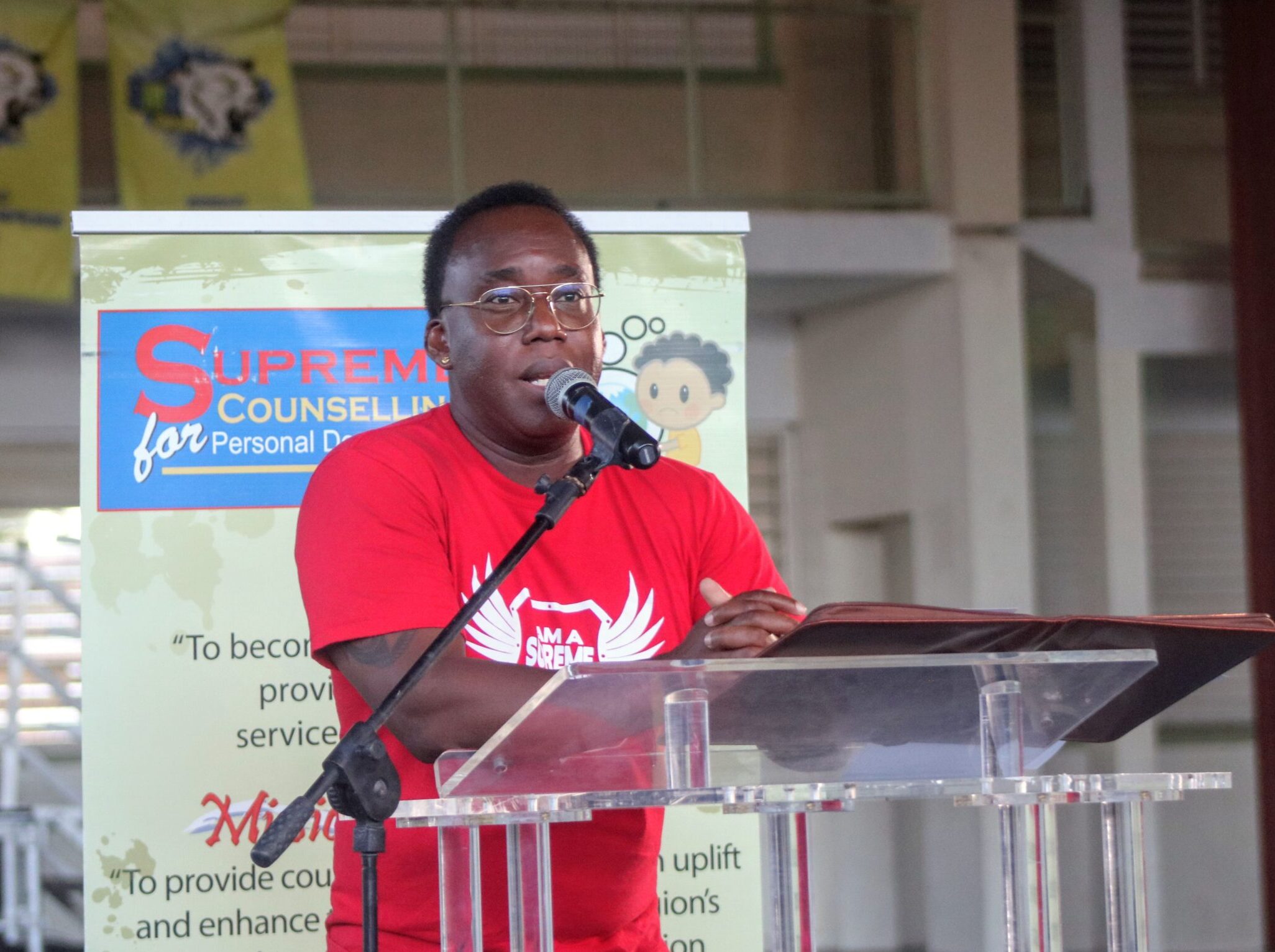
    A leading youth welfare professional is echoing the calls of Barbados’ top legal affairs official, urging policymakers to position targeted early intervention as the foundational pillar of the country’s national crime reduction strategy. Shawn Clarke, chief executive officer of Supreme Counselling for Personal Development, a long-running organization focused on youth support across Barbados, has publicly backed recent remarks from Minister of Legal Affairs and Criminal Justice Michael Lashley, who emphasized that addressing root social causes of youth crime requires proactive, early action. Clarke notes that Lashley’s assessment aligns with more than a decade of on-the-ground observations from youth-focused professionals across the island.

    Clarke argues that the framework for effective crime prevention does not activate only after a young person has already entered the nation’s criminal justice system. Instead, he says, the work begins far earlier, when the first subtle and overt signs of distress emerge — from persistent behavioural struggles and emotional dysregulation to social disconnection and academic difficulty. “If we are serious about cutting crime rates across Barbados, we must match that commitment with equal urgency to spot and address these warning indicators before they escalate into more serious harm,” Clarke explained.

    He went on to outline that the vast majority of young people who ultimately run afoul of the law display recognizable red flags years before their first interaction with law enforcement. These common early markers include chronic behavioural challenges, patterns of aggression, poor emotional management, underage substance use, disengagement from school, unresolved childhood trauma, unstable family environments, and repeated exposure to community or domestic violence. Too many of these at-risk youth slip through gaps in existing support systems, Clarke stressed, meaning that by the time they appear before a court, critical opportunities to redirect their lives toward positive outcomes have already been lost.

    Rather than framing early intervention as a discretionary social service, Clarke says the country should view it as a high-yield national investment. Beyond cutting crime rates, evidence-based early intervention drives a range of broader social benefits: it boosts school attendance, improves long-term academic performance, reduces rates of student suspension and expulsion, delivers better mental health outcomes for vulnerable youth, strengthens family functioning, and increases the chance that young people grow into productive, contributing members of Barbadian society.

    While Clarke acknowledges that updated, strong legislation remains a critical component of public safety, he insists that long-term success in cutting youth violence and reducing gang involvement depends on balancing punitive measures with equal investment in prevention. “Strong, clear laws are necessary to maintain public order, but the greatest return on public investment will always come from stopping young people from entering the criminal justice system in the first place,” he said. “Every child we successfully redirect away from harmful pathways is one future victim we prevent, one future offender we avoid, and one step closer to a stronger Barbados.”

    Clarke added that effective early intervention is not solely focused on correcting negative or disruptive behaviour. It should also center on nurturing young people’s potential and building the strengths they need to thrive long-term. “Early intervention isn’t just about finding problems — it’s about uncovering potential,” he noted. “It’s about helping young people recognize their strengths, build lasting resilience, develop healthy coping skills for life’s challenges, and create positive, sustainable pathways for their futures.”

    Supreme Counselling for Personal Development, Clarke’s organization, has been a leading advocate for and provider of early intervention services in schools and communities across Barbados for more than 15 years. He shared that the organization’s recently updated program framework continues to prioritize prevention, emotional skill development, targeted behavioural support, professional counselling, youth mentoring, and bullying prevention as core components of its community work.

    “The national conversation Minister Lashley has started is a critical one for our country,” Clarke said. “Barbados now has a historic opportunity to solidify early intervention as a central pillar of our national crime prevention strategy. The benefits will stretch far beyond crime reduction: we will see stronger families, safer school environments, healthier communities, and a more secure future for our entire nation. Preventing one young person from entering the criminal justice system is meaningful work, but building systemic support that helps hundreds of at-risk youth avoid that path entirely is transformative change for Barbados.”

  • Wesley Hall secure big win in NSC Football competition

    Wesley Hall secure big win in NSC Football competition

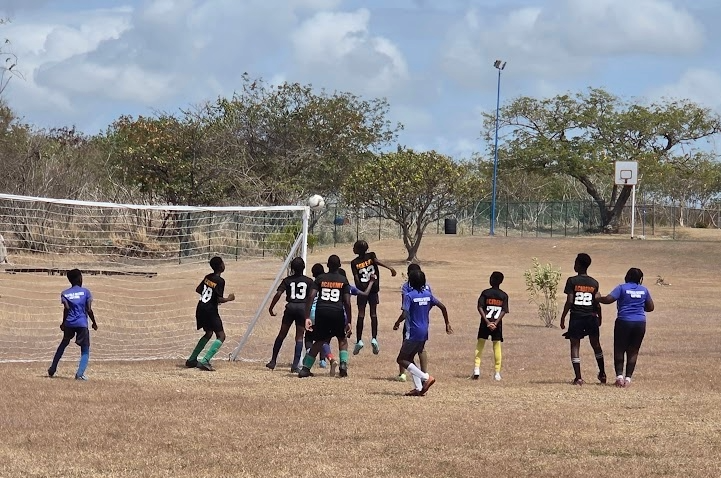
    The annual National Sports Council BICO Primary School Football Competition has advanced into its next phase, with thrilling matches played across four zonal brackets this week, delivering a mix of lopsided blowouts and tense, last-minute finishes from youth squads across the country.

    In the Keith Grell Griffith Zone, Wesley Hall Primary put on an offensive masterclass, netting five unopposed goals to secure a dominant 5-0 shutout victory over Al Falah School. The zone’s second fixture was a far more tightly contested affair, with Westbury Primary holding off a late comeback push from Trinity Academy to claim a narrow 3-2 win.

    Matches in the Reginald Haynes/Victor Gas Clarke Zone, hosted at the Blenheim playing grounds, opened with St Giles Primary securing a solid 2-0 win against George Lamming Primary. Wilkie Cumberbatch Primary followed that performance with a 4-0 shutout of St Patrick’s Roman Catholic School, while Belmont Primary outscored Charles F Broome Memorial 4-2 in a high-scoring back-and-forth clash. Two other fixtures in the zone ended in all-square results: Belmont Primary and St Ambrose Primary split points after a 1-1 draw, and neither St Cyprian’s Boys nor Luther Thorne Memorial managed to find the back of the net, finishing with a 0-0 stalemate.

    The Kenville Kab Layne Zone produced the tournament’s joint-biggest win of the matchweek, as St George Primary cruised to a comfortable 5-1 victory over a outmatched St Judes Primary. Mount Tabor Primary turned in a clinical defensive and offensive performance to beat Ellerton Primary 3-0, while Hitz 106.1 FM Bay Primary pulled off a narrow 3-2 upset win over Eagle’s Academy.

    Down at the Briar Hall playing fields for matches in the Ricardo Mickey Gibson Zone, three fixtures ended in drawn results. Wills Primary and St Christopher’s Primary finished level at 1-1, while last year’s tournament runners-up Arthur Smith Primary also tied 1-1 against Milton Lynch Primary. St Lawrence Primary and People’s Cathedral Primary similarly split points with a 1-1 result. In other zone matches, Shirley Chisholm Primary notched a clean 3-0 win over St Bartholome’s Primary, and St Winifred’s School edged out St Gabriel’s Primary by a 2-1 final score.

    At King George V Park, three matches kicked off in the Adrian Donovan/Michael Foster Zone. St Martin’s Mangrove Primary received a default 3-0 win after Bayley’s Primary was unable to field a full squad for the fixture. Blackman & Gollop Primary and Hilda Skeene Primary played to a 1-1 draw, while Gordon Walters Primary and Reynold Weekes Primary also finished all-square with an identical 1-1 result to close out the week’s matchday action.

  • Dust season changing as plumes arrive sooner – forecasters

    Dust season changing as plumes arrive sooner – forecasters

    As the Caribbean enters its annual Saharan dust season, regional meteorologists are sounding the alarm over a shifting pattern: significant dust outbreaks from the Sahara Desert are now arriving earlier than historical records indicate, and overall transatlantic dust transport has climbed to sustained high levels that threaten public health across the region.

    Last week, thick plumes of Saharan dust already disrupted daily life across Barbados, hitting residents with pre-existing respiratory conditions particularly hard. For context, this pervasive weather phenomenon develops when dry mineral dust particles swept from the Sahara Desert are carried across the Atlantic by trade winds, lingering in the atmosphere over the Americas and Caribbean. The suspended particles drastically cut visibility, usually dropping it below 10 kilometers, and leave the sky looking milky, opaque, or faintly discolored.

    Dr. Andrea Sealy, regional chair for the Americas at the World Meteorological Organisation’s Sand and Dust Storm Warning Advisory and Assessment System and a researcher based at the Caribbean Institute for Meteorology and Hydrology (CIMH), laid out the changing timeline of these events in an interview with Barbados Today on the sidelines of a medical education conference held in Bridgetown Sunday.

    “What we’re seeing now, coming into April and early May, is far more dust than this region has historically seen this time of year,” Sealy explained. “In previous decades, the major significant dust outbreaks wouldn’t arrive until late May or even June. We’ve clearly observed a shift in the timing of severe events, and over the long term, the total volume of dust moving across the Atlantic has increased substantially.”

    Continued satellite monitoring of West Africa’s coast confirms that large dust plumes are still regularly launching out over the Atlantic, feeding the ongoing hazy conditions across the eastern Caribbean. After a brief lull in dust levels earlier this week, concentrations are already climbing again. Sealy noted that while concentrations may dip temporarily in coming days, more significant dust outbreaks are likely through the coming weeks, marking 2024 as an unusually dusty season so far.

    Beyond the shifting patterns of dust events, Sealy also acknowledged a key gap in public outreach: climate and weather advisories related to poor air quality do not always reach vulnerable communities effectively, though CIMH is working to improve communication channels. The institute coordinates closely with global and local health authorities to develop evidence-based guidance: when particulate concentrations cross safe thresholds set by the World Health Organization, officials advise against prolonged outdoor activity or strenuous exercise, particularly for sensitive groups. Still, Sealy emphasized that clinical health providers remain the best source of detailed personalized guidance for at-risk residents.

    In addition to improving forecasting and public communication, CIMH is working to expand air quality monitoring infrastructure across the entire Caribbean region. At the center of this effort is a long-running dust monitoring station operated in partnership with the University of Miami at Ragged Point, on Barbados’ eastern coast. This year, the station marks 60 consecutive years of continuous dust measurements, earning it the distinction of being the oldest continuously operating dust observation site in the world.

    This unparalleled decades-long dataset has turned Barbados into one of the most critical global hubs for Saharan dust research, and the data has already vastly improved CIMH’s forecasting abilities. Sealy reported that CIMH’s regional forecasting model accurately predicted last week’s major dust outbreak, and it consistently delivers reliable predictions of incoming events up to five days in advance, including estimates of the concentration of dust that can be expected when a plume arrives.

    The expanded monitoring network will prioritize tracking harmful fine particulate matter, known as PM2.5 and PM10 — particles with diameters between 2.5 and 10 microns, roughly 30 times smaller than the average human hair, which can penetrate deep into the respiratory tract and cause severe health complications. To build out the network, CIMH is combining two types of sensors: high-precision reference-grade instruments that deliver the most accurate measurements for regulatory and research use, and more affordable consumer sensors from the PurpleAir network that can be deployed in far more locations.

    While the lower-cost PurpleAir sensors are not as accurate as reference equipment, they are able to capture reliable trend data on air quality, and the public will be able to access real-time data from these sensors once the network is deployed. The end goal, Sealy explained, is to build a comprehensive monitoring system that meets the Caribbean’s growing need for accurate, accessible air quality measurement, monitoring, assessment and forecasting as dust events become more frequent and more intense.

  • Grass fires cost Light & Power thousands, prompting pole protection

    Grass fires cost Light & Power thousands, prompting pole protection

    Barbados is facing a growing crisis of rampant grass fires during its annual dry season, with the island’s main electricity provider, Barbados Light & Power, already sustaining nearly $70,000 in infrastructure damage from the blazes. In response, the company has rolled out innovative fire-protection technology and has stepped up repeated appeals for the public to exercise heightened caution across fire-prone areas.

    Victor Callender, Senior Engineering Manager for Transmission and Distribution at Barbados Light & Power, shared detailed figures with local outlet Barbados TODAY outlining the scope of the damage. So far in the 2026 dry season, grass fires have impacted 13 separate districts across the island, leaving 21 utility poles damaged or destroyed. Cumulative damage dating back to last year pushes the total number of affected poles to 180, with repair and replacement costs already hitting $65,000 in 2026 alone.

    The rising frequency of grass fires has placed unprecedented strain on Barbados’ emergency response resources. In just one high-demand incident earlier this year, the Barbados Fire Service was forced to respond to six simultaneous blazes across multiple parishes: blazes broke out in Vauxhall, Bannatyne, South Ridge, Sheraton Heights, and Adams Castle in Christ Church, alongside a separate fire in Alleynedale, St. Peter, stretching firefighting personnel and equipment thin.

    The growing fire risk is deeply tied to ongoing drought conditions across the Caribbean that are projected to worsen before they ease. At a recent press conference held by the Caribbean Disaster Emergency Management Agency (CDEMA) ahead of the 2026 Atlantic hurricane season, executive director Elizabeth Riley issued a formal warning that dry conditions across multiple member states would persist and potentially expand by the end of 2026. This extended dry spell leaves vegetation extremely flammable, creating ideal conditions for fast-spreading grass fires that are hard to contain.

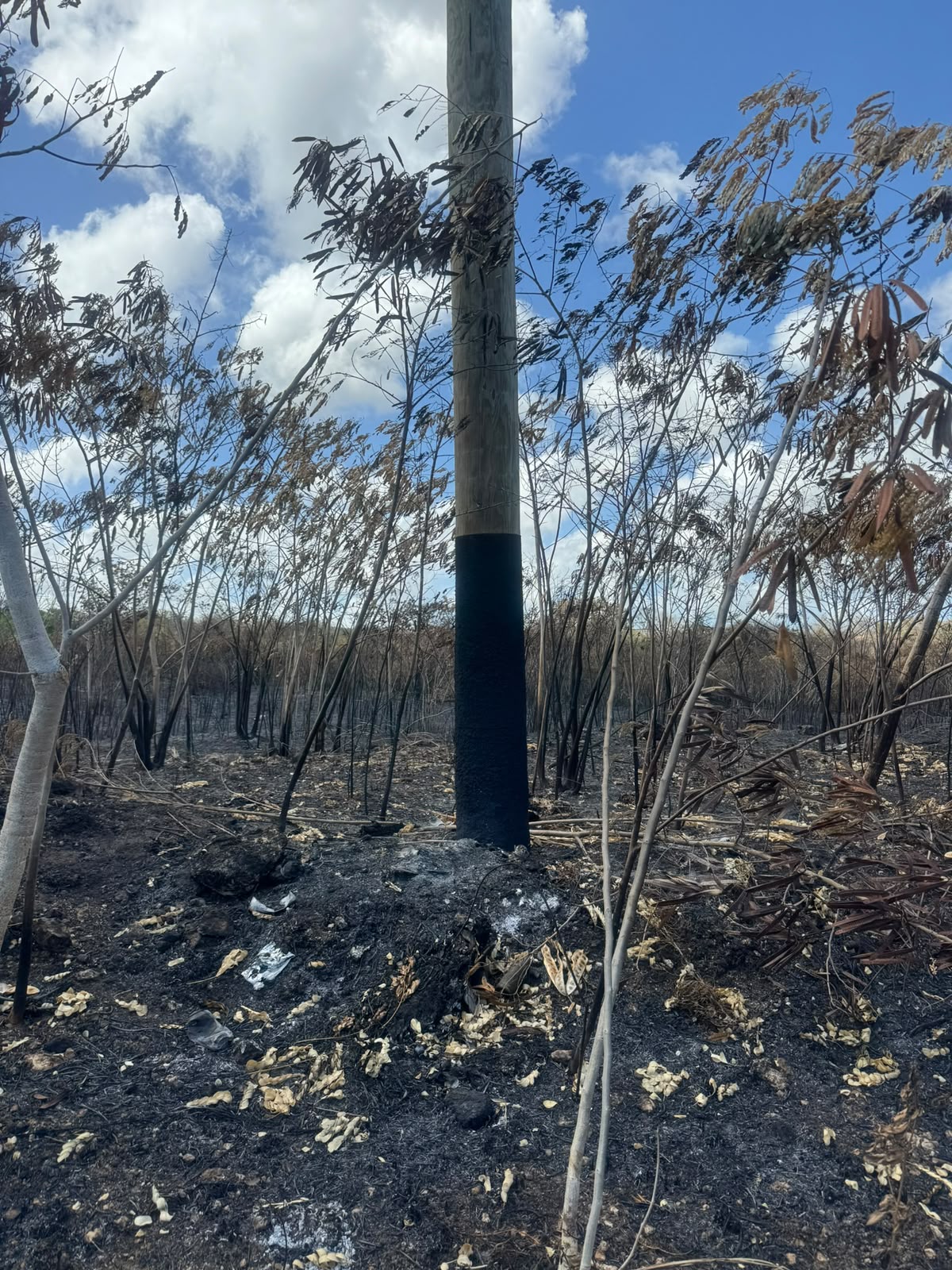
    To mitigate the ongoing damage to critical power infrastructure, Barbados Light & Power has implemented a new protective solution for its wooden utility poles after rigorous testing of multiple products. The company ultimately selected a specialized fire-resistant covering called Fire Mesh, which outperformed alternative options because its porous design allows wooden poles to maintain air circulation, preventing rot and structural degradation over time. The mesh is installed from roughly one foot below the ground line, extending 5 to 8 feet above the surface, with the exact height adjusted to match local fire risk conditions.

    Early field testing of the new protective covering has already yielded promising results. Callender confirmed that at least one pole fitted with Fire Mesh emerged completely undamaged from a recent grass fire, with the barrier successfully blocking heat and flames from reaching the wood.

    Beyond infrastructure upgrades, Callender emphasized that public and worker safety remains the utility’s top priority when crews are dispatched to assess and repair fire-damaged sites. Standard, rigorous safety protocols are immediately activated any time crews respond to an incident involving damaged power infrastructure, to protect both workers and community members. Callender also issued a direct appeal to the public: motorists and pedestrians passing through repair areas must stay alert, obey posted safety markers including traffic cones, and follow all instructions from uniformed Light & Power personnel to avoid avoidable accidents and additional emergencies.

  • St Lucy school shut as smoke, ash stall clean-up

    St Lucy school shut as smoke, ash stall clean-up

    A persistent nearby wildfire has derailed reopening plans for a northern Barbados secondary school, pushing back the expected resumption of classes after the campus was shuttered Monday due to hazardous air quality, the institution’s principal confirmed this week.

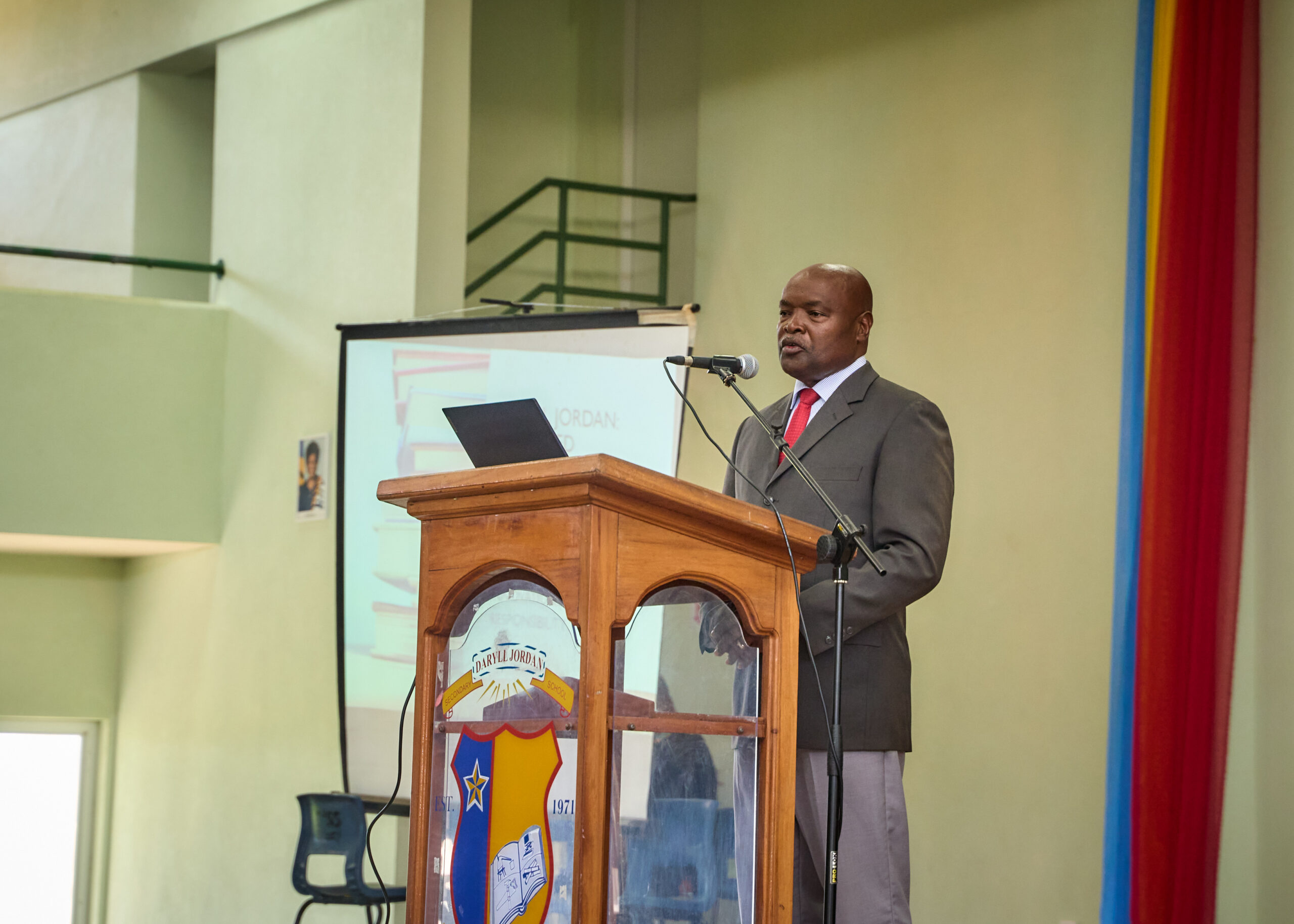
    Ken Layne, principal of Daryll Jordan Secondary School located in St. Lucy, announced Monday that scheduled classes set for Tuesday would not go ahead as planned. Uncontrolled smoldering embers continue to billow thick smoke and ash across the school grounds east of the fire line, creating unsafe conditions that have blocked clean-up and sanitation crews from accessing the campus to remediate the damage.

    The school was first forced to suspend in-person learning on Monday after wind carried toxic ash and smoke directly into campus buildings from the adjacent burning area. Layne explained that ongoing active combustion just a short distance from school property has made it impossible to even begin the deep cleaning required to make classrooms safe for students and staff, creating a critical bottleneck to restoring normal operations.

    “We are closed today because of the ash that has accumulated inside the building, and there is still a heavy concentration of smoke in the air today,” Layne said in an interview. “Right now, to the east of the school, you can still see active smoking — the embers are still smoldering up in that area. That is directly impacting our ability to respond, and it is even preventing us from starting the cleaning process at all.”

    The sudden closure has prompted urgent emergency adjustments for one high-stakes group of students: those sitting for the Caribbean Secondary Education Certificate (CSEC) exams. To avoid disrupting the critical assessments and putting candidates at an unfair disadvantage, education officials moved all scheduled CSEC exams from Daryll Jordan Secondary to The Alexandra School in the nearby town of Speightstown. Layne confirmed that the relocated students had settled into their new testing site by Monday morning and would complete their scheduled exams as planned that day.

    Layne added that school leadership, in partnership with emergency management and environmental officials, would conduct a second full assessment of campus conditions and air quality later on Monday. Following that evaluation, a further update will be distributed to all parents, guardians, and staff members outlining next steps, including any adjustments to the school calendar. Any decision on when classes can resume will be entirely contingent on the latest reports from emergency response and environmental health teams, with the inability to launch clean-up operations remaining the single largest barrier to reopening. “Everything hinges on being able to start that clean-up process, and right now, we cannot start cleaning yet,” Layne said.

    Addressing widespread community questions about whether large wildfire-related closures are a regular risk for the St. Lucy school, Layne clarified that events of this magnitude are extremely rare. While the school did face a similar closure due to a nearby fire last year, he noted that no incidents on this scale had occurred prior to 2023. He added that the 2024 fire is far more extensive than any the school has experienced in recent memory: the blaze ignited far to the east of the campus and has since spread west, crossing a major road and moving much closer to school grounds than previous fires.

    Despite the widespread disruption, Layne was quick to highlight the quick support the school has received from local landowners, specifically naming ABC Farms, which manages the large parcels of land east of the school. He explained that the school has built a proactive partnership with the farm in recent years to conduct regular vegetation clearing to reduce wildfire risk, and the farm has stepped up to support emergency response efforts as the current blaze spread. While the landowners could not stop the fire from spreading toward the campus, they deployed their on-site water tenders to support firefighters working to contain the blaze. “They have been good corporate partners with us. In the case of a fire, there is not much they can do to stop it once it starts, but they were out with their equipment assisting in putting out the fire,” Layne said.

  • Defending champions Wales advance, Ellerton exit

    Defending champions Wales advance, Ellerton exit

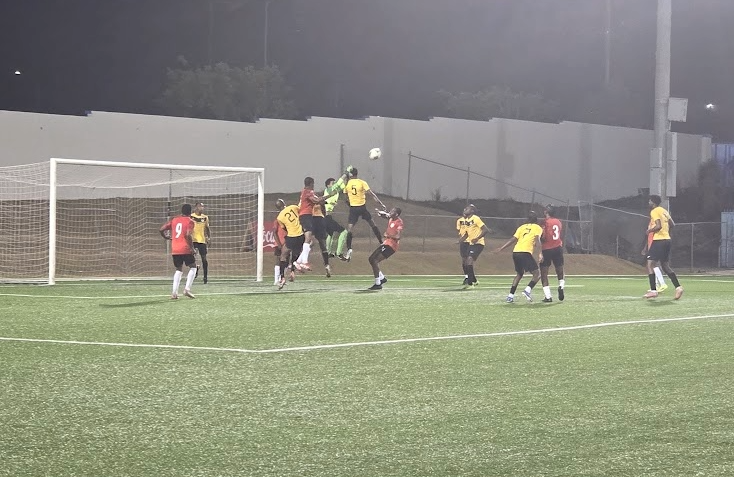
    The knockout stage of the Barbados Football Association (BFA) Champions Cup delivered dramatic twists and dominant performances on Sunday, as three more Round of 16 ties wrapped up at the Wildey Technical Centre. One title favorite secured a spot in the next round with a statement win, while another longtime contender exited the competition earlier than most projections predicted.

    Leading the day’s action was defending Premier League and BFA Champions Cup title holder Weymouth Wales, who snapped a season-long goal drought to hand second-placed Division One side Parish Land a resounding 5-0 defeat. The lopsided result came in the final match of a triple-header, and it served as a much-needed confidence boost for a side that has struggled to find the back of the net through the current domestic campaign.

    Wales got on the board in the 20th minute, after Parish Land squandered an early promising opportunity that saw the underdogs start the match brightly. Forward Hayden Holligan slotted home the opening goal to put the defending champions ahead. The second goal came via a stroke of bad luck for Parish Land in the 36th minute: a defender’s attempted clearance ricocheted off Wales midfielder Jaheim Neblett and trickled into the empty net, doubling Wales’ lead heading into halftime.

    Substitute Armando Lashley extended the advantage to 3-0 in the 59th minute, carrying over the strong run of form he has built in recent weeks. With Parish Land reeling and unable to mount a consistent counterattack, Weymouth Wales added two late goals to cap off the rout: Rommel Bynoe found the net in the 62nd minute, and Rashad Jules closed out the scoring in the 80th minute.

    Following the win, Weymouth Wales head coach Asquith Howell framed the result as a critical milestone ahead of upcoming regional and domestic competitions. The side qualified for the 2024 Caribbean Football Union (CFU) Club Shield by retaining their domestic Premier League title, and this year’s regional competition will follow a single-elimination knockout format, with Weymouth Wales entering at the Round of 16 stage.

    “One of the key focuses of our training lately has been expanding our attacking options ahead of the CFU competition,” Howell explained. “We’ve faced a lot of challenges with scoring goals this year, so tonight’s performance is a great starting point. We still have a long way to go, but this is solid progress. Since we know the CFU Club Shield will be knockout football, we definitely need to start finding the back of the net more consistently, and this win checked that box.”

    In the day’s second upset, traditional title contender Ellerton was ousted from the competition by UWI Blackbirds following a back-and-forth, tightly contested match. Teon Cadogan put UWI ahead early, netting in the 16th minute to put the Cave Hill-based side on the front foot. After 25 minutes of continuous end-to-end action, Ellerton capitalized on a UWI defensive mistake to equalize in the 40th minute through Marco St Hill, sending the two sides into halftime level at one apiece.

    Rovaldo Massiah restored UWI’s lead 12 minutes after the break, curling a well-placed strike past the Ellerton goalkeeper to make the score 2-1 in the 52nd minute. Despite sustained late pressure from Ellerton pushing for an equalizer, UWI held firm to defend their lead and secure a spot in the quarter-finals.

    Speaking after the win, UWI assistant coach Ricardo Goddard praised his side’s discipline in sticking to their pre-match game plan. “I think we played well in stretches, and we mostly stuck to what we drew up before the game, and when you execute your game plan, you usually get the result you want,” Goddard said. He noted that scoring first in a knockout competition is a massive advantage: “Our focus going in was to avoid giving up the first goal, because once you’re chasing the game in knockout football, the opposing side often drops back to defend their lead, and if you don’t have the creativity to break them down, you end up scrambling and making mistakes. Getting on the board first made all the difference today.”

    In the opening match of Sunday’s triple-header, Eyre’s Meatshop Pride of Gall Hill booked their quarter-final spot with a 2-0 victory over Notre Dame. Shakarie Mottley put Gall Hill ahead in the 19th minute, and an 88th-minute own goal from a Notre Dame defender sealed the win to send the side through.

  • QEH begins newborn screening

    QEH begins newborn screening

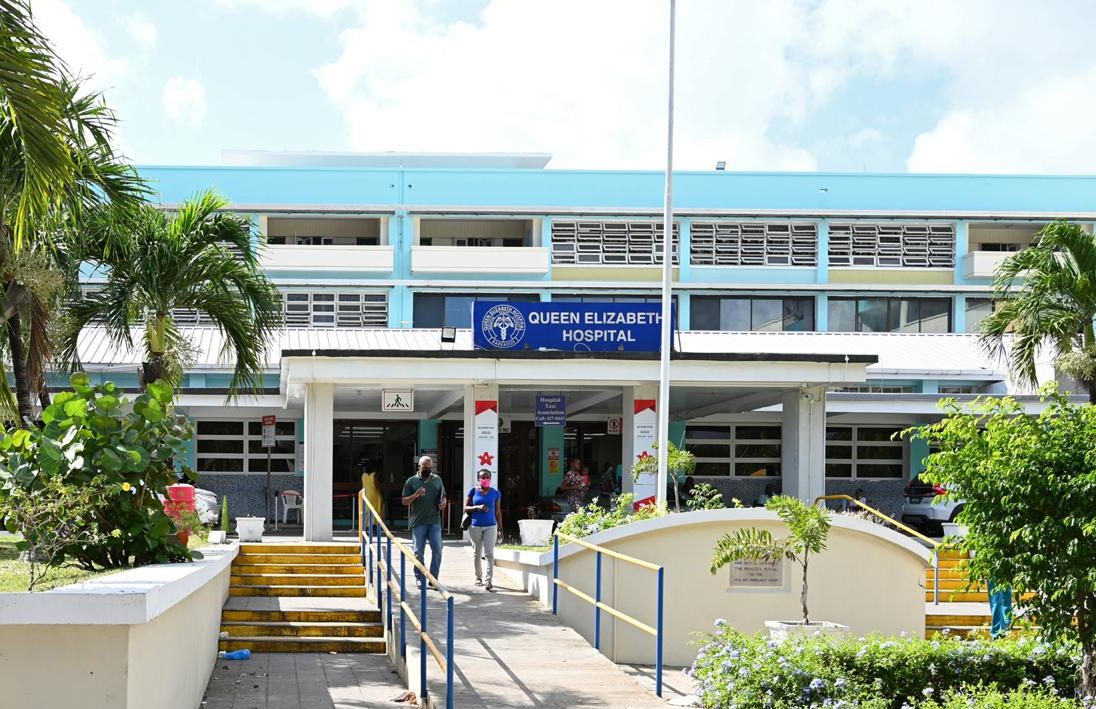
    Barbados has launched a landmark comprehensive newborn screening initiative at its main public healthcare facility, Queen Elizabeth Hospital (QEH), marking a historic first for the Caribbean region in preventive pediatric healthcare. Launched officially on May 18, the program offers free routine screening to every infant born at QEH via a quick, low-invasive heel-prick blood test, collected between 24 and 48 hours after delivery.

    Funded through a grant from the Shaw Centre for Paediatric Excellence and supported by QEH’s senior leadership, the initiative will begin with an 18-month to two-year pilot phase, during which medical teams expect to screen approximately 5,000 newborns. Dr. Gillian Birchwood, head of pediatrics at QEH, detailed the program — formally named the Comprehensive Dried Blood Spot (DBS) Newborn Screening Programme — in a public statement posted to the hospital’s official website, calling it a transformative leap forward for child health on the island.

    “We are thrilled to have launched this groundbreaking collaborative effort between the Shaw Centre for Paediatric Excellence and Queen Elizabeth Hospital, which will let us deliver comprehensive screening to every baby born at our facility over the coming years,” Birchwood stated. She emphasized that routine newborn screening has long been recognized as one of the most impactful public health innovations of the past century, a tool that lets clinicians detect life-altering conditions long before any visible symptoms emerge, vastly improving patient outcomes.

    “This pilot program fills a critical gap in our local care continuum,” Birchwood explained. “By testing newborns early, we can identify conditions that would cause harm later in childhood, and intervene before symptoms develop or permanent damage occurs from delayed detection.” Early diagnosis, she noted, can avert a wide range of adverse outcomes, from developmental delays and permanent hearing loss to acute, life-threatening conditions that are undetectable through routine post-birth physical checks.

    What makes this program particularly notable, Birchwood added, is its status as a first-of-its-kind initiative across the entire Caribbean region. “This is truly groundbreaking for the Caribbean. No other country in the region has a comprehensive nationwide newborn screening program of this scope, and Barbados is incredibly fortunate to launch it here,” she said. The program cements QEH’s position as a regional leader in newborn and pediatric care, she noted, with outcomes that will extend far beyond Barbados’ borders.

    “This initiative positions Queen Elizabeth Hospital as a pioneer in regional newborn health and advanced pediatric care,” Birchwood explained. “We can now protect children from devastating, avoidable complications of conditions that are invisible at the time of birth.”

    The Shaw Centre for Paediatric Excellence, which made the program possible through its funding support, was launched in 2020 as a strategic partnership between the Government of Barbados and the Centre for Global Child Health at Toronto’s Hospital for Sick Children (SickKids), Canada’s preeminent pediatric teaching and research hospital. The center’s core mission is to drive measurable improvements in child health outcomes across Barbados and the broader Eastern Caribbean region.

    Regional health officials share the expectation that the new screening program will cement Barbados’ reputation as a leader in preventive child health services across the Caribbean, offering a model that other nations in the region can adapt to improve their own pediatric care systems.

  • Sentencing reform debate highlights shift to public health approach to crime

    Sentencing reform debate highlights shift to public health approach to crime

    A landmark two-day symposium focused on transforming sentencing and penal reform kicked off this week at the Lloyd Erskine Sandiford Centre in Barbados, bringing together regional justice experts, policymakers and probation officials to reimagine how Caribbean nations tackle rising crime and recidivism.

    Opening the convening hosted by the Barbados Probation Service, Home Affairs Minister Gregory Nicholls made a forceful case for shifting the long-dominant regional approach to crime and violence, arguing these issues can no longer be treated as solely law enforcement priorities. Instead, he emphasized, they must be addressed as complex public health challenges that demand early intervention, cross-sector coordination and sustained long-term investment.

    Nicholls noted that communities across the Caribbean have long borne the brunt of evolving crime trends, while formal institutions have often failed to acknowledge the full scope of these burdens. He referenced the 2024 Georgetown Declaration — a regional commitment agreed by CARICOM member states late last year — that codified this new public health-centered framework, and stressed that Barbados is moving from global and regional commitments to tangible on-the-ground action. “Frameworks, however well-intentioned, do not implement themselves,” Nicholls told attendees. Meaningful reform requires deliberate political choices around updating legislation, allocating sustained resourcing, and expanding diversion programs that steer vulnerable people away from the full weight of the criminal justice system before it becomes entrenched, he added.

    The minister pushed back against widespread criticism that diversion programs are a “soft on crime” approach, countering that it is actually one of the most evidence-based, effective tools Barbados has to reduce reoffending and strengthen community safety. This cross-sector, collaborative dialogue that brings together stakeholders from across government, public health and community organizations is exactly what is needed to get reform right, he said.

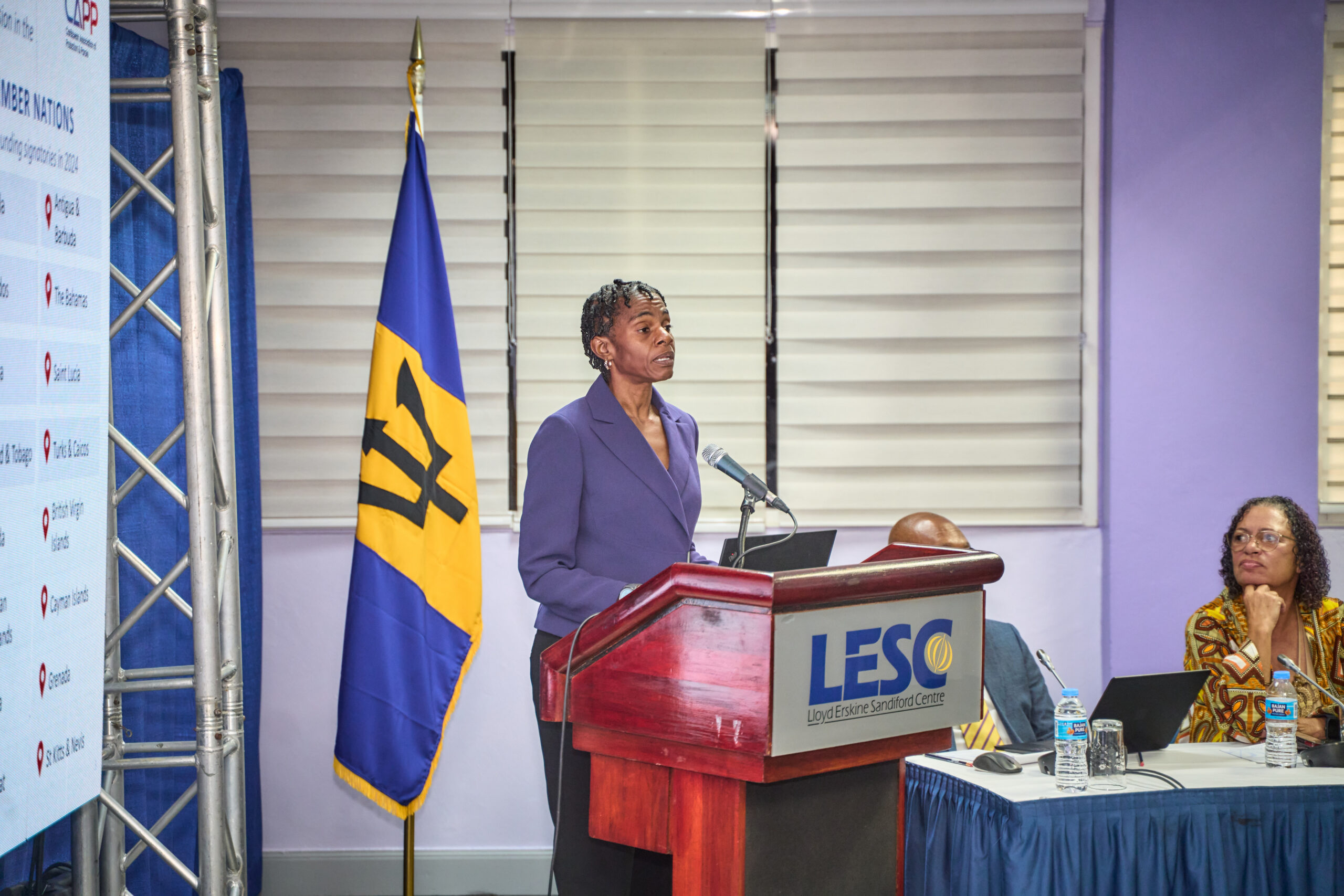
    Echoing Nicholls’ call for systemic change, Chief Probation Officer Dr. Angela Dixon — who also serves as president of the Caribbean Association of Probation and Parole (CAPP) — laid out the urgent challenges facing regional justice systems and outlined a roadmap for reform. She highlighted that inconsistent recidivism data collection and fragile connections between community supervision and critical support services, including housing, employment assistance and mental health care, have long undermined efforts to cut reoffending across the Caribbean.

    Dr. Dixon emphasized that research consistently shows custody alone does little to reduce future offending. By contrast, probation-centered interventions — including pre-custody diversion, alternative sentences to incarceration, and high-quality post-release supervision — are proven to drive down recidivism and make communities safer. Aligning with the Georgetown Declaration’s mandate, the conversation around crime and punishment must shift from a focus on punishment to prevention, from mass incarceration to targeted intervention, and from cycling repeat offenders back through the system to meaningful rehabilitation, she said.

    She detailed the underlying social and health drivers that push many people into contact with the justice system, noting that unaddressed trauma, substance dependence and untreated mental illness disproportionately affect justice-involved populations. These are not issues that policing or incarceration can solve — they require integrated public health and social support responses, she stressed.

    Barbados is already taking major legislative steps to modernize its probation system, Dr. Dixon revealed. The country is set to replace its 1946 probation legislation with a new, modern bill that will introduce formal parole into the national criminal justice system for the first time. The update is a core part of broader national efforts to strengthen community supervision and expand rehabilitation access for people who have come into contact with the law.

    Even with this progress, Dr. Dixon acknowledged significant gaps remain in the current system. While referral pathways between probation services and mental health and substance abuse treatment have been established, overstretched public health resources limit what probation officers can do to connect people to care even when needs are identified early. Similarly, while officers regularly flag unmet needs for stable housing and employment, the support pathways to address those needs are often limited or unavailable when people need them most.

    On the regional level, Dr. Dixon noted that outdated, inconsistent data collection has held back progress across the Caribbean. While many countries collect data on probation and parole outcomes, there is no uniform standard for collection or a shared regional platform to analyze trends and scale evidence-based programs that work. To address this gap, CAPP is developing a regional data observatory that will aggregate anonymized, standardized data on caseloads, program outcomes and service completion from across CARICOM nations. This platform will shift regional conversations about reform from anecdote to empirical proof, helping build support for evidence-based policies with policymakers, judicial leaders and the general public, she said.