标签: Barbados

巴巴多斯

  • ‘Pearly’ app aims to improve access to public services, buses

    ‘Pearly’ app aims to improve access to public services, buses

    Barbados has a new locally built digital tool that is set to revolutionize how residents engage with government agencies and access essential public services. Named ‘Pearly’, this unified mobile platform cuts through bureaucratic red tape, creating a single, simplified channel for citizens to submit service requests, track government responses in real time, and access critical information when they need it.

    Developed by Barbadian tech firm TouchStar Group, Pearly officially launched this Tuesday, with company founder and CEO Ramon Drummond walking a gathered audience through the platform’s full suite of features, highlighting how it simplifies interactions with the more than 150 government agencies operating across the island. Beyond core public service reporting functions, the app also integrates real-time public transit data to help commuters plan their daily trips more efficiently.

    Drummond demonstrated the app’s flagship ‘Tell Pearly’ problem-reporting feature using a common real-world example: reporting a dangerous pothole on a local road. In less than 30 seconds, the app automatically pulled the user’s location data, accepted an uploaded photo of the hazard, and routed the complaint directly to the correct government agency responsible for road repairs. This eliminates the common frustration many residents face when they have to guess which government office handles a specific issue, Drummond explained. ‘Citizens should not have to figure out which ministry, department or agency is responsible for a particular issue,’ he said. ‘With Pearly, users simply describe the problem, add their location and upload photos if necessary. The platform automatically sends the report to the correct government department.’

    The app also delivers tangible benefits for daily commuters through its integrated public transportation feature. Drawing on a massive dataset of more than 61,000 traffic mapping points across the island, Pearly provides users with live updates on the exact location of Barbados Transport Board buses, as well as real-time maps showing island-wide traffic congestion. Drummond noted that future updates to the app will add predictive traffic alert functionality, giving commuters advance warning of delays so they can adjust their travel routes accordingly.

    One of the platform’s most critical innovations is its specialized emergency mode, designed to support disaster response during severe weather events like hurricanes, which pose regular risks to Caribbean island nations. When activated, emergency mode simplifies the app’s interface to enable fast, low-bandwidth reporting even when internet connectivity is unstable or intermittent. All user reports are saved locally on the user’s device and automatically sent to authorities once a network connection is restored. For government emergency management teams, Pearly also includes a centralized ‘war room’ dashboard that displays an interactive map tracking active incidents, flood-prone areas, and the locations of vulnerable community members, enabling faster, more data-driven emergency response decisions.

    Beyond reporting, Pearly acts as a centralized verified information hub for all public services through its ‘Ask Pearly’ function. Instead of waiting on hold for hours to reach a government office to ask a simple question, residents can submit their query directly through the app, which returns pre-verified answers covering everything from government department operating hours to what documentation is required for specific services, with direct links to complete transactions online.

    Built by an all-Barbadian team of software engineers, the platform was developed with user security and privacy as top priorities. Nakira, the platform’s lead software engineer and data compliance officer, confirmed that Pearly uses end-to-end encryption for all user data. ‘When a citizen submits a report, it is only visible to authorised personnel who need to deal with that issue,’ she explained.

    For the Barbadian government, Pearly also serves as a built-in accountability tool for public service delivery. The platform tracks every service request from initial submission through to final resolution. If a responsible government department fails to meet its mandated response deadline, the system automatically escalates the issue to senior leadership, ensuring top officials maintain full visibility into how quickly public services are delivered to residents.

    The app is already live and available for all residents to download and use today, but Drummond emphasized that the development team plans to continue iterating on the platform based on user feedback. He encouraged both residents and public servants to share their input through the app’s built-in feedback tools to help refine the service over time. ‘Pearly is not perfect, and we do not expect it to be,’ he said. ‘We want citizens and public servants to tell us what works and what can be improved so we can continue building a platform that truly serves Barbados.’

  • Plans to upgrade Government Industrial School to juvenile detention centre

    Plans to upgrade Government Industrial School to juvenile detention centre

    Barbados is advancing a multi-million-dollar infrastructure and operational overhaul to transform the aging Government Industrial School (GIS) into a fit-for-purpose modern juvenile detention facility, a change mandated by the island nation’s landmark 2024 Child Justice Act. The announcement of the plans came during the second day of the Barbados Probation Service’s symposium, “Modern Perspectives on Sentencing and Penal Reform”, at a dedicated panel discussion focused on the readiness and resource requirements of the new child justice legislation.

    Speaking to attendees gathered at the Lloyd Erskine Sandiford Centre, GIS Principal Seilest Bradshaw made a clear case that the new law can only deliver on its intended goals if significant targeted investment is channeled into the institution. “The 2024 Act requires a secure, purpose-built residential facility, and that is not what we operate today,” Bradshaw explained. “Our current set-up is more comparable to a group home, which cannot meet the requirements of the new legislation. We need major investments in both core infrastructure and specialized professional staff; a full, comprehensive restructuring of GIS is non-negotiable to bring the institution in line with the vision laid out in the new law. Legislation sets the standard, but it is funding that determines whether that standard can actually be achieved.”

    In direct response to Bradshaw’s call, Minister of Home Affairs Gregory Nicholls confirmed that the project is already well in motion. “We have put hundreds of collaborative work hours into this planning process, bringing together the GIS principal, my ministry’s project implementation unit, the permanent secretary, and the full project team,” Nicholls said. “We just met with the project architect last Friday, and we know this transformation will run into millions of dollars. The facility was originally built as a dormitory-style space for misbehaving children under the century-old 1926 Reformatory and Industrial Schools Act, and it is not suited for the needs of today’s young people in the system.”

    Nicholls also noted that the population of youth entering the facility has shifted dramatically since the 1926 legislation was first enacted. “Today, the children who come through our doors are not the same offenders the 1926 law was designed to address,” he said. “Many of these young people have endured neglect, multiple forms of abuse – verbal, physical, sexual, emotional – starvation, and abandonment. They end up on the streets, get in trouble at school, use cannabis, start out as lookouts for criminal actors, move on to stashing illicit goods, commit petty theft, and too often graduate to involvement in gun crime.”

    Bradshaw emphasized that the 2024 Child Justice Act represents a fundamental philosophical shift in how the country approaches youth in conflict with the law. The new framework centers the reality that these young people are first and foremost children, with inherent rights, untapped potential, and the capacity to rehabilitate and change. Core to this new approach are principles of accountability through counseling, restorative justice practice, community-focused sanctions, and an overarching priority on rehabilitation over punishment.

    One major ongoing challenge Bradshaw highlighted is pervasive community stigma against youth who have gone through the juvenile justice system. Even when these young people complete their sentences and are cleared of criminal records, she explained, social stigma often creates greater barriers to re-entry than a formal record would. “When these young people return to their communities, they are not given a fighting chance to rebuild their lives,” Bradshaw said. “Some people still throw their past in their face. Even though they don’t carry a formal criminal record, gossip and social judgment often do more harm than a criminal record ever could.”

    She added that many youth return to the same unstable home and community environments that originally contributed to their harmful behavior, with little access to stable family support. “I am begging, I am pleading for these young people to get the ongoing support they need in their communities after they leave the facility,” she said.

    The principal also called for an end to siloed working practices across government agencies, stressing that sustained positive outcomes require coordinated action from social services, education, health, and justice systems working in lockstep.

    While the institution works to provide the resources and structure for rehabilitation, Bradshaw noted that the greatest driver of change is the young people’s own dedication – pointing to a growing number of success stories from the GIS. “Nine of our young people in custody have already completed their Caribbean Secondary Education Certificate examinations, and seven young men are currently waiting to be assessed for their barbering certification,” she said. “On any normal day, you can see these young people learning in classrooms, following structured routines. These are the same young people that no one believed in, that no one ever told were capable of achieving these goals.”

  • Charities receive grants from Ross med school

    Charities receive grants from Ross med school

    On a recent Tuesday at its Barbados campus, Ross University School of Medicine (RUSM), a private for-profit medical institution, awarded a series of grants to 11 local charitable organizations spanning health services, social advocacy, youth development, and community support. The initiative is designed to deepen cross-sector community partnerships and scale up critical support systems for vulnerable populations across the island.

    The 11 recipient organizations cover a broad spectrum of community needs: Verdun House Substance Abuse Foundation, the Rotary Club of Barbados, Rotary Club of Barbados South, Caribbean Colon Cancer Initiative, Healthier Nation Initiative Foundation, Hope Foundation, Heart and Stroke Foundation of Barbados, Barbados Alliance to End Homelessness, Eden Lodge Youth Charitable Trust, Barbados Breastfeeding and Child Nutrition Foundation, and the Pleion Foundation. Each group has a decades-long track record of addressing unmet social and health needs in local communities across Barbados.

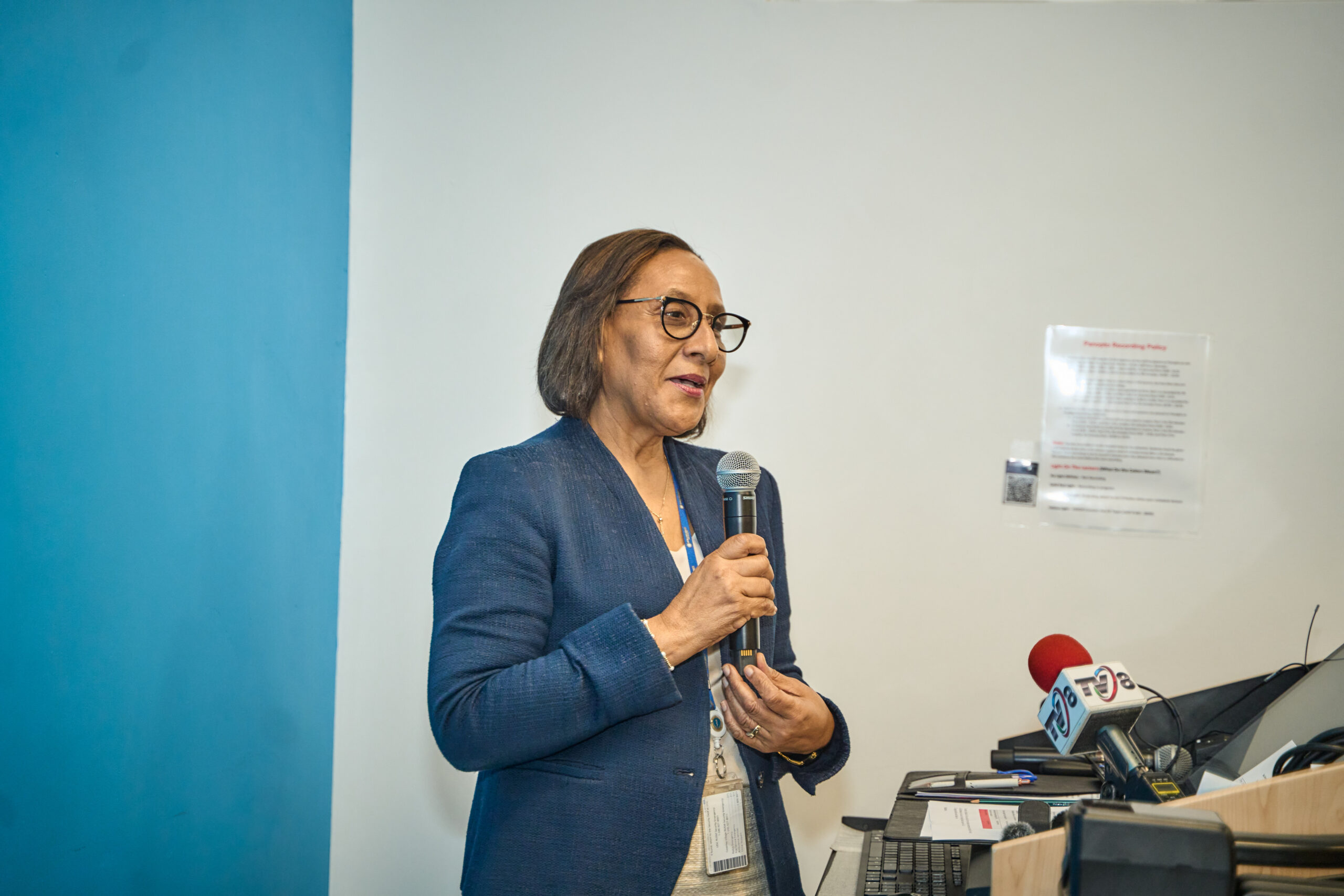
    During the short award ceremony, Dr. Rhonda McIntyre, Senior Associate Dean of External Affairs at RUSM, opened with remarks that framed the grant distribution as more than a financial transaction. She emphasized that the event was a public recognition of the profound commitment, compassionate outreach, and transformative vision that each recipient organization brings to the communities they serve.

    “Each of these organizations fills a critical gap in addressing pressing social and health challenges across Barbados, while working to build a more inclusive, healthy future for all Barbadians,” McIntyre noted. “Whether you are developing safe, supportive spaces for young people to grow, expanding access to life-saving essential healthcare, or lifting up unhoused community members, your work drives tangible, daily improvement to people’s lives across the country. We are deeply honored to stand alongside you as you advance this important, noble mission.”

    While the university did not publicly disclose the total monetary value of the combined grants, McIntyre made clear that RUSM’s commitment to local community groups extends far beyond one-time financial contributions. She explained that this ongoing partnership is rooted in the core values shared by RUSM and its parent company, Covista Communications, which has long championed the impact of collaborative community work. “This is not just a financial commitment; it is a commitment to building long-term relationships rooted in mutual respect and a shared goal of lifting up all Barbadians,” McIntyre said.

    Beyond supporting the critical work of local charities, the partnership also offers unique, formative learning opportunities for RUSM medical students completing their studies on the island. McIntyre explained that hands-on engagement with community organizations gives students real-world experience that cannot be taught in a traditional lecture hall, complementing their formal academic medical training.

    “Our students come to Barbados to study medicine, but they gain far more than the knowledge we deliver in the classroom,” McIntyre said. “The work they do alongside your teams—listening to community members, learning about local challenges, and lending their time and skills to support your missions—shapes them into the empathetic, community-centered physicians and leaders they will become in their future careers. You teach them empathy, adaptability, and the core value of service to others that no textbook can fully convey.”

    The ceremony was documented through official photography by Shamar Blunt of Barbados TODAY, capturing the grant presentations to leadership from the Hope Foundation, Caribbean Colon Cancer Initiative, and Barbados Breastfeeding and Child Nutrition Foundation.

  • Youth vaping now widespread, psychotherapist warns

    Youth vaping now widespread, psychotherapist warns

    Barbados is facing a rapidly growing public health challenge as underage vaping becomes increasingly normalized among secondary school students, a leading child and adolescent mental health specialist has warned. Nicolette Williams, a psychotherapist at substance abuse support organization Verdun House, outlined the scale of the crisis Tuesday on the sidelines of a grant event hosted by Ross University for local community charities. Drawing on four years of original research conducted in Barbadian secondary schools, Williams confirmed that teen vaping has moved from a hidden trend to a widespread, socially accepted behavior across the island, mirroring a global pattern of youth uptake. What makes vaping particularly attractive to young people, Williams explained, is the deliberate design and marketing of these products. Sweet and fruity flavor profiles, eye-catching colorful packaging, and targeted social media campaigns have been crafted to appeal directly to adolescent consumers, turning what is marketed as a ‘healthy alternative to smoking’ into a trendy must-have activity for teens. Most troubling of all, Williams said, is how easily underage students can access these products. Multiple participants in the research admitted that local retailers freely sell vapes to teens despite age restrictions, removing a key barrier to underage use. Her team’s work has brought them into contact with more than 2,000 students across six Barbadian secondary schools, including a high-risk cohort of young people already grappling with emotional disorders and substance misuse. Among this vulnerable group, nearly all reported regular vaping use. Contrary to the common misconception among teens that vaping is harmless or ‘cool’, Williams emphasized that the practice causes severe damage to multiple aspects of adolescent health and development. As a mood-altering substance, vaping directly disrupts emotional regulation, leaving many users prone to persistent anger, chronic demotivation, and unstable mental health. Physically, the habit has been linked to life-altering medical complications affecting critical organs, including the lungs, kidneys and heart. Beyond individual health impacts, the addiction also drives harmful behavioral changes: some teens develop patterns of dishonesty and even turn to theft to fund their vaping habit. To reverse this growing crisis, Williams is calling for a coordinated, multi-level national response that expands far beyond individual family interventions. She stressed that comprehensive education is the foundation of any effective solution, noting that awareness building must reach students, parents, guardians and school staff alike. To create meaningful, long-term change, Williams argues, public health action must be scaled up from local communities to the regional level, with sustained programming embedded in every secondary school across the country to curb youth vaping before it creates a generational public health burden.

  • Gun laws to be enforced swiftly under new courts – PM

    Gun laws to be enforced swiftly under new courts – PM

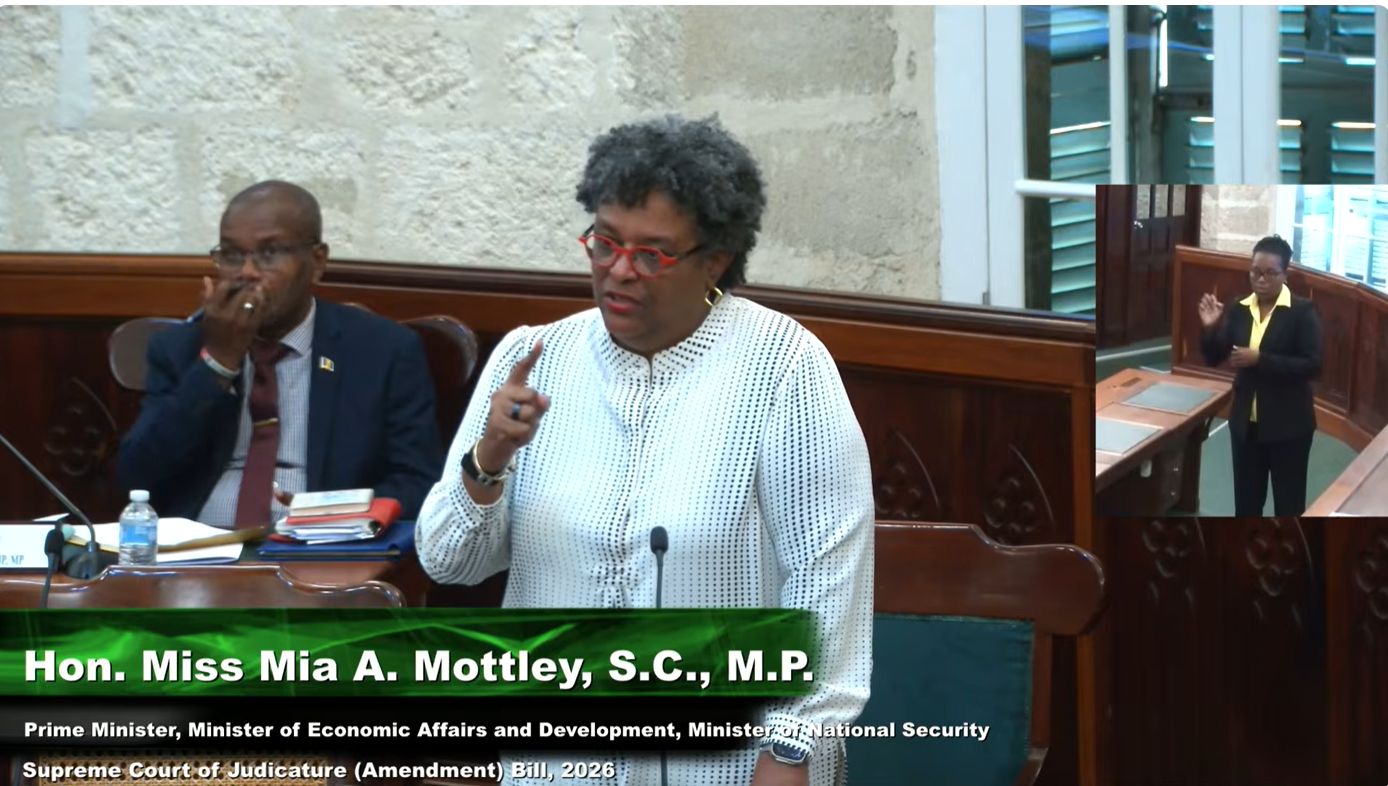
    Barbadian Prime Minister Mia Mottley has announced sweeping new plans to establish a specialized, fast-track gun court as the centerpiece of the government’s aggressive new strategy to curb the country’s growing illegal firearm crisis, promising zero tolerance for all gun-related offenses under newly proposed judicial reform legislation.

    Speaking in the House of Assembly this week while defending the Supreme Court of Judicature (Amendment) Bill, Mottley emphasized that unregulated firearms remain the single greatest criminal threat facing the island nation, framing the proliferation of illegal guns as an existential scourge that requires targeted, urgent action beyond incremental judicial expansions. The bill, first advanced by the former attorney general, forms a core part of the administration’s broader push to modernize Barbados’ outdated criminal justice system.

    Mottley outlined that when her government took office in 2018, the High Court Criminal Division operated with just two judges. Through targeted resourcing, that number has now climbed to eight, with further plans to add two more judicial positions. Even with these significant staffing increases, however, the prime minister stressed that expanding general judicial capacity alone has not been enough to reverse the rising tide of illegal firearm-related violence. This gap, she argued, makes the creation of a dedicated, specialized gun court an unavoidable necessity.

    Under the proposed structure, the new gun court system will operate two separate dockets: one to process new firearm cases immediately, and a second dedicated exclusively to clearing the country’s massive backlog of pending gun-related matters. Mottley gave a clear directive that all new cases should be heard within three months, with a target of resolving most cases entirely within just four to six weeks from the time charges are filed. No firearm case, she insisted, should take longer than three months to move from charging to a final hearing.

    The prime minister noted that most illegal gun possession cases are far less procedurally complex than other serious offenses such as murder, aggravated wounding, or drug trafficking. Typically, these cases only require testimony from a ballistics expert, the law enforcement officer who recovered the weapon, and a small number of corroborating witnesses to confirm chain of custody and prove illegal possession. This simplicity, she argued, makes rapid processing entirely feasible for a specialized court focused solely on firearm offenses.

    A core principle of the new policy, Mottley explained, is that swift justice is the most effective form of crime prevention. For years, offenders have operated under the dangerous perception that Barbados’ judicial system moves too slowly to impose meaningful consequences for illegal gun possession. The new court will dismantle this mentality, ensuring that every person caught carrying an unlicensed firearm faces rapid, visible punishment, sending a clear message to communities across the country that illegal gun carrying will not be tolerated.

    Mottley also addressed the long-standing issue of case backlogs, noting that her administration inherited more than 10,000 pending cases when it took office. Progress on clearing this backlog was halted for more than two years by widespread COVID-19 pandemic disruptions to court proceedings and jury trials. To get back on track, the government plans to establish a dedicated three-person unit focused exclusively on reducing backlogs, with a commitment to deploy additional resources after a six-month operational review if needed. Mottley also proposed creating a specialized plea bargaining unit within the Office of the Director of Public Prosecutions, noting that recent plea bargaining reforms have already begun to deliver positive results in reducing case congestion.

    The zero-tolerance approach will extend not only to unlicensed firearms, but also to strict oversight of ammunition and legally licensed gun owners, including members of shooting clubs. Mottley stressed that a firearm is functionally useless without ammunition, requiring rigorous accountability for every round sold or used. All ammunition, she insisted, must be fully accounted for by shooting clubs and licensed owners to prevent diversion of ammunition into the illegal market to unlicensed users, in violation of national law.

    Mottley emphasized that the fight against gun violence cannot be left exclusively to law enforcement and judicial bodies, calling for a whole-of-nation collective effort to remove illegal guns from communities. She appealed directly to parents, cultural practitioners, and all members of the public to play an active role in steering young people away from involvement in gun crime, warning that participation in illegal gun activity almost always leads to drastically shortened lives.

    Urging parents to monitor their children’s activities closely, Mottley delivered a stark warning about the irreversible harm of gun violence. There is no room for mercy after the fact, she noted: while a parent whose child is convicted of gun offenses can still visit them in prison, families of those killed by gun violence are left only with photographs and memories, with no way to reverse the loss. She also called on the public to share information about illegal firearms through anonymous channels including Crime Stoppers, highlighting that human intelligence remains one of the most critical tools for solving and preventing gun crime.

    Mottley confirmed that the government has asked local police to outline any additional resources they need to ensure they can prepare and file gun cases for court in the shortest possible timeline. Reaffirming the administration’s unwavering commitment to eliminating unlicensed guns from Barbados, the prime minister said that the legitimate use of force is the exclusive prerogative of the state’s law enforcement agencies — and no private individual has the right to carry or use an illegal firearm. The new dedicated gun courts, she said, will entrench this principle and bring long-overdue stability to communities shaken by gun crime.

  • Activists back anti-gang law, warn of risks to innocent residents

    Activists back anti-gang law, warn of risks to innocent residents

    Barbados’ recently passed Criminal Gangs (Prevention and Control) Act has earned qualified support from two long-time community advocates who work directly with at-risk young people and current/former gang members, who say the legislation is a critical tool to curb rising gang-related violence — but stress that enforcement alone cannot solve the crisis of youth gang involvement, and that unaddressed biases could put law-abiding residents in high-risk neighborhoods in harm’s way.

    The legislation, approved by Parliament last week, introduces sweeping new measures to combat gang activity: it formally criminalizes gang membership, recruitment, and financial backing for criminal groups, sets mandatory minimum prison sentences for gang-connected offenses, expands law enforcement powers, allows for witness anonymity to protect witnesses from retaliation, and strengthens the state’s ability to seize civil assets linked to gang activity.

    Winston Iston Bull Branch, a former block leader from Chapman Lane, and Roger Husbands — a youth activist, criminologist and founder of the Drug Education and Counselling Services (DECS) — both agree the new law is a necessary step given the steady rise in youth participation in gangs and violent crime across the country. But both are clear: the law will only deliver long-term results if policymakers pair enforcement with targeted interventions to address the deep social and economic inequities that push vulnerable young people into gang life in the first place.

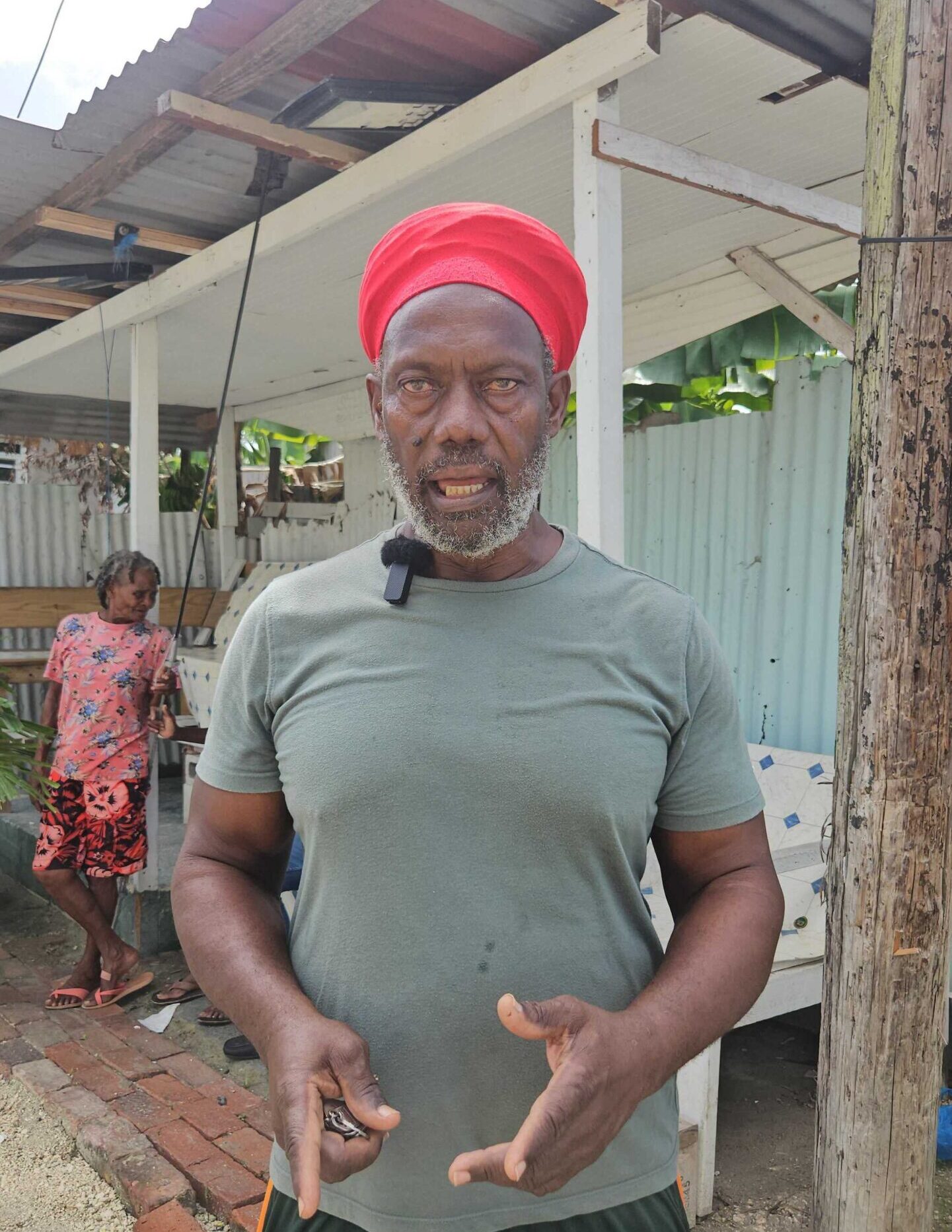
    Branch, who has decades of firsthand experience working with young people in high-crime neighborhoods, traced many of the drivers of gang involvement back to fractured family structures and systemic gaps in education. “Many young people grow up without stable home environments; a large number are born to parents who are not prepared to raise them, and family breakdown creates enormous pressure that pushes kids out onto the street,” he explained. He also criticized the national education system for abandoning struggling students, leaving many young people without basic literacy and numeracy skills when they leave school, with few legitimate pathways to stable employment.

    While Branch noted that legitimate entry-level work and trade apprenticeships are currently available across the country, he added that many disenfranchised young men opt out of formal work, choosing instead to spend their days socializing on neighborhood blocks in the hopes of advancing in local gang hierarchies. “Most don’t realize that only a tiny handful ever reach leadership positions in these organizations,” he said. “The vast majority end up as disposable foot soldiers, caught in a cycle of violence that almost never ends well.”

    He also pointed to a dangerous shift in gang dynamics in recent years: younger gang members who now have easy access to firearms are increasingly acting independently, rather than following orders from senior gang leaders, leading to more spontaneous, unpredictable violence across communities.

    Despite his support for the legislation, Branch raised one urgent red flag: law-abiding residents who live in neighborhoods that are broadly labeled as “gang-affiliated” are at high risk of being caught up in enforcement actions as collateral damage. “The problem is that innocent people are going to get hurt,” he argued. “Most people who live in these areas just want to go to work, come home, relax, and live peacefully. They don’t have any connection to gangs, but they live in an area that’s been branded as criminal, so they end up under suspicion.”

    Husbands echoed the call for balanced implementation of the new law, acknowledging that many Barbadians who live in high-risk neighborhoods are already worried about being unfairly targeted based on where they live, what they wear, who they associate with, or their general appearance. But he expressed cautious confidence that the legislation’s requirement for formal investigative processes will help separate innocent civilians from active gang members. “I understand the concern that people might feel targeted just for being in the wrong place or knowing the wrong person,” he said. “But the law requires thorough investigation before any action is taken, which should help sort out innocent people from those actually involved in criminal activity.”

    Like Branch, Husbands emphasized that enforcement is only one piece of the solution. He called for the government to roll out targeted support and rehabilitation programs alongside the new law, to help at-risk and current gang members exit criminal life and build sustainable alternative futures. “We need to create dedicated anti-gang support groups that offer therapy, life skills training, and employment assistance to people who want to leave gangs behind,” he explained.

    Drawing on years of his own research into gang involvement in Barbados, Husbands explained that most young people who join gangs are not inherently criminal — they are searching for the sense of identity, belonging, and purpose that they have not been able to find in their families, schools, or broader communities. He also uncovered a key structural pressure that pushes new recruits into violent street crime: most gangs require new members to pay regular financial dues to maintain their membership and standing in the group. “Young recruits have to hit a specific quota of money every period to stay in the gang,” he said. “That’s why you see so many bold, daytime robberies these days — these kids aren’t robbing for fun, they’re robbing to meet their quota and protect their own safety within the group.” Without addressing these underlying social and financial drivers, he warned, even aggressive enforcement will not reduce gang activity long-term.

  • MP gets personal as he backs gun court bill

    MP gets personal as he backs gun court bill

    Against a backdrop of a sharp, alarming rise in gun-connected homicides across Barbados, sweeping new legislative reforms designed to crack down on illegal firearms violence have received impassioned support from a local legislator, who brought personal trauma to the debate to underscore the urgency of action.

    Ryan Brathwaite, the Member of Parliament for the St Joseph constituency, opened his remarks on the proposed amendments to the Supreme Court of Judicature Act by sharing a harrowing experience that has shaped his stance on gun crime: roughly a decade ago, he was held at gunpoint directly outside his own residence. Though he survived the terrifying encounter unharmed, Brathwaite emphasized that far too many others are not as fortunate, a reality that is reflected in the island’s climbing rates of gun-related violence.

    “I come to this debate with a perspective that few others share,” Brathwaite told the House of Assembly. “I was lucky to leave that ordeal alive and well, but countless people never walk away from these situations without permanent harm. That is exactly why we are seeing our gun violence statistics climb year after year.”

    At the core of the proposed legislative package is a two-pronged strategy to address two major failings in the current justice system: persistent case backlogs that delay justice for victims, and the lack of specialized infrastructure to handle firearm offenses. The bill calls for expanding the total number of High Court judges to clear the growing logjam of unresolved criminal cases, alongside the creation of a dedicated firearms division within the High Court, widely referred to as a specialized “gun court,” that will operate under a custom-designed legal framework to process gun-related crimes more efficiently.

    “This bill does two critical things,” Brathwaite explained. “First, it expands the pool of judges available to serve in the High Court to cut through backlogs. Second, it establishes a standalone firearms division and sets out a clear legal structure for hearing and deciding all cases connected to illegal gun possession and violence.”

    Brathwaite noted that the debate over the legislation goes far beyond amending legal text; it cuts to the core responsibility of state institutions to keep ordinary citizens safe. The reform comes at a moment when gun violence has become a dominant public safety crisis, with stark new data showing that 23 of the 27 total homicides recorded in Barbados so far this year involved firearms.

    Gun crime does not discriminate, Brathwaite emphasized, impacting communities across every district and demographic group on the island. “At its heart, this bill is about protecting public safety and safeguarding law-abiding Barbadians,” he said.

    Addressing longstanding criticisms of the current judicial system, Brathwaite argued that expanding the number of sitting High Court judges is a necessary, practical fix for chronic case backlogs that leave victims of gun violence and their families waiting years for closure. Echoing the well-established legal principle that “justice delayed is justice denied,” he warned that extended waiting periods for trials erode public trust in the entire criminal justice system.

    In making the case for a specialized gun court, Brathwaite drew a parallel to one of the judiciary’s most successful past modernizations: the establishment of dedicated family courts, which were created to handle the unique complexity and sensitivity of family-related legal matters. He argued that firearm offenses demand the same level of focused attention, clear procedural rules, and statutory timelines to guarantee transparent, accountable outcomes for all parties.

    Even as he voiced strong support for the proposed reforms, the first-term MP stressed that the creation of a new court division is only one piece of a much larger, systemic solution to the island’s gun crime crisis. He noted that the ultimate success of the legislation will depend heavily on factors outside the judiciary: rigorous, thorough police investigations, reliable access to forensic evidence, well-prepared prosecution teams, and the willingness of witnesses to cooperate with authorities.

    Brathwaite also highlighted the bill’s forward-looking provisions supporting modernization, including provisions that allow for video conferencing and fully digital court hearings, a change that can speed up case processing and expand access to judicial proceedings. He urged fellow lawmakers to continue investing in improved administrative support and modern case management systems across the entire criminal justice spectrum to sustain long-term improvements.

    While endorsing the aggressive legislative response to the immediate gun crime surge, Brathwaite reminded his colleagues that it is impossible to ignore the deep-seated socio-economic root causes that push many young Barbadians toward involvement in criminal activity. He argued that meaningful, long-term reduction in crime requires sustained investment in local communities to complement judicial reforms.

    “No court can solve the problems that exist inside the homes of Barbadian families,” Brathwaite said. “The permanent solution to crime grows from our communities. It lives in education, in sports, in youth development programs, in job creation, and in mentorship for at-risk young people. When it comes to crime, prevention will always be better than the cure.”

  • Govt moves to speed up justice amid surge in gun-related crimes

    Govt moves to speed up justice amid surge in gun-related crimes

    Against a backdrop of alarming surges in gun-related homicides and a crippling backlog of unresolved firearm cases, the Barbadian government tabled a landmark piece of legislation on Tuesday that will reshape the nation’s judicial landscape: the creation of a specialized Firearms Division within the High Court, commonly referred to as dedicated gun courts, designed to fast-track the adjudication of gun offenses.

    The legislative proposal, an amendment to the existing Supreme Court of Judicature Act, not only formalizes the establishment of the new standalone division but also expands the country’s judicial workforce to ensure consistent, rapid processing of cases. Under the restructured framework, two separate court dockets will be launched to target distinct pressure points in the nation’s criminal justice system. The first will exclusively preside over all new firearm charges filed from January 1, 2024 onward, while the second dual-function court will prioritize chipping away at the growing backlog of older, unresolved gun-related cases that have clogged the court system for years.

    While moving the bill’s second reading before the House, Minister of Legal Affairs and Criminal Justice Micheal Lashley framed the amendment as a historic shift for Barbados’ judiciary. Prior to this reform, the High Court only maintained general divisions for civil, criminal, commercial, and family legal matters; a specialized division focused exclusively on firearm offenses has never been implemented in the nation’s history. A core regulatory power granted to the new division is the authority to require lower magistrates to forward all gun-related cases directly to the High Court for adjudication, a procedural change that streamlines what has historically been a slow, convoluted transfer process. Currently, because firearm offenses are classified as indictable crimes, magistrates lack the jurisdiction to hear and rule on these cases, meaning they can only commit them to the higher court. Government policy planners project this streamlined case management will cut the lengthy pre-trial detention and bail wait times that currently stretch on for years for many accused individuals.

    The urgent push for judicial reform comes on the heels of a troubling spike in gun violence across Barbados this year. Lashley cited sobering preliminary crime statistics to justify the policy shift: of the 27 murders recorded nationwide in the first months of 2024, 23 were committed with firearms. To address widespread public skepticism that the new court infrastructure would be left underutilized due to a lack of prepared case files, Lashley confirmed that months of pre-reform collaboration between independent legal consultants and police prosecutors has already made significant progress clearing pre-existing backlogs. By the end of January 2024, 672 complete case files had been turned over to prosecutors, representing 21% of the total backlog accumulated between 2022 and 2024. Lashley added that dozens of cases filed in the first four months of 2024 are already trial-ready, with full evidentiary disclosures completed for both prosecution and defense teams.

    “We are not establishing a gun court for it to sit idle and produce no results. The cases are ready to be processed as soon as the division is operational,” Lashley insisted. The governing administration is counting on the promise of swift justice to act as an effective deterrent against future gun crime, arguing that accused offenders should not be allowed to remain free on bail for years while they wait to face accountability for firearms or ammunition possession charges.

    Lashley noted that unlike many other violent crimes, firearm possession cases rely almost entirely on testimony from professional police officers, rather than civilian witnesses who may face intimidation. This means the vast majority of trials can realistically be concluded within a three to four month window. “Speedy trials ensure that dangerous offenders are taken off the streets quickly,” Lashley said. “Delay is the death knell of justice, and this new division – what the public has come to call gun courts – will ensure that sentencing moves as quickly as possible, too.”

    To fully operationalize the new Firearms Division, the government has already approved a full staffing allocation: two sitting High Court justices, two legal assistants, four magistrates, two probation officers, two principal prosecutors, two senior prosecutors, and two administrative secretaries. To support the increased caseload for police investigations, the administration also plans to contract additional independent external ballistic experts, to prevent existing forensic laboratory staff from being overwhelmed by the increased demand for forensic analysis.

    Notably, the Barbadian model differs sharply from the landmark 1974 Jamaican Gun Court system, which eliminated jury trials for gun offenses entirely. The Barbadian framework preserves full constitutional protections for defendants, allowing each accused person to choose between a traditional trial by jury or a judge-only bench trial. The new system also leverages existing witness protection measures enshrined in current criminal procedure law to shield vulnerable witnesses from intimidation, including allowing testimony via live remote video link, closed private hearings, and pre-recorded cross-examinations. Lashley confirmed these protections are available to both prosecution and defense witnesses who fear public retaliation for testifying.

    Finally, Lashley emphasized that while public safety remains the top priority for the reform, the new framework balances strict enforcement with a commitment to rehabilitation, particularly for the large share of first-time gun offenders who are young people. The initiative marks one of the most significant changes to Barbados’ judicial system in modern history, with officials hoping it will reverse the trend of rising gun violence while upholding the nation’s commitment to fair justice.

  • ‘Don’t dismiss young men as lost causes’

    ‘Don’t dismiss young men as lost causes’

    On the Second Sunday after Pentecost at Bridgetown’s St Michael’s Cathedral, a senior Anglican cleric delivered a landmark sermon challenging Barbadian society to move beyond quick judgments and harmful stereotypes of young men trapped in cycles of unemployment, despair, and violent harm, emphasizing that these vulnerable youth must not be written off as lost causes.

    Reverend Canon Stephen Fields, speaking during celebrations marking the ninth anniversary of the cathedral’s St. Michael’s Centre for Faith and Action — a community-focused ministry dedicated to outreach, public education, and poverty alleviation — told gathered worshippers that most pressing issues dominating national public discourse demand nuanced, empathetic investigation rather than snap moral judgment. “Our young men are brimming with untapped promise, yet too many are caught in inescapable cycles of joblessness, hopelessness, and early death,” Fields told the congregation. “It is far too easy to slap a label on them, dismiss their struggles out of hand, or claim they have simply strayed from the right path. But the core message of the gospel calls us to look again, and to look far deeper than surface appearances.”

    The cleric pushed both religious communities and the broader public to critically examine the structural and social factors that drive the widespread struggles facing Barbadian young people. He posed a series of probing questions: “What systemic forces have shaped the paths these young men walk? What opportunities have been systematically withheld from them? What deep wounds have they carried that have never been allowed to heal? These are not abstract questions — they are the urgent breaking story of our time. Every evening on the news, every morning as we read our papers, we ask what has gone wrong to create this reality. We cannot stand apart as outsider judges; we must lean in to understand.”

    Turning to broader debates about the role of organized religion in 21st-century society, Fields acknowledged growing public skepticism about the relevance of faith institutions in an increasingly fast-changing world. He noted that many critics argue churches prioritize protecting outdated traditions and institutional self-preservation over addressing urgent modern crises, from economic inequality and mental health access to systemic racism, community violence, climate change, and the unique pressures weighing on younger generations. In particular, Fields recognized that many young people today view the church as overly formal, judgmental, and disconnected from their daily lived experiences. But he pushed back against this critique by outlining a historic pattern of renewal within Christianity, arguing that the faith has always survived criticism through adaptation, not rigid stagnation. “The church has survived not by refusing to change, but by adapting, reorienting its mission, and reconnecting the core message of the gospel to the lived realities of each new generation,” he explained.

    Drawing a parallel from the Gospel of Matthew, which recounts Jesus calling the tax collector Matthew — a figure widely marginalized in his own time — to follow him, Fields held this up as a guiding model for modern Christians. “Jesus did not see Matthew as a person to be avoided; he saw him as a child of God worth approaching and calling to a new path. Faith begins when we stop seeing people as problems to be solved, and start seeing them as possibilities to be nurtured,” he said.

    Meaningful community service and ministry, he added, requires first listening to the personal stories that shape people’s lives and struggles. “Ministry that only skims the surface of people’s experiences can never heal the deep wounds that lie beneath,” he emphasized.

    Throughout his address, Fields wove together the core concepts of worship and active social good, stressing that authentic Christian faith cannot stay confined within the walls of a church building. “When there are people in our community going hungry, the church does not only stop to pray — we provide food. When injustice continues unchallenged, we do not stay silent; we advocate, we speak out, and we act. When disaster hits our communities, we do not just reflect on what happened — we rebuild together,” he said.

    Praising the nine years of work done by the St. Michael’s Centre for Faith and Action, Fields noted that the organization’s work serving vulnerable low-income communities puts this belief into practice. “Feeding a hungry neighbor is theology in action. Serving your local community is theology in action. When the church engages pressing public issues with thoughtfulness and courage, that too is God’s work made visible,” he said.

    In closing, Fields challenged all attendees to recognize the presence of the divine in the daily struggles and quiet resilience of Barbadian communities. “Do we see God in the resilience of people who refuse to give up? In the struggle for a better life? In acts of neighborly generosity? In communities that refuse to abandon one another? If you can see God there, you will know where you are called to serve: not as a bystander on the sidelines, but as an active participant in building a more just and compassionate world through God’s work.”

  • Car dealer selects 14 from over 400 applicants for region-wide internship

    Car dealer selects 14 from over 400 applicants for region-wide internship

    In the competitive Barbadian job market where young talent often struggles to secure practical experience, global automotive distributor Inchcape has launched its first formal structured internship programme across its Barbados and Caribbean operations, with 14 young people selected to join the inaugural cohort from a pool of more than 400 applicants.

    The core mission of this 12-week programme, which officially kicked off this month, is to bridge the long-standing gap between academic learning and full-time employment. Unlike informal, ad-hoc intern placements the company has hosted in previous years, this new initiative is designed to offer structured, immersive experience that caters to both university students pursuing bachelor’s degrees and vocational students training for automotive technical careers — a level of inclusivity rarely seen in local youth employment programmes.

    Tanisha Callender, Senior Talent Acquisition Analyst at Inchcape Caribbean, emphasized that the launch marks a major milestone for the company’s regional commitment to youth development. “In Barbados, it is notoriously difficult for students to access the hands-on experience that employers demand before hiring,” Callender explained. “We created this programme to give back to the next generation, opening doors that have often been closed to young people early in their career journeys.”

    The successful 14 candidates come from a diverse range of educational backgrounds: three local institutions are represented, including the University of the West Indies at Cave Hill and the Barbados Vocational Training Board, alongside Barbadian students completing degrees at overseas universities. Interns have been placed across nearly every department of Inchcape’s operations, spanning customer experience, sales and distribution, aftersales service, information technology, human resources, finance, automotive and commercial workshops, and warranty management.

    The programme’s outreach began at the UWI Career Fair, where Inchcape set up an information booth to attract interested candidates. After a multi-stage selection process, more than 100 applicants advanced to formal interviews, from which the final 14 were chosen. Callender noted that narrowing down the pool was far from simple: selection committees prioritized candidates who showed a genuine positive attitude, a proactive drive to learn, and a clear interest in contributing to Inchcape’s long-term success.

    What sets this internship apart from traditional temporary work placements is its focus on immersive, meaningful work rather than menial tasks. Vocational trainees, for example, work directly on vehicles from Inchcape’s brand portfolio under the supervision of certified factory technicians, building hands-on technical skills that cannot be taught in a classroom. To further support personal and professional growth, the company has introduced a specialized speaker series called Pit Stop Talks, where senior leaders from across the organization host sessions on a wide range of industry and professional development topics, giving interns direct access to insider insights and networking opportunities.

    Beyond building technical skills, the programme is designed to help young people test their career fit. Callender explained that internships give students a first-hand look at day-to-day work in their field of interest, helping them confirm whether they have chosen a career path that aligns with their strengths and goals.

    For Abigail Roach, an international business student selected as a customer experience intern, Inchcape’s strong regional reputation and long history as Barbados’ oldest independent automotive distributor made it a top choice. Roach highlighted the programme’s inclusivity as a standout feature, noting that it creates opportunities for both business-focused and technically inclined students. “I find it remarkable that Inchcape hasn’t just created spots for university students studying theory — they’ve opened doors for students who prefer practical, mechanical work too,” she said. “That kind of consideration for all types of learners is really rare.”

    Roach, who is still exploring potential career directions within international business, said she hopes the internship will give her a holistic understanding of automotive distribution, from consumer needs to back-end logistics, and help her develop a clear long-term strategy. “I’m looking forward to not just gaining experience that supports my studies, but seeing how business works from both the consumer and distributor side,” she explained. “I also hope to get valuable feedback on my work in a positive, supportive environment.”

    Kevvon Boyce, a management student focusing on finance who is serving as a sales support intern, shares Roach’s optimism. Interning at one of the country’s leading automotive companies aligns perfectly with his long-term professional goals. “This opportunity lets me see first-hand how revenue is generated and managed in a real corporate environment, which is something you can’t learn from a textbook,” he said.

    Callender added that the programme’s goals extend far beyond building technical job skills. Organizers hope interns leave with a strong foundational understanding of professional workplace norms, from punctuality and attendance to professional etiquette, building the confidence they need to navigate corporate settings successfully. The company also hopes participants will build lasting professional connections and friendships that support their careers for years to come.

    As a company committed to youth development in the region, Inchcape also welcomes the fresh perspective that young talent brings to its operations. “Recognizing that employment opportunities can be limited for young people in parts of Barbados, we want to do our part to build a strong foundation for the future workforce,” Callender said. “We are committed to fostering an inclusive environment that nurtures the next generation of regional talent.”

    Roach echoed this sentiment, noting that young Barbadians have a critical role to play in driving the country’s long-term economic sustainability. “Right now, we are too dependent on tourism for revenue and rely heavily on imported goods, without enough domestic production for export to create a balanced, sustainable economy,” she said. “That change has to come from innovation and new ideas from the younger generation.”

    Both Roach and Boyce encouraged other young students to pursue internship opportunities, advising candidates to bring authenticity and adaptability throughout the application and placement process. Boyce emphasized that no classroom experience can replicate the value of real-world work experience: “Internships help you build practical skills, grow confident in professional settings, and really understand what your chosen career is actually like day to day.”

    Looking forward, Inchcape plans to expand the internship initiative in coming years, creating even more opportunities for young regional talent to gain meaningful professional experience.