
West Indies Test captain Roston Chase has lauded his team for their valiant effort in the second Test against India, even though they suffered a defeat and lost the two-match series. The regional team managed to extend the game into the fifth day before India secured a seven-wicket victory on Tuesday, completing a 2-0 series sweep. Despite a dismal first innings that forced the West Indies to follow on, opener John Campbell notched his maiden Test century, and Shai Hope ended an eight-year wait for a Test hundred, propelling the team to a commendable 390 in their second innings. Although this marked the Windies’ sixth loss in seven Test matches this year, Chase expressed optimism about the team’s fighting spirit, especially after their innings and 140-run defeat in the first Test. ‘This is the kind of fight I wanted to see from us. It’s a stepping stone and a building block for us to improve as a Test-playing nation,’ Chase stated during a post-match press conference. He emphasized the importance of maintaining this positive momentum, even in defeat, to extract valuable lessons from each game. However, Chase acknowledged that the team’s batting remains a critical area for improvement. ‘Our batting has let us down in the last two series. We have a strong bowling attack despite injuries, but we need to post better first-innings totals to compete in the Test Championship,’ he added. Looking ahead, Chase believes that facing top-tier teams like Australia and India provides essential preparation for upcoming series against Sri Lanka and Pakistan in 2026. ‘These tough matches are part of our growth. If we learn from these experiences, we can be more competitive against teams closer to our ranking,’ he concluded.
标签: Barbados
巴巴多斯
-
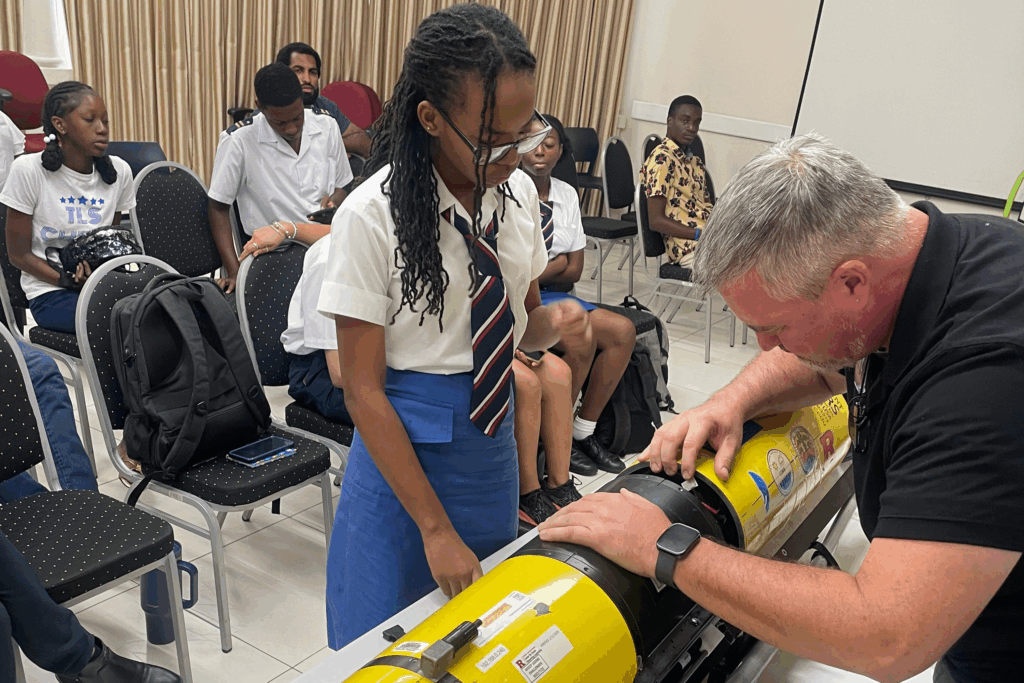
‘Breakthrough’ in hurricane forecasts from ocean glider data
A groundbreaking field experiment in the Caribbean has marked a significant leap forward in hurricane prediction, thanks to the deployment of an autonomous underwater glider. The Vetlesen Caribbean Hurricane Ocean Glider Science Field Experiment, spearheaded by the Caribbean Institute for Meteorology and Hydrology (CIMH) in collaboration with Rutgers University and other partners, has yielded transformative data that is already enhancing the accuracy of hurricane forecasts across the region. The glider, which spent three months navigating the waters between Barbados, Guyana, and Trinidad, collected critical ocean temperature and salinity readings. These measurements are pivotal in understanding the spatial variations that influence hurricane development and intensity. Dr. David Farrell, principal of CIMH, emphasized the dual benefits of the project: improving hurricane forecasting and supporting fisheries and other maritime activities. The data has already corrected longstanding flaws in existing ocean models, extending forecast accuracy beyond the surveyed areas. Scott Glenn, a professor of marine sciences at Rutgers University, highlighted the widespread impact of the glider’s data, which has improved ocean forecasts across the Antilles. This development is expected to significantly enhance early warning systems and disaster preparedness in the region. The project also integrates the Caribbean into the global Sentinel Initiative, fostering international collaboration in ocean research. As the hurricane season draws to a close, Dr. Farrell urged continued vigilance, noting that the insights gained from this experiment will guide future forecasting and preparedness efforts, better equipping the Caribbean to face potential weather challenges.
-
Barbados ‘leads CARICOM’ in introducing paid paternity leave
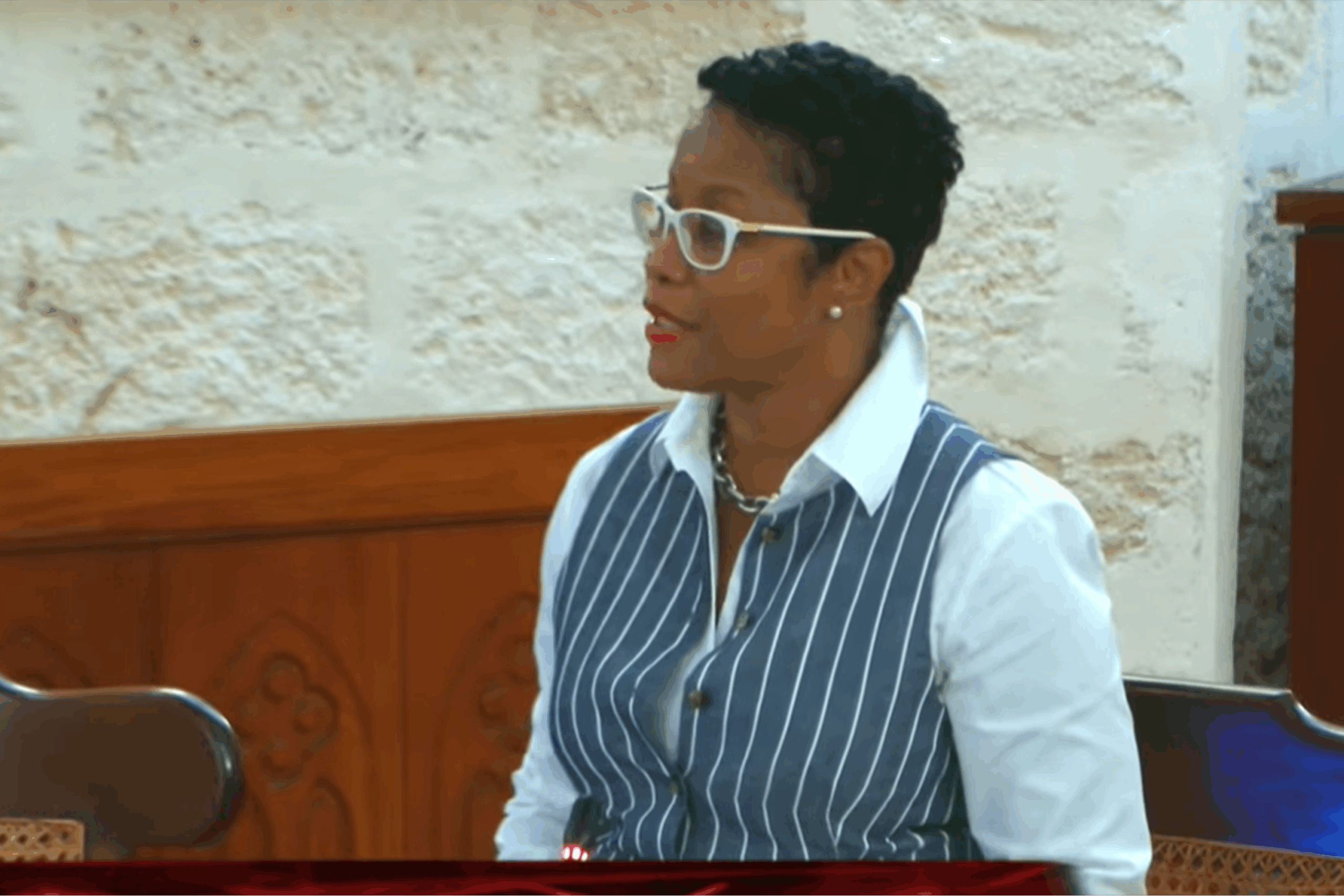
Barbados has set a groundbreaking precedent in the Caribbean Community (CARICOM) by becoming the first nation to introduce paid paternity leave for fathers. The landmark legislation, championed by Minister of Energy and Business, Senator Lisa Cummins, was passed in the Senate following its approval in the House of Assembly. This progressive move positions Barbados as a regional leader in supporting working families and promoting gender equality in parenting.
-

Senator backs ‘automatic’ DNA tests in maintenance cases
Opposition Senator Andre Worrell has reignited discussions on the necessity of mandatory DNA testing at the commencement of child maintenance and paternity cases. Emphasizing the importance of fairness and transparency, Senator Worrell argued that such a measure would mitigate emotional and financial turmoil for all parties involved. His remarks came during a Senate debate on the Family Leave Bill, where he aligned with acting Chief Magistrate Deidre McKenna’s recent advocacy for automatic DNA testing in family court proceedings. McKenna, speaking at a panel on child support delinquency, proposed that Barbados adopt a system where DNA tests are conducted as soon as a man is brought to court for maintenance, ensuring paternity is confirmed before proceeding with financial obligations. Senator Worrell supported the Family Leave Bill, which extends maternity leave and introduces paid paternity leave, but stressed the need for equitable treatment of men through accessible paternity testing. He highlighted the legal and emotional challenges faced by men who later discover they are not the biological fathers of children they supported. Worrell suggested that early DNA testing could prevent such issues, fostering clarity and fairness in family law.
-

Caribbean urged to confront corporate power driving NCD crisis, says Walcott
Barbados and other small island developing states (SIDS) must unite to confront powerful global industries whose products exacerbate chronic diseases and undermine public health, according to Senator Jerome Walcott, Minister of Health. Speaking at the opening of a three-day global conference organized by the Healthy Caribbean Coalition (HCC) and the Pan American Health Organisation (PAHO), Sen. Walcott emphasized the need for governments to balance economic growth with the well-being of their citizens. The conference, titled ‘Addressing the Commercial Determinants of NCDs in the Caribbean SIDS,’ was held at the Courtyard by Marriott. Sen. Walcott highlighted that public health strategies have traditionally focused on individual behavior change but stressed the importance of addressing upstream factors such as policies, markets, and environments that shape health choices. He identified the tobacco, alcohol, ultra-processed food, and fossil fuel industries as major contributors to global mortality rates, noting that these industries are responsible for over one-third of annual global deaths. Their economic and political influence often leads to policy inertia and hesitancy in implementing decisive health measures. Sen. Walcott pointed out the dilemma governments face: industries like tobacco and alcohol contribute significantly to GDP and employment, yet their products drive disease and premature death. While these industries may boost short-term revenue, the long-term consequences include strained health systems, reduced productivity, and hindered economic development. The World Economic Forum estimates that premature deaths from non-communicable diseases (NCDs) in lower and middle-income countries will cost $7 trillion over the next 15 years. Sen. Walcott called for bold action, advocating for fiscal measures such as excise taxes on unhealthy products to reduce consumption and generate revenue for health promotion. He stressed that the primary purpose of such taxes should be health, not profit, and suggested dedicating a portion of the revenue to NCD prevention and control. Additionally, he urged integrating health considerations into all sectors, including trade, agriculture, and economic planning, and called for restrictions on advertising unhealthy products, ensuring access to nutritious foods, and incentivizing the production of healthier alternatives. Sen. Walcott emphasized the importance of collaboration through CARICOM, PAHO, civil society coalitions, and academic institutions to share evidence and resources. He linked these efforts to Barbados’ national development framework, Mission Barbados, specifically Mission 4, which aims to reduce new NCD cases and crime by 50%. In conclusion, Sen. Walcott warned that the commercial determinants of health are among the most powerful drivers of disease today and called for courage, collaboration, and clarity of purpose to address these challenges.
-
Traffic study planned after gridlock forces school shutdown
In response to severe traffic congestion that forced the temporary closure of Charles F. Broome Memorial Primary School on Government Hill, authorities are crafting a comprehensive traffic management plan. The gridlock, which disrupted classes on Monday and Tuesday, prompted a high-level meeting involving officials from the Ministry of Education, the Barbados Police Service, and the school’s Parent-Teacher Association (PTA). Deputy Chief Education Officer Julia Beckles emphasized the need for both immediate and long-term solutions to alleviate the issue. The meeting, held on Wednesday morning, focused on identifying measures to improve traffic flow during peak drop-off and pick-up times. Beckles highlighted the importance of parental cooperation in easing congestion and noted slight improvements in traffic conditions on Wednesday. Principal Paula Toppin introduced new rules, including restrictions on parking in the layby and designated waiting areas, to address the problem. While traffic appeared lighter, some parents expressed frustration over ongoing parking issues and a perceived lack of enforcement. Calls for increased police presence and stricter traffic management were echoed by parents, who described the situation as chaotic and disrespectful to teachers. Authorities are now conducting a traffic study to develop a broader, long-term strategy to ensure safety and order around the school.
-
Unchecked coastal projects threaten Barbados’ identity, says UN youth advisor
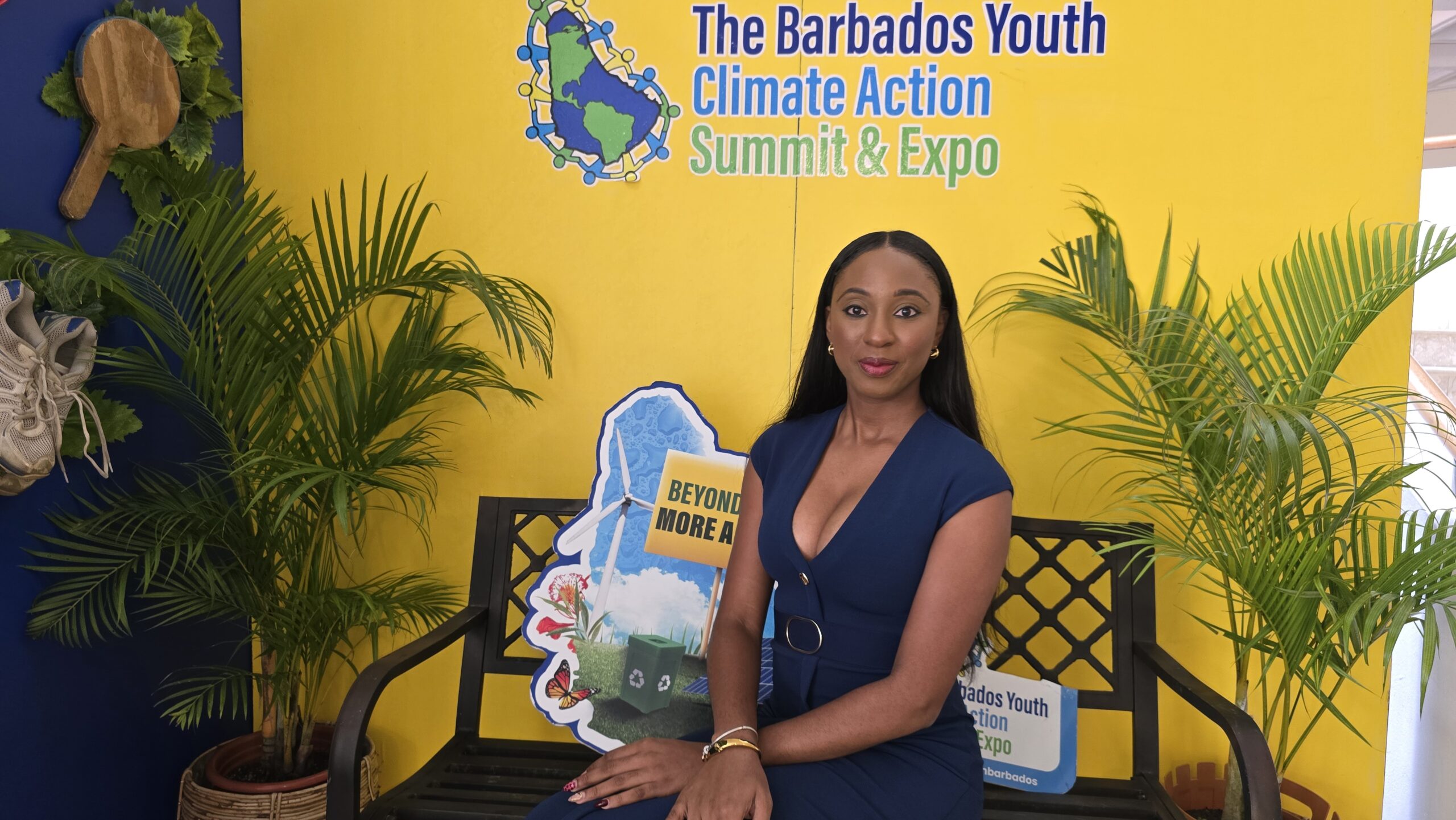
A United Nations climate advisor has issued a stark warning about the rapid coastal development in Barbados, emphasizing that the construction of new hotels and high-rise condominiums is eroding the island’s natural character. Speaking at the Barbados Youth Climate Action Summit and Expo, Ashley Lashley, a prominent environmental advocate, criticized the prioritization of profit over sustainability, calling for a fundamental shift in how progress is measured.
-
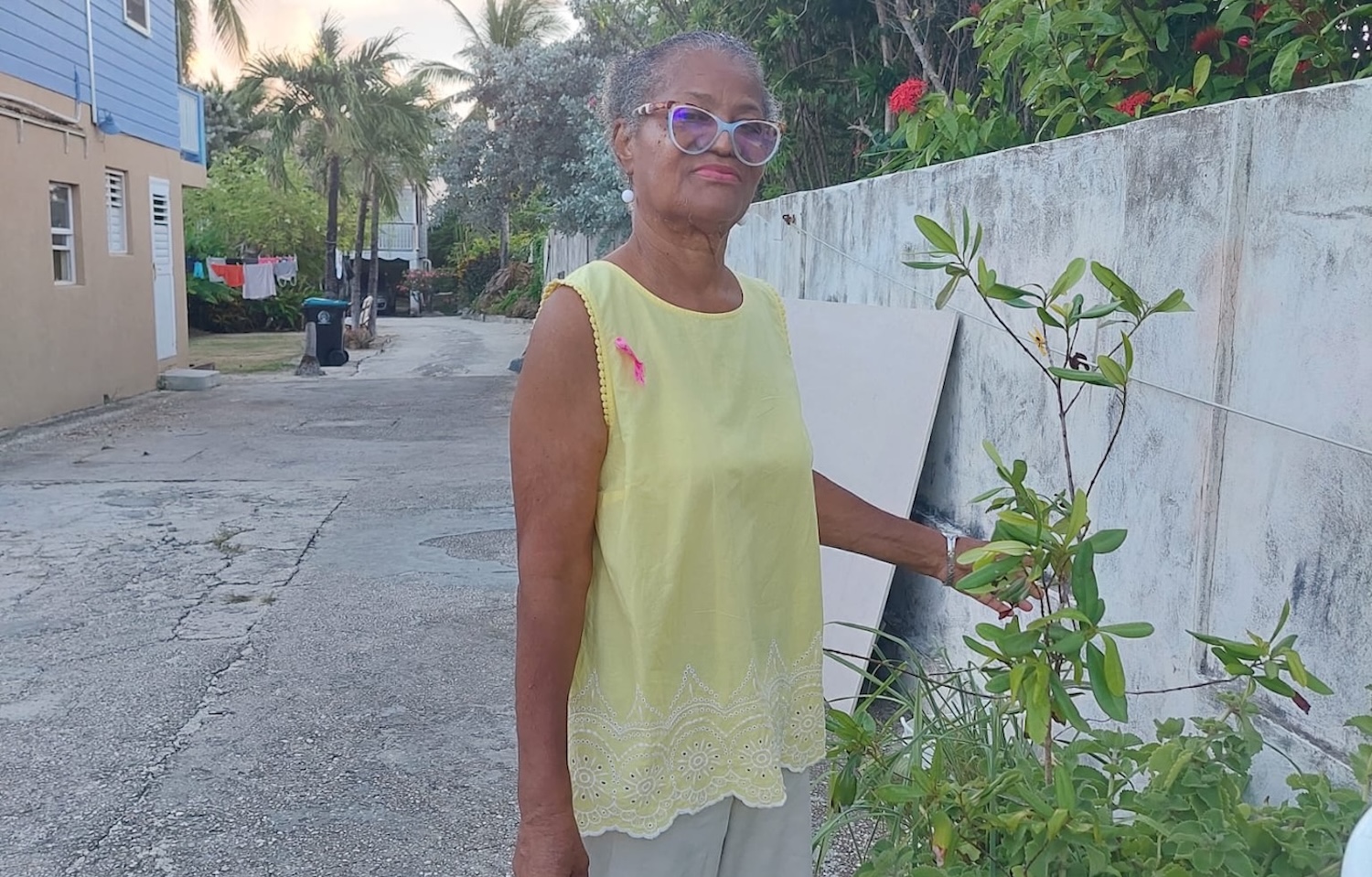
How faith carried Marquita Jordan beyond cancer
At 72, Marquita Jordan reflects on a life-altering journey that began over three decades ago when she discovered a lump in her right breast. Initially dismissed by her doctor as benign, Jordan’s intuition led her to seek a second opinion. A mammogram revealed the harsh truth: she had breast cancer. The diagnosis, initially perceived as a death sentence, marked the start of a profound battle marked by resilience, faith, and healing.
-
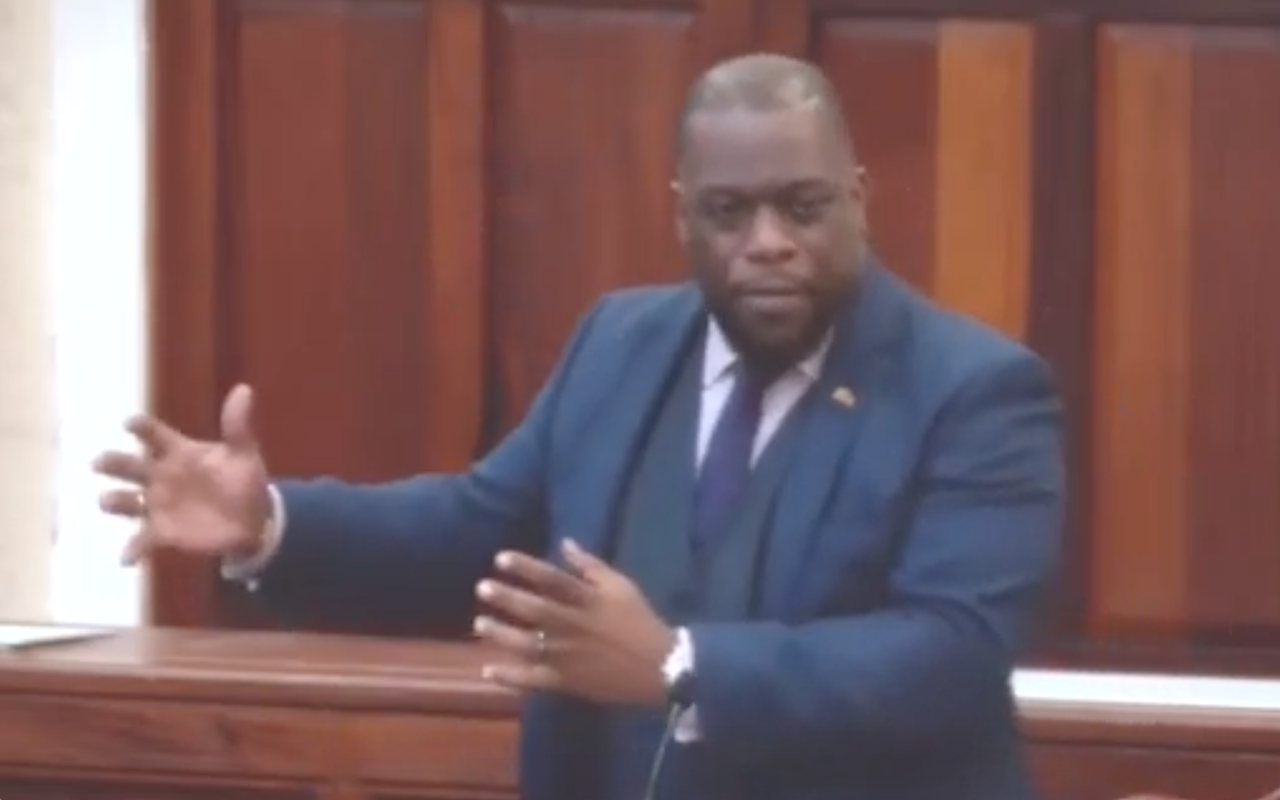
Senator: Review rules for dads with multiple newborns
Senator Gregory Nicholls has called for amendments to the Family Leave Bill to better align with the complexities of contemporary family structures in Barbados. During a Senate debate, Nicholls highlighted scenarios where fathers may have multiple children born within a 12-month period, emphasizing that the current legislation should not compel them to choose which child to bond with. He argued that the primary goal of the Family Leave Bill is to foster familial connections and support the developmental needs of children, and thus, no child should be disadvantaged due to legislative constraints. Nicholls proposed that fathers with parenting responsibilities across multiple households should be entitled to leave for each child, ensuring equitable bonding opportunities. He clarified that his suggestion is not meant to promote irresponsible fatherhood but to safeguard the rights of parents to fulfill their familial obligations without jeopardizing their employment. Nicholls underscored the importance of the parent-child bond during early developmental stages, advocating for a legal framework that prioritizes the welfare of children and strengthens family ties.
-

Senators call on men to embrace new family leave rights
In a landmark move to redefine fatherhood and promote gender equality, Senators have urged men to fully utilize the newly passed Family Leave Bill. The legislation, described as a transformative opportunity, allows fathers to take three weeks of leave within the first six months of their child’s life, with at least two weeks to be used in the initial three months. Government Senator Lindell Nurse emphasized that this law is a call for men to embrace their roles as fathers, providing emotional support to mothers and fostering stronger family bonds. He cautioned against misusing the leave for leisure, stressing its purpose in nurturing family life. Independent Senator Roshanana Trim highlighted the Bill’s broader cultural impact, framing it as a step toward liberating men from outdated notions of masculinity and enabling them to participate fully in caregiving. She noted that the Bill challenges traditional gender roles, fostering a more balanced and dignified family dynamic. Senator Andwele Boyce praised the legislation but pointed to systemic delays in the court system that often hinder fathers from being present in their children’s lives. He called for urgent reforms to address these inefficiencies, emphasizing the importance of strong family structures for national development. Boyce also commended private sector entities that already support family care responsibilities, urging others to follow suit. The Family Leave Bill is seen not just as legislative progress but as a cultural shift toward recognizing care as a shared human responsibility, reshaping modern family life for the better.