标签: Barbados

巴巴多斯

  • BUT blames funding gap, closures for private schools outperforming public

    BUT blames funding gap, closures for private schools outperforming public

    Following the release of 2025 Common Entrance examination results that placed private schools clearly ahead of their public-sector counterparts, the Barbados Union of Teachers (BUT) is pressing the nation’s Ministry of Education Transformation for urgent answers about the growing performance divide between the two education systems.

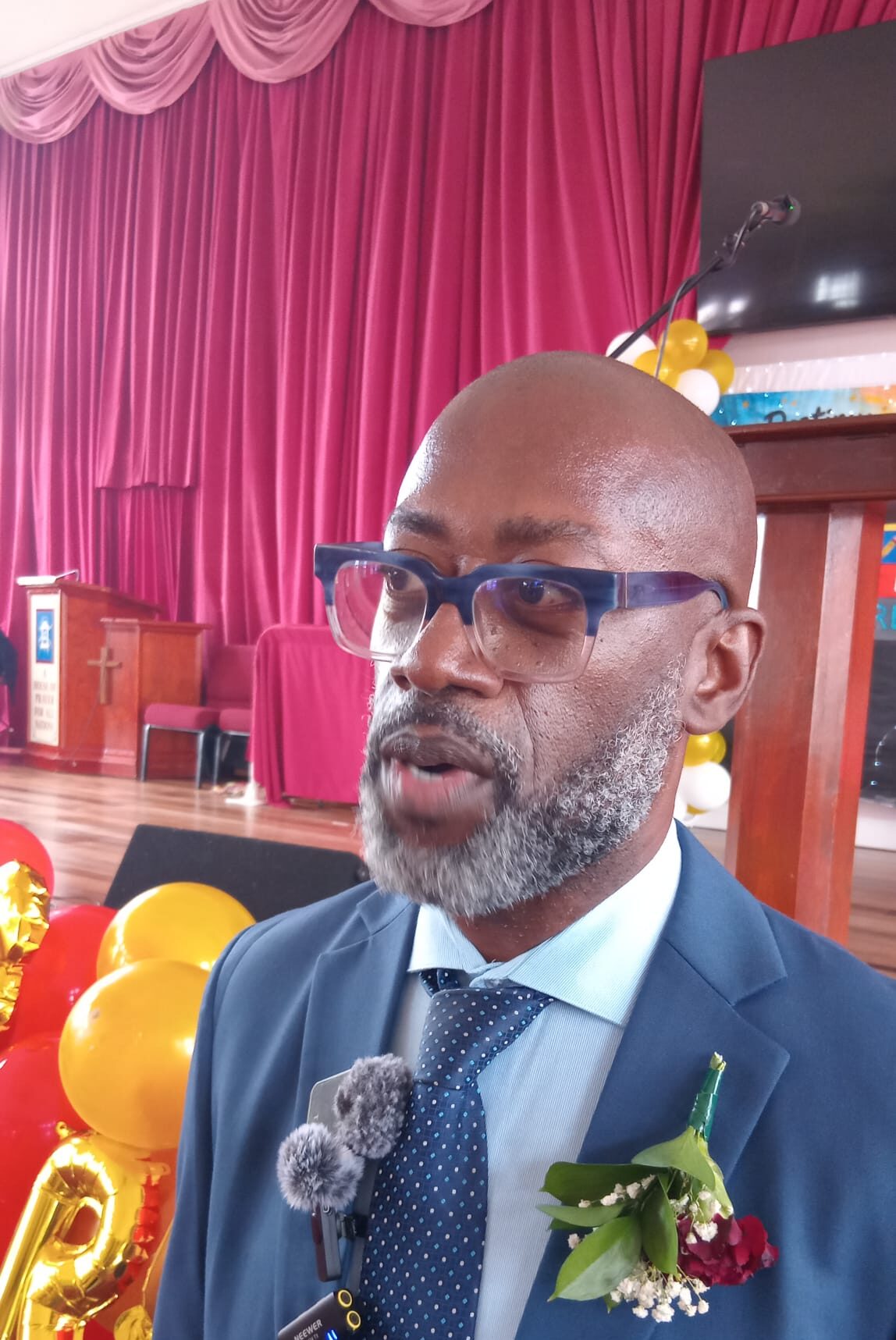
    BUT President Rudy Lovell is pushing for full transparency from the ministry, arguing that any direct comparison of outcomes between private and public schools is inherently unfair given the stark, well-documented gaps in resourcing, parental participation and operational stability that separate the two sectors. The results released Monday made headlines for one key data point: St Gabriel’s, a private Anglican institution, produced both the top-performing boy and top-performing girl in this year’s Common Entrance examination. Notably, the ministry did not release any additional granular data breaking down top-scoring student distribution between private and public schools, leaving broader trends unconfirmed.

    “There are multiple external factors that could drive this performance gap between public and private education institutions,” Lovell stated in his address to reporters. “We need the ministry to share its own analysis of what factors are leading to private schools consistently outperforming public ones.”

    While Lovell was quick to affirm that teaching staff in both sectors hold equally high qualifications, he outlined three key structural advantages that benefit private schools, starting with funding and resource allocation. This point comes despite Barbados consistently allocating roughly 5% of its gross domestic product to public education, a share that ranks among the highest for North American and Caribbean nations. Even with this substantial government investment, Lovell claims that public school teachers are frequently forced to spend personal funds to cover basic classroom needs that go unmet by public budgets.

    “From our perspective, private schools operate with far more robust resourcing than public institutions,” Lovell explained. “Public school teachers already contribute a huge amount of personal funding to keep their classrooms running, purchasing essential learning materials out of their own pockets. We have yet to see whether private school teachers face the same financial burden, and we want clarity on that.”

    A second key disparity Lovell highlighted is the level of parental engagement. While public schools do receive support from caregivers, he noted that this involvement pales in comparison to the consistent, heavy participation seen in most private school communities, a gap that directly impacts student outcomes.

    The third and most disruptive disadvantage facing public schools, Lovell argued, is ongoing infrastructural and environmental challenges that repeatedly force campus closures. These unplanned shutdowns have severely disrupted the academic calendar for public school students, a crisis that almost never impacts private school operations.

    “Any head-to-head comparison of results is unfair when both sectors follow the exact national curriculum set by the Ministry of Education, but operate in completely different conditions,” Lovell emphasized. “When can anyone remember the last time a private school was forced to close for environmental or infrastructural reasons? This year alone, public schools have faced repeated closures tied to these issues, interrupting learning week after week.”

    Beyond the private-public performance divide, Lovell also raised alarm over the persistent downward trend in male student performance relative to female peers. When asked whether current government efforts to support male learners are sufficient, Lovell replied that far more action is needed, and called on the ministry to implement a full overhaul of public school staffing frameworks.

    A core demand from the BUT is the introduction of specialized teaching roles in core subject areas across public primary schools. “We want to see public schools bring on specialized teachers focused specifically on high-priority subjects like mathematics, English, and reading,” Lovell urged. “This targeted expertise would help address performance gaps and support all learners, including our male students who have been falling behind in recent years.”

  • Sports minister pays tribute to basketball ‘icon’ Dwight Rouse

    Sports minister pays tribute to basketball ‘icon’ Dwight Rouse

    The global basketball community and Barbadian sports sector are continuing to flood in with heartfelt tributes for Dwight Rouse, the former national men’s basketball captain and veteran coach who left an indelible mark on the nation’s sporting landscape over more than 50 years. Rouse, who also enjoyed a long tenure representing the Senators Club and served as a senior coach with the National Sports Council, passed away on June 20 after a short battle with illness.

    In an official statement mourning the loss of the legend, Barbados’ Minister of Sport and Community Empowerment Charles Griffith emphasized that Rouse’s standing as a trailblazer for Barbadian basketball would not be forgotten. “I firmly believe that his contributions to the growth of basketball across Barbados and his enduring legacy will be celebrated for generations to come,” Griffith said. “Barbados will remain eternally grateful for this icon of our national game.”

    Standing at six feet seven inches tall, Rouse built a reputation as one of the most dominant defensive forces in Barbadian basketball history during his decorated playing career. He holds the record as the most capped player in Barbados’ national men’s team history, first earning his national cap in 1978. One of the crowning achievements of his on-court career came in 1994, when he led the Barbados national side as captain to claim the Caricom Basketball Championships title. The following year, he was part of the selected squad that traveled to Argentina to compete in pre-Olympic qualifying tournaments. Rouse retired from international competitive play in 1996, but continued competing at the club level until hanging up his boots for good in 2014.

    Yet many across the sporting community agree that Rouse’s most profound and lasting contributions came off the hardwood, where he dedicated decades to nurturing young basketball talent across primary school, secondary school and local club levels. For more than 25 years, he served as a coach with the National Sports Council, and worked tirelessly as a grassroots mentor for emerging athletes, playing a pivotal role in the development of hundreds of Barbadian players who went on to compete at regional and national levels.

  • Credit union leaders hail deposit insurance ‘fairness’

    Credit union leaders hail deposit insurance ‘fairness’

    After 15 years of persistent advocacy from the credit union sector, Barbados has enacted a historic piece of financial reform that will level the playing field for cooperative savings institutions by extending government-backed deposit insurance to credit union members, industry leaders have confirmed. The Protection of Depositors Bill, which cleared the House of Assembly this week, marks a fundamental shift in the country’s financial landscape, ending a decades-long discrepancy that offered full deposit protection only to customers of commercial banks.

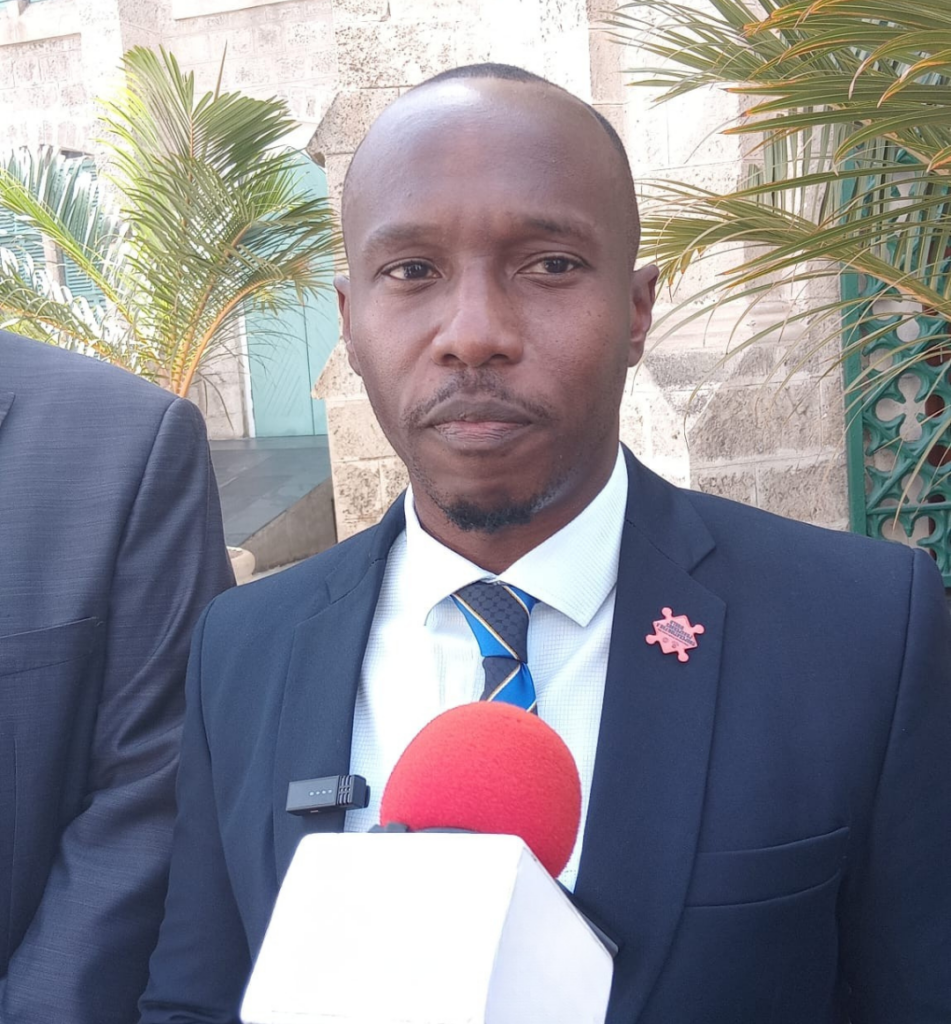
    Kemar Cumberbatch, president of the Barbados Co-operative and Credit Union League, the umbrella body representing the nation’s credit unions, called the new law a long-awaited victory for millions of ordinary savers. Speaking to reporters outside the legislative chamber, he emphasized the far-reaching impact of the reform, noting that the sector already counts more than 200,000 members across the island – a figure that makes up over 90 percent of Barbados’ total population and manages $1.7 billion in assets under management.

    For more than a decade, credit union stakeholders have lobbied successive governments to close the protection gap that left members’ savings without the same government-backed safety net enjoyed by commercial bank account holders. “It’s been 15 years of advocacy to get deposit insurance and parity with commercial banks, and we and our membership are extremely happy with this outcome,” Cumberbatch said. While regulators from the Financial Services Commission and Barbados Deposit Insurance Corporation work through the final logistics of onboarding participating institutions, the exact number of credit unions joining the scheme is still being finalized, and Cumberbatch declined to share further details on that process until preliminary administrative work is complete.

    The core benefit of the reform, Cumberbatch explained, is that it creates a fair savings ecosystem for all Barbadians, and adds a critical layer of security for both domestic members and the large Barbadian diaspora community that sends remittances and investment capital back to the island. In the event of a credit union failure or sudden bank run, members’ deposits will now be fully protected, a guarantee that has long been standard for the commercial banking sector. “This is absolutely pivotal for our membership,” he said. “It gives diaspora members and anyone sending money home peace of mind that their funds are protected, just as they would be if they held them in a commercial bank.”

    Cumberbatch moved to address lingering concerns that the new regulatory requirements tied to deposit insurance could disproportionately harm smaller credit unions or lead to mass closures of community-focused institutions. He stressed that any future sector consolidation would be voluntary, with small institutions encouraged to partner with larger peers to better serve their local communities, rather than being forced out of the market. “Our core mantra is people helping people, and regardless of deposit insurance rules, we are always focused on becoming stronger to meet our members’ needs,” he said. “We do not anticipate any negative fallout, and any restructuring that does happen will ultimately benefit all members of the sector.”

    Beyond just protecting existing savings, the new law unlocks new opportunities for credit unions to invest in key national development priorities, including renewable energy projects and affordable housing. The legislation includes provisions that allow credit unions to allocate capital to sectors they were previously barred from investing in, a change that Cumberbatch says will draw more investment from the diaspora, who now have the security of knowing their funds are protected.

    Early signs already point to growing diaspora interest in returning capital to Barbados following the reform, Cumberbatch revealed, after a recent international roadshow found significant appetite for investment among overseas Barbadians. “We’ve already seen interest, because when we held our diaspora roadshow recently, many people there were willing to send significant sums back home,” he said. “Now that deposit insurance is in place, we expect it will be much easier to convince them to follow through.”

    For domestic savers, the law opens new pathways to build long-term, generational wealth by participating in green and climate-focused investment projects. Cumberbatch noted that two of the country’s largest credit unions are already developing green bond loan programs to help members invest in renewable energy initiatives, and the sector stands ready to support any legally compliant opportunity that benefits its membership. “Our purpose is to serve our members, help them save, and enfranchise them to build wealth,” Cumberbatch added. “Now that this reform is in place, we are ready to deliver even more value for every one of our members across Barbados.”

  • Semifinal lineup decided in four-hand domino tournament

    Semifinal lineup decided in four-hand domino tournament

    The dust has settled on the quarterfinal round of the Barbados National Dominoes Association’s (BNDA) four-hand knockout tournament, and the four teams vying for a spot in the grand final have officially been confirmed. Two thrilling semifinal matchups are now on the calendar: Carlton & A1 Braves will lock horns with Peace & Love, while French Village Piranhas will go head-to-head against 37 Family KC Joint.

    Peace & Love delivered one of the weekend’s most dominant performances to secure their semifinal place, turning in an emphatic display at the BDF venue on Sunday to overpower Police by a decisive 75-52 margin. The win was anchored by extraordinary individual contributions from the full four-person squad: Colton “Cc” Crichlow, Thomas “Beardy” Clarke, Duane “Duice” Johnson, and Keithley Boyce each notched 17 points apiece. Their consistent, high-pressure play kept Police on the back foot for nearly the entire match, leaving no room for a comeback from their outmatched opponents.

    In a tighter, more back-and-forth contest, 37 Family KC Joint held off a late push to edge past BNECL 68-60. BNECL controlled the scoreboard for most of the match and looked poised to advance, but fell short in the game’s critical closing moments, allowing 37 Family KC Joint to claim the semifinal spot.

    Carlton & A1 Braves also punched their ticket to the next round with a solid win over longstanding rivals HIV Commission Hillside, securing a 72-54 victory. Key scorers Carolin “Chihuahua” Harbin-Goddard and Siebert Saunders-Jordan each put up 17 points to lead their team to victory and eliminate their fellow competitors from the tournament.

    The final semifinal berth went to French Village Piranhas, who put on a clinic to demolish RM Cleaners 82-58. Mirroring the standout squad performance from Peace & Love, the Piranhas’ four-person team – Adrian Hinds, Sabrina Walcott, Alvin Cox, and Donna Scantlebury – each hit 17 points individually to power the lopsided win.

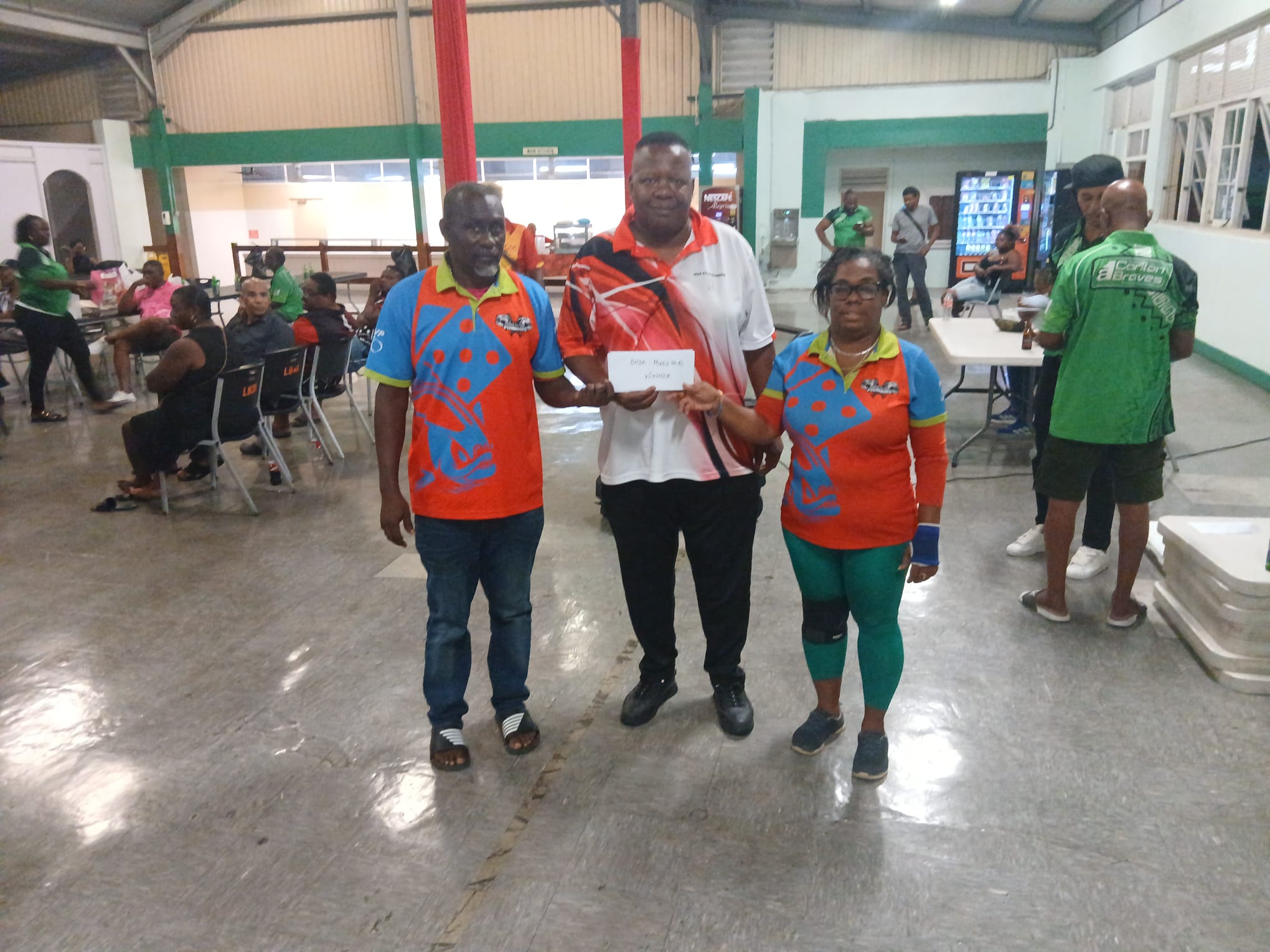
    Alongside the four-hand tournament’s quarterfinal results, BNDA has also released results from other recent competitions. On June 19, Becky’s Bar played host to the Mixed Pairs Final, where Adrian Hinds and Sabrina Walker of French Village claimed the top title. David Braithwaite and Sherrol Redman finished as runners-up, while the pairings of Michael Griffith and Tracey Ann Hunte, and Johnaton Grandison and Sharon Lynch took third and fourth place respectively.

    In separate three-hand knockout tournament action, semifinal matches held at Thelma’s Bar in River Land St Philip saw Police, RM Cleaners, and Central Bank advance to the final round of that competition. The three-hand final is scheduled for June 25 at the James Bryan Pavilion in Market Hill St George, where the three teams will compete for the tournament title.

  • BNECL defeat BL&P in energetic clash

    BNECL defeat BL&P in energetic clash

    Last Thursday at BNECL Field in Woodbourne, Christ Church, home side Team BNECL delivered a dominant display to secure a lopsided 5-1 victory over Barbados Light and Power Company Limited in a highly anticipated friendly football rematch.

    Despite intermittent rain showers that swept through the area throughout the match, a substantial crowd turned out to support the squads, made up of employees from both companies, their family members, and local football fans. The game, which marked a repeat of the previous year’s encounter, carried extra significance this time around as Barbados Light and Power marked its 115th anniversary with a week-long slate of celebratory activities, with the rematch serving as a key centerpiece event.

    For the winning BNECL side, striker Renaldo Niles stole the spotlight by scoring two goals, earning him the match’s Most Goals Award. Midfielder Darren Gale-Forde took home the Most Valuable Player honor for his consistent, standout play across all areas of the pitch, while goalkeeper Gabriel Layne was recognized as the Best Goalkeeper for his critical saves throughout the contest. Defender Trevor Scott also picked up an individual award, claiming the Best Defender title for his solid work shutting down Barbados Light and Power attacking opportunities.

    Speaking after the match, Sonia Haynes-Collymore, Human Resources Business Partner at Barbados Light and Power, explained the origins of the 2024 rematch. Following the positive reception of the 2023 meeting between the two utility-sector firms, leadership from both sides quickly agreed to bring the rivalry back for another year. “It had been quite some time since we held an inter-company event like this, and in years past these competitions used to be much larger, with multiple teams joining in,” Haynes-Collymore noted. “We chose to restart with just our two squads to keep things manageable this year. Even though they got the win over us last year, we were eager to come back for another round, especially as we mark 115 years of operation with our anniversary week of events. It made perfect sense to host this rematch between two companies that operate in the same utility space.”

    Samantha Hazlewood-Ermay, Marketing and Public Relations Officer for BNECL, added that the match offered far more than just on-pitch competition for the new merged utility firm. Earlier this year, BNECL formed from the merger of two previous entities, NPC and BNOCL, making the friendly a valuable team-building opportunity for the newly combined workforce. “The game went over extremely well with players from both sides,” Hazlewood-Ermay shared. “It was an exciting, edge-of-your-seat match from start to finish, and for our team, it’s helped bring our new merged squad closer together. We saw great chemistry on our side, which was a big part of why the event worked so well. A lot of our players already knew members of the Barbados Light and Power squad from local football circles, so it was just a fun, relaxed day of competition that everyone enjoyed.”

  • Barbados, OPEC Fund launch climate financing initiative

    Barbados, OPEC Fund launch climate financing initiative

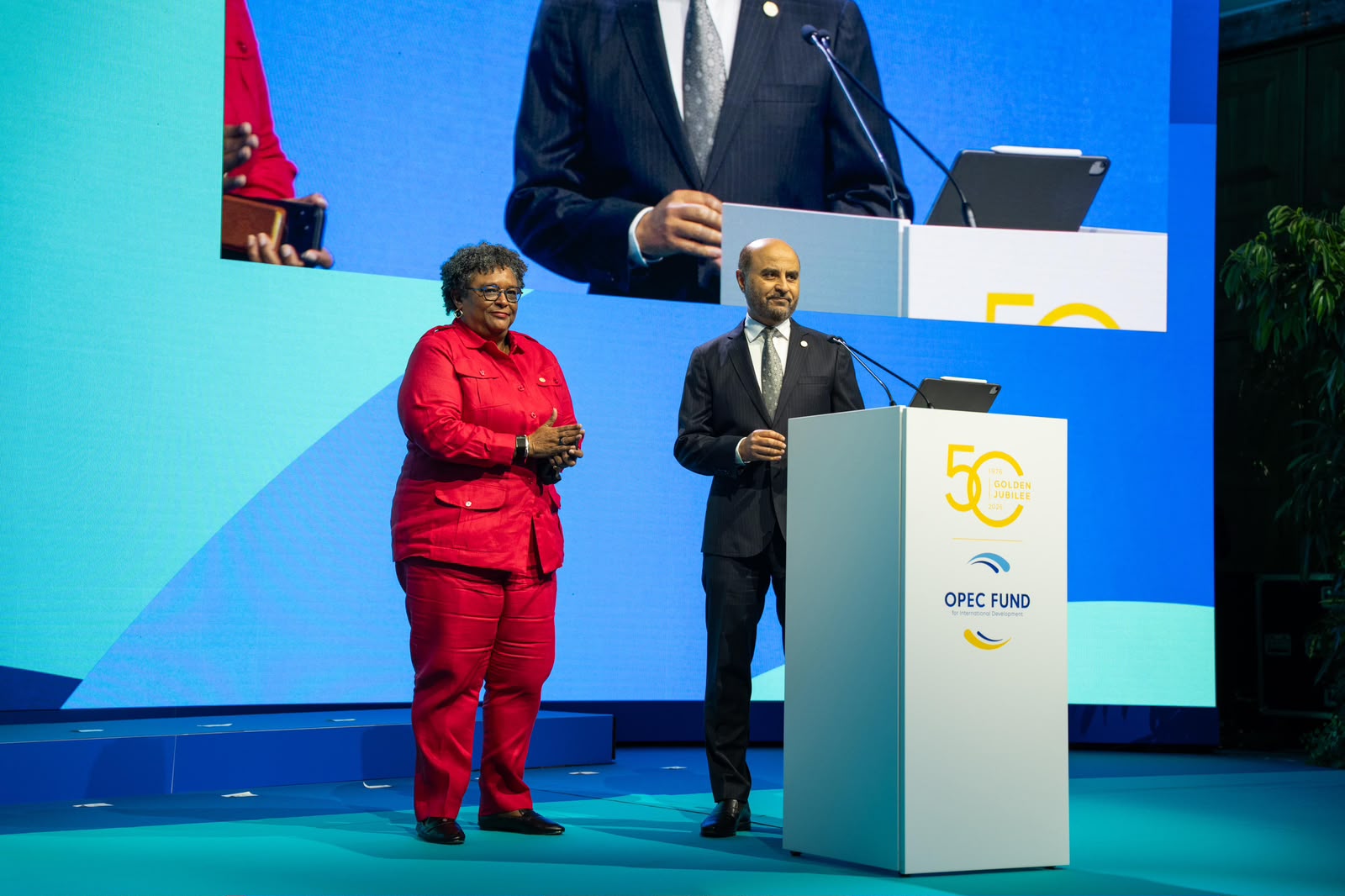
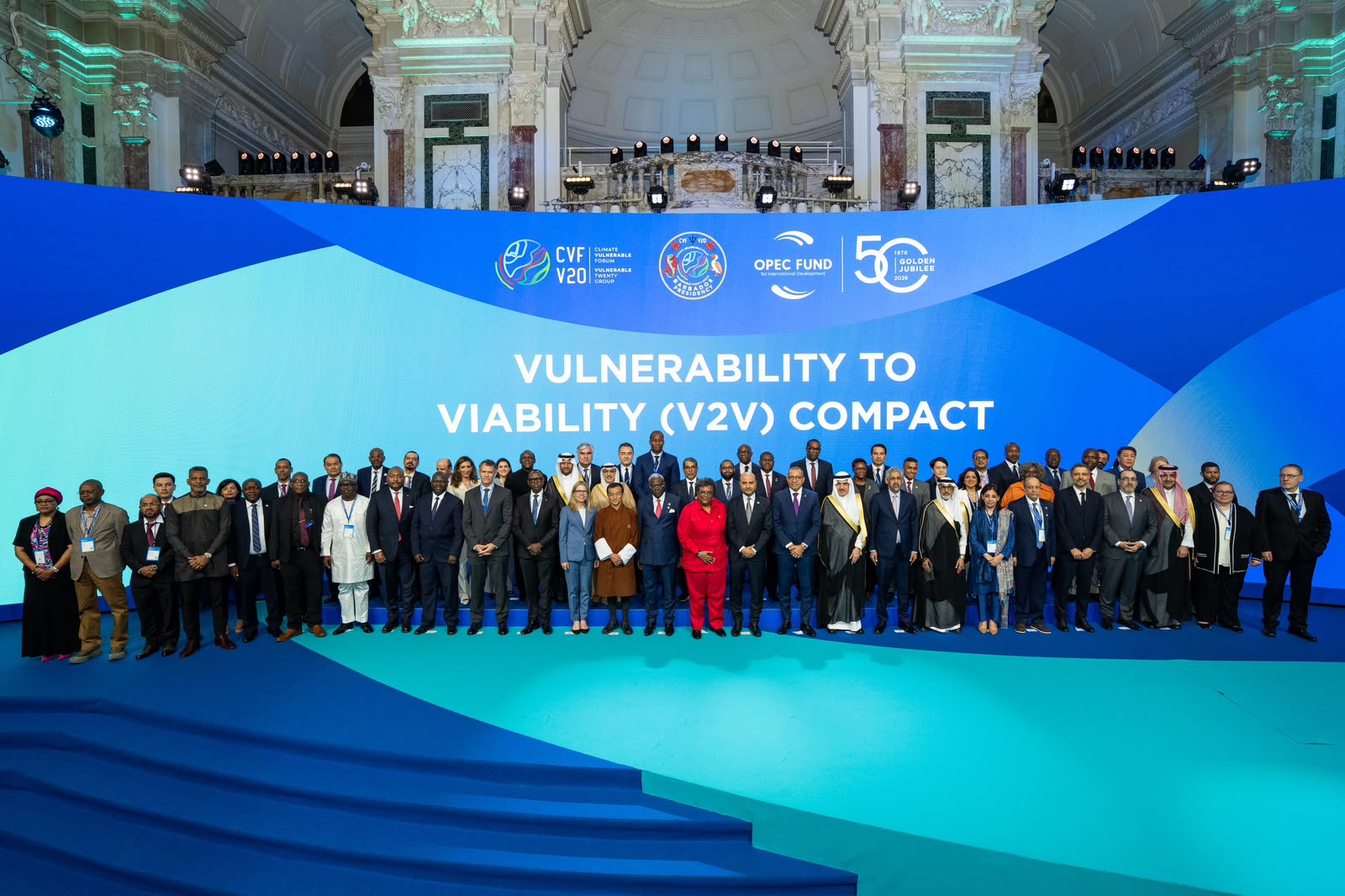
    Against a backdrop of growing frustration over a global financial architecture that disproportionately disadvantages nations on the front lines of climate change, Barbados and the OPEC Fund for International Development have launched a groundbreaking new partnership to expand access to low-cost financing for climate resilience and sustainable development projects. Dubbed the Vulnerability to Viability (V2V) Compact, the initiative was officially launched at the OPEC Fund Development Forum held in Vienna, Austria, uniting 78 climate-vulnerable economies and more than 15 leading global development finance institutions around a shared mission to remove financial barriers for high-risk, low-emission nations.

    The launch of the V2V Compact marks a major milestone for the global reform movement spearheaded by Barbadian Prime Minister Mia Mottley, which has pushed for an overhaul of international finance rules that force climate-vulnerable nations – particularly small island developing states – to pay exorbitant borrowing costs. For decades, these nations have highlighted a stark global injustice: they contribute less than 10% of global greenhouse gas emissions, yet face the worst impacts of climate change, from catastrophic hurricanes and chronic drought to widespread coastal flooding, and are penalized with higher interest rates for that risk. This has locked many vulnerable nations into a cycle of debt and limited their ability to invest in infrastructure and resilience measures that could prevent future climate disasters.

    Built on the core principles of the earlier Bridgetown Initiative, which advocates for expanded development financing for the 1.7 billion people represented by the Climate Vulnerable Forum and the V20 group of climate-vulnerable finance ministers, the V2V Compact puts national ownership at the center of its model. Unlike fragmented traditional funding models that require nations to navigate complex, siloed arrangements across dozens of international institutions, the new framework aligns financing with each participating nation’s own development priorities, while offering more favorable terms including extended repayment periods that match the long timeline of climate projects.

    As co-organizer of the initiative, Barbados leads in its capacity as chair of both the Climate Vulnerable Forum and the V20 group. Speaking at the launch, Prime Minister Mottley emphasized that the compact is designed to correct deep-seated inequities in the global financial system, placing vulnerable nations at the heart of decisions that shape their development trajectories. “Countries lead, and finance institutions align,” Mottley outlined in her official statement, explaining that the model eliminates the bureaucratic fragmentation that has long slowed investment in critical climate and development projects.

    In its initial phase, the V2V Compact will prioritize three foundational sectors that are critical to building long-term climate resilience and advancing human development: water access, public education, and healthcare infrastructure. For Mottley, the initiative is about more than just helping vulnerable nations survive climate shocks – it is about creating pathways to long-term prosperity. “This Compact is about securing not just survival, but viability and prosperity. Our countries deserve sustainable pathways to development, and that can only happen by unlocking affordable capital,” she added.

    The roster of participating development institutions reads like a who’s who of global development finance, including the Caribbean Development Bank, African Development Bank, Asian Development Bank, Inter-American Development Bank, World Bank Group, International Fund for Agricultural Development, and members of the Arab Coordination Group. The framework combines multiple complementary tools to meet nations’ needs: it blends affordable, predictable long-term financing, targets private capital mobilization to scale up investment, and integrates shock-responsive financial tools that help countries maintain critical public services and strengthen resilience both before and after climate disasters strike.

    OPEC Fund President Abdulhamid Alkhalifa framed the V2V Compact as a powerful example of international solidarity and practical, solution-oriented collaboration. He noted that the OPEC Fund has a long track record of supporting vulnerable nations, having provided approximately $17 billion in financing to V20 countries over the past five decades.

    Work is already underway to turn the framework into action. A detailed white paper outlining the compact’s implementation mechanisms is scheduled to be presented at the annual meetings of the World Bank and International Monetary Fund, set to take place in Bangkok this October. As global momentum builds for climate finance reform, the V2V Compact represents one of the most concrete, coordinated efforts to date to deliver on the promise of affordable finance for the world’s most climate-vulnerable communities.

  • Windies set for Sri Lanka challenge at North Sound

    Windies set for Sri Lanka challenge at North Sound

    As the first Test of a two-match series between West Indies and Sri Lanka prepares to get underway at North Sound, Antigua this Thursday, West Indies head coach Daren Sammy has expressed confidence that his side has left no stone unturned in their preparations for both the local pitch conditions and Sri Lanka’s formidable spin-focused bowling attack.

    Both international outfits enter this series hungry to turn around prolonged underperformance in Test cricket, the longest and most traditional format of the sport. The West Indies have failed to secure a win across their last five Test outings, collecting only a single draw in that stretch. For Sri Lanka, the results have been equally underwhelming: just one win in their past five matches, paired with one draw and three losses.

    Speaking to reporters on the sidelines of the team’s training camp in Antigua, Sammy detailed the intense work the playing squad and coaching staff have put in ahead of the opening clash. “Everyone has stepped up to adapt to these challenging conditions,” he said. “What has stood out most for me is the team’s focused attitude, as we’ve prepared for every scenario we could face in this first Test. From what we’ve observed as coaches and the feedback from training sessions, the work ethic has been really impressive.”

    Sammy emphasized that the squad built their training plan specifically to counter Sri Lanka’s strength in spin bowling, a preparation he expects to pay off when play begins. “We designed every drill around the conditions we expect here in Antigua, and adjusted our game plan to match and neutralize Sri Lanka’s core skills to come out on top,” he explained. “We’ve already studied the match surface closely and have a clear picture of how it is likely to play out through the five days. Every part of our preparation has been customized to that context.”

    Reflecting on his side’s recent inconsistent run in the ongoing World Test Championship cycle, Sammy pinpointed key areas the squad has targeted for improvement. “Over our first six Test matches in this championship, we’ve learned that success comes from batting for long periods and avoiding collapse within a session,” he said. “We’ve often been in strong positions, but struggled to withstand a good bowling spell from the opposition. That’s one of the main areas we’ve focused on in training.”

    While Sammy openly acknowledged the existing challenges facing the West Indies batting unit, he made clear that the team is ready to overcome those hurdles. “We’ve been drilling into the batters that they have to value their wicket and put in the work to bat long,” he said. “Test cricket isn’t a sprint—it’s a marathon, and every player’s true character gets tested in this format. That’s the mindset we’ve been building.”

    Ahead of the series, West Indies named a 15-player squad that sees the recall of wicketkeepers Joshua Da Silva and Amir Jangoo, while fast bowlers Alzarri Joseph and Shamar Joseph return to the fold after recovering from injury-related absences. Sammy said he is fully satisfied with the selected group, noting that despite a truncated domestic first-class season leading into the series, players put up strong performances to earn their spots.

    “I truly believe we’ve picked the strongest possible squad for this challenge against Sri Lanka,” he said. “For me, the biggest boost is having our full four-pronged pace attack back: Shamar Joseph, Alzarri Joseph, Jaden Seales, and the experienced Kemar Roach. These bowlers have been outstanding for us over the past two years, and we missed them badly in the latter part of last season. Having all of them fit and available is a huge advantage going into this series.”

  • Semi-final spot on the line as Windies Women meet England

    Semi-final spot on the line as Windies Women meet England

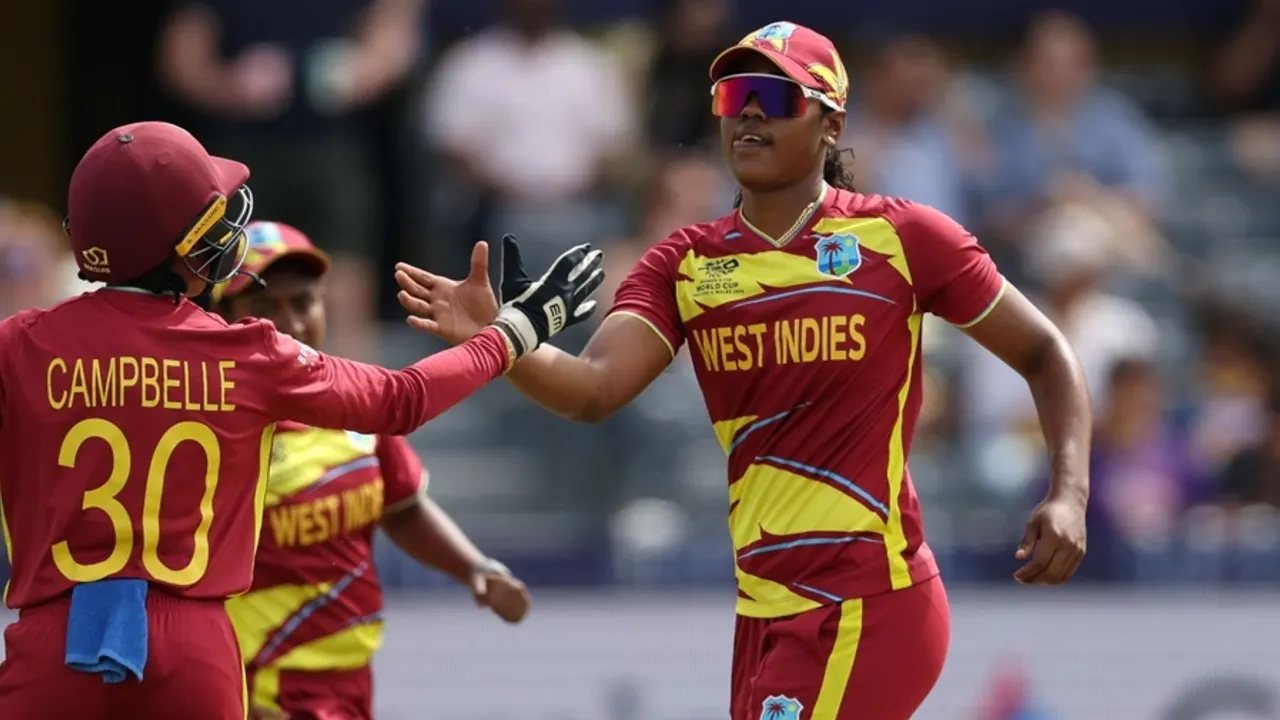
    As cricket fans around the globe count down to a make-or-break Group 2 clash at the ICC Women’s T20 World Cup, West Indies off-spinner Karishma Ramharack has sounded a confident note, confirming her side fully understands the high stakes and is ready to take on host nation England at Lord’s this Wednesday, with a coveted semi-final spot up for grabs.

    Both sides head into the fixture sitting unbeaten at the top of the Group 2 table, having picked up six points from two completed matches. England holds the upper hand heading into Wednesday’s game, however, boasting a far superior net run rate that puts them in pole position if results end level. For West Indies, their road to this critical fixture has been marked by consistent winning form: they opened their campaign with a stunning seven-wicket upset over defending champions New Zealand, followed by a seven-run victory over Scotland and most recently a five-wicket win against Sri Lanka, stretching their unbeaten run to three matches.

    Ramharack noted that the team’s strong run at the tournament has not come as a surprise to the squad, despite inconsistent performances in lead-up matches before the World Cup. “I don’t know, we just show up for these types of tournaments and I feel like the girls understand the assignment. We’ve as a group collectively put our hands up at different times,” she said. “We have different players showing up for us and that’s really important for us as a group… As you said, the magic is just finding a way, and we’ve done that so far.”

    The challenge facing West Indies is formidable, even with their current winning streak. England enters the clash as one of the pre-tournament favorites, having won each of their last five T20 matches in comprehensive fashion. History also favors the hosts: West Indies have only secured one win against England in their last five encounters in the format, with that single victory coming in 2024. England, by contrast, has beaten Ramharack’s side three times in 2025 alone.

    Despite the stacked odds, Ramharack says West Indies is focused only on controlling what they can on match day. “Of course you know it’s going to be a really big game, I think what we can do is control what we can as a team, plan well, prepare well, and just execute as best as we can, but of course we’re looking forward to the atmosphere and playing at Lord’s,” she explained.

    Should West Indies pull off an upset and secure their place in the semi-finals, Ramharack says the squad has no preference for which opponent they face next. “On the day it’s another game of cricket and whoever turns up, we’re going to turn up as well,” she said.

    Addressing the fact that many analysts did not count West Indies among pre-tournament title contenders, Ramharack rejected the idea that the underdog label has given the side any extra advantage. “I don’t think we have thought of it much, but I feel like, as I said, it’s a tournament that we actually show up in. We’ve done it previously, and I think you know with three out of three wins right now, I’m sure a lot of people wouldn’t have thought that we would be here today,” she said.

    For the squad, Ramharack emphasized that the ability to grind out results, paired with the strong team bond built through their early winning streak, has been the driving force behind their success. “The fact that we are finding a way as I mentioned before, finding a way is a big thing for us. That’s really, really important for us as a group, and I feel like the bond that we’ve created throughout winning brings positivity and a different type of feeling.”

  • Culture, creativity on display at Crop Over Gala

    Culture, creativity on display at Crop Over Gala

    Barbados’ rich tapestry of ancestral culture, rhythmic traditions and vivid folk heritage will step into the global spotlight on Saturday, July 4, when the island’s National Cultural Foundation (NCF) hosts the annual Ceremonial Delivery of the Last Canes Gala at Bridgetown’s iconic Queen’s Park. As one of the most beloved and historically significant cornerstone events of the island’s iconic Crop Over harvest festival, this year’s gathering will reimagine Queen’s Park as an immersive, living cultural village, welcoming attendees to a full afternoon of dynamic performances, ceremonial pageantry, hands-on cultural workshops, authentic local cuisine, handcrafted artisan goods, soulful music, and a heartfelt tribute to the generations that shaped Barbadian identity.

    The ceremony traces its roots back to the historic plantation era, when it marked the official end of the annual sugar cane harvest – an industry that for centuries formed the backbone of Barbados’ economy and social fabric. More than a simple seasonal ritual, the event today stands as a living tribute to the labor, resilience and extraordinary creativity of the Barbadian people whose work forged the nation’s distinct social, cultural and economic identity. This year’s iteration builds on that centuries-long legacy, curating a wide-ranging, family-friendly showcase that honors the island’s past while embracing the evolving, inclusive spirit of the modern Crop Over festival.

    One of the most anticipated highlights of the 2026 gala is the Cultural Procession Parade, a vibrant, moving celebration of Barbados’ living cultural heritage that brings centuries-old folk traditions to life. The procession features brilliantly colored traditional costumes, synchronized rhythmic movement and iconic folk characters, woven together into a powerful narrative of national pride. Participants include legendary stiltwalkers, iconic Shaggy Bears, the beloved Mother Sally folk figure, foot-stomping Tuk Bands, Donkey Men, historic reenactors portraying plantation workers, the unique Barbados Landship performance troupe, traditional drummers, cheerleaders, and a host of other folk performers, each adding a distinct, meaningful layer to the story of Barbadian cultural expression. The procession will also feature the iconic dray cart carrying the traditional Mr Harding effigy, a staple of the ceremony for generations.

    Upholding the event’s deep spiritual and ceremonial roots, the Sons of God Apostolic Church will lead the traditional Blessing of the Last Canes, a ritual that has remained a core part of the occasion since its origins. Continuing the theme of commemorating the nation’s milestones, this year’s gala will also showcase six elaborate large-scale masquerade costumes, each crafted around a theme that reflects Barbados’ history, ancestral heritage, folklore, creative imagination, and 60th anniversary of national independence. The standout creations include *Keeper of the Canes* by Trevor Chase, inspired by the King of Crop Over tradition; the Queen of Crop Over costume by Neil Stanley; *Harding’s Fiery March* by Gordon Ashby, centered on the iconic Mr Harding figure; *Kaiso, Kaiso* by Carla Gittens; *Rise of the Ancestors* by Troy Burgess, themed around Emancipation; and *Continuum: Folklore to Future* by Wayne Smith and Adrian Burnett, created to mark the Barbados at 60 milestone.

    Beyond the parades and costume displays, the gala invites attendees to engage directly with Barbados’ living cultural traditions through a full schedule of hands-on workshops and artisan demonstrations. Visitors can learn traditional techniques including hand painting, head tying, traditional Barbadian sweet making, natural fiber crafts, mini Sailors’ Valentines, caricature art, recycled jewelry making and basket weaving from master local artisans. As a special community-focused interactive activity, the public will be invited to contribute to the creation of a large-scale Sailors’ Valentine, a collaborative art project celebrating the island’s 60 years of independence.

    Additional attractions across the site include live performances from the Barbados Police Service Band, a mass secondary school choir, a full steelband orchestra, and a special concert production titled *60 Years of Calypso* that traces the evolution of this iconic Barbadian musical form. Attendees will also have opportunities for photos with performers, view curated traditional costume displays, explore the Queen’s Park Gallery Exhibition, browse dozens of local food and craft vendors, and visit the NCF’s dedicated Creatives Hub. The event will also showcase Barbados’ intangible cultural heritage with public demonstrations of sticklicking, and hands-on Maypole workshops and classes, designed to keep these critical traditional practices visible, accessible and engaging for younger generations.

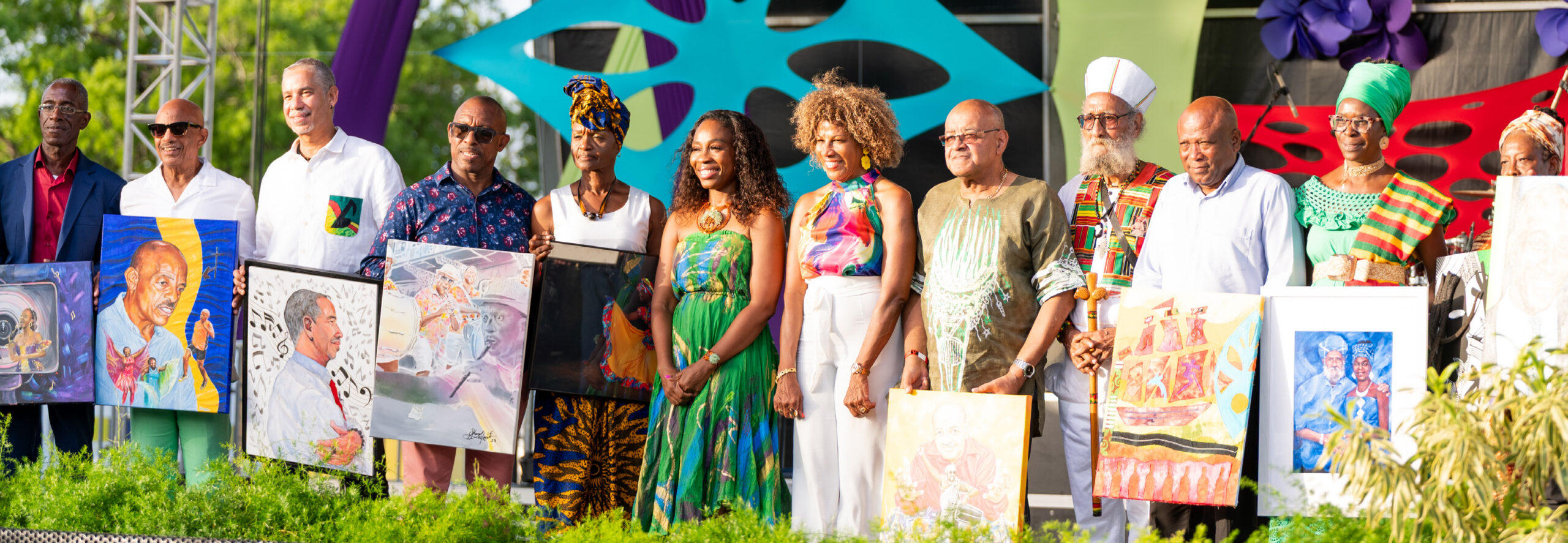
    Organizers have specifically prioritized making the event welcoming for multi-generational family groups, with a large dedicated kids’ playground, age-appropriate interactive cultural activities, and a warm, inclusive community atmosphere that runs throughout the day. A free HIV/AIDS grooming booth will also be operated on-site for attendees. A moving, key ceremonial moment of the day will be the formal recognition of outstanding sugar workers and long-time Crop Over stalwarts, honoring the contributions of the individuals who have worked tirelessly to preserve, grow and sustain the traditions that define the festival to this day.

    The NCF is extending an open invitation to both Barbadian residents and international visitors to join the celebration, promising an afternoon that brings the full spirit of Crop Over to life – from its origins in the island’s cane fields and folk traditions to its modern expressions of calypso, masquerade, craft, music and community connection. The Ceremonial Delivery of the Last Canes Gala will open its gates at 2 p.m. on July 4 at Queen’s Park.

  • Barbados backs new push for affordable climate finance

    Barbados backs new push for affordable climate finance

    A groundbreaking new global partnership launched jointly by Barbados and the OPEC Fund for International Development is set to transform how climate-vulnerable nations access critical, low-cost financing for development and climate adaptation projects. The new multi-stakeholder framework, named the Vulnerability to Viability (V2V) Compact, was officially announced during an event in Vienna, assembling an unprecedented coalition that includes 78 climate-vulnerable economies and more than 15 leading global development finance institutions.

    Unlike traditional financing models that often leave the most climate-exposed nations struggling with crippling short repayment windows and high interest rates, the V2V Compact is structured to address the unique barriers these countries face. Core reforms under the initiative include extending loan repayment terms to match the long lifecycle of climate resilience projects, aligning all financing packages with the individual national development priorities of participating countries, and rolling out customized financing mechanisms that directly support infrastructure upgrades, climate adaptation work, and the preservation of essential public services from healthcare to clean energy.

    Speaking on the initiative, Barbados Prime Minister Mia Mottley emphasized that the compact marks a critical shift in global climate finance. For decades, Mottley noted, small and climate-vulnerable nations have been forced to focus solely on surviving climate disasters rather than building long-term prosperity. By unlocking affordable, accessible capital, the V2V Compact is designed to help these countries move beyond a constant state of crisis response, enabling them to build durable resilience and work toward sustainable economic viability and shared prosperity for their populations.

    The launch comes as growing global consensus recognizes that the world’s most climate-vulnerable nations, which have contributed the least to greenhouse gas emissions, face the steepest costs of climate change and often lack access to the financing needed to adapt. The coalition built through the compact aims to fill a critical gap in the existing global climate finance architecture, creating a coordinated pathway for institutional investment to reach the communities that need it most.