标签: Barbados

巴巴多斯

  • Chase targets series victory over Sri Lanka

    Chase targets series victory over Sri Lanka

    As the first Test of a highly anticipated two-nation series between West Indies and Sri Lanka approaches, kicking off Thursday at North Sound in Antigua, West Indies skipper Roston Chase has made no secret of his side’s ambitions: to notch a long-awaited breakthrough victory in the ongoing ICC Test Championship cycle.

    North Sound has long been a fortress for the regional side, with just two losses across 13 previous Test matches hosted at the venue. History is also on West Indies’ home advantage: Sri Lanka has never claimed a Test series win on Caribbean soil, a stat Chase has highlighted as he builds momentum ahead of the opening fixture.

    Chase’s top priority for the squad is clearing a fundamental collective hurdle that has eluded the team in recent outings. “We’ve put together a number of solid individual performances across our recent matches, but we haven’t quite crossed that finish line together as a unified unit to close out wins,” Chase told reporters ahead of the opener. “That’s our first immediate goal: get a win in this first Test, then push to take the full series.”

    Beyond the team’s core goals, the series also offers two of West Indies’ star fast bowlers a chance to etch their names into regional cricket history. Veteran pacer Kemar Roach enters the series sitting just six wickets shy of the 300 Test wicket milestone, a mark that would see him become only the fifth West Indian bowler in history to hit the iconic benchmark. Young speedster Jayden Seales is also on the cusp of a landmark: the 26-Test veteran has already claimed 95 career wickets, putting him just five wickets away from 100, a milestone he is on track to reach at one of the fastest paces of any elite fast bowler in West Indies history.

    Chase attributed much of his side’s confidence to the home field advantage that comes with intimate knowledge of Caribbean pitches. “Understanding our local conditions is our biggest edge, and we’ve proven we know how to leverage it,” he explained, pointing to the side’s recent series against Australia, where the fast bowling unit dominated on spinning, pace-friendly Caribbean decks. “Our bowlers were unplayable that series, and they made the most of exactly what these wickets give us. That’s where our strength lies, and we plan to lean into that as much as we can this week.”

    Both sides have had limited recent experience in the longest format of the game: Sri Lanka has not competed in any international red-ball cricket for a full year, while West Indies last took the Test field back in December 2025. Looking ahead beyond the opening match, Chase identified collective consistency from the batting order as the final piece of the puzzle for the side to become a consistent contender in Test cricket.

    “To our credit, we’ve already notched five centuries across our recent matches, which shows our batters are stepping up individually when called upon,” Chase said. “What we need to improve on is doing it together as a unit, to post big, match-winning totals consistently. If we can keep putting 280 to 300 runs on the board inning after inning, there’s no question we’ll be a formidable opponent that any Test nation has to take seriously.”
  • Common Entrance results show ‘worrying fall’ in English scores

    Common Entrance results show ‘worrying fall’ in English scores

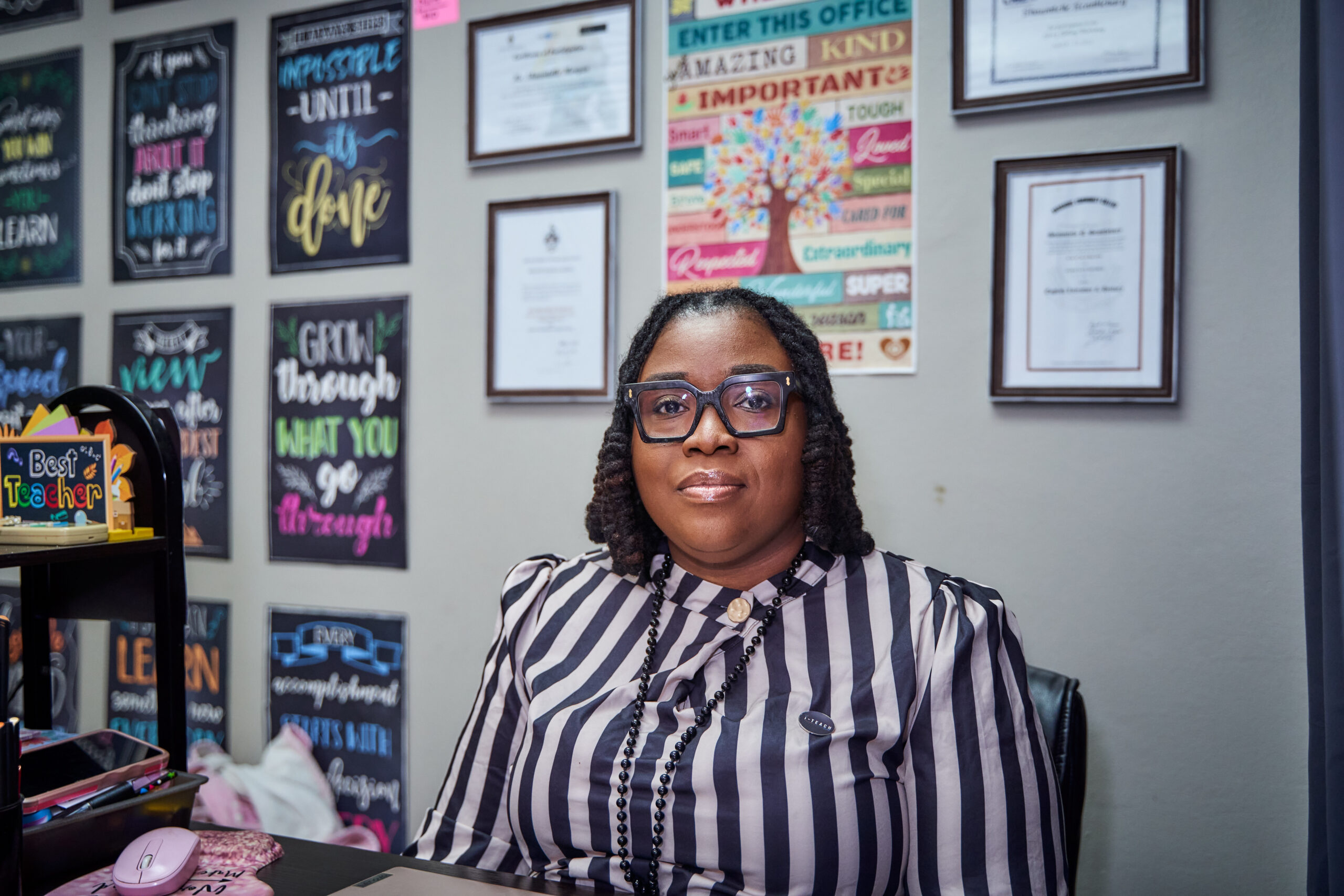
    Barbados is facing a growing crisis in primary education, after newly released results from the national Secondary Schools’ Entrance Examination revealed a dramatic drop in English performance alongside persistent gaps in literacy and numeracy skills. Leading literacy specialist Shawntelle Morgan, founder of the educational consultancy I-Teach Transformative Knowledge Solutions Ltd, is sounding the alarm that the current state of young learners’ grammar and reading comprehension falls far short of acceptable standards, with long-term consequences for students moving into secondary education.

    Official data shows the national average English score tumbled from 72.5 in 2025 to 64.2 in this year’s examination. While Acting Chief Education Officer Julia Beckles framed overall results as broadly aligned with trends from recent years, she did confirm longstanding concerns around students’ core competencies: mastery of grammar and vocabulary, reading comprehension, and the ability to apply learned mathematical concepts to new problems.

    Morgan pushed back against framing the results as a status quo that can be accepted, telling local outlet Barbados TODAY that the declining scores demand far more aggressive action to close persistent learning gaps. She singled out deficits in expository text comprehension as a particularly pressing threat to secondary school success, noting that this type of informational writing forms the backbone of the secondary curriculum across all subjects. Students who struggle to parse expository text will face steep, avoidable barriers to learning as they advance, she explained.

    The literacy expert emphasized that gaps in foundational literacy identified at the primary level do not disappear when students transition to higher grades — they follow learners into secondary school and undermine their ability to engage with new, more advanced content. Instead of students shifting from “learning to read” to “reading to learn” as expected, many arrive at secondary school still needing to fill gaps in core foundational skills. Even high-performing overall students are not immune, Morgan added: while they may have solid general literacy skills, they often lack the disciplinary literacy specific to individual high school subjects, which demands more complex analytical reading skills.

    Morgan argues that the 2025 exam results should push educators and national policymakers to conduct a root-cause review of existing literacy initiatives. She questioned whether current programs are actually delivering meaningful improvements, or merely covering up deeper systemic flaws in the education system. “If we look at the data and see that we are regressing somewhat, then we have to ask ourselves why, and how do we pivot from where we currently are,” she said.

    While Morgan acknowledged that significant public and private investment has already gone into expanding literacy programs across Barbados, she said a one-size-fits-all approach is not working. Instead, the education system needs a more individualized model that assesses each learner’s unique gaps and adjusts instruction to meet those needs, she argued, noting that “you cannot build on a weak foundation.” She also called for a shift away from social promotion — moving students to the next grade simply based on age, rather than mastery of core skills — to ensure all learners have a solid foundational base before advancing.

    To address the crisis before the next academic year begins, Morgan is calling for a coordinated national response that brings together Ministry of Education officials, primary and secondary school teachers, and school administrators for targeted consultation. She stressed that incremental, short-term fixes such as summer intervention programs followed by a return to traditional outdated teaching methods are not enough to reverse current trends. “It cannot be business as usual,” she said.

    Among the key changes Morgan is pushing for: universal comprehensive diagnostic assessments to map learning gaps early, increased targeted funding for schools serving vulnerable student populations, and expanded learning resources to support students as the education system shifts toward more project-based learning models. Morgan emphasized that all preparations and resourcing must be completed before the new school year opens, saying meaningful change requires intentional pre-term planning to set students up for success.

  • Hard work, discipline, focus key to destiny, graduates told

    Hard work, discipline, focus key to destiny, graduates told

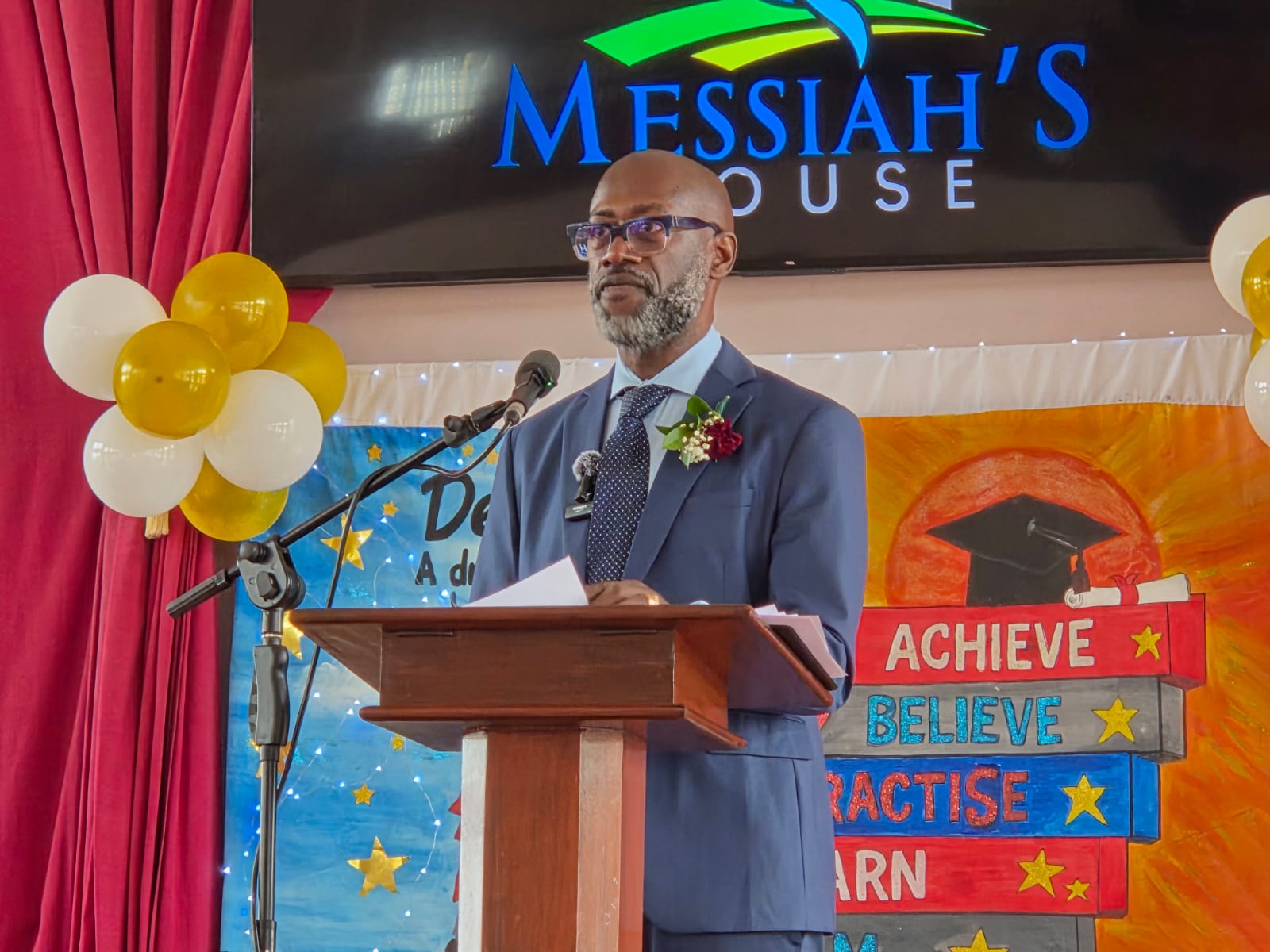
    On the occasion of Cuthbert Moore Primary School’s 2026 graduation ceremony, Barbados Union of Teachers (BUT) President Rudy Lovell delivered a keynote address centered on the event’s theme — “Destiny, a dream achieved by hard work” — challenging the graduating cohort to embrace full personal accountability for their next chapter in secondary education and beyond.

    Lovell pushed back against the widespread modern myth that success stems from luck or innate talent, emphasizing that every academic milestone and long-term achievement is the product of consistent effort, intentional discipline and unshakable resilience. Rejecting the idea that graduation is merely a symbolic ceremonial step, he framed the milestone as concrete evidence of what young people can accomplish when their ambitions are powered by sacrifice, hard work and deep self-belief.

    Acknowledging the obstacles the graduates had already overcome to reach this point, Lovell noted that many students navigated crippling academic anxiety, spent long hours in extra lessons, and gave up precious vacation time to complete their primary education. “Regardless of the challenges, you all shared one thing in common: a dream of your future,” he told the crowd. “But let us be honest, dreams alone are not enough. Dreams don’t just come to us — they do in fairy tales. You have to go and fight for them. This theme is not just a phrase. It is the story of every late night, every early morning, every setback, and every triumph that brought you here.”

    To cement his message of personal responsibility, Lovell led the graduates in an interactive call-and-response exercise, having the group repeat the mantra: “If it is to be, it is up to me.” He pointed out that popular culture often glorifies instant fame and overnight success, but the most meaningful, lasting achievements are built slowly through steady, consistent effort over time. He warned that unacted-upon dreams are easily destroyed by self-doubt and fear, adding that the key difference between those who only dream and those who achieve their goals is the choice to prioritize discipline over comfort and persistence over excuses.

    Citing Thomas Edison’s famous observation that opportunity is so often missed because it comes disguised as work, Lovell explained that every difficult assignment and challenging exam students have completed was not just a requirement — it was a training ground to build the strength they would need for future success. To bring this principle to life, he highlighted the careers of two global sports legends: Jamaican sprint icon Usain Bolt and Portuguese football superstar Cristiano Ronaldo.

    Lovell recounted how Bolt overcame early career injuries, inconsistent performances and public doubt through years of rigorous, disciplined training to claim his title as the fastest human in history. Similarly, Ronaldo rose from a working-class, financially strained childhood, and put in thousands of extra hours of practice to transform himself from a skinny young prospect into one of the most accomplished athletes in football history. “Both journeys demonstrate that early failures do not define success,” Lovell said. “Determination, hard work, and continuous improvement can turn dreams into greatness.”

    Turning to the unique challenges of adolescence and secondary school, Lovell issued a clear warning about the social pitfalls young people may face as they enter this new phase. He referenced Nelson Mandela’s iconic quote that “it always seems impossible until it’s done” to encourage students to ignore critics who claim their goals are too big. But he also stressed the critical importance of choosing social circles carefully, noting that not everyone they meet will share their values and ambitions.

    “Not everyone you meet will share your vision, values, or goals. Some people may have dreams and ambitions that are vastly different, and if you are not careful, they may influence you to take paths that lead you away from the future you desire,” he said. “Always remember that negative influences such as drugs, gangs, and unhealthy friendships will never help you achieve your goals.” Lovell added that while these harmful paths may offer short-term excitement, they carry lasting consequences that can derail a young person’s life and destroy a reputation built through years of hard work. He urged graduates to surround themselves with supportive, positive peers who push them to succeed, and to hold onto the guidance of their parents and teachers.

    Addressing parents and guardians in attendance, Lovell reminded them that their role as supporters and mentors does not end with primary school graduation. As students navigate the more complex social and academic landscape of secondary school, he noted, they will need even more parental wisdom, emotional support and steady guidance to thrive.

    To ease widespread anxiety among students about their secondary school placements, Lovell left the Class of 2026 with two core reassurances to carry into their next phase. “Firstly, the school you have passed for is not your final destination. You are not your school. Your exam is only a small fraction of what you are and how you learn,” he said. “Secondly, never let small minds convince you that you cannot achieve your dreams. This island, this region, and this world, all need people who are ambitious and committed to achieving.”

  • Cuthbert Moore Primary toasts strong exam results, student development

    Cuthbert Moore Primary toasts strong exam results, student development

    The 2026 annual graduation ceremony of Cuthbert Moore Primary School, held at Massiah House in St John, Barbados, closed out a transformative academic year defined by standout academic performance, intentional character growth, and a packed schedule of enriching co-curricular activities. New principal Andrew Haynes, who took over leadership mid-transition this year, used his address to the graduating class, families, and staff to highlight both the school’s impressive Common Entrance Examination results and its unwavering commitment to nurturing well-rounded, morally grounded young people. The 2025-2026 academic year launched on September 8, 2025, with a total enrollment of 159 students – 95 boys and 64 girls – supported by a team of 22 certified academic educators and 11 ancillary staff members. The year brought a key leadership shift, as former administrator Karen Sealy-Cox transferred to Ellerton Primary School, clearing the way for Haynes to step into the principal role.

    Speaking to the core mission of the St George-based school, Haynes emphasized that while academic excellence across all disciplines is a point of institutional pride, the school’s ultimate priority lies in character development. “The greatest value is developing each student into a human who can face the world and overcome obstacles with moral force,” Haynes told the gathering. “Thus, we aim to develop integrated, functional, contributing boys and girls imbued with tough moral fibre.”

    This commitment to academic growth, aligned with the Ministry of Education’s national Transformation programme, yielded strong outcomes in this year’s Barbados Secondary Schools’ Entrance Examination (BSSEE), the nation’s common entrance test for secondary school placement. All 22 graduating students sat the exam, posting a mean score of 63.6 per cent in language arts and 67.6 per cent in mathematics. Two students stood out for exceptional individual performance: La’Wayne Arthur earned a 95 per cent score to claim the school’s top mathematics mark, while Najahri Neblett secured an 82 per cent in English alongside a Grade A distinction for the essay component. All graduating students earned placements at leading secondary schools across Barbados, including Alleyne School, St George Secondary, Combermere School, and Alexandra School.

    “These placements are a testament to the hard work and perseverance demonstrated by our students,” Haynes said, extending warm congratulations to graduates and their families, and thanking the teaching staff for their constant guidance and dedication. Beyond the classroom, the school prioritized holistic development through a full calendar of co-curricular, cultural, and community-focused initiatives throughout the year. Students took part in national Republic and Independence Month celebrations centered on the theme “All Things Bajan”, completed financial literacy training through the national FLITE programme, and engaged in cultural programming for African Awareness Month, Valentine’s Day, and Easter. A school-wide recycling competition also drove student engagement in environmental stewardship, helping instill lifelong habits of sustainability.

    One of the most memorable milestones of the year was an official visit from Barbadian President Jeffrey Bostic in May, an experience Haynes called deeply inspiring for every member of the school community. Athletic programs also saw major success: the school’s Purple Panthers house reclaimed the coveted inter-house track and field championship title, while the boys’ cricket team pulled off a dramatic last-ball victory over Shirley Chisholm Primary School. Haynes also highlighted the ongoing professional growth of his teaching team, noting that educators completed specialized training across key areas, from advanced reading comprehension instruction to integrating tablet technologies into daily lesson planning.

    Looking ahead, the principal expressed sincere gratitude to the school’s many supporters, including corporate benefactors, local community organizations, and political representatives – including Toni Moore, Member of Parliament for St George North – for their generous donations and ongoing backing for campus infrastructure upgrades and school events. Reaffirming the institution’s longstanding commitment to Barbados’ youth, Haynes closed his address with a clear vision for the future. “At Cuthbert Moore Primary, we will continue to strive to improve educational outcomes for all students,” he said. “May every one of us continue to strive for excellence as we work to build the nation’s greatest resource – its children.”

  • 11-Plus: Awareness up as accommodation requests rise

    11-Plus: Awareness up as accommodation requests rise

    In recent years, education and mental health professionals in Barbados have recorded a steady, consistent rise in applications for special testing accommodations for students taking the national Common Entrance Examination, a trend they attribute to growing public awareness of neurodiversity and learning differences across school communities.

    According to official data from Barbados’ Ministry of Education Transformation, this year’s total reached 240 requests – a marked jump from the 194 applications received in 2023 and 183 in 2022. Juanita Brathwaite-Wharton, a senior psychologist with the Ministry of Education, confirmed the upward trend and framed it as a positive shift in public understanding. She explained that more caregivers and school staff are now pursuing formal psychological evaluations to map a student’s current skill level and identify targeted supports that will help them succeed both in examinations and daily classroom instruction.

    “Parents are finally recognizing that all children learn differently, and they are actively seeking out resources tailored to their child’s unique needs to help them thrive in educational settings,” Brathwaite-Wharton said. Despite the progress, she noted that gaps remain in educator preparation. To effectively support students with diverse learning and developmental needs, Brathwaite-Wharton argued that K-12 teachers require expanded, ongoing professional development focused on recognizing and supporting learning exceptionalities.

    She added that even when educators are trained to deliver differentiated instruction, they often lack the in-class support required to meet every student’s needs. “Every teacher needs to be equipped to support students with special needs, even if not every teacher is a specialized special education instructor,” Brathwaite-Wharton emphasized. “Exceptionalities exist in every classroom, every school, at every grade level, so foundational training is non-negotiable.”

    Shernell Clarke, head of the Barbados Association of Guidance Counsellors, echoed these observations, while pointing to persistent systemic barriers that block equitable access to assessment and support. Timely evaluation remains one of the most widespread challenges, Clarke explained, with multiple factors slowing down access: parental stigma around learning differences, prohibitive costs for private assessments, and long wait times for public evaluations through the Ministry of Education. Private psychological assessments can cost thousands of Barbadian dollars, putting them out of reach for many low- and middle-income families, even as demand for free or subsidized public services continues to grow.

    Clarke noted that classroom teachers are most often the first to spot early signs of learning challenges, but their recommendations for assessment can only help if parents follow through. “Some caregivers refuse assessments out of shame or a reluctance to acknowledge that their child may need extra support,” she explained. “Without that formal evaluation, schools and educators have no framework to put the right accommodations in place.” When families do engage with the process, she added, outcomes are often transformative: with targeted interventions and parental buy-in, many students with learning exceptionalities are able to manage their needs and even excel academically. For students who go without support, however, unmet needs often manifest as behavioral issues or persistent academic underachievement that is incorrectly dismissed as laziness or misbehavior.

    Clarke also called for targeted investment in early intervention at the primary school level, arguing that identifying and addressing learning challenges before students transition to secondary education leads to far better long-term outcomes. This would require assigning more guidance counsellors and social workers to primary schools, where early support can make the biggest difference. She added that large class sizes – which often reach 33 to 35 students in Barbadian secondary schools – make it nearly impossible for overstretched teachers to deliver the tailored instruction that psychologists recommend, calling for increased investment in both personnel and physical resources to address growing student needs.

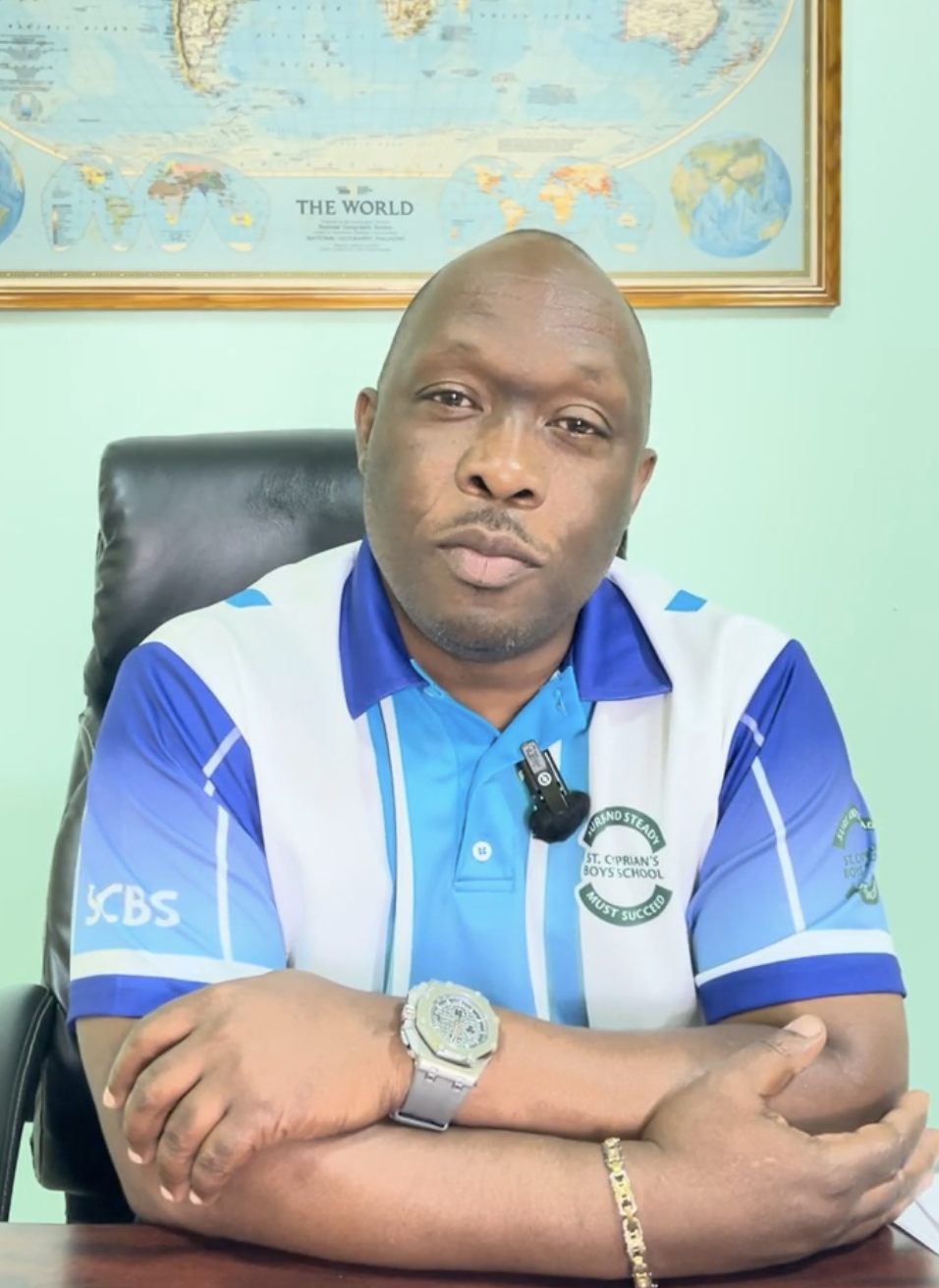
  • St Cyprian’s Boys’ celebrates strong results as Kaden Ward earns joint second place islandwide

    St Cyprian’s Boys’ celebrates strong results as Kaden Ward earns joint second place islandwide

    As one of the last cohorts of students prepare to transition to secondary school under Barbados’ existing placement system, a small private all-boys Anglican primary school is marking an exceptional year of academic and extracurricular achievement. St Cyprian’s Boys’ Primary School is celebrating extraordinary outcomes from the 2024 Barbados Secondary Schools’ Entrance Examination (BSSEE), headlined by 11-year-old student Kaden Ward who earned joint second place across the entire island. The standout student scored a perfect 100 in Mathematics and 94 in English, for a total combined score of 244.8. He will enroll at his top-choice institution, Harrison College, when the new academic term begins in September.

    Principal Dave Layne broke down the school’s impressive collective performance, noting that 30 boys from the school sat this year’s examination. Across the cohort, students posted an average score of 80% in English and 86.6% in Mathematics. Eighteen of the 30 test-takers earned scores above 80% in English, while 17 hit the 90% threshold in Mathematics. Eleven boys scored between 95 and 100 in Mathematics, including three students who achieved perfect marks of 100.

    Beyond individual and collective scores, the school saw overwhelming success in matching students to their preferred top secondary institutions. Ten students will move on to Harrison College, one of the island’s most elite secondary schools, and seven will attend The St Michael School, another top-performing Barbadian institution. Overall, 22 of the 30 graduating boys earned placement in one of their top two choice schools, six gained admission to their third-choice school, and only two were placed at their fourth option.

    Ward, who described his feeling about the result as simply “I feel great”, attributes his success to consistent discipline and intentional sacrifice. When asked what sacrifices he made to earn his top ranking, the 11-year-old explained he gave up recreational device use on weekends to prioritize his studies. He also emphasized that he could not have achieved the result without consistent support and extra guidance from his teachers throughout the exam preparation period, noting that educators pushed him with challenging practice work and stood by him every step of the way. Ward added that he selected Harrison College as his first choice after visiting the campus on a school tour and immediately connected with the institution’s environment.

    Principal Layne noted that the exceptional BSSEE results are just one highlight of what has been an all-around outstanding year for the school. Beyond academics, students have notched major achievements in inter-school sports, visual and performing arts, and a wide range of other extracurricular programs. Layne says the school’s core philosophy centers on the idea that meaningful achievement only comes through consistent, intentional hard work – a value he hopes graduating students will carry with them through the rest of their lives.

    As students prepare to make the transition to secondary education, Layne urged the graduating cohort to hold onto the core values they learned during their time at St Cyprian’s: discipline, respect for others and institutions, and a commitment to hard work. These foundational principles, he noted, serve people well across every stage of life. He also encouraged parents to remain actively engaged in their sons’ ongoing educational development, reminding them that consistent involvement and reinforcement of expectations helps students grow into responsible, successful adults.

    This year’s BSSEE cohort is among the final groups of students to sit the long-running Common Entrance Examination before Barbados transitions to a new secondary school placement system. When asked about the upcoming changes to the national education structure, Layne expressed confidence that St Cyprian’s and other primary institutions across the island will adapt successfully to the new framework. He noted that all schools are starting the transition on an equal playing field, and that institutions will adjust their approaches to meet the requirements of the new system.

    For the moment, however, the entire St Cyprian’s community is focused on celebrating the hard work and success of this year’s graduating class. Layne summed up the school’s core mission, saying that at St Cyprian’s, the goal is always to nurture every student, give them the strongest possible foundational skills, and send them on to secondary school confident that they have the tools they need to thrive at the next stage of their educational journey.

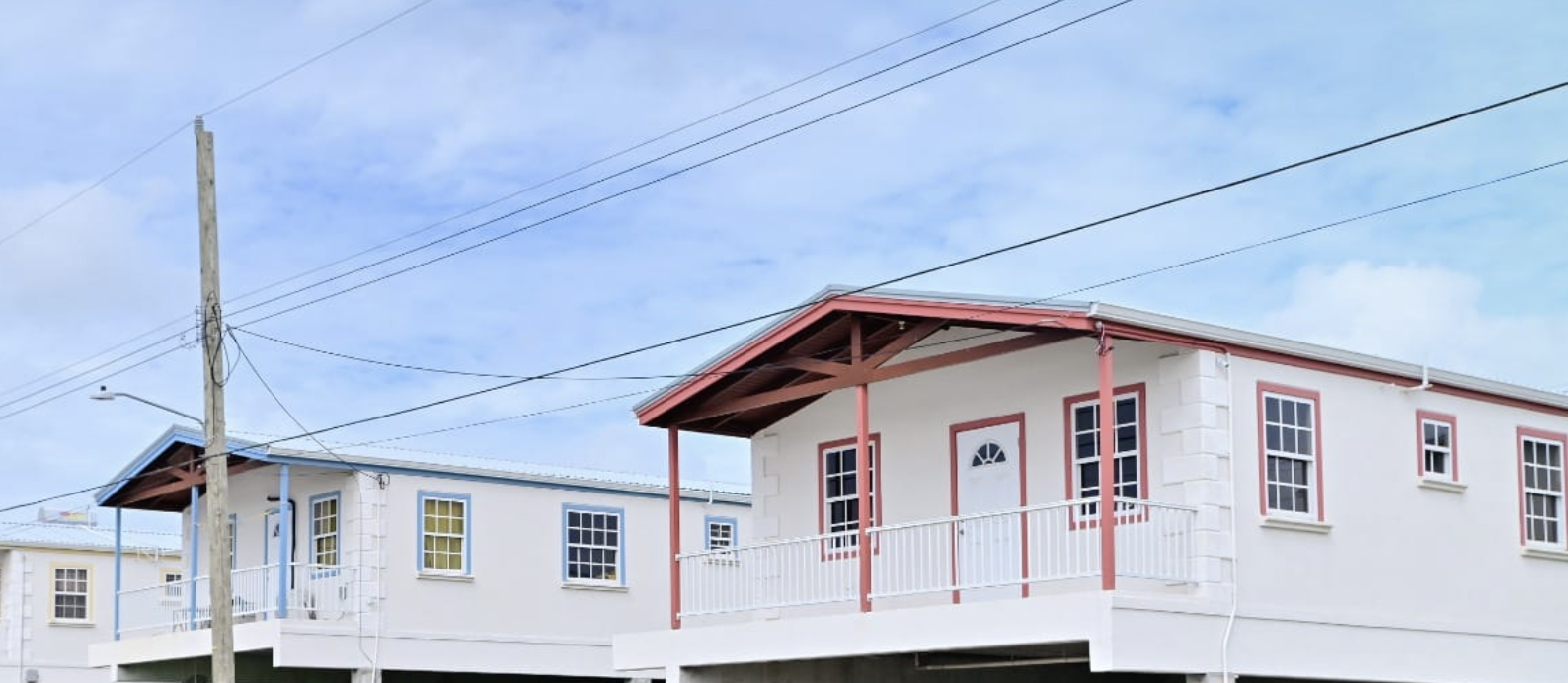
  • State housing company says eligibility expanded, not prices

    State housing company says eligibility expanded, not prices

    A anonymous prospective homebuyer in Barbados has leveled allegations against state-owned affordable housing developer Home Ownership Providing Energy (HOPE) Inc, claiming that recent adjustments to the program’s income eligibility thresholds have effectively pushed homeownership out of reach for the low-income households the initiative was designed to serve. The accuser, who requested anonymity to avoid professional or social retaliation, told local outlet Barbados TODAY that she was already in the final stages of selecting a property when she learned of the changes to the eligibility framework.

    Founded with a non-profit mandate to expand access to attainable housing for lower-income Barbadian workers, HOPE has forcefully and categorically rejected the claimant’s assertions, maintaining that the organization’s core mission and published home pricing structure have remained unaltered since launch.

    Chief Sales Officer Nicôle Layne clarified in an official statement to Barbados TODAY that while the government has twice approved Cabinet-backed adjustments to the program’s maximum income cap, the changes were explicitly designed to expand access to homeownership for a wider cross-section of working Barbadians, not to exclude lower-income applicants. The first adjustment, rolled out in October 2022, raised the upper net monthly income limit to BBD $5,000, opening eligibility to frontline public sector workers including nurses, educators and law enforcement officers who previously fell above the old threshold. A second increase, approved by Cabinet in May 2024, raised the cap further to BBD $6,000 net monthly income to accommodate additional middle-income workers across both public and private sectors.

    Layne emphasized that these revisions to the income cap have not harmed eligibility for low-income applicants. She laid out the full current qualification criteria for the program: applicants must be at least 18 years of age, a Barbadian citizen or legal resident, hold consistent steady employment for a minimum of two years, have no prior ownership of land or residential property, and earn no more than the current $6,000 net monthly cap after statutory deductions. Layne confirmed that even applicants earning as little as $2,500 net per month remain fully eligible to apply, and are still referred to partnering financial institutions for mortgage assessment per the standard process.

    Under HOPE’s current application workflow, qualifying applicants are considered for available homes in the order their completed applications are received. Before a residential lot is allocated, applicants must submit updated financial documentation including a formal mortgage pre-approval certificate and pass a final pre-qualification review. After the applicant selects and is allocated a lot, HOPE issues a formal Intent of Sale letter, after which the applicant secures mortgage financing directly from their chosen lending institution. Layne noted that while HOPE staff provide extensive guidance to applicants throughout the process, final mortgage approval decisions rest exclusively with independent financial institutions and fall outside the organization’s control.

    The controversy comes amid a broader period of restructuring and oversight for the embattled housing initiative. In March 2024, then Minister of Housing Dwight Sutherland informed Parliament during the annual Estimates debate that the government had cut nearly $1 million from HOPE’s operating budget as part of a sweeping restructuring effort aimed at addressing documented inefficiencies and widespread public criticism of the program. Later that same year, the initiative faced intense public scrutiny after Prime Minister Mia Mottley publicly acknowledged ongoing “teething problems” in HOPE’s early operations, following the uncovering of troubling operational issues by the ruling administration.

    Two separate independent investigations were ultimately authorized: an internal departmental review and a full forensic audit led by Barbados’ Auditor General. In an official response to the Auditor General’s Special Audit, dated April 2, 2025 and included in the public audit report, HOPE acknowledged that the investigation found clear, significant shortcomings in the organization’s early operations, particularly around the ability to deliver new housing in a cost-effective, efficient and timely manner. The company, however, noted that new leadership and the implementation of targeted strategic reforms have addressed these early gaps, and the public can be confident that all identified concerns are being actively remediated.

  • Coral reefs face critical decline, scientists warn

    Coral reefs face critical decline, scientists warn

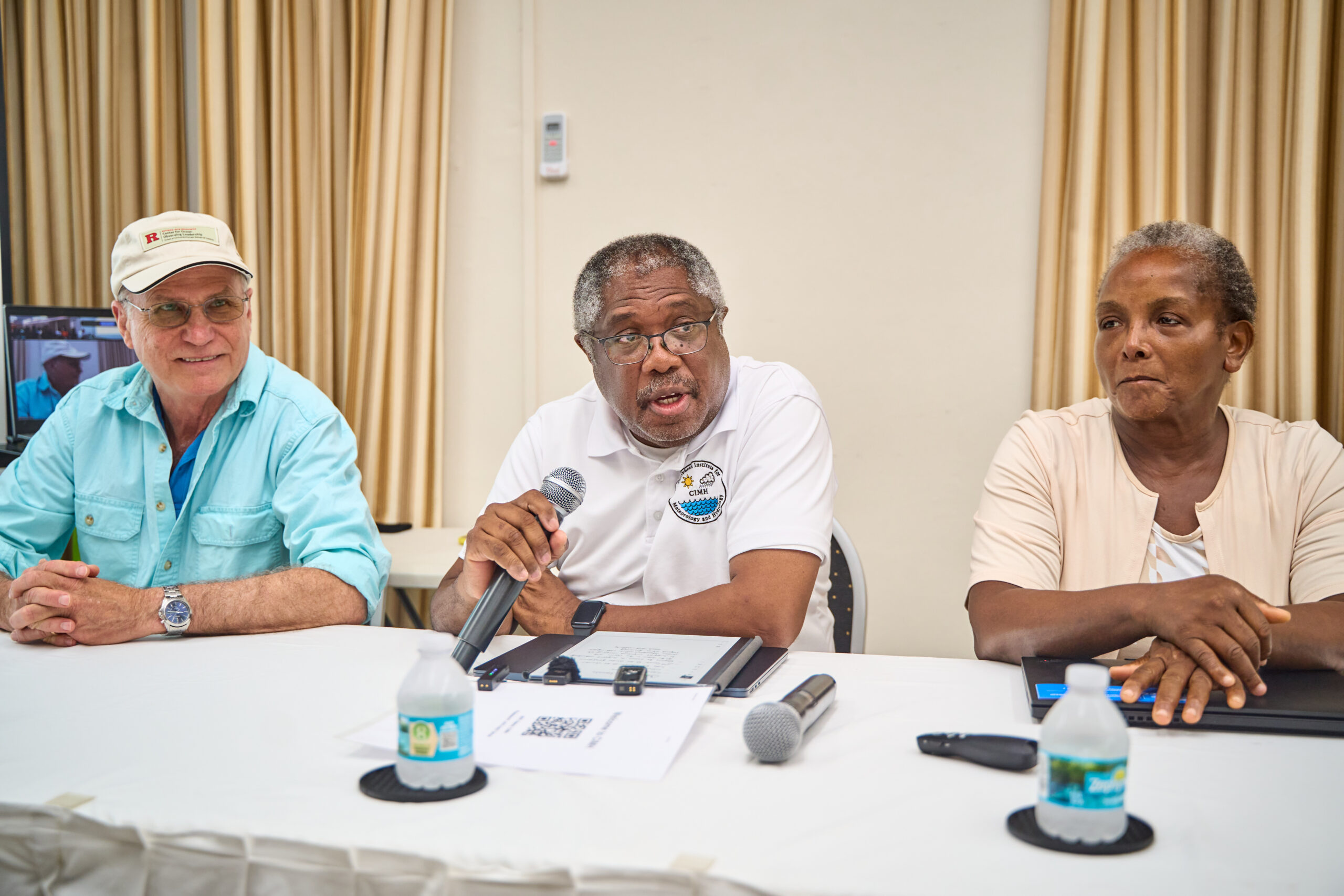
    At a pre-launch event for a groundbreaking regional ocean science experiment, one of the Caribbean’s most prominent marine scientists has issued a stark wake-up call: unless urgent, decisive action is taken immediately, Barbados could lose more than 95% of its functional coral reef ecosystems by the end of the 2020s.

    Dr. Lorna V. Inniss, who leads the Intergovernmental Oceanographic Commission of UNESCO’s Caribbean regional office (IOCARIBE) and previously headed Barbados’ Coastal Zone Management Unit, delivered the warning during a media briefing and student workshop hosted Tuesday at the Caribbean Institute for Meteorology and Hydrology (CIMH) in Husbands, St. James. The event was held ahead of the rollout of the Vetlesen Caribbean Hurricane Ocean Glider field experiment, a cross-institutional research initiative aimed at expanding understanding of regional marine systems.

    Speaking directly to the next generation of environmental stewards in attendance, Inniss emphasized that the long-term survival of Barbados’ most vital natural resources hinges entirely on the policy and lifestyle choices made by current populations. “This is your home, this is where you build your lives and raise your families,” she told students. “You have a stake in ensuring every decision made today lays the groundwork for sustainability that your children and grandchildren can inherit.”

    The veteran researcher pointed to unregulated coastal development and widespread marine pollution as two of the most destructive human-driven forces eroding Barbados’ coastal ecosystems, noting that these activities are already destroying the beaches and reef systems that future generations will depend on for tourism, coastal protection, and food security. She outlined a grim but avoidable projection for Caribbean coral habitats, a trend that hits particularly close to home for the island nation built around its marine resources. “Current trajectories point to fewer than five percent of coral reefs remaining viable by 2030,” Inniss explained. “Without intervention, that means living coral reefs could disappear entirely before today’s students reach retirement age. But this isn’t a done deal – the damage can be reversed if we act correctly now.”

    Inniss added that major regional and international bodies, including global development banks, already have frameworks in place to fund and provide technical support for local and regional environmental conservation projects, removing one key barrier to action. She also highlighted new, alarming changes to local marine ecosystems that she witnessed firsthand, underscoring how quickly environmental shifts are unfolding. “This morning, for the first time in my entire career, I spotted sargassum seaweed in Carlisle Bay,” she said. “It has never reached this bay before. That tells us something fundamental has changed, and we need to face that reality head on.”

    The urgency of expanding regional ocean research, a priority highlighted by Inniss, was echoed by CIMH principal Dr. David Farrell, another leading Barbadian scientist. Farrell explained that the expanding Vetlesen ocean glider program is designed to fill critical gaps in existing climate and weather knowledge, with far-reaching benefits for both climate action and disaster preparedness. An initial glider mission launched last year spent three months at sea collecting high-resolution ocean data, with research partners from Rutgers University contributing to analysis of the findings.

    “One of the core goals of this program is to deepen our understanding of regional ocean systems and improve modeling of ocean-atmosphere interactions, which directly translates to more accurate tropical storm forecasting,” Farrell explained. He noted that more accurate forecasting has become a matter of urgent public safety as climate change drives more intense extreme weather events across the Caribbean, pointing to the devastating impacts of Hurricane Beryl and Tropical Storm Melissa in recent years as proof of this growing risk.

    Beyond improving storm tracking, the program will also help scientists document seasonal ocean variability, support sustainable fisheries management, map coastal processes, and refine understanding of how Caribbean waters regulate both regional and global climate patterns. Farrell emphasized that the Caribbean’s vast ocean territories remain vastly understudied, despite their outsized importance to the region’s economy and climate stability. “For all the ocean space that falls within our economic zone, we have barely scratched the surface of understanding how it works,” he said. “This expanding glider initiative will unlock the critical data we need to understand how our waters function, and how they shape both the climate and livelihoods of every community across the Caribbean.”

  • Lawmakers welcome new safeguards for credit union members

    Lawmakers welcome new safeguards for credit union members

    After decades of uneven financial protection for Barbados’ small-scale savers, the House of Assembly has passed a landmark piece of legislation that extends deposit insurance coverage to credit union members, ending a long-standing two-tier system that left hundreds of thousands of ordinary depositors unprotected. The Protection of Depositors Insurance Bill, which has drawn bipartisan support from veteran lawmakers and cabinet ministers, aligns regulatory protection for credit unions with that of commercial banks, cementing the sector’s place in the country’s formal financial ecosystem. For Christ Church West Member of Parliament Dr. William Duguid, a long-serving parliamentarian, the bill represents the finalization of a project launched 20 years ago, when deposit insurance was first rolled out for commercial bank customers. Until now, bank depositors enjoyed a government-backed safety net if their institution failed, while credit union members were left with no such guarantee—a disparity Duguid and other supporters have pushed to eliminate.

    “This nullifies this two-tier system,” Duguid told the house. “We in Barbados don’t want a two-tier system, that only the banks got the coverage and the credit unions ain’t got none. We’re saying no.” To illustrate the real-world impact of the new law, Duguid shared the example of Dolores, a small-scale food vendor from Sargeant’s Village who saves small increments of her income. The bill, he explained, will give peace of mind to savers like her, guaranteeing that even if their credit union collapses, they will recover their savings up to a cap of $25,000.

    “This legislation is to protect her,” he said. “Through this legislation, Dolores could say, you ain’t got to worry, your money insured, and after a period of time, you’re going to get back your money, and that’s what this legislation is about. That’s what this legislation is about, protecting the small man, the man that just got the $25 000, the $20 000, the $10 000, the $5 000, whatever it is up to $25 000.”

    Beyond core deposit protection, Duguid highlighted two key structural provisions that make the legislation flexible and efficient. First, the law requires periodic reviews of the $25,000 coverage limit every three years, eliminating the need for full parliamentary amendments to adjust coverage amounts as economic conditions shift. Second, the bill establishes a dedicated public corporation that will also act as the official liquidation authority if a credit union fails, cutting through bureaucratic red tape to speed up compensation for eligible depositors. For Duguid, the entire framework aligns perfectly with the core credit union ethos of “people helping people,” a principle that has guided the movement since its founding in Barbados.

    Minister of Labour Colin Jordan, the Member of Parliament for St Peter, echoed Duguid’s support, framing the bill as a historic recognition of credit unions as foundational institutions for working-class Barbadians. Jordan noted that the credit union movement grew directly out of grassroots community financial systems including the landship, susu, and meeting turn—traditional collective savings models created by ordinary people to overcome systemic financial exclusion. Today, he added, the sector boasts roughly 200,000 members, meaning a majority of Barbados’ population relies on credit unions for daily savings and financial services.

    “Credit unions represent the people’s institutions,” Jordan said. “The bill represented another step in recognising the importance and legitimacy of credit unions within the financial system. Offering protection to depositors in these institutions is another step in saying to those depositors, those owners of these institutions, the state sees you. The state understands that these are credible institutions. And the state is prepared to put systems in place that will further protect your investments in your institutions.”

    Jordan acknowledged that some smaller credit unions have raised concerns about the cost of participating in the new insurance scheme, but argued that protecting ordinary depositors must take priority over institutional cost concerns. He emphasized that the bill targets exactly the demographic that has the most to lose from a credit union collapse: working people with modest savings who built the movement from the ground up. To support the launch of the scheme, the government has committed a $1.7 million contribution to the initial insurance fund, a investment Jordan said demonstrates the administration’s commitment to standing with working Barbadians and the community institutions they built.

    “This investment says to the people of this country that we understand the role of the credit union movement, we recognise its importance, and we are prepared to allocate resources to make sure that the people of this country are protected,” Jordan said. Closing his address to the house, Jordan commended the bill to lawmakers and the public, reaffirming the government’s commitment to supporting institutions built by and for ordinary people. “We stand with the people. We stand with their institutions,” he said. “I commend this protection of depositors bill to this house and to this country.”

  • Insurance gaps leave Barbados exposed to climate, economic shocks, minister warns

    Insurance gaps leave Barbados exposed to climate, economic shocks, minister warns

    As a small island nation on the front lines of accelerating climate change, Barbados faces urgent pressure to expand insurance coverage across critical economic sectors including housing and agriculture to cut the crippling post-disaster financial burden that falls on public coffers, the country’s Minister of Economic Affairs Marsha Caddle has emphasized. Her comments came during Tuesday’s parliamentary debate on the newly introduced Protection of Depositors Bill, legislation designed to extend formal insurance protection to savings held by credit union members across the island.

    While Caddle publicly affirmed that the new deposit insurance framework marks a meaningful and necessary step forward for Barbados’ financial system, she stressed that equivalent risk-mitigating protections remain sorely lacking across most other parts of the national economy. “That this bill strengthens and makes insurance accessible to credit union depositors is key,” Caddle told lawmakers during the debate. “But frankly, so are all the other kinds of insurance.”

    Barbados, like many other small Caribbean island states, faces repeated and intensifying extreme weather events linked to the climate crisis, and consistently struggles to cover the massive costs of post-disaster recovery and reconstruction. Caddle identified low insurance penetration across high-risk sectors as one of the core structural drivers of this ongoing fiscal challenge. “Whether we’re talking about reinsurance in agriculture, whether we’re talking about home insurance in cases where there may be damage to homes as a result of severe weather events, penetration of insurance is critical,” she explained.

    Drawing a comparison to higher-income economies such as the United States and the United Kingdom, Caddle noted that those nations’ more robust disaster response systems are rooted in far higher insurance uptake among individual households and private businesses. When more property and assets are covered by private insurance, the public sector is not forced to absorb the vast majority of recovery costs after a major weather event. “When you have a lower penetration of insurance, it means that the state now has to bear the cost of whatever that event is,” she said. For small developing island states like Barbados, that unplanned fiscal burden can set back national development goals for years, she added.

    Beyond expanding access to coverage, Caddle also highlighted the need for broader public education to help Barbadians understand the core value of insurance as a long-term risk management tool, even when no immediate payout is received after paying premiums. “We understand that people often think, ‘Why am I putting money into this thing that I may never see a return from?’” she said. “But that is what you call managing your risk, and it is worth it, particularly when the risk is changing and increasing and coming closer to home every time.”

    Caddle framed the debate over credit union deposit insurance as a jumping-off point for broader policy action to close persistent insurance gaps that leave homeowners, farmers and other climate-vulnerable groups exposed to crippling financial losses. Closing these gaps would not only protect individual households and businesses, she argued, but also speed up disaster recovery efforts that are often delayed by the enormous uncompensated costs governments are forced to cover. “Just like depositors need to be able to secure the money that they put in a credit union or a bank, homeowners need to be able to secure their investments, farmers need to be able to secure their investments,” Caddle said. “All of us need to be able to make sure that we are managing the risk in our lives every day.”