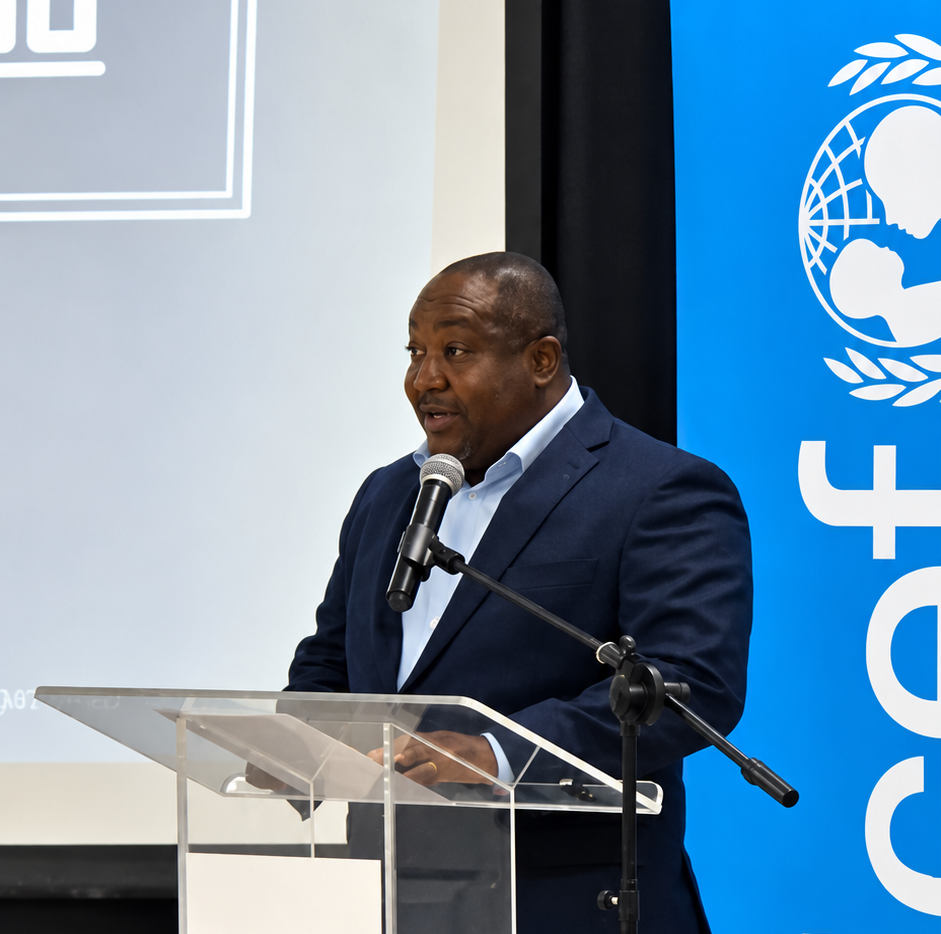
A landmark climate analysis commissioned by UNICEF has delivered a stark warning for Barbados and other Eastern Caribbean nations: by the middle of this century, prolonged, frequent moderate to severe drought could become an expected annual reality, lasting up to four months every year and putting critical systems from water access to food production and childhood development at severe risk. The landmark study, carried out by environmental consultants Meru Labs across six Eastern Caribbean nations – Barbados, Dominica, Grenada, St Kitts and Nevis, Saint Lucia and St Vincent and the Grenadines – delivers the most targeted assessment to date of how climate change will specifically impact children across the region. When presenting the findings at an event in Saint Lucia this week, lead researcher Irina Bird Reddiar highlighted the dramatic shift from current baseline conditions. At present, drought accounts for roughly 21% of annual conditions across the region, but by 2050 that figure will jump to nearly 33%, with Barbados and Grenada facing the most severe increases. The projections already align with the dry and hot conditions Barbados has experienced throughout 2024. After an unusually dry first five months of the year that saw most of the year’s total rainfall fall in just a handful of days in January and March, the Barbados Meteorological Services issued persistent drought warnings from June through July, extending drought watches through October. Even the official start of the wet season in June did not bring the sustained rainfall needed to replenish depleted freshwater reserves, with forecasters noting that short, heavy bursts of rain do not effectively replenish underground aquifers the way prolonged steady rainfall does. Low water reserves have already disrupted access for many communities across Barbados. Last month, the Barbados Water Authority (BWA) warned that low levels at the critical Bowmanston catchment in St John, which supplies large swathes of rural Barbados, would lead to intermittent low pressure and temporary outages across sections of St John, St George and St Philip, prompting the deployment of water tankers to affected areas. While the BWA has not directly linked current low reservoir levels to long-term climate change, the new study warns that increasingly frequent dry conditions will place permanent, growing strain on three core systems: potable water supplies, agricultural production, and school sanitation. Beyond water access, agriculture – a sector central to many local household economies across the region – faces massive output losses: research cited in the report finds drought can cut local food production by between 20% and 40%. For families that rely on farming or other climate-sensitive livelihoods, this drop in output translates directly to lower household incomes and rising rates of food insecurity. Water shortages also create major sanitation challenges, particularly at schools, which serve as a central community hub for tens of thousands of children across the Eastern Caribbean. What makes these impacts particularly concerning, researchers emphasize, is that their harm to children extends far beyond the duration of the drought itself. Repeated climate shocks, the study notes, contribute to higher rates of childhood malnutrition, force widespread school interruptions, and create long-term developmental setbacks that persist for years after the dry spell ends. Beyond drought, the report also highlights rising temperatures as a growing threat. Under a high greenhouse gas emissions scenario, average temperatures across the six study countries are projected to rise by 1.4°C by mid-century. That shift will add more than 80 extra days per year where temperatures top 30°C, and more than 10 extra days above 32°C. These extreme heat days make outdoor work dangerous, worsen public health risks, and severely disrupt in-person learning for students. Compounding this risk is the overlapping timing of peak heat, hurricane season and the start of the school year between August and October, creating a perfect storm of overlapping threats for communities and children at the start of every academic year. In response to the findings, regional leaders have called for a fundamental shift in how governments budget for climate adaptation. Saint Lucia’s Minister of Agriculture, Fisheries, Food Security and Sustainable Development Lisa Jawahir argued that governments cannot delay investing in resilience until climate impacts are already catastrophic, comparing proactive planning to packing an umbrella before a rainstorm. “We cannot wait until the rain is falling to buy the umbrella,” Jawahir said, urging finance ministries across the region to incorporate annual climate resilience spending into regular budget cycles, to protect current and future generations of children from preventable harm. The study outlines a clear roadmap for action, recommending a mix of interventions including climate-smart agricultural practices, expanded water storage and conservation infrastructure, livelihood diversification for climate-dependent households, and nature-based solutions that leverage natural ecosystems to reduce climate risk. It also calls for investment in improved early-warning systems, pre-positioning of emergency supplies, and flexible financing that can be activated before a forecast drought or heatwave hits, rather than only responding after a crisis develops. However, the research also identifies critical barriers to progress: consultations with regional stakeholders found that proactive, anticipatory climate measures remain chronically underfunded compared to long-term structural infrastructure projects. Limited national budgets and a lack of capacity to develop competitive climate funding proposals are among the most common barriers holding back action. Crucially, lead researcher Reddiar stressed that these risks are not a distant problem for future generations to solve. “This is not a future scenario. It’s already happening,” she said, pointing to the ongoing drought and heat conditions already impacting communities across Barbados today.
标签: Barbados
巴巴多斯
-
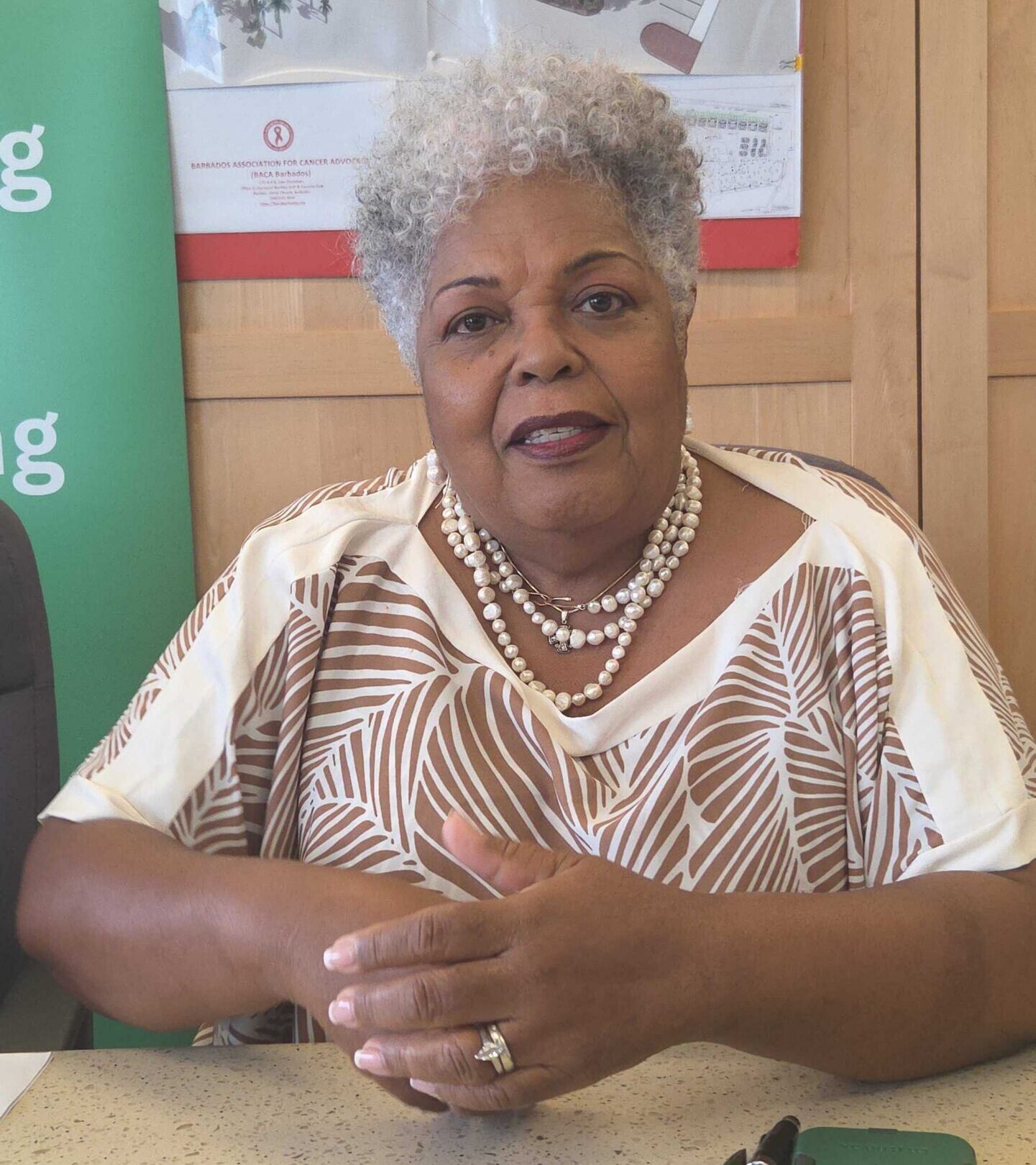
Cancer advocacy group targets $3.8m for 14-bed hospice
Against a backdrop where most terminally ill cancer patients on the island rely entirely on private home-based care, the Barbados Association for Cancer Advocacy (BACA) has launched an ambitious capital campaign to construct the country’s first dedicated 14-bed inpatient hospice, setting an initial fundraising target of $3.8 million. So far, the organization has secured $250,000 in seed funding to kickstart the project, though leadership warns that final construction costs could climb higher amid sustained regional inflation and rising building material prices.
BACA Chairperson Jessica Odle-Baril shared details of the plan in an interview with Barbados TODAY, explaining that the original preliminary estimate for the build was $3.8 million, drawn from standard construction calculations for a facility of that size. But persistent monthly increases in local construction costs have cast uncertainty over the final budget, with Odle-Baril noting that projections could shift as the project moves forward. “We started with a $3 million baseline based on average square footage for a 14-bed facility, but building costs in Barbados keep going up every month,” she said. “Our accountant will adjust the final figure once all inputs are calculated, and I’m hopeful we won’t need to push the target as high as $5 million.” The $3.8 million target currently in place only covers construction of the physical building shell, not full interior outfitting and medical equipment. Odle-Baril explained that the organization has already secured key donations of medical equipment, including two hospital beds and a cutting-edge modern wheelchair, which will be allocated to the facility once construction is complete. These donations are not included in the current fundraising target, as the group’s immediate priority is raising enough capital to break ground on the structure.
The project timeline also faces headwinds from tight labour market conditions currently impacting Barbados’ booming construction sector. Odle-Baril noted that high demand for skilled construction workers across the island means the build will likely take at least two years to complete, with the organization targeting a groundbreaking at the start of the coming year. Alongside navigating construction challenges, the organization has recently undergone leadership changes to accelerate fundraising efforts. Odle-Baril confirmed that BACA’s co-chairman recently passed away from cancer while receiving treatment in the United States. In his place, the group has added two new trustees, bringing fresh energy and new strategic perspectives to expand fundraising channels and speed up the capital campaign.
Right now, palliative and end-of-life care for most terminally ill Barbadian patients is delivered through in-home services run by the partner organization the Barbados Association for Palliative Care, which is chaired by Deiann Sobers, who also serves as a trustee on BACA’s board. Odle-Baril emphasized that BACA fully supports the work of the in-home care program, and the existing network of partner groups is already meeting immediate patient needs while the hospice is being developed, including lending donated equipment like hospital beds to families currently caring for loved ones at home.
However, in-home care is not a sustainable or accessible solution for all families, Odle-Baril stressed. While most patients express a preference to pass away at home, many households lack the physical space to accommodate medical equipment like hospital beds, and 24/7 private in-home palliative care is financially out of reach for most families. A dedicated inpatient hospice solves both problems: care costs are spread across multiple patients, the facility relies heavily on volunteer staff to keep overhead low, and all patients have access to the space and specialized support they need to remain comfortable in their final days.
Beyond the new hospice build, BACA is also launching a broader patient mapping initiative to assess gaps in cancer care across Barbados’ public health system, including the specialized cancer wards at the country’s main Queen Elizabeth Hospital. The project will track the full care journey of patients to identify bottlenecks and unmet needs, from diagnosis through end-of-life care. Odle-Baril noted that public health services often face delays accessing critical supplies and services due to fixed budget constraints, not negligence, and the mapping data will help the organization advocate for targeted improvements to support patient comfort and outcomes.
The group is also working to expand support for cancer survivors, who often face long-term physical side effects from aggressive life-saving treatments like chemotherapy. Odle-Baril highlighted that many survivors struggle to adjust to post-treatment bodily changes, and BACA aims to raise public awareness that recovery is possible and help survivors access the ongoing support they need to regain quality of life.
-

Maximus, Branch shine in PM Cup openers
The opening round of the 202X Prime Minister’s Cup Group B fixtures delivered two compelling matches on a rain-soaked Tuesday night, with standout individual performances carrying both Ivy Rovers and Brittons Hill United to convincing wins over their respective opponents.
At the Friendship Playing Field in St Michael, Jarad Maximus emerged as the undisputed star of the night, netting a hat-trick to anchor Ivy Rovers to a dominant 4-1 triumph over Pinelands. The striker got his side’s campaign off to a flying start just 10 minutes in, converting a clinical penalty to put Ivy Rovers in front. The lead doubled 18 minutes later, when Jamario Nichols finished a well-crafted team attack inside the 18-yard box, capitalizing on excellent build-up play from Rovers’ right wing that split Pinelands’ defensive shape.
Maximus notched his second of the night before halftime, capping a dynamic first-half display that would ultimately earn him Player-of-the-Match honors. The wet, slippery pitch and persistent heavy rain created difficult conditions that challenged Pinelands’ backline throughout the second half, and it was this defensive disorganization that allowed Riviera Cottle to stretch Rovers’ advantage to 3-0 in the second period. Pinelands managed a late consolation in the 88th minute, when Lamar Scantlebury got on the end of a long clearance over the top of Rovers’ defense and nodded home past the goalkeeper. But any hopes of a late comeback were snuffed out in the fourth minute of stoppage time, when a Pinelands defensive mistake left Maximus unmarked in space. He slotted home calmly to complete his hat-trick, securing a three-goal winning margin for Ivy Rovers.
Speaking to reporters after the final whistle, Maximus said he had come into the match prepared for the physical test of tournament football. “I knew it would be a physical game, so I just listened to the coach, did what I had to do and finished the ball,” he said. “Moving forward you can expect more from me – taking on players and trying to help my teammates to raise their level as well. I know how it feels to go all the way to the final, so I believe that my team can go far and we’re going to try our best.”
In the late-night second fixture of the evening, substitute Jalen Branch delivered a moment of magic, scoring two late goals to carry Brittons Hill United to a 2-0 shutout win over St Andrew Lions. A large contingent of Brittons Hill fans braved steady heavy showers to cheer on their side, and they were rewarded in the 73rd minute when Branch broke the game’s deadlock. T’shane Lorde produced a brilliant piece of skill to create space down the left wing before delivering a pinpoint cross into the six-yard box, where Branch was waiting to tap home from close range.
With St Andrew Lions pushing forward aggressively in stoppage time, throwing bodies forward to find an equalizer, they left their defensive line exposed high up the pitch. Branch took advantage in the 91st minute, shaking off the marking of two Lions center backs before hitting a perfectly judged lob from distance that sailed over the out-of-position goalkeeper and into the back of the net. The goal secured all three points for Brittons Hill.
A delighted Branch noted after the match that he prides himself on being able to make an immediate impact off the bench. “I just need five minutes and I can give the team something for sure,” he said. “In the build up to the competition I did a lot of physical work with the coaches trying to get fit, but I am still not 100 per cent there. I think we can go all the way to the finals again like we did before. I was not in the team back then, but now I am here to help.”
-
Tridents knocked out of WCPL at playoff stage
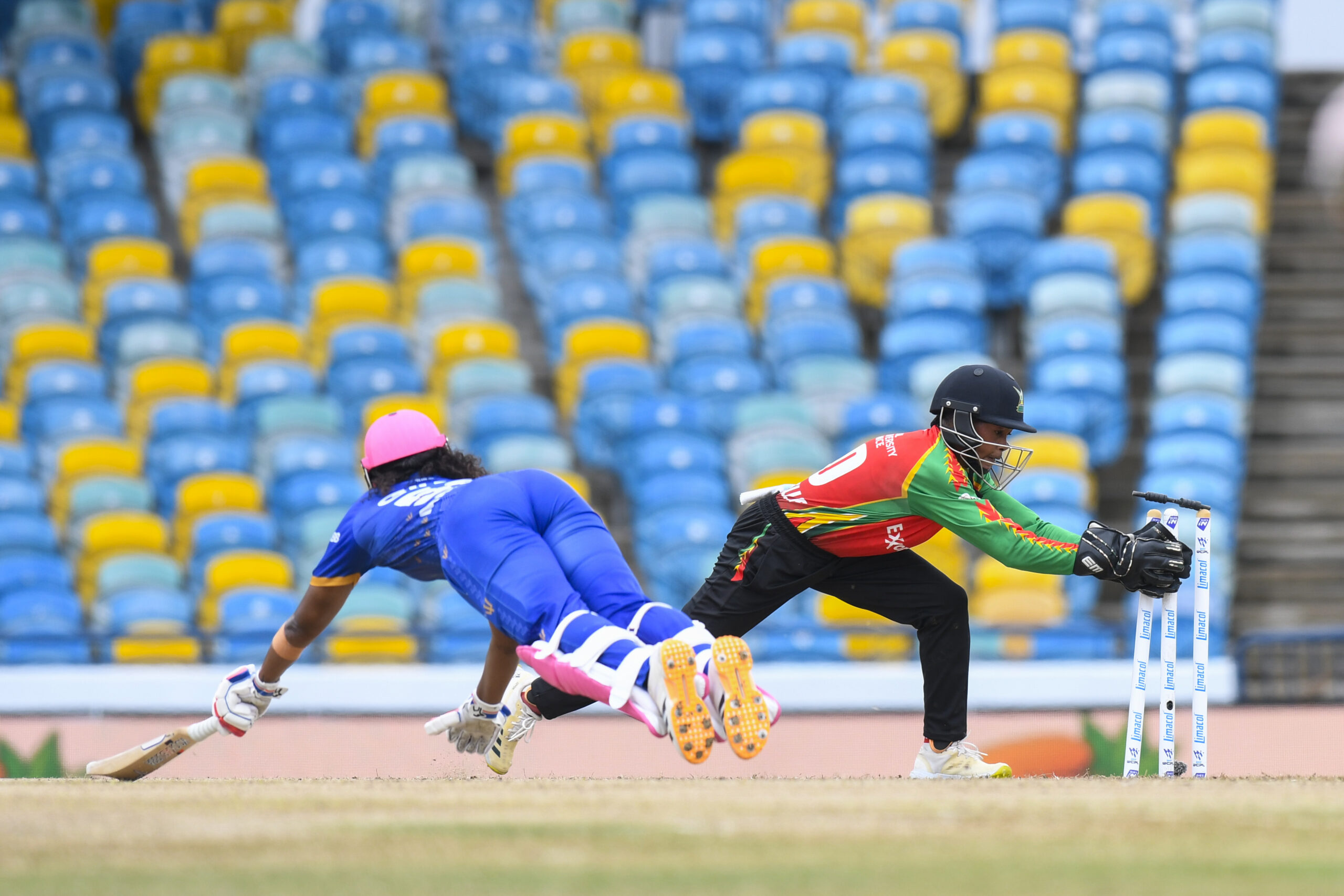
In a rain-disrupted semi-final clash at Kensington Oval on Wednesday, cricket history was made in the Women’s Caribbean Premier League: for the first time since the tournament’s 2022 inception, two-time defending champion Barbados Tridents will not feature in the title decider, after Guyana Amazon Warriors secured a dominant seven-wicket win to knock them out.
Persistent wet weather forced significant alterations to the fixture, delaying the opening toss and trimming the contest to just eight overs per side — a format that turned every single delivery into a high-stakes moment, with no room for slow starts or mid-innings recovery. Sent into bat on a damp pitch by Guyana skipper Chloe Tryon, the Tridents struggled to find consistent rhythm, managing only 69 runs for the loss of four wickets from their allotted overs.
Barbados’ innings was plagued by early setbacks: opener Qiana Joseph retired hurt after scoring just three runs from eight deliveries at the end of the third over, and all-rounder Kiran Navgire fell for a first-ball duck on the first delivery of the fourth over. The most damaging blow came in the sixth over, when Tridents captain and star batter Hayley Matthews was run out for 22 off 14 balls, leaving the lower order with too much work to do in the remaining overs. Maddy Green top-scored for the side with an unbeaten 30 from 16 deliveries, but Guyana’s bowling unit adapted expertly to the tricky wet conditions to keep the target well within reach.
Chasing 70 for a place in the final, the Amazon Warriors faced only one minor early hiccup, losing opener Eboni Brathwaite for two runs in the first over. From there, the chase stayed firmly on track, powered by a match-winning performance from Player of the Match Tazmin Brits. Brits remained unbeaten on 35 off 23 deliveries, cracking three fours and two towering sixes to keep the run rate ticking over, while Shemaine Campbelle contributed a quickfire 22 from 12 balls. The Warriors crossed the finish line at 75 for three, with four deliveries left to spare, booking their spot in Thursday’s championship decider.
They will go head-to-head with Trinbago Knight Riders in the final, a side they already defeated during the group stage of the tournament. Following the upset, Barbados Tridents Chief Operations Officer John Mumby told local outlet Barbados TODAY that the ultra-shortened format created an unlevel playing field that made results hard to predict.
“We were just saying off camera that limited overs (in a T20 game) is always a bit of a lottery. It makes the toss really big and to have lost the toss and then be put into bat on a wet pitch with a wet ball is tricky,” Mumby explained. “I think we did pretty well [to set a 70-run victory target], but yeah, we came up just a little bit short.”
Despite the disappointing early exit, Mumby praised the passionate local support that turned out for the side on home soil. A small but loud crowd cheered the Tridents through every over, and Mumby noted that public enthusiasm for the franchise has grown dramatically this year. “I think the nation has really gotten behind both the men’s and the women’s teams this year, with huge excitement in Barbados around the Tridents identity and the national colours. All through the game you heard ‘let’s go Tridents,’ which was amazing to hear from the school kids and I think that emphasises everything the franchise has tried to do this year,” he added.
-

Senior Games expand the playing field
Barbados’ annual National Senior Games has undergone a transformative expansion this year, growing to include 25 distinct sporting disciplines while placing unprecedented focus on welcoming older adults with disabilities into competitive and recreational activity. Now in its fourth week of a month-long schedule launched in August, the event has already drawn widespread acclaim for its accessible, community-centered structure, according to Ytannia Wiggins, sports adviser for the games under the Ministry of People Empowerment and Elder Affairs.
Wiggins called the 202X iteration of the games an exceptional success so far, noting that early competitions including tennis have already wrapped up, while dominoes has remained a constant, ongoing activity throughout the event. The fourth week of the schedule stands out as one of the busiest, with new competitions like hockey kicking off alongside 3×3 basketball and netball finals hosted at the Wildey Gymnasium.
Among the most anticipated upcoming events is the marquee track and field program, with field events set to take place September 19 at Harrison College, and track competitions scheduled for September 26 at the renowned Usain Bolt Sports Complex. A 5K open walk and run will also be held along the Mighty Grynner Highway on September 20, giving casual participants of all ability levels a chance to join in. The entire month of programming will conclude October 1 at Barbados Community College with an active living festival, timed to coincide with the annual International Day of Older Persons. Wiggins describes the event as a “senior Olympics,” where older adults can try any sport that sparks their interest.
The expansion of accessible programming stems from the ministry’s recognition that diverse segments of the older adult community, including those with disabilities, deserve equal opportunities to engage in recreational sports, Wiggins explained. Key inclusive events this year include a celebrity blind cricket match at Briar Hall, alongside blind dominoes and adaptive walking netball. Speaking at the Sunday blind cricket match, Wiggins noted that the sport was selected because it already has an established, enthusiastic base in Barbados, and used the opportunity to reiterate a core message of the games: “disability is not inability.”
Beyond accessibility, the games also prioritize getting activity out into local communities and encouraging older adults to maintain active, healthy lifestyles as they age. Kamal Clarke, managing coordinator of the games, added that the inclusive blind cricket day was designed to bring together three groups—children, older adults, and people with disabilities—for shared recreation. Before taking the field, celebrity participants received training on the rules and adapted play of blind cricket to ensure they could compete alongside disabled community members.
More than 50 people with disabilities took part in the day’s activities, which also included outdoor adaptive simulations, open domino play, and a demonstration of blind domino rules hosted by the National United Society of the Blind. Clarke closed by urging Barbadians of all eligible ages and ability levels to join the ongoing games, emphasizing that the event is designed to be a season of joy, connection, and activity focused on supporting long, high-quality lives for all older adults.
-
American charged with firearm, ammunition offences
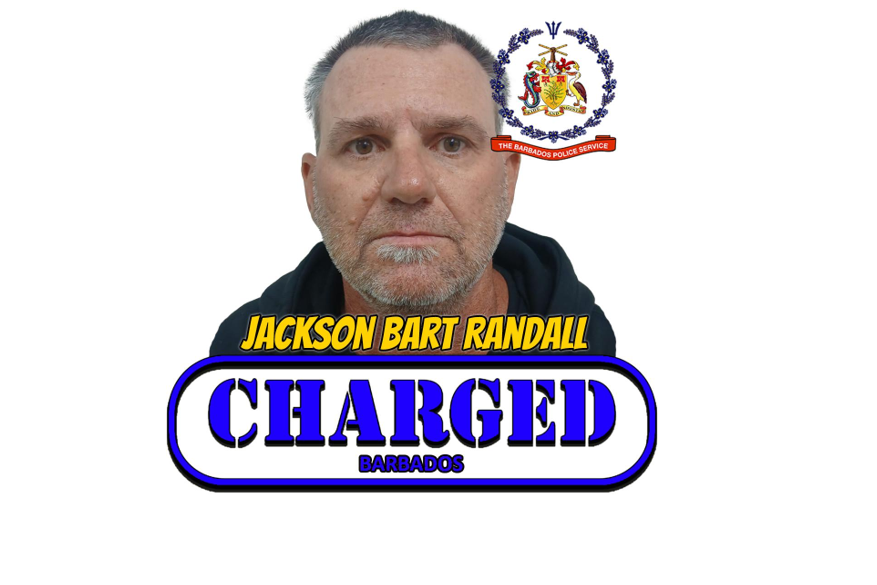
A 47-year-old man from the United States is scheduled to make his first court appearance Wednesday in Barbados, facing two criminal charges related to illegal possession of a weapon and ammunition. Jackson Bart Randall, a resident of Lake Havasu, Arizona, was formally charged this week by detectives from the Criminal Investigations Department (South Division) of the Barbados Police Service, after law enforcement wrapped up an initial probe into the alleged offense. Prosecutors allege that Randall was found in illegal possession of one unregistered firearm and seven live rounds of ammunition during an encounter with officers this past Monday. Following processing by law enforcement, the accused is set to appear before the District ‘B’ Magistrates’ Court to answer to the charges against him, marking the opening of the legal process in this cross-border criminal case.
-
Schools remain open, Alexandra closed due to flooding
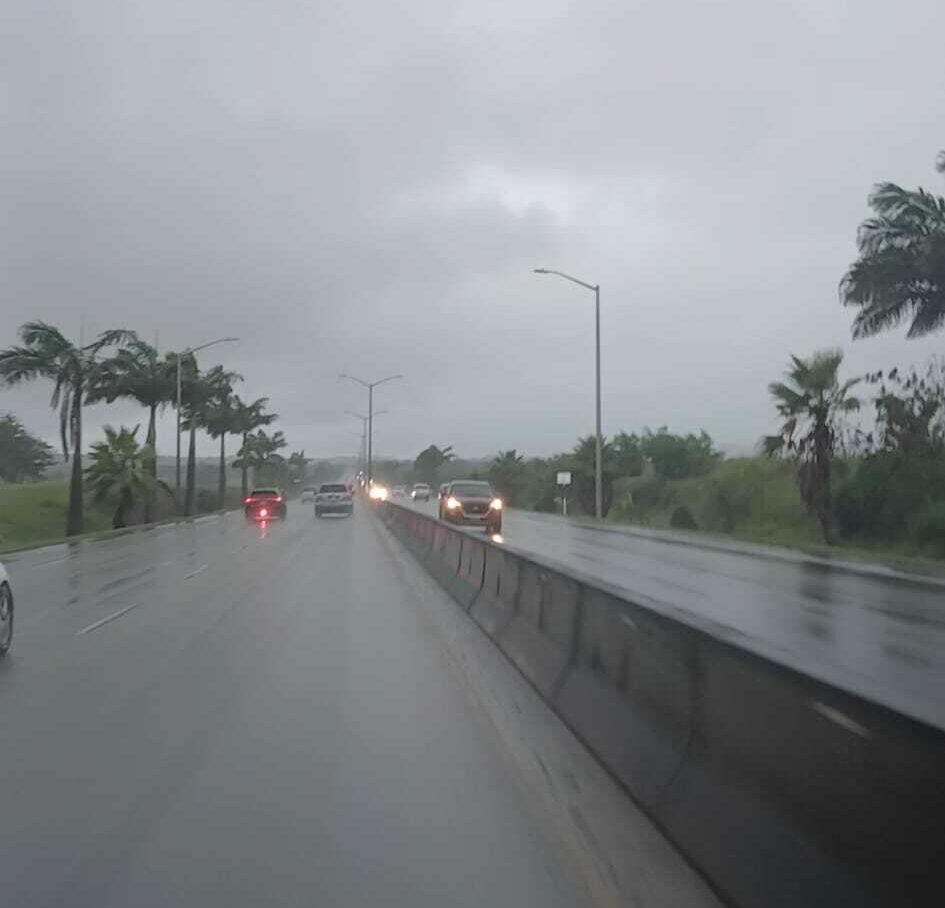
As unfavorable weather conditions swept across Barbados, education officials have made the call to keep nearly all of the island nation’s educational institutions operational for the day, marking only one notable closure in response to unsafe conditions. Alexandra School, located in the country, has been forced to shut its doors Wednesday after severe flooding rendered the campus unsafe for both learning and occupancy, making it the lone outlier in the government’s decision to maintain normal school operations.
The decision to avoid broad campus closures came following a coordinated consultation between top leadership from two key government agencies: the Ministry of Education Transformation and the Barbados Meteorological Services. Dr. Ramona Archer-Bradshaw, the nation’s Chief Education Officer, held detailed discussions with Sabu Best, Director of the Barbados Meteorological Services, to assess the scope and severity of the ongoing weather systems. After a comprehensive review of meteorological data and on-the-ground conditions, the pair concluded that weather impacts were not extreme enough to justify shutting down schools across the country.
Even with the overall decision to keep schools open, officials acted swiftly to close Alexandra School once flooding was reported on the site. The priority of this closure is to safeguard the well-being of all students, teachers, and non-teaching staff who would otherwise be required to be on campus Wednesday. Beyond the closure at Alexandra, the Ministry of Education Transformation has issued clear guidance for families across the island, urging parents and guardians to take proactive steps to keep their children safe during their daily commute to and from school. Specifically, the ministry is encouraging caregivers to ensure young people wear proper weather-appropriate protective clothing, and to plan ahead for any potential travel hazards that may arise due to the ongoing bad weather.
-

World Bank team praises ‘Beryl’ recovery works
In a joint site visit this Tuesday, senior representatives from the World Bank and the government of Barbados affirmed steady progress on the restoration of the Bridgetown Fisheries Complex breakwater, a critical infrastructure damaged by 2024’s Hurricane Beryl. The inspection, which also covered the impacted sugar berth at the port, came as part of ongoing oversight for the Beryl Emergency Recovery Project, a multi-year initiative backed by a World Bank loan that combines financial support and technical expertise to rebuild the island nation’s fishing sector.
-

High Court allows inmate’s constitutional food suit
A legal battle over religious and dietary rights in the Caribbean prison system is set to move forward in early 2025, after a senior judge rejected the government’s attempt to dismiss a landmark constitutional claim filed by a Rastafarian pre-trial detainee.
Inyah Iroyal Jones, who is currently held on remand while awaiting trial on a firearms charge, argues that the limited meal options provided by the prison system have forced him to abandon the strict vegan diet that is central to his Rastafarian faith. According to the constitutional motion filed by Jones and his mother, the inability to adhere to his required diet has led to severe, measurable harm to his physical health. Jones is asking the High Court to rule that correctional authorities are required to accommodate his dietary needs by providing consistent, appropriate vegan meal options during his time in remand.
On Tuesday, Justice Michelle Weekes of the No. 8 Supreme Court dismissed the government’s motion to have the entire case thrown out before a full trial. In the wake of that ruling, the judge scheduled two full days of court proceedings for March 8 and 9 next year to hear the full merits of Jones’ constitutional challenge. Acting Solicitor General Marsha Lougheed represented the Attorney General and the Prison Superintendent in the preliminary hearing this week.
Following the ruling that cleared the way for a full trial, Lalu Hanuman, Jones’ lead attorney, framed the decision as a meaningful win for all marginalized groups with specific dietary requirements. “This is a victory for Rastafarians… and people on ethical diets generally,” Hanuman told reporters outside the court. The case has drawn broader attention to gaps in accommodation for religious and personal dietary needs in Caribbean correctional facilities, with advocates arguing that all detainees retain their constitutional rights to religious freedom and adequate health care regardless of their pre-trial or convicted status.
-
Lashley wants new sentencing guidelines
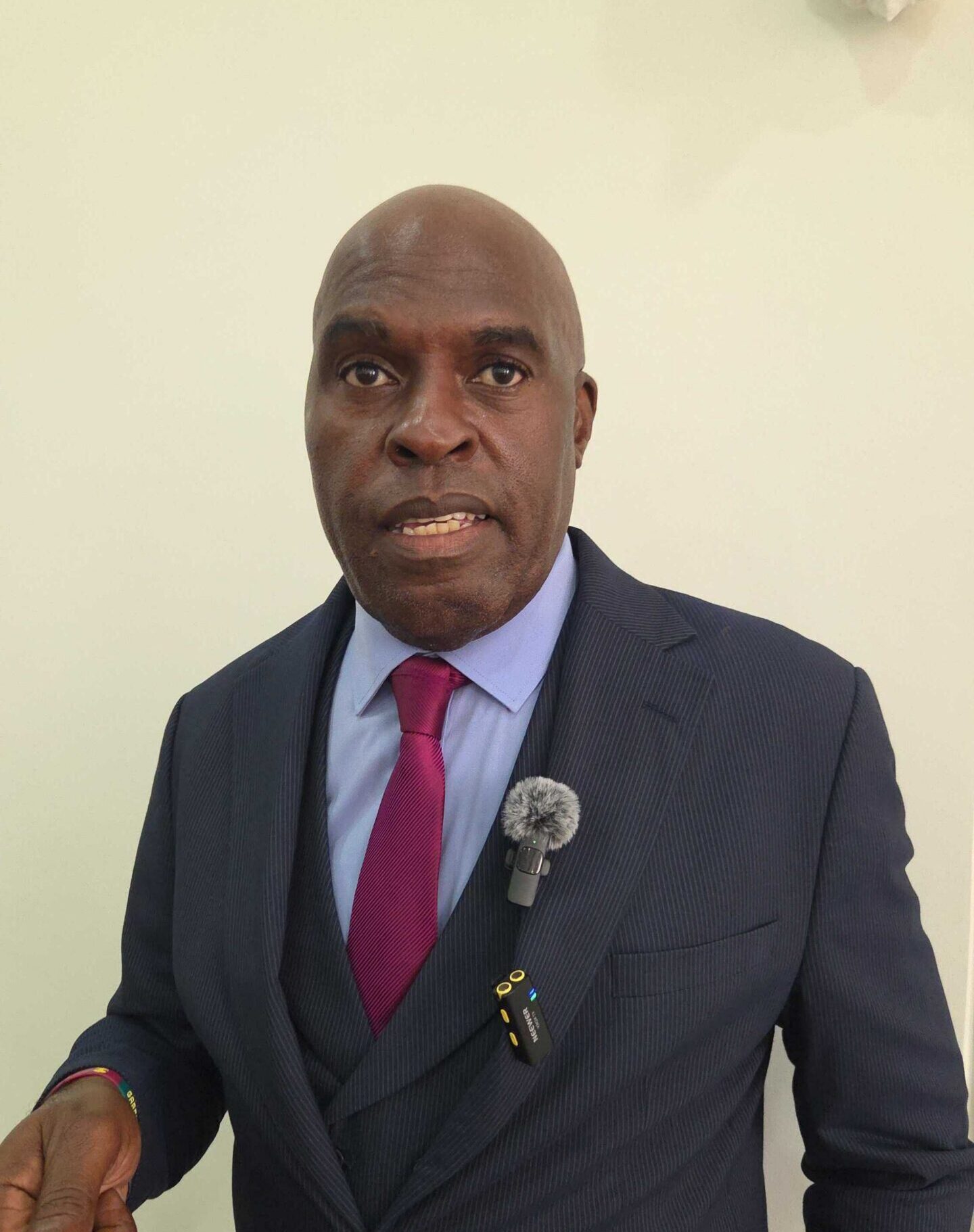
During Tuesday’s debate on the Penal System Reform (Amendment) Bill in Barbados’ House of Assembly, Minister of Legal Affairs and Criminal Justice Michael Lashley has outlined a bold vision for updating the country’s criminal sentencing framework, pushing for stricter guidelines for two of society’s most harmful crimes while upholding judicial independence. The bill under discussion aims to give judges greater leeway to consider relevant prior convictions when handing down penalties, a change that Lashley supports even as he calls for additional adjustments to how serious offenses are addressed.
Lashley’s core proposal centers on developing new, tougher sentencing guidelines for both firearm and sexual offenses. He questioned current practices that sometimes result in fines for individuals convicted of unlawful firearm possession, arguing that the seriousness of these offenses demands custodial sentences in most appropriate cases. “That is a serious offence and a custodial sentence is warranted,” he stated, while stressing that judges must retain their discretionary power to tailor sentences to individual circumstances. “But of course, we cannot threaten the discretion of a judge,” he added, clarifying that new guidelines would not override judicial independence.
Beyond updating sentencing rules, Lashley also called for sweeping changes to include victims and their families more directly in the sentencing process. He noted that while victim impact assessment reports are currently included in pre-sentence preparations, there is no existing requirement for victims or the dependents of deceased victims to be present when the final sentence is delivered. Lashley argued that this exclusion should be corrected as part of broader penal reform, making the physical presence of affected parties a standard part of the sentencing hearing.
To address widespread public confusion around sentencing outcomes, Lashley also proposed a targeted public education campaign to explain how judges apply sentencing guidelines. He noted that common public criticism of “soft sentences” often stems from a lack of understanding of the rules that govern judicial decision-making, and that clearer public communication would help bridge this gap between public expectation and judicial practice.
Lashley emphasized that broader penal system reform must not be reduced to a simple debate over punishment versus leniency. True reform, he argued, must encompass three core pillars: preventing future crime, protecting the rights of victims, and rehabilitating offenders to successfully reintegrate into society after release. He argued that rehabilitation should begin the moment an offender enters prison and continue through their reentry into the community, ensuring that they leave prison better equipped to avoid recidivism.
The minister stressed that reform does not equal being soft on crime, nor does it overlook the needs of victims. Instead, he framed effective punishment as a process that holds offenders accountable for the harm they have caused to victims and society, while also implementing measures that reduce the likelihood of repeat offenses. “What punishment is, is that we must ingrain in that punishment some sort of accountability,” Lashley said. “We must hold the offender accountable, repair the harm that the offender caused to society and reduce the likelihood of reoffending by that particular offender.”