标签: Barbados

巴巴多斯

  • PTA president condemns shooting near school

    PTA president condemns shooting near school

    A Tuesday morning shooting in the Eden Lodge neighborhood of St. Michael, steps away from a local educational facility, has drawn fierce condemnation from the top leader of Barbados’ national parent-teacher association, who is sounding the alarm over the grave danger such violence poses to schoolchildren across the island.

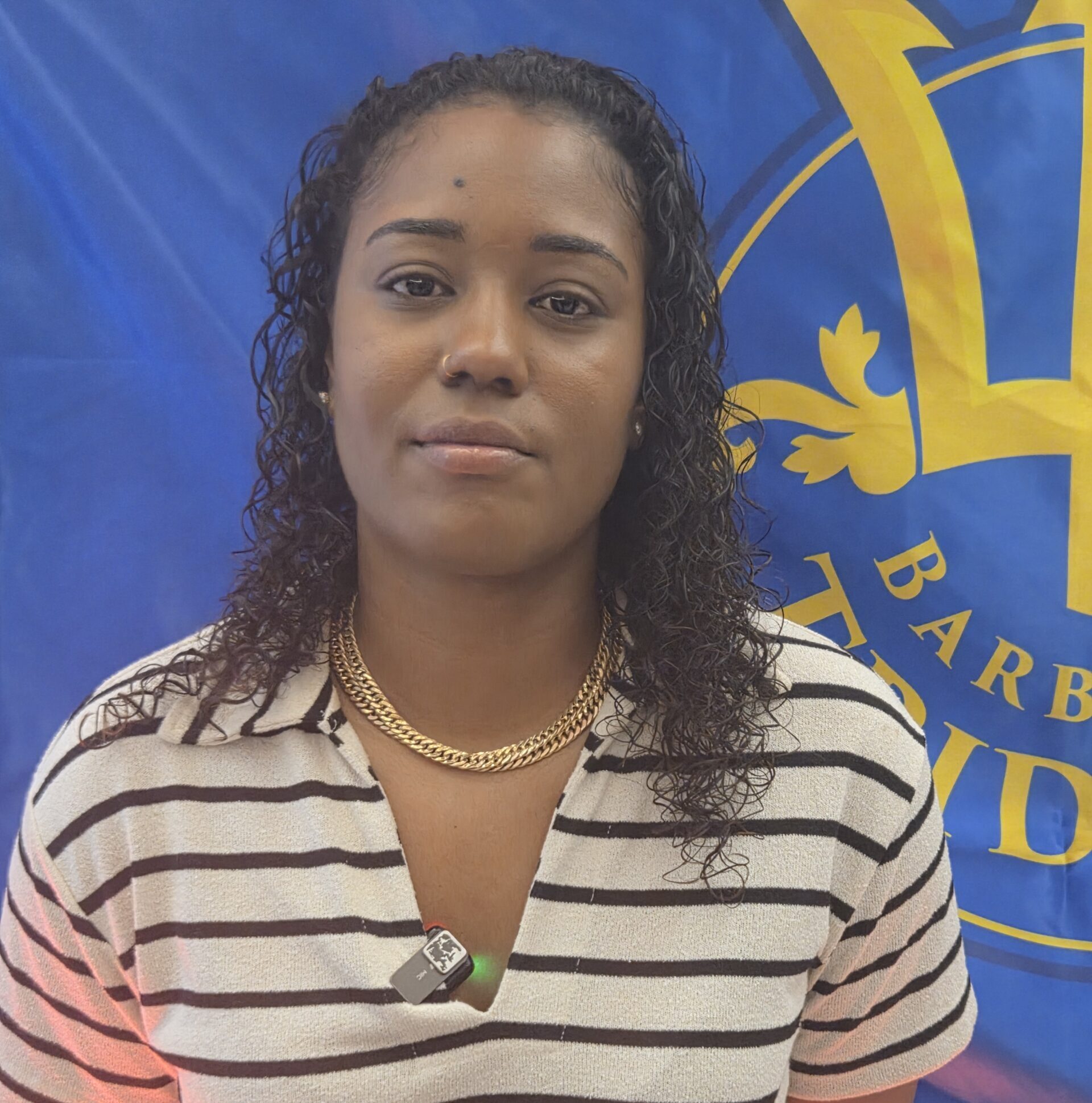
    Nicole Brathwaite, president of the Barbados National Council of Parent Teacher Associations (BNCPTA), denounced the violent incident in blunt terms, labeling it far more than a random tragedy—calling it fundamentally unacceptable to allow gun violence to creep so close to spaces dedicated to children’s learning. By the time the shooting occurred, Brathwaite noted, hundreds of local parents had already dropped their kids off for classes at the nearby school, putting innocent young lives directly in harm’s way.

    “This is not just unfortunate, this is unacceptable,” Brathwaite stated in public comments following the incident, emphasizing that recurring acts of violence near educational institutions systematically erode the safe environment every child has a right to expect. No innocent student should have to navigate the threat of gun violence simply while attending classes, she added.

    In the wake of the shooting, as law enforcement worked to secure the area and reunite students with their families safely, Brathwaite urged Barbadian parents to stay calm and coordinate closely with guidance issued by the Barbados Police Service throughout the response process.

    Beyond the immediate response to this specific incident, the BNCPTA president issued a broader call to action for all Barbadian citizens: step up vigilance in local communities, and work collectively to push for systemic changes that will create safer neighborhoods for families and children. “Our children deserve nothing less,” Brathwaite said, cementing the parent-teacher body’s commitment to prioritizing student safety across the country.

  • Police probe shooting near Eden Lodge school

    Police probe shooting near Eden Lodge school

    Authorities in St Michael have opened a criminal investigation into a shooting that unfolded near a local educational facility on Sorrel Lane in Eden Lodge early Tuesday.

    According to preliminary law enforcement updates, the incident took place at approximately 8:25 a.m., when an unidentified man was going about his activities in the area. A single attacker approached the man before opening fire, discharging multiple rounds toward the target. Facing the sudden attack, the targeted man managed to escape the scene unconfirmed whether he sustained any injuries as of the latest update.

    To date, no additional details about the identity of the suspect, the potential motive for the attack, or the condition of the man who fled have been released by investigators. Law enforcement representatives confirmed that the case remains active, with officers working steadily to piece together the sequence of events and identify the person responsible.

    In a public appeal issued following the incident, police are urging any member of the public who was in the Sorrel Lane area around the time of the shooting, witnessed the confrontation or gunfire, or has any other information that could advance the investigation to come forward. Tips can be submitted anonymously through Crime Stoppers by calling 1-800-8477, via the national police emergency line at 211, or directly to District ‘A’ Police Station through the phone numbers 430-7242 and 430-7246.

  • Wanted man now in custody as police investigations continue

    Wanted man now in custody as police investigations continue

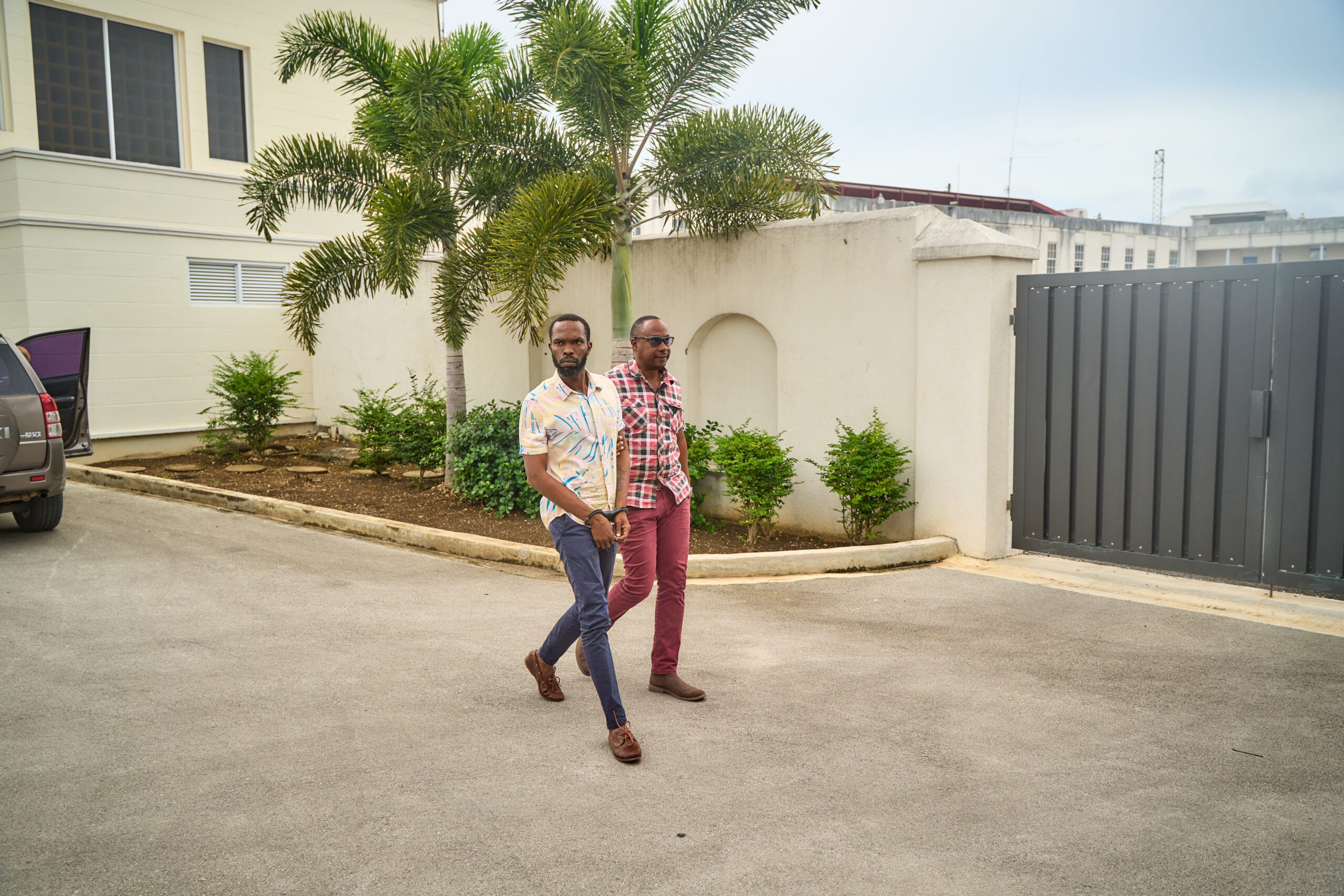
    Just three days after Barbados law enforcement issued a public wanted notice for a suspect linked to serious criminal activity, the manhunt has come to a swift close. Derick David Rudolph Crawford, who was named in the Barbados Police Service’s (TBPS) ‘Wanted Man’ bulletin distributed to the public on Friday, January 6, is now in police custody, according to official updates from the service.

    TBPS confirmed that officers took Crawford into detention on Monday, and the individual is currently cooperating with the investigative team by answering questions related to the outstanding serious criminal matters that first prompted the wanted alert.

    In a statement following the arrest, law enforcement representatives extended formal gratitude to members of the local public and regional media outlets for their role in securing the suspect’s apprehension. The public’s sharing of the wanted bulletin and media coverage of the ongoing investigation played a key part in bringing the manhunt to a successful resolution, police noted.

  • Hinds remanded on gun, ammo charges

    Hinds remanded on gun, ammo charges

    A 35-year-old resident of Christ Church, Barbados, has been ordered into pre-trial detention at Dodds Prison following a court appearance on weapons and flight charges. Livardo Roghileo Hinds, whose address is listed as Durants, Lodge Road, made his first appearance before Magistrate Keitha Ellis at the District ‘B’ Magistrates’ Court this Monday.

    Hinds faces three separate charges stemming from two separate time periods. The two most serious offenses relate to illegal possession of a firearm and an unspecified quantity of ammunition, which authorities allege occurred on April 28. Additionally, the defendant is accused of absconding – failing to appear for required legal check-ins or court mandates – on two separate dates: February 2 and March 12 of this year.

    As the charges against Hinds are indictable offenses, meaning they are serious enough to warrant a trial by higher court, he was not required to enter a formal plea during this initial hearing. Following the brief proceedings, Magistrate Ellis ordered Hinds be held at Dodds Prison until his next scheduled appearance. The case has been adjourned until Friday, May 22, when Hinds will return to court for the next stage of the legal process.

  • All systems set for 11-Plus, 2 767 students sit exam Tuesday

    All systems set for 11-Plus, 2 767 students sit exam Tuesday

    One day ahead of the annual 11-Plus Common Entrance Examination, Barbados’ Minister of Education Transformation Chad Blackman has confirmed that all pre-examination preparations are fully finalized, with comprehensive monitoring arrangements in place to support the 2,767 registered students sitting this year’s assessment.

    Speaking at a press conference held at the Lloyd Erskine Sandiford Centre, Blackman moved to reassure students, families and educators that every logistical detail had been locked in to deliver a smooth, low-disruption testing experience across all examination centres islandwide. Mobile monitoring teams will be deployed to visit testing sites throughout the day of the exam, and Blackman himself will kick off his on-site schedule at Deighton Griffith Secondary School to oversee the start of testing, before traveling to at least two additional secondary school centres to check on conditions and meet with examination officials as the session wraps up.

    This year’s exam marks another step in the current administration’s timeline toward the eventual abolition of the 11-Plus assessment, a long-stated policy goal, but officials have focused their messaging on supporting the cohort of students already moving through the existing transition framework. In a marked shift away from high-stakes testing rhetoric, both Blackman and Chief Education Officer Dr. Ramona Archer-Bradshaw emphasized that the examination is not a make-or-break judgment of a student’s ability, but simply a milestone marking the transition from primary to secondary education.

    Addressing registered students directly, Blackman reframed the exam as an opportunity to showcase the work students have put in over their primary school careers, rather than a source of overwhelming stress. He encouraged young test-takers to enter their assigned centres without carrying unnecessary pressure, noting that success extends far beyond a single numerical score. “To the students themselves, tomorrow is your day. Tomorrow is your day to shine,” he said, adding that the entire ministry is proud of the work students have already completed to reach this point.

    Blackman also highlighted that preparation for this year’s exam has been a years-long collective effort, crediting primary school teachers across Classes One through Three for laying the foundational academic skills students rely on, and thanking school principals and parents for their consistent, tireless support alongside senior year educators. “The journey to this moment was a collective effort… preparation for Tuesday began long before Class Four,” he told reporters.

    Dr. Ramona Archer-Bradshaw echoed this supportive, low-pressure messaging in her official statement, commending students for the months of hard work and perseverance they have invested in preparing for the exam. She echoed Blackman’s framing that the Common Entrance exam is only one chapter in a student’s broader academic journey, urging test-takers to approach the assessment with focus and confidence, and reminding them that a wide range of new opportunities await them in secondary school regardless of their result.

    Like Blackman, Dr. Archer-Bradshaw also recognized the critical behind-the-scenes work that brought students to this point: she extended formal gratitude to the island’s educators for their unwavering commitment to their students’ growth, noting that their dedication leaves a permanent positive impact on young people’s long-term trajectories. She also emphasized the vital role that parents and guardians play in student success, thanking families for their ongoing support and encouraging them to maintain strong, collaborative partnerships with teachers as students move into the next phase of their education.

    Compared to last year’s cohort, which saw 2,981 registered students, this year’s group is 214 students smaller, a shift that follows long-term demographic trends observed across Barbados’ education system. Still, all logistics have been adjusted to accommodate this year’s cohort, with no outstanding gaps in preparation reported by ministry officials ahead of testing day.

  • CSI president renews call to scrap Common Entrance

    CSI president renews call to scrap Common Entrance

    On the eve of one of Barbados’ most high-stakes national academic assessments, the leader of a prominent child advocacy organisation has doubled down on his longstanding demand to permanently eliminate the controversial Common Entrance Examination, while issuing urgent guidance to parents to reduce anxiety for their children in the final hours before testing begins.

    Thousands of primary school students across the island are set to sit the Barbados Secondary School Entrance Examination (BSSEE) – widely known as the Common Entrance Exam – when it kicks off on Tuesday morning. But Dr Anthony Cummins, president of the Centre for Solutions and Influence (CSI), an organisation focused on supporting vulnerable children and strengthening paternal bonds, told Barbados TODAY he remains a firm opponent of the current assessment model, even as the Ministry of Education moves forward with administering the 2026 iteration of the test.

    Previous government commitments have promised the test would be scrapped, with a previous announcement naming 2025 as the final year of the exam. Despite those pledges, the 2026 assessment is proceeding as scheduled this week. That broken promise has reinvigorated Cummins’ campaign against the high-stakes test.

    “I am one that is ready and waiting to run all around Barbados celebrating the abolition of this Common Entrance Examination,” Cummins said, arguing that the one-day, make-or-break assessment fuels deep social and academic division among young people and their families across the country.

    Instead of measuring a child’s eligibility for secondary school placement on the result of a single high-pressure sitting, Cummins has proposed a full transition to a continuous matriculation system. Under this model, students would progress to secondary education based on their consistent academic performance across their entire primary school career, rather than one day of testing that can make or break their future placement.

    Cummins emphasized that the current system imposes an unmanageable emotional and psychological toll on young students, harming their mental wellbeing before they even enter secondary education. To back his argument, he pointed to the academic and professional success of his own son, who is now a statistician working on Capitol Hill in Washington, D.C. His son progressed from first grade all the way through secondary school based on year-round academic performance, never having to sit a high-stakes exit exam, Cummins explained. “It just shows you the importance of why you can get away from this exam,” he added.

    With testing set to begin imminently, Cummins shifted his focus to immediate, practical guidance for parents and educators to support students in the final stretch. He issued a clear call to end harmful behaviors that ramp up student anxiety, including verbal abuse and the common habit of comparing current candidates to older siblings or peers who earned placement at elite institutions like Harrison College or Queen’s College.

    “Stop the comparison of other students,” he urged. Telling a child they “better try and pass for a big school” only fuels unnecessary nervousness, he said, which “results in a whole lot of travesty.” Cummins noted that far too many children face verbal reproach from parents as late as the night before the exam, over missed practice problems or underperformance on mock tests – a pattern he called deeply counterproductive to good performance on test day.

    To help students build a calm, supportive environment ahead of the exam, Cummins outlined a series of simple, actionable steps for parents. First, he advised cutting back on unnecessary pressure entirely, avoiding any last-minute cramming or criticism that could trigger negative reactions. He emphasized the critical need for students to get adequate sleep: parents should require children to put away their tablets and get to bed early, so they can wake up rested and mentally prepared for the day.

    On exam morning, he warned against overfeeding children, which can cause discomfort and distract from their focus. He also urged families to leave for exam centers well ahead of the start time, to give students time to acclimate to the testing space rather than rushing in at the last minute disorganized and stressed.

    As young people prepare to enter exam rooms across the country, Cummins reminded the public that a child’s inherent value can never be measured by a single test score. He called on parents to build a broad, healthy support network that includes extended family members – grandparents, aunts, uncles – and teachers, all working together to prioritize the child’s wellbeing over test results.

    Specifically, he urged compassion after the exam concludes, regardless of how a student thinks they performed. “Don’t go beating your children because they may say to you that they didn’t finish the paper,” he said. “That is the time that you should love up on them. That is the time that you should embrace them and let them know this is not the end of the world.”

    For Cummins, even as the exam remains a reality for this year’s cohort of students, the most important priority is protecting children’s mental and emotional health. “Pressure creates stress and stress can cause the child to be sick,” he noted.

  • Educators: Trust in process key strategy ahead of entrance exam

    Educators: Trust in process key strategy ahead of entrance exam

    As the highly anticipated Barbados Secondary Schools’ Entrance Examination prepares to get underway on Tuesday, a quiet shift has taken hold across the island’s primary education community: final countdown preparation is no longer centered on frantic last-minute cramming. Instead, educators and students alike are focusing on building confidence, maintaining steady routines, and leaning into the months — or even years — of consistent work that has already been completed.

    Across multiple institutions on the island, this student-centered approach to pre-exam preparation reflects a growing consensus among Barbadian education leaders about what truly helps young learners succeed in high-stakes testing. At Welches Primary School, Class Four teacher Mona Jones has watched her cohort of 14 students grow since she began teaching them in Class Three, describing the multi-year journey as one defined by steady progress even amid widespread challenges.

    Jones says what has stood out most about this group is their commitment to friendly, supportive competition rather than cutthroat individualism. “They have been very competitive in a very friendly way… they’ve also helped each other… they have worked towards improving themselves,” she explained in the lead-up to exam day. For Jones, success is not measured by perfect scores alone: while she expects every student to bring their full effort to the test, she says any result that reflects their hardest work is already enough.

    That culture of peer support is echoed by Welches Primary head boy Aaron Prince, who acknowledges the years of preparation have been demanding, but says the grind has been worthwhile. “For me, it has been a little bit tough, but I have gotten through it and I feel ready,” Prince said. He has personally contributed to the collaborative culture, stepping in to tutor three classmates in both Mathematics and English as they worked through challenging concepts.

    Over at Bay Primary School, principal Stacey Blunte says the institution’s pre-exam strategy intentionally moves away from introducing new material in the final weeks, putting all focus on mental preparation. “At this stage, it is not about introducing any new concepts… it is really about building confidence to ensure that they approach this important milestone… knowing that they can do extremely well,” Blunte explained. She praised both teaching staff and students for their relentless commitment throughout the preparation cycle, noting that many pupils took the initiative to request extra review sessions in the final stretch.

    Bay Primary Class Four teacher Dwayne Hayde says consistent routine, or what he calls “rhythm,” is the foundational building block of long-term exam readiness. “Children need rhythm. And when that rhythm is broken, they tend to forget what they would have learned,” he said. This philosophy led the school to schedule structured review sessions over the Easter break, and even organize a pre-exam visit to the Graydon Sealy Secondary School, the venue where students will sit their test on May 5, to help them acclimate to the space and ease pre-test anxiety.

    For students like Bay Primary head girl Maniyah Worrell, who has set her sights on earning a spot at either Queen’s College or Harrison College, the preparation process has taught more than just academic content. “Common entrance preparation has been very helpful and it has taught me to never stop believing in myself,” Worrell said.

    At Bridgetown Seventh-day Adventist Primary School, teacher Lance Ward echoed the widespread rejection of last-minute cramming, emphasizing that steady, year-long preparation across English, Mathematics and Composition has been core to his students’ readiness. Even the Easter break was used to maintain the steady learning rhythm, rather than force a cram of new material. “We didn’t want them to lose anything,” Ward explained. His simple advice to students heading into Tuesday’s exam echoes the broader ethos across the island: “Go into the exam and understand that it is just what you’ve been doing… the names may change, the numbers may change, but the concepts remain the same.”

    Student Hezekiah Roberts, who is aiming for a spot at Combermere School to take advantage of its elite athletic program, says his teacher’s consistent support helped him work through early struggles with new course material. “Preparing for the exam was a bit difficult at first because I had to learn new topics, but as I go, Sir Ward has been helping me,” Roberts said.

    At Westbury Primary School, which currently houses the student body of Wesley Hall Primary, senior teacher Carlos Edwards says educators have worked through notable challenges, particularly in mathematics, but he remains optimistic about his students’ performance on Tuesday. “The students… have been coming along very good… all in all, the students will be progressing nicely, and I expect them to do pretty well in the exam,” he said. Edwards’ approach blends traditional paper-based practice with holistic skill-building: students work through extensive past paper reviews and problem-solving exercises, while also receiving guidance to grow into well-rounded citizens beyond academics.

    For Wesley Hall Primary student Mekhi Harewood, the preparation process has required personal sacrifice, but he says the trade-off is worth the long-term reward. “I lost a lot of the things I like to do until it is finished, but it is for a good reason,” he said. “I’m sure that when I get back my results, I’ll be happy with it.”

    This island-wide focus on long-term readiness aligns with messages shared by other leading primary school principals earlier in the term. Collette Applewhaite of Grazettes Primary and Sophia Bentham of Eden Lodge Primary both stressed that exam readiness begins the moment a student enters primary school, not just in the final months ahead of the test. Dr Marvalene Roach, principal of St Patrick’s Roman Catholic Primary, urged both students and parents to reframe their expectations ahead of the exam, emphasizing personal growth over competitive rankings. “Your child needs to be the best he or she can be,” Roach said.

    Across the board, that message has resonated with the cohort of test-takers gearing up for Tuesday’s exam. For most, the plan is simple: bring full effort, stay calm, and trust the years of preparation that have already gotten them to this point.

  • Parents ‘at centre’: Education in shift to boost student success

    Parents ‘at centre’: Education in shift to boost student success

    Barbados’ Ministry of Education Transformation has launched a landmark national initiative this Monday that redefines the architecture of the country’s education system, placing families at the center of academic success rather than treating classrooms and infrastructure as the sole drivers of student progress. Developed in partnership with the Inter-American Development Bank (IDB), the new Parent Education Programme (PEP) marks a deliberate strategic shift, recognizing that strong learning foundations are built long before children enter formal school environments.

    Currently rolling out as a pilot across 13 community sites in multiple Barbadian parishes, PEP targets all parents and primary caregivers of children ranging from early childhood (age 3) through upper secondary education (age 18). The program’s core premise is simple but high-stakes: in an increasingly fast-changing world, students need home learning environments that are as informed, adaptive, and supportive as the school curricula they encounter each day.

    Chief Education Officer Dr. Ramona Archer-Bradshaw emphasized the non-negotiable role of the “human element” in shaping positive student outcomes at the program’s official launch. While she reaffirmed that sustained investment in school facilities, digital tools, and curriculum updates remains critical to education reform, she noted that parental engagement is the most consistent predictor of student success across global and regional research.

    “Too often when we discuss education improvement, our focus lands exclusively on curriculum overhauls, new infrastructure, and cutting-edge technology,” Dr. Archer-Bradshaw explained. “All of these are essential, but there is another factor that consistently delivers outsized impact on how well students perform: that factor is parents. PEP is a deliberate, intentional investment in the parents and caregivers who are raising our youngest generation of citizens.”

    She added that PEP was designed to be flexible, accessible, and inclusive, meeting families where they are regardless of their income, background, or living situation. Built around real-world parenting challenges and lived experiences, the six-week community-based program equips caregivers with actionable tools to foster positive development at home. “When parents are empowered with the right skills, children succeed. When families are strengthened, entire schools are transformed,” she said. “This program meets the actual needs of families, not abstract ideals, and gives caregivers the resources they need to drive better outcomes for their kids at home.”

    The IDB has committed $300,000 in funding to back the initiative, which blends evidence-based best practices with context-specific approaches tailored to Barbadian culture and community needs. Francesco De Simone, Operations Chief at the IDB Barbados Country Office, framed the partnership as an ambitious but deeply rooted effort that centers local needs rather than imposing generic global models.

    “When the Ministry first approached the IDB, their request was clear and bold: they wanted not just a new program, but a comprehensive national strategy to reconnect families to education,” De Simone said. “Our shared goal was to strengthen the bond between children, families, and schools not through a one-size-fits-all framework, but through an approach that is distinctly Barbadian. This is critical: development only works when local people see themselves reflected in the solutions.” He added that regional data consistently shows targeted parenting programs deliver significant, measurable improvements to child development and academic outcomes.

    “PEP exists to equip, empower, and strengthen caregivers, and to reinforce the truth that education is a collaborative effort that extends far beyond classroom walls,” De Simone said. “The IDB is proud to support this bold framework that recognizes education and parenting are not separate pursuits—they are two interconnected forces working toward the shared goal of raising healthy, successful children.”

    Minister of Education Transformation Chad Blackman expanded on the program’s core philosophy in his keynote address, arguing that meaningful education reform must start long before a child crosses a school’s threshold. “Education transformation does not begin at the school gate—it begins at home. If I am being honest, it begins even earlier, from the moment a child is born in the hospital,” he said.

    Blackman urged parents to reflect on the long-term impact of their daily words and interactions with children, noting that offhand comments can leave lasting impressions that shape a young person’s mindset and worldview for decades. He also used the launch to address a growing public concern: student misbehavior and loitering at bus stops during school hours, announcing a coordinated, firmer crackdown alongside other government agencies.

    “The Ministry of Education, working with other government entities, will put a stop to this practice,” Blackman warned. “Many parents would be shocked to learn their children are loitering on public roads instead of attending class. This has to end, because we have a duty to protect our young people and prepare them for the future.”

    Positioning PEP as a key part of national development as Barbados approaches its 60th anniversary of independence, Blackman emphasized the program’s far-reaching national impact. “When we strengthen parents, we strengthen our children. When we strengthen our children, we strengthen the country we call Barbados,” he said. “Education transformation is already underway, but its success depends on every sector working together.”

    As the pilot progresses, ministry officials are encouraging eligible parents and caregivers to sign up for the six-week course, framing participation not as a corrective for struggling families, but as an act of leadership that strengthens the entire household and community. A breakdown of the pilot’s core parameters confirms its community-focused design: it serves 3 to 18-year-olds’ caregivers across 13 parish sites, centers on practical support for real-life challenges, and aims to align home learning support with in-class instruction to boost long-term student outcomes.

  • Children with special needs ‘risk being overlooked’ in 11-plus system

    Children with special needs ‘risk being overlooked’ in 11-plus system

    As the annual Barbados Secondary School Entrance Examination (BSSEE), widely known as the 11-plus common entrance test, approaches, a sharp uptick in applications for special examination accommodations has reignited longstanding concerns over systemic gaps in supporting students with learning differences. Advocates and education specialists warn that persistent stigma around neurodiversity and disability, paired with delayed formal assessments, continues to leave hundreds of vulnerable pupils without the critical support they need long before they sit for this high-stakes secondary school placement exam.

    New data released by the Ministry of Education shows 246 requests for special consideration have been filed for 2026’s test, a 34% jump from 183 requests logged in 2025 and 180 recorded in 2024. The accommodations requested cover a range of adjustments designed to level the playing field for students with learning disabilities, including extra testing time, scribes for students with motor impairments, large-format question papers, on-site readers, and full exemptions for certain exam components. While education experts acknowledge the rise in requests signals growing public awareness of learning needs across the island, they emphasize the trend also exposes a critical flaw: thousands more children remain undiagnosed and unsupported throughout their primary school years.

    Senator Janelle Odle, speaking to local outlet Barbados TODAY, explained that deep-rooted social stigma still discourages many Barbadian parents from pursuing early assessments for their children. “The core question we have to confront right now is: are children with disabilities getting any support before they even reach the 11-plus?” Odle noted. “We are still stuck in a phase where many parents fear disclosing their child’s disability because of the stigma attached to it. As a result, countless kids move through the education system without accommodations, and they simply fall through the cracks.” Odle has long pushed for expanded universal screening for learning needs in primary schools, arguing that early identification opens the door to earlier, more effective intervention that dramatically improves long-term academic and social outcomes for students.

    Hazeain Harding-King, principal of the Caribbean Mind Institute (CMI), echoed these concerns, noting that while public awareness of learning disabilities has improved significantly over the past two decades, parental reluctance to pursue formal testing remains a major barrier. “People are far more aware of the challenges neurodivergent children face today than they were 10, 15 or 20 years ago,” Harding-King explained. “Overall, society is a good deal less judgmental than it used to be. But even with these gains in awareness, many parents still hold back from getting their children tested. Often, this comes down to simple denial — it’s human nature to avoid receiving what feels like bad news about your child.”

    Delaying assessments and subsequent intervention, Harding-King stressed, causes irreversible harm to children’s academic progress and well-being. “Putting off support is never in a child’s best interest. Parents have to put their child’s needs ahead of their own discomfort or concerns about how a diagnosis will reflect on them. At the end of the day, the child is the one who has to navigate these challenges every single day, and they bear the brunt of delayed support.”

    Harding-King added that once a child completes a formal diagnostic assessment, the Ministry of Education is typically willing to approve requested accommodations, as long as families can provide documented evidence of a learning need from a qualified professional. The real barriers, she argued, come long before the exam accommodation application process — and in the procedural hurdles that low-income families face. “Our current system forces families to jump through endless hoops just to get basic accommodations for kids already diagnosed with conditions like autism, ADHD, or dyslexia,” she noted. “Many low-income parents simply cannot afford to pay a private psychologist for a formal assessment to prove their child needs extra time. There is no reason these students shouldn’t automatically qualify for accommodations and extra resources based on their existing diagnoses.”

    Harding-King also questioned the fundamental structure of the 11-plus exam, arguing that its strict time limits inherently disadvantage students with processing differences. “Right now, we don’t have an alternative exam for students with special needs, so every child has to sit the same test. At the very minimum, we should give all students with documented learning needs extra time. It’s not that these kids don’t know the material — they just need more time to process questions and put their answers down. That’s the only disadvantage they face,” she said. “We also have to ask what this exam is actually measuring: are we testing what students know, or just how fast they can work?”

    For her part, Senator Odle called for systemic changes beyond exam accommodations, including expanded access to assistive technology across all Barbadian primary schools, regardless of student population. “We need more assistive technology integrated everywhere in the education system,” she said. “While some high-end tools are expensive, there are many low-cost devices we could roll out right now to support both students and teachers, to help them meet diverse learning needs.” Odle specifically highlighted the benefits of digital learning materials, noting that adjustable-format e-books allow students with visual impairments or dyslexia to modify text size, contrast, and use text-to-speech tools to access content independently. She also added that more teacher aides are desperately needed in mainstream classrooms to support students with extra needs, explaining that one-on-one assistance can make a world of difference for students with disabilities. “From my experience, students with disabilities in mainstream schools struggle to keep up when they don’t have targeted support,” Odle said. “A teacher aide can step in to explain diagrams for visually impaired or blind students, or break down instructions for students who need extra support, that makes all the difference in helping them keep up with their peers.”

    The rising number of special accommodation requests has put the issue of learning needs support back at the forefront of education policy debate in Barbados, with advocates pressing the government to move forward with expanded early screening and reduced barriers to support for vulnerable students.

  • Ministry Official Urges Parental Calm and Unconditional Support Ahead of 11-Plus Exam

    Ministry Official Urges Parental Calm and Unconditional Support Ahead of 11-Plus Exam

    As thousands of primary school students across the country gear up to sit their 11-Plus secondary school placement examination this Tuesday, a leading education psychologist from the government’s student support services is sounding the alarm over unnecessary parental pressure, urging caregivers to center their children’s mental and emotional health ahead of test results.

    Juanita Brathwaite-Wharton, Senior Psychologist with the Student Support Services division of the Ministry of Education Transformation, is reframing the high-stakes assessment for families, emphasizing that the 11-Plus is simply a standard checkpoint along a child’s primary education journey—not a final verdict on their intelligence, worth, or future success.

    “The 11-Plus is just an evaluation of what students have learned throughout their time in primary school,” Brathwaite-Wharton explained. “I tell every parent to frame it for their child as one test among many. They have already navigated multiple assessments through their schooling, and they will face many more as they move forward. Tuesday is nothing more than a regular school day, just like any other.”

    This year, a core pillar of the Ministry of Education’s public messaging centers on fostering a calm, supportive emotional environment at home in the lead-up to the exam. Brathwaite-Wharton warned that many parents unknowingly transfer their own unaddressed anxiety about the test onto their children, a shift that can damage both academic performance and long-term emotional stability.

    She advises caregivers against placing unnecessary, excessive pressure on young test-takers. “So often, parents feel their own nervousness and fear about the outcome, and that energy transfers straight to their kids,” she noted. “Right now, the most important thing is for children to relax, release built-up stress, and get their minds and bodies ready for the test day ahead.”

    Brathwaite-Wharton went on to clarify the core purpose of the 1-Plus assessment: it is designed simply to match students with a secondary school environment that aligns with their needs, where they can grow into their unique individual potential. By reframing the exam as a placement tool rather than a make-or-break life event, the Ministry hopes to cut through the overwhelming pressure that households across the island feel every exam cycle.

    To help families combat the widespread phenomenon of pre-test “exam fever,” the senior psychologist has outlined practical, accessible stress-relieving activities for the final 24 hours before the exam. Her top recommendation? Step away from revision guides and textbooks, and spend time connecting with nature to give overworked brains a much-needed reset.

    “I encourage parents to plan a stress-busting activity with their kids this evening before the test,” she said. “If you can, take them to the beach or a local park to run around and play. Spending time in nature helps melt away all the anxiety that has built up over weeks of preparation.”

    For families that choose to stay home in the final hours before the exam, the Ministry recommends turning to free online mindfulness exercises and calming music to help students center themselves mentally. Experts also emphasize that a full night of uninterrupted sleep and an early, unhurried start Tuesday morning are non-negotiable steps to keep young test-takers relaxed and ready to perform to the best of their ability.

    As students prepare to transition to secondary education after the exam, Brathwaite-Wharton reminded parents that consistent, unconditional support matters far more than the exam’s final outcome, regardless of which secondary school a child is placed at. She urged caregivers to look past test scores and focus on nurturing their child’s long-term growth, specific interests, and natural talents.

    “I urge parents to stand behind their children fully, no matter what the results say,” Brathwaite-Wharton emphasized. “Take the time to learn what your child cares about, where their strengths lie, and what challenges they face. Help them grow through their weaknesses, and leverage their strengths to push them forward into the next stage of their lives.”

    She closed with a powerful reminder of the most important role parents play during this high-pressure period: “Let your children know that no matter how they perform on this one test, you will always be their biggest cheerleader. You will be there to support them, and help them find success in whatever they choose to put their minds to.”