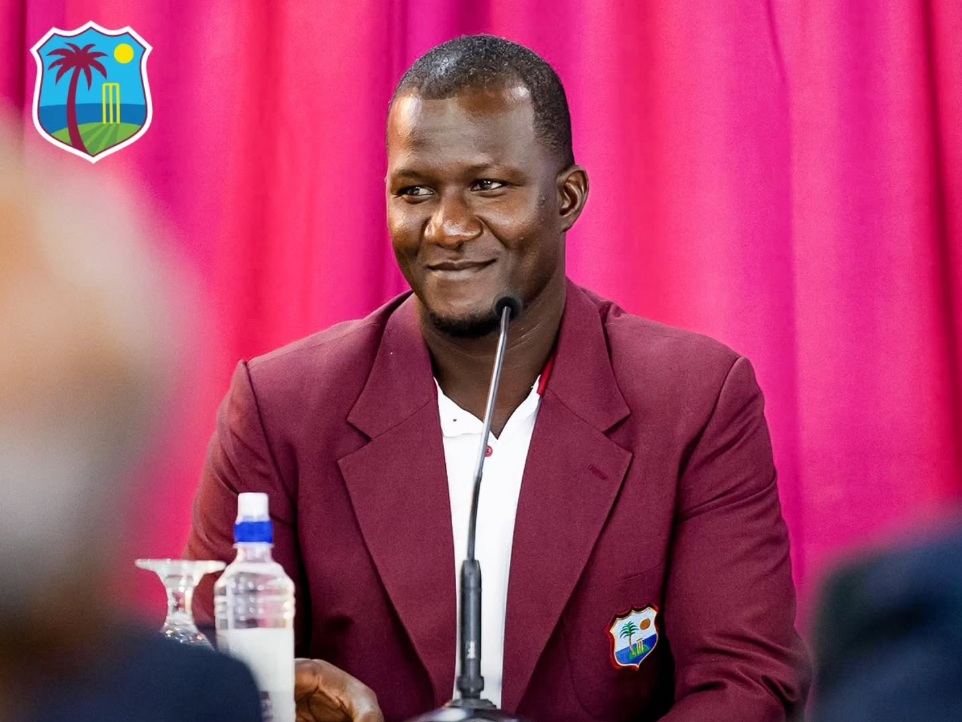
West Indies head coach Daren Sammy has expressed unwavering confidence in his team as they prepare for their upcoming Test series against New Zealand. Despite a challenging history in New Zealand, where the West Indies last won a Test match in 1987 and a Test series in 1995, Sammy remains optimistic about their prospects. The team recently concluded competitive T20I and One Day International (ODI) series against the Kiwis, creating numerous opportunities to win but ultimately falling short. Sammy praised New Zealand’s dominance at home while highlighting the positives from the previous series. The West Indies will begin their campaign with a two-day warmup match against a New Zealand XI before the first Test on December 2. Sammy emphasized the team’s improved mindset and intensity during training, noting their determination to end the year on a high note. He also drew attention to their recent performance against India, where they pushed the hosts into a fifth day of a Test match—a rare feat in India. While acknowledging the historical odds, Sammy believes the team’s execution and competitive spirit could lead to an upset in the three-match series.
标签: Barbados
巴巴多斯
-
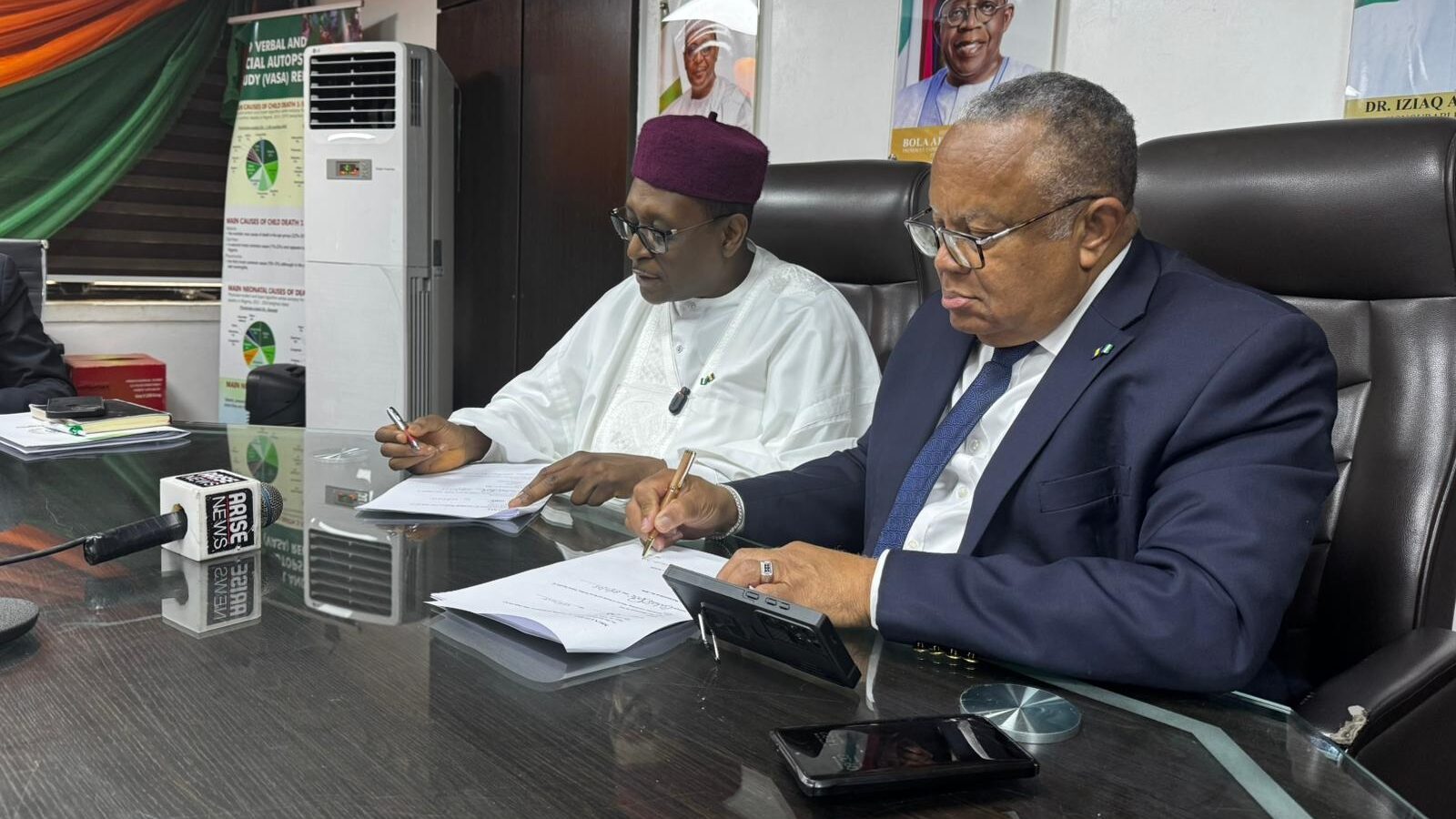
Barbados and Nigeria sign landmark MOU
In a landmark move, the governments of Barbados and Nigeria have formalized a transformative partnership aimed at bolstering local pharmaceutical production, enhancing regulatory collaboration, and expanding market access across the Caribbean, Latin America, ECOWAS, and the African continent. The agreement, encapsulated in a Memorandum of Understanding (MOU), was signed between Barbados Pharmaceuticals Inc. (BPI) and Nigeria’s Presidential Initiative for Unlocking the Healthcare Value Chain (PVAC). This pact establishes a robust framework for cooperation across four critical areas: industrial capacity and human capital development, market access and shaping, clinical trials collaboration, and regulatory, financing, and policy alignment. The MOU follows extensive high-level discussions, including talks between Barbados’ Senior Minister of Health, Dr. Jerome Walcott, and Nigeria’s Coordinating Minister of Health and Social Welfare, Professor Muhammad Ali Pate. It also builds on ongoing efforts with AMA Medical Manufacturing, a leading Nigerian biopharmaceutical company exploring the establishment of a manufacturing facility in Barbados. Minister Walcott hailed the partnership as a significant stride toward health sovereignty, aligning with Prime Minister Mia Amor Mottley’s vision of a transatlantic pharmaceutical bridge connecting Africa, the Caribbean, and Latin America. Professor Pate underscored Nigeria’s commitment to President Bola Ahmed Tinubu’s Executive Order, which aims to achieve 70% domestic production of essential medicines and medical devices by 2030. Key initiatives under the MOU include the development of a Barbados-Nigeria pharmaceutical skills pathway, reciprocal market access, clinical trials integration, regulatory reliance agreements, and a joint financing pipeline with development finance institutions. The partnership also advances discussions with AMA Medical Manufacturing, potentially creating the first Africa-Caribbean pharmaceutical production corridor. A Joint Steering Committee has been established to oversee immediate implementation.
-
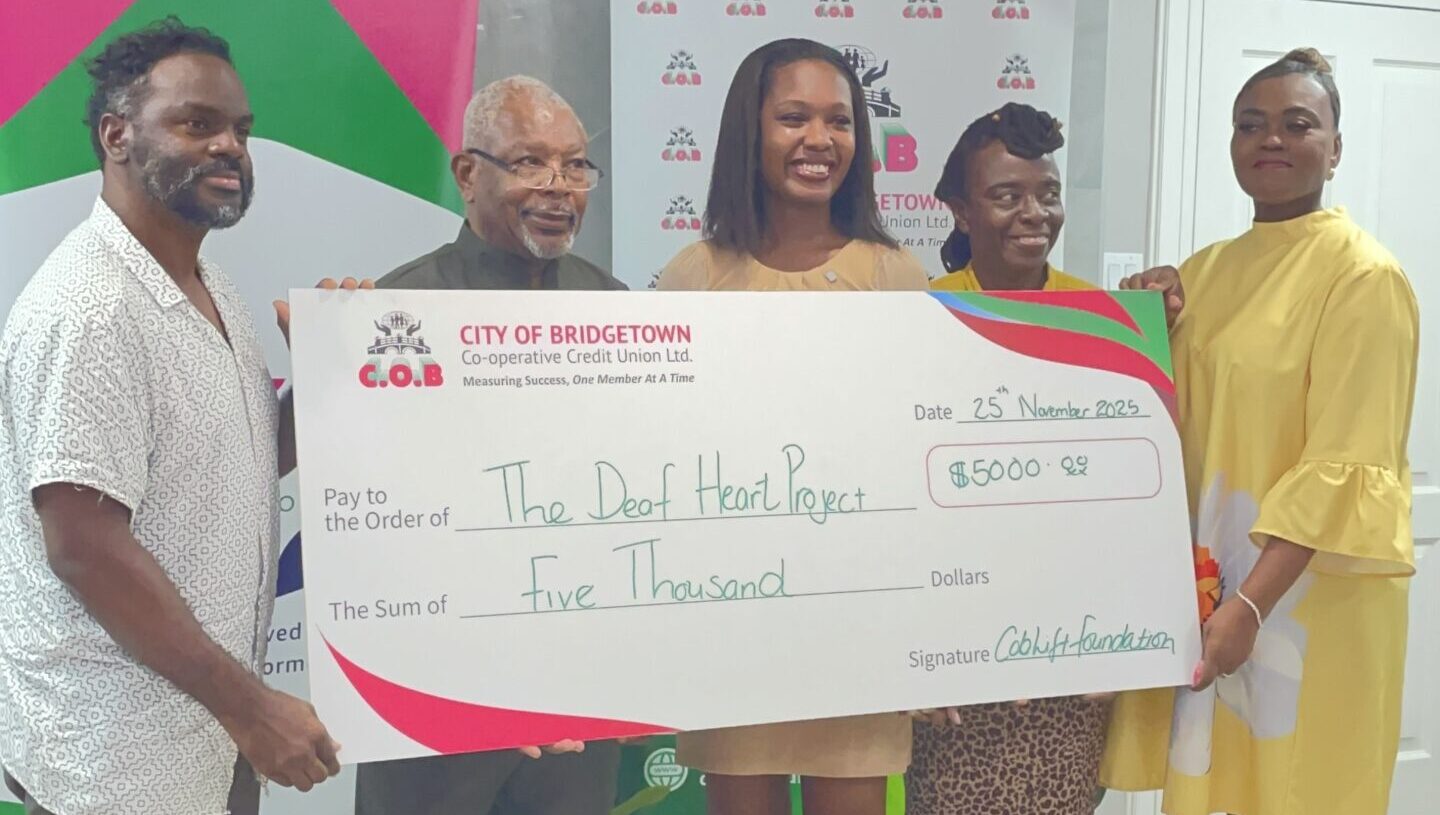
Credit union’s LIFT Foundation makes first payout, signs inaugural MOU
The LIFT Foundation, an initiative of the City of Bridgetown Credit Union, celebrated two significant achievements on Tuesday during a ceremony held at the C.O.B. Credit Union Boardroom on Lower Broad Street. The event featured the foundation’s first formal cheque presentation and the signing of its inaugural Memorandum of Understanding (MOU) with external organizations.
-

Lashley’s party switch keeps pressure on struggling DLP — analysts
The recent defection of Michael Lashley from the Democratic Labour Party (DLP) to the ruling Barbados Labour Party (BLP) has sparked intense political debate, with analysts highlighting the deepening crisis within the DLP. Prime Minister Mia Mottley confirmed Lashley’s move over the weekend, fueling speculation about his potential new role in the BLP. Lashley, a three-time winner of the St Philip North seat under the DLP banner, has long been seen as a significant figure in Barbadian politics. Political analyst Devaron Bruce noted that Lashley’s departure was unsurprising, given the DLP’s struggles over the past two years. ‘The DLP has faced significant challenges, including internal splits, voluntary exits, and forced removals, leading to widespread disinterest and disassociation,’ Bruce explained. He suggested that Lashley’s move was likely driven by the BLP’s efforts to recruit him, viewing him as one of the DLP’s last remaining talents. Bruce also speculated that Lashley’s shift could lead to a significant political elevation, possibly involving a ministerial role or a Senate position. Peter Wickham, Director of Caribbean Development Research Services (CADRES), echoed these sentiments, emphasizing the DLP’s inability to retain talent. ‘This continues a long-standing issue for the DLP, which has struggled to attract and hold onto capable individuals,’ Wickham stated. While both analysts agreed on the broader implications of Lashley’s defection, they differed on his future role. Bruce suggested Lashley might contest his traditional St Philip North seat, potentially displacing the current MP, while Wickham doubted this scenario, citing the incumbent MP’s strong position. The analysts also commented on the recent resignation of Shaquani Hunte, a former DLP candidate and Young Democrats president, viewing it as further evidence of the party’s declining appeal. Wickham concluded that the DLP’s ongoing challenges have made it an unattractive option for aspiring politicians, with the BLP increasingly seen as the party of choice for advancing political careers.
-
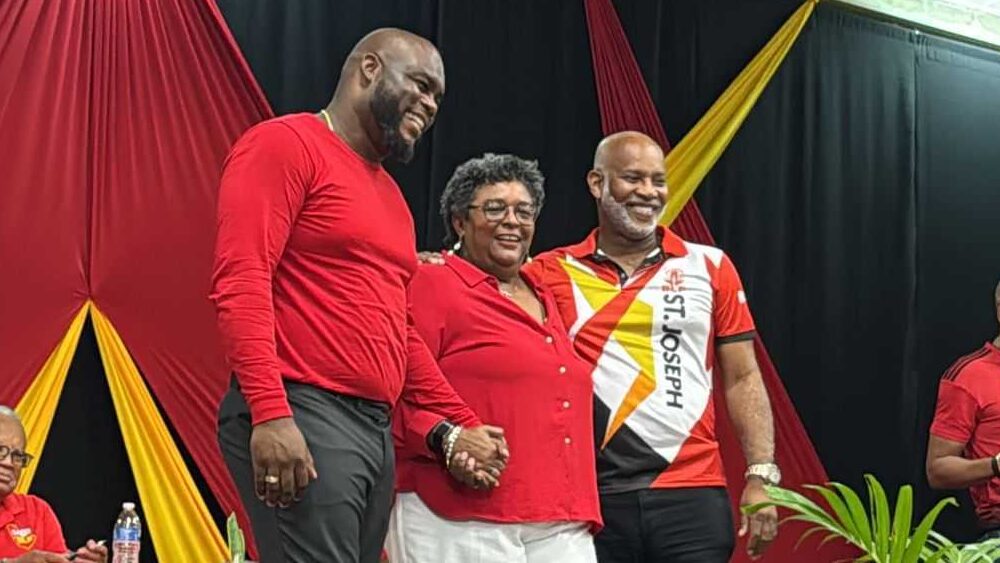
Brathwaite talks up St Joseph chances
Ryan Brathwaite, the newly endorsed Barbados Labour Party (BLP) candidate for St Joseph, has expressed unwavering confidence in retaining the rural constituency for the ruling party. Brathwaite, a prominent businessman, emphasized the significance of ongoing infrastructure projects, including roadworks and bridge repairs, in solidifying the BLP’s stronghold in the area. His nomination, formalized at Grantley Adams Memorial School, followed the announcement that current MP and Attorney General Dale Marshall would not seek re-election. Brathwaite highlighted the overwhelming support from party members and constituents, noting the active participation of over 1,400 branch members during the uncontested nomination process. He described the turnout as a clear message of readiness for the upcoming elections. Brathwaite pointed to recent infrastructural developments, such as the completion of Laynes Bridge and ongoing projects in Airy Hill, as tangible evidence of the government’s commitment to St Joseph. He also addressed broader concerns, including the need for youth development, entrepreneurial opportunities, and the preservation of cultural practices amidst tourism growth. Brathwaite assured constituents that future developments would respect traditional access rights, particularly in light of the recent high court ruling upholding public access at Joe’s River. He remains optimistic about the BLP’s prospects, citing the party’s dedication to the constituency and the active engagement of its residents.
-
Help sought for Brittons Hill resident after heavy rains
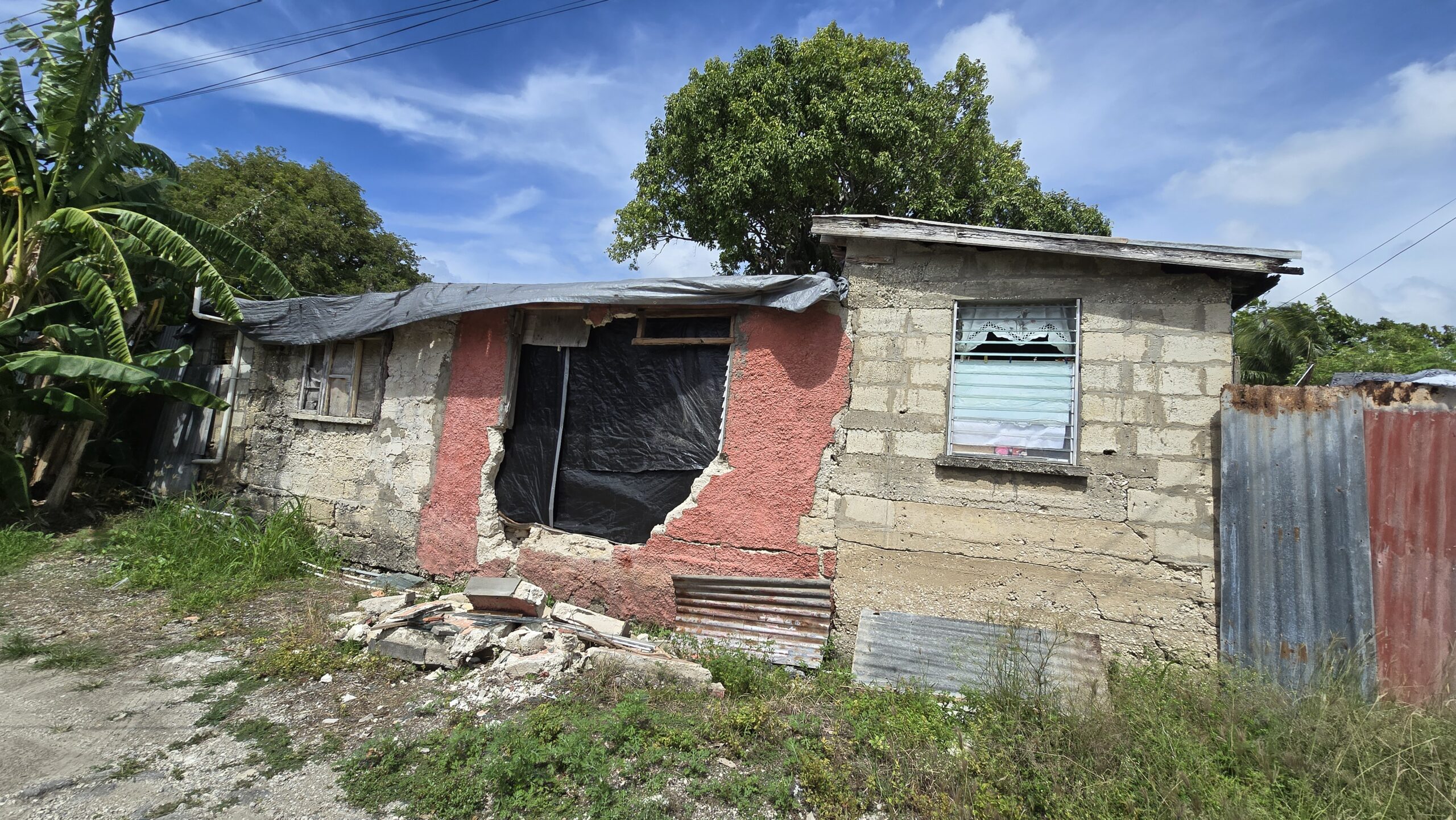
An elderly resident of Mission Gap, Brittons Hill, is urgently seeking assistance after her home suffered severe damage during the heavy rains on November 16. Joyce Forde, who has lived in her home her entire life, first noticed cracks in her back wall earlier this year. Concerned about the potential danger, she reached out to Member of Parliament Kirk Humphrey, who visited her home and promised to help. However, months passed without action, and the situation worsened when the back wall collapsed during the recent downpour, leaving Forde and her family exposed to the elements.
Forde recounted the moment of the collapse, stating, ‘I was in the bedroom sitting down, and I just heard a crumble. I thought it was the buffet keys, but when I looked around, it was the wall that caved in.’ Her children quickly arrived and covered the damaged area with a tarpaulin to protect against further leaks.
The following day, Forde contacted Humphrey’s office again. She was informed that a representative from the Urban Development Commission (UDC) would visit to assess the damage. After the inspection, she was advised to find temporary accommodation, with the office offering to cover up to $1,000 in rent. However, Forde expressed concerns about relocating far from her great-grandson’s school and the limited availability of suitable family housing.
Nathaniel Boyce, a Democratic Labour Party candidate for St Michael South, accompanied Forde during a recent visit and highlighted the broader issue of vulnerable residents in the area. ‘There are many elderly individuals in similar situations who rely on government assistance, but it’s not forthcoming,’ he said. Boyce suggested that the government should provide temporary housing solutions while repairs are carried out.
MP Kirk Humphrey acknowledged Forde’s case and confirmed that the UDC had been in contact with her. He stated that the repairs required are substantial and cannot be done while she remains in the house. Humphrey also noted that his office is willing to cover up to $2,000 in rent for temporary accommodation, exceeding the initial offer. He urged Barbadians to assist family members in need, especially the elderly, while criticizing Boyce for politicizing Forde’s situation.
Forde’s plight underscores the challenges faced by vulnerable residents in the aftermath of natural disasters and the need for timely government intervention.
-
London University honours Professor Sir Hilary Beckles
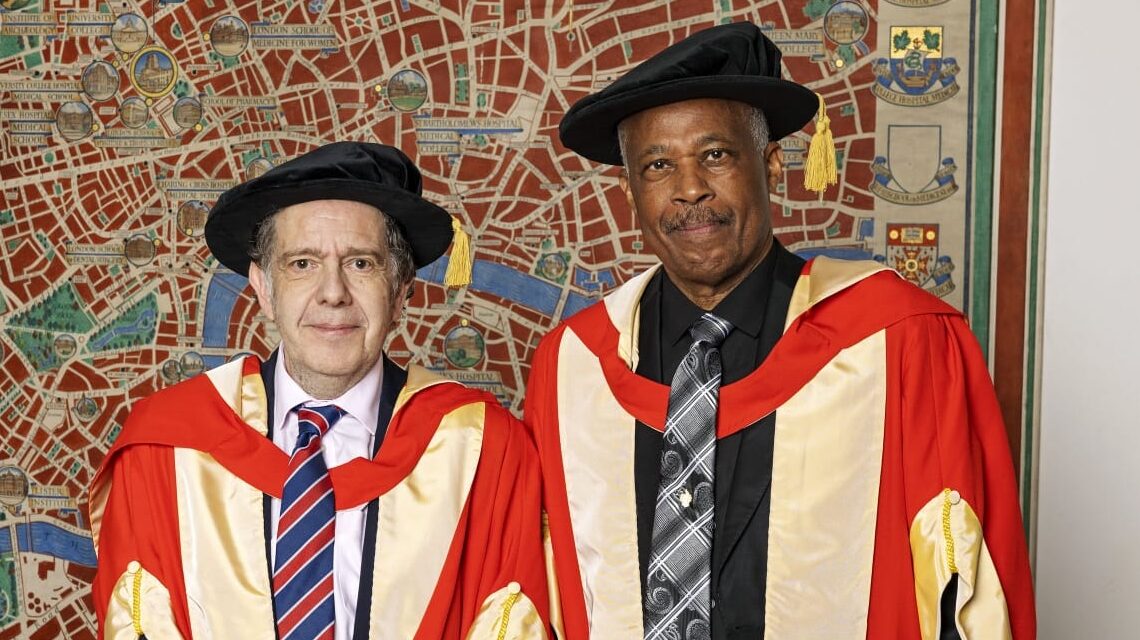
On Wednesday, November 19, the University of London awarded Professor Sir Hilary Beckles the prestigious title of Honorary Doctor of Social Sciences. The conferment ceremony, held on Foundation Day, commemorated the university’s 189th anniversary and took place at Senate House, the institution’s administrative hub, under the auspices of Chancellor Princess Anne.
-
New machine used to install cat eyes on roadways
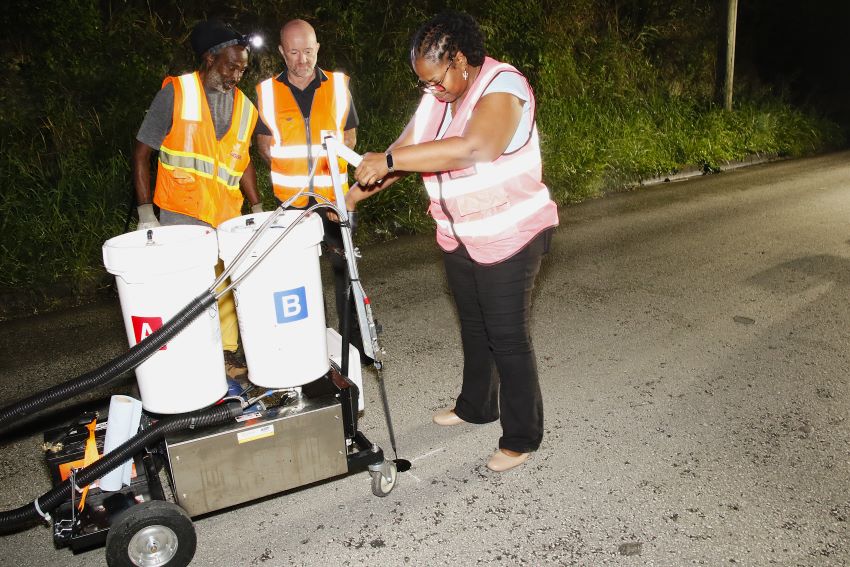
In a significant push to improve road safety, the Ministry of Transport and Works (MTW) has been actively installing reflective studs, commonly known as ‘cat eyes,’ on various roads across the island over the past few weeks. This initiative, while not entirely new, has been elevated by the use of a cutting-edge two-part epoxy and resin applicator, which ensures faster and more efficient installation. The new technology allows the materials to dry within minutes, significantly speeding up the process. Recently, Chief Technical Officer Jenifer King visited one of the worksites to observe the applicator in action. She commended the road marking crew for their pace and efficiency, highlighting the importance of these reflective studs in enhancing visibility, particularly in critical areas. Supervisor Kirk Marshall of MTW’s road marking crew detailed the color-coded system being implemented: white studs for road edges, yellow for the center, blue near fire hydrants, green for lane changes at junctions, and red to mark bridges. The studs are spaced every 50 feet on straight roads and 25 feet apart at corners. Recent installations have been completed in Edgerton, Christ Church; from Sam Lords Castle to the Crane in St Philip; from Hanson Hill to South District to the Boarded Hall roundabout in St George; and along Highway 2A from Bakers, St Peter to Redmans Village, St Thomas. The crew is set to continue their work this week on the Mighty Grynner Highway, further enhancing road safety across the island.
-
Balancing compassion, law at Bellevue Gap
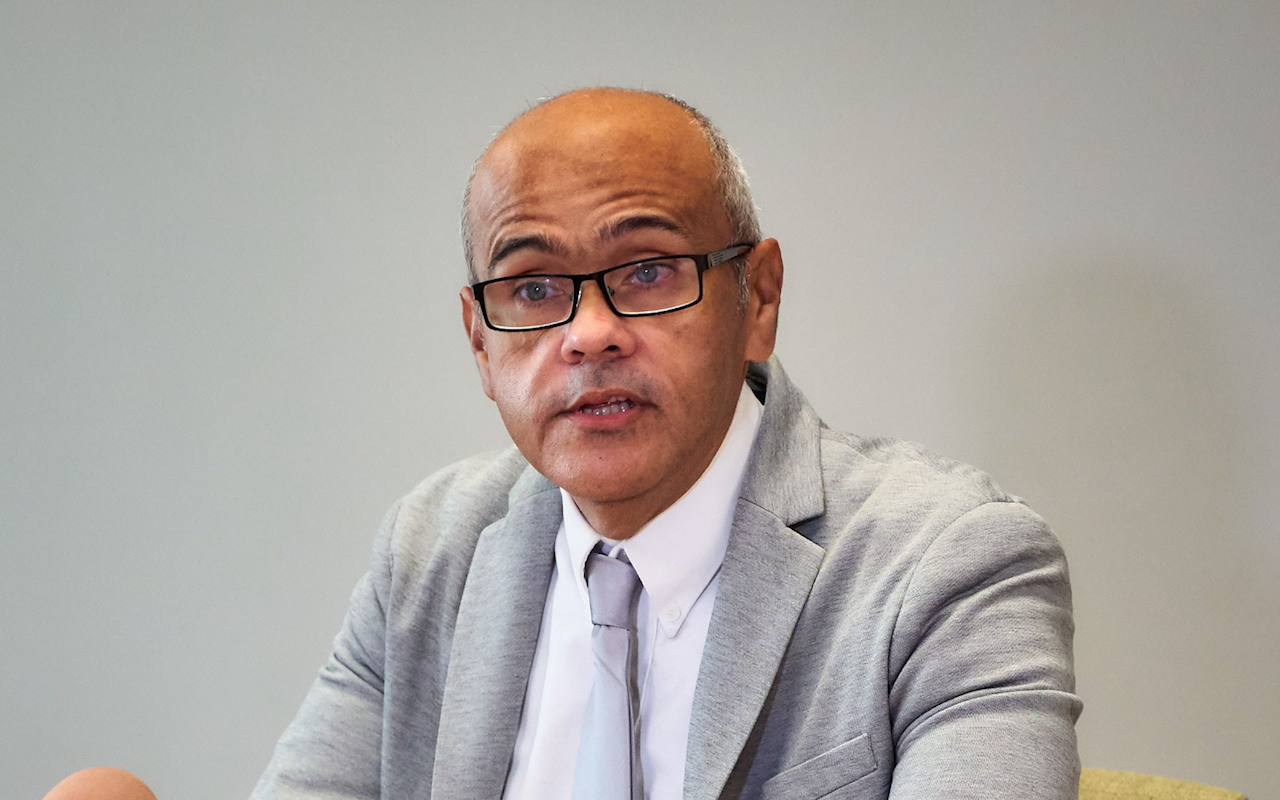
The government’s decision to regulate and upgrade the Bellevue Gap squatter settlement in Station Hill has ignited intense debate. For some, this move is a compassionate act, offering stability to over 200 vulnerable individuals, including many immigrants and low-income earners. For others, it raises concerns about fairness, as it appears to reward illegal occupation and set a troubling precedent for law-abiding landowners and communities. At the heart of this controversy lies a critical question: How can society balance human needs with legal and environmental considerations?
-
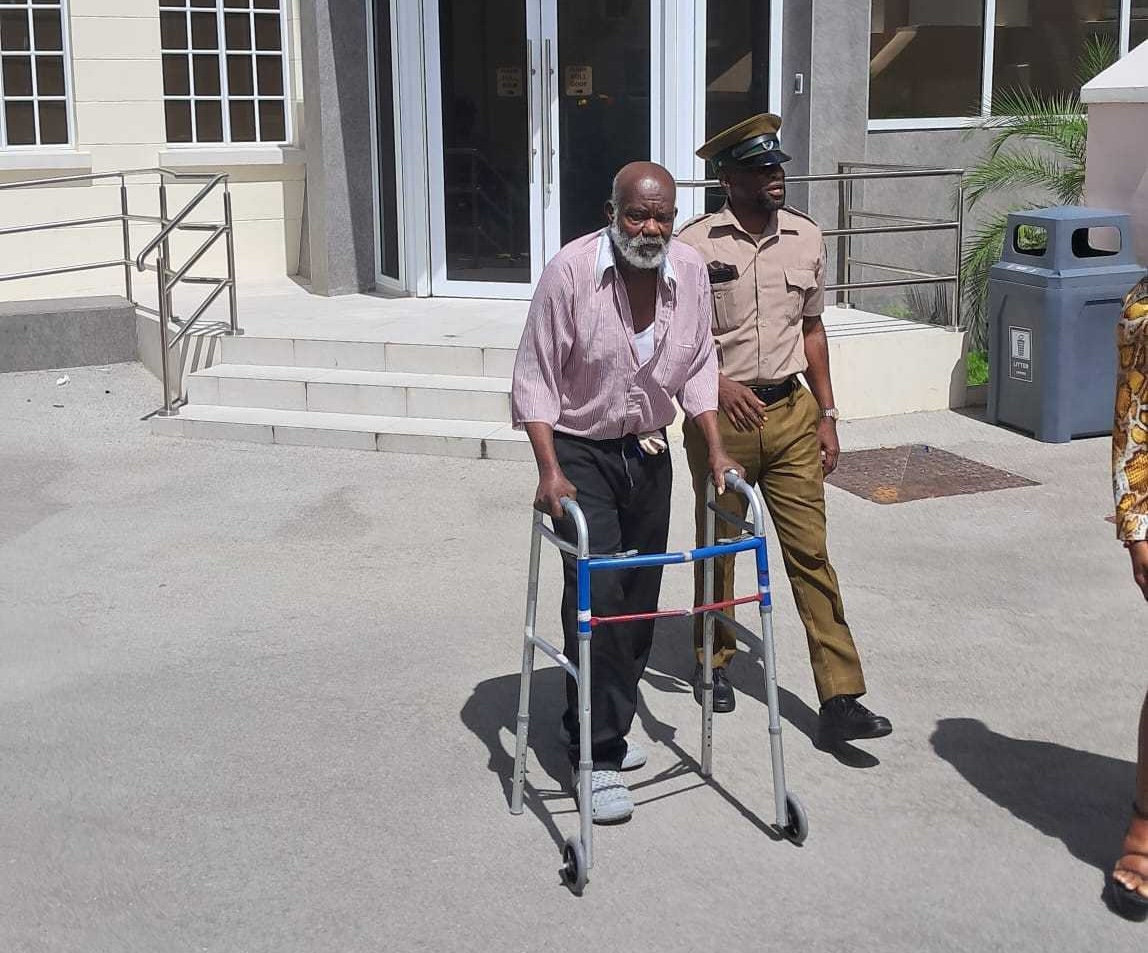
Grandfather guilty of disposing of granddaughter’s body
An 80-year-old man from Bush Hall, Winfield Nurse, has been found guilty of unlawfully disposing of the body of his 12-year-old granddaughter, Rasheeda Bascombe, in a case spanning over a decade. The verdict was delivered unanimously by a nine-member jury at the No. 4A Supreme Court on Tuesday, following a brief deliberation of just over an hour and a half. Nurse’s conviction marks the culmination of a tragic and long-standing mystery that has haunted the family since Bascombe’s disappearance between 2002 and 2013. According to court proceedings, Nurse admitted to police that Bascombe had contacted him three months after she went missing, demanding $1,000. In a written statement, Nurse recounted meeting her in Jackson, where an altercation ensued. He claimed Bascombe pulled out a knife, leading to a scuffle during which both fell to the ground, resulting in her being fatally stabbed. Nurse further stated that he returned two days later and disposed of her body by rolling it over a cliff to avoid detection. Bascombe’s mother, Hermena Straker, who has since passed away, testified in 2013 that Nurse confessed to her at Glebe Police Station, detailing the fatal encounter. Nurse chose not to defend himself during the trial, and no witnesses were called on his behalf. His attorney, Lennox Miller, requested a pre-sentence report, and Justice Donna Babb-Agard adjourned sentencing until January 29, 2026. The case was prosecuted by Principal State Counsel Olivia Davis and State Counsel Tito Holder.