标签: Barbados

巴巴多斯

  • Wales gearing up for CFU Club Shield

    Wales gearing up for CFU Club Shield

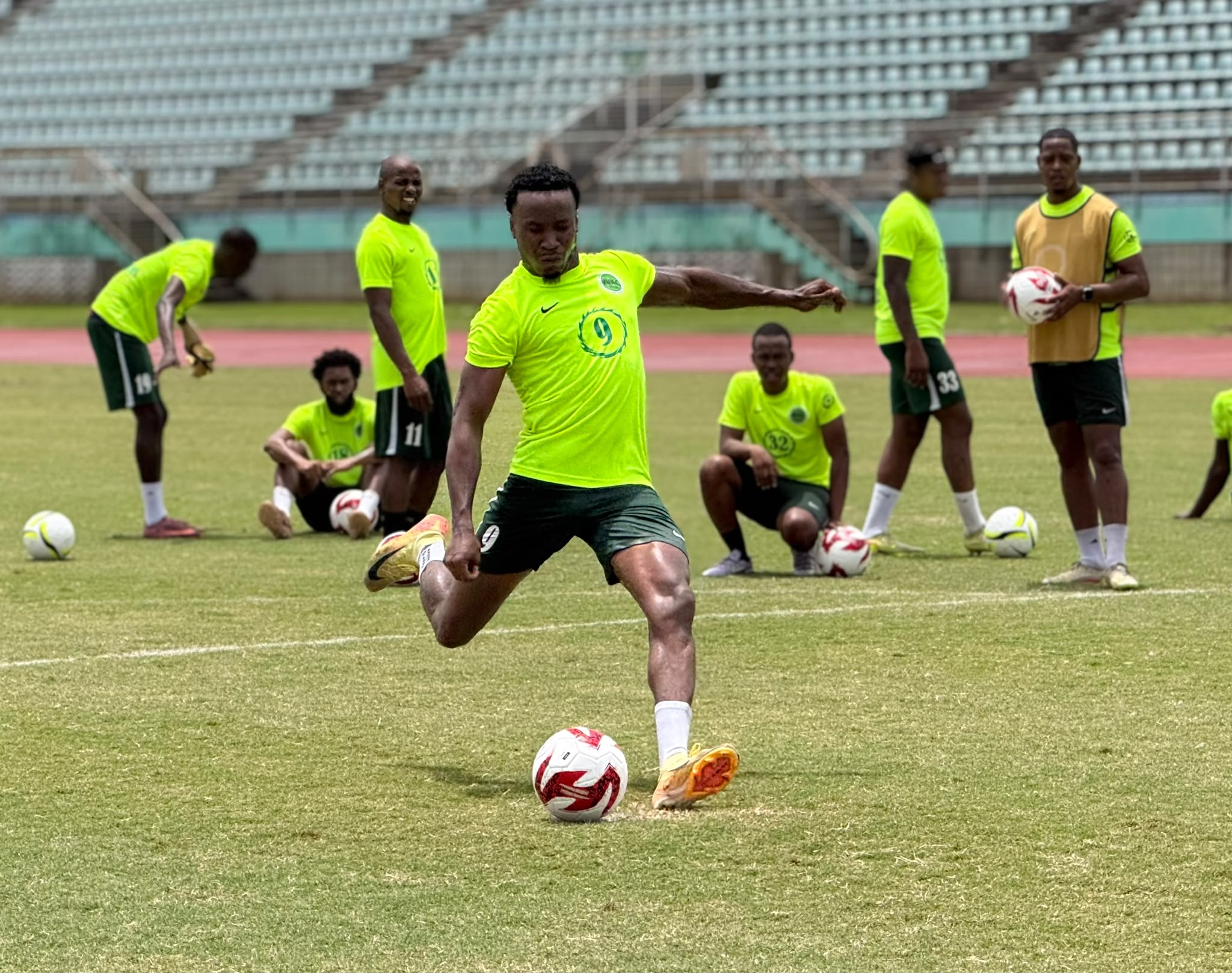
    One of the most decorated clubs in Barbadian football, multiple-time Barbados Football Association Premier League title holders Weymouth Wales, has touched down in Trinidad and kicked off pre-tournament preparations ahead of the upcoming Caribbean Football Union (CFU) Club Shield. The Barbadian side enters this year’s competition hungry to outdo their 2025 run, which ended in a heartbreaking 3-2 final defeat to Dominican Republic side Moca FC at Couva’s Ato Boldon Stadium, leaving them with a second-place trophy.

    That runner-up finish still earned Weymouth Wales a spot in the prestigious CONCACAF Caribbean Cup later in the year, where the club turned in a solid performance: claiming two wins from four group-stage matches to secure third place in Group B. Now, with a new year of competition on the horizon, head coach Asquith Howell says the squad is targeting incremental improvement and bigger achievements in 2026.

    Speaking to reporters following the team’s first on-field training session in Trinidad, Howell outlined his side’s ambitions. “We’re here to go a little step further than what we did last year, so we’re looking to achieve even greater things,” the coach said. “I think most of the guys are healthy, and I think after settling we’ll be a little bit more focused in reference to doing the job that we came here to do.”

    Howell made clear the team’s immediate priority is securing a return trip to the CONCACAF Caribbean Cup, a goal that first requires navigating through the CFU Club Shield group stage. “Our first mission is to go to the next step, which is the Caribbean Cup, so we need to qualify from this phase,” he explained. “We begin against the team from Aruba and from there on we will see how things go.”

  • DLP remembers Sir Garry as wreath laid at statue

    DLP remembers Sir Garry as wreath laid at statue

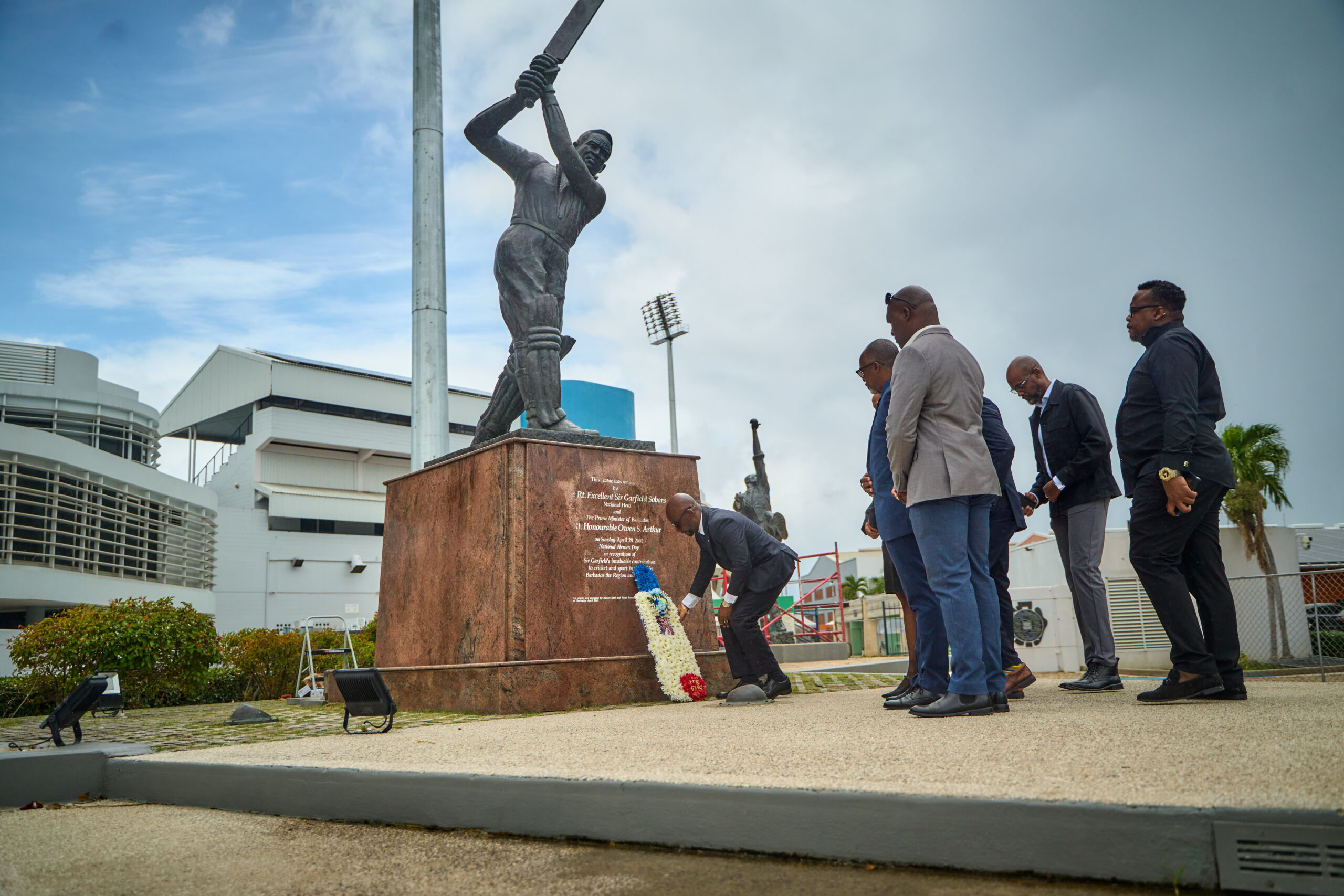
    As the island nation of Barbados prepares for next Wednesday’s State Funeral of the country’s most iconic sports figure, the Democratic Labour Party (DLP) joined the growing wave of national tributes on Friday, gathering to lay a wreath at the statue of National Hero the Right Excellent Sir Garfield Sobers outside Kensington Oval.

    Surrounded by members of the party’s executive committee, DLP Acting President Stephen Lashley addressed reporters after the brief, solemn ceremony, framing the wreath-laying as a meaningful public recognition of a legacy that extends far beyond the boundaries of international cricket.

    Sir Garfield Sobers, the universally acclaimed legendary West Indian cricketer, passed away recently, triggering an outpouring of grief and respect from cricket fans, political leaders and sporting bodies across the globe. His decades-long, record-breaking career redefined the sport of cricket and cemented Barbados’ reputation as a cradle of world-class cricketing talent on the international stage.

    Speaking to media on site, Lashley emphasized that the DLP’s tribute marked the party’s shared grief over a loss that resonates globally. “Sir Garfield Sobers has been an icon in the cricketing world. He has represented Barbados and the West Indies in an outstanding manner,” Lashley told reporters. “This is a tremendous loss, not only for us here in Barbados but across the world. We felt that it was our duty in the Democratic Labour Party to physically come here and demonstrate the fact that we, too, feel a tremendous part of that loss.”

    He also praised the countless individuals and community organizations that have stepped forward to honor the cricketer in the days since his passing, noting that this widespread, cross-sector outpouring of respect reflects the extraordinary regard in which Sobers was held at home and across the world.

    Beyond the period of national mourning, Lashley stressed that Sobers’ impact should serve as a lasting guiding light for young Barbadians. “We believe that Sir Garry’s memory will continue,” he said. “All that he stood for will continue to be a part of not only the folklore of Barbados, but certainly should be celebrated in so many ways.”

    Lashley pointed out that both the legendary athlete’s unprecedented career achievements and his exemplary personal conduct offer a powerful blueprint for young people across the country. “There are so many parts of his career that can be emulated, and we certainly hope that not only in cricket but the outstanding way in which he carried himself can be a model for our schoolchildren in particular and certainly a model for our nation.”

    Concluding his remarks, Lashley called it a profound privilege to lead the DLP’s tribute to one of Barbados’ most beloved and accomplished public figures. “We’re very honoured to be here this morning and certainly it’s been an honour for me, as Acting President of the Democratic Labour Party, to join with my comrades in laying this wreath in honour of the outstanding service of Sir Garfield Sobers.”

  • Blind chess programme aims for world stage

    Blind chess programme aims for world stage

    Barbados is breaking new ground in accessible sports with a landmark national initiative designed to expand recreational opportunities for blind and visually impaired community members, paving the way for competitive participation both locally and on the global stage. The Barbados Chess Federation (BCF), in partnership with the Ministry of People Empowerment and Elder Affairs and the National United Society of the Blind (NUSB), has officially received specialized adaptive chess equipment from the International Chess Federation (FIDE), enabling the island nation to host its first-ever official national championship for visually impaired chess players.

    During a formal handover ceremony held Friday, the BCF presented 10 custom braille chess sets and five adaptive chess clocks to NUSB, gear tailored specifically to meet the unique needs of players with limited or no vision. BCF President Allan Herbert explained that the request for specialized equipment grew out of introductory training sessions launched with visually impaired participants last year. Standard chess gear designed for fully sighted players simply does not work for those with visual disabilities, Herbert noted, prompting the federation to reach out to FIDE for support. The global governing body responded with a grant that covered the cost of the adaptive equipment.

    With the custom gear now in hand, visually impaired players can transition from remote online training to in-person over-the-board competition for the first time in Barbados. “The core goal of this project from the start was to secure the proper tools to make competitive, in-person chess accessible,” Herbert said. “Now that we have that equipment, we can move forward with building structured, traditional competitive play for this community.”

    A new round of community training is scheduled to kick off next month, designed to recruit and train new participants from the visually impaired community. The training period will conclude later this year with the historic first national championship for visually impaired chess players, a milestone for inclusive sports on the island. Looking ahead to the long term, the BCF has set an ambitious target: to develop a competitive national team that can represent Barbados at the FIDE World Team Championship for Persons with Disabilities within the next two to four years, where the tournament is held every two years. “We are starting from an early, developing stage,” Herbert explained. “But we are confident that in the coming years, we will have a team ready to compete at the international level.”

    Minister of People Empowerment and Elder Affairs Adrian Forde praised the initiative, framing it as a reflection of the Barbadian government’s ongoing commitment to advancing equal opportunity for people living with disabilities across all sectors of society. “Our ministry’s work must be balanced to ensure that people with disabilities get the same access to opportunities as every other member of our community,” Forde said. “Inclusivity isn’t just a buzzword — it’s a value we want every Barbadian to live by, and this program embodies that.”

    Forde emphasized that meaningful partnership for disability inclusion requires tangible action, not just empty rhetoric at international forums. “Partnership has to mean real opportunities for people with disabilities here at home,” he said. The minister also announced plans to support the future hosting of an international blind chess tournament in Barbados, expanding the impact of the initiative beyond national borders. “Under my watch, we will fulfill our mandate to guarantee equal opportunity for people living with disabilities,” Forde added. “Before long, we will welcome competitors from across the region and beyond for an international blind chess tournament right here in Barbados, to showcase the incredible talent in our community.”

    NUSB President Ralbert Ashton noted that the programme opens a critical new avenue for visually impaired Barbadians to demonstrate their skills and contribute to national life. “We have a saying: ‘There’s life after blindness,’” Ashton said. “We already saw the incredible talent our community has shown in the national Calypso competition, and our members excel in so many different fields. Our community has so much to give back to Barbados — all we need is the opportunity to showcase that. This collaboration between the BCF, the Social Empowerment Agency and NUSB gives us exactly that chance, and helps us continue advocating for full inclusion for people with disabilities.”

    Kerryann Ifill, immediate past president of NUSB, recalled that the effort began when the organization reached out to the BCF to explore accessible chess programming, and was met with immediate enthusiasm — a welcome change from the pushback disability advocates often encounter. “When you work in this space, you get used to people saying no, saying they don’t know if it will work,” Ifill said. “It was so refreshing to have the BCF say yes immediately, that they were ready to make this happen.”

    Ifill also singled out chess coach Dirk Austin for praise, noting that he volunteered his time to learn how to work with blind players and has been a consistent supporter of the programme. “Dirk had never worked with blind chess players before, but he stepped up without hesitation,” Ifill said. “He’s always available to encourage our players and help the programme grow.”

    Currently, participants train on an accessible online chess platform that offers a dedicated blind mode, which allows visually impaired players to compete against sighted opponents seamlessly, often without their opponents even noticing their disability. “Once you enable blind mode, the platform adapts completely for screen readers, and you can just sit back and enjoy the game of chess,” Ifill explained. Now, with the new braille equipment, players will get the chance to test their skills in person for the first time, building toward the historic national championship later this year.

  • Sandy Lane charity, uniform maker partner to put kids in fresh school garb

    Sandy Lane charity, uniform maker partner to put kids in fresh school garb

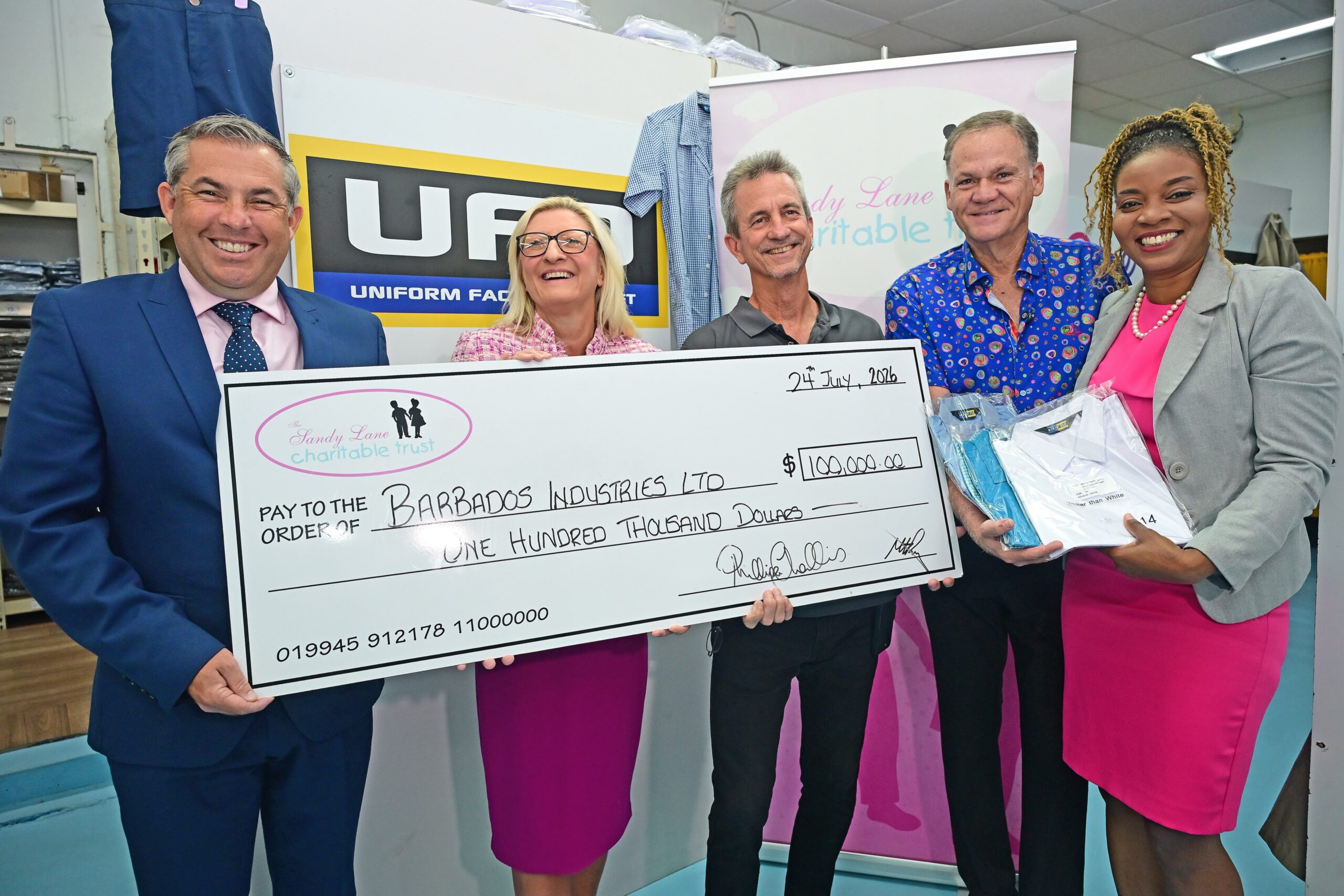
    Against a backdrop of soaring living costs that have stretched household budgets thin, the Sandy Lane Charitable Trust has rolled out an expanded back-to-school support initiative to help low-income families prepare their children for the upcoming academic term, backed by a $100,000 investment in school uniforms and a brand-new program that will deliver 500 pairs of school shoes to children in need. However, retail partner Uniform Factory Outlet has called on the government to step up and amplify the impact of the donation, urging the finance minister to waive value-added tax (VAT) on the contribution that would free up an extra $15,000 to put toward more school supplies for struggling families.

    Pippa Challis, a trustee for the organization, explained that the trust chose to increase its investment in this year’s program after observing growing financial strain on parents across the country. Many households have been left unable to cover the unexpected, substantial cost of outfitting children for the new school year amid stagnant wage growth and skyrocketing inflation. “This year we have decided to continue the support to those organisations I’ve mentioned previously, but also to add a little bit more into the pot,” Challis said during the donation handover ceremony. “I think that’s because it’s needed, greatly needed. The cost of living has gone up, wages haven’t grown significantly, but I think the reality is, and we have to be honest with ourselves, people live hand to mouth.”

    Challis added that while many families are just barely able to cover core monthly expenses like rent and groceries, sudden costs for school supplies push budgets beyond breaking point. Uniform costs alone can run anywhere from $300 to $500 per child, a sum that is out of reach for many low-income households even when they are managing to meet other basic needs. “The big problem comes these days when all of a sudden you have the uniforms. And that uniform bill comes to $300, $400, $500. Regardless of your number of children, you’ve obviously got to find more money,” she noted.

    Unlike open, unregulated distribution, the assistance will be allocated via a pre-vetted list of eligible families compiled in partnership with local community organizations. Beneficiaries will receive store credit to redeem for uniforms through Uniform Factory Outlet, alongside the new school shoes and other targeted support. “They have a list of families. I’m afraid it’s not a free-for-all. There is a pre-agreed list of families and children’s names and they will be working with us hand in hand with that list and within our parameters,” Challis explained.

    At its core, the program is designed to give children the confidence to start the school year on equal footing with their peers, Challis emphasized. When students have properly fitting, new uniforms and supplies, they do not stand out from their classmates and can focus on learning from day one. “For me, it’s about getting the children off to school with a good start. You walk into school with a good uniform on, you look like everybody else, you feel like everybody else, and you have the confidence to start the new term afresh,” she said.

    Beyond uniforms and shoes, the expanded program includes additional support through partnerships with local retailers, which will help families access discounted or free textbooks, stationery, and other essential back-to-school supplies. The 500 pairs of school shoes included in this year’s initiative were sourced directly from the United Kingdom to expand the scope of assistance beyond the trust’s traditional offerings.

    Dean Straker, director of Uniform Factory Outlet, echoed Challis’s comments on the mission of the program, noting that a proper uniform does far more than meet school dress code requirements – it builds students’ self-esteem from their first day back. He praised the Sandy Lane Charitable Trust for its substantial $100,000 contribution, which represents a major investment in local children’s education, but stressed that a VAT exemption would unlock far more impact. Without the exemption, $15,000 of the donation will go toward paying tax to the government rather than buying more supplies for children in need.

    “One hundred thousand dollars is no little contribution and it’s a great example of what people can do,” Straker said. “What I would like to beg the Minister of Finance for is that he will make that cheque VAT exempt so that we do not pay $15 000 out in VAT to government. I really hope that we will get a break with that so that we can give more uniforms to more children, and that’s what it’s all about.”

    Straker closed by thanking the trust for its partnership, reaffirming the shared goal of helping every child start the school year with confidence and the tools they need to succeed.

  • Chambers advances at CAC Games

    Chambers advances at CAC Games

    The Central American and Caribbean (CAC) Games, hosted in the Dominican Republic, delivered a day of mixed results for Team Barbados on Friday, with standout young tennis player Hannah Chambers stepping into the spotlight as the island nation’s only multiple winner across all contested events.

    Chambers delivered two gritty performances to claim two victories over the day, first advancing through the women’s singles draw with a hard-fought three-set win over El Salvador’s Gabriella Tevez. After claiming the opening set 6-3, the Barbadian dropped the second frame 3-6 as Tevez found her rhythm on the hard court. But Chambers dug deep in the decisive third set, adjusting her serve placement and closing out key points to secure a 6-4 win and a spot in the tournament’s second round.

    Her compatriot Gabrielle Leslie suffered an early exit in women’s singles, falling 6-3 6-1 to Dominican home crowd favorite Ana Zamburek in the round of 32. But Leslie bounced back quickly to join Chambers in the women’s doubles draw, where the pair dominated their Venezuelan opponents to take a straight-sets 6-4, 6-1 win and advance to the next round of competition.

    Other Barbadian tennis competitors were not as fortunate on the day. Kaipo Marshall was eliminated in the first round of men’s singles after a tightly contested three-set battle against Jamaica’s Nicholas Gore, with the final scoreline reading 6-4, 2-6, 5-7. El Salvador’s Caesar Cruz also claimed a straight-sets win over Barbados’ Stephen Slocombe, knocking Slocombe out of the singles draw with a 6-4, 6-2 victory.

    Away from the tennis courts, Barbados’ other competitors faced their own early-round challenges. Archer Javier Jordan, the first Barbadian athlete to compete on Friday, finished 20th out of 29 entrants in the opening round of the men’s individual compound event.

    In team badminton action on day two of group play, El Salvador claimed a 4-1 win over the Barbadian side. The only bright spot for the Caribbean nation came from the doubles pairing of Kennie King and Shai Martin, who pulled out a three-set win over their opponents 21-17, 18-21, 21-17. All other singles and doubles matchups on the day fell to El Salvador. The result follows a rocky start to group play for Barbados: after opening the tournament with a 4-1 loss to Venezuela on Thursday, the Barbadian quartet suffered a 5-0 blanking at the hands of Guatemala in their second group match.

  • RBC contributes $44K to Crop Over as festival fever hits City branch

    RBC contributes $44K to Crop Over as festival fever hits City branch

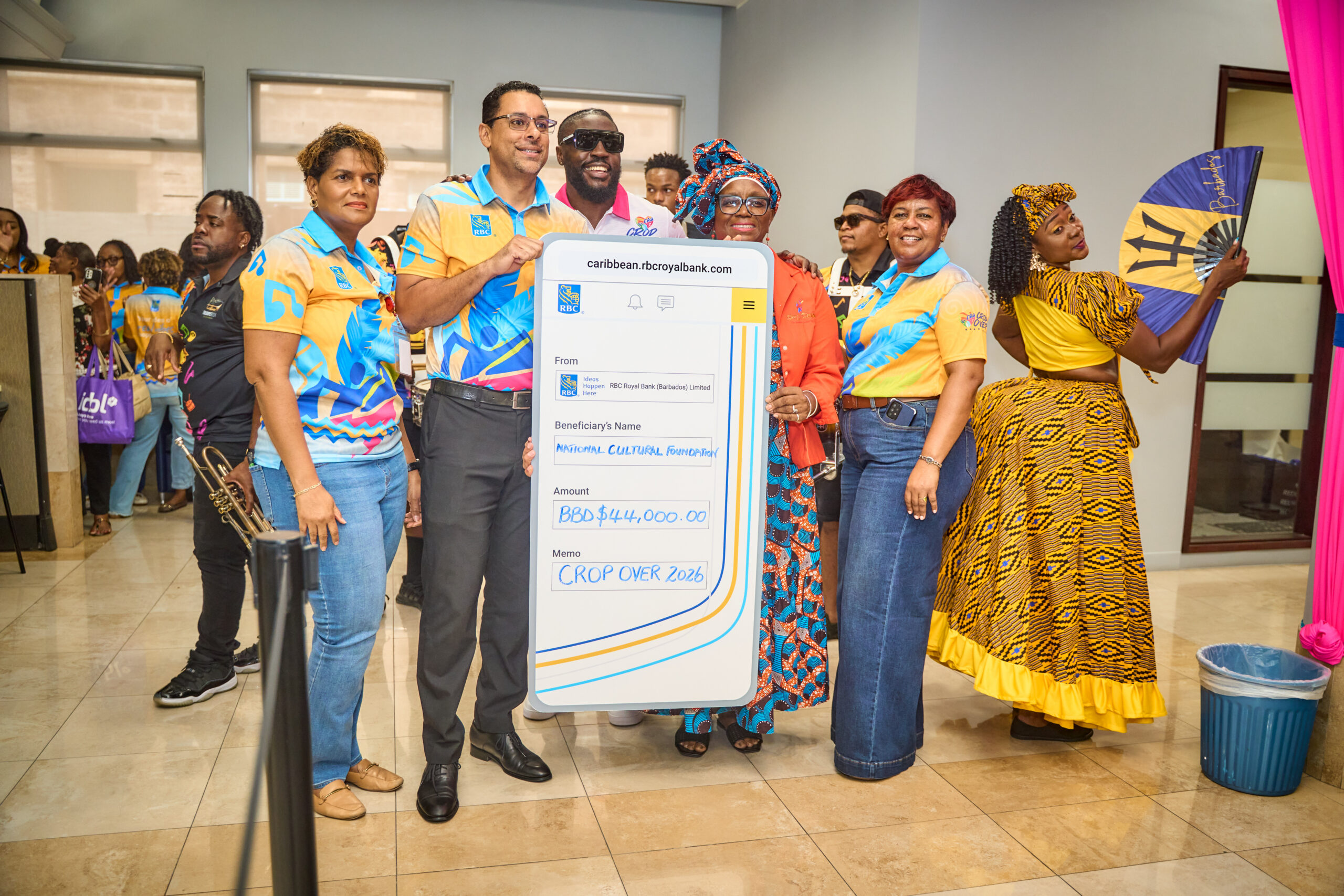
    One of Barbados’ leading financial institutions, RBC Royal Bank (Barbados), has announced a $44,000 donation to support the upcoming 2026 Crop Over Festival, marking an expansion of the bank’s long-running investment in the island nation’s cultural heritage. The funding commitment was officially unveiled Friday during a high-energy public activation held at the bank’s flagship Broad Street branch in downtown Bridgetown, where attendees including bank customers and employees got an early taste of the festival’s iconic lively atmosphere. The event featured live musical performances, traditional cultural displays, and the vibrant, infectious energy that has become synonymous with Crop Over, Barbados’ biggest and most beloved annual cultural celebration.

    Speaking on the sidelines of the activation, Shimon McIntosh, Managing Director of RBC Barbados, explained that the financial contribution comes as part of the bank’s role as an associate sponsor for the 2026 festival. McIntosh noted that the on-site event was designed to bring the excitement of Crop Over directly to the bank’s team and the public it serves, collaborating with the National Cultural Foundation (NCF) – the organization that stewards the festival – to host the immersive experience. “We have always prioritized supporting grassroots community initiatives across Barbados, but we made a deliberate choice to deepen our investment in local culture this year,” McIntosh shared during the event. “When you talk about leading cultural events in Barbados, Crop Over is instantly the first that comes to mind. Our own team has been eager to re-engage with major cultural happenings, specifically this iconic festival, so this partnership aligned perfectly with our goals.”

    The 2026 sponsorship marks the second year of the ongoing partnership between RBC Barbados and the NCF, after the two organizations first joined forces for the 2025 festival. For the 2026 season, RBC’s sponsorship will cover five core festival events: Party Monarch, Grand Kadooment, Bridgetown Market, Fusions, and Pic-O-De-Crop, integrating the bank into the fabric of the festival’s most popular activities.

    Andrea Wells, Chief Cultural Officer at the National Cultural Foundation, praised RBC’s continued backing of the festival, emphasizing that corporate collaborations like this one are foundational to Crop Over’s ongoing success. Wells pointed out that beyond being a premier entertainment event for locals and visitors alike, Crop Over plays an outsized role in driving Barbados’ national economy and creating critical opportunities for the island’s fast-growing creative workforce. “This partnership brings not just financial support, but meaningful endorsement of our largest national cultural celebration,” Wells said. “Crop Over does incredible work to boost our national economy, and it channels the creative energy of hundreds of local artists, craftspeople, and cultural workers across the island. When RBC invests in Crop Over, they are investing directly in Barbadian culture and the livelihoods of the people who keep our cultural traditions alive.”

  • BHTA targets $50K Adopt-A-School Futsal tournament expands to 24 teams

    BHTA targets $50K Adopt-A-School Futsal tournament expands to 24 teams

    A popular charity sporting initiative in Barbados is set to tip off in August with unprecedented participation and an ambitious fundraising goal, as the tourism and education sectors join forces to turn corporate passion for futsal into tangible support for the island nation’s schools.

    The Adopt-A-School Futsal Tournament, organized in a joint partnership between the Barbados Hotel and Tourism Association (BHTA) and the Ministry of Education Transformation, has grown significantly since its debut last year. Organizers announced during a recent tournament update and team draw event held at Hotel Indigo in Christ Church that a record 24 corporate teams will compete this summer, up from the inaugural 16 teams in 2025. The event has set a new fundraising target of $50,000, more than doubling the $32,000 raised in the tournament’s first year.

    Tessalee Moore, BHTA’s Special Projects Manager, framed the expansion as clear proof that the private sector is increasingly eager to back educational development through sports-based initiatives. “This year, our aim is to raise $50 000,” Moore shared during the announcement. “The funds raised would allow the program to continue responding to the needs identified through our work with the Ministry of Education Transformation and expand the support we’re able to provide to our schools.”

    The initiative is rooted in the core belief that sport’s widespread popularity and unifying power can be leveraged to address critical gaps in local education and strengthen community bonds. From its launch, the tournament was built around the idea of aligning corporate engagement with meaningful public good: “The tournament was created around the simple idea that the power and popularity of sport could be used to support something equally important: the development of our schools and our young people. Through the Adopt-a-School programme, the BHTA works alongside the Ministry of Education Transformation to better understand the needs within our schools and to identify areas where support can make a meaningful difference,” Moore explained. The program’s overarching theme – “Supporting education, building community, promoting wellness” – continues to guide all of its operations and expansion.

    Looking back at the 2025 inaugural tournament, Moore highlighted that the event already delivered measurable, long-lasting benefits to Barbadian schools. The first iteration of the tournament raised $32,000, which funded critical infrastructure and resources across multiple institutions: $5,000 for classroom projectors, $3,000 for cooling fans, $16,000 for water tanks, and $6,000 for football nets. The football nets were later donated to the National Sports Council to support national primary school football tournaments.

    Moore noted that the jump from 16 to 24 participating teams checked a key personal and organizational goal set after the first tournament. “I’m happy to say challenge accepted and challenge conquered. We’re here today with 24 teams. That growth is something we’re incredibly proud of. It shows that the tournament is gaining momentum and that more companies are choosing to be a part of an initiative that brings together sport, corporate engagement and educational development.” Of the 24 competing teams this year, 20 are members of the BHTA, a showing Moore described as a clear demonstration of widespread member commitment to the initiative’s mission.

    The tournament will run across six match weekends at the Oasis, starting August 8 and concluding August 30. Defending 2025 champions Lloyd Erskine Sandiford Centre (LESC), represented by Barbados Conference Services Limited, will return to defend their title.

    BHTA Chief Executive Officer Senator Ryan Forde emphasized that the tournament was never designed to be just another recreational corporate sporting event. Beyond fundraising, the initiative is aligned with the BHTA’s core work supporting education and training for tourism sector workers, and is intended to deliver dual benefits for the industry and the broader community. “We wanted that we’re not just getting people to come and play a sport, but to educate them a little bit more on what the BHTA does,” Forde explained. “We deal with team members. We also deal with education and training, and because of that, we now are raising funds through the football initiative in order for us to give back to schools.” He added that the BHTA’s long-term goal is to establish the tournament as an annual, sustainable fundraising tradition that supports Barbadian schools year after year, while also boosting connection among tourism industry employees.

    Reverend Stephen Scott, Deputy Chief Education Officer, welcomed the ongoing cross-sector partnership, noting that public education efforts cannot reach their full potential without support from private industry and community groups. Scott shared that the proceeds from last year’s tournament already enabled meaningful upgrades across primary and secondary schools, touching everything from information technology infrastructure and recreational facilities to environmental projects, nutrition programs and athletic opportunities. “We are cognisant that we cannot accomplish it all on our own and thus we are very happy to partner with others like the Barbados Hotel and Tourism Association to work together towards these goals as we strive to be the number one education system in the world,” Scott said. “Your provision of items… has certainly assisted us in achieving the two aforementioned goals of our education transformation.” He also reminded participants that the students benefiting from the program could one day become the next generation of Barbados tourism workforce.

    The Barbados Football Association has also thrown its support behind the initiative, with General Secretary Nicholas Branker reaffirming the organization’s commitment to using football as a tool for lasting social good. “The significance of this tournament extends well beyond the football court. Every team that participates, every sponsor that lends its support, every individual who contributes to this initiative is helping to create better learning environments and greater opportunities for the young people of Barbados,” Branker said. He added that football’s unique ability to break down sectoral barriers, build cross-community connections, encourage healthy lifestyles, and instill core values like teamwork, discipline, respect and resilience makes it the perfect vehicle for this kind of community initiative.

    For the defending champions from LESC, the opportunity to compete for a good cause has made the entire experience even more rewarding than the 2025 title win. Tahir Batson, representing LESC/Barbados Conference Services Limited, called last year’s inaugural tournament an unforgettable experience. “It was very exciting knowing that it’s the first. It was very competitive… but we made it through. We made it to the end… becoming the champions,” Batson recalled. With the field expanding to 24 teams this year, Batson acknowledged the team will need to step up their performance to retain the title: “so we have to play definitely harder than what we did last year in order to get the title again as champions.”

    Batson added that the team jumped at the chance to join the initiative from its launch, drawn by its mission to support local schools. “We were very excited when we first heard of it. We wanted desperately to be a part of it knowing what it would do in the end.” Lifting the inaugural trophy also provided a lasting boost to company morale, Batson said: “We were very happy, especially going back to work, wearing the medals around our necks… It was a good experience also, and it really boosts the company as a whole.”

  • Symmonds defends price cap strategy amid global volatility

    Symmonds defends price cap strategy amid global volatility

    Escalating geopolitical unrest across the Middle East has sent global oil prices surging past the $100 per barrel threshold this week, putting Barbados’ pre-emptive energy protection policies to the test and pushing government officials to issue urgent public calls for widespread energy conservation. Though strategic hedging programs have so far created a critical temporary buffer for domestic consumers, long-term uncertainty over supply chain disruptions hangs over the small island developing nation.

    The latest price spike stems from overlapping threats to two of the world’s most vital maritime chokepoints for global oil trade. Already strained by intensifying U.S.-Iran tensions along the Strait of Hormuz, through which roughly 20% of the world’s oil supplies pass, global markets were further rattled when Iran-aligned Houthi rebels in Yemen launched drone and missile attacks on two Saudi oil tankers traversing the Bab el-Mandeb Strait, the key shipping gateway connecting the Red Sea and the Indian Ocean. The rebels have openly threatened to block the route, stoking fears of prolonged supply bottlenecks that could upend months of relative global oil market stability.

    In response to the market upheaval, both Brent Crude and West Texas Intermediate benchmarks have climbed rapidly, reversing months of gradual price declines and reigniting widespread fears that global inflation – which had started to cool in many regions – could spike once more. For small net oil importing nations like Barbados, which relies entirely on imported crude to meet domestic energy needs, the price surge poses an immediate threat to household and commercial budgets.

    Speaking to local outlet Barbados TODAY, Barbados’ Minister of Energy and Business Development Kerrie Symmonds confirmed that government officials are monitoring the unfolding crisis in the Gulf on a daily basis, and are moving to uphold existing price protection measures put in place earlier this year. “The Ministry of Energy has been carefully monitoring daily developments in the Gulf crisis between Iran and the United States, and I am especially concerned about the persistent impact this volatility is having on global fuel prices,” Symmonds said.

    To shield domestic consumers and transport operators from extreme global price swings, the Mia Mottley administration introduced a suite of fiscal and market-based measures in its March 2024 national budget. The centerpiece of these protections is a legally mandated retail price ceiling for gasoline and diesel, which prevents domestic pump prices from rising in lockstep with volatile global markets. Backing that price cap is a national strategic oil hedging program, designed to lock in bulk fuel purchase prices at fixed rates before market spikes hit, creating a financial buffer that absorbs sudden international price increases.

    When the first hedging round was launched in March, global benchmark prices were sitting at $106 per barrel. The government successfully locked in a fixed rate of $92 per barrel for 80,000 barrels of crude – enough to cover Barbados’ total domestic demand for a three-month period. As that first agreement neared expiration and market tensions remained elevated, energy officials executed a second hedging contract on July 8, locking in a new fixed rate of $78 per barrel even as global prices began climbing toward the $100 mark. As of this week, that agreement continues to insulate Barbadian consumers from the full impact of the global price surge, Symmonds confirmed.

    Despite this short-term success, energy analysts and government officials alike warn that small island developing states face unique structural vulnerabilities to prolonged global energy crises. Barbados’ heavy reliance on imported fuel for electricity generation, freight transport and everyday consumer travel means that sustained high crude prices inevitably spill over into other sectors – pushing up food distribution costs, increasing utility tariffs, and driving broad-based increases in the national consumer price index.

    Officials stress that while current hedging agreements deliver near-term price stability, market interventions cannot fully protect the Barbadian economy indefinitely if the Gulf military standoff and threats to global shipping lanes continue into the fall and winter. With global oil supplies already tightly constrained and insurance premiums for oil tankers sailing through Middle Eastern waters rising sharply, the cost of maintaining price caps and hedging programs will continue to mount for the government.

    Against this backdrop, Symmonds issued an urgent call for all Barbadians to adjust their energy consumption habits, calling for intentional energy conservation and cuts to unnecessary fuel use until the international crisis eases. “There is no end in sight to the instability that has taken hold in the Gulf, and it is therefore necessary for this country to seriously think about energy conservation because the financial pressures continue to mount,” the minister said.

  • Biz community seeks bigger cushion from oil price shocks, inflation ease

    Biz community seeks bigger cushion from oil price shocks, inflation ease

    As global crude oil prices continue to swing wildly and send shockwaves through small import-dependent economies, two of Barbados’ most influential business and industry groups are sounding the alarm: without coordinated, immediate government intervention and long-term structural reform, the island nation will face intensifying inflation that erodes household purchasing power and cripples key economic sectors.

    Leaders from the Alliance Owners of Public Transport (AOPT) and the Barbados Private Sector Association (BPSA) have outlined layered threats stemming from the global oil crisis, and are pushing for a combination of short-term financial support and long-term strategic shifts to insulate Barbados from volatile global energy markets.

    For Barbados’ public transport sector, which relies entirely on imported diesel and gasoline to keep services running, the spike in global fuel prices has created an unsustainable financial bind. Roy Raphael, chairman of the AOPT, explained that operators are currently absorbing hundreds of dollars in daily losses from skyrocketing fuel costs, and are blocked from adjusting fares to offset these expenses by government price regulations.

    “Our sector is one of the largest consumers of liquid fuel in the country, so every uptick in global oil prices hits us immediately and hits us hard,” Raphael said. “When fuel costs rise, we need additional revenue just to cover our basic operating expenses – but raising fares right now is not just unfeasible, it’s unfair to the traveling public, who are already grappling with their own rising cost of living.”

    Compounding the pressure of higher fuel costs is a steady, years-long decline in public transit ridership that has already squeezed profit margins to breaking point. Adding to that, chronic congestion on Barbados’ major roads forces buses to idle for extended periods, burning expensive fuel without generating any additional revenue from trips.

    “With fewer passengers paying fares and fuel costs climbing every month due to global market shifts, we have nowhere to turn but to the government for support,” Raphael added. The AOPT is calling for targeted government subsidies to help the sector offset rising fuel costs, paired with structural traffic reforms to cut unnecessary fuel consumption. The group has proposed introducing dedicated transit lanes for public transport and emergency vehicles on all major highways, a change that would cut journey times, reduce idle time, and improve overall operational efficiency.

    “Adopting dedicated lanes aligns with international best practices for public transit,” Raphael noted. “Giving public service vehicles clear, unobstructed lanes will cut down on congestion-related fuel waste, which directly offsets a portion of these rising operational costs we’re facing.”

    While the public transport sector faces immediate, acute pressure from rising pump prices, the broader Barbados private sector is bracing for far-reaching ripple effects that will touch every corner of the island’s economy, BPSA chairman James Clarke warned. Clarke emphasized that today’s oil market volatility is a global phenomenon, and Barbados’ heavy reliance on imported goods and raw materials means the island cannot escape its impact.

    Clarke laid out the scale of the global shift: oil benchmarks have swung dramatically since the start of the year, rising from roughly $65 per barrel to peaks above $120, and have now settled at a far higher trading range than Barbados businesses planned for. Compounding this volatility is ongoing maritime insecurity along critical global shipping chokepoints, including the Strait of Hormuz, the Red Sea and the Suez Canal. These security risks have forced major shipping lines to divert from the shorter traditional routes to longer, more circuitous paths around the Cape of Good Hope in South Africa, which adds days to voyage times and dramatically increases fuel and labor costs for carriers. These added costs are ultimately passed down to importers and consumers in Barbados.

    “When shipping lines have to take a longer route, that means more fuel burned, more crew time, higher overall operating costs,” Clarke explained. “Those costs trickle down to every product that comes into this country, from food to consumer goods to raw materials for local manufacturing.”

    The knock-on effects extend far beyond retail consumer goods, hitting two of Barbados’ most critical economic pillars: agriculture and tourism. For agriculture, higher oil prices drive up the cost of fertilizer production, pushing up input costs for local farmers and increasing the island’s food import bill. For tourism, which is the backbone of the Barbados economy, sharp spikes in jet fuel prices are forcing airlines to raise ticket prices, which could deter international travelers from booking trips to the island. Clarke noted that jet fuel prices have more than doubled since the start of the year, jumping from around $100 per barrel to a peak of $220 in April, and remain far above pre-crisis levels.

    “All of these factors add up to one outcome: higher prices across the board for every Barbadian,” Clarke said.

    In response to these systemic threats, both industry groups are calling for a dual-track policy approach from the Barbados government: immediate measures to contain short-term cost pressures, paired with urgent action to accelerate the country’s transition to energy independence. The BPSA is pushing for faster deployment of renewable energy projects, widespread adoption of energy efficiency measures for both households and businesses, and a re-evaluation of global supply chain sourcing strategies to reduce exposure to volatile international energy and shipping markets.

    “This crisis is a wake-up call for us to double down on the things we can control to insulate our economy from global shocks,” Clarke said. “We need to get renewable energy projects online as quickly as possible, prioritize energy conservation across all sectors, and work with our regional neighbors to build a more resilient, less oil-dependent local economy.”
  • Barbados, Cuba discuss areas of collaboration on crime prevention

    Barbados, Cuba discuss areas of collaboration on crime prevention

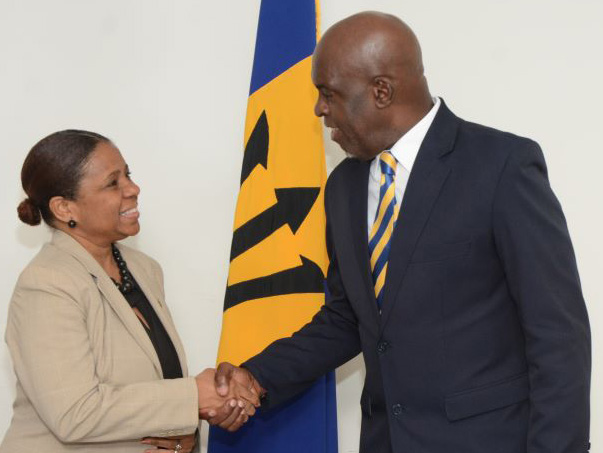
    Diplomatic engagement between Barbados and Cuba has taken a focused turn toward public safety and justice system collaboration, as Cuba’s ambassador to Barbados, Yanet Stable Cárdenas, held a formal courtesy meeting with Barbados’ Minister of Legal Affairs and Criminal Justice, Michael Lashley, to advance shared priorities in crime reduction and offender rehabilitation. The discussions centered heavily on protecting young people from exposure to violence and criminal activity, an issue that resonates on both Caribbean islands.

    Cárdenas opened the talks by pushing for deeper mutual knowledge exchange between the two nations’ criminal justice frameworks, arguing that shared understanding is the foundation for coordinated progress on one of the region’s most pressing challenges: unregulated firearms possession. She outlined Cuba’s long-standing approach to gun control, highlighting the country’s 2008 foundational decree on firearms supervision and control, which received comprehensive updates in 2025 to address emerging threats. Crucially, Cárdenas emphasized that Cuba’s strategy extends far beyond restrictive legislation, pairing regulatory rules with proactive social prevention programs that educate youth on the risks and responsible management of firearms.

    Beyond gun control, the ambassador also voiced Cuba’s interest in partnering with Barbados to strengthen social reintegration programming for people returning to communities after incarceration. She noted that widespread buy-in from all segments of society, especially the private sector, is essential to helping former offenders rebuild stable, productive lives and reduce recidivism rates. By working together, both countries can refine models that help communities understand their collective role in supporting successful reintegration, she added.

    Minister Lashley echoed Cárdenas’ priorities, confirming that private sector participation is a make-or-break factor for the success of any reintegration effort. He outlined the broader direction of his ministry’s work, which balances strict law enforcement with targeted prevention and rehabilitation initiatives designed to address the root causes of crime. A key existing effort is Barbados’ National Peace Program, which proactively engages at-risk community members to provide access to rehabilitation and transformative support before involvement in serious crime.

    Lashley also shared updates on ongoing systemic reforms across Barbados’ criminal justice sector, which cover the court system, law enforcement training for police officers, and operational improvements for court marshals. Looking ahead, the Barbadian government is preparing to launch a new diversion program aimed at intervening early with individuals who have come into contact with the justice system, particularly young offenders. The program will focus on character building, teaching core values around respect for life and personal property, and addressing barriers to learning that can push people toward cycles of crime. By intervening early, officials hope to stop criminal patterns from taking root before they become permanent.

    In addition to these initiatives, Lashley revealed he has proposed reestablishing a dedicated drug court in Barbados, pointing out that a large share of interactions between citizens and the criminal justice system are directly linked to substance use disorder. A specialized court, he argued, would allow for more targeted, rehabilitative intervention rather than punitive measures that do not address the underlying addiction driving offenses.

    By the end of the meeting, both officials reaffirmed their commitment to continuing bilateral discussions, exploring expanded collaborative projects, and increasing cross-border information sharing to advance shared goals. This latest engagement builds on more than five decades of formal diplomatic relations between the two nations, which were first established on December 8, 1972.