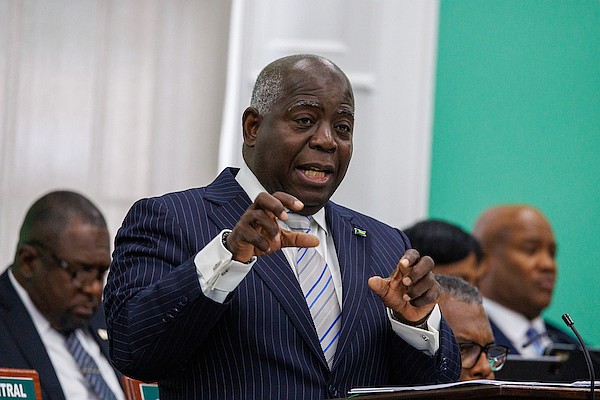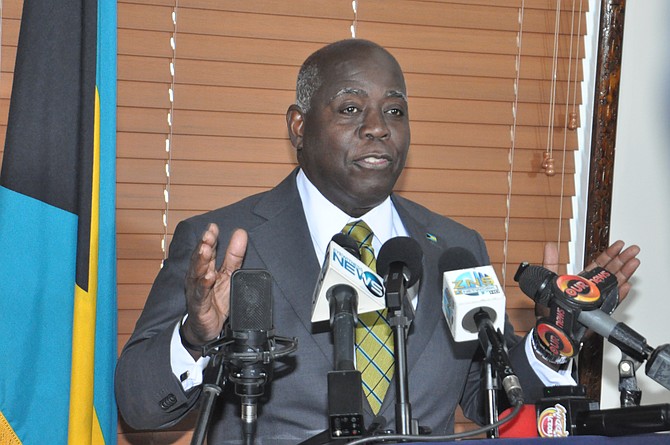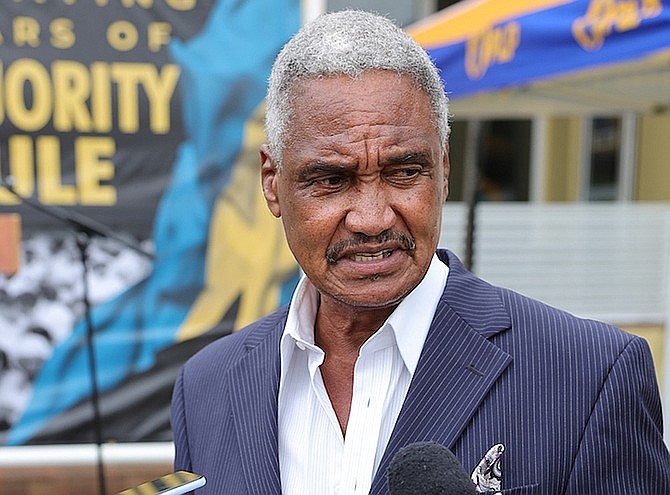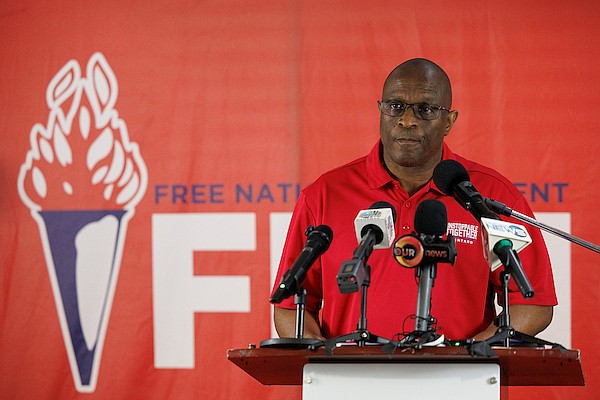
The Free National Movement (FNM), Bahamas’ primary opposition party, is intensifying its electoral preparations with an accelerated candidate ratification schedule. Party leader Michael Pintard confirmed the imminent completion of their selection process, indicating one ratification round will occur before Valentine’s Day followed by up to three additional approval cycles.
With 13 prospective candidates still under review, the FNM anticipates resolving most pending approvals in the upcoming ratification session. This strategic acceleration positions the party to finalize its electoral roster efficiently amidst growing political competition.
The opposition has already officially endorsed 28 candidates through previous ratification rounds, creating a balanced slate combining experienced legislators from the former Minnis administration with fresh political talent. Notable ratified candidates include Party Chairman Dr. Duane Sands (Bamboo Town), Kwasi Thompson (East Grand Bahama), Michael Foulkes (Golden Gates), Marvin Dames (Mount Moriah), and Carlton Bowleg (North Andros and Berry Islands).
The political landscape grows increasingly competitive as the ruling Progressive Liberal Party (PLP) simultaneously advances its own candidate preparations. The PLP recently confirmed 15 additional candidates, bringing their total ratified representatives to 28. Their selections include 12 incumbent parliamentarians and three newcomers, among them Darron Pickstock who secured the Golden Isles seat in a November 2025 by-election following the passing of Vaughn Miller.
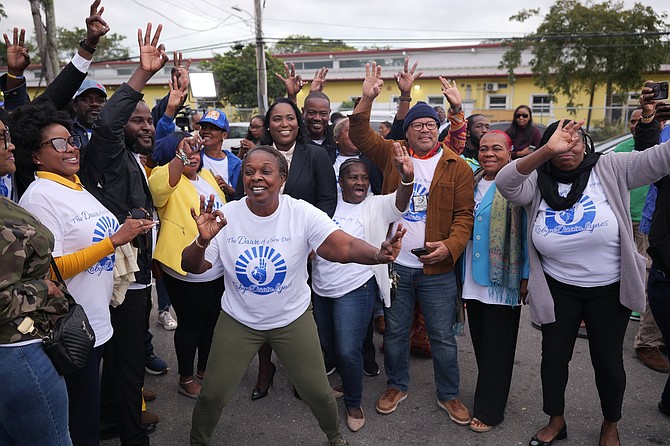
Political activity intensifies across the islands with PLP hopefuls in Grand Bahama constituencies actively mobilizing support at party headquarters, signaling heightened engagement as both major parties approach the upcoming electoral period with strategic urgency.