标签: Antigua and Barbuda

安提瓜和巴布达

  • Urgent Blood Donation Appeal Issued for Injured Sgt Jeffery Benjamin

    Urgent Blood Donation Appeal Issued for Injured Sgt Jeffery Benjamin

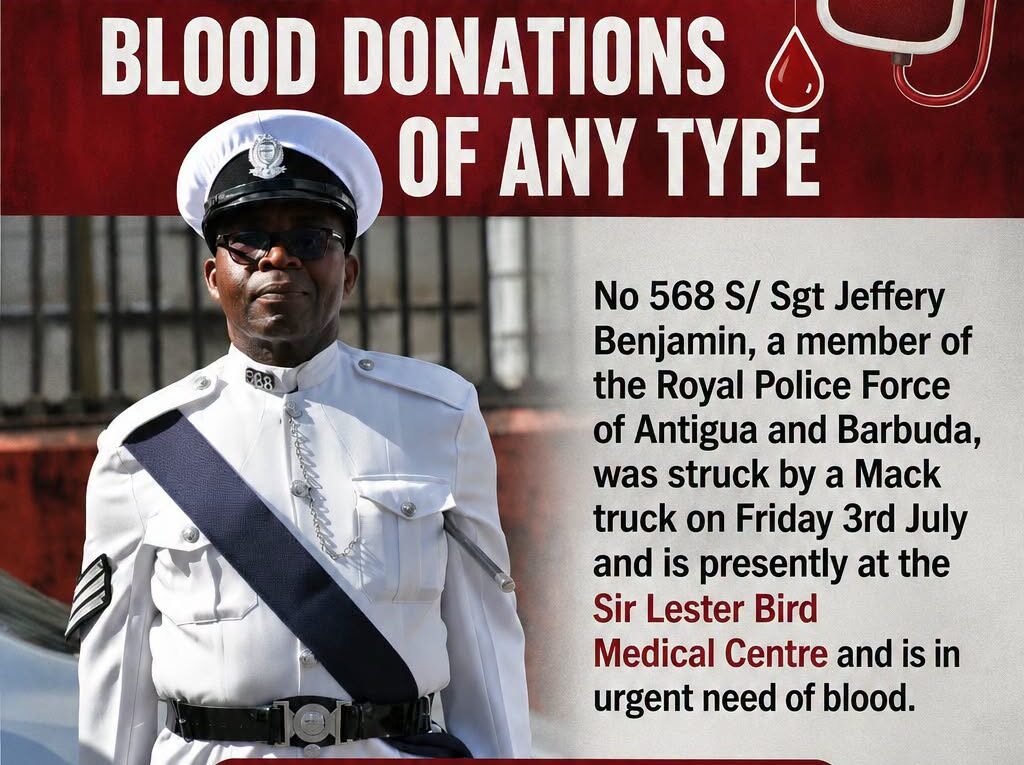
    The Royal Police Force of Antigua and Barbuda has issued an urgent public call for blood donations to support one of their own, a senior officer who sustained life-threatening injuries in a recent road traffic collision. In an official public statement released by the force, authorities confirmed that Sergeant Jeffery Benjamin, who carries badge number 568, was struck by a large Mack truck on Friday, July 3.

    Following the crash, the injured sergeant was admitted to the Sir Lester Bird Medical Centre, where he remains under ongoing medical care. His critical condition has created an immediate, pressing need for blood supplies to support his treatment. To address this shortage, the police force is reaching out to all eligible members of the public, urging them to donate blood at the hospital’s on-site laboratory at the earliest possible opportunity.

    Notably, officials have emphasized that donors of all blood types are welcome and needed, rather than limiting the appeal to specific groups. Every donation, they stress, carries the potential to turn the tide and save the sergeant’s life, and every contribution will receive profound gratitude from the force and Benjamin’s family.

    The Royal Police Force has already extended its thanks to the public for any support they can offer, doubling down on the urgency of the request by urging able donors to act without delay. As of the latest update, Benjamin continues to receive ongoing care as medical teams work to stabilize his condition. At this time, law enforcement has not chosen to release additional details regarding the severity of Benjamin’s current condition, nor have they shared further information about the specific events that led to the collision.

  • Building the Foundation for a More Food-Secure Antigua and Barbuda

    Building the Foundation for a More Food-Secure Antigua and Barbuda

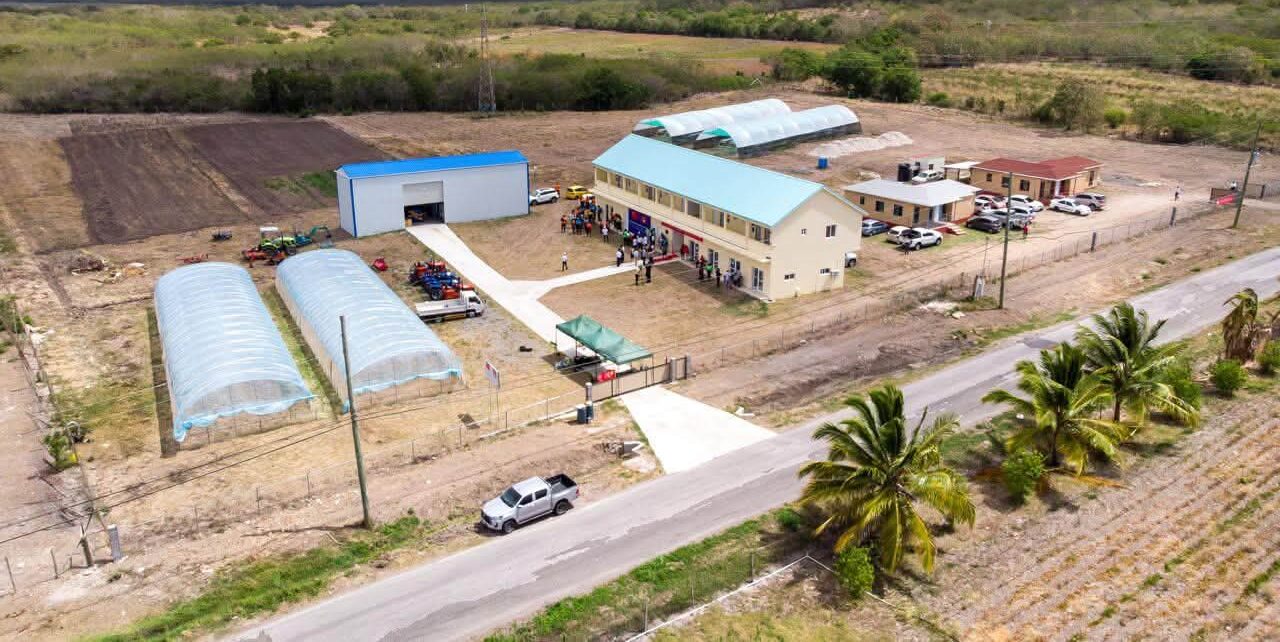
    The recent inauguration of Antigua and Barbuda’s first-ever in-vitro tissue culture laboratory marks far more than just the opening of a new scientific facility. This milestone lays the critical groundwork for a more robust, self-reliant, and climate-resilient national agricultural sector that will shape the country’s food future for generations.

    At its core, this new laboratory delivers a transformative leap forward in the Caribbean nation’s pursuit of long-term food sovereignty. For the first time, Antigua and Barbuda can locally generate pathogen-free, premium-grade planting material for a wide range of native and commercial crops, eliminating the longstanding reliance on offshore biotechnology facilities. This local capacity not only cuts costs and delays associated with international shipping of plant samples but also acts as a critical shield for the country’s unique agricultural biodiversity, reducing the risk of introducing foreign pathogens through imported plant stock.

    The urgent need for a domestic laboratory first came into sharp focus during the high-stakes project to revive the world-famous Antigua Black Pineapple, a variety iconic to the nation’s agricultural identity and cultural heritage. Before the construction of the local facility, every step of the restoration process required shipping collected plant tissue samples overseas for disease cleansing and controlled mass propagation, before the cleaned healthy seedlings could be shipped back to local farmers for planting. While that restoration initiative ultimately succeeded, producing thousands of disease-free Antigua Black Pineapple plants to restart commercial cultivation, it exposed a dangerous gap in the country’s agricultural biotechnology infrastructure.

    Recognizing this critical vulnerability, the Government of Antigua and Barbuda made the development of a domestic tissue culture facility a top policy priority. Led by Minister of Agriculture Smith and his team at the Ministry of Agriculture, that vision has been realized, closing the infrastructure gap that for years held back the nation’s agricultural progress.

    Under Minister Smith’s leadership, the Ministry of Agriculture has positioned agricultural innovation as a central pillar of the country’s overall national development strategy. This policy direction also complements his ongoing outreach to encourage younger generations to pursue careers in farming, framing modern agriculture as a dynamic, profitable professional path rather than an outdated industry. Smith’s vision extends far beyond the revival of a single iconic crop: he aims to build a 21st-century agricultural sector that is environmentally sustainable, commercially productive, capable of feeding the entire domestic population, and preserves the country’s one-of-a-kind native crop varieties for future generations.

    Looking ahead, the new laboratory will do more than just support the steady expansion of Antigua Black Pineapple cultivation. It will also improve propagation processes for all other major commercial and food crops grown across the country, supplying local farmers with healthier, more robust planting stock that delivers higher crop yields, stronger resistance to common plant diseases, and greater overall farm resilience to evolving climate and environmental challenges.

  • Registration Opens for Antigua and Barbuda’s 2026 Agricultural Water and Irrigation Training

    Registration Opens for Antigua and Barbuda’s 2026 Agricultural Water and Irrigation Training

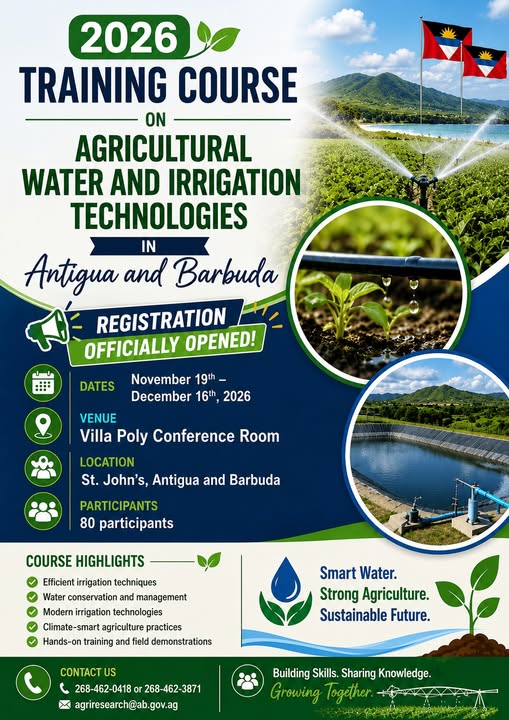
    Aspiring agricultural professionals and industry stakeholders in Antigua and Barbuda have received a new opportunity to advance their expertise, as the nation’s Ministry of Agriculture, Lands, Fisheries and the Blue Economy has officially launched registration for a targeted 2026 training course focused on agricultural water management and cutting-edge irrigation technologies.

    Designed to address growing challenges around water scarcity and climate volatility impacting the Caribbean agricultural sector, the program centers on equipping participants with both foundational knowledge and actionable practical skills in three core areas: modern irrigation system deployment, strategic water conservation, and climate-smart agricultural practices. Unlike traditional classroom-only learning models, the course prioritizes hands-on experience, giving attendees direct access to innovative tools and technologies that are reshaped sustainable agriculture globally. By the end of the program, participants are expected to leave with the capabilities needed to help build a more resilient, productive, and environmentally sustainable agricultural sector across Antigua and Barbuda.

    The 4-week training session is scheduled to run from November 19 through December 16, 2026, and will be hosted at the Villa Poly Conference Room in St. John’s, the nation’s capital. The curriculum is structured to cover a wide range of high-impact topics, including water-efficient irrigation techniques, integrated water resource management, the latest smart irrigation technologies, adaptive climate-smart farming practices, hands-on skill-building workshops, and live field demonstrations of new equipment and methods.

    Aligned with the government’s long-term vision for the sector, the program is rooted in the guiding slogan: “Smart Water. Strong Agriculture. Sustainable Future.” It reflects a broader commitment to capacity building, knowledge sharing, and collaborative growth across the national agricultural community, aiming to uplift smallholder farmers, agricultural extension workers, and industry professionals alike. Interested individuals can access registration via the official link shared by the ministry, and additional inquiries can be directed to the program’s administrative contact for further details.

  • UWI and Caribbean Telecommunications Union Sign Partnership to Advance Regional Digital Development

    UWI and Caribbean Telecommunications Union Sign Partnership to Advance Regional Digital Development

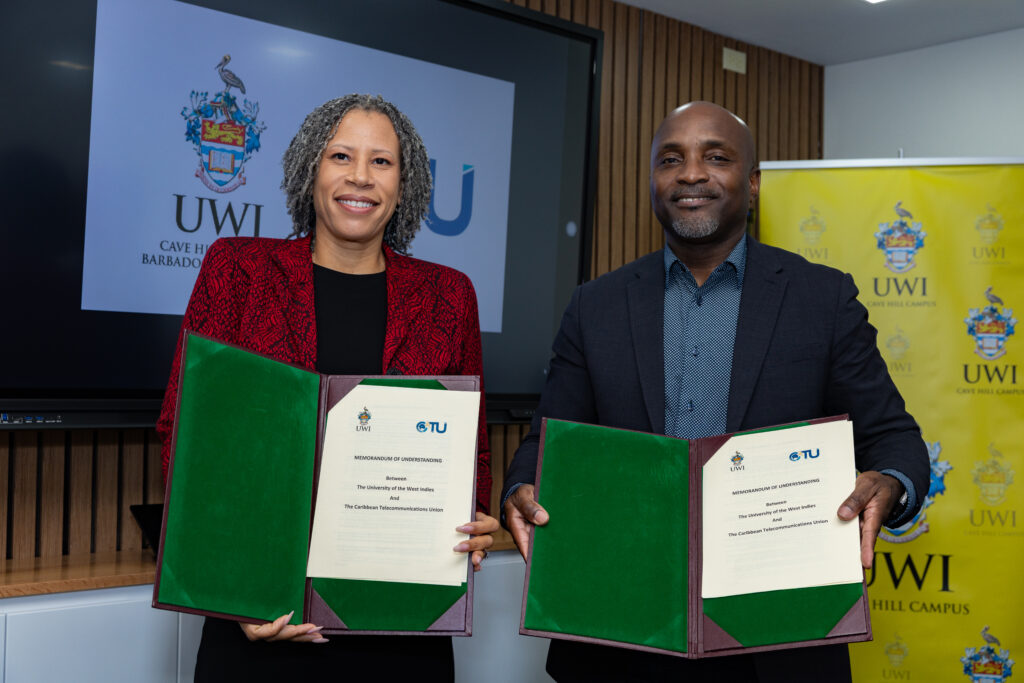
    On May 28, 2026, two leading Caribbean regional institutions, The University of the West Indies (UWI) and the Caribbean Telecommunications Union (CTU), took a landmark step forward in their decades-long collaborative relationship by signing a formal Memorandum of Understanding (MoU) at UWI’s Sagicor Cave Hill School of Business and Management, located on its Cave Hill Campus.

    The new agreement formalizes a shared strategic vision between the two organizations, both founded to advance the collective interests of Caribbean nations. It codifies a commitment to more intentional, coordinated cooperation to tackle the region’s most pressing digital priorities, spanning inclusive digital development, robust policy frameworks, and strengthened digital resilience. For years, UWI has leveraged its world-class academic expertise to support CTU-led initiatives in policy development and workforce capacity building, from early regional connectivity projects to recent cutting-edge work on artificial intelligence governance and cross-border digital harmonization. The new MoU elevates this informal, ad hoc partnership into a structured, long-term collaboration with a clear action framework.

    Under the terms of the agreement, the partners will work together across a broad range of critical areas: digital policy design and regulatory development, evidence-based research to inform decision-making, targeted capacity building for regional stakeholders, cross-sector stakeholder engagement, advocacy for pro-development digital policies, resource mobilization for regional projects, and the translation of high-level regional digital strategies into on-the-ground implementation.

    Rodney Taylor, Secretary-General of the CTU, emphasized the transformative potential of the formalized partnership in an address following the signing. “This collaboration brings together UWI’s unrivaled academic excellence and CTU’s decades of experience in regional policy leadership to accelerate and strengthen digital transformation across every corner of the Caribbean,” Taylor explained. “As we grapple with fast-evolving global digital challenges, from regulating artificial intelligence to improving data governance, strengthening cybersecurity, and building systemic digital resilience, this partnership will not just help our region keep up with global changes—it will empower us to actively shape those changes on terms that work for Caribbean people. Most importantly, this MoU moves us beyond dialogue to tangible action, delivering outcomes that advance sustainable development and improve lives across the region.”

    The signing comes at a critical juncture for the Caribbean, where digital transformation has emerged as a core driver of economic growth, improved public service delivery, enhanced climate change resilience, and stronger global regional competitiveness. By aligning UWI’s deep academic research and training capacity with CTU’s on-the-ground regional policy mandate, the partnership aims to ensure that the benefits of digital innovation are distributed equitably across all Caribbean communities, delivering inclusive, long-term sustainable growth.

    As a regional university with a physical presence across multiple Caribbean nations, UWI holds a unique position to advance CTU’s mission, drawing on its cross-campus expertise to deliver cutting-edge research, professional training, policy advisory support, and global engagement opportunities. The MoU marks a clear shift from occasional collaborative projects to a cohesive, future-focused partnership designed to proactively shape the evolving digital landscape, rather than simply reacting to external changes.

    The partners have already begun moving forward with implementation, with four initial priorities flagged for immediate action: the co-hosting of a landmark Regional AI Forum in Trinidad, scheduled for July 23–24, 2026; advancing work on cross-regional digital governance and policy harmonization during CTU’s 2026 ICT Week to be held in French Guiana from September 20–24; the formal operational launch of UWI’s Institute for Intelligent Systems, Governance and Human-Centred Technology (INSIGHT); and expanded targeted capacity building programming through the UWI–ITU Academy Training Centre, UWI’s existing collaborative initiative with the International Telecommunication Union. These immediate actions make clear that the partnership is moving rapidly from agreement to delivery, grounded in shared regional priorities and a focus on tangible, people-centered outcomes.

    For additional information about the new partnership, interested parties can contact Ms. Lois St Brice from the Office of Global Affairs at The University of the West Indies.
  • Pringle Says Third-Country Deportee Deal Lacks Transparency

    Pringle Says Third-Country Deportee Deal Lacks Transparency

    A growing political controversy has erupted in Antigua and Barbuda over the administration’s closed-door negotiations for a potential third-country deportee reception agreement, with Opposition Leader Jamal Pringle launching sharp criticism of the government’s failure to engage in inclusive consultation with lawmakers and the general public ahead of finalizing talks. Speaking during an interview with Observer Radio’s flagship current affairs program *Voice of the People* this Tuesday, Pringle laid out his core argument that the Browne administration violated basic democratic norms by choosing to handle the high-stakes national issue unilaterally, rather than opening dialogue with opposition legislators from the earliest stages of negotiation.

    Pringle emphasized that the scope of the proposed agreement carries far-reaching consequences for the entire nation, making public transparency and inclusive input non-negotiable. “When this third-country deportee proposal first emerged, the very first step the government should have taken is to convene opposition members and open a formal dialogue,” Pringle stated during the interview. “There should be full public disclosure of all details surrounding this plan, and wide-ranging consultation with the people of Antigua and Barbuda. This is not an issue that can be decided by the government alone – it will impact every corner of our country, and every citizen deserves a say.”

    The opposition leader has doubled down on longstanding demands for the government to publicly release the full text of the memorandum of understanding (MOU) that outlines the terms of the arrangement, and to formally table the document for debate in the national Parliament. Pringle recalled that he first made this request weeks prior, noting that parliamentarians require full access to all relevant details to carry out their oversight responsibilities. He stressed that the agreement must be framed as a collective national decision, not one imposed from the executive branch without broader buy-in. “This process has to be driven by the people,” Pringle said. “It is not the place of Gaston Browne and Ron Sanders to accept this deal on our behalf. They owe it to the nation to come forward, share the full proposal, outline what they hope to achieve, and lay out the details of what they intend to submit to the U.S. State Department.”

    Pringle connected the current dispute over the deportee agreement to wider systemic concerns about government transparency in Antigua and Barbuda. He pointed out that opposition legislators have repeatedly attempted to obtain critical government information through parliamentary processes, only to face consistent obstruction. He also criticized the lengthy delays in establishing a fully operational Office of the Information Commissioner, a body designed to facilitate public access to government records, noting that the institution remains unable to carry out its core mandate effectively.

    For its part, the government has pushed back against the criticism, defending its handling of negotiations with the United States. Prime Minister Gaston Browne has previously confirmed that talks over the proposed arrangement launched last year as part of broader ongoing diplomatic engagements between the two countries. In response to calls for greater transparency, Browne has stated that the administration intends to present a formal White Paper detailing the full terms of the agreement to Parliament once negotiations are complete.

  • Twenty Young Footballers to Represent Antigua and Barbuda on Prestigious European Development Tour

    Twenty Young Footballers to Represent Antigua and Barbuda on Prestigious European Development Tour

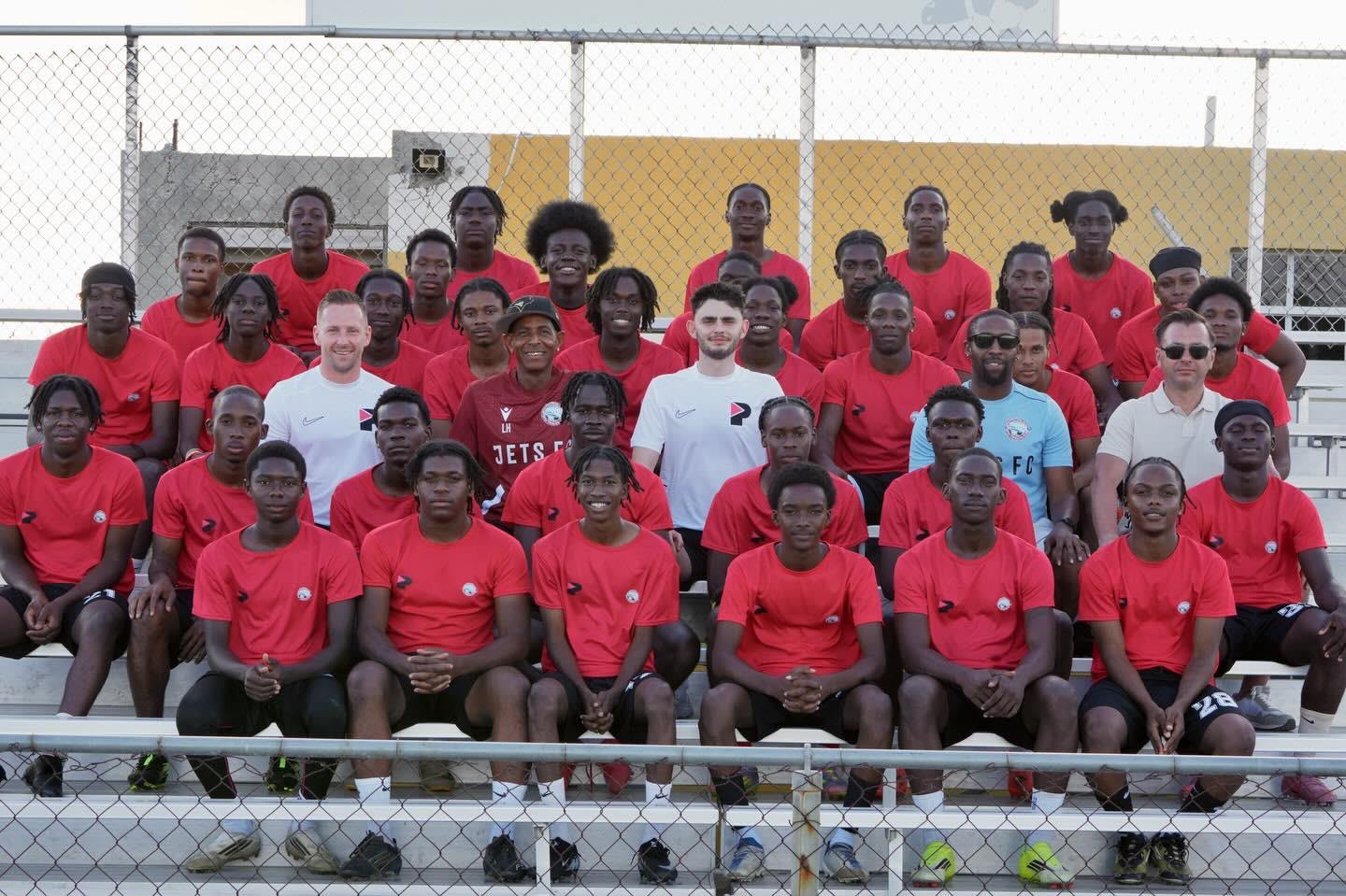
    St. John’s, Antigua – June 3, 2026 – A new chapter in youth football development is set to unfold for Antigua and Barbuda this July, as 20 of the nation’s most talented up-and-coming footballers get ready to depart for the JETS FC European Development Tour 2026, hosted in Poland.

    Running from July 12 to 27, the landmark tour will place the selected young athletes directly into a fully professional European football ecosystem. Over the two-week trip, the squad will compete in six competitive international matches, complete structured training sessions led by veteran European coaches, and take part in collaborative engagements with established professional clubs and industry experts across the region.

    The program was crafted with a dual focus: to push participants to adapt to the rigorous physical and tactical demands of top-tier global football, while nurturing core personal qualities that extend far beyond the pitch, including self-discipline, leadership, mental resilience, and independent growth.

    The 20 squad members earned their spots on the tour through a rigorous, nationwide Talent Identification and Football Development Programme held earlier this year by JETS FC. Run by a panel of international coaching and football development specialists, the four-day scouting initiative gathered hundreds of promising young players from every corner of Antigua and Barbuda. After days of skills assessments, competitive trials, and evaluations of attitude and potential, the final 20 athletes were selected for their standout talent, consistent commitment, and clear long-term potential in the sport.

    For these young athletes, the tour is far more than just a chance to compete against international opponents. It offers a life-changing opportunity to expand their worldviews, immerse themselves in the long-established football cultures of Europe, test their abilities against players from different development systems, and build professional and personal connections that could open doors for their future careers, both in football and beyond.

    Beyond individual growth, the experience will also equip these players with firsthand knowledge of global professional standards that they can bring back to their local clubs, schools, and home communities, lifting up the next generation of footballers across Antigua and Barbuda.

    This landmark tour is a reflection of JETS FC’s long-standing commitment to investing in youth sports development, and its core vision to build sustainable, meaningful pathways for young Antiguans and Barbudans to advance through sport. As official representatives of their nation, the 20-member squad will also serve as sporting ambassadors, showcasing Antigua and Barbuda’s emerging talent, relentless determination, and untapped sporting potential to the international football community.

    Their selection and upcoming participation also underscores the steady growth of youth football development within Antigua and Barbuda, serving as a powerful example of what can be accomplished when intentional vision, rigorous preparation, and accessible opportunity come together.

    Organizers also note that the tour creates space for the wider Antigua and Barbuda community and local corporate sector to engage with an initiative that is directly building the next wave of national football talent. As the squad enters its final preparations for departure, anticipation continues to grow across the country among players, coaches, family members, and local football supporters. All stakeholders are united in the expectation that the tour will leave a lasting positive impact on the participating athletes, and make a meaningful contribution to the ongoing advancement of football across Antigua and Barbuda.

  • Bulk Waste Collection Continues in Cassada Gardens

    Bulk Waste Collection Continues in Cassada Gardens

    Antigua and Barbuda’s National Solid Waste Management Authority (NSWMA) has confirmed that its targeted bulk waste collection initiative is moving forward as scheduled in the Cassada Gardens community, with dedicated work crews focused on elevating the neighborhood’s environmental quality.

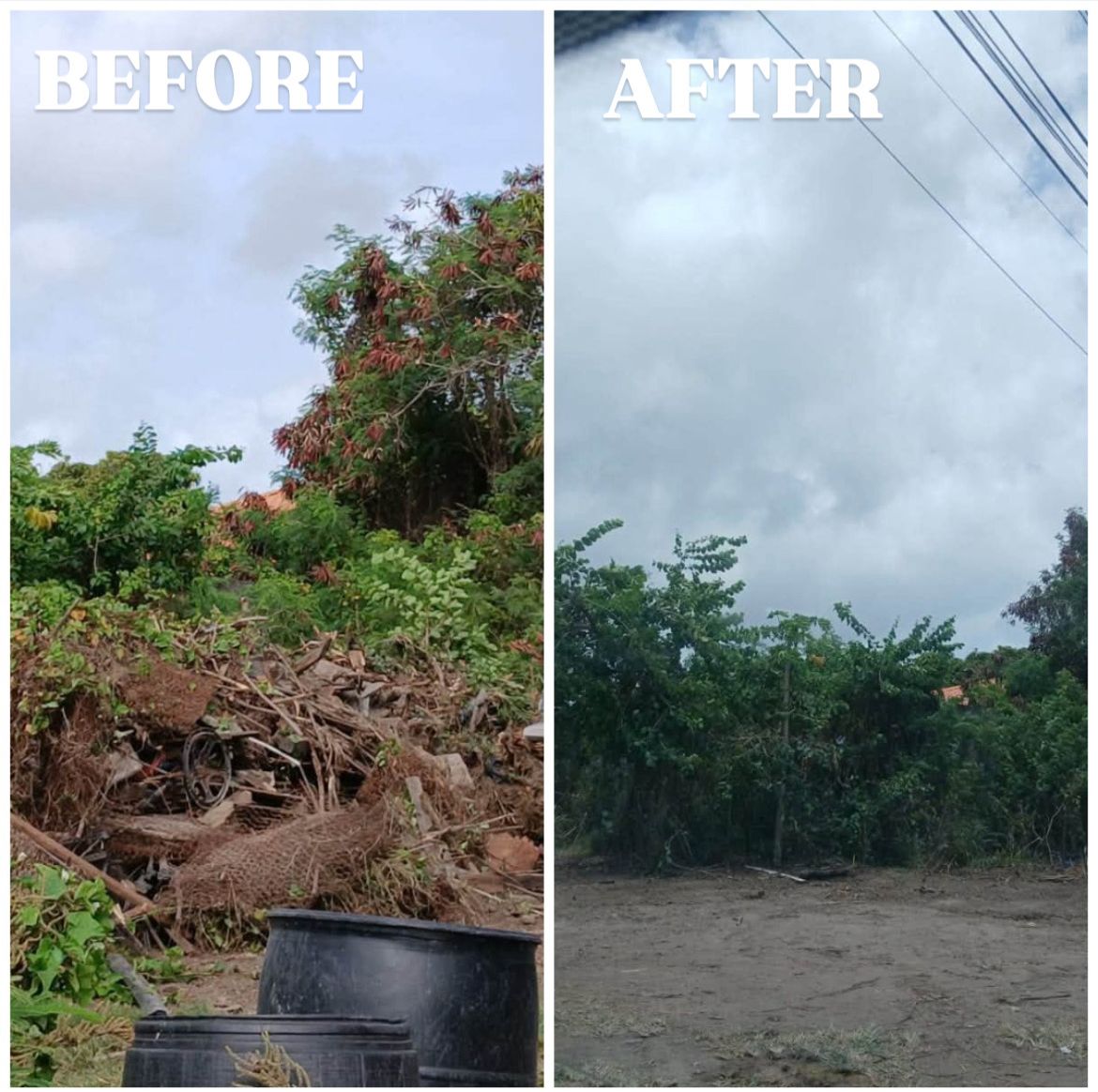
    In an official progress update published recently, the regulatory body noted that the ongoing cleanup drive has hit consistent milestones, with specialist teams successfully removing large, bulky waste items that had been discarded across multiple areas of the community. These oversized items, which can range from old furniture to discarded construction debris, often create navigation hazards and attract pests if left unaddressed for extended periods.

    Beyond simply clearing accumulated waste, the NSWMA emphasized that the targeted program delivers dual benefits for local residents: it immediately lifts the visual appeal of the neighborhood, while contributing to long-term public health goals by fostering a cleaner, safer living environment for all community members.

    To illustrate the tangible impact of the ongoing work, the authority has shared official photographs documenting the before-and-after progress of the operation. Alongside the visual update, the NSWMA issued a call for continued collaboration with local residents, urging the public to maintain the community’s improved conditions by adhering to responsible bulky waste disposal practices moving forward.

    This localized initiative is not an isolated project, officials confirmed: it forms a core component of the NSWMA’s island-wide ongoing strategy to boost sanitation standards and improve environmental public health outcomes across the whole of Antigua and Barbuda.

  • PM Browne and Romanian Ambassador Discuss Trade, Education and Investment Opportunities

    PM Browne and Romanian Ambassador Discuss Trade, Education and Investment Opportunities

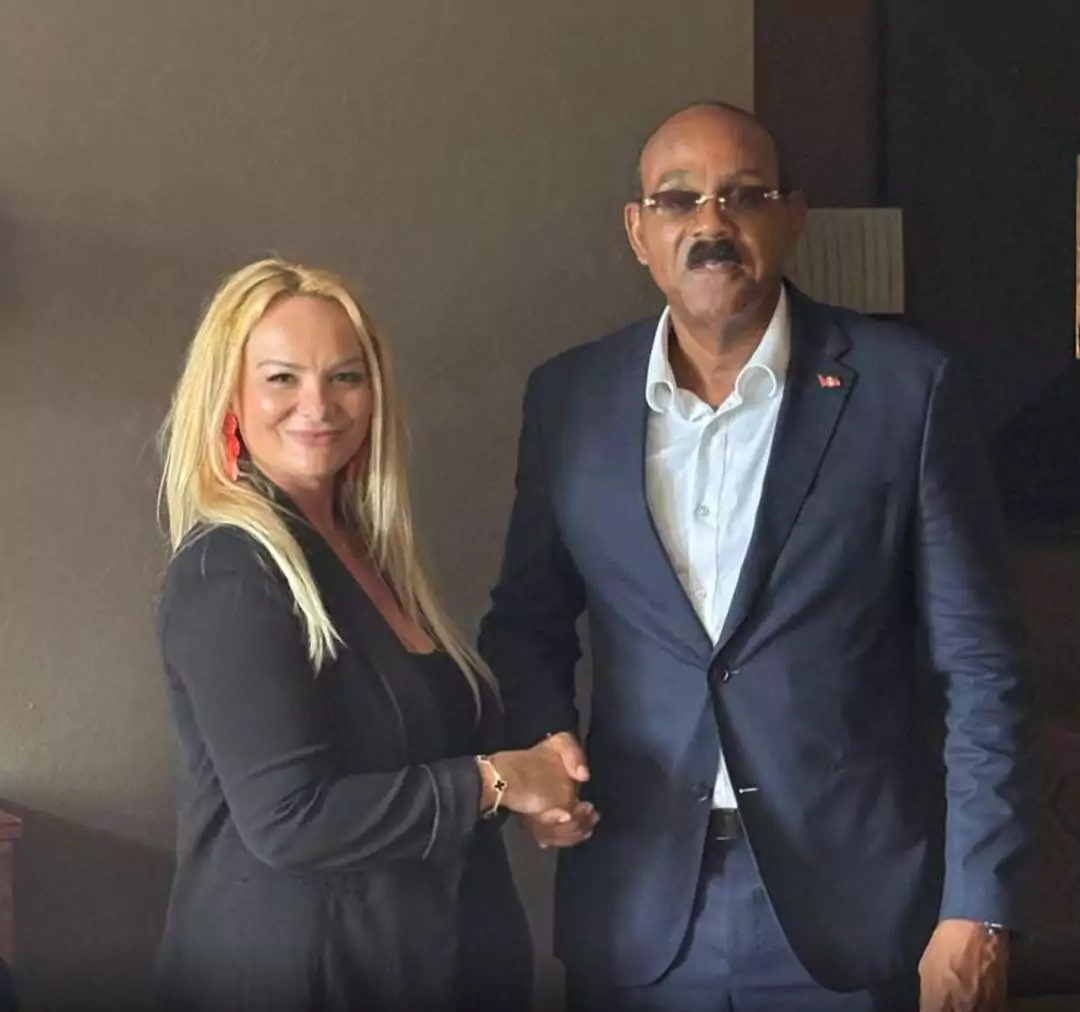
    On the sidelines of the annual CARICOM Heads of Government Meeting hosted in St. Lucia, Prime Minister Gaston Browne of Antigua and Barbuda held a strategic bilateral meeting with Theodora Magdalena Mircea, Romania’s ambassador to the region. The gathering, which brought together regional leaders from the Caribbean to tackle a broad spectrum of pressing regional and global issues, created a natural platform for Antigua and Barbuda to advance diplomatic engagement with non-Caribbean nations.

    During the closed-door discussions, the two representatives centered their dialogue on unlocking new opportunities for collaboration across three key priority areas: bilateral trade, educational exchange, and human resource development. Both Browne and Mircea reaffirmed their shared commitment to deepening long-term bilateral ties between the small Caribbean twin-island nation and the Eastern European country, signaling mutual interest in building mutually beneficial partnerships that extend beyond traditional diplomatic channels.

    The meeting marks a continued push by Antigua and Barbuda to diversify its international diplomatic and economic partnerships, even as regional leaders at the CARICOM summit work to align positions on shared challenges ranging from climate resilience to economic development. The talks did not produce immediate concrete agreements, but both sides left the meeting open to follow-up engagements to advance the cooperation priorities discussed.

  • PM Browne Praises Global Charity’s Work During CARICOM Summit Meeting

    PM Browne Praises Global Charity’s Work During CARICOM Summit Meeting

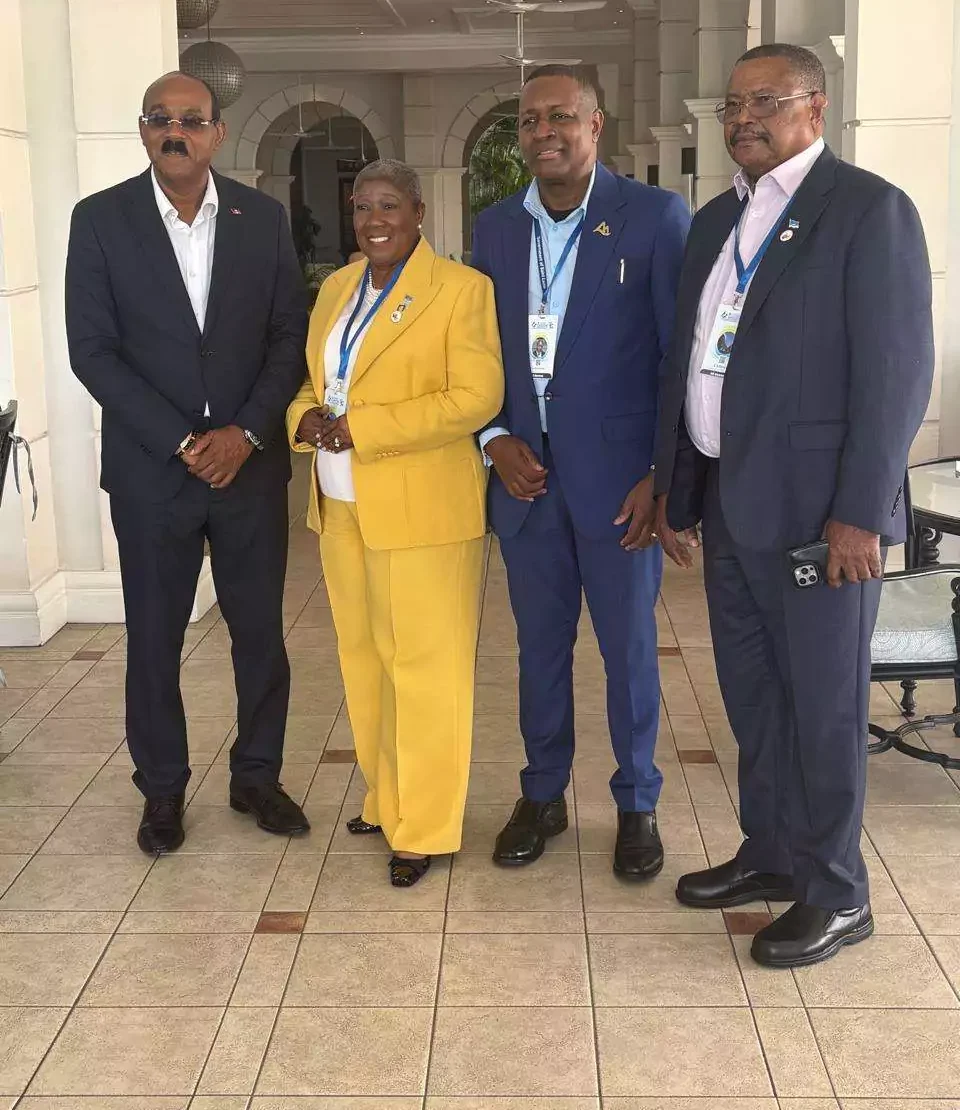
    On the margins of the annual CARICOM Heads of Government Meeting, Antigua and Barbuda Prime Minister Gaston Browne held a high-profile courtesy meeting with Dr. Eslene Richmond-Shockley, the founder, president and chief executive officer of U.S.-headquartered international humanitarian organization Caring For Others, Inc., where he offered glowing praise for the group’s impactful work across vulnerable communities.

    During the discussion, the two stakeholders focused heavily on the charity’s multi-pronged development programming, which delivers direct, life-changing support to marginalized populations through core initiatives covering food distribution, clothing donations, educational access, and affordable housing assistance. Browne specifically highlighted Dr. Richmond-Shockley’s decades-long personal commitment to humanitarian service, noting that her leadership has positioned Caring For Others, Inc. as a trusted partner for communities in need across the Caribbean and beyond.

    The prime minister extended formal congratulations to the entire organization for its measurable achievements in lifting vulnerable populations out of hardship, and shared his optimistic outlook for future collaboration, expressing clear hope that the group will continue expanding its footprint and deepening its support for underserved people across the region.

    This bilateral courtesy engagement was one of dozens of side meetings held by Browne during the landmark regional summit, which brought together heads of government from across the Caribbean bloc to negotiate and address pressing shared challenges. Key priority topics on the summit’s agenda include strengthening cross-regional integration and cooperation, shoring up fragile national food and energy security frameworks, and coordinating regional responses to shifting global geopolitical developments that impact small island developing states.

  • PM Browne Joins CARICOM Leaders for Talks on Secretary General Dispute

    PM Browne Joins CARICOM Leaders for Talks on Secretary General Dispute

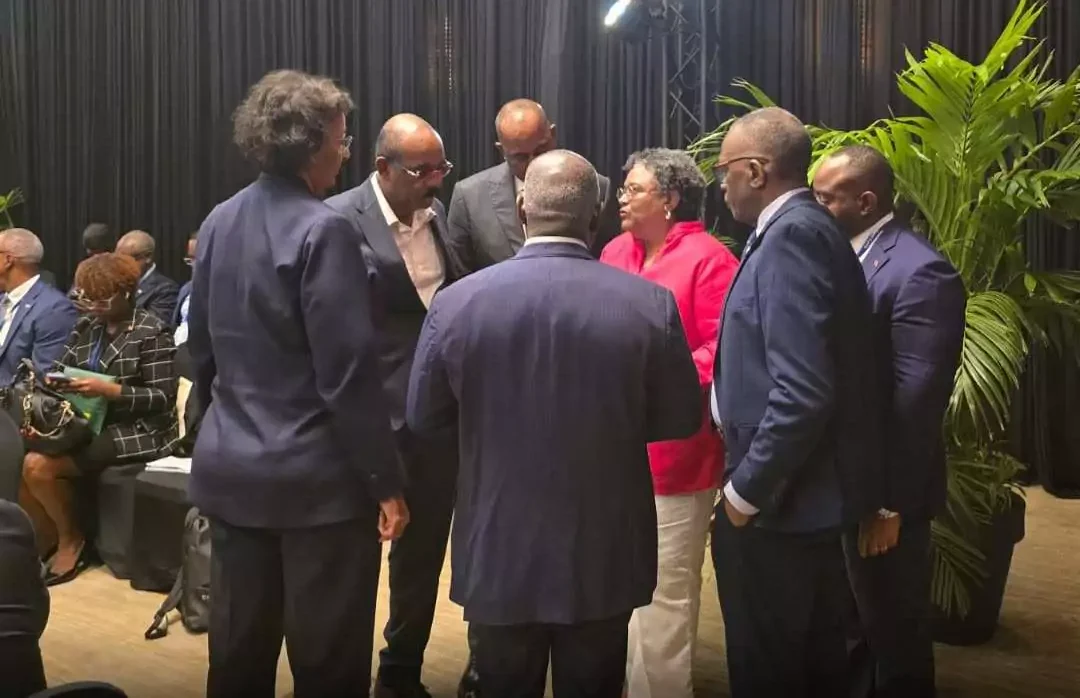
    The annual regional summit of the Caribbean Community (CARICOM) has kicked off with a contentious leadership issue at the top of its agenda, drawing heads of government from across the bloc. The core point of contention surrounds the reappointment of incumbent Secretary General Dr. Carla Barnett, with two major member states – Trinidad and Tobago and Jamaica – raising formal objections over the procedural process used to extend Dr. Barnett’s term.

    The disagreement has sparked vigorous debate among attending heads of government, forcing leaders to pivot toward a third-party clarification to resolve the impasse. After closed-door discussions, the bloc reached a consensus: it will initiate a formal request for an advisory opinion from the Caribbean Court of Justice (CCJ), the region’s highest judicial body, to clear up ambiguities in CARICOM’s governing regulations related to the appointment and extension of the Secretary General’s tenure. As the legal process moves forward, Dr. Barnett will continue to carry out her duties in office, ensuring the continuity of the community’s administrative work.

    Beyond the leadership dispute, the summit is tackling a broad slate of pressing regional concerns that impact all 15 member states. Attendees are deep in discussions over shifting global geopolitical dynamics, which have sent ripple effects through the Caribbean’s small open economies. Other key priorities include strengthening regional energy security, shoring up fragile food supply chains, and addressing a host of ongoing socioeconomic challenges that have hampered post-pandemic recovery across the bloc.

    Antigua and Barbuda Prime Minister Gaston Browne is among the leaders participating in the summit, joined by a four-person delegation representing the island nation. The delegation includes Dr. Clarence Henry, Antigua and Barbuda’s permanent ambassador to CARICOM, Kurt Williams, a senior foreign service officer, and Juray Roberts, a project development officer.

    As the summit draws to a close in the coming days, attendees are expected to finalize binding decisions on a range of core regional priorities. These outcomes will guide CARICOM’s collective work over the next year as the bloc coordinates to tackle cross-cutting economic, political, and public security challenges that no single member state can address alone.