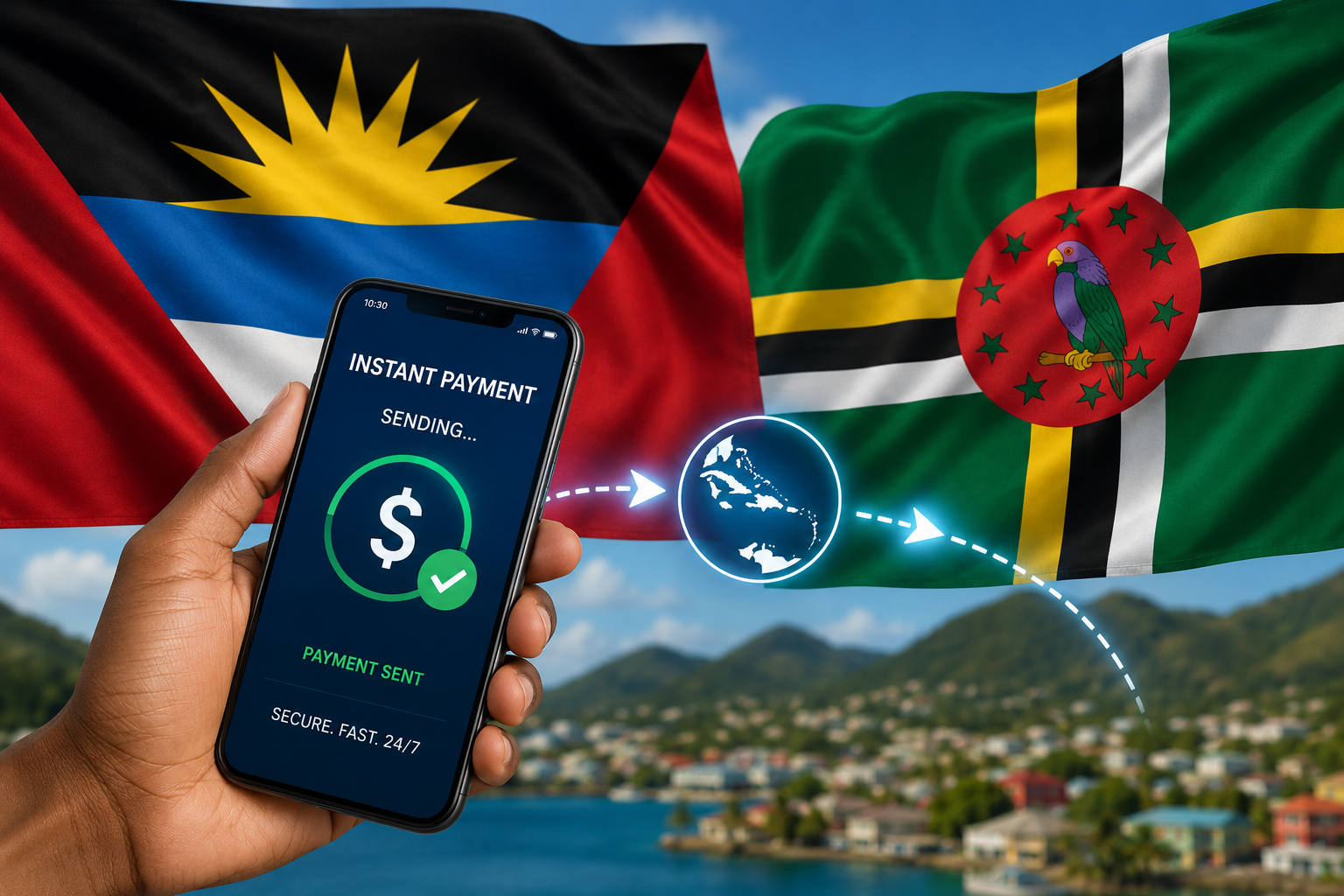
The Eastern Caribbean Central Bank (ECCB) is moving forward with transformative plans to revolutionize cross-border electronic transactions across the Caribbean region, after its top governing body received detailed progress updates on two high-priority financial infrastructure initiatives. At the 113th gathering of the ECCB Monetary Council, held Friday in Dominica, members reviewed development milestones for both the CAPSS pilot program and the regional Fast Payment System, marking these projects as central pillars of the bank’s ambitious “Big Push” strategic agenda.
The CARICOM Payments and Settlement System (CAPSS), the first of the two flagship projects, is designed to introduce instant cross-border payment capabilities that operate directly using participating local currencies. According to an official communiqué released following the meeting, this new framework will cut down on exorbitant transaction fees that have long burdened regional trade and personal remittances, while also reducing the region’s dependence on traditional correspondent banking relationships that have proven volatile and restrictive for many Caribbean financial institutions in recent years.
Complementing the cross-border CAPSS project is the second initiative, a dedicated Fast Payment System built for the Eastern Caribbean Currency Union (ECCU). Once fully operational, this system will enable round-the-clock real-time electronic transfers for users across the currency union, operating 24 hours a day, seven days a week to meet the growing demand for accessible, on-demand digital payments from both consumers and businesses.
Members of the Monetary Council emphasized that both initiatives are expected to deliver far-reaching benefits beyond faster transaction speeds. By breaking down longstanding financial barriers between Caribbean nations, the projects will deepen regional financial integration, streamline payment processing efficiency, and expand access to formal financial services for under-served populations across the ECCU, advancing the bank’s goal of inclusive economic growth across the region.