标签: Antigua and Barbuda

安提瓜和巴布达

  • Ministry of Works Employees Resume Duties After Talks Over Pay Dispute

    Ministry of Works Employees Resume Duties After Talks Over Pay Dispute

    A short-lived industrial protest staged by heavy-duty truck drivers of Antigua and Barbuda’s Ministry of Works drew to a close on Tuesday, with all participating workers resuming their duties just hours after they blocked entry to the ministry’s headquarters to demand resolution for unpaid outstanding payments.

    The demonstration, which unfolded early Tuesday morning, saw government-owned heavy trucks block the main entrance to the ministry’s Denry Lane compound, temporarily cutting off access for other staff and visitors. The action, organized by drivers over unresolved delayed payment issues, did not last long: workers agreed to enter talks with senior ministry leadership shortly after establishing the blockade, and reached a mutually acceptable resolution within the same morning.

    Following the closed-door meeting, ministry management confirmed that all concerns raised by the protesting drivers had been formally noted, and gave formal assurances that the outstanding payment issues are already being actively processed and resolved. The industrial action wrapped up quickly, with drivers vacating the entrance and returning to their work assignments. Normal daily operations at the Denry Lane compound have since been fully restored.

    In an official public statement released after the protest ended, the Ministry of Works expressed gratitude to its driving staff for their ongoing commitment to advancing the country’s national infrastructure development agenda. The statement also reaffirmed the institution’s commitment to supporting all its employees as it carries out large-scale infrastructure projects across both Antigua and Barbuda.

  • FM Greene: Antigua Engaged US to Protect Sovereignty, Not Surrender It

    FM Greene: Antigua Engaged US to Protect Sovereignty, Not Surrender It

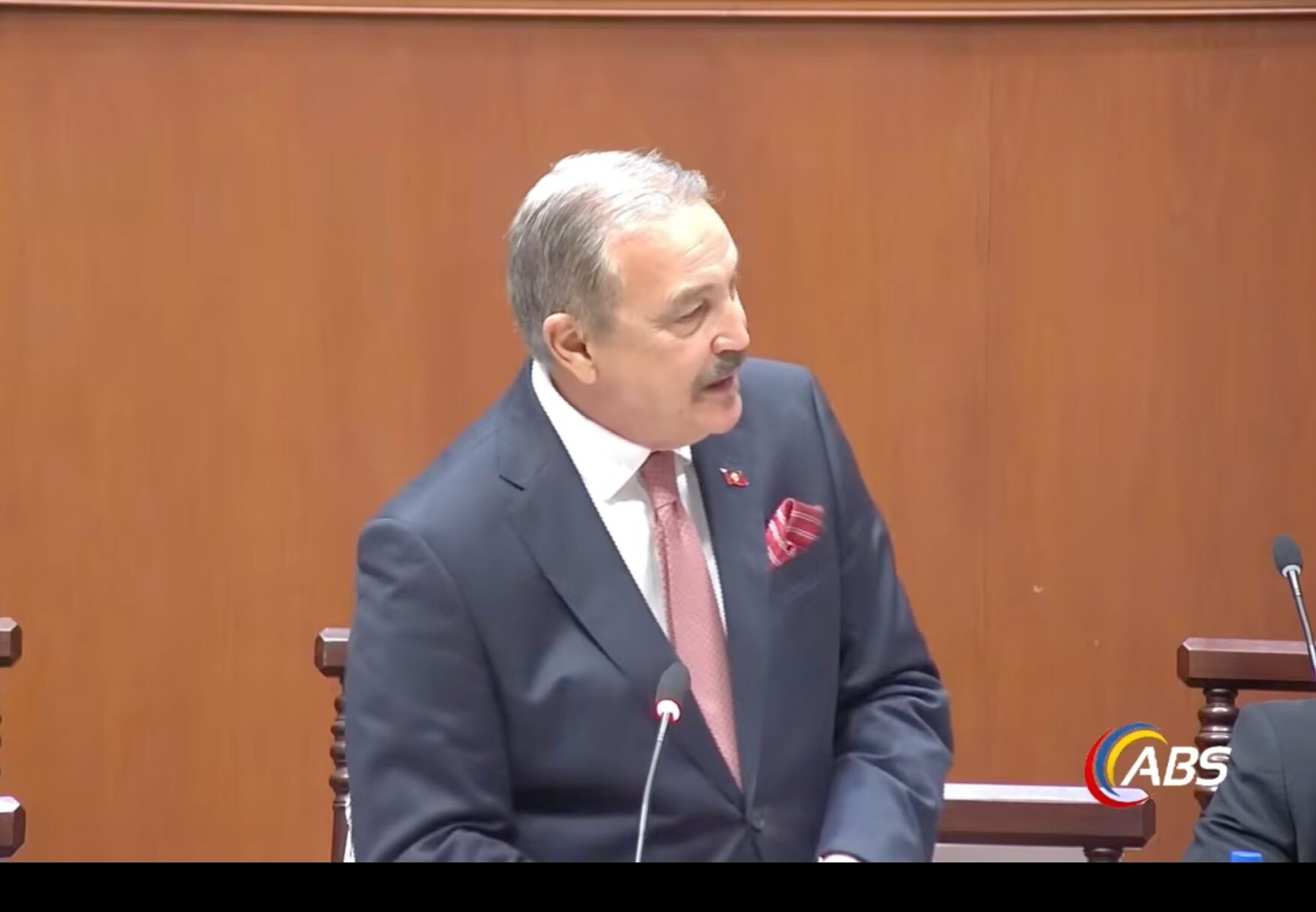
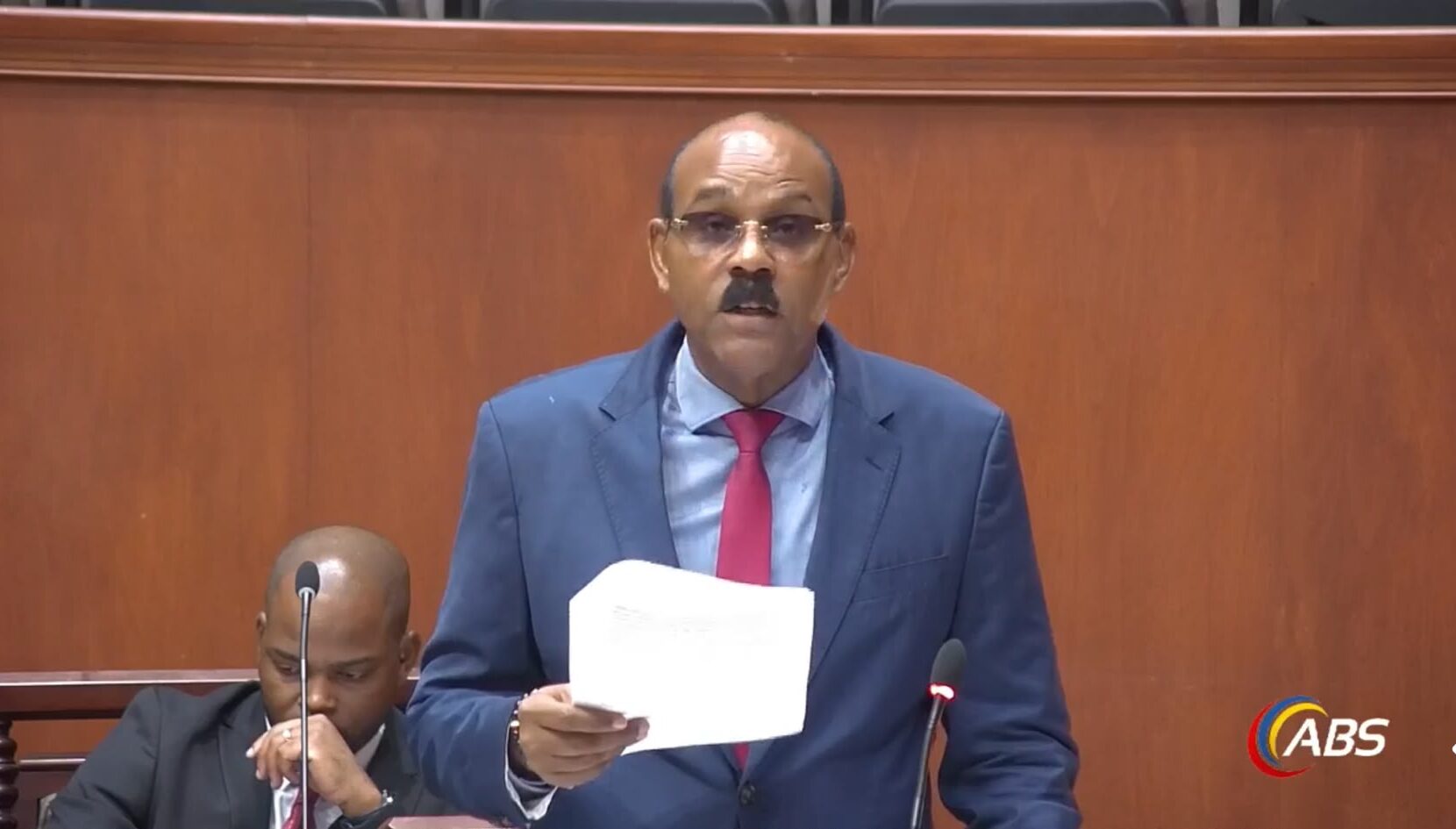
    On Tuesday, Antigua and Barbuda’s Foreign Affairs Minister E.P. Chet Greene stood before Parliament to push back against growing domestic criticism of the Caribbean nation’s ongoing negotiations with the United States over a potential third-country national transfer agreement, framing the diplomatic process as an act of proactive sovereignty protection rather than a surrender of national independence.

    The minister’s address came during parliamentary debate over a government resolution laying out core guiding principles for any final deal with Washington. Greene emphasized that responsible governing demands full assessment of proposals before rendering judgment, rejecting calls for the administration to dismiss the U.S. initiative outright before any talks had concluded. “We engage because responsible governments do,” Greene stated. “They do not make important decisions in ignorance. They do not refuse to listen before they know what is being proposed. And they do not confuse engagement with agreement.”

    Greene stressed that the negotiations carry stakes far beyond routine immigration policy, framing the discussions as a defining test of how a small, independent state navigates proposals from a major global ally that touch on core national interests. “This debate is not simply about immigration. Neither is it about the United States of America. It’s about something fundamentally much bigger,” he told lawmakers. “It’s about how Antigua and Barbuda, as a small independent nation, responds when a close and powerful neighbour and friend asks something that raises serious questions for our own sovereignty, our laws, our security and our future.”

    In a push to build cross-parliamentary consensus, Greene urged legislators to set aside partisan divides, arguing that matters of national sovereignty and foreign policy transcend party politics. “When questions arise that touch the sovereignty of our country, our immigration policy, international obligations and the welfare of our people, our first duty is not to any political party. It must be to Antigua and Barbuda,” he said.

    Rejecting repeated claims that talks have already eroded the nation’s independence, Greene reaffirmed Antigua and Barbuda’s status as a fully sovereign equal in the global community, regardless of its small geographic size. “We are a sovereign nation,” he declared. “Small in size, equal in dignity. Our flag carries exactly the same worth and legal standing in the community of nations as does the flag of any larger state.”

    At the same time, Greene acknowledged the structural inequalities that shape global diplomacy, noting that small states must navigate uneven economic and political influence while prioritizing national interests. “The responsibility of government is not to complain about that reality. It is to navigate it wisely,” he explained. “That means protecting our sovereignty without isolating ourselves, maintaining our friendships without compromising our principles, working with our partners without surrendering our judgment.”

    Against criticism that the government should have publicly rejected the proposal from the start, Greene argued that substantive diplomacy relies on quiet negotiation rather than performative political rhetoric. “Leadership is not measured by how loudly a government speaks. It is measured by how well it protects the interests of its people,” he said. Outlining the government’s process to date, he added: “We listened, we examined every proposal, we took legal advice, we consulted officials, we assessed the implications, and when we concluded that important parts of the proposal were not in Antigua and Barbuda’s best interest, we simply rejected them.”

    Throughout all discussions with U.S. officials, Greene confirmed the government has held firm to five non-negotiable core principles designed to protect national interests: rejecting any permanent standing transfer program, retaining full sovereign discretion to approve or reject each individual case, shielding the country from all legal, financial, and security risks, ensuring Antigua and Barbuda taxpayers never bear costs stemming from U.S. immigration policy, and securing reciprocal benefits from any final arrangement.

    Greene also moved to dispel widespread public misconceptions about a non-binding memorandum of understanding signed with the U.S. in December 2025. “The memorandum did not commit Antigua and Barbuda to receive a single person. It did not establish a programme. It did not create a legal obligation,” he stressed, noting the document only opens the door for further discussion and preserves the nation’s full right to decide each case independently.

    According to Greene, the administration already rejected the original U.S. draft operating procedures because they failed to meet the cabinet’s core requirements. The initial U.S. proposal included expedited removal processes for transfers, allowed for up to 10 transfers per month, and failed to adequately resolve questions of legal liability and financial responsibility. Rather than ending diplomatic discussions entirely, the government responded with its own detailed counterproposals that enforce stronger protections for Antigua and Barbuda. “We did not simply criticise. We did not simply complain. We put forward our own proposals,” Greene said. “We said instead, if this matter is to go any further, these are the conditions that must protect Antigua and Barbuda.”

    The minister also praised the work of Antigua and Barbuda’s Ambassador to the U.S., Sir Ronald Sanders, who has led negotiations in Washington under the direction of Prime Minister Gaston Browne. Greene noted that Sanders systematically reviewed every U.S. proposal, flagged unresolved legal and security concerns, and consistently defended the nation’s interests in talks with senior American officials. “He did not yield where the national interest required firmness,” Greene said.

    Among the key adjustments the government has demanded are strict eligibility limits: only individuals with final removal orders would be considered, people with criminal records beyond minor immigration offenses would be excluded, unaccompanied minors and asylum seekers with pending claims would be barred, full documentation must be provided before any decision is made, and the U.S. must assume all financial obligations in writing before any transfer can proceed. Additionally, the government rejected the U.S. proposal of up to 10 transfers per month, countering with a cap of no more than 10 total transfers across the entire 2026 calendar year, with any extension requiring a full national review of the arrangement.

    Greene emphasized that these revisions make clear the government has negotiated from a position of principle, not weakness. “We changed the framework. We set safeguards. We narrowed the categories. We reduced the numbers. We insisted upon complete information. We insisted upon complete funding,” he said. “That is not capitulation. That is negotiation. That is the essence, the true form, of diplomacy.”

    Closing his address to Parliament, Greene reaffirmed that while Antigua and Barbuda deeply values its longstanding bilateral relationship with the United States, the nation will never compromise its core sovereignty. “Antigua and Barbuda’s sovereignty is not negotiable. It never has been. It never will be,” he said. “Our friendships are valuable and will be cherished, but genuine friendship is built on mutual respect.”
  • AG: No Final Agreement Exists on US Third-Country National Transfers

    AG: No Final Agreement Exists on US Third-Country National Transfers

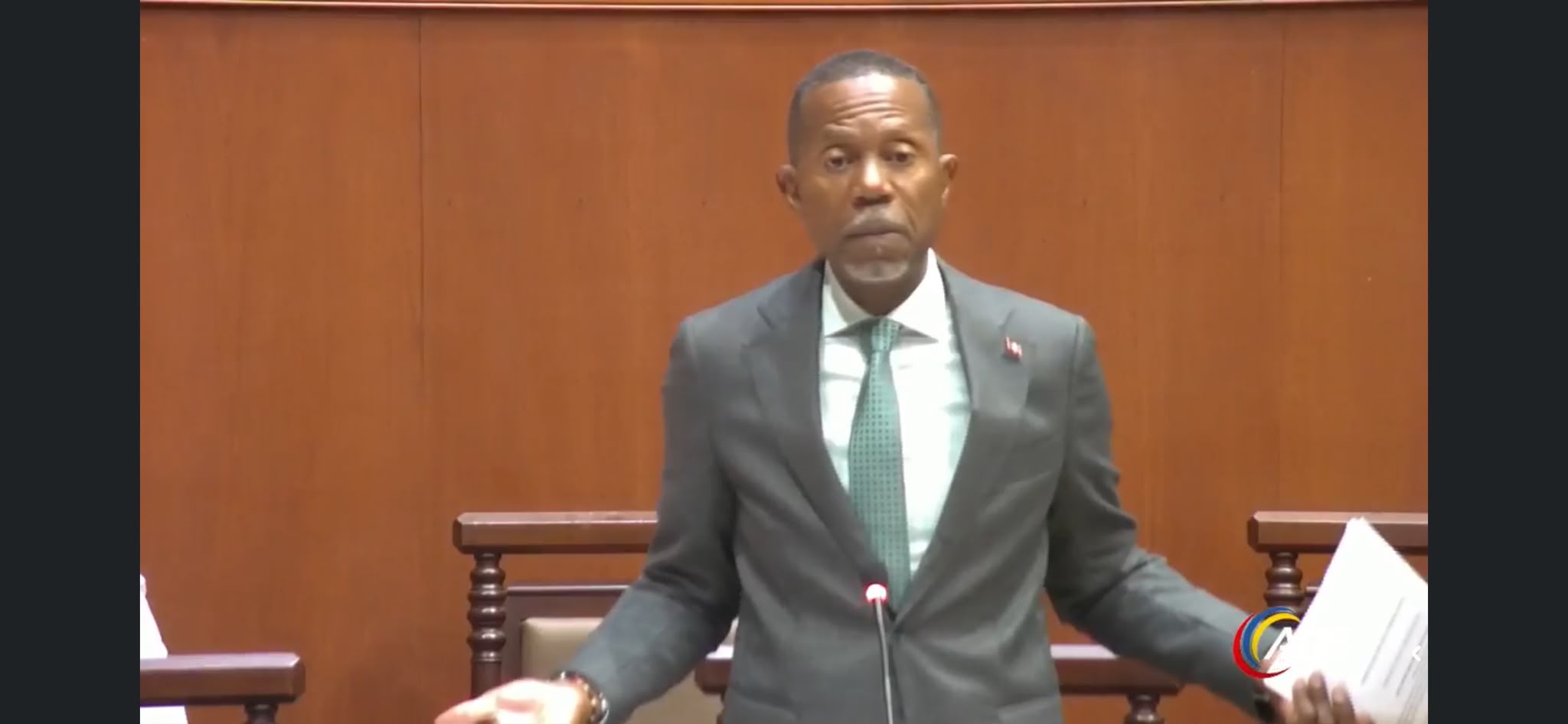
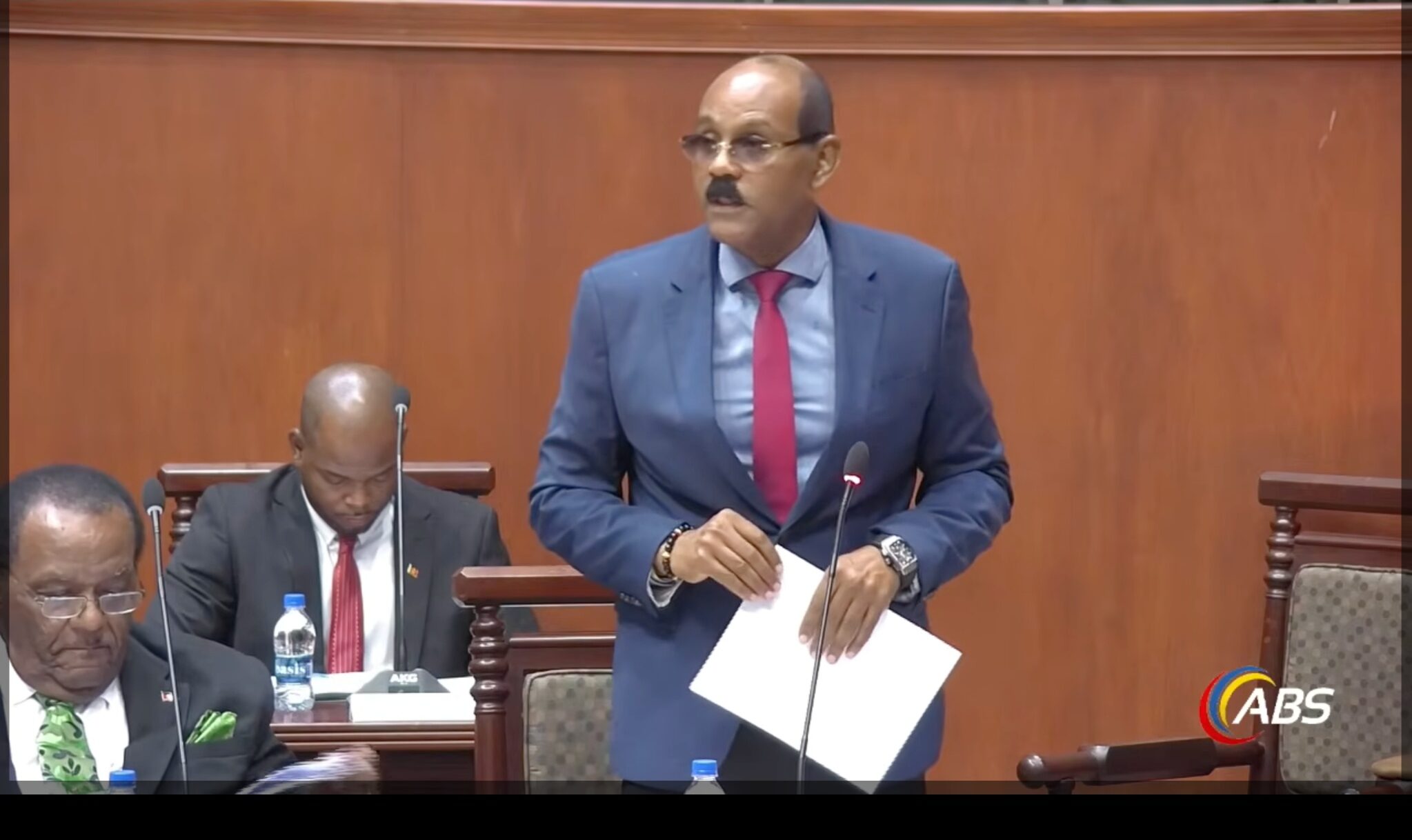
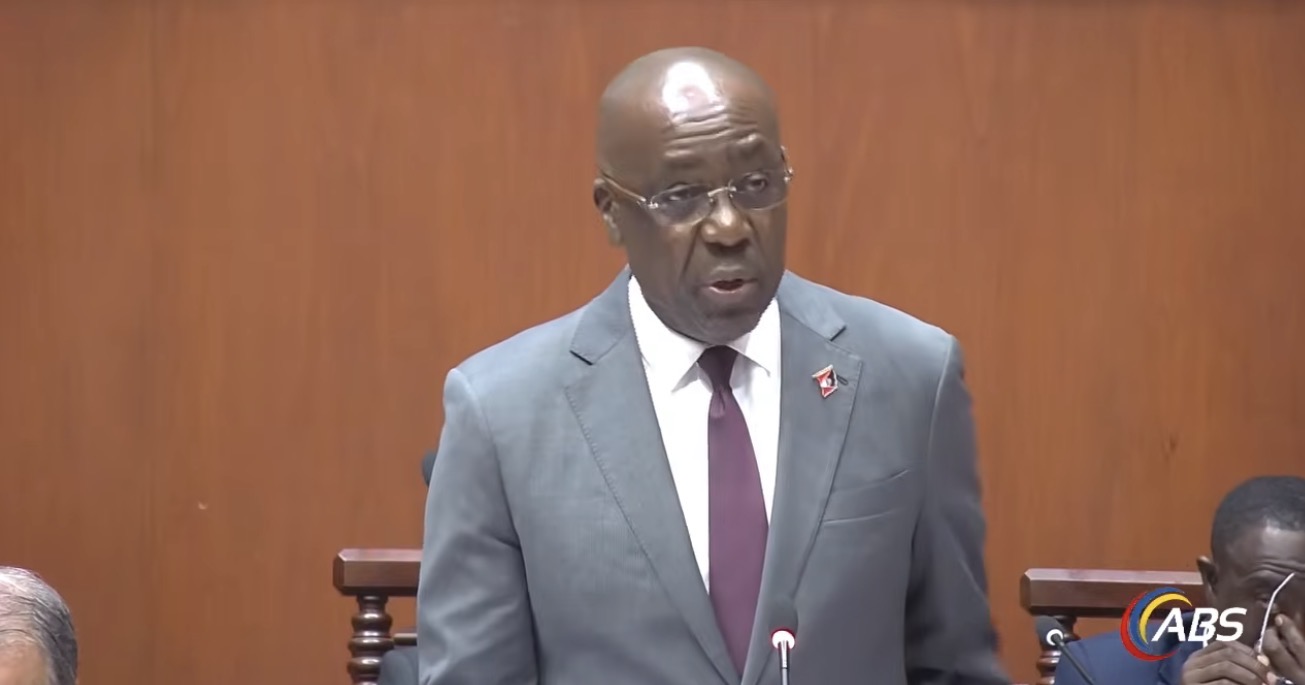
    In a Tuesday address to the Antigua and Barbuda Parliament, Attorney General Sir Steadroy Benjamin moved to clear up widespread misconceptions surrounding ongoing negotiations with the United States over a proposed third-country national transfer framework. Speaking amid growing public and legislative debate over the scope of the proposed deal, Benjamin explicitly confirmed that no binding, final agreement has been signed between the two nations, and that lawmakers are only being asked to greenlight a set of guiding principles to shape future talks.

    Addressing concerns raised during discussion of the government’s resolution, Benjamin pushed back against claims that Parliament was being asked to approve a finalized deal that had already been negotiated behind closed doors. He emphasized that no completed agreement currently exists, framing the current resolution as a procedural step rather than a final vote on a done deal. “The White Paper is not presented as a complete agreement, nor is this House being asked to approve a conclusive operating agreement. None exists,” Benjamin stated to the legislative body.

    Under the terms of the resolution put forward to lawmakers, Parliament would only be granting approval for a foundational framework that outlines the government’s negotiating boundaries, leaving the executive branch – led by the Cabinet – to continue formal discussions with U.S. negotiating teams. Benjamin defended this division of responsibilities, noting that negotiation is an inherent executive function, and that Parliament’s core role in this process is to set the non-negotiable principles and limits that executive negotiators must respect.

    Once the legislative body approves these guiding guardrails, Benjamin explained, the executive branch will conduct all further negotiations within the bounds set by lawmakers. If a final agreement is reached that requires adjustments to Antigua and Barbuda’s existing domestic law, the deal will be brought back to Parliament for further review and the passage of any required enabling legislation.

    A key pillar of the government’s negotiating position that Benjamin highlighted is the protection of Antigua and Barbuda’s full sovereign authority over all immigration matters. He stressed that the Caribbean nation will never cede control over transfer decisions, and will retain the absolute right to approve or reject any individual proposed for transfer. The government’s formal counterproposal to the U.S. requires explicit written consent from Antigua and Barbuda for every transfer, and preserves the country’s right to refuse an individual without being required to provide a justification for the decision.

    Benjamin also outlined additional core conditions that have guided the negotiations from the start. The proposed framework explicitly excludes three categories of people from eligibility for transfer: individuals with prior criminal convictions, people with pending unresolved asylum claims, and unaccompanied minors. Additionally, the government’s position requires that the United States cover 100 percent of all financial costs associated with any transfers that are ultimately approved.

    Closing his address, Benjamin reaffirmed the Antigua and Barbuda government’s unwavering commitment to ensuring that any final agreement reached with the U.S. will fully protect the nation’s sovereignty, align with the country’s Constitution, and strictly adhere to the principles that Parliament ultimately endorses.

  • Fernandez: Antigua Must Strike Balance to Protect Tourism

    Fernandez: Antigua Must Strike Balance to Protect Tourism

    As the Caribbean nation of Antigua and Barbuda enters sensitive negotiations with the United States over the potential transfer of third-country nationals, its top tourism official has emphasized the urgent need for careful strategic balancing between defending national sovereignty and preserving the country’s economic lifeline: tourism. Tourism Minister Charles Fernandez delivered these remarks during a parliamentary debate on a framework resolution outlining core principles to guide the upcoming talks, warning that a breakdown in negotiations could trigger catastrophic damage to the small island nation’s tourism-reliant economy.

    Fernandez stressed to sitting lawmakers that Antigua and Barbuda cannot dismiss the hard economic realities that define its relationship with the United States, which stands as the country’s single largest source of international tourism. “The point I’m making is yes, might is right,” Fernandez told the legislative body, noting that the country must pursue a pragmatic, measured approach to talks while still upholding its core national interests.

    Current economic data places tourism’s contribution to Antigua and Barbuda’s gross domestic product between 60 and 65 percent, a share that makes protecting the industry from avoidable risk a top national priority. Fernandez outlined a key leverage point the United States holds in the negotiations: Washington has the authority to block U.S. air carriers from operating routes to Antigua and Barbuda, a move that would cut off the primary flow of visitor arrivals to the country.

    That scenario, he warned, would deliver an devastating blow to the national economy. “If we lose our tourism, 60, 65 percent of GDP [would go] down the drain,” he said. The economic fallout would not be limited to large hotel operators, Fernandez added. Thousands of working-class Antiguans and Barbudans employed across the wider tourism ecosystem – including restaurant teams, local tour guides and activity operators, transport workers, and other service providers whose livelihoods are entirely tied to visitor spending – would also see their incomes and job security put at risk.

    Against this backdrop, Fernandez argued that the government cannot take an extreme position on the talks: rejecting negotiations entirely is untenable, nor is it feasible to accept every proposal put forward by Washington. “So it is a balancing act,” he explained. “We have tried to strike a balance whereby we can stand up and say with dignity and pride, this is what we obtained, this is what we asked you to put into the agreement and that is what we’re looking for.”

    To contextualize the challenges small island states face when negotiating with major global powers, Fernandez referenced Antigua and Barbuda’s years-long World Trade Organization dispute over online gaming with the United States. Even after securing a WTO ruling that favored Antigua and Barbuda’s position, the country still faced significant, sustained pressure from Washington, he recalled. That prior experience, he said, clearly demonstrates the unique challenges small nations face in talks with much larger partners, and reinforces the need for a deliberate, strategic approach rather than rash action.

    In addition to laying out his position on the negotiations, Fernandez also criticized Opposition Leader Jamale Pringle for choosing not to participate in the key parliamentary debate. He characterized the negotiation framework as an issue of critical national importance that requires input and perspective from all parliamentary blocs to ensure the best outcome for the entire country.

  • Antigua and Barbuda Accepted Five Deported Nationals From US Since March 2025, AG Reveals

    Antigua and Barbuda Accepted Five Deported Nationals From US Since March 2025, AG Reveals

    During a Tuesday parliamentary debate centered on drafting guiding principles for a potential future agreement with the United States over third-country national transfers, Antigua and Barbuda’s Attorney General Sir Steadroy Benjamin made a key disclosure regarding recent deportations from the U.S. Between March 2025 and June 2026, the Caribbean nation accepted five of its own citizens who were deported back to their home country by U.S. Immigration and Customs Enforcement (ICE), Benjamin confirmed to assembled lawmakers.

    The Attorney General emphasized that taking in these deported citizens is an unwavering legal and moral responsibility of the Antigua and Barbuda government. He drew a clear line between accepting returning citizens and the ongoing negotiations with Washington around the possible transfer of non-citizens who have been removed from U.S. territory.

    Benjamin stressed that unlike the obligation to take in its own nationals, Antigua and Barbuda holds no legal requirement to accept third-country nationals deported from the United States. He pushed back against any misinterpretation of the parliamentary resolution on the floor, clarifying that lawmakers are not being asked to sign off on a finalized binding agreement – because no such deal has been finalized yet.

    “The White Paper laid before this House is not a finished, executable agreement, and we are not seeking approval for a conclusive operating deal. No such document exists,” Benjamin told parliament. “What we are asking this body to endorse today are the core principles that will frame all future negotiations with the U.S. This approach leaves the executive branch the necessary flexibility to secure improved terms that benefit our nation.”

    Outlining the parliamentary role in the process, Benjamin added that the legislature’s responsibility is to set the overarching governing principles and binding limits that the executive branch must respect as talks move forward. He also reaffirmed a key safeguard: Antigua and Barbuda will retain full discretionary authority over every proposed third-country national transfer, and no future arrangement will include a policy of automatic admission.

    Benjamin laid out strict non-negotiable terms that any final agreement must meet. The deal must explicitly exclude any transfers of individuals with criminal records, those with pending unresolved protection claims, or people with incomplete official documentation. Additionally, all financial costs tied to any third-country national transfers must be fully guaranteed in writing by the U.S. before any individual is relocated to Antigua and Barbuda. These guardrails, the Attorney General explained, are designed to protect the nation’s sovereignty, domestic security, and existing legal obligations, while still allowing the government to continue constructive discussions with the United States under a clear mandate from parliament.

  • Walker says Antigua and Barbuda ‘Has No Cards’ in US Negotiations

    Walker says Antigua and Barbuda ‘Has No Cards’ in US Negotiations

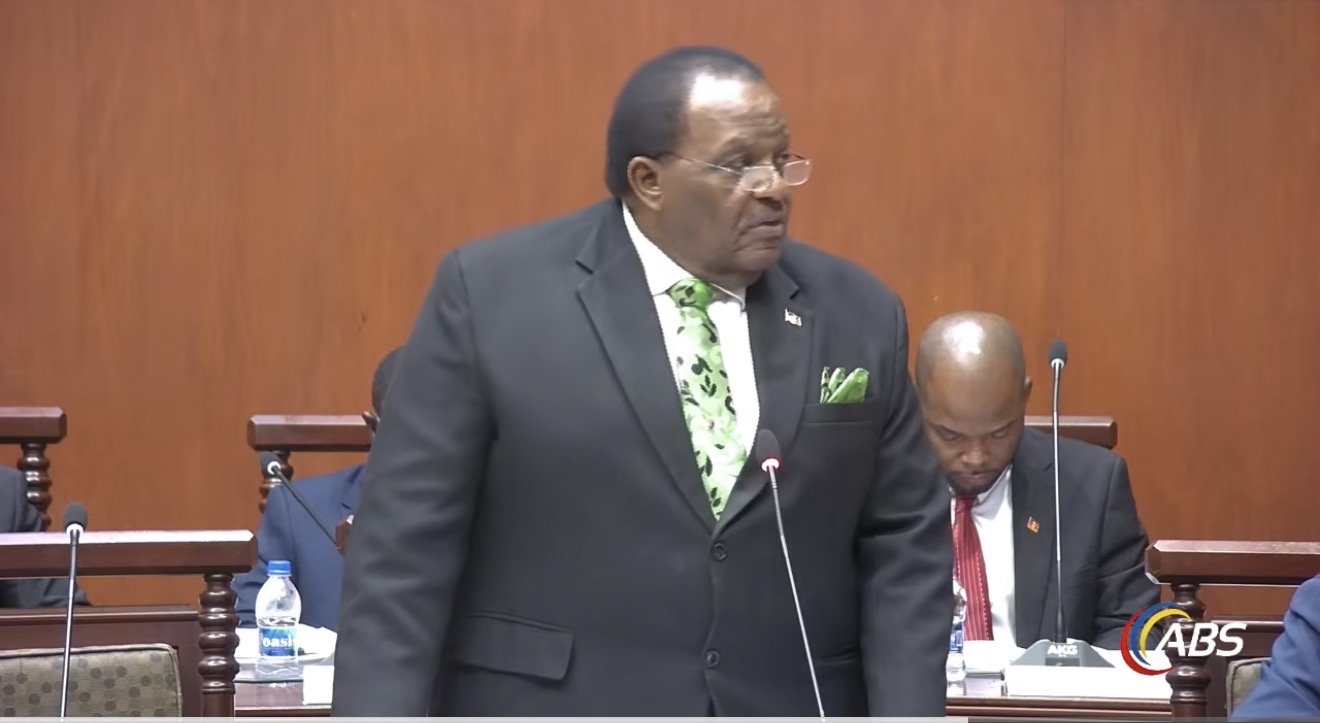
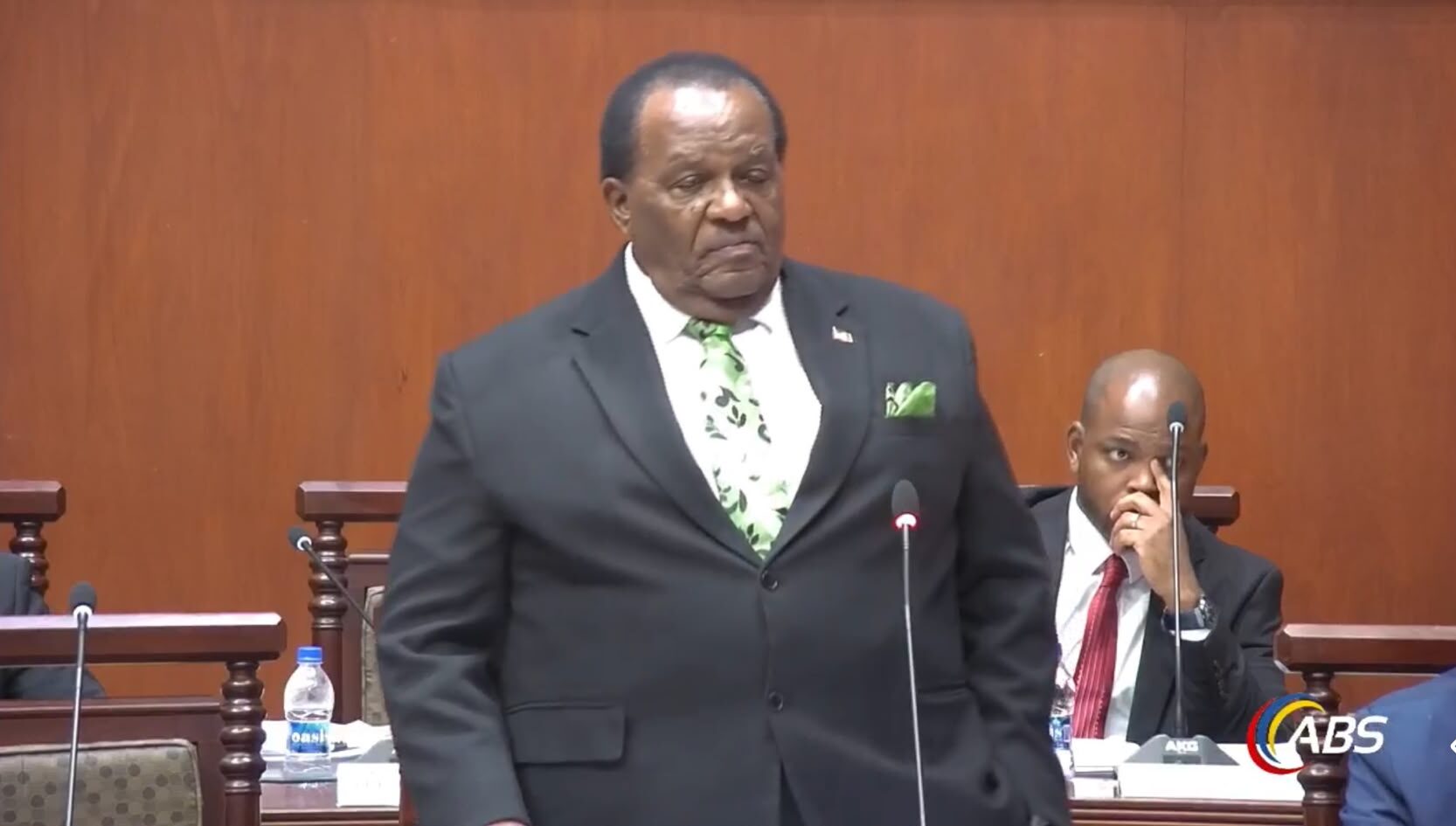
    During a Tuesday parliamentary debate centered on a resolution outlining negotiating principles for talks with Washington, Member of Parliament for Barbuda Trevor Walker has delivered sharp criticism of the Antigua and Barbuda government’s approach to potential negotiations with the United States over the transfer of third-country nationals. Walker argued that the Browne administration is entering discussions from a fundamentally disadvantaged position, stripped of meaningful bargaining leverage due to long-standing stringent U.S. visa restrictions that already impact the Caribbean nation.

    In stark, plain-spoken remarks to the chamber, Walker emphasized, “I want Antiguans and Barbudans to hear me. Antigua and Barbuda don’t have no cards. You have no cards.” While he stopped short of rejecting negotiation outright, he pressed the government to outline exactly what reciprocal concessions it intends to secure in exchange for cooperating with U.S. demands, arguing that this call for clarity is a completely reasonable request.

    Walker stressed that this high-stakes issue should not be weaponized for partisan political gain, noting that any final agreement reached with the United States will shape the lives of all citizens across Antigua and Barbuda, regardless of political affiliation. “This matter ought not to be partisan and political because it will affect all of us,” he said.

    The MP pointed to the already strict U.S. travel constraints placed on Antiguans and Barbudans as evidence of the government’s weak hand, noting that citizens are currently limited to maximum 30-day stays in the United States. He shared his own recent personal experience clearing U.S. immigration, where an officer explicitly reminded him of the 30-day rule despite Walker’s plan to stay just four days for his trip.

    Walker further demanded that Prime Minister Gaston Browne publicly explain how Antigua and Barbuda arrived at what he called one of the most strained periods in bilateral relations with the U.S. “The Prime Minister of this country has an obligation … to let Antiguans and Barbudans understand why Antigua and Barbuda at this time is placed in a position where things are almost at the highest element of hardship when it comes to United States travel restrictions,” he said.

    To contextualize the current strain, Walker drew a contrast to relations in the mid-2000s, when then-U.S. Secretary of State Condoleezza Rice publicly commended Antigua and Barbuda for passing national legislation focused on boosting government accountability and transparency. He raised pointed questions about whether the recent deterioration of ties is connected to international scrutiny of the country’s popular Citizenship by Investment Programme, arguing that the public is owed a full public accounting if that is the case.

    Beyond criticizing the national government’s approach, Walker also took aim at regional leadership through the Caribbean Community (CARICOM), faulting bloc leaders for failing to agree on a unified regional stance on the third-country national transfer issue. He argued that small island developing states across the Caribbean would hold far more bargaining power if they negotiated as a collective bloc rather than individually. “These guys cannot sit down and come up with a common position so that this issue can be dealt with,” Walker said, urging both the Organization of Eastern Caribbean States and the broader CARICOM community to align on a coordinated approach moving forward.

    Walker also called on the government to conduct widespread public consultations before finalizing any agreement with Washington. He argued that key national stakeholders including the Antigua and Barbuda Bar Association, the national Chamber of Commerce, and wider civil society groups should be engaged early to build a broad national consensus on the terms of any deal. Greater transparency around the negotiations, he added, would help the general public fully understand the far-reaching implications of any arrangement struck with the U.S.

    Closing his remarks to parliament, Walker laid out non-negotiable priorities that any final decision must uphold: the government must protect Antigua and Barbuda’s core economic interests, most notably the critical tourism sector, while also preserving the ability of ordinary citizens to travel, study, and conduct business in the United States. “Our access to the United States, to do business, to go to school … and also the whole question of our economic survival, which is tourism, all those things must be taken into consideration,” he emphasized.

  • Antigua wants about US$75,000 Per Migrant in US Talks, Citing Higher Cost of Living

    Antigua wants about US$75,000 Per Migrant in US Talks, Citing Higher Cost of Living

    Antigua and Barbuda is pushing for a rate of up to US$75,000 in financial support for every third-country national it accepts under a proposed migrant resettlement arrangement with the United States, Prime Minister Gaston Browne has confirmed. Speaking in the country’s Parliament this Tuesday ahead of tabling a negotiation framework resolution, Browne made clear that the Caribbean nation’s unique economic context – marked by among the highest living and housing costs in the region – demands greater compensation than other partner states have secured for similar agreements.

    Browne told assembled lawmakers that existing resettlement deals between the US and other participating nations have offered between US$25,000 and US$50,000 per individual resettled. But he has already communicated to US negotiators that this range does not align with Antigua and Barbuda’s on-the-ground costs. “I said to them Antigua and Barbuda is an expensive country, so we may want to consider about US$75,000 each,” Browne stated.

    The prime minister emphasized that the requested rate is not arbitrary, but directly tied to the actual cost of housing and supporting resettled people in the country. Even low-quality, dilapidated rental properties carry a monthly price tag of roughly US$500, Browne explained, while housing that meets the minimum acceptable standards comparable to accommodations in the United States costs a minimum of US$2,000 per month. These stark cost differences, he argued, must be centered as talks move forward.

    Tuesday’s resolution before Parliament does not seek approval for finalized financial terms, but rather a guiding framework that empowers the national Cabinet to continue negotiations while upholding Antigua and Barbuda’s core interests. “The Cabinet must have the leverage to negotiate a sensible agreement,” Browne said, noting that negotiators will formalize their position on fair financial compensation before presenting it to US counterparts.

    In a key guardrail for the small island nation, Browne stressed that no final agreement will be signed until funding terms are settled and documented in writing. This precondition ensures that the financial burden of resettling third-country nationals will never fall on Antigua and Barbuda’s public finances. The prime minister reaffirmed the government’s openness to collaboration with the United States, but made clear that any final arrangement must prioritize the country’s economic realities and protect national interests above all else.

  • WATCH: PM Browne Presents Resolution In Parliament to Govern Any Third-Country National Transfer Agreement

    WATCH: PM Browne Presents Resolution In Parliament to Govern Any Third-Country National Transfer Agreement

    In a significant parliamentary development focused on strengthening national immigration and international cooperation frameworks, Prime Minister Gaston Browne has presented a key resolution to the Antigua and Barbuda Parliament that will establish formal regulatory guidelines for any future agreements involving the transfer of third-country nationals.

    The proposal, which has been long-awaited by legislative stakeholders and policy analysts, comes amid growing regional and global discussions about managing irregular migration, strengthening border security, and clarifying the legal terms of cross-border transfer arrangements between countries. In his address to lawmakers ahead of the vote on the resolution, PM Browne emphasized that the framework is designed to ensure that all such agreements align fully with the nation’s constitutional standards, international human rights obligations, and domestic policy priorities.

    Unlike ad-hoc arrangements that have been considered in some previous discussions, this resolution creates a clear, transparent legislative pathway that requires parliamentary oversight for any final agreement moving forward. It sets out specific requirements for documentation, screening, and welfare standards for any third-country nationals that would be subject to a transfer agreement, addressing concerns raised by opposition lawmakers and human rights advocacy groups over the past several months.

    Lawmakers are currently debating the provisions of the resolution, with a formal vote expected to be held in the coming days. Government officials have noted that the regulatory framework does not commit the country to any specific transfer agreement at this stage; instead, it creates the legal foundation that would allow the government to negotiate and implement such arrangements in compliance with domestic law. Prime Minister Browne reaffirmed that any agreement reached under this framework would prioritize national security while upholding the dignity and rights of all individuals involved, in line with the country’s longstanding commitment to international cooperation and humanitarian principles.

  • Ministry of Works Employees Block Road Over Outstanding Pay

    Ministry of Works Employees Block Road Over Outstanding Pay

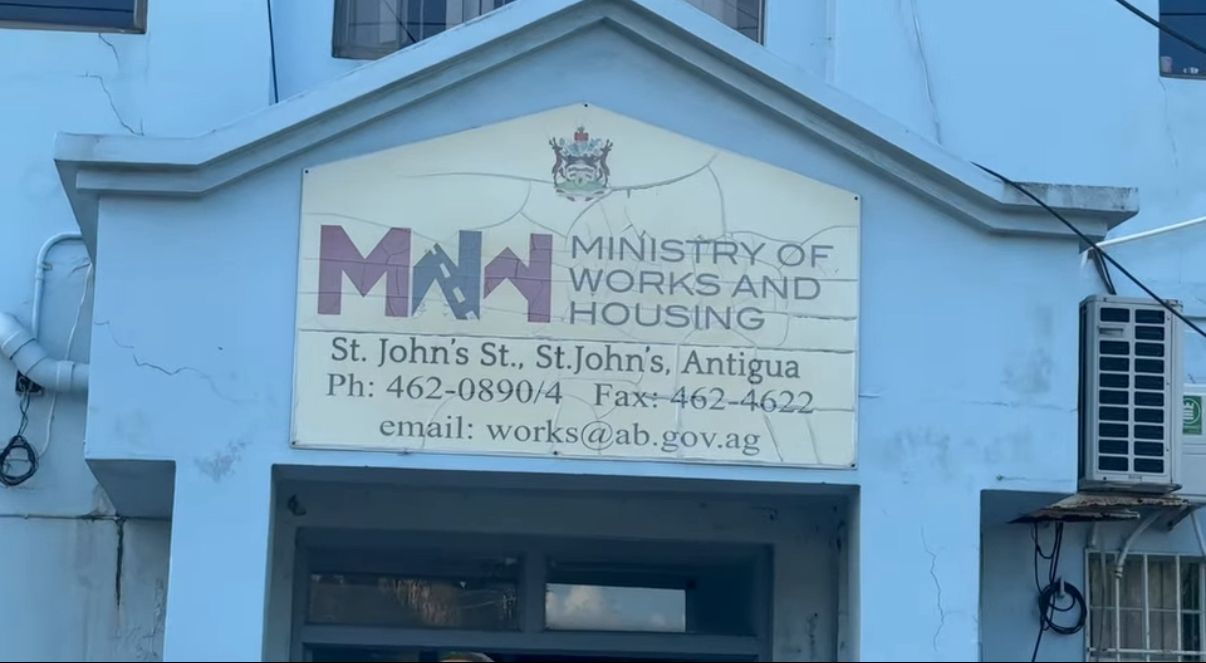
    On Tuesday, public sector employees at the Ministry of Works in Antigua and Barbuda initiated organized industrial action to escalate their demands for long-overdue wage payments. What began as a collective demonstration escalated into a full blockage of the main roadway outside the ministry’s headquarters, disrupting daily movement across the area.

    The industrial action was officially confirmed by George Wehner, a representative familiar with the workers’ grievances, who clarified that the protest was not an unplanned disruption but a deliberate push to secure the withheld wages that workers have been waiting for. To enforce their road blockage, protesters moved heavy-duty trucks owned by the Ministry of Works across the full width of the roadway, bringing all vehicle traffic to a complete halt. This action also cut off routine public access to the ministry’s main compound, as hundreds of aggrieved employees gathered along the perimeter of the facility to voice their frustration.

    The demonstration created cascading traffic disruptions for the entire surrounding neighborhood. Motorists who had planned to travel through the corridor faced extended delays, with many forced to either wait out the standoff or divert onto smaller, less direct alternate routes to reach their destinations. As of this report’s publication, senior leadership at the Ministry of Works and officials from Antigua and Barbuda’s national government have not released any formal public statement addressing the industrial action. There is also no public information confirming when the outstanding wage payments will be disbursed to affected workers, and it remains unclear whether any negotiation talks have been scheduled or are currently underway between worker representatives and government officials to reach a resolution to the ongoing dispute.

  • APUA Announces Adjusted Water Schedule for Some Communities

    APUA Announces Adjusted Water Schedule for Some Communities

    Officials from the local Water Business Unit have announced an emergency adjustment to regional water distribution networks, triggered by a significant drop in surface water reserves at Bendals Valley. The declining volume has pushed water levels below the minimum threshold required for operational extraction from the valley’s natural water sources, forcing an immediate shift in supply routes for the area.

    Prior to this change, 11 distinct communities spanning across the region relied exclusively on the Bendals Water Treatment Plant for their daily water access. These affected residential areas include Bendals Village, Bendals Road, Bathlodge, Cashew Hill, Whenner Road, Brownes Avenue, Martins Village, DeSouza Road, Tindale Road, the Eastern Section of Golden Grove, and Golden Grove Extension. Moving forward, all these communities will draw their water from two alternative sources: the Ffryes Reverse Osmosis (RO) Plant and the limited number of active wells that remain operational within the Bendals Valley itself.

    The Ffryes RO Plant, a key desalination facility that already provides water to large swathes of the southwestern part of the country, currently serves 10 additional communities directly. These include Big Creek, Ebenezer, Jennings, Bolans, Crab Hill, Johnsons Point, Urlings, Cades Bay and Old Road. With the addition of 11 more communities to its customer base, the expanded load has placed increased pressure on the facility’s distribution infrastructure.

    As a result of this expanded service area, the Water Business Unit has warned customers that service disruptions and changes are to be expected across both the newly added and existing service zones connected to the Ffryes RO Plant. Common issues that residents may encounter include reduced water pressure from household taps, shorter windows of active water service on scheduled days, and longer gaps between planned distribution rotations.

    To manage the strained supply, the regional water authority has implemented a rotating service schedule that allocates available water resources across all affected communities in sequence. Officials have issued a public appeal to all residential customers: when water service is active at their property, households should store sufficient water for upcoming off periods in a responsible manner, and all residents are urged to maintain consistent water conservation habits in their daily use to stretch the limited available supply.

    In closing, the Water Business Unit expressed gratitude for the public’s cooperation and patience as the organization works to navigate the current water scarcity challenge and manage the region’s limited available water resources in the most equitable way possible.