标签: Antigua and Barbuda

安提瓜和巴布达

  • PM warns changes to citizenship programmes could hit some Caribbean states harder

    PM warns changes to citizenship programmes could hit some Caribbean states harder

    Prime Minister Gaston Browne of Antigua and Barbuda has issued a stark warning regarding international efforts to modify Citizenship by Investment Programs (CIP), cautioning that such actions could trigger severe economic destabilization across vulnerable Caribbean nations. Speaking during a recent episode of Pointe FM’s Browne and Browne Show, the Prime Minister emphasized the existential nature of these programs for certain regional economies.

    Browne delineated a critical distinction in regional dependency levels, noting that while Antigua and Barbuda utilizes CIP as one revenue stream among others, neighboring states have developed far greater reliance on these initiatives. He specifically highlighted Dominica as particularly vulnerable to external policy shocks that might restrict or abruptly terminate citizenship investment schemes.

    “For some countries, this programme isn’t merely supplementary—it’s foundational to their economic survival,” Browne stated. “The sudden disruption of these financial flows without appropriate transitional measures could effectively collapse economies that have built significant dependency on CIP revenues.”

    The Antiguan leader positioned his administration as advocating for structured reform rather than elimination, emphasizing his government’s role in promoting regional coordination to prevent what he characterized as a ‘race to the bottom’ in program standards. Browne stressed the necessity of collaborative engagement with international partners, urging them to recognize the varying degrees of economic dependence across Caribbean jurisdictions.

    His comments underscore the complex interplay between global financial regulation and developing economies, particularly highlighting how uniform approaches to policy changes might inadvertently jeopardize smaller nations with limited economic diversification.

  • Travel Update received from V.C. Bird International Airport

    Travel Update received from V.C. Bird International Airport

    In a significant aviation development, the United States has officially removed all airspace restrictions previously imposed over the Caribbean region. This decisive action enables the immediate resumption of standard flight operations between the U.S. and affected Caribbean destinations, effective today.

    V.C. Bird International Airport has confirmed the restoration of regular flight schedules following the regulatory change. Major U.S. carriers have swiftly adjusted their operations to accommodate the lifted restrictions. American Airlines has announced an additional service from Miami International Airport (MIA), with a return flight to Miami scheduled for today. Similarly, Delta Airlines will conduct its Atlanta route with both arrival and return services operating as normal.

    Regional carrier Sky High Aviation has also modified its timetable, advancing its typically Saturday-only flight to operate today. This expedited response demonstrates the aviation industry’s readiness to restore connectivity following the regulatory adjustment.

    Travel authorities strongly recommend that passengers arrive at airport terminals a minimum of three hours before their scheduled departure time. Additionally, travelers are advised to contact their airlines directly for the most current information regarding specific flight details, potential schedule adjustments, and any remaining travel protocols.

  • Browne says Ghanaian nurses hired to protect health system

    Browne says Ghanaian nurses hired to protect health system

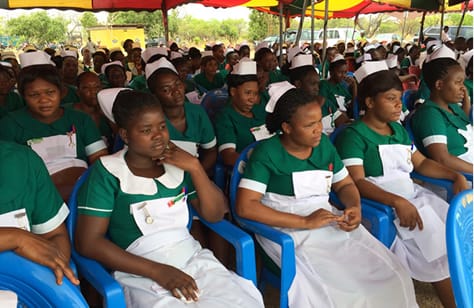
    Prime Minister Gaston Browne has revealed that Antigua and Barbuda’s recruitment of Ghanaian nursing professionals constitutes a strategic safeguard for the nation’s healthcare infrastructure. This decision emerges from mounting concerns over potential disruptions to Cuba’s medical brigade program in the Caribbean due to escalating U.S. opposition.

    During an appearance on Pointe FM’s Browne and Browne Show, the Prime Minister articulated that Washington’s increasingly adversarial stance toward Cuba’s international medical initiatives prompted this proactive measure. Rather than displacing current Cuban medical staff, this recruitment serves as an insurance policy against sudden operational voids that could emerge from geopolitical tensions.

    “The United States has demonstrated pronounced hostility toward the Cuban medical brigade,” Browne stated. “Consequently, we deemed it imperative to implement risk management strategies to cushion our healthcare system against potential fallout.”

    Browne emphasized that the government’s approach focuses on maintaining healthcare continuity, particularly if circumstances necessitate the abrupt departure of Cuban medical personnel. The administration initiated negotiations with Ghana several months ago, resulting in an imminent deployment of healthcare professionals to the twin-island nation.

    Approximately 115 nurses from Ghana are scheduled to arrive in Antigua within the coming days, marking a significant expansion of the country’s medical workforce diversification efforts. This bilateral arrangement represents both a practical response to regional geopolitical dynamics and an enhancement of Antigua and Barbuda’s healthcare resilience.

  • Antigua and Barbuda rejects major commercial and financial ties with Venezuela

    Antigua and Barbuda rejects major commercial and financial ties with Venezuela

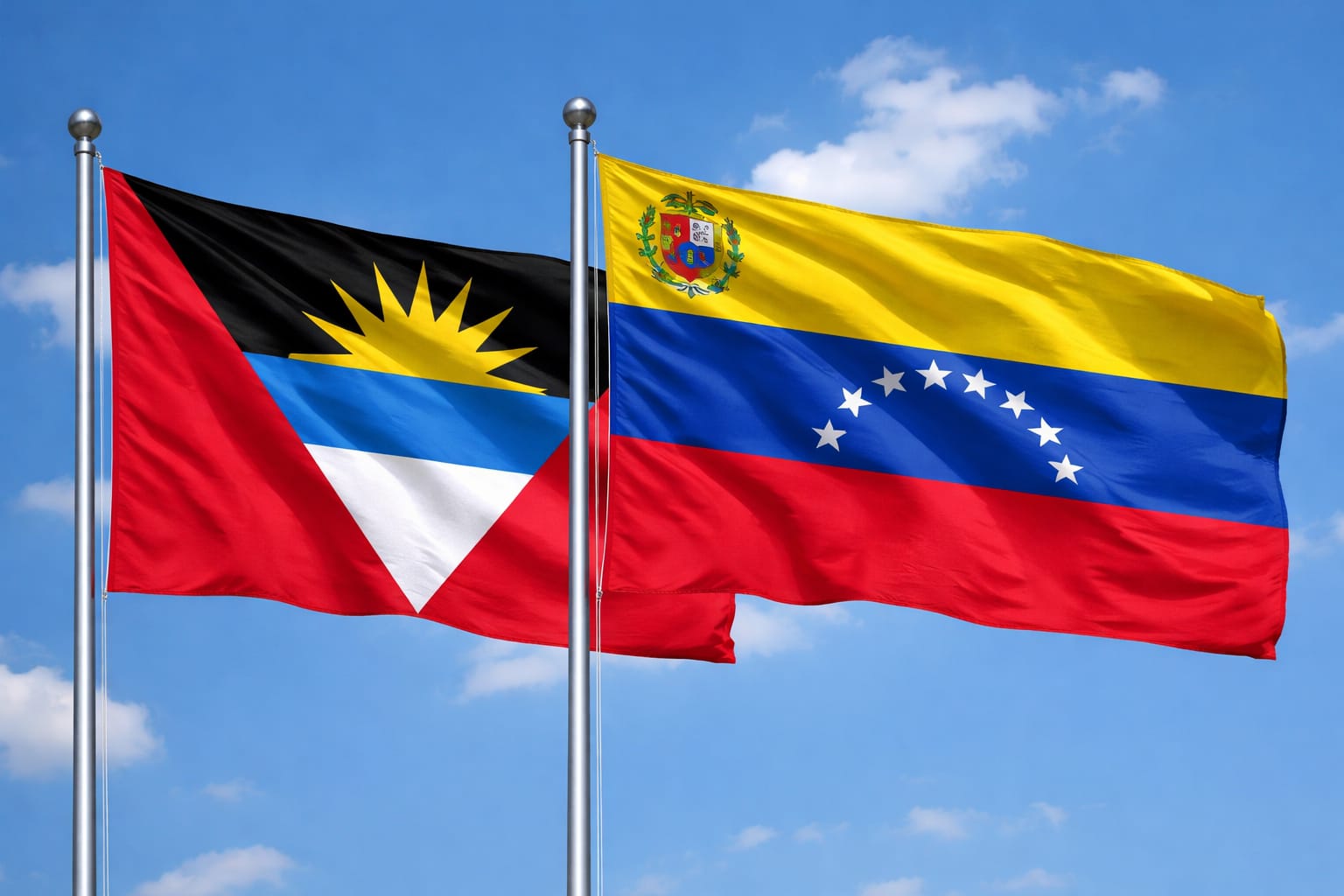
    The Caribbean nation of Antigua and Barbuda has announced a significant diplomatic and economic shift, formally rejecting the expansion of major commercial and financial engagements with the Bolivarian Republic of Venezuela. This decision marks a notable recalibration of foreign policy for the dual-island state, potentially aligning it more closely with broader hemispheric positions.

    Government officials in St. John’s cited a need to ensure regional stability and protect their nation’s economic interests as primary motivations for the move. The policy shift involves suspending negotiations on several proposed bilateral investment treaties and halting plans for deepened banking cooperation that were previously under discussion.

    This development occurs against a complex geopolitical backdrop, where Caribbean Community (CARICOM) members have maintained diverse relationships with Venezuela. While some nations benefited from Petrocaribe energy initiatives, growing international concerns regarding Venezuela’s political and economic crisis have prompted reassessments across the region.

    The decision is anticipated to impact specific sectors, particularly energy imports and development financing. Analysts suggest Antigua and Barbuda may now seek to strengthen economic partnerships with alternative nations and multilateral institutions to compensate for the reduced Venezuelan engagement.

  • Zamoni, Mr. Benji and Pahjo Capture Soca Song of the Year at Dominica Music Awards

    Zamoni, Mr. Benji and Pahjo Capture Soca Song of the Year at Dominica Music Awards

    The vibrant sounds of Caribbean music reached a crescendo at last evening’s Dominica Music Awards, where the collaborative masterpiece “Mash Up Kingdom” by artists Zamoni, Mr. Benji, and Pahjo secured the coveted Soca Song of the Year honor. This high-voltage composition has become the definitive soundtrack of the season, capturing the essence of Carnival celebrations through its pulsating beats and electrifying performance quality that resonated powerfully across regional festivities and airwaves.

    The award-winning track distinguished itself through its capacity to generate immediate audience engagement and spontaneous celebration, transforming every playback into an immersive cultural experience. Its rhythmic complexity and authentic representation of soca’s dynamic tradition established “Mash Up Kingdom” as both a commercial success and artistic benchmark within contemporary Caribbean music.

    During their acceptance remarks, the triumphant artists acknowledged the crucial support system that propelled their work to critical acclaim, specifically recognizing music industry professionals, dedicated fans, and Dominica’s creative community for their instrumental role in the song’s journey to award recognition. This achievement represents a significant career elevation for all three performers, solidifying their positions as influential contributors to the evolution of soca music.

    The prestigious ceremony served as a gathering point for the Caribbean’s most exceptional musical talents, highlighting artistic excellence and cultural impact across multiple genres. With this distinguished accolade, Zamoni, Mr. Benji, and Pahjo have permanently enshrined “Mash Up Kingdom” within the annals of soca history, ensuring its recognition as one of the genre’s most impactful compositions in recent memory.

  • Statement From The Bureau Of The Conference Of Caricom Heads Of Government On Military Action In Venezuela

    Statement From The Bureau Of The Conference Of Caricom Heads Of Government On Military Action In Venezuela

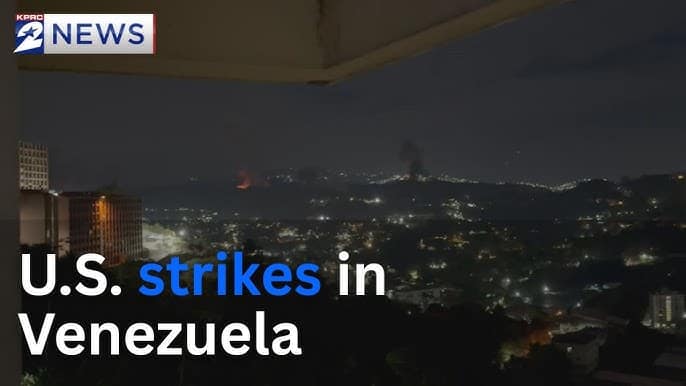
    In response to recent US military operations in Venezuela, the Bureau of the Conference of Heads of Government of the Caribbean Community (CARICOM) held an emergency session on Saturday, January 3, 2026. The meeting, attended by representatives from Jamaica, Saint Kitts and Nevis, and Saint Lucia, addressed the escalating regional crisis.

    CARICOM leadership reaffirmed its unwavering commitment to established international legal frameworks and multilateral principles as outlined in the United Nations Charter. The organization emphasized the critical importance of respecting national sovereignty, territorial integrity, and fundamental human dignity in the current geopolitical climate.

    The regional body issued a strong appeal for peaceful resolution through established diplomatic channels, highlighting the necessity of preserving Venezuela’s political stability, democratic governance, and economic prosperity. CARICOM expressed particular concern for the welfare of the Venezuelan population amid the ongoing military intervention.

    In a official statement, CARICOM leadership confirmed that comprehensive measures are being implemented to safeguard the security and well-being of Caribbean citizens throughout the region. The Bureau announced it would maintain continuous assessment of the situation’s multidimensional consequences, with special attention to potential disruptions in economic operations and regional air travel networks.

    The Caribbean Community concluded by affirming its readiness to facilitate cooperative efforts aimed at peaceful conflict resolution, operating from a foundation of mutual respect and regional solidarity.

  • COMMENTARY: Governor General To Call National Inquiry Independent Of The Prime Minister

    COMMENTARY: Governor General To Call National Inquiry Independent Of The Prime Minister

    Political commentator Yves Ephraim has advanced a compelling case for constitutional amendments in Antigua and Barbuda, focusing specifically on constraining executive authority and enhancing governmental accountability mechanisms. The proposal centers on two fundamental reforms: establishing prime ministerial term limits and empowering the Governor General to initiate independent national inquiries.

    The analysis begins with a philosophical foundation that constitutions must serve as vigilant guardians against state power concentration. Historical evidence demonstrates that nations can unfortunately elevate individuals with criminal tendencies to their highest offices, making constitutional safeguards essential for preserving rule of law, protecting individual rights, and ensuring blind justice administration.

    Ephraim identifies a critical vulnerability in Antigua and Barbuda’s current constitutional framework: the Prime Minister wields absolute power to such an extent that even criminal acts committed publicly cannot be investigated by the Police Commissioner. This creates a perception that legal equality remains absent for those in leadership positions.

    Regarding term limits, the proposal notes that Antigua and Barbuda already mandates term restrictions for directors of public companies and credit unions—a practice established for over fifteen years. The argument follows logically that if term limits protect financial institutions, they become exponentially more crucial for national leaders who can potentially damage entire countries.

    The commentary dismantles counterarguments about losing effective leadership through term limits. Historical analysis reveals that truly capable leaders inherently cultivate successors as part of their leadership philosophy, recognizing that effective delegation and succession planning constitute essential leadership qualities. By contrast, ineffective leaders typically micromanage and surround themselves with inferior talent, creating unhealthy power dynamics.

    Empirical observations indicate that administrative corruption frequently emerges during third-term administrations, with most productive governance occurring during initial terms. International examples include Margaret Thatcher’s British government, where early economic successes became overshadowed by corruption scandals during later tenure. Nations with regular leadership transitions, such as the United States and Barbados, demonstrate greater prosperity and democratic resilience.

    The specific proposal recommends a maximum of two successive terms (not exceeding ten years) for any Prime Minister, followed by a mandatory five-year hiatus before potential reelection. This structure balances experience with regular leadership renewal.

    Regarding inquiry mechanisms, the proposal highlights the fundamental legal principle ‘Nemo debet esse judex in propria causa’ (no one should be judge in their own cause). The current requirement for government consent to investigate itself represents an obvious conflict of interest. The reformed system would empower the Governor General to initiate national inquiries based on Senate recommendations and citizen petitions (minimum 1,000 signatures), particularly in cases involving fraud allegations. The Prime Minister would be excluded from the process, with the Governor General receiving authority to revoke ministerial appointments for process obstruction.

    These proposed constitutional amendments aim to establish robust accountability frameworks and enhance civil liberty protections in Antigua and Barbuda’s democratic system.

  • PM Browne confirms WIOC official was questioned in U.S.

    PM Browne confirms WIOC official was questioned in U.S.

    Prime Minister Gaston Browne of Antigua and Barbuda has publicly verified that a high-ranking executive from the West Indies Oil Company (WIOC) underwent questioning by United States authorities during a recent visit to the US. The disclosure came after Browne reviewed a report from the media outlet Real News Antigua and conducted subsequent direct inquiries with the official involved.

    During an appearance on Pointe FM’s ‘Browne and Browne Show’ this past Saturday, the Prime Minister recounted how he initiated contact with WIOC Chief Executive Officer Gregory Georges upon learning of the incident through press reports. According to Browne’s account, Georges acknowledged being temporarily detained by US officials, who also confiscated his electronic devices for examination before returning them.

    Prime Minister Browne contextualized the interrogation within the framework of ongoing international scrutiny, specifically highlighting Venezuela’s longstanding 25 percent stake in WIOC. He emphasized that this shareholding arrangement predated current US sanctions against Venezuela and asserted that WIOC has maintained full compliance with all international regulations since their implementation. “There has been absolutely no violation whatsoever,” Browne stated unequivocally.

    The Prime Minister explained his motivation for addressing the matter publicly stemmed from a desire to provide accurate information verified through direct channels. His comments appear designed to clarify circumstances surrounding increased international attention focused on Antigua and Barbuda’s state-affiliated corporations, particularly those with historical ties to nations under US sanctions. No indications were given that any disciplinary measures would be taken against the WIOC official involved.

  • Prime Minister Gaston Browne says he was forced to address allegations that reached the White House linking him to Venezuela’s Maduro

    Prime Minister Gaston Browne says he was forced to address allegations that reached the White House linking him to Venezuela’s Maduro

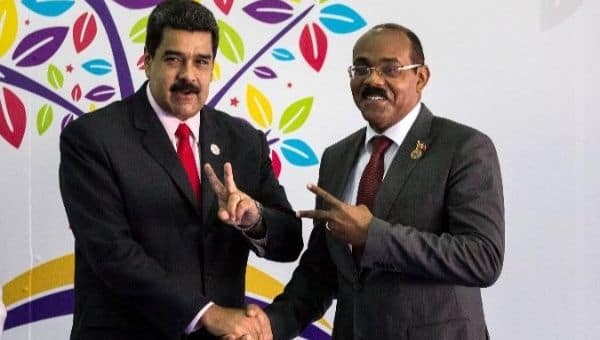
    Prime Minister Gaston Browne of Antigua and Barbuda has publicly refuted what he characterizes as entirely fabricated allegations of conducting business with Venezuelan President Nicolás Maduro’s administration, claims he says had circulated within the White House. The Caribbean leader disclosed that he learned of these accusations through a senior intermediary after submitting correspondence intended for U.S. President Donald Trump.

    Browne detailed the incident during his weekly appearance on Pointe FM’s ‘Browne and Browne Show,’ revealing that within minutes of delivering his letter, the intermediary contacted him regarding circulating information about alleged business dealings between Browne’s family and the Venezuelan government. The Prime Minister promptly issued additional written denials to counter what he labeled as politically motivated falsehoods.

    According to Browne, these allegations originate from coordinated efforts between Antiguan political opposition figures and U.S.-based attorneys involved in ongoing legal proceedings concerning the controversial sale of the Alfa Nero yacht. He categorically denied any involvement by himself or family members in illegal commodity trading with Venezuela, specifically mentioning gold and oil transactions.

    The Caribbean leader framed these allegations as part of a broader campaign to damage both his personal reputation and Antigua and Barbuda’s international standing. In response, Browne has retained legal counsel to pursue defamation claims against those responsible for spreading the allegations.

    Browne emphasized that his comments regarding Venezuela have consistently focused on maintaining regional stability rather than expressing support for any particular foreign leader. He stressed that his primary concern remains protecting the economic interests of small, tourism-dependent Caribbean nations like Antigua and Barbuda from the effects of regional instability.

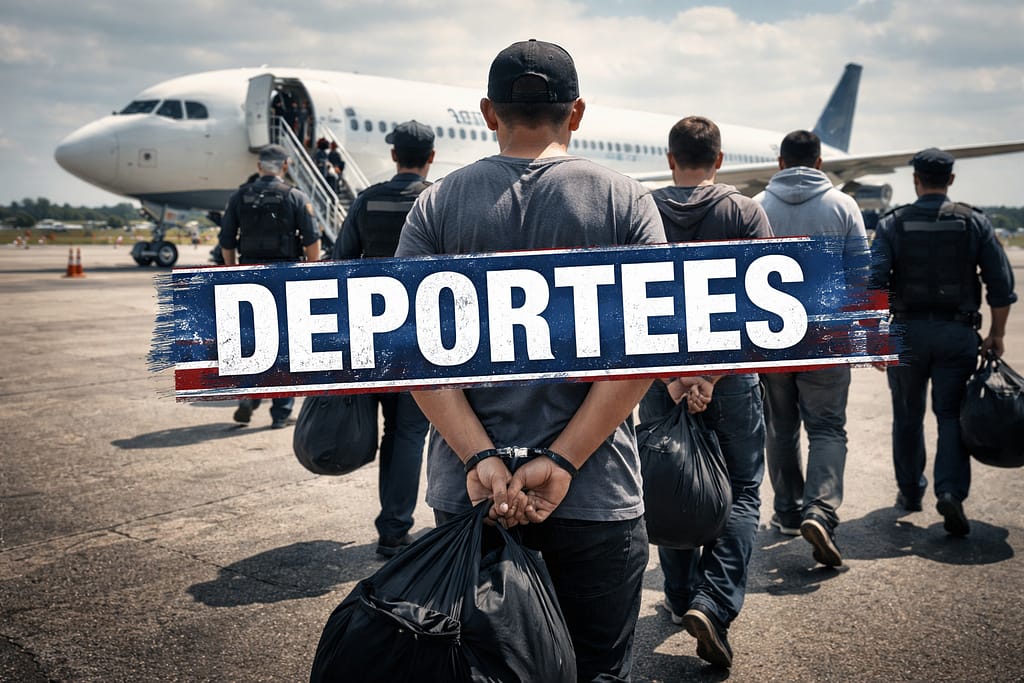
  • PM Browne says Antigua could accept non-criminal deportees from the United States, with needed skills

    PM Browne says Antigua could accept non-criminal deportees from the United States, with needed skills

    In a significant diplomatic development, Antigua and Barbuda has articulated a nuanced immigration stance regarding the acceptance of certain deportees from the United States. Prime Minister Gaston Browne, during a recent appearance on the ‘Browne and Browne Show’ on Pointe FM, detailed the nation’s conditional openness to individuals being repatriated.

    The Prime Minister clarified that the twin-island nation is prepared to welcome deportees or refugees who, despite minor infractions, possess valuable skills that could contribute to the country’s development. This position, however, is strictly contingent upon the exclusion of individuals with serious criminal backgrounds. ‘If they have refugees, or deportees for that matter, who may be involved in minor matters but have skills that can help us, we gladly take them,’ Browne stated. He was unequivocal in adding, ‘we’re not taking the criminal refugees from the third country.’

    This policy framework is not a recent reaction but was formally communicated to U.S. authorities approximately ninety days prior to the latest U.S. visa proclamation. Browne emphasized his administration’s commitment to transparency, ensuring the public was informed of these high-level discussions. The dialogue culminated in a formal agreement between the two nations. A critical component of this pact is that it explicitly preserves Antigua and Barbuda’s sovereign authority to vet and approve all individuals on a case-by-case basis. Furthermore, it mandates intelligence sharing from U.S. authorities to facilitate informed decision-making.

    Prime Minister Browne framed the agreement as a testament to pragmatic international cooperation that safeguards national security and upholds the principles of sound governance. The arrangement demonstrates a balance between engaging with global partners on complex immigration issues and protecting the nation’s interests and sovereignty.