
A municipal transport bus collided with a pedestrian on South Street this Monday, triggering a swift emergency response that temporarily disrupted normal traffic flow in the vicinity. According to official reports, the female pedestrian experienced noticeable discomfort following the impact, prompting immediate medical assessment at the scene. Emergency Medical Services personnel conducted a thorough examination and determined the injuries were non-life-threatening, allowing for on-site treatment without hospital transportation. Multiple bystanders intervened proactively to provide assistance and emotional support to the affected individual until professional medical help arrived. The incident concluded without escalating into a more severe medical emergency, though transportation officials have initiated standard protocol reviews. The precise circumstances leading to the collision remain under investigation by relevant authorities, who will examine potential contributing factors including road conditions, visibility, and operational procedures. This event highlights ongoing public safety considerations in urban transportation systems and the importance of community responsiveness during emergency situations.
标签: Antigua and Barbuda
安提瓜和巴布达
-

New Airport Upgrades will feature e-gates, a first for Antigua and Barbuda
The Caribbean nation of Antigua and Barbuda has embarked on a transformative digital overhaul of its immigration infrastructure following cabinet approval for automated electronic gates (e-gates) at all aerial and maritime ports. This strategic modernization initiative represents a fundamental shift from manual processing to a fully automated border management ecosystem.
Communications Director General Maurice Merchant characterized the technological upgrade as a necessary response to evolving efficiency demands at ports of entry. The new infrastructure will enable travelers to self-process arrivals through electronic passport scanning at high-speed kiosks, effectively eliminating traditional manual checkpoints.
The sophisticated system incorporates enhanced passenger screening mechanisms with automated data processing capabilities, creating operational consistency across both air and sea ports. Merchant emphasized that beyond processing efficiency, the government is implementing advanced biometric integration to strengthen national security protocols.
Critical security enhancements include expanded fingerprint databases, real-time watchlist synchronization with international law enforcement networks, and upgraded reporting tools. The system maintains full compliance with International Civil Aviation Organization standards while accommodating future technological developments including next-generation e-passports.
Merchant underscored the dual-purpose nature of the initiative: “This transcends mere processing acceleration—it concerns border integrity. Through real-time biometric verification, we’re establishing a hostile environment for unlawful entry while maintaining welcoming access for legitimate travelers.”
The technology deployment ensures uniform security protocols whether arriving at V.C. Bird International Airport or through maritime heritage quays. Designed with future-proof capabilities, the system positions Antigua and Barbuda at the forefront of global travel innovation while providing comprehensive coverage across both islands.
Implementation is scheduled to commence imminently, with government officials anticipating a seamless transition that minimizes disruption to existing travel schedules.
-

Overnight roadworks continue on Collin’s Dam Road
Infrastructure maintenance teams are advancing with nocturnal rehabilitation operations along Collin’s Dam Road, implementing strategic repairs to elevate driving standards in the vicinity. Crews have been executing foundational preparation and surface patching on designated segments of the roadway during overnight shifts, methodically setting the stage for imminent asphalt paving procedures. Municipal transportation authorities confirm these activities represent a continuous initiative to reestablish optimal pavement integrity and substantially reduce daytime commuting interruptions. The regional road administration has communicated intentions to sustain repair campaigns, scheduling additional phases contingent upon favorable operational circumstances. Officials are urging motorists to maintain heightened alertness and reduce speeds when traversing active construction zones until all scheduled enhancements are fully completed.
-

Queen Kia Holds Talks With Officials During Miss OCES Visit to Dominica
In a significant blending of cultural diplomacy and governmental engagement, Queen Kia, a prominent pageant delegate, conducted high-level meetings with senior officials during her visit to Dominica for the Miss OCES Pageant. The discussions, held with the Permanent Secretary of Tourism and the Permanent Secretary of Education, represented a unique intersection of beauty pageantry and regional cooperation.
The meetings were strategically integrated into the broader agenda of the Organisation of Eastern Caribbean States (OECS) pageant, which serves as a platform for cultural exchange and regional collaboration. While pageant delegates typically focus on networking and cultural activities, Queen Kia’s engagement with government officials added a substantive diplomatic dimension to her participation.
The dialogue with tourism authorities likely addressed promotional strategies for regional tourism development, potentially exploring how cultural events can enhance visitor attraction to OECS member states. Simultaneously, the education discussions may have focused on youth development programs and educational initiatives that align with the pageant’s empowerment objectives.
This unconventional approach to pageantry demonstrates the evolving role of cultural ambassadors in facilitating cross-border dialogue and policy discussions. The meetings underscore how regional events like the Miss OCES Pageant have evolved beyond traditional competition to become platforms for meaningful exchange on development issues affecting Eastern Caribbean states.
-

Driver Appeals for Help After Vehicle Parts Stolen in Five Islands
Residents of the Five Islands area are confronting heightened security concerns following an audacious automotive parts theft that occurred in the early hours of Tuesday. The incident involved a white Toyota Vitz RS that was systematically stripped of its front bumper and a distinctive custom license plate inscribed with the name “Joker.
Law enforcement authorities have confirmed that no suspects have been identified in connection with the calculated dismantling of the vehicle, which has left the car substantially damaged. The targeted nature of the theft, particularly the removal of personalized identification markers, has introduced new dimensions to local crime patterns that are troubling both police and community members.
The vehicle’s owner has initiated a public appeal for information that might lead to the recovery of the stolen components and identification of the perpetrators. Local authorities are urging anyone with relevant information, regardless of how insignificant it might seem, to immediately contact the nearest police station or provide tips through official law enforcement channels.
This incident has reignited discussions about vehicle security and property crime prevention measures within the community, with many residents calling for increased surveillance and patrols in residential areas where vehicles are typically parked overnight.
-
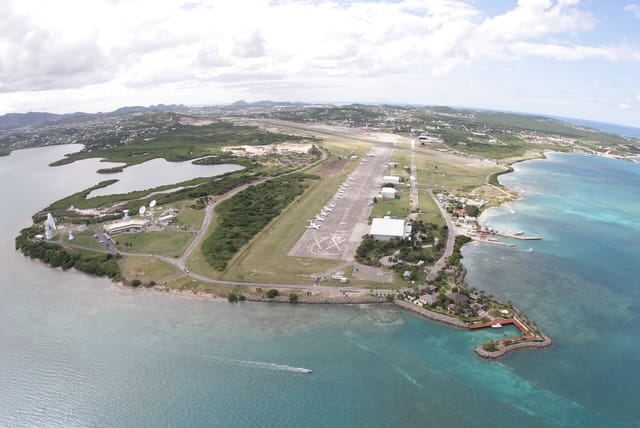
International Civil Aviation Organization Audits Antigua
The Caribbean nation of Antigua and Barbuda has formally initiated a comprehensive audit by the International Civil Aviation Organization (ICAO), marking a pivotal moment for its aviation sector. This evaluation arrives concurrently with a significant restructuring of the nation’s Airport Administration, which includes the imminent appointment of a new Chief Executive Officer and a cadre of trained personnel.
The audit, conducted through direct engagement and on-site inspections by ICAO experts, is poised to identify critical operational irregularities. The collaborative initiative aims to formulate concrete measures to elevate performance standards, with the primary objective of reinstating the nation’s Category 1 safety status. A longstanding and unique challenge for the country has been the anomalous issue of dual private landownership within the precincts of its international airport—a singular situation among all ICAO member states for over two decades.
The current administration is now positioned to actively consult with the global aviation authority on a structured, two-step procedure to resolve this landownership impediment. Previously, the government and the Airport Authority had sought ICAO’s guidance on this matter through a formal process known as ‘Registering a difference.’
The ICAO Audit 2026 is anticipated to bring these pertinent issues to the forefront, enabling effective resolution through expert, real-time counsel. For smaller nations like Antigua and Barbuda, such audits present a vital opportunity to leverage international expertise to bolster the capabilities of local technicians, a collaboration visiting professionals are often eager to provide.
This process represents a strategic opportunity for the nation to fully align with the core tenets of global aviation: stringent adherence to rules, reinforced regulations, and enhanced operational transparency.
-
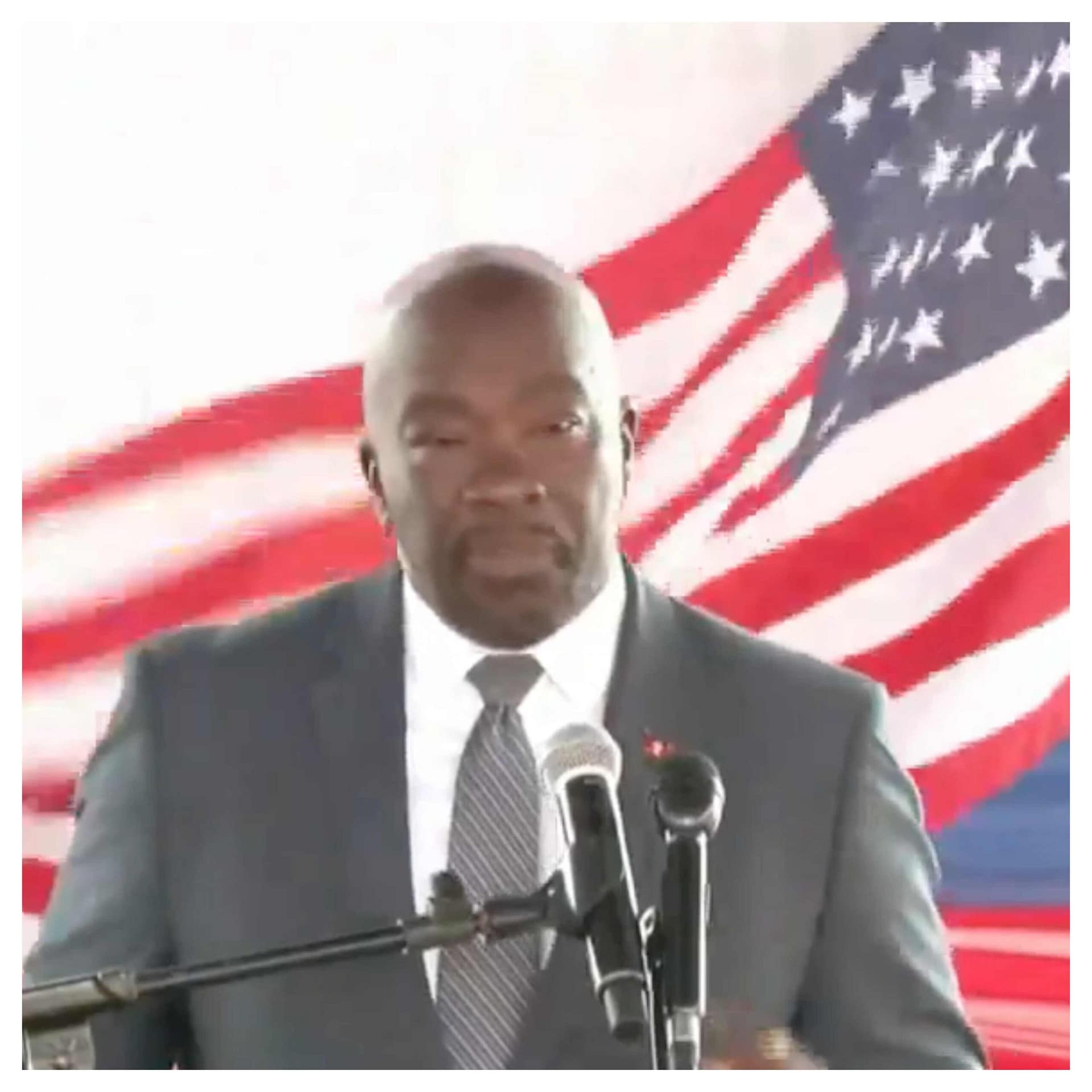
Utilities Minister Nicholas Fires Back at Walker Over APUA Road Repair Plan
A contentious political dispute has erupted in Antigua and Barbuda’s government over infrastructure management, pitting Utilities Minister Melford Nicholas against Barbuda MP Trevor Walker regarding proposed structural changes to road restoration operations.
Minister Nicholas launched a vehement counterattack against Walker’s criticism of his initiative to establish a dedicated road repair crew within the Antigua Public Utilities Authority (APUA). Nicholas pointedly reminded the public that Walker himself served as Minister of Public Works for approximately five years during the previous administration, highlighting that the chronic issue of poorly restored roads following utility work persisted throughout his tenure.
‘The chronic problem of APUA and PWD has existed since then,’ Nicholas asserted in his response, questioning how Walker could criticize the proposed action plan without acknowledging his own record on addressing the long-standing issue.
Walker, speaking on Observer Radio’s ‘Big Issues’ program, had expressed serious reservations about creating what he characterized as a duplicate ‘public works’-type unit within APUA. The opposition MP argued this organizational shift could create redundancy while potentially weakening the Ministry of Works’ core responsibilities. He emphasized concerns regarding standardization, supervisory control, and accountability mechanisms, noting the public lacked clarity on whether the proposed crew would operate under Public Works supervision or function autonomously within APUA.
Rather than transferring capabilities to the utilities authority, Walker proposed establishing a dedicated road restoration team within the Ministry of Works itself. This specialized unit would maintain technical oversight from Public Works while coordinating closely with APUA to ensure prompt response to utility-related excavations.
Minister Nicholas framed his proposal as a practical solution to break the cycle where newly rehabilitated roads undergo emergency utility repairs only to be left with substandard restoration. An integrated APUA team, he contended, would better synchronize utility upgrades with road projects, minimizing damage to finished road surfaces. The initiative would require significant investment in equipment and staffing.
The debate occurs against a backdrop of mounting public frustration over repeatedly excavated roads that remain poorly patched for extended periods. Both officials acknowledge the legitimate grievances of motorists and residents who face uneven road surfaces and prolonged restoration delays following essential utility repairs.
-

Greene: Climate Justice Now Antigua and Barbuda’s Top Foreign Policy Priority
In a definitive foreign policy declaration, Antigua and Barbuda has positioned the urgent pursuit of climate justice at the apex of its international diplomatic agenda. The nation’s leadership asserts that addressing the disproportionate impact of climate change on vulnerable island states is not merely an environmental concern but a fundamental issue of global equity and human rights.
This strategic pivot reflects the existential threat posed by rising sea levels, intensifying hurricanes, and coral reef degradation to the nation’s economic stability and territorial integrity. The policy framework emphasizes that developed nations, as the largest historical contributors to greenhouse gas emissions, bear a moral and financial responsibility to support mitigation and adaptation efforts in the developing world.
Consequently, Antigua and Barbuda’s diplomatic corps will prioritize advocating for accessible climate financing, technology transfer agreements, and legally binding international commitments to loss and damage compensation within forums such as the United Nations and the Commonwealth. This reorientation signifies a broader shift among small island developing states (SIDS) from climate vulnerability to proactive, vocal leadership in global environmental negotiations, demanding accountability and urgent action from the international community.
-

Senator Lamin Newton Says He Is Ready as Election Speculation Grows
Amid mounting speculation about imminent general elections, Senator Lamin Newton, the Antigua and Barbuda Labour Party’s designated representative for All Saints East and St. Luke, has declared his state of permanent preparedness for electoral contestation. During a recent appearance on The Morning Point program, Newton articulated his philosophy of constant campaign readiness, emphasizing that he has structured his political operations around this core principle.
Newton revealed that his approach stems from crucial advice received from a political colleague who counseled him to ‘stay ready so you don’t have to get ready’—a maxim he has since embraced wholeheartedly. ‘I can guarantee you that I am prepared if the Prime Minister decides to make that announcement today,’ Newton asserted, indicating his capacity to immediately activate campaign mechanisms upon any election declaration.
Beyond personal preparedness, the senator issued urgent appeals for electoral participation, expressing concern about significant voter registration deficiencies throughout Antigua and Barbuda. Newton reported encountering numerous unregistered citizens who mistakenly believe they can wait until election dates are formally announced. He warned against this potentially costly delay, noting that a compressed 21-day campaign period could disenfranchise those who postpone registration.
‘Go out now, get yourself registered… Don’t wait until the Prime Minister announces the date,’ Newton implored constituents, highlighting the risks of exclusion from the democratic process.
Regarding constituency development, Newton pointed to tangible improvements already underway, including road rehabilitation projects, clinic upgrades, sports facility enhancements, and community cleanliness initiatives. He positioned these efforts as evidence of his commitment to effective representation regardless of electoral timelines. The senator promised significant amplification of these development projects should he secure election as parliamentary representative, assuring constituents that current visible progress represents merely a precursor to expanded future initiatives.
-

Antigua and Barbuda’s Agriculture Transforms as Tradition Blends with Sustainable and High-Tech Farming
The agricultural landscape across the Caribbean, with a focused lens on Antigua and Barbuda, represents a dynamic fusion of historical tradition and technological innovation. This sector demonstrates remarkable resilience in confronting persistent challenges such as climate volatility, land constraints, and food import dependency. The evolution from colonial-era sugarcane monoculture to today’s diversified and tech-integrated approaches illustrates a significant regional transformation.
Historical agricultural methods continue to form the foundational layer of Caribbean farming. Generational knowledge sustains practices such as intercropping—where cassava, maize, and pulses are cultivated together—to enhance soil health and ensure crop variety. Livestock rearing remains integral to rural livelihoods, though mindful management is essential to prevent overgrazing and land degradation.
In response to increasing climate disruptions, including intensified hurricanes and irregular precipitation, farmers are adopting climate-smart methodologies. These strategies encompass the cultivation of drought-resistant crop varieties, advanced water conservation through rainwater harvesting and drip irrigation, and soil preservation techniques like contour farming and mulching.
Sustainability is now a central pillar of modern agricultural development. Agroforestry systems, which incorporate fruit trees into farming plots, not only improve biodiversity but also act as natural windbreaks during storms. There is a growing shift toward agroecology, emphasizing organic alternatives such as biofertilizers and biopesticides to minimize ecological footprints.
Innovative integrated systems are gaining traction to optimize limited land resources. Aquaponics and hydroponics enable efficient, soil-less cultivation of vegetables, particularly advantageous in urban and arid zones of Antigua and Barbuda. These closed-loop systems maximize output while conserving water—a critical consideration for island nations.
The most groundbreaking advancement is the incorporation of drone technology. Unmanned aerial vehicles provide farmers with precise, real-time data for crop monitoring, early detection of pests or diseases, and targeted application of inputs. This precision agriculture reduces waste, lowers costs, and enhances productivity on small-scale farms, making it a powerful tool for post-hurricane recovery and yield forecasting.
Despite promising innovations, barriers to widespread adoption persist. These include the need for comprehensive farmer training, accessible financing for technology acquisition, and supportive policy frameworks that incentivize sustainable practices. Effective collaboration between governments, research institutions, and farming communities is crucial for long-term success.
Ultimately, Caribbean agriculture is navigating a path toward greater sustainability and self-sufficiency. By harmonizing time-tested traditions with cutting-edge technologies, the region is building a resilient food system capable of withstanding environmental and economic pressures, ensuring food security for future generations.