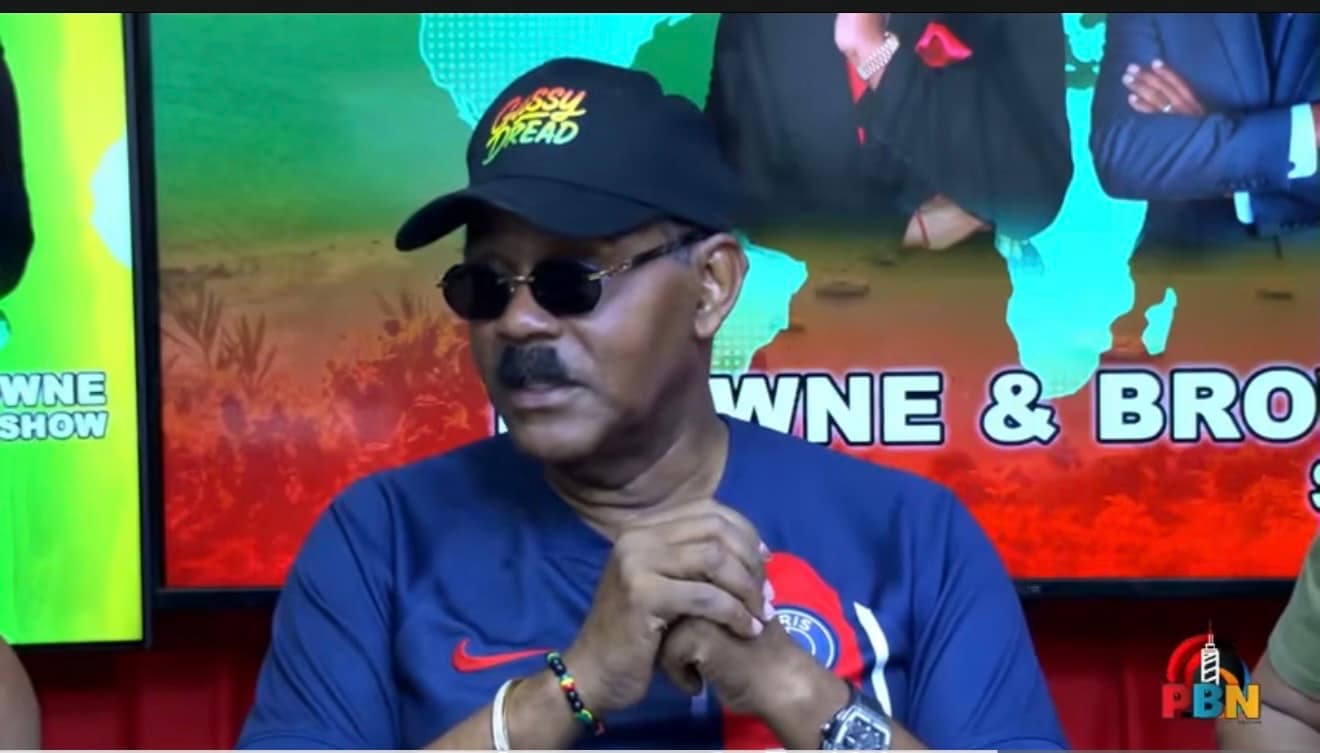
As Antigua and Barbuda confronts mounting public and political pressure over skyrocketing residential electricity bills, Prime Minister Gaston Browne has announced that the Antigua Public Utilities Authority (APUA) will roll out a planned fuel adjustment charge increase incrementally rather than imposing the full burden on consumers immediately. The policy shift comes in response to sustained volatility in global crude oil markets that has driven up regional energy costs across the Caribbean.
标签: Antigua and Barbuda
安提瓜和巴布达
-
Government to Use Public Works Employees in National Clean-Up Push
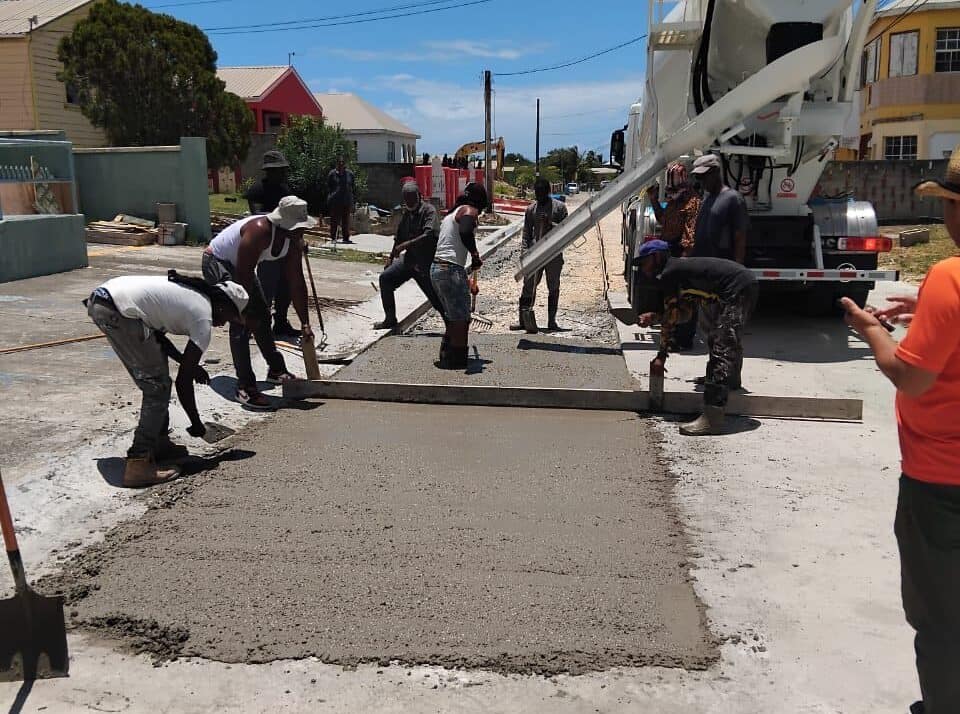
Weeks following the Antigua and Barbuda Labour Party’s historic fourth consecutive general election victory, the island nation’s administration has launched an ambitious national initiative to refresh public spaces and upgrade the country’s overall visual appeal. Prime Minister Gaston Browne announced in a recent interview on local radio outlet Pointe FM that hundreds of workers recently hired by the country’s Public Works Department will be reassigned to support this island-wide clean-up and beautification effort. Browne confirmed that the Public Works Department intentionally expanded its workforce in the months leading up to the April 30 general election, and the newly added staff will now take the lead on critical environmental maintenance and public property upkeep projects across both main islands. “Public Works have taken on a few hundred individuals in the last few months,” Browne shared during the interview. “I’ve said to them that they should be utilized to help to keep the country clean.” The national clean-up initiative is just one component of a broader government-wide infrastructure and improvement program that includes full road upgrades, targeted landscape overhauls, the demolition and removal of abandoned, derelict structures, and expanded beautification work across high-traffic public areas. Browne emphasized that the administration’s goal extends beyond basic waste and blight removal: the project seeks to intentionally enhance the natural and built environment of Antigua and Barbuda for both residents and visitors. Beyond clearing blight and cleaning public lands, the government has additional plans to expand landscaping along all major arterial roads and key public gathering spaces, including a large-scale program to plant native flowering plants and fruit trees across these sites. The announcement comes as the newly re-elected Labour Party government moves forward on pre-election pledges to upgrade national infrastructure and improve quality of life for citizens across the country. Administration officials note that the initiative will both deliver immediate visible improvements to the nation and create short-term employment opportunities for local workers, aligning with the government’s post-election priorities for inclusive growth.
-
PM Browne Says Recent U.S. Visit Disproves Claims of U.S He’s Wanted in the U.S
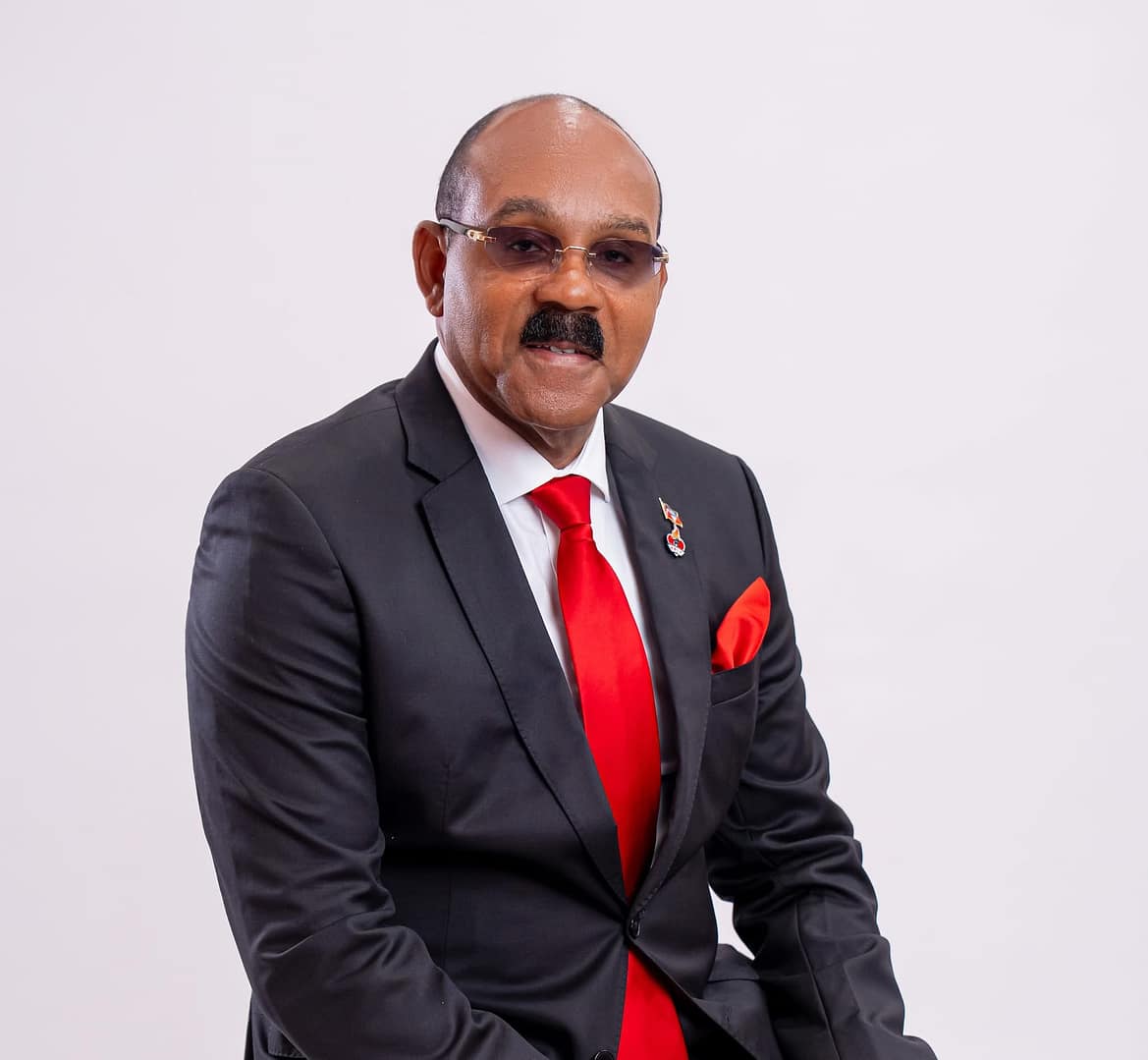
For years, political rivals of Antigua and Barbuda Prime Minister Gaston Browne have circulated persistent false claims that he was barred from entering the United States—either due to being a person of interest to U.S. law enforcement or because his visa had been revoked. These allegations have repeatedly surfaced ahead of national elections, most recently during the island nation’s latest general election cycle. Now, Browne is pushing back forcefully against this misinformation, pointing to his official recent trip to New York as irrefutable proof that the claims are entirely unfounded.
In an interview aired on local station Pointe FM, Browne laid out the details of his U.S. visit that directly contradict years of opposition rhetoric. During the trip, he received standard official security accommodations for a sitting head of government, including escort services from U.S. Secret Service agents. “The very United States government provided me with security,” Browne explained to listeners. “Secret Service met me at the airport, several agents accompanied me everywhere I went, and an officer was posted outside my hotel throughout my stay.” He noted that this level of official coordination would never have been possible if the opposition’s claims of a revoked visa or active warrant were true.
The prime minister recounted that even ordinary members of the public expressed surprise at his open travel, after years of consuming unsubstantiated speculation online. One member of the public approached him immediately upon his arrival to note the disconnect between the visible trip and the widespread misinformation: “Wait, I thought they said you can’t go to the United States because they revoked your visa,” the woman told him, according to Browne.
Browne emphasized that these false claims have had real impact on Antigua and Barbuda’s electoral politics, noting that large numbers of voters have been swayed by the misinformation in past election cycles. The spread of false claims grew particularly acute during and after the COVID-19 pandemic, he said, adding that even outright lies circulated ahead of the 2023 general election were widely accepted as fact by segments of the voting public.
Beyond countering political misinformation, Browne’s New York visit centered on critical international policy work. The trip was organized around the Global Citizen NOW summit, where the prime minister took part in high-level discussions focused on pressing global priorities: strengthening climate resilience for small island developing states, expanding access to renewable energy, reforming sustainable development financing, and advancing global equity. He also held a series of preparatory meetings with leaders from philanthropy, the clean energy sector, and global policy circles, in anticipation of Antigua and Barbuda’s upcoming role hosting the 2026 Commonwealth Heads of Government Meeting.
-
PM Browne Says Foundation Is Being Laid for Future OECS Political Union
The push for deeper integration across the Eastern Caribbean has gained a high-profile endorsement, as Antigua and Barbuda Prime Minister Gaston Browne has laid out a vision for a future political union among member nations of the Organisation of Eastern Caribbean States (OECS).
Speaking during an interview with local outlet Pointe FM, Browne — who currently holds the chairmanship of the Eastern Caribbean Currency Union — argued that decades of coordinated economic and functional policy have already created a strong, viable foundation for OECS countries to build toward ever-closer political alignment.
“I would love to see, eventually, that we set the platform based on increased cooperation among OECS countries, that we could have a political union in the future,” Browne told listeners. “I may not be around to see it completed, but I am of the view that it is the closest subgrouping, certainly in the hemisphere, to move towards having a political union.”
The prime minister stressed that the immediate goal is not to rush into formal political unification today, but rather to lay the policy and institutional groundwork that will allow coming generations to advance the project to its final stage. He pointed to a range of existing cross-border collaborative efforts, including coordinated monetary policy, joint planning for transportation networks, and shared energy development initiatives, as proof that integration already delivers tangible benefits for regional populations.
Browne argued that deeper, broader integration would cut administrative and operational costs across the region while also improving the quality of public services available to residents of OECS member states. He outlined a series of near-term cooperation initiatives that build on existing progress, including proposals for a shared regional airline, centralized joint procurement systems for public sector goods and services, and cross-border partnerships to expand renewable energy generation across the Eastern Caribbean.
To further streamline resource use and eliminate redundant overhead, Browne also proposed that OECS nations explore consolidating diplomatic representation overseas. He noted that many small OECS states maintain separate diplomatic missions in the same countries, a practice that wastes limited financial and human resources. As an example, he pointed to representation in Canada, asking: “There’s no reason why we each have to have a mission in Canada,” suggesting that joint, shared diplomatic missions managed collectively by OECS member states would deliver the same level of service at a far lower cost to national governments.
-

PM Browne Says Unclaimed ECCB Deposits To Help Fund Proposed OECS Airline
As chair of the Eastern Caribbean Currency Union, Antigua and Barbuda Prime Minister Gaston Browne has put forward a creative funding plan to advance a long-discussed goal of the Organisation of Eastern Caribbean States (OECS): the launch of a homegrown regional airline. In an interview with local outlet Pointe FM, Browne outlined that unclaimed, dormant deposits currently held by the Eastern Caribbean Central Bank could provide a substantial portion of the startup capital required for the new carrier.
According to Browne, the total pool of unclaimed funds held in the regional banking system amounts to roughly 50 million U.S. dollars, a significant share of which would be allocated to the airline project. To address concerns over depositor rights, the prime minister emphasized that the proposal does not permanently seize funds from rightful owners or their heirs. Under the planned framework, approximately 10 percent of the unclaimed deposits will remain reserved at the central bank at all times, and the government will retain full responsibility for honoring any future claims submitted by depositors or their beneficiaries. “It doesn’t take away the right for somebody to come subsequently say they want the money,” Browne explained in his remarks.
The proposed regional airline is far more than an isolated infrastructure project, Browne noted. It is a core component of the OECS’s broader agenda to deepen economic integration, strengthen cross-border collaboration, and improve intra-regional connectivity across the Eastern Caribbean subregion. OECS leaders have been holding ongoing discussions to refine the initiative, which aligns with wider cooperation efforts across multiple critical sectors including transportation, cross-border trade, energy development, and public procurement. Browne added that regional governments are actively exploring additional mechanisms to pool collective resources, cut overlapping administrative costs, and unlock greater efficiency through expanded collaboration across all member states of the bloc. For his part, the prime minister expressed clear optimism about the project’s path forward, stating, “I’m hoping that we can get that effected.”
-
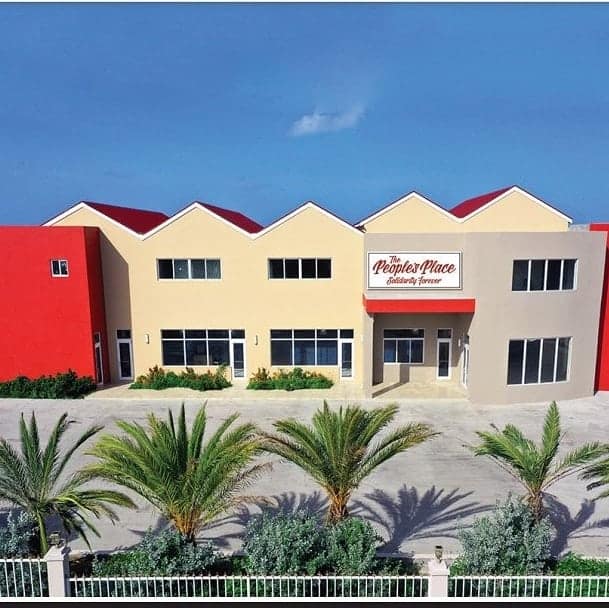
ABLP Leader Says Unspent ABLP Campaign Funds Will Be Invested Following Election Victory
Fresh off securing a landslide fourth consecutive term in the April 30 general election, where the Antigua and Barbuda Labour Party (ABLP) claimed 15 out of 17 available parliamentary seats, party leader and sitting Prime Minister Gaston Browne has outlined a prudent long-term strategy for managing leftover campaign funds: rather than diverting the remaining capital to short-term political activities, the party will invest the sizable sum to strengthen its institutional foundations.
In an interview with local outlet Pointe FM, Browne explained that deliberate, forward-looking financial planning has been a core part of the ABLP’s election strategy for cycles. Rather than exhausting every dollar raised from campaign contributions during the election period, the party routinely sets aside a fixed portion of funds for ongoing institutional development, a practice that has already delivered tangible benefits for the organization.
Past savings from previous election cycles, Browne noted, funded the construction of the party’s central headquarters at the People’s Place, as well as the installation of energy-efficient solar panels that have cut the building’s long-term electricity costs. For the 2024 post-election surplus, the party has opted for a different approach: with no new major infrastructure projects like a headquarters on the agenda, the ABLP has purchased a government bond with the funds to generate steady long-term returns for the party.
Browne pushed back against implicit suggestions that the party might misuse campaign funds for corrupt purposes such as voter bribery, noting that if the leadership’s goal was simply to distribute cash to party members and candidates, it would have split the entire raised sum and spent all funds during the campaign. Instead, the party prioritized building durable organizational assets to eliminate the heavy reliance on ad-hoc fundraising between election cycles, creating more stable operations for the ABLP over time.
In addition to the bond investment, Browne unveiled a new cultural project for the party: the creation of an ABLP museum dedicated to preserving the organization’s history. The space will house key historical records and iconic vehicles once used by two of the party’s most influential former leaders, Sir Lester Bird and Vere Cornwall Bird Jr., preserving the party’s legacy for current members and future researchers.
-

Selected Community Clinics Continue Extended Operating Hours, Ministry Reminds Public
Residents of Antigua and Barbuda now have greater flexibility to access routine and urgent medical care after standard work hours, as the country’s Ministry of Health has confirmed that extended operating hours are already in place at two primary care facilities: the Grays Farm Health Centre and the Clare Hall Health Centre. This policy adjustment is part of a broader government push to upgrade public healthcare access and reduce systemic strain on emergency departments across the nation.
Under the new permanent extended schedule, both health centers open their doors to patients at 8 a.m. daily and remain operational until 9 p.m., adding three extra hours of service beyond the traditional 8 a.m. to 6 p.m. primary care timetable. Ministry officials emphasized that this expansion addresses a long-standing gap for working residents who struggle to attend clinic appointments during standard business hours, eliminating the need for many to take unpaid time off work to access necessary care.
A full range of general and urgent care services are available during the extended operating window. These include routine general medical consultations, acute wound management, care for lacerations, and treatment for common urgent conditions such as sudden asthma flare-ups, dehydration, viral and bacterial gastroenteritis. The facilities also provide urgent care for unmanaged chronic conditions, including uncontrolled hypertension and blood sugar spikes related to diabetes, helping patients avoid unnecessary trips to hospital emergency rooms.
The rollout of extended hours is not stopping at these two locations. The Ministry of Health has announced that similar extended operating schedules are planned for two additional facilities — the Brownes Avenue Health Center and the Villa Polyclinic — with a launch date set for a future phase of the healthcare improvement initiative.
In a statement, ministry leaders reaffirmed the government’s ongoing commitment to expanding equitable access to high-quality healthcare services for all communities across Antigua and Barbuda, framing extended primary care hours as a critical step toward strengthening the country’s overall public health system.
-

NODS Begins Damage Assessment Following 6.4 Earthquake in Antigua and Barbuda
A mid-morning earthquake that shook the Eastern Caribbean on Saturday has triggered immediate damage assessment efforts led by Antigua and Barbuda’s National Office of Disaster Services (NODS), with regional officials working to document impacts across multiple island territories.
The tremor, recorded at 10:50 a.m. local time, was first categorized as a magnitude 6.5 event by the University of the West Indies (UWI) Seismic Research Centre, the entity that tracks seismic activity across the Eastern Caribbean. The center later issued a correction, updating the earthquake’s official magnitude to 6.4.
The shaking was not confined to Antigua and Barbuda: the quake was felt as far north as Tortola, with reports of tremors also coming from Montserrat and Guadeloupe. Crucially, officials confirmed the event did not pose a major tsunami risk to coastal communities across the region.
In line with standard seismic protocol, the UWI center has warned local populations to prepare for aftershocks in the coming hours and days. Some of these secondary tremors could reach magnitudes of 3.5 or higher, and are strong enough to be felt by residents across affected areas.
Thus far, Antigua and Barbuda has reported no casualties from the main earthquake. Volunteer District Disaster Coordinators, deployed across every community on the islands in partnership with NODS, have been mobilized to conduct on-the-ground checks to confirm unconfirmed damage reports. To build a full picture of commercial impacts, NODS has also established direct communication with the Antigua and Barbuda Chamber of Commerce, which is compiling feedback from local business owners.
Beyond Antigua and Barbuda’s borders, the disaster agency also holds oversight responsibility for several smaller sub-regional territories, including St. Kitts and Nevis, Anguilla, the British Virgin Islands, and St. Martin, as well as Montserrat, where the quake was felt. NODS has been in contact with officials across all these territories to coordinate assessment efforts.
NODS has issued a public call for any resident or business owner that has sustained damage from the earthquake to contact the office directly at 462-4206 to file a report. The agency has also reminded the public to follow standard earthquake safety protocol: whenever a tremor strikes, people should drop to the ground, take cover under a sturdy piece of furniture, and hold on until shaking stops. Full damage cost data will be released to the public as soon as assessment work is completed.
-

JCI Antigua Congratulates Members on Senate Appointments
The Junior Chamber International (JCI) branch in Antigua has issued a formal statement celebrating multiple milestones achieved by its members, highlighted by the appointment of three young members to the country’s national Senate and a special service honor for another longstanding contributor.
In the official release, the organization opened by extending warm congratulations to Shenella Govia, Angelica O’Donoghue, and Tiffany Strann-Peters, the three JCI Antigua members who have recently been tapped as government senators. JCI Antigua emphasized that these appointments are far from coincidental: they serve as a public, national validation of the consistent leadership, relentless dedication, and unwavering commitment to inclusive national development that each of the three women has demonstrated throughout their careers and volunteer work with the organization.
Beyond celebrating the three new national senators, JCI Antigua also highlighted an internal win for the community: Nneka Hull James has been appointed a JCI senator, a prestigious recognition within the global JCI network that honors exceptional service and sustained contribution to the organization’s mission. The branch noted that this honor is thoroughly well-earned, crediting Hull James with years of visionary leadership and grassroots work that has strengthened the JCI movement across Antigua and the broader Caribbean region.
Reflecting on the string of achievements, JCI Antigua shared that it takes immense pride in watching its emerging young leaders translate the organization’s core values of service and leadership into tangible impact at the highest levels of national governance. The organization stressed that these public and internal successes do more than honor the individual recipients: they set a powerful example for current and future JCI members, inspiring a new generation of young people to step into leadership roles, prioritize community service, and work to deliver tangible, positive change across Antigua’s neighborhoods and national institutions. Closing the statement, JCI Antigua extended its best wishes to all five honorees, expressing confidence that they will bring fresh energy and community-focused perspective to their new roles.
-
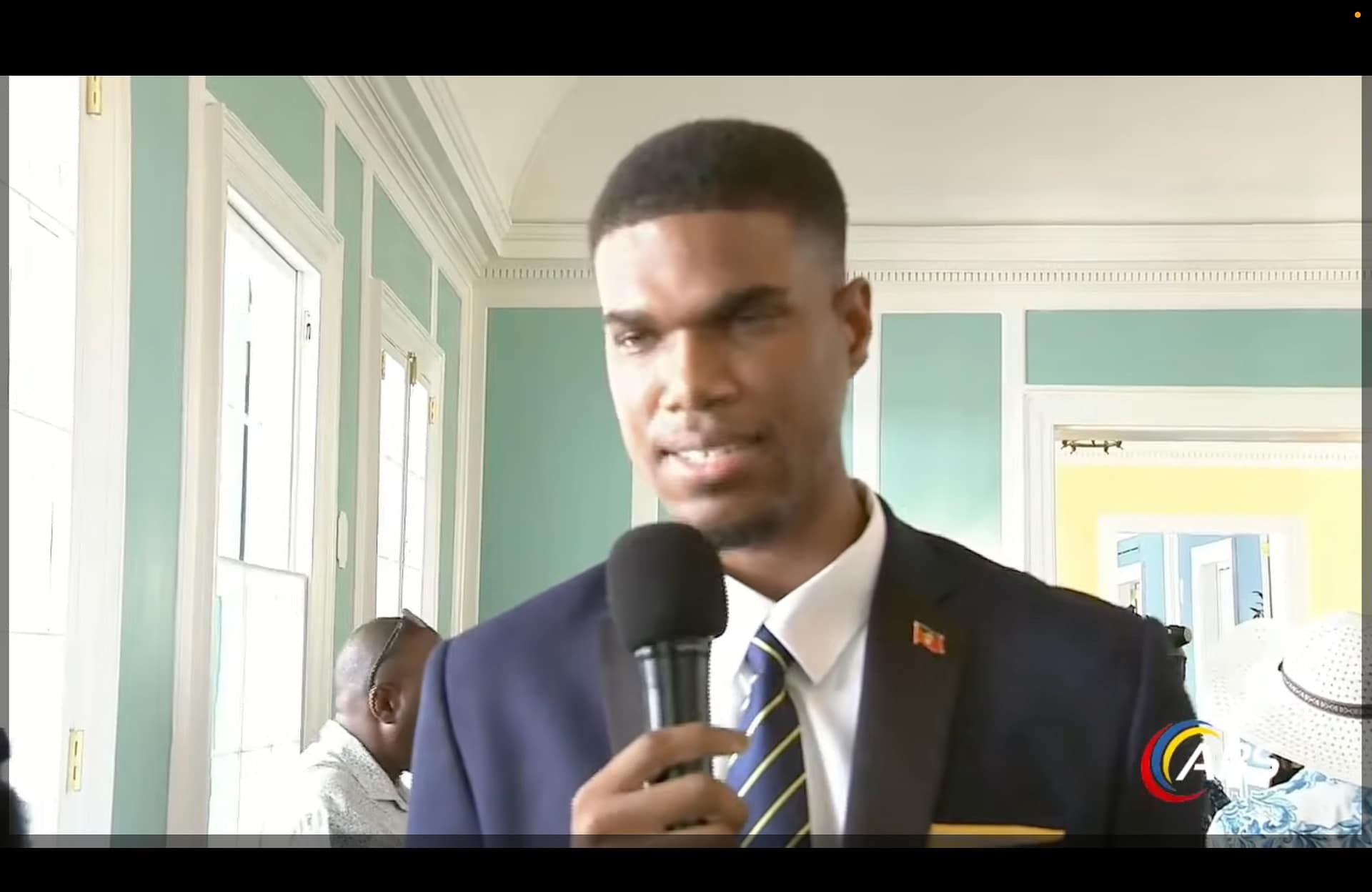
Senator says Rising Electricity Bills Result of Government Inaction on Renewable Energy
Growing public frustration over skyrocketing living costs in Antigua and Barbuda has boiled over into political friction, after opposition Senator Jonathan Wehner launched a scathing attack on the current administration, blaming years of unfulfilled renewable energy pledges for the latest surge in household electricity bills.
Wehner’s critique came just days after the Antigua Public Utilities Authority (APUA) confirmed it would raise its monthly fuel variation charge by 70 cents per kilowatt hour for the month of May. Introduced in July 2024, this variable charge is adjusted on a rolling basis to track shifts in global fossil fuel prices, which feed directly into the nation’s electricity generation costs. This most recent adjustment, triggered by continued volatility in international energy markets, has pushed already strained household budgets even further.
At the heart of Wehner’s argument is a damning accusation: the ruling Antigua Barbuda Labour Party has failed to deliver on a decade-long promise to pivot the nation’s energy sector away from expensive, volatile fossil fuels toward affordable renewable sources. Wehner recalled that the party first pledged large-scale investment in renewable energy back in 2014, with the explicit goal of insulating local consumers from the swings of global oil markets. But after 12 years, the senator claimed that almost no meaningful progress has been made toward that transition.
“It is ordinary citizens and long-term residents who are now paying the price for this administration’s inaction,” Wehner stated in the wake of APUA’s announcement. “The higher fuel charge directly translates to even higher electricity bills, adding more pressure to families already struggling with a soaring cost of living.”
Wehner went on to note that targeted, sustained investment in solar, wind and other domestic renewable energy projects would have drastically cut the nation’s reliance on imported fossil fuels, reducing its exposure to global price shocks and protecting consumers from sudden rate hikes. He also cast doubt on the impact of past government-backed renewable energy initiatives, including previous public solar programs, demanding greater transparency and accountability for public funds allocated to these projects, and questioning whether they have delivered any tangible benefits for consumers.
The senator’s remarks align with a broader wave of public discontent across Antigua and Barbuda, where households and small businesses alike have reported growing financial strain from rising utility costs and general inflation. Energy policy, and the long-delayed transition to renewables, has emerged as a key flashpoint in the country’s political discourse as cost of living continues to dominate public concern.