标签: Antigua and Barbuda

安提瓜和巴布达

  • Carlisle Bay Employee Kalin Fontaine Ranked Among Top 10 Hospitality Professionals Globally

    Carlisle Bay Employee Kalin Fontaine Ranked Among Top 10 Hospitality Professionals Globally

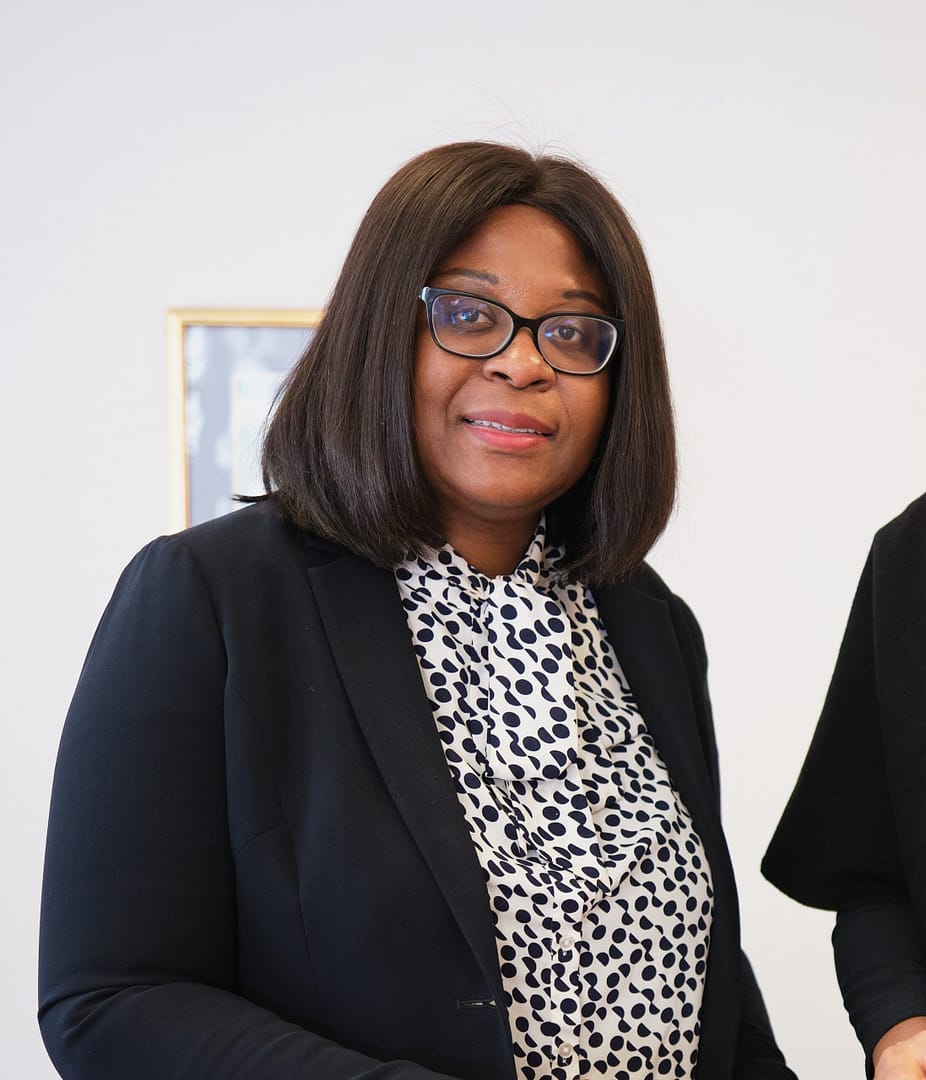
    A standout hospitality worker from Antigua has cemented her place among the world’s elite luxury service providers, after being honored with a 2026 Leading Quality Assurance (LQA) Sirius Award, one of the industry’s most prestigious recognitions for frontline hospitality excellence.

    Officials from Carlisle Bay, the five-star Antiguan resort where Kalin Fontaine has built her career, confirmed the achievement in an official statement. Fontaine was selected as one of just 100 global honorees for the 2026 LQA Sirius Awards, an accolade that draws thousands of nominations from luxury hospitality properties across the globe. Out of this select group of 100, Fontaine climbed to a top 10 ranking, a historic milestone for Caribbean hospitality.

    Notably, Fontaine is the only professional from the entire Caribbean region to earn a spot on this year’s list of awardees, all of whom are drawn from properties affiliated with Leading Hotels of the World. This distinction highlights not just Fontaine’s individual talent, but also the growing reputation of Caribbean luxury hospitality on the global stage.

    The LQA Sirius Awards were created to shine a spotlight on individual team members who go above and beyond to deliver transformative luxury guest experiences. Unlike industry awards that recognize properties or brands, this honor centers frontline workers, celebrating those who win guests over through sincere warmth, proactive intuitive service, and one-of-a-kind stays that leave lasting impressions.

    Fontaine first joined the Carlisle Bay resort team back in 2018, and over nearly a decade has built a reputation for her unwavering dedication to guests, meticulous attention to every detail of a visitor’s stay, and a natural ability to build genuine connections with people from all over the world. In their statement, resort leadership described Fontaine as a true ambassador for both Carlisle Bay and the broader Caribbean hospitality sector, noting that her work embodies the warm, welcoming culture the region is known for.

    Leadership at Carlisle Bay emphasized that Fontaine’s award is far more than an individual win: it is a reflection of the consistent culture of excellence that the entire resort team cultivates every day. Calling the well-earned honor a testament to the property’s commitment to elevating luxury service standards, the resort extended its formal congratulations to Fontaine for her groundbreaking achievement.
  • Senator Lamin Newton Praises Alzarri Joseph Following Falcons Draft Selection

    Senator Lamin Newton Praises Alzarri Joseph Following Falcons Draft Selection

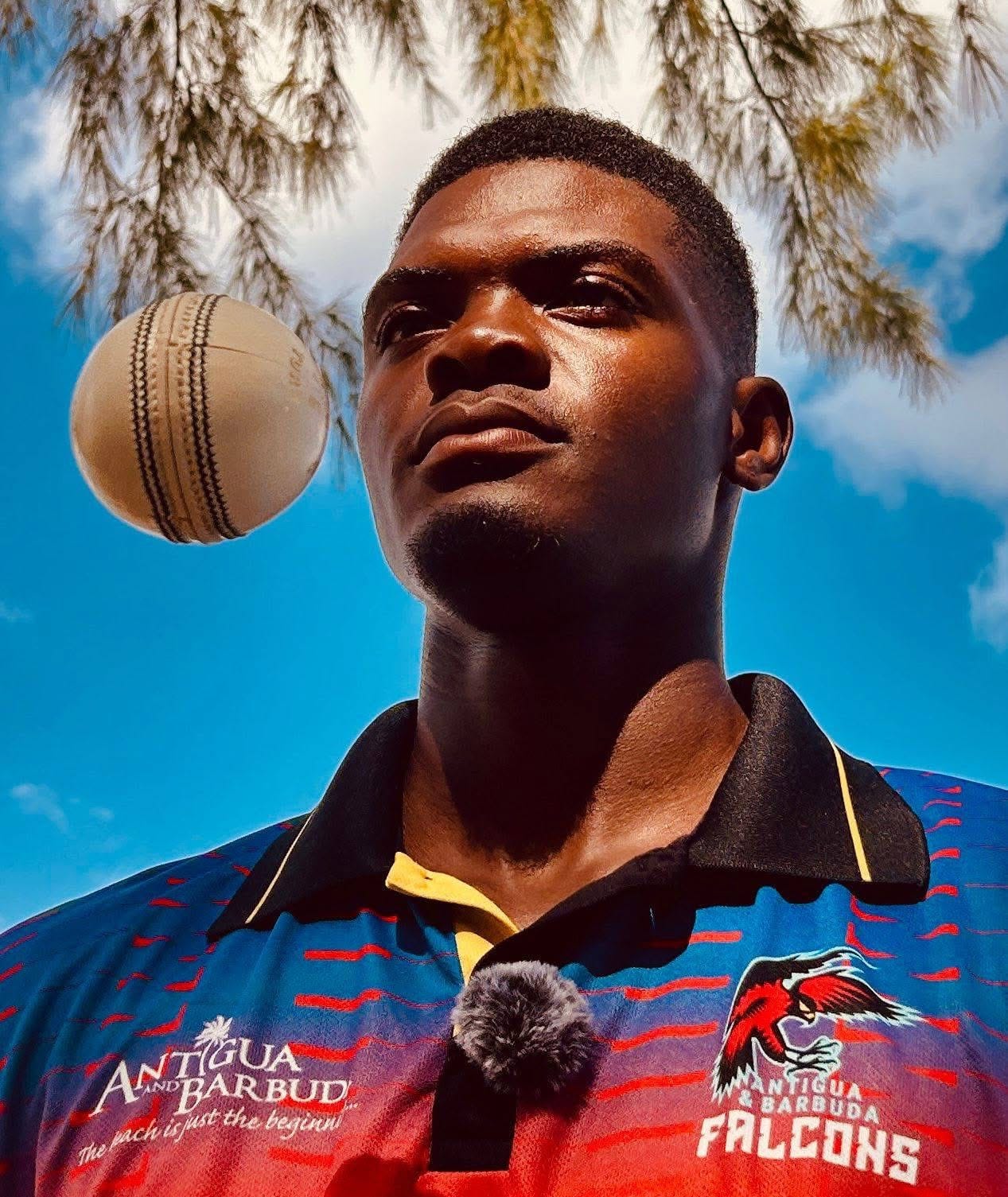
    One of Antigua and Barbuda’s leading government senators has publicly hailed top domestic fast bowler Alzarri Joseph following his selection to the Antigua and Barbuda Falcons roster for the 2026 Caribbean Premier League (CPL) season. Lamin Newton, who serves as the Antigua and Barbuda Labour Party (ABLP) caretaker for the All Saints East and St. Luke constituency, shared his reaction in an official statement released this week, emphasizing that the bowler’s selection fills him with immense national pride.

    In his remarks, Newton stressed that Joseph has long served as an exceptional ambassador for the dual-island nation across elite regional and international cricket competitions. “Time and again, Alzarri has stepped onto the world’s biggest cricket pitches carrying the flag of Antigua & Barbuda, doing so with unmatched pride, relentless passion and consistent excellence,” Newton wrote in the statement.

    Beyond Joseph’s on-field achievements, Newton also highlighted the star pacer’s quiet, consistent commitment to lifting up local communities and supporting grassroots causes across the country. According to the senator, the fast bowler’s consistent willingness to show up for his fellow citizens and stand alongside local communities offers a powerful reflection of his deep patriotism and unwavering dedication to lifting up his home country.

    Newton closed his statement by extending his warmest wishes to the West Indies national team pacer for a successful, injury-free 2026 CPL campaign, noting that Joseph’s career has already become a major source of inspiration for the next generation of young Antiguan and Barbudan cricketers. “Through his commitment to hard work, his relentless discipline and his unshakable love for his country, Alzarri sets an example that every young athlete in our nation can aspire to,” Newton added.

    The selection of Joseph marks one of the first high-profile signings unveiled by the Falcons as the franchise builds out its competitive squad for the upcoming 2026 CPL season, with the fast bowler standing out as one of the most high-profile domestic and regional players to join the team’s roster ahead of the upcoming tournament.

  • Antigua and Barbuda Building Craft Programme Participants Honoured at Marlborough House

    Antigua and Barbuda Building Craft Programme Participants Honoured at Marlborough House

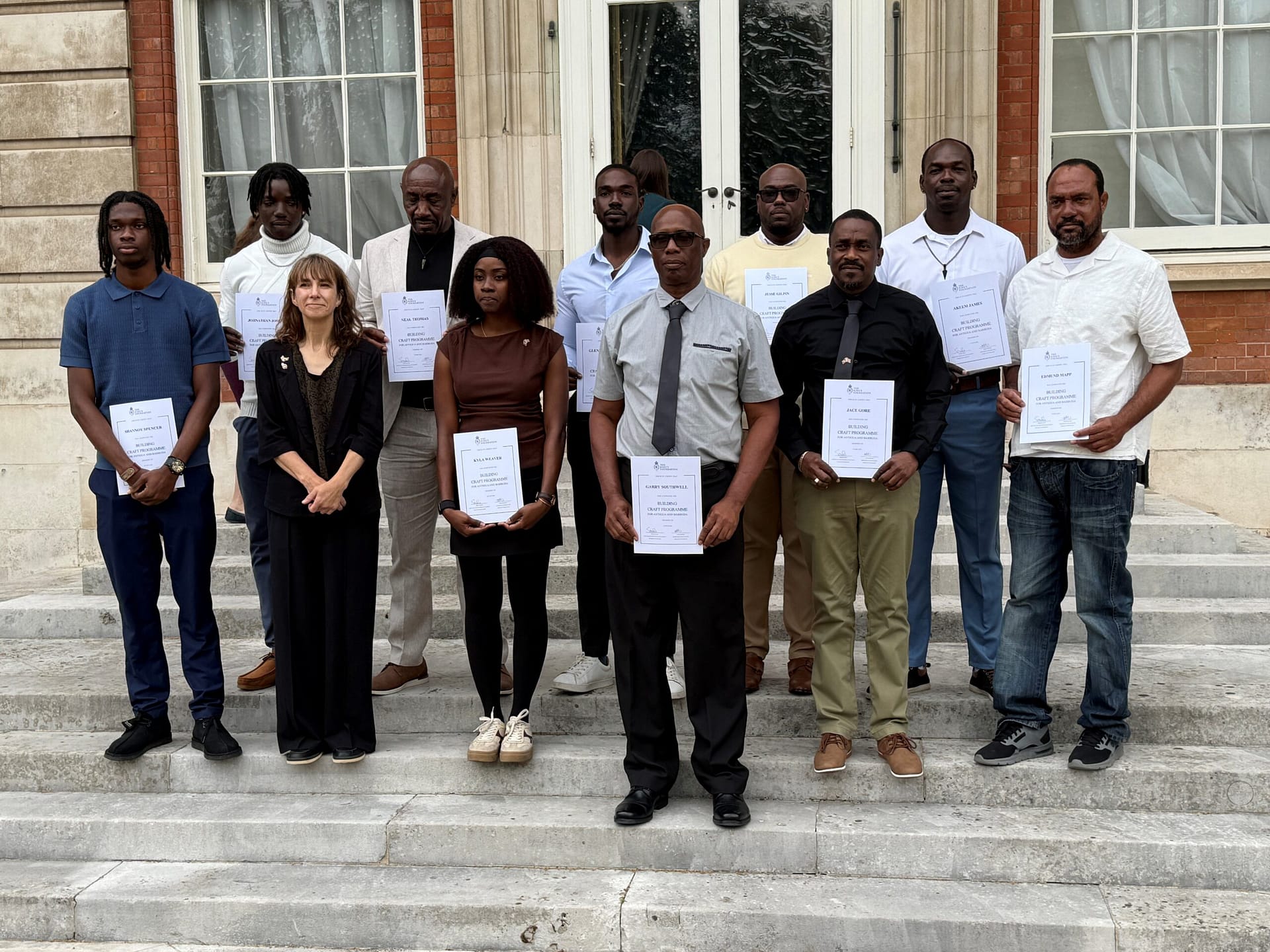
    On May 8, 2026, a meaningful certificate presentation ceremony was held at Marlborough House, the London headquarters of the Commonwealth Secretariat, to formally recognize participants who completed the landmark Building Craft Programme for Antigua and Barbuda. The event celebrated the successful conclusion of a specialized heritage building skills training initiative delivered in the United Kingdom, organized by The King’s Foundation in strategic partnership with three key stakeholders: the Antigua and Barbuda College of Advanced Studies, the country’s Ministry of Foreign Affairs, and the Commonwealth Heritage Forum.

    The day’s agenda began with a warm welcome for attendees, followed by a guided tour of Marlborough House itself—a centuries-old historic building that served as a living example of the heritage craft work the programme promotes. After the tour, official remarks were delivered by senior leaders from all partner organizations, before the formal certificate presentation got underway. Her Excellency Karen-Mae Hill, Antigua and Barbuda’s High Commissioner to the United Kingdom, took on the honor of presenting certificates to each graduating trainee, offering personal congratulations to every participant for their commitment and successful completion of the rigorous training course.

    Joining Hill in addressing the gathering were Jeremy Cross, Associate Director of Championing and Networks at The King’s Foundation; Kasia Howard, Senior Education Manager at the same institution; and Philip Davies OBE, Founder and Consultant Chief Executive of the Commonwealth Heritage Forum. Across all addresses, speakers centered two core themes: praise for the trainees’ consistent dedication throughout the programme, and emphasis on the long-term value of the skills the participants gained. The craft training, they noted, directly supports three critical national priorities for Antigua and Barbuda: preservation of the nation’s unique built heritage, advancement of more sustainable construction practices, and expansion of local professional capacity that drives inclusive economic growth.

    During their immersive training period in the UK, participants gained hands-on practical experience across a full suite of traditional heritage building techniques. The curriculum covered foundational and specialized skills alike, including traditional geometric measurement, technical drawing and design for historic structures, timber framing, plastering, traditional blacksmithing, lime mortar mixing and application, stone masonry, and conservation of historic brickwork. This in-depth training exposed participants to niche professional knowledge and evidence-based conservation practices that they can directly apply to the protection and restoration of at-risk historic buildings across Antigua and Barbuda once they return home.

    Reflecting on the transformative impact of the programme, graduating trainee Jace Gore shared his perspective on the experience. “This opportunity and guidance from expert tutors has given us the skills to help preserve our historic buildings and heritage at home in Antigua and Barbuda,” Gore said, capturing the collective sentiment of the participating cohort. All trainees have now returned to their home country, where they are expected to deploy their newly acquired skills across three key areas: heritage restoration projects, sustainable local construction initiatives, and broader national development efforts that protect the country’s cultural identity for future generations.

    Antigua and Barbuda’s Ministry of Foreign Affairs has reaffirmed its commitment to the programme’s mission, expressing enthusiasm for having supported the development of the initiative alongside the Antigua and Barbuda College of Advanced Studies and The King’s Foundation. The partnership has created a scalable model for skills development that ties cultural heritage preservation to sustainable construction and long-term economic resilience, creating a blueprint that could be replicated for other small island nations seeking to protect their historic built environments.

  • ABLP Holds National Thanksgiving Service Following Election Win

    ABLP Holds National Thanksgiving Service Following Election Win

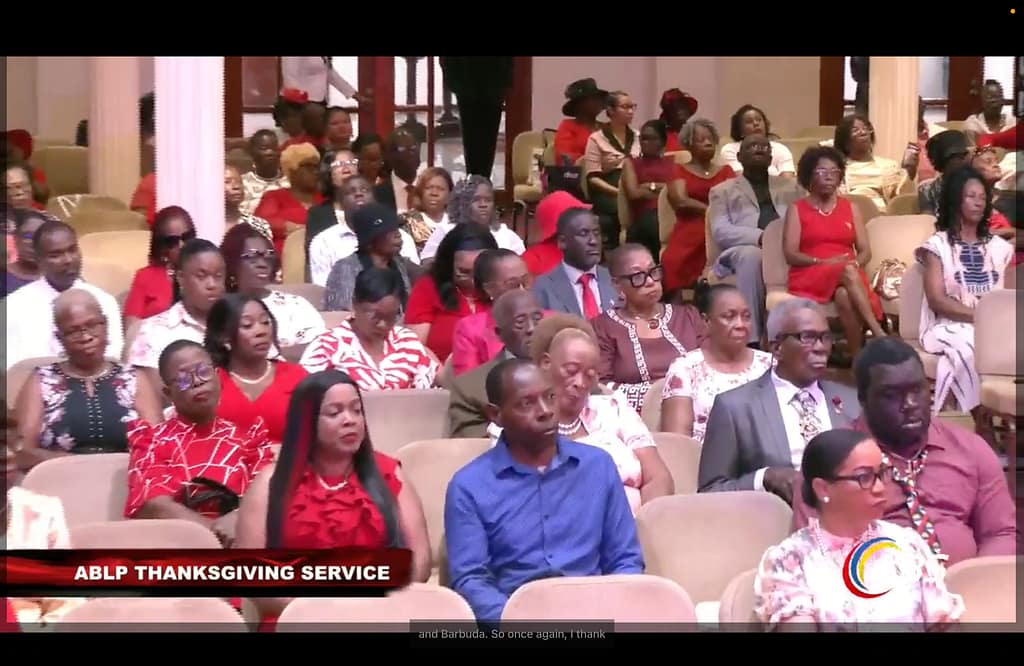
    In the wake of the closely contested April 30 general election that delivered a victory to the Antigua and Barbuda Labour Party, a multi-faceted thanksgiving service on Sunday at St. John’s Pentecostal Church House of Restoration wove together spiritual worship, political acknowledgment and urgent calls for national reconciliation. The gathering drew a diverse cross-section of the nation’s leadership and community, including sitting Cabinet ministers, incoming senate appointees, foreign diplomatic representatives, senior church figures and thousands of party supporters, framed by organizers as both a sacred observance and a moment of collective national pause after a heated campaign cycle.

    The event opened with a solemn performance of the national anthem, followed by a series of intercessory prayers covering every corner of Antigua and Barbuda’s national life: elected political leaders, the independent judiciary, religious communities, educational institutions and households across both islands. One particularly resonant prayer invoked divine provision, asking God to grant the nation “wisdom in the midst of confusion” and “peace in the midst of chaos.”

    Throughout the service, speakers framed the Labour Party’s electoral win as the opening of a transformative “new season” for the twin-island nation, returning again and again to themes of gratitude, divine direction and healing after the tensions of the campaign period. Host organizers emphasized that the gathering was far more than a post-election victory lap for the governing party; instead, it was designed to center the critical need for divine guidance, collective wisdom and cross-community unity as the new administration prepares to lead the country forward.

    A second layer of gratitude emerged during the service, as religious leaders urged attendees to give thanks not only for the outcome of the election and the promise of continued political stability, but also for collective deliverance just days prior. A 5.0+ magnitude earthquake centered nearby had shaken Antigua and Barbuda and multiple neighboring Caribbean islands just two days before the service on Friday, and speakers noted that the nation had escaped widespread damage or loss of life. Congregants were invited to physically mark themselves as “safe” and offer praise for God’s protection over their islands.

    Extended segments of joyful praise and worship filled much of the morning’s schedule, with attendees singing traditional hymns and contemporary gospel songs centered on themes of divine grace, national restoration and communal perseverance. Worship leaders encouraged the crowd to celebrate the fundamental gifts of life, health and collective strength, while guest speakers highlighted the nation’s long history of resilience through periods of economic and social challenge.

    The church also used the high-profile occasion to publicly honor the incoming political leadership, introducing each Cabinet minister and senator-designate to the congregation. Organizers issued a quick on-stage correction to several recently announced ministry portfolio assignments during the introductions, a minor note that reflected the still-forming structure of the new government.

    The core message of the day came in the main sermon delivered by Apostle Dr. Stephen C. Andrews, who expanded at length on the dual themes of thanksgiving and national renewal. Andrews urged both the newly elected leadership and ordinary citizens to remain rooted in faith and committed to a spirit of service to the public good. The entire service drew its spiritual foundation from three key scripture passages: Psalm 103, Psalm 107 and 1 Chronicles 16, all of which center on the core themes of gratitude, divine protection and covenant relationship between people and God.

    Attendees also viewed pre-recorded video messages of congratulations from faith leaders based overseas. Bishop Israel Ade Ajala of Colorado offered remarks praising the government’s decisive electoral win, and affirmed that international faith communities would continue holding Antigua and Barbuda in prayer as the nation works toward sustained prosperity.

    In closing, church leadership wrapped up the service with a formal pledge to continue lifting the new government and the entire nation in prayer as they pursue progress. They closed with a renewed call for all citizens, regardless of political affiliation, to set aside past divisions and work together toward shared national development.

  • Government Continuing Repiping Programme as Drought Pressures Water Supply, PM Says

    Government Continuing Repiping Programme as Drought Pressures Water Supply, PM Says

    As Antigua and Barbuda grapples with increasingly severe drought conditions and a century-old crumbling water distribution network, Prime Minister Gaston Browne has confirmed that the administration is pressing forward with a sweeping national initiative to replace outdated pipes and modernize critical water infrastructure. In an interview aired on local radio station Pointe FM, Browne laid out the urgent scope of the project, explaining that large swathes of the country’s underground pipe network have deteriorated so significantly that massive volumes of treated water are lost to leaks before ever reaching residential and commercial consumers.

    “We have systematically been rolling out pipe replacement projects across every region of the country,” Browne stated during the discussion of the ongoing infrastructure drive. The core goals of the program, he emphasized, are to bring the country’s water system into the 21st century and cut down on the crippling non-revenue water loss that has strained supply for years.

    The prime minister tied the country’s mounting water challenges to two interconnected factors: prolonged dry spells that have become far more frequent, and shifting climate patterns that are disrupting rainfall across not just Antigua and Barbuda, but the entire Caribbean basin. “We are actively confronting persistent drought conditions right now,” Browne said, noting that well below average rainfall over recent months has added unprecedented pressure to a system already operating beyond its designed capacity.

    To address immediate supply gaps alongside long-term resilience, the government is also ramping up production at reverse osmosis desalination facilities, which convert saltwater from the surrounding ocean into potable water for domestic use. Browne added that utility managers have implemented a key coordination strategy to avoid unnecessary disruption and waste: all water infrastructure upgrades are being timed to align with planned road repair and reconstruction projects across the country. This integrated approach eliminates the costly and frustrating scenario of resurfacing a road only to dig it up again weeks later to access and replace underground pipes. “There is no logic in completing road repairs, then turning around and digging up fresh pavement to access pipe lines,” Browne explained of the coordinated planning.

    For years, intermittent water supplies and outright shortages have been a top complaint for residents in communities across Antigua and Barbuda, with problems intensifying during seasonal droughts and peak tourist seasons when demand for water surges. According to government statements, the ongoing multi-million dollar investments in desalination expansion, network repiping and utility modernization are designed not just to address current shortages, but to build long-term water security and strengthen the country’s ability to withstand the growing climate impacts that threaten small island developing states across the Caribbean.

  • PM Calls for Unity After Election, Says Victory Should Not Divide Nation

    PM Calls for Unity After Election, Says Victory Should Not Divide Nation

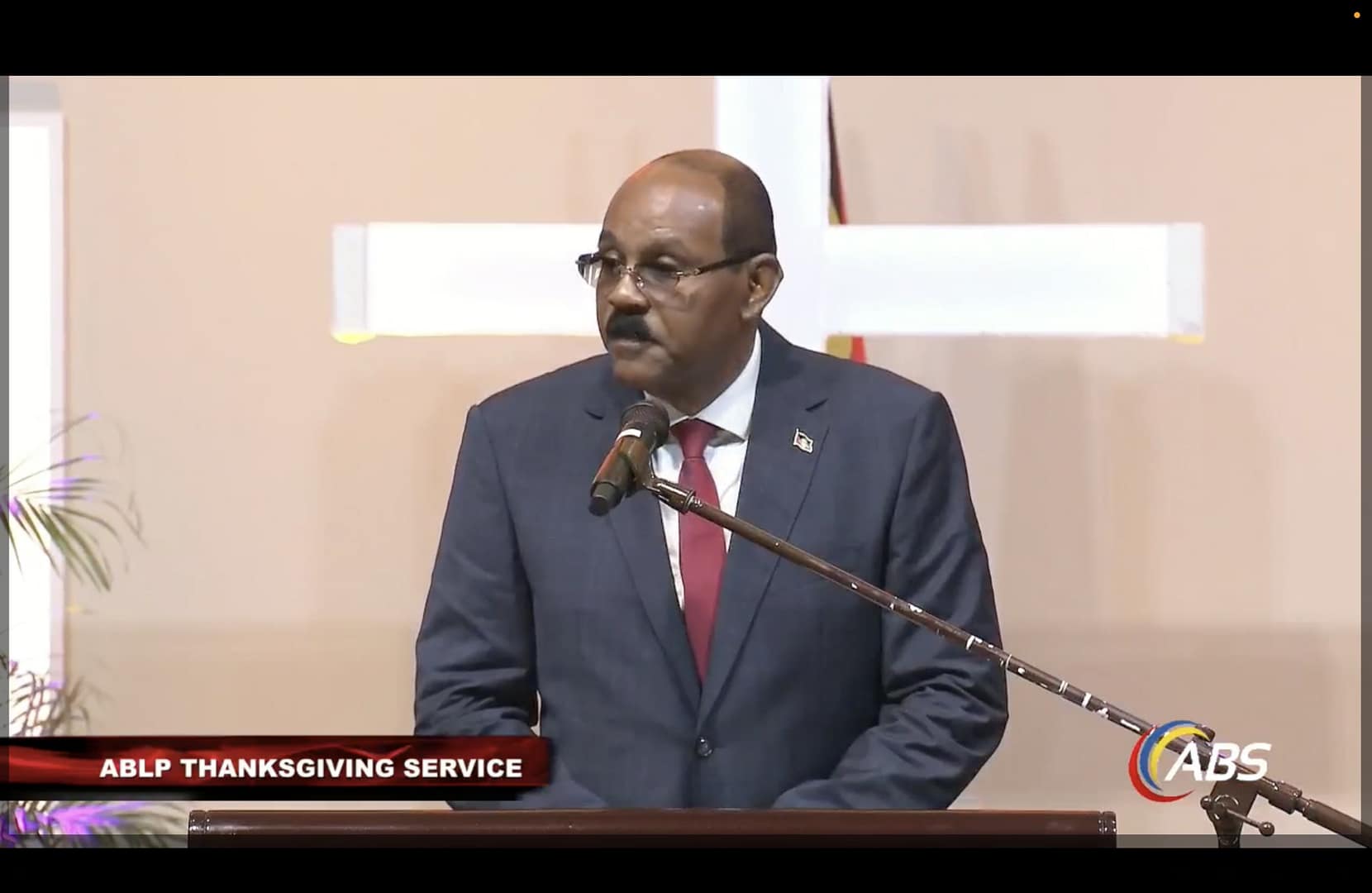
    Fresh off securing a historic fourth consecutive general election victory, the Antigua and Barbuda Labour Party (ABLP) has capped its electoral win with a national thanksgiving service that doubled as a rallying cry for cross-community solidarity. Held on Sunday at the St. John’s Pentecostal Church House of Restoration, the gathering brought together a cross-section of the nation’s leadership, including newly appointed government ministers, senators-designate, senior church figures, and hundreds of jubilant ABLP supporters. In his keynote address to the congregation, Prime Minister Gaston Browne centered his remarks on a urgent call for national unity, framing the election outcome as a catalyst to bridge divides rather than entrench political rifts.

    Browne argued that regardless of differing political affiliations or religious backgrounds, all Antiguans and Barbudans share a common stake in the country’s progress. “I do not expect this victory to divide us. Instead, it should unite us,” he told attendees, pushing for the country to evolve into a “more harmonious society” that puts collective progress above partisan interests. “So let us not move forward as different political institutions, different religious denominations, but as reborn Antiguans and Barbudans who are working harmoniously to build this country,” he added.

    The prime minister emphasized that widespread collaboration around shared national development goals could unlock Antigua and Barbuda’s full potential, positioning the small island nation as a global example to be admired. In a nod to the campaign and election process, he extended gratitude to a broad group of stakeholders: ABLP voters, the party’s election candidates, and what he called “prayer warriors” who worked to secure the party’s win and advocated for a peaceful, transparent voting process.

    The interwoven service blended traditional Christian worship, solemn scripture readings, and thoughtful political reflection, with religious leaders echoing Browne’s core themes of gratitude, national healing after a divisive campaign, and shared responsibility for the country’s future. Speakers also wove in an unexpected note of thanks, referencing a 5.8 magnitude earthquake that struck Antigua and Barbuda and nearby neighboring islands just two days earlier on Friday. With no reported major casualties or catastrophic damage across the country, the collective survival from the natural event served as a second, urgent reminder of why national unity and gratitude remain critical for the Caribbean nation.

  • PM Says ABLP Victory Is “Not a Gift” but a Mandate for Better Governance

    PM Says ABLP Victory Is “Not a Gift” but a Mandate for Better Governance

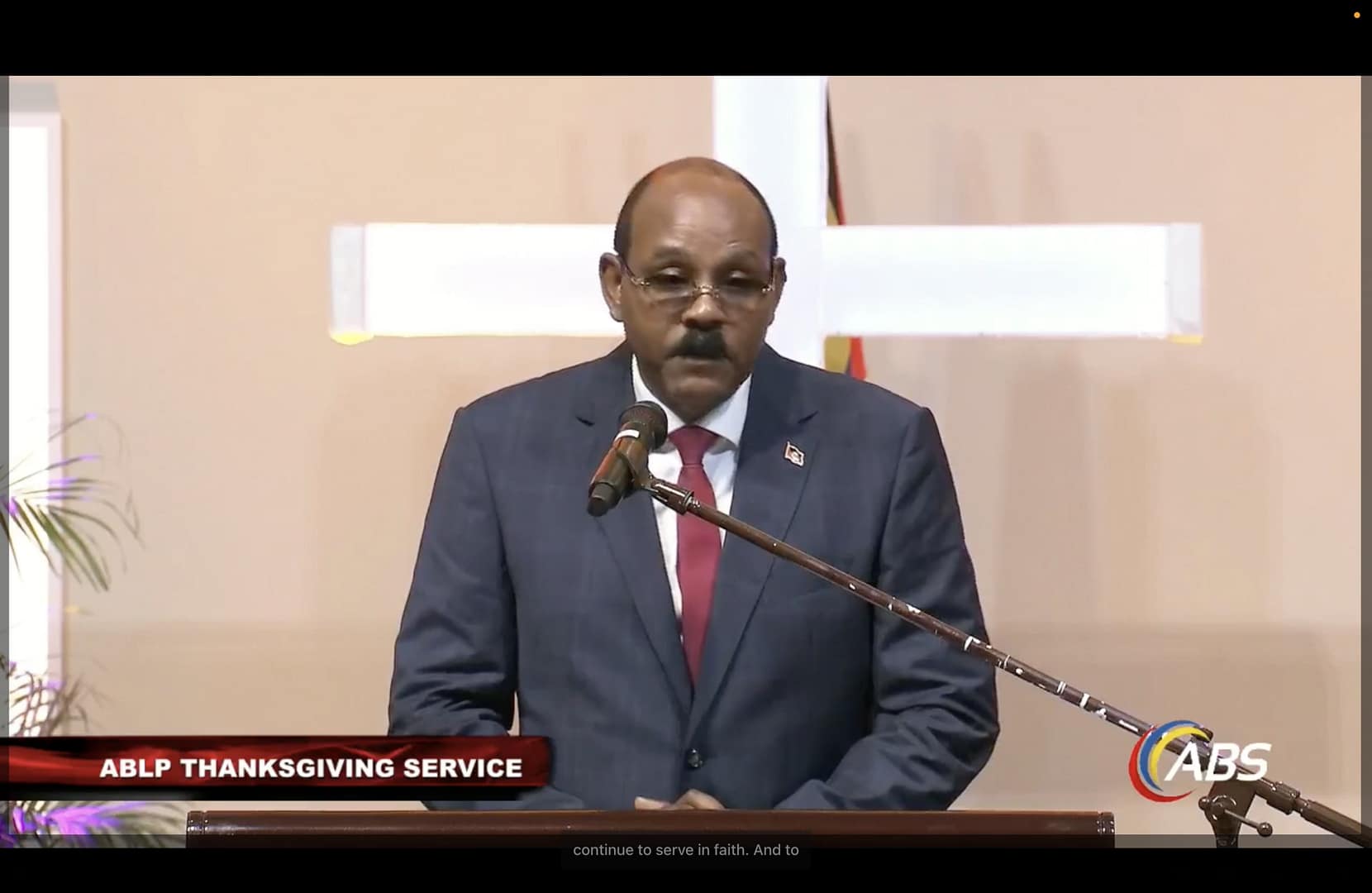
    Following the Antigua and Barbuda Labour Party’s (ABLP) historic fourth consecutive decisive election victory, Prime Minister Gaston Browne has rejected calls for complacency, pledging to steer his new administration with heightened accountability and a renewed commitment to public service. Browne made the remarks during a national thanksgiving service held Sunday at St. John’s Pentecostal Church House of Restoration, where he addressed a gathered crowd of party supporters, religious leaders, and sitting government officials.

    Browne emphasized that the party’s resounding electoral success is not an unearned reward, but a renewed public mandate to deliver more faithful, effective governance to the people of the dual-island nation. “We do not see this resounding victory as a gift,” he told attendees. “We do not see it as the opportunity to be slothful or for that matter to abuse public resources.”

    Instead of resting on the party’s past achievements accumulated over nearly 12 years in power, Browne said his administration views the new mandate as a opening to strengthen governance frameworks and expand efforts to economic and social empowerment for all citizens. “We see this as an opportunity to serve you more faithfully, to provide even better governance than we provided during the last approximately 12 years,” he added.

    Looking back on the weeks-long election campaign, the prime minister extended gratitude to every candidate, grassroots supporter, and the group he called “prayer warriors” – faith leaders and congregants who prayed for peaceful electoral processes and the ABLP’s success. He acknowledged that the party faced significant headwinds during the campaign, including widespread misinformation, deliberate disinformation, false claims, and targeted character assassination of party members, but maintained the ABLP remained focused on its core mission of delivering progress for all Antiguans and Barbudans.

    Browne also used the high-profile post-election event to issue a call for cross-partisan and cross-community national unity, arguing that deep-seated political divisions should not shape the country’s trajectory going forward. “So let us not move forward as different political institutions, different religious denominations, but as reborn Antiguans and Barbudans who are working harmoniously to build this country,” he said.

    The thanksgiving service itself blended traditional Christian worship, formal scripture readings, and deliberate political reflection. Throughout the event, church ministers and senior faith leaders repeatedly centered their remarks on the themes of collective gratitude, committed public service, and national renewal ahead of the new parliamentary term.

  • OPINION: Embracing the Bilingual Antiguan and Barbudan

    OPINION: Embracing the Bilingual Antiguan and Barbudan

    In the sun-drenched archipelago of Antigua and Barbuda, a rich linguistic tapestry has woven itself into the very fabric of national identity – one that blends the country’s official English with the creole language spoken and cherished by generations of locals. This natural bilingual dynamic is not a flaw to be corrected or a barrier to be overcome, as some historical narratives have suggested; it is a remarkable cultural asset that deserves full recognition and celebration across all sectors of national life.

    For much of the modern history of Antigua and Barbuda, dominant discourse has positioned standard English as the only legitimate language of education, government, and professional advancement, often sidelining the locally developed creole as a backward or unrefined form of speech. This subtle stigma created unnecessary divides, pushing many residents to hide their fluency in creole in formal settings, eroding a core part of their cultural heritage in the process. But shifting attitudes over the past two decades have begun to unlock the true value of the island nation’s bilingual tradition, challenging old stereotypes and highlighting the social and cognitive benefits that come with growing up navigating two linguistic worlds.

    Bilingualism, as decades of global linguistic research confirms, delivers measurable cognitive advantages: it boosts problem-solving skills, enhances creative thinking, and improves working memory among people who grow up speaking two languages from early childhood. For Antiguans and Barbudans, this innate cognitive advantage is paired with a deep cultural connection: creole carries the collective memory of the islands, from stories of resistance and resilience passed down through generations to the playful turns of phrase and community inside jokes that bind local societies together. At the same time, fluency in standard English opens global doors, enabling participation in international trade, global education networks, and the thriving tourism industry that forms the backbone of Antigua and Barbuda’s economy.

    Far from being mutually exclusive, these two linguistic traditions complement one another perfectly. There is no need to choose between elevating standard English for formal and global engagement and embracing creole as a core part of national identity. Forward-thinking education policy across the islands has begun to reflect this reality, with more educators supporting bilingual learning approaches that allow students to build fluency in standard English while retaining and celebrating their native creole. This approach not only improves educational outcomes by making students feel more seen and supported in the classroom, it also strengthens national cohesion by honoring the linguistic heritage that makes Antigua and Barbuda unique.

    As Antigua and Barbuda continues to navigate the opportunities and challenges of a globalized world, embracing its natural bilingual identity will be key to balancing global connectivity with local cultural sovereignty. By celebrating both of its linguistic traditions, the nation can equip its people with the skills to succeed on the global stage while preserving the cultural heritage that makes it distinct. Bilingualism is not a burden for Antigua and Barbuda – it is one of its greatest strengths, and one that future generations should be able to embrace fully and without stigma.

  • Antigua and Barbuda Festivals Commission Celebrates Release of the “Black Pineapple Riddim”

    Antigua and Barbuda Festivals Commission Celebrates Release of the “Black Pineapple Riddim”

    A landmark new addition to Caribbean music has officially entered the global streaming space, as the Antigua and Barbuda Festivals Commission unveiled *Black Pineapple Riddim* — a genre-bending collaborative project that grew directly out of the commission’s 2025 Music Producers’ Masterclass: Audio Essentials. Led by internationally celebrated music producer Kasey Phillips, founder and CEO of Precision Productions, the hands-on workshop was crafted to uplift homegrown creative talent in Antigua and Barbuda, equipping local producers, songwriters and performers with industry-leading knowledge across production, sound engineering, songcraft, and the modern business of Caribbean music. Today, that initial investment in local creative development has matured into a release already being celebrated as a transformative contribution to Antigua and Barbuda’s iconic soca scene. More than just a compilation of tracks, *Black Pineapple Riddim* marks a defining milestone in the ongoing evolution of Antiguan popular music, serving as a deliberate, bold exploration of the twin islands’ cultural identity, rhythmic heritage and national spirit through sound. The project draws deep inspiration from legendary Antiguan musical trailblazers such as Burning Flames, while weaving in contemporary Caribbean sonic influences and smooth R&B textures to strike a careful balance between long-held tradition and forward-thinking innovation. At its creative core, the riddim confronts a central question that has shaped the expanding Antiguan soca movement in recent years: What makes a distinctly Antiguan sound? The answer comes to life in a dynamic listening experience that pairs the unmistakeable, high-energy “kang-kang” rhythm, a nod to the iconic cowbell pattern of the legendary *Debble Riddim*, with lush modern synthesizers, updated grooves and authentic storytelling rooted in Caribbean life. Boasting an all-star lineup of exclusively Antiguan and Barbudan talent, the project features standout contributions from celebrated performers Tian Winter, Drastic, DmitriB, Arlen Seaton, and Nikki Nooks. Each artist brings one-of-a-kind creative perspective and sonic flair to the compilation, resulting in a musical “pepperpot” that vividly reflects the extraordinary diversity and rich cultural tapestry of Antigua and Barbuda. Ambassador Elizabeth Makhoul, a leading driving force behind the original masterclass initiative, praised the finished project as powerful proof of the value of investing in local creative ecosystems. “The fact that this full project grew directly from that workshop is truly remarkable,” Makhoul shared. “It speaks to the incredible depth of talent we have right here in Antigua and Barbuda, and underscores why continued investment in our creatives and cultural industries is so critical.” Produced, mixed and mastered in full by Phillips’ Precision Productions, the five-track compilation holds a cohesive sonic identity while giving each artist and track space to retain its unique creative voice. The full track listing includes DmitriB’s “So What,” written by Dmitri Bernard Erv Baptiste; Nikki Nooks’ “Last Time,” written by Nikki Nooks with background vocals from Cleavon “Cjae” Childs and Chestine James; Arlen Seaton’s “Neighbah,” penned by Charles Arlen Seaton and Blashford Wilkins; Drastic’s “Shalom,” written by Art “Drastic” Philip; and Tian Winter’s “Want Um,” co-written by Cleavon “Cjae” Childs and Tian Winter with background vocals from Childs. Additional credits list all tracks as co-written by Kasey Michael Phillips, with guitar work by Kyle Peters, created in official collaboration with the Antigua and Barbuda Festivals Commission. As of its official launch, *Black Pineapple Riddim* is available for streaming worldwide on YouTube and all major digital music platforms, bringing the distinct sound of modern Antiguan soca to global audiences.

  • WHO declares Ebola outbreak in DR Congo a global health emergency

    WHO declares Ebola outbreak in DR Congo a global health emergency

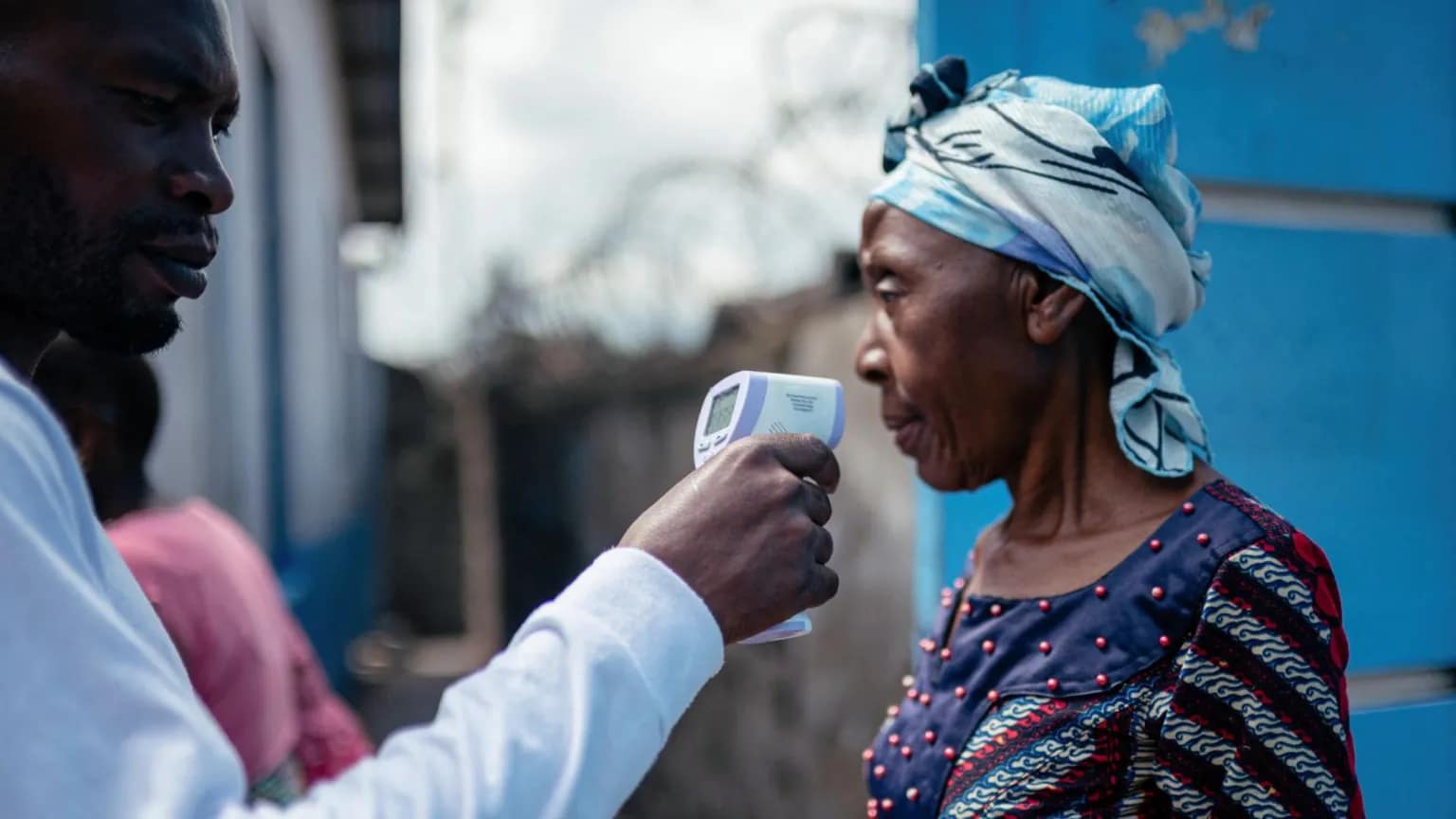
    In a high-stakes announcement, the World Health Organization (WHO) has formally designated the ongoing Ebola outbreak in the eastern Democratic Republic of the Congo (DRC) a Public Health Emergency of International Concern (PHEIC), the global health body’s highest level of alert. While the current outbreak, centered in Ituri province, does not meet the strict criteria to be classified as a pandemic, the WHO has issued urgent warnings that undetected transmission could allow the virus to grow far beyond the currently confirmed and suspected case counts, with major risks of local and regional expansion.

    The outbreak is caused by the Bundibugyo strain of Ebola, a pathogen for which no specifically approved vaccines or antiviral treatments currently exist. As of the latest update, health authorities have logged eight laboratory-confirmed cases, with 246 suspected cases and 80 reported deaths across three high-risk health zones: Bunia, the provincial capital of Ituri, and the gold-mining hubs of Mongwalu and Rwampara. One confirmed case has already reached the DRC’s national capital, Kinshasa, linked to a patient who had traveled from the outbreak zone. The virus has also crossed international borders, with two confirmed cases recorded in neighboring Uganda; one of those cases, a 59-year-old Congolese man, died last week, and his remains have been repatriated to the DRC. Separately, AFP has confirmed that an additional Ebola case has been detected in Goma, a city in eastern DRC currently held by M23 rebel forces, complicating response efforts.

    Multiple overlapping factors have amplified the risk of widespread transmission, the WHO explained. Decades of ongoing conflict in eastern DRC have created a severe humanitarian crisis, paired with high rates of population movement, an outbreak epicenter located in an urban area, and a large network of unregulated informal health facilities. These conditions make monitoring and controlling the virus particularly challenging. Neighboring countries are classified as high-risk due to constant cross-border trade and travel flows.

    To curb the outbreak, the WHO has advised both the DRC and Uganda to immediately activate emergency operations centers to coordinate surveillance, contact tracing, and infection prevention protocols. The agency recommends confirmed cases be placed in immediate isolation, with release only after two negative virus-specific tests collected at least 48 hours apart. Countries bordering affected regions have been instructed to boost routine surveillance and mandatory health reporting. Critically, the WHO has urged nations outside the affected zone to refrain from closing borders or imposing unnecessary travel and trade restrictions, noting that such actions are typically driven by fear rather than scientific evidence.

    WHO Director-General Dr. Tedros Adhanom Ghebreyesus emphasized that major uncertainties remain around the true scale of the outbreak, including the actual number of infected people and how far the virus has already spread geographically. First identified in 1976 in what is now the DRC, Ebola is believed to originate from bat populations, and this current event marks the 17th outbreak the country has faced since the virus was first discovered. The virus spreads through direct contact with bodily fluids or broken skin, triggering symptoms that progress from early fever, muscle pain, fatigue, headache, and sore throat to vomiting, diarrhea, rash, and internal or external bleeding, often leading to organ failure and death. The WHO records an average fatality rate of roughly 50% for Ebola, and no universally proven cure exists for the disease.

    The Africa Centres for Disease Control and Prevention (Africa CDC) has previously echoed these concerns, noting that the outbreak’s presence in densely populated urban areas of Rwampara and Bunia, paired with mobile mining workforces in Mongwalu, creates extreme conditions for rapid spread. Africa CDC Executive Director Dr. Jean Kaseya stressed that large-scale cross-border population movement between affected areas and neighboring countries makes coordinated regional response non-negotiable.

    Since Ebola was first discovered 50 years ago, roughly 15,000 people across African nations have died from the disease. The DRC’s deadliest Ebola outbreak on record occurred between 2018 and 2020, when nearly 2,300 people lost their lives. Just last year, an outbreak in a remote region of the country killed 45 people, underscoring the persistent threat of viral flare-ups in the region.