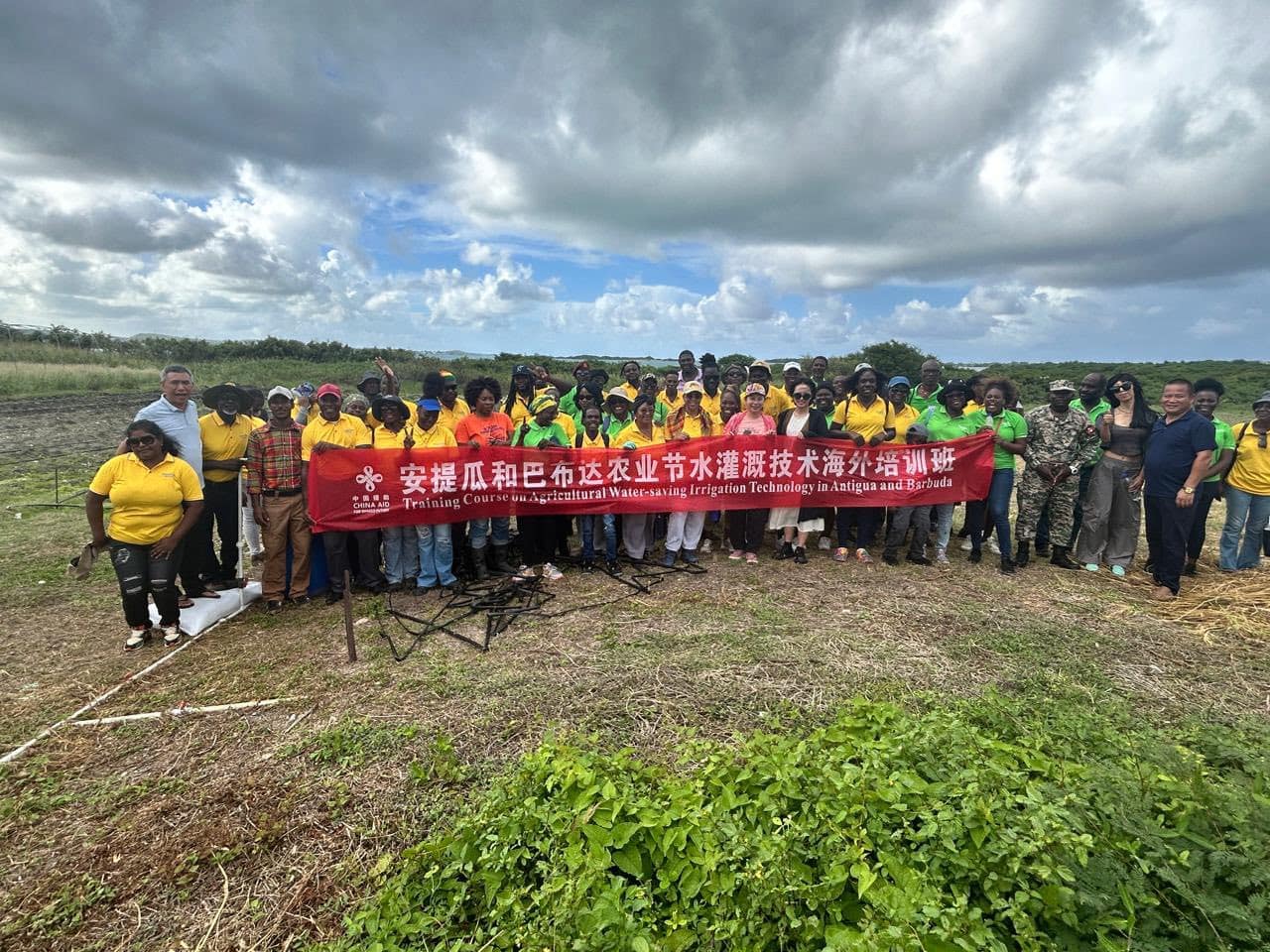
A comprehensive irrigation system demonstration and installation event recently took place at the ABDF Farm, located in the Crabbs Training Area on the northeastern side of the island. This practical exercise complemented theoretical coursework on irrigation hydraulics and land management, providing participants with a valuable opportunity to apply classroom knowledge in a real-world agricultural setting. The event was organized by Lance Corporal Michael Gunthrope, Manager of the ABDF Farm, in collaboration with Senior Research Officer Mrs. Madvere Bradford from the Ministry of Agriculture. Approximately 90 participants, including representatives from the Chinese Agricultural Mission, attended the event. Acting Ambassador and Honorary Consular Madam Yun Chang and her Secretary were also present to observe the activities on October 31, 2025. The agricultural plot at Crabbs features a gently undulating terrain that influences surface and subsurface water flow. The site includes a crop production zone equipped with a drip irrigation system designed to meet the precise water needs of the crops. The irrigation system operates on a gravity-fed or low-pressure design, with water distributed from an elevated reservoir through a network of mainlines, submains, and lateral lines. The system uses drizzle tape (drip tape) fitted with pressure-compensating emitters to ensure consistent water flow across the field. However, the field exercise revealed several hydraulic challenges, including preferential flow paths, emitter discharge variability, and pressure differentials within laterals, which aligned with theoretical predictions about the effects of topography on irrigation systems. The results underscored the importance of land leveling, contour mapping, and slope correction before irrigation system installation. The event successfully bridged theory and practice, reinforcing Professor Yang Feng’s lessons on irrigation hydraulics through hands-on experience.
标签: Antigua and Barbuda
安提瓜和巴布达
-
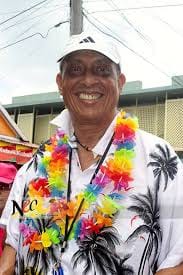
OP-ED: A Dream Reawakened—But Let’s Remember Who First Dreamt It
The unveiling of the ‘4 Island – One Escape’ island-hopping experience marks a significant milestone for regional tourism in the Northeast Caribbean. This innovative initiative promises to deliver a seamless, multi-island adventure, highlighting the unique diversity and charm of interconnected destinations. While this development is being celebrated as a fresh approach, it is, in fact, a revival of a visionary concept introduced over three decades ago. The original idea, spearheaded by Brian Meade and the Northeast Caribbean Tourism Alliance (NECTA), aimed to promote the region’s offerings globally, positioning airlines as catalysts for tourism development rather than mere carriers. However, the momentum was tragically halted by Hurricane Luis in 1995, which devastated infrastructure and led to the alliance’s dissolution. Despite this setback, the dream of regional unity and multi-island travel endured. Today, as the ‘4 Island – One Escape’ initiative takes flight, it pays homage to the legacy of NECTA and Meade’s foresight. This new chapter in Caribbean tourism stands on the shoulders of a dream that envisioned the region not as a collection of competitors but as a family of destinations with a shared narrative. The architects of this initiative are encouraged to draw inspiration from the past, as sometimes, the best way forward is to remember where the journey began.
-
Commonwealth Secretary-General and Secretariat Team Arrive in Antigua and Barbuda
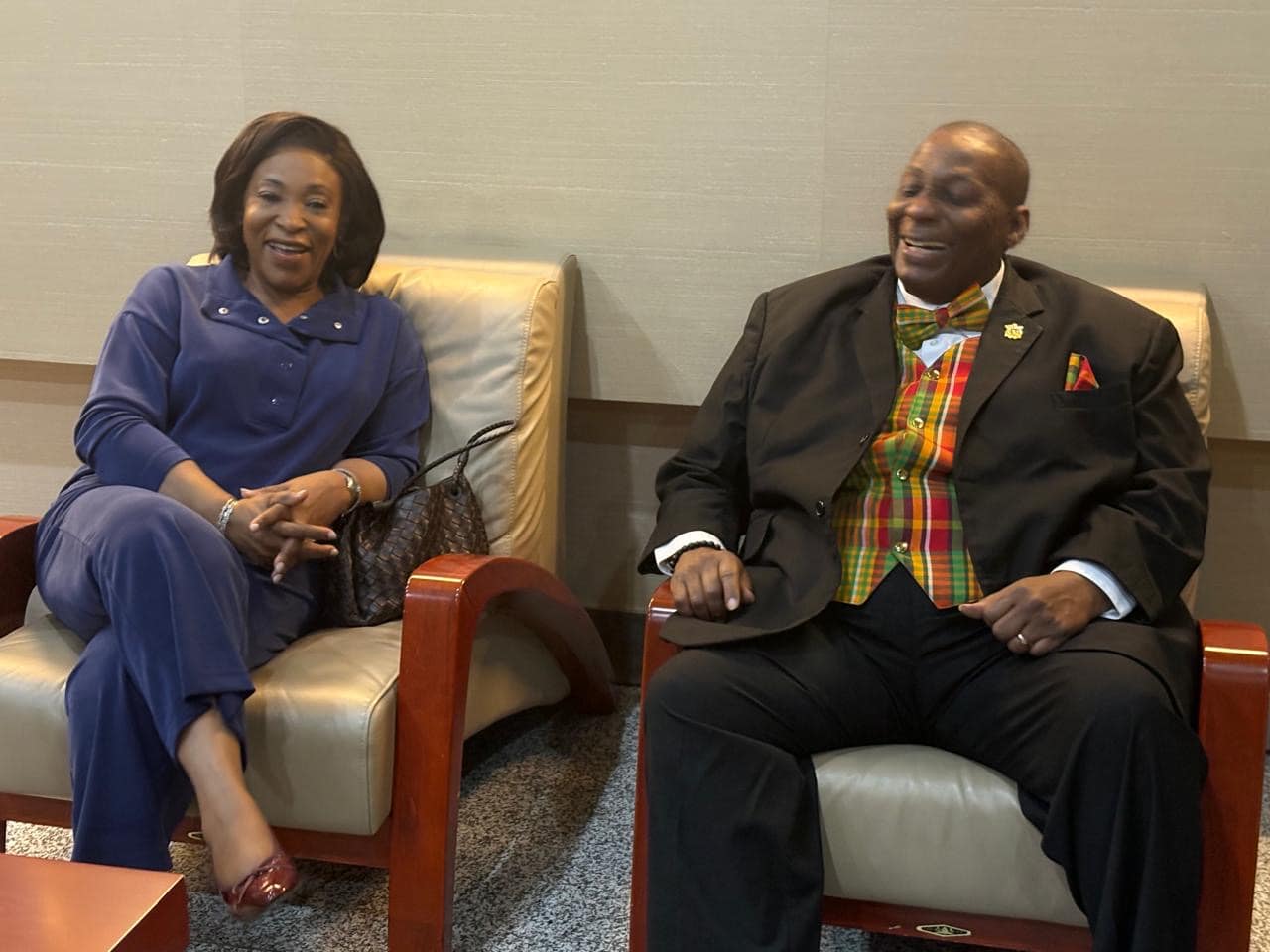
The Commonwealth Secretary-General, the Rt. Hon. Shirley Botchwey, along with senior officials from the Commonwealth Secretariat, has arrived in Antigua and Barbuda to kickstart preparations for the Commonwealth Heads of Government Meeting (CHOGM) 2026. The delegation was warmly welcomed at the V.C. Bird International Airport by His Excellency Dr. Clarence Pilgrim, Permanent Secretary in the Ministry of Foreign Affairs, and Mrs. Ann-Marie Layne, Director General of Foreign Affairs, representing Prime Minister Hon. Gaston Browne and Foreign Minister Hon. E.P. Chet Greene. Her Excellency Karen-Mae Hill, High Commissioner of Antigua and Barbuda to the United Kingdom, also extended a warm greeting to the visiting team. This visit marks the beginning of a week-long series of official engagements, including the launch of CHOGM 2026 and meetings with the CHOGM 2026 Task Force to assess progress. Secretary-General Botchwey expressed her enthusiasm, stating, ‘Antigua and Barbuda embodies the warmth, resilience, and partnership that define the Commonwealth. I look forward to collaborating with leaders, youth, and communities to ensure CHOGM 2026 delivers real impact and shared prosperity across our 56 member states.’ The visit coincides with Antigua and Barbuda’s Independence Anniversary, highlighting the enduring partnership between the Commonwealth and its member states. Dr. Pilgrim emphasized the significance of hosting such a prestigious event, while Mrs. Layne reaffirmed the government’s commitment to making CHOGM 2026 historic and impactful. High Commissioner Hill echoed these sentiments, underscoring the nation’s readiness to lead and collaborate on global issues.
-

Derelict Vehicles Removed as National Clean-Up Continues
The National Solid Waste Management Authority (NSWMA) has taken a proactive stance in addressing urban blight by launching a comprehensive initiative to remove derelict vehicles across the nation. This effort is part of a broader clean-up campaign aimed at enhancing public health, improving environmental conditions, and restoring aesthetic appeal to urban and suburban areas. Derelict vehicles, often abandoned in public spaces, have long been a source of concern due to their potential to harbor pests, leak hazardous fluids, and detract from community well-being. The NSWMA’s initiative involves collaboration with local governments, law enforcement, and environmental agencies to identify, tag, and remove these vehicles efficiently. Authorities have emphasized the importance of community involvement, urging residents to report abandoned vehicles and participate in neighborhood clean-up efforts. This campaign underscores the NSWMA’s commitment to sustainable waste management and its role in fostering cleaner, safer, and more livable communities. The initiative is expected to have a significant impact on reducing urban pollution and promoting environmental stewardship.
-

Antigua and Barbuda to Host Caribbean Travel Marketplace 2026
The Caribbean Hotel & Tourism Association (CHTA) has announced that Antigua and Barbuda will host the 44th edition of the Caribbean Travel Marketplace (CTM) from May 12 to 15, 2026. This decision follows the successful partnership established during the 2025 event and highlights CHTA’s confidence in the dual-island nation’s leadership and commitment to advancing Caribbean tourism. CTM, the region’s largest tourism forum, serves as a platform for regional suppliers to connect with global buyers, fostering business growth, strengthening partnerships, and showcasing the innovation and resilience of the Caribbean’s visitor economy. CHTA President Sanovnik Destang emphasized the pride in continuing the collaboration with Antigua and Barbuda, citing its dedication to excellence and regional partnership. Antigua and Barbuda’s proven ability to host world-class conferences was recently recognized with the title of ‘Caribbean’s Best Meetings and Conference Destination’ by the World Travel Awards. The nation has demonstrated its capabilities by hosting major events such as Marketplace 2025, the OAS Conference, and preparations for the upcoming Commonwealth Heads of Government Meeting. Colin C. James, CEO of the Antigua and Barbuda Tourism Authority, expressed pride in hosting CTM once again, emphasizing the country’s strong infrastructure, modern facilities, and vibrant culture. Marketplace 2026 will feature enhancements, including expanded accommodation options and venue optimization, reflecting CHTA and Antigua and Barbuda’s shared commitment to delivering an exceptional experience for delegates. Regional and international air connectivity will remain a strategic focus, with continued collaboration among government partners, aviation stakeholders, and tourism officials. CHTA also extended solidarity to Jamaica in its recovery efforts, reaffirming its commitment to all member destinations and activating its Disaster Response Fund to support regions impacted by Hurricane Melissa. Vanessa Ledesma, CHTA CEO, highlighted the event’s role in strengthening partnerships, supporting business development, and advancing Caribbean tourism. Registration details and travel information for CTM 2026 will be released in the coming months.
-
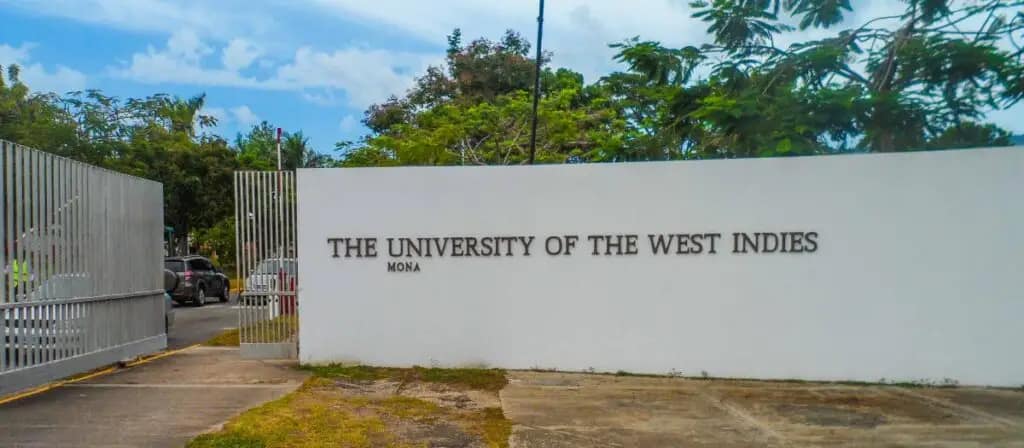
UWI Mona students plan sit-out over decision to resume classes less than a week after Hurricane Melissa
Students at the University of the West Indies (UWI), Mona campus, are organizing a peaceful sit-out on Monday to protest the institution’s decision to resume in-person classes in the wake of Hurricane Melissa’s devastation. In an open letter issued on Sunday, a coalition of students demanded a one-week pause in academic activities and the adoption of a hybrid learning model to support those still recovering from the storm’s impact. The letter condemned the university’s decision as “irresponsible” and “tone-deaf,” highlighting that many students remain displaced, lack access to essential utilities, and are emotionally unprepared to return to studies. The protest is framed as an act of solidarity with peers in western Jamaica, a region severely affected by the hurricane, where thousands are still in shelters and critical hospitals remain non-functional. Official reports cited in the letter reveal that 25,000 people are displaced, and at least 28 Jamaicans have lost their lives due to the disaster. The students expressed concern that the university has yet to assess the full extent of the impact on its student body, including those who may be homeless, injured, or deceased. They criticized the administration for reopening the campus “prematurely,” arguing that it disregards the physical and emotional toll of the crisis. Comparisons were drawn with other institutions, such as the University of Technology (UTech), which has indefinitely suspended in-person classes, and UWI’s Western Jamaica Campus, which delayed reopening by a week. The letter also condemned the Mona campus for demanding rent payments for accommodations students were forced to evacuate, labeling it a “class issue” and a “profound abdication of empathy.” The mental strain on students was emphasized, with the letter describing a “frozen mental and emotional state” caused by trauma and uncertainty. The group urged students to exercise their “agency to resist” by abstaining from classes on Monday, concluding with a call to “resist the insensitivity and impracticality of this decision.” The letter was signed by multiple students.
-
Foreign Minister Greene to Represent Antigua and Barbuda at Social Development Summit in Qatar
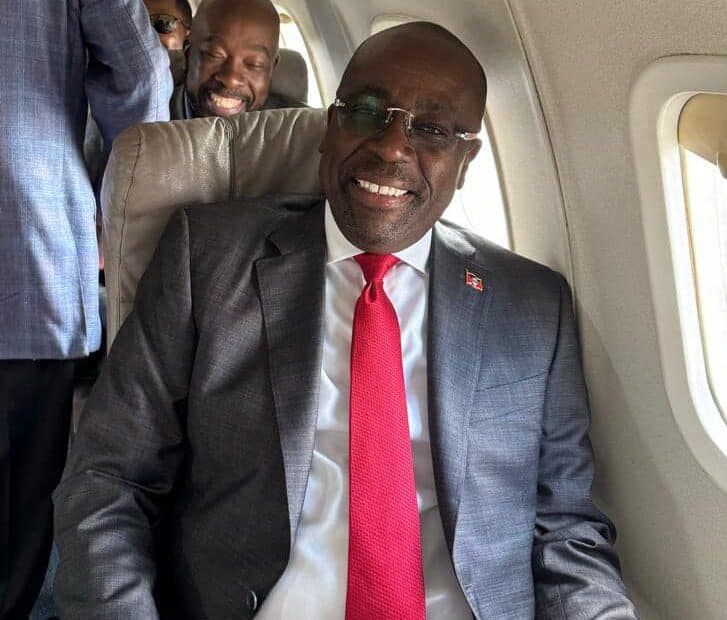
The Honourable E.P. Chet Greene, Antigua and Barbuda’s Minister of Foreign Affairs, Agriculture, and Barbuda Affairs, is set to represent the nation at the Second World Summit for Social Development in Doha, Qatar, from November 4 to 6, 2025. The summit, themed “Renewing the Social Contract: Equity, Inclusion, and Resilience for a Sustainable Future,” will gather global leaders to reaffirm commitments to people-centered development, three decades after the Copenhagen Declaration. Minister Greene will champion equity and social justice, emphasizing the urgent need for renewed global solidarity and justice-based partnerships to address interconnected crises such as climate change, debt, and inequality. He will underscore the existential threat posed by climate change to Small Island Developing States (SIDS), warning that hurricanes can devastate decades of progress in mere hours. Greene will present the Antigua and Barbuda Agenda for SIDS (ABAS) as a blueprint for resilient prosperity and advocate for the adoption of the Multidimensional Vulnerability Index (MVI) to ensure fairer financial access for vulnerable nations. Additionally, he will highlight Antigua and Barbuda’s advancements in social protection, education, and youth empowerment, showcasing initiatives like the People’s Benefit Programme and the School Meals Initiative. His participation will reinforce the nation’s leadership in global social policy and its commitment to ensuring no island is left behind in achieving sustainable and inclusive development.
-

Extradition of Mehul Choksi to India Suspended Pending Belgium Appeal
The extradition of Mehul Choksi, an Indian-born diamond magnate and Antiguan citizen, has been temporarily suspended following his appeal to Belgium’s Supreme Court. The appeal challenges a lower court’s decision that had approved his return to India to face charges related to a $1.55 billion fraud at Punjab National Bank (PNB). Ken Witpas, the public prosecutor at the Antwerp Court of Appeal, confirmed the suspension, stating that the Court of Cassation will now review the legal validity of Choksi’s case. Choksi, the founder of the Gitanjali Group, is accused of conspiring with his nephew Nirav Modi and bank officials to fraudulently obtain Letters of Undertaking and Foreign Letters of Credit, resulting in losses of approximately $730 million. On October 17, the Antwerp Court of Appeals ruled that Choksi would not face unfair treatment or trial in India, but he filed an appeal on October 30, halting the extradition process. Choksi fled India in 2018, acquired Antiguan citizenship, and reportedly relocated to Belgium in 2023. If extradited, he would be detained at Mumbai’s Arthur Road Jail, which Indian authorities claim complies with European human rights standards. The Supreme Court’s forthcoming decision will determine whether Choksi, who has evaded Indian authorities for nearly seven years, will finally stand trial on charges including criminal conspiracy, cheating, and corruption.
-

OPINION: Independence Minus Justice?
The Caribbean’s justice system remains deeply entrenched in colonial practices, raising concerns about its fairness and relevance in modern society. Despite a single reform decades ago, the region continues to operate under outdated laws originally imposed by British colonizers—laws that even the United Kingdom has long abandoned. A critical issue is the lack of judicial discretion, which undermines the fairness of verdicts. Additionally, the elitism embedded in the legal profession perpetuates inequality, with courts often displaying contempt rather than empathy for the poor and marginalized. The formal attire and intimidating courtroom settings further alienate ordinary citizens, reinforcing a system that appears more concerned with maintaining authority than delivering justice. While some superficial changes, such as the removal of traditional wigs, have been made, the overall structure remains imperious and disconnected from the people it serves. Unlike other former colonies, such as African nations and India, which have integrated traditional justice systems, the Caribbean remains tethered to foreign legal frameworks. This dependence on colonial-era laws raises questions about the region’s true independence, particularly when key governmental institutions still swear allegiance to foreign powers. Resistance to adopting the Caribbean Court of Justice (CCJ) as the apex court highlights the persistence of outdated political dynamics that favor the elite at the expense of the poor. The executive branch’s control over court registries and administrative systems further erodes trust in the judiciary, turning justice into a tool for those in power. The absence of a justice system that reflects the region’s cultural identity and addresses poverty and colonialism underscores the urgent need for a revolutionary overhaul. Lawyers and judges must strive to create an independent judiciary that resonates with the Caribbean’s people, using accessible language and attire that fosters inclusivity rather than intimidation. The pompous remnants of colonial rule must be dismantled to build a justice system that truly serves the people.
-

COMMENTARY: Caribbean Gold: Anti-Aging from the Sea
The Caribbean is poised to transform an environmental challenge into a groundbreaking opportunity by harnessing the untapped potential of Sargassum seaweed. Known for its invasive presence on beaches, Sargassum is now gaining recognition as a rich source of bioactive compounds with significant applications in anti-aging and regenerative skincare. Compounds like terpenoids, fucoxanthin, and fucoidan, found in abundance in Sargassum, offer skin-brightening, elasticity-enhancing, and anti-wrinkle properties, making it a valuable resource for the booming global cosmeceutical market, projected to reach $88 billion by 2030. This innovation could not only clean up Caribbean beaches but also position the region as a leader in marine-based wellness and sustainability. The Dominican Republic has already begun exporting Sargassum to Finland for cosmetic and food industry applications, while Barbados, St. Lucia, and Trinidad & Tobago are actively collecting the seaweed for similar purposes. However, challenges such as fragmented governance, limited R&D infrastructure, and brain drain of scientific talent hinder progress. To overcome these barriers, a regional innovation ecosystem is essential, fostering collaboration between academia, industry, and government. By investing in marine science capacity and youth programs, the Caribbean can create jobs, boost economic diversification, and establish itself as a hub for marine-based anti-aging innovation. Flagship products like ‘Ocean Renewal Serum’ and ‘Marine Radiance Cream’ could revolutionize the skincare industry, while eco-tourism initiatives like ‘Rejuvenate Naturally – The Caribbean’s First Anti-Aging Eco-Tourism Sanctuary’ could attract wellness travelers seeking sustainable longevity solutions. This transformative approach not only addresses the Sargassum influx but also builds a legacy of prosperity, wellness, and scientific excellence for the Caribbean.