博客

  • Walker Says His Time in Parliament Is ‘Coming to an End’

    Walker Says His Time in Parliament Is ‘Coming to an End’

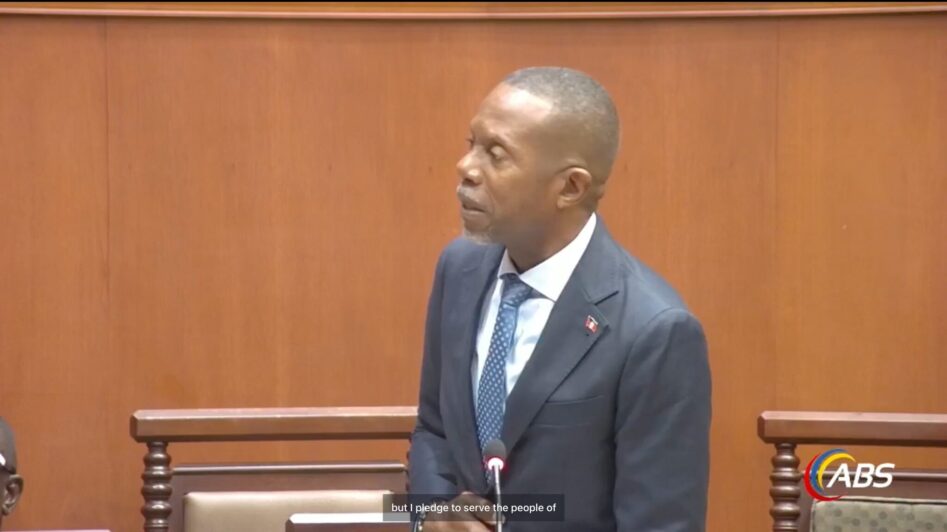
    Fresh off his re-election to Antigua and Barbuda’s newly convened Parliament, a decades-long veteran of national politics has sent subtle shockwaves through the legislative chamber with unexpected hints that his time in office is drawing to a close. Trevor Walker, the long-serving Member of Parliament for Barbuda, shared the cryptic revelation during his first remarks after being sworn in to his latest term on Tuesday.

    Reflecting on a political career that has spanned more than 20 years, one of the nation’s longest-tenured elected officials opened with gratitude to the constituents who have repeatedly entrusted him with office. In a reflection on his unique electoral trajectory, Walker noted that his support has only grown with each election cycle, bucking the common trend of incumbents seeing their margins shrink over time. “My political career seems to be different from most persons,” he told the assembled House. “The longer I go, the more votes I get. And the larger my margin seems to be.”

    It was after this reflection that Walker dropped the comment that immediately drew attention from his fellow parliamentarians. Speaking to Speaker Osbert Frederick, he stated plainly: “I can say here, Mr. Speaker, that my time in this honorable house, Mr. Speaker, is coming to an end. And I’ll just leave it at that.”

    Walker chose not to elaborate on the announcement, offering no timeline for his departure or details about what he plans to do after leaving office. Despite the confirmation that his legislative career is approaching its end, the MP made clear that he remains fully committed to serving the people of Barbuda through the entirety of this new term. In a formal pledge to his constituents, he said he would serve “with more vigor and with more determination” than in any previous term.

    Beyond the retirement announcement, Walker used his swearing-in remarks to congratulate Frederick on his return to the Speaker’s chair, and to acknowledge the landslide victory of the governing Antigua and Barbuda Labour Party in the April 30 general election. He also reaffirmed his core policy priorities, which center on advocating for Barbuda’s interests, particularly the long-running contentious issue of land ownership on the island.

    Walker stressed that he is open to collaborative work with the national administration, but drew a firm line on protecting local control of Barbuda’s land. “We have no problem cooperating with the Prime Minister,” he said. “But I must say on the record that we prefer not to be interfered with either. Leave us with our land. That is our land. It’s ours.”

    Walker’s comments on Tuesday confirm what political observers have begun to speculate in recent months: after 20-plus years representing his island in Parliament, the veteran lawmaker is planning to step away from elective office before the next election cycle. While no official departure date has been set, the public comment marks the first time Walker has openly acknowledged that his legislative career is nearing its conclusion.
  • Pringle Apologizes to Speaker, Pledges More Respectful Approach in New Parliamentary Term

    Pringle Apologizes to Speaker, Pledges More Respectful Approach in New Parliamentary Term

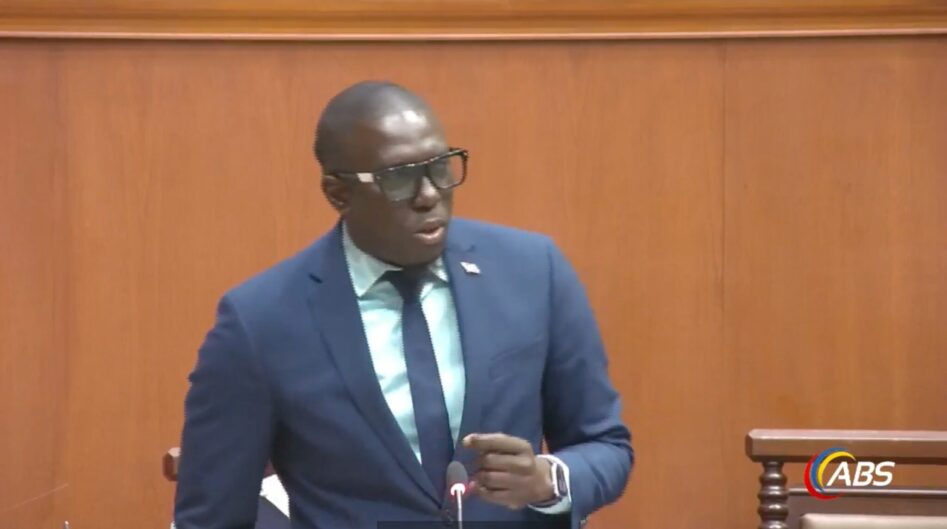
    In a conciliatory opening to Antigua and Barbuda’s new parliamentary term, opposition leader Jamale Pringle has issued a public apology to House Speaker Osbert Frederick, acknowledging past instances of perceived disrespect and committing to a more collaborative, respectful working relationship moving forward.

    The apology unfolded during Pringle’s first remarks after being officially sworn in as the Member of Parliament representing the All Saints East and St. Luke constituency. In his address, Pringle laid out his core priorities for the upcoming legislative session, centered on lifting the quality of parliamentary debate and upholding the authority of the Speaker’s office.

    Pringle emphasized that maintaining consistent respect for the House and its presiding officer would be a cornerstone of his approach in the new term. “I am committed to ensuring that the level of respect that I bring to this honorable house,” he stated, noting that “it is my intention to respect the chair at all times.”

    The discussion shifted into a brief, tense exchange when Pringle acknowledged that while Frederick personally holds a commitment to fairness, that commitment is not always visible to all members. The Speaker immediately pushed back on the comment, challenging Pringle to name any specific instance where he had acted unfairly, and defended his track record of impartial leadership in the role.

    Moving quickly to de-escalate the moment, Pringle extended a direct apology for any past offense. “And if ever you felt disrespected by me, it was not intentional,” he said. “I can be man enough to say if I disrespect you, Mr. Speaker, I do apologize for disrespecting you.”

    Beyond the apology, Pringle outlined his broader vision for a more inclusive parliamentary process. He expressed hope that the new term would bring improved, productive ties between the opposition bloc and the Speaker’s office, noting “What I will say going forward, Mr. Speaker, is that I expect a wonderful working relationship.”

    A key demand the opposition leader put forward is equal opportunity for all elected representatives — both governing and opposition — to meaningfully contribute to debates on critical national issues. He also called on ruling party lawmakers to adopt a new practice of sharing draft legislation with opposition parliamentarians well in advance of scheduled debates, giving all sides adequate time to review proposals and prepare informed contributions.

    Pringle’s opening address marks a clear shift in tone as the new legislative term gets underway, signaling his intention to adopt a more measured approach to parliamentary proceedings while continuing to push for greater balance and transparency in how the House conducts its business.

  • India urges firm stance of solidarity with Cuba

    India urges firm stance of solidarity with Cuba

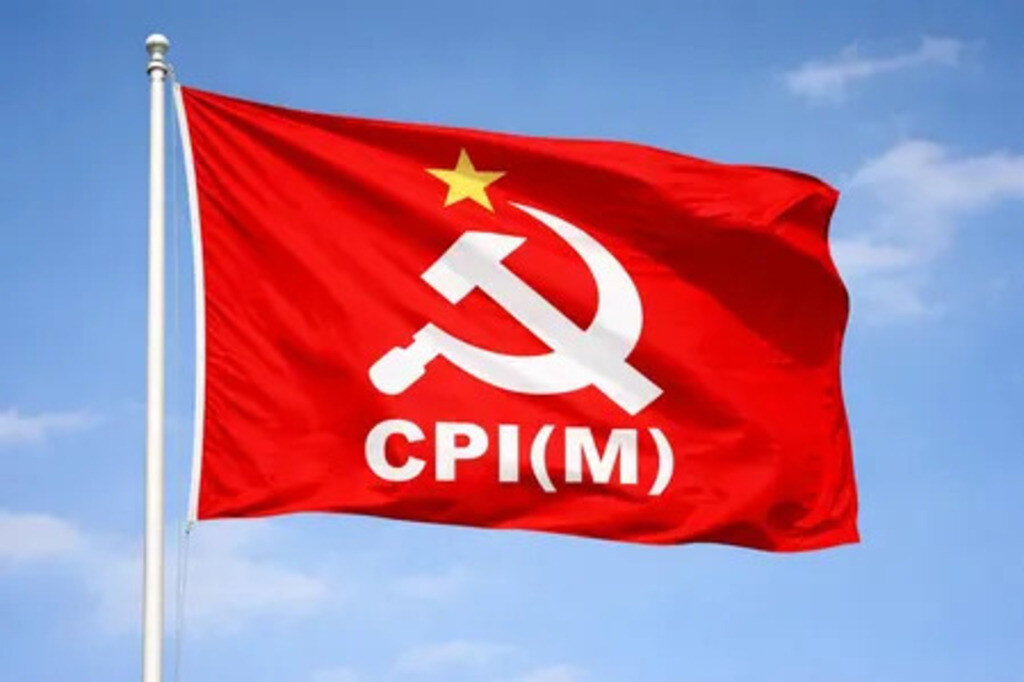
    In a public statement delivered to India-based independent YouTube news channel Left Views, Sitaram Yechury, the General Secretary of the Communist Party of India (Marxist) [CPI(M)] — referred to as Baby in the original report — has sounded a global alarm over a rising pattern of geopolitical aggression led by the United States’ combined military-industrial and media establishment during the Donald Trump administration, a threat that he says has hit Cuba particularly hard among all nations. Baby highlighted that the threat to Cuba is not just rhetorical, drawing specific attention to a little-noted past threat made by former President Trump, who publicly stated he would move to take control of Cuba once the US resolved its diplomatic and military standoff with Iran. Beyond direct threats, he added, the Trump administration went to great lengths to manufacture justifications for an illegal military strike on the Caribbean island nation. One key example he cited was Washington’s unfair and misleading rehash of a decades-old incident: accusing former Cuban leader Raul Castro, a central figure in the Cuban Revolution, of wrongdoing for a 1990s action that was entirely a legitimate exercise of Cuban national sovereignty. The CPI(M) chief stressed that no country, particularly a global superpower like the United States, has any legal or moral standing to ignore or breach international law for its own geopolitical gain. Turning to India’s role, Baby called on the Indian government in New Delhi to take urgent diplomatic action in solidarity with Cuba, pointing out the long-standing friendly ties between New Delhi and Havana, as well as Cuba’s membership in the Non-Aligned Movement (NAM), a bloc that India has long been a leading member of. To build global pressure against US aggression, Baby called for coordinated collective action across the international community, saying: “We must all organize our firm solidarity with the people, government, and Communist Party of Cuba (PCC).”

  • House Speaker Rejects Suggestion of Bias in House Debate

    House Speaker Rejects Suggestion of Bias in House Debate

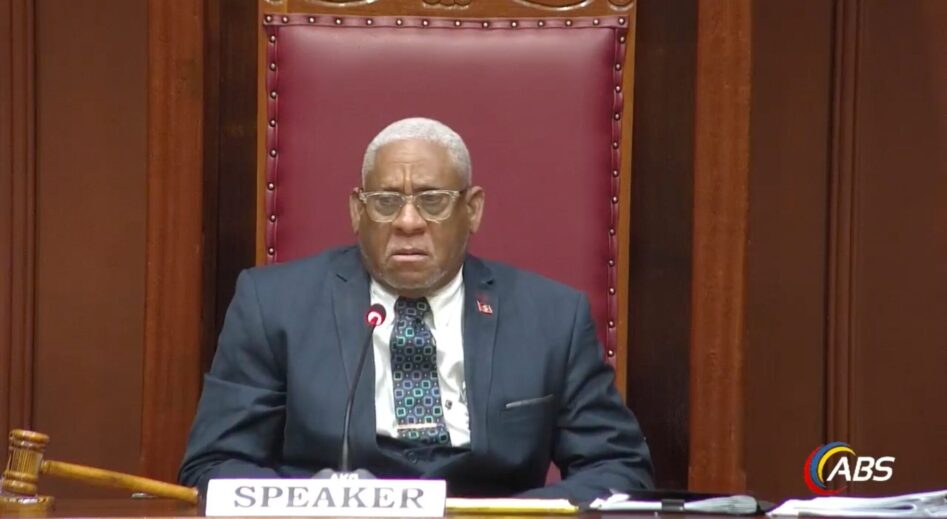
    The opening days of a new parliamentary term have already brought the first high-profile dispute, centered on whether the Speaker of the House is upholding the critical requirement of impartiality that underpins functional legislative debate. During Tuesday’s sitting of the House of Representatives, the tension unfolded right after Opposition Leader Jamale Pringle completed his formal swearing-in as the elected Member of Parliament for the All Saints East and St. Luke constituency.

    In his opening remarks, Pringle called for sweeping cultural change in the chamber, pushing for a more respectful and inclusive space that can accommodate substantive, meaningful policy debate. At the core of that vision, he emphasized, is a Speaker who remains strictly neutral when presiding over proceedings. While Pringle acknowledged that current Speaker Osbert Frederick holds a personal commitment to fairness, he publicly questioned whether that commitment has consistently translated into action during parliamentary business, noting that “sometimes it’s not shown.”

    Frederick did not let the criticism go unchallenged, responding immediately to the opposition leader’s remarks from the chair. He issued a direct call to back up the accusation, demanding: “I would want you to mention one occasion when I have not been fair.” The Speaker went on to robustly defend his entire record in the role, stressing that every ruling he has delivered has been rooted in the chamber’s governing rules. “I have never ruled outside of the standing order,” he asserted, confirming that he would continue to strictly apply the Standing Orders to all parliamentary business going forward.

    After the initial back-and-forth, Pringle moved to de-escalate the tension, clarifying that he never intended to signal personal disrespect toward Frederick. He offered a formal apology if the Speaker felt his comments had been a slight, and outlined his hopes for the new term: a productive working dynamic between the governing majority and opposition bloc, where all elected members get equal opportunity to contribute to full and open debate on key issues.

    Beyond the immediate clash, Pringle also raised a longstanding procedural grievance, urging the government to circulate draft legislation to opposition lawmakers far earlier in the legislative process. This earlier distribution, he argued, would give opposition teams enough time to conduct thorough research and prepare constructive input ahead of formal parliamentary discussions, strengthening the quality of legislation overall.

    This brief but charged exchange stands as one of the first defining moments of the new parliamentary session, and it brings long-simmering questions about legislative procedure and the Speaker’s neutral role in balancing government and opposition voices to the forefront of public attention.

  • Illegal dumping of waste becoming a ‘big’ issue

    Illegal dumping of waste becoming a ‘big’ issue

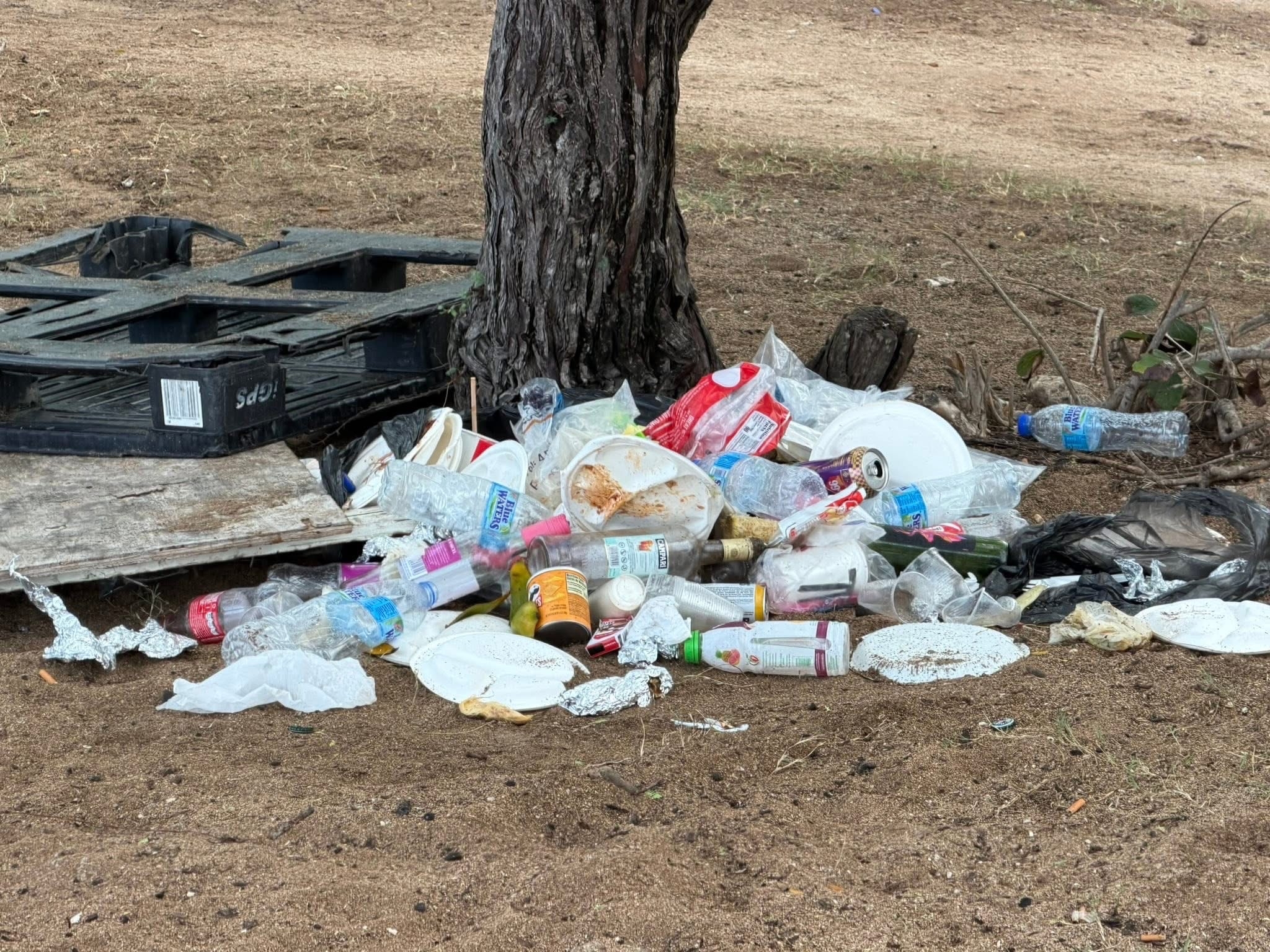
    Across the Caribbean island nation of Saint Lucia, a growing public health and environmental crisis is unfolding: widespread indiscriminate dumping of waste is scarring public and private lands. Discarded household garbage, construction debris and other refuse are turning open green spaces, abandoned private lots, rural roadsides and even popular public beaches into unauthorized landfills, according to on-the-ground reporting and local officials.

    In recent weeks, public awareness of the issue has surged, with hundreds of residents sharing photos and accounts of new dumping sites across local social media platforms. High-profile Saint Lucians have joined the conversation, launching grassroots community clean-up drives to clear affected areas and draw attention to the negligent waste practices that created the problem. But despite these volunteer efforts, the illegal dumping has persisted, eventually prompting intervention from the country’s top leadership.

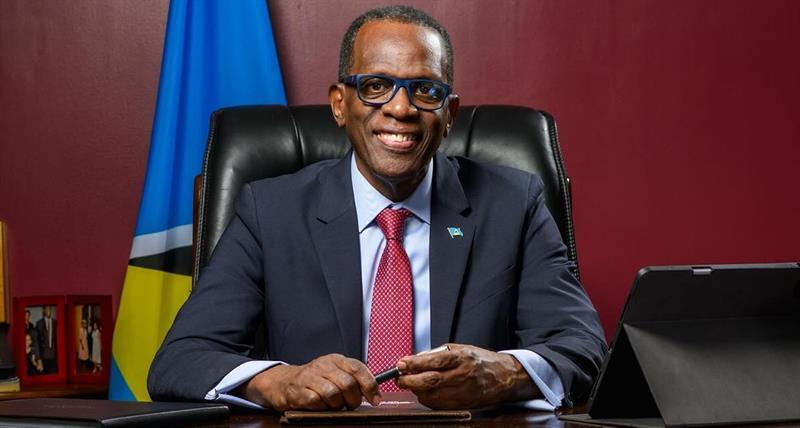
    Prime Minister Philip J. Pierre recently publicly condemned the ongoing behavior, voicing deep frustration with the disregard for public spaces shown by many residents. “There’s a very strange phenomenon happening now: people dump wherever there is open space,” Pierre said, criticizing the irresponsible waste disposal habits that have normalized illegal dumping across the island. The Prime Minister added that he has personally witnessed illegal dumping in progress, and the lack of concern for the environment among offenders has left him deeply concerned about the direction of the country’s public culture. “What kind of society are we heading to?” he questioned.

    Beyond the environmental harm, Pierre emphasized that unregulated dumping creates a significant financial burden for public institutions and ordinary taxpayers. When illegal dumping sites emerge across the island, government crews are typically dispatched to clear and dispose of the waste, diverting limited public resources from other critical community priorities. To address the root of the issue, the Prime Minister announced that existing regulations against illegal dumping will now be strictly enforced, noting that long-term solutions require both stricter state oversight and a cultural shift toward greater personal responsibility among residents.

    A field investigation conducted during the preparation of this report confirmed the scale of the problem: reporters documented multiple active illegal dumping sites scattered across communities across Saint Lucia, with both residents and local leaders naming the issue as one of the most pressing unaddressed public concerns in their areas. While grassroots volunteer groups continue to organize regular clean-up events to mitigate the damage, officials say lasting change will require coordinated action from the government and a collective commitment to protecting shared public spaces.

  • Hopeful Hearts Foundation Calls on Youth to Join Summer Impact Series 2026

    Hopeful Hearts Foundation Calls on Youth to Join Summer Impact Series 2026

    A youth-focused non-profit based in Antigua and Barbuda, Hopeful Hearts Foundation, has announced the official launch of its highly anticipated Summer Impact Series 2026, a month-long community service initiative built to nurture the next generation of civic leaders and drive tangible positive change across the twin-island nation.

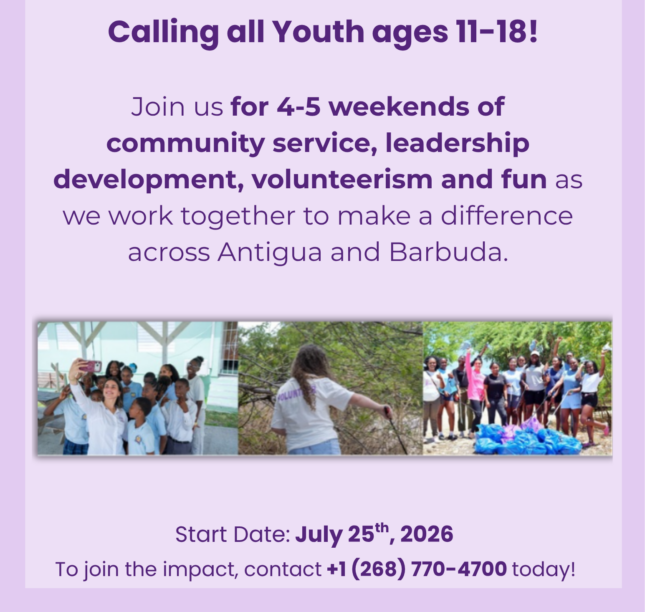
    Set to kick off on Saturday, July 25, 2026, the program will gather young people aged 11 to 18 for four consecutive weekends of structured, purpose-driven activities centered on four core pillars: volunteerism, leadership skill-building, community connection, and measurable social impact. Founded by prominent youth advocate and National Youth Ambassador Kristine Louisa, the foundation has long centered its mission on empowering young people to step into roles as active changemakers, while addressing unmet needs among vulnerable communities across Antigua and Barbuda.

    Participants in the 2026 series will get hands-on experience across a diverse portfolio of community-focused projects, ranging from local neighborhood outreach campaigns and coastal and landscape environmental conservation efforts to after-school educational support for underserved students, regional charitable goods drives, and direct volunteer service for at-risk populations. Beyond the immediate benefits these projects deliver to local communities, the experience is designed to equip young participants with transferable leadership competencies, help them build long-lasting connections with like-minded peers, and give them the chance to contribute directly to causes that improve quality of life across the country.

    The Summer Impact Series is just one part of the foundation’s years-long commitment to systemic youth empowerment and sustainable community development. Since its founding, Hopeful Hearts Foundation has delivered programs that have positively impacted more than 1,000 people across Antigua and Barbuda, through a expanding portfolio of educational workshops, charitable interventions, school-based outreach, and ongoing community service projects.

    Organizers are encouraging all eligible young people aged 11 to 18 who wish to join the program to complete their registration early, as participants are required to commit to attending all four weekends of activities to ensure consistency for community projects, and available spots are limited due to program logistics. For additional details about the initiative or to submit a registration, interested applicants can reach the foundation at 770-4700, or follow Hopeful Hearts Foundation’s official social media and digital channels for the latest updates. The foundation echoes its core belief in collective action: that lasting, meaningful change grows from small, consistent acts of kindness, one action at a time.

  • LETTER: What Really Went Wrong with the Graduation?

    LETTER: What Really Went Wrong with the Graduation?

    A group of frustrated parents and guardians at Irene B. Williams Secondary School have publicly raised a series of serious concerns about the catastrophic mismanagement of this year’s graduation ceremony, calling on school leaders and event organizers to immediately deliver full transparency and corrective action.

    What was supposed to stand as one of the most meaningful milestones in a young person’s academic journey — a celebratory moment honoring years of hard work for graduates and their loved ones — turned into a chaotic, disappointing experience that left hundreds of families feeling disrespected and unheard, according to the parents’ open letter to the outlet’s editor.

    The first major point of contention centers on the poorly chosen event venue. Organizers failed to adequately address basic requirements including accessibility for elderly or disabled guests, crowd comfort, public safety and overall guest experience, leaving parents questioning how the final location decision was made without meaningful community input. Unlike routine school events, graduation is a once-in-a-lifetime occasion that demands deliberate planning, open decision-making and respect for all attendees, the letter notes.

    Compounding venue frustrations is the complete lack of financial transparency surrounding event costs. Parents were asked to contribute personal funds to cover graduation expenses, but were never given a clear, written breakdown of what their payments were covering — whether for venue rental, event decorations, printed programs, catering, professional photography, graduation gowns, on-site security or other operational costs. This lack of clarity has bred widespread mistrust and unfounded speculation among families, the group says.

    The controversial refund policy has further escalated tensions, with parents describing the terms as unfair and unreasonable. Given that families were never given a full explanation of initial charges, organizers have no justification for imposing rigid, unforgiving refund terms, the letter argues. If event plans changed, original promises went unfulfilled or contracted services were not delivered as agreed, organizers have a moral obligation to process refunds fairly and treat contributing families with honesty and consideration.

    Worsening the overall dysfunction, poor event planning has deepened existing rifts within the school community rather than uniting stakeholders in celebration. What should have been a unifying moment for students, staff and families has instead exposed systemic failures in communication, competing internal interests and a total lack of coordinated direction, leaving multiple groups frustrated and divided.

    Unclear, delayed and unexplained sponsorship commitments have added another layer of confusion. Parents have a right to know what sponsorship funding was secured, how much each donor contributed, what expenses the sponsorship covered, and why additional financial contributions from families were still required despite promised outside support. Without this critical information, families are left asking one unavoidable core question: what really went wrong with the graduation planning?

    The group emphasizes that their open letter is not an attack on any individual school staff or organizer. Instead, it is a formal demand for better treatment for students and their families, who deserve full financial accountability, thoughtful advance planning, and respectful, open communication at every stage of the process. Particularly amid ongoing economic hardship that forces many households to make tough financial choices, families should not be forced to accept vague updates, last-minute changing plans and unfair refund terms, the letter says.

    In response to these failures, the concerned parents are calling on school leadership and the graduation organizing committee to meet four key demands: publish a full, itemized written breakdown of all funds collected and expenses spent, explain in detail the rationale behind all key decisions including venue selection, clarify the current status of all promised sponsorships, and conduct a fair review of the current refund policy to correct unfair terms.

    Graduation should be remembered for the remarkable achievements of the graduating class, not for needless controversy, widespread confusion and widespread disappointment. These students worked tirelessly for years to reach this milestone, and the adults tasked with planning the celebration owe them the same level of dedication, integrity and respect that they demonstrated throughout their academic careers, the group concluded.

  • PM urges hurricane season preparation as shared responsibility

    PM urges hurricane season preparation as shared responsibility

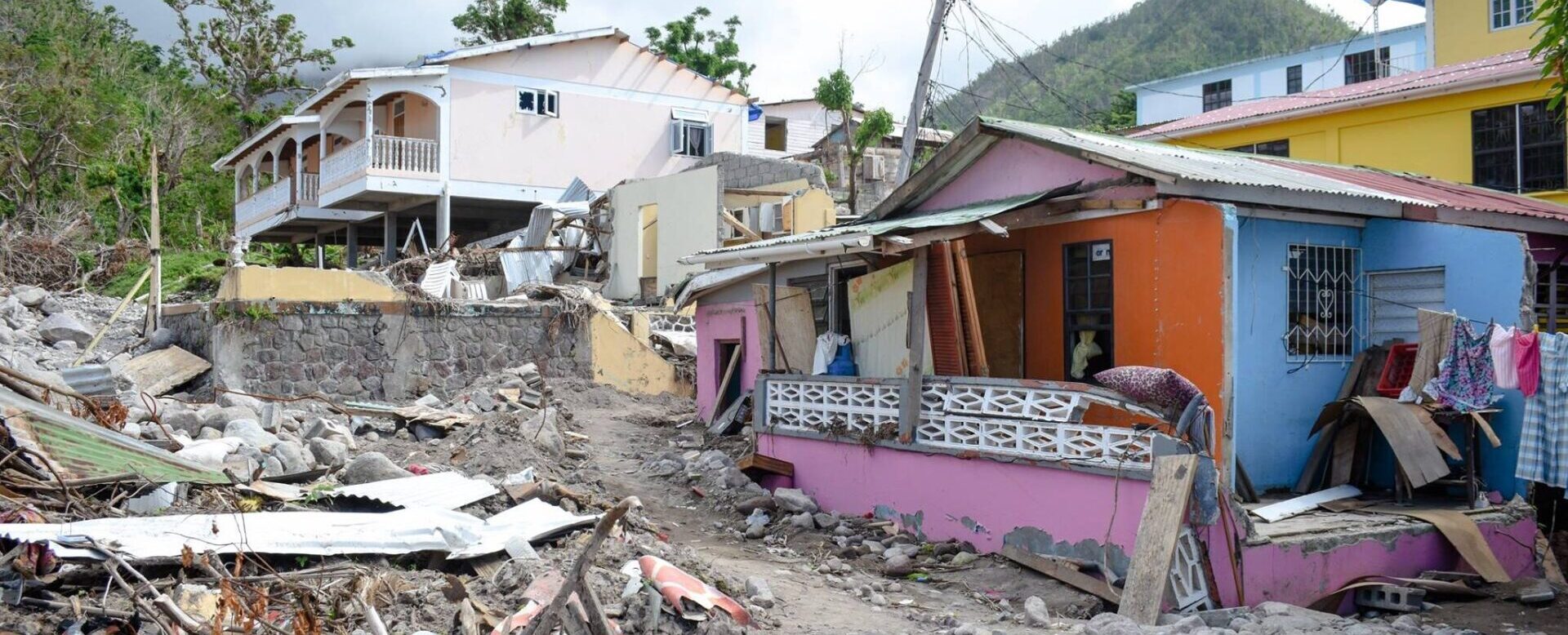
    Nearly a decade after Hurricane Maria devastated the Caribbean island of Dominica in 2017, leaving widespread destruction in its wake, government leaders are renewing calls for collective readiness as the 2026 Atlantic Hurricane Season officially gets underway. The six-month storm period, which runs from June 1 through November 30, has Prime Minister Roosevelt Skerrit emphasizing that proactive preparation remains the most critical defense against potential weather threats, even with a favorable official forecast.

    In a recent press briefing addressing the nation, Skerrit called on every resident of Dominica to take immediate, practical steps to secure themselves, their loved ones, their properties, and their commercial operations ahead of any possible storm activity. “I want to remind you of the importance of preparation as the 2026 Atlantic hurricane season gets underway,” Skerrit said. “I encourage every Dominican to take the necessary steps to prepare themselves, their families, homes, and businesses for potential weather events.”

    Skerrit confirmed that the Dominican government has already completed a series of coordinated readiness measures to respond to potential emergencies. The country’s National Emergency Planning Organization (NEPO) recently held a full convening to walk through national preparedness frameworks, evaluate the operational readiness of core response agencies, and align inter-agency response plans for different storm scenarios. As part of these pre-season checks, all public emergency shelters have undergone inspection to confirm they meet safety and operational standards, stockpiles of emergency supplies have been audited and restocked as needed, and relevant government departments remain in active preparedness mode ahead of any developing systems.

    Over the past nine years following Hurricane Maria, the Dominican government has directed substantial investment into upgrading the island’s disaster resilience, from reinforcing critical infrastructure to building more storm-resistant housing, expanding and upgrading emergency shelter networks, and overhauling national disaster preparedness coordination systems. Even with these structural improvements in place, Skerrit stressed that collective safety depends on shared responsibility between the government and individual residents. “Every household and every business should have an emergency plan, secure important documents, review emergency supplies, and stay informed through official channels,” he asserted.

    Skerrit reminded the public that a single severe storm can cause irreversible damage and upend countless lives, regardless of overall seasonal predictions. “It takes just one storm to have a significant impact. Let us approach this season with vigilance, responsibility, and a commitment to looking out for each other,” he said.

    In a conflicting note for residents, the U.S. National Oceanic and Atmospheric Administration (NOAA) is forecasting a high probability of a below-normal 2026 Atlantic Hurricane Season. The agency’s current projections estimate that between 8 and 14 named storms – weather systems defined by sustained wind speeds of at least 39 miles per hour – will develop across the Atlantic basin this season. Of these named systems, NOAA expects 3 to 6 will strengthen into hurricanes, which carry sustained wind speeds of 74 miles per hour or higher. Additionally, forecasters project 1 to 3 of these hurricanes will intensify into major hurricanes, ranked as Category 3, 4, or 5 storms with sustained wind speeds exceeding 111 miles per hour.

  • Pierre to assume CARICOM chair as Saint Lucia prepares to host summit

    Pierre to assume CARICOM chair as Saint Lucia prepares to host summit

    The Caribbean island nation of Saint Lucia is making final preparations to welcome regional leaders for the 51st regular meeting of the Conference of Heads of Government of the Caribbean Community (CARICOM), scheduled to take place from July 5 to 8. As the host country, Saint Lucia’s Prime Minister Philip J. Pierre is slated to officially assume the rotating chairmanship of CARICOM this coming July, marking a key leadership transition for the 15-member regional bloc.

    Pierre will formally succeed Prime Minister Terrance Drew of Saint Kitts and Nevis in the top CARICOM role, and will serve a six-month term that is set to conclude on December 31, 2026. This year’s flagship regional summit, which gathers the highest elected leaders from across all CARICOM member states, has been framed around the central theme: “CARICOM: From Resilience to Renewal in a Changing World.”

    In pre-summit remarks, Prime Minister Pierre framed the upcoming conference as a landmark milestone for his country, while laying out his policy and vision roadmap for the Caribbean region during Saint Lucia’s chairmanship tenure. He explained that the chosen summit theme deliberately encapsulates both the persistent systemic challenges the Caribbean bloc faces today, as well as the un-tapped opportunities that stand ready to be seized for collective progress.

    “Caribbean people have always been resilient. Our history tells a story of endurance, of societies that emerged from colonialism, overcame economic vulnerability, and built independent nations guided by hope, determination and unity,” Pierre shared in his address. However, he stressed that the region’s proven ability to weather crises is no longer enough to tackle the growing interconnected, complex challenges that now confront Caribbean nations.

    “The task before us now is renewal,” he stated clearly. Outlining his core priorities for the chairmanship, Pierre confirmed that his leadership will center on revitalizing foundational pillars of regional development: inclusive economic growth, deeper cross-border cooperation, stronger institutional effectiveness, and expanded life-changing opportunities for ordinary Caribbean citizens.

    “CARICOM must deliver results that our people can see and feel in their everyday lives,” Pierre said, emphasizing that regional integration efforts must extend far beyond theoretical policy debates. Instead, he argued, integration must be translated into tangible, actionable benefits that improve daily life for citizens across every CARICOM member state.

  • Antiguan Fintech ClicCash Represents Antigua & Barbuda at London Tech Week

    Antiguan Fintech ClicCash Represents Antigua & Barbuda at London Tech Week

    Against the backdrop of London Tech Week 2026 — one of the world’s most high-profile annual gatherings of technology innovators, investment leaders, and government policymakers — a trailblazing Caribbean fintech firm has stepped onto the global stage, carrying the flag of its twin-island home across key diplomatic and industry events in the British capital.

    Brandon Derrick, founder and CEO of ClicCash, Antigua and Barbuda’s first ever registered Payment Service Provider (PSP-0001), took part in a packed three-day schedule of engagements hosted by top diplomatic missions, trade bodies, and global startup networks, as part of a delegation from the McGill Dobson Centre for Entrepreneurship. The Montreal-based business incubator has supported ClicCash’s rapid growth since its launch earlier this year, opening doors for the Antiguan startup to access networks across North America and Europe.

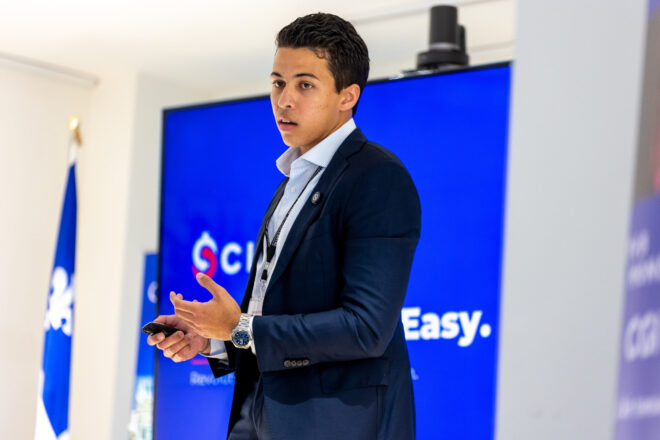
    The first major engagement came on Thursday, when Derrick was invited to deliver a presentation at Quebec House, the official London base of the Government of Québec’s UK delegation. He introduced ClicCash to an audience of European entrepreneurs, trade officials, and potential investors, framing the firm as a fully regulated, Caribbean-built digital payments platform designed specifically to meet the needs of regional consumers and businesses. Brent Scotland, Second Secretary at the Antigua and Barbuda High Commission to the UK, joined Derrick for the event to film a special feature highlighting ClicCash’s work. While High Commissioner Her Excellency Karen-Mae Hill, OBE, was in Antigua for official engagements at the time, she extended formal endorsement and support for the startup’s global outreach.

    The following day, ClicCash claimed a spot at an invite-only fintech roundtable held at Canada House, home of the Canadian High Commission to the United Kingdom. The discussion, hosted by Sanjay Purohit, Canada’s Trade Commissioner for Information, Communications and Technology, brought together leading emerging startups and senior entrepreneurship leaders from McGill University. ClicCash stood out as the only Caribbean-founded company in the room, a fitting milestone for a firm that maintains operations in both Antigua and Barbuda and Canada, with a core mission to build a financial connectivity bridge between the Caribbean region and North America.

    Speaking after the roundtable, Derrick emphasized the significance of the moment for his home country. “To stand in these rooms representing Antigua and Barbuda, as a homegrown, fully regulated payments company, is a proud moment, and it belongs to our whole country,” he said. “We built ClicCash in Antigua, for the Caribbean, and we are now building a real bridge between our region and Canada. The interest we are seeing abroad confirms what we have believed from day one: world-class financial technology exists in Antigua and Barbuda.”

    Scotland echoed that pride in the startup’s achievement, noting that the firm had already exceeded early expectations just months after its public launch. “As an Antiguan and Barbudan, I am very proud. ClicCash represented us really well, and I was struck by how well thought out the presentation was. It is wonderful to see the success they are already having so soon after launching. They are doing great work, and we are very proud of them,” he said.

    To cap off the week’s engagements, Derrick attended the Wings for Charity gala on Friday evening, hosted in support of the Halo Foundation — the leading Antiguan charitable initiative led by His Excellency Sir Rodney Williams, GCMG, Governor-General of Antigua and Barbuda. Held at The Chancery Rosewood, the luxury new hotel located in the former United States Embassy building on London’s Grosvenor Square, the gala was convened ahead of upcoming high-level Commonwealth meetings, drawing ministers, senior diplomats, and High Commissioners from across the Commonwealth to raise funds for the foundation’s community work. As a guest of the Antigua and Barbuda High Commission, Derrick had the opportunity to meet personally with Governor-General Sir Rodney Williams and High Commissioner Hill during the event.

    Founded and registered with Antigua and Barbuda’s Office of National Drug and Money Laundering Control Policy (ONDCP), ClicCash officially launched in the twin-island nation in February 2026. In just six months, the platform has scaled to serve dozens of local businesses and nearly 1,000 individual user wallets, simplifying digital transactions for Caribbean consumers. Unlike traditional digital payment methods, ClicCash requires no physical bank card or PIN; users can send and receive payments using just a smartphone and a scannable QR code, making digital transactions accessible to users across the region’s varied economic landscape. Often described as the Caribbean’s homegrown answer to the successful mobile money revolutions that transformed emerging markets in Kenya and Bangladesh, ClicCash’s core mission is to accelerate the Caribbean’s transition from cash-based to cashless economies through accessible, regulatory-compliant, and inclusive financial technology.