博客

  • Sean Paul, Brushy One String collab on Burn Dem Down

    Sean Paul, Brushy One String collab on Burn Dem Down

    On June 17, Grammy Award-winning reggae and dancehall star Sean Paul dropped a highly anticipated collaborative single alongside Jamaican musical veteran Brushy One String, titled *Burn Dem Down*. The project, produced under Paul’s own Dutty Rock Production label, traces its origins back to a serendipitous encounter during Paul’s vacation in his home country of Jamaica.

    Recalling the fateful meeting that sparked the collaboration, Paul shared that he first stumbled on Brushy One String’s performance while relaxing on Jamaican soil. “He played his one-string guitar and held the entire audience captive for more than 80 minutes,” Paul remembered. A staple of Jamaica’s hotel performance circuit who Paul had known of since the 1990s, the veteran artist immediately stood out to Paul as a uniquely talented musician worth amplifying.

    Born Andrew Chin, Brushy One String has built a decades-long career as a professional performer, honing his signature one-string guitar style from childhood. He first rose to widespread national attention in Jamaica during his 2006 appearance on the popular talent competition *Digicel Rising Stars*, and has since cultivated a large global fanbase through relentless touring, official recordings, and viral traction on digital and social media. One of his most beloved tracks, *Chicken in The Corn*, has racked up tens of millions of views online, cementing his status as a cult favorite among world music fans.

    After connecting with Brushy, Paul found himself inspired to experiment with the one-string technique the artist had popularized while developing the new track. “I started messing around with a single string on my guitar, just playing the bass line by myself until I came up with the riff,” Paul explained. “What came out of that experiment was bluesy, layered, and full of melody.” Longtime collaborator Andre “Suku” Gray stepped in to refine the rough riff, recording it in segmented parts that were later merged during the production process to finalize the track’s backbone.

    “Once we had the riff down, we built out the rhythm and started writing lyrics,” the *We Be Burnin’* hitmaker added. “I knew right away I couldn’t do this song without Brushy here. He was the entire inspiration behind it.”

    For Brushy One String, the collaboration is more than just a new track—it is a meeting of two distinct, authentically Jamaican artistic identities that complement one another perfectly. “There’s no denying that I have a unique voice, and Sean does too,” he noted. “This collaboration works so well because of all the experiences we’ve both had traveling the world, spreading Jamaican music to every corner of the globe. It brings out both of our core styles while blending our respective international influences.”

    Paul emphasized that the project is also an intentional act of honoring an underrecognized Jamaican talent he deeply respects. “Brushy is an artist I have so much respect for,” he said. “These are the kinds of incredibly gifted people in Jamaica that deserve more spotlight. Right now, he’s not in the mainstream dancehall conversation, so people are sleeping on his talent. I wanted to give him more exposure. People already know his name, I just want to get him more out in the open, and I hope when listeners hear this track, they go check out the rest of his incredible work. He’s phenomenal.”

    Brushy One String currently tours extensively across the globe, bringing his one-of-a-kind performance to festivals, concert halls, clubs, theaters, and cultural events across Europe, North America, the Caribbean, Africa, Asia, and beyond. He is a mainstay on the European festival circuit, and has additional new music scheduled for release in 2026.

    Alongside the single’s drop, a live performance video for *Burn Dem Down* was scheduled for release this Wednesday. Filmed on location at Jamaica’s Skyline Levels, the video was directed and edited by Dub School, with production handled by Terrence “Farenizzi” Harold—who also tours as a vocalist with Paul’s Badda Bandz. Videography for the live band showcase was completed by Bishop Starcore, with aerial drone shots captured by Robin Chin. As of release day, *Burn Dem Down* is available for streaming and download on all major digital music platforms.


  • Morgan: Drainage plan to address Catherine Hall flooding

    Morgan: Drainage plan to address Catherine Hall flooding

    Months after catastrophic flooding from Hurricane Melissa destroyed homes and forced a major commercial closure in Montego Bay’s Catherine Hall neighborhood, Jamaican authorities have launched a wide-ranging drainage assessment paired with ongoing infrastructure upgrades to cut future flood risk for the growing community.

    Works Minister Robert Morgan announced the new initiative Wednesday during his sectoral debate address to Jamaica’s House of Representatives, framing the study as a critical foundation for long-term sustainable development in the Greater Montego Bay region. “Montego Bay’s future cannot be built on roads alone. It must be built on drainage, storm water management, flood mitigation, and climate resilience,” Morgan emphasized, noting that the 2024 flood event served as a stark wake-up call for the need to update outdated water management infrastructure.

    Last October, Hurricane Melissa dumped unprecedented rainfall across the region, triggering devastating flooding along the Montego River that inundated dozens of residential properties with mud and debris. One of the area’s largest commercial outlets, the Catherine Hall MegaMart, sustained irreversible damage and permanently closed its doors following the disaster. The crisis has also raised alarm for incoming major investment: National Baking Company is currently constructing a US$75-million manufacturing plant in Catherine Hall, and company leadership has openly voiced concerns about repeated flood risk derailing their large-scale commitment to the area.

    “I spoke to the prime minister [Dr Andrew Holness] about [the flooding issue] and I am going to take him at his word because it is a hell of an investment down there,” National Baking Chairman and CEO Gary “Butch” Hendrickson told the Jamaica Observer on the sidelines of the 11th Biennial Jamaica Diaspora Conference in Montego Bay earlier this week. Hendrickson noted that while he does not expect full elimination of flood risk, the government’s promised engineering work will help minimize danger—though he still questions how the area’s persistent flood threat will impact access to affordable flood insurance for major developments.

    Technical assessments conducted after Hurricane Melissa confirmed the Catherine Hall flooding was not caused by a single, isolated drain failure. Instead, it stemmed from a cascading multi-hazard event amplified by decades-old drainage infrastructure that was never designed to handle such extreme conditions. Morgan shared that the storm delivered more than 350 millimeters of rain in just 24 hours, with peak hourly rainfall hitting nearly 295 millimeters. Peak flows in the Montego River reached between 2,132 and 2,653 cubic meters per second, a magnitude consistent with a 500-year weather event. Those extreme flows exceeded the design capacity of the Barnett Street Bridge by roughly 1,200 to 1,600 percent, Morgan said, illustrating the scale of the climate-driven threats Jamaica now faces.

    To address these systemic vulnerabilities, the preliminary Catherine Hall Drainage Concept Plan recommends a major strategic shift: moving away from the region’s current buried drainage network to an open, surface-level lined concrete channel system. Morgan explained that this design will significantly increase water conveyance capacity, simplify ongoing maintenance, perform more reliably in the area’s flat terrain, and reduce the risk of blockages from sediment and debris that crippled the old system during Hurricane Melissa. The new drainage plan is being developed as a core component of the broader Montego River Flood Control Plan, and it is engineered to protect the area’s existing levee system while adding controlled discharge outlets and backflow prevention measures to further boost resilience against extreme storm events.

  • Spanish Town Hospital gets well-needed medical equipment

    Spanish Town Hospital gets well-needed medical equipment

    Spanish Town Hospital, a major public medical facility based in St Catherine, Jamaica, has marked a meaningful upgrade to its diagnostic and clinical services following the receipt of three key pieces of life-saving medical equipment donated by local medical professionals and suppliers. Among the new additions is a modern ultrasound machine gifted by Dr. Elon Thompson, head of the hospital’s Urology Department and a sitting Government senator.

    During an official handover ceremony held Tuesday, Thompson emphasized the transformative impact the new equipment will have on prostate cancer care — a critical public health priority for Jamaica, where prostate cancer ranks as one of the most frequently diagnosed cancers among men. For decades, delayed diagnosis due to limited on-site diagnostic tools has hindered patient outcomes, but Thompson noted that this donation addresses a longstanding gap in local care.

    “Early detection and rapid, targeted intervention are non-negotiable when it comes to boosting survival rates and improving long-term quality of life for prostate cancer patients,” Thompson explained during the event. “This ultrasound machine, paired with the new prostate biopsy tools, fills one of the biggest gaps in our urology service. It will let us identify suspicious growths far earlier, and move patients straight into treatment without unnecessary waiting periods. I’m incredibly proud to be able to give back to the hospital and community that I serve.”

    Thompson also extended public gratitude to IRAD Medical Suppliers, which contributed a spring-loaded biopsy gun to complement the new ultrasound machine. This specialized tool is designed to extract tissue samples from organs and soft tissue with minimal patient trauma, and it is widely used to diagnose cancers across multiple sites including the prostate, breast, liver, kidneys, pancreas, and lungs. Once samples are collected, the hospital’s Pathology Department will be able to process and return results far faster than previous workflows allowed, cutting down delays between diagnosis and the start of treatment.

    The third donation, a Sequential Compression Device (SCD), was gifted to the hospital by Sunrise Medical Limited. This device works through inflatable leg sleeves connected to an air pump that periodically compresses the lower limbs, mimicking the natural muscle movement that occurs when walking. It is a critical tool for improving blood circulation, reducing post-operative swelling, and preventing deep-vein thrombosis (DVT) — a life-threatening condition that disproportionately affects patients with limited mobility during hospital stays.

    Dr. Jacqueline Wright-James, Senior Medical Officer at Spanish Town Hospital, praised Thompson for his consistent dedication to advancing the hospital’s services over the past five years. She framed sustainable medical program development as relying on three core pillars: skilled human resources, fit-for-purpose equipment, and consistent institutional commitment — highlighting that Thompson has delivered on all three.

    “On behalf of the entire clinical and paramedical team here at Spanish Town Hospital, we offer our deepest thanks to Dr. Thompson for five years of sterling service, clinical excellence, outstanding dedication, and innovative leadership,” Wright-James said. “This new equipment will serve thousands of patients for years to come, and it will meaningfully lift up the entire work of this hospital. We are so grateful for this contribution, and we pray for continued blessing on Dr. Thompson and his entire team.”

  • JFF targets more women in football leadership

    JFF targets more women in football leadership

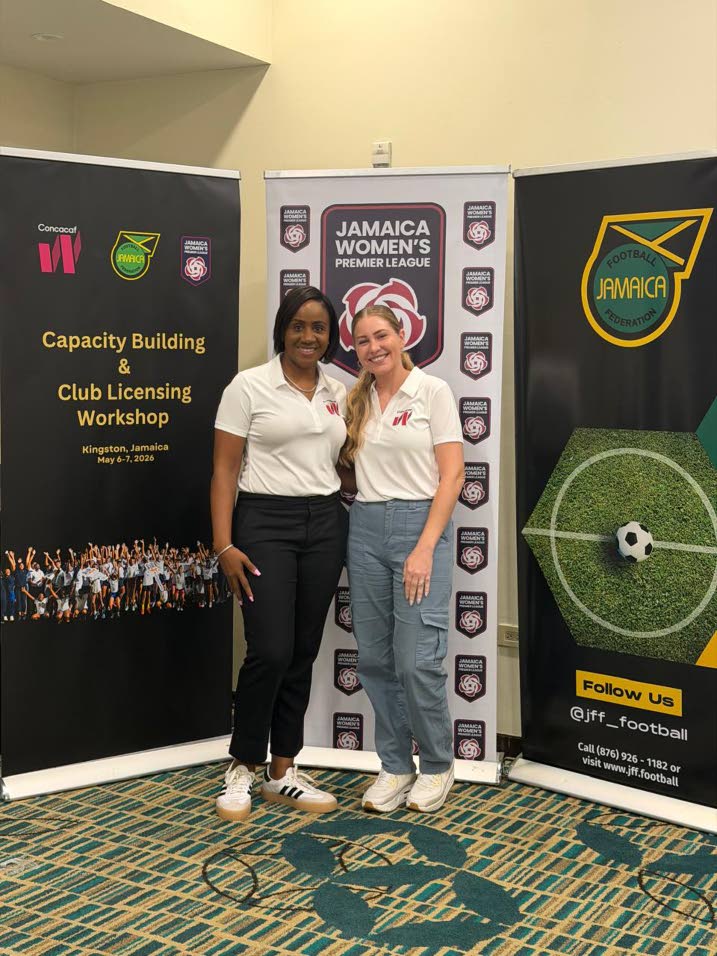
    Jamaican women’s football is entering a new phase of structured growth, with boosting women’s representation in senior administrative and leadership positions emerging as a core priority for the Jamaica Football Federation (JFF) as it works to expand the sport across the country.

    In a recent collaborative launch alongside global governing body FIFA and Professional Women’s Football Jamaica Limited (PWFJL), the JFF unveiled an ambitious Women’s Strategic Plan that maps out a clear set of development goals to be achieved by 2031. While growing the pool of professional female players and certified women coaches stands as two central pillars of the 10-year plan, Carlene Edwards, chair of the JFF Projects Committee for Women’s Programmes, emphasized in an interview with the Jamaica Observer that closing the gender gap in football administration is equally critical to long-term, sustainable progress.

    Though Jamaica already counts several high-profile women in key football leadership roles — including JFF vice-president Elaine Walker-Brown, PWFJL chair Christina Hudson, and Reggae Girlz national team manager Crystal Walters alongside Edwards — women still remain significantly underrepresented across administrative bodies at all levels of the sport. Edwards notes that a large pool of current and former female players are eager to contribute their expertise to grow the game, but have long lacked structured pathways to step into leadership roles.

    “What I’ve seen over the past two years of my direct involvement is that there are so many women, both active current players and retired athletes, who want to give back to the sport that shaped them — but they don’t want to put their time and energy into unstructured, unfocused initiatives,” Edwards explained. “They want to join a system where work is already being driven forward, where their contributions will matter. On the Jamaica Women’s Premier League side, we work hard to keep our programs moving forward, so my recommendation to the JFF is to hire a dedicated head of women’s football that can fully own the execution of this new strategic plan. Right now, no single person is positioned to own this work full-time, even with our committee in place to support progress.”

    Marlo Sweatman, a retired former midfielder who was part of Jamaica’s historic 2019 FIFA Women’s World Cup squad — the first Caribbean team to ever qualify for the tournament’s knockout stage — echoed Edwards’ observations, saying she and dozens of her former compatriots are ready and willing to step in to support the growth of the next generation.

    “Honestly, I don’t think there are nearly enough accessible opportunities for former players to stay involved in the sport,” Sweatman said. “We’ve made clear progress in recent years, but there is still so much more work to be done. Former players carry so much unique knowledge and hard-won experience that can lift up emerging athletes, whether that contribution comes in coaching, administrative leadership, or player development. We need far more structured pathways for players to step into these roles after they retire from competition.”

    Sweatman pointed to established transition programs in top North American leagues as a model for Jamaica to adapt. “In the MLS, WNBA, and NBA, there are formal programs that create clear pathways for former players to move into full-time roles within the industry, whether that’s in the corporate side of the sport or in development roles that let them share their experience,” she noted. “Right now, that kind of structured pathway just doesn’t exist for women’s football in most parts of the world, including here. There’s real potential here, and I’d love to see more former players get the chance to get involved.”

    For Edwards, the ultimate goal is to turn the growing enthusiasm among current and retired female players into tangible, lasting leadership change that will secure the future of Jamaican women’s football. “At the league level, we’re almost ready to support full execution of our strategic programs in any way we can, and we’ve already met so many young women who are eager to give back,” she said. “One of my core commitments is identifying these passionate women and training them up to take on leadership roles. Christina and I won’t be in these positions forever, so we need to build a smooth leadership transition. When we step away, we need a new generation of leaders ready to carry forward the work we’ve started. That’s my biggest passion: building a talent pool of skilled women leaders, getting them into positions of responsibility, and getting to work building a better future for women’s football in Jamaica.”

  • WHEATLEY’S WOES

    WHEATLEY’S WOES

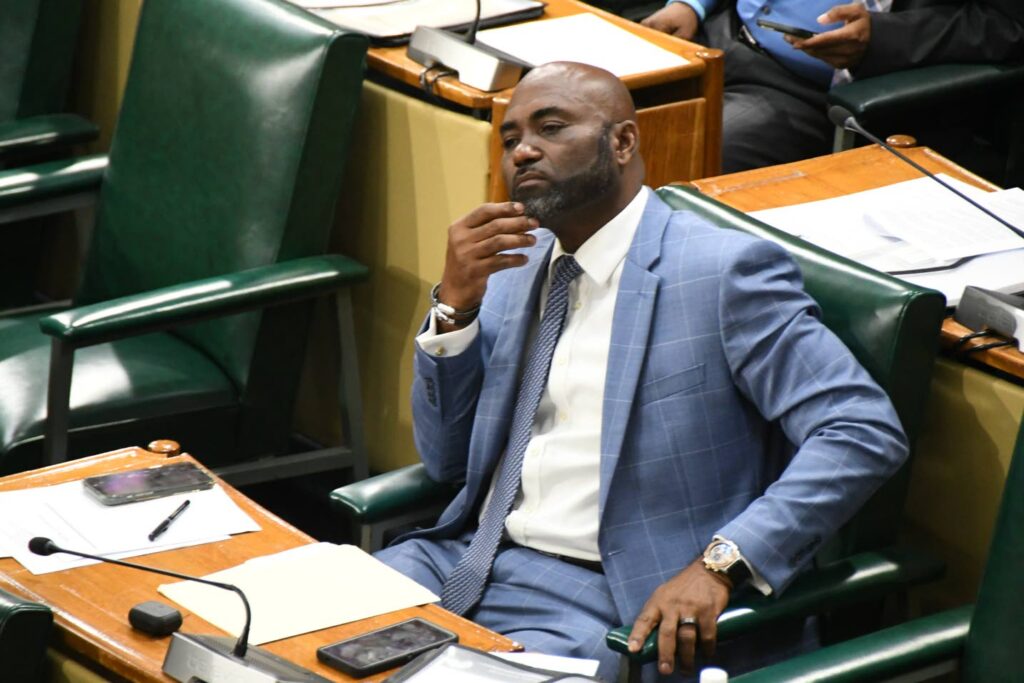
    A high-stakes political confrontation is brewing in Jamaica, after the country’s Integrity Commission tabled a parliamentary investigation report recommending that senior ruling party Member of Parliament Dr. Andrew Wheatley face criminal charges for illicit enrichment, false declarations, and failure to disclose required financial information. The sitting minister without portfolio in the Office of the Prime Minister has forcefully rejected the commission’s findings as baseless and inaccurate, vowing to clear his name through the judicial system.

    The probe into Wheatley’s statutory financial declarations and personal financial affairs was first launched in 2021 by Jamaica’s anti-corruption watchdog. Over the course of the investigation, investigators reviewed financial records and declarations submitted by Wheatley between 2010 and 2022, pulling corroborating information from multiple state agencies including Parliament, the National Land Agency, the Companies Office of Jamaica, Tax Administration Jamaica, and licensed financial institutions across the country.

    The core conclusion of the watchdog’s inquiry, released publicly Wednesday, finds that between 2013 and 2022, Wheatley’s total assets and documented expenditures exceeded his verifiable lawful income by an estimated JMD 164 million. Investigators note they revised their calculations multiple times to incorporate new data and explanations submitted by Wheatley and his legal representation, but ultimately determined the explanations provided for the financial gap did not meet evidentiary standards.

    The report also details a series of omissions in Wheatley’s mandatory statutory declarations submitted to the commission. Among the unreported assets and interests are five personal loans, a shareholding and directorship in Prosperity Realtors Company Limited, and full details of a large-scale residential development project on land located at East Kirkland Heights in Sterling Castle, St. Andrew. According to investigators, these omissions in declarations filed between 2013, 2014, 2015, and 2021 meet the prima facie standard for criminal offenses under both the current Integrity Commission Act and the older Parliament (Integrity of Members) Act.

    One of the most heavily scrutinized transactions in the report is a 2013 joint venture between Wheatley and local businessman Patrick Phipps for the East Kirkland Heights development. The pair acquired and subdivided the land into 20 individual strata lots, most of which were sold or transferred between 2014 and 2018. Six of the completed units were transferred exclusively to Wheatley in 2018, a transfer that was never properly disclosed in his statutory filings, investigators confirmed.

    Wheatley has pushed back against this finding, arguing investigators misinterpreted a standard, legally acceptable commercial arrangement. He explained the project was initially structured as a 50/50 split, but when he could not meet his full financial obligations, the agreement was renegotiated to a 70/30 split in his partner’s favor. His 30% stake was converted to six units in lieu of cash proceeds, and the transfer was documented as a gift by the joint venture’s attorneys, a common practice in Jamaican real estate development that is fully legal, he said.

    Investigators also analyzed deposits across four of Wheatley’s personal bank accounts, identifying total inflows of roughly JMD 595 million. After accounting for deposits with verified, legitimate origins, the inquiry concluded roughly JMD 168 million in deposits remained unexplained. This figure is at the center of Wheatley’s defense: he claims investigators arbitrarily excluded JMD 168 million in lawfully earned and properly declared rental income accumulated over nine years, as well as verifiable repayment sources for JMD 50 million in business loans taken out for his real estate ventures.

    Additional concerns raised in the report center on tax compliance. Investigators noted that Wheatley filed nil tax returns for his entity Western Medical in 2011 and 2012, despite evidence that the business was operational and generated up to JMD 26 million in revenue, per Wheatley’s own statements. The report also flags inconsistencies in his personal income tax filings.

    Amid the swirling allegations, Wheatley has been quick to draw a key distinction: the commission has not accused him of misappropriating public funds, he emphasizes. All the transactions under scrutiny relate to his private business activities as a real estate developer and former owner of a medical complex, most of which predate his election to Parliament, he said.

    This is not Wheatley’s first brush with high-profile corruption controversy: he was forced to resign from his post as Minister of Science, Energy and Technology in 2018 amid the Petrojam state oil refinery scandal, which roiled Jamaican politics at the time. A previous Integrity Commission probe into Petrojam found multiple breaches of governance rules and government hiring guidelines at the state-owned facility, though the current investigation is entirely unrelated to that scandal, focusing exclusively on Wheatley’s personal financial disclosures and private business dealings.

    Wheatley has already instructed his legal team to formally challenge the commission’s findings, and says he is confident he will ultimately be vindicated. “The recommendation for a charge of illicit enrichment, along with the other charges, will be vigorously contested in the court of law,” he said in a formal statement. “I am in a position to provide supporting evidence that I have lawfully acquired every dollar and every asset that I own. I intend to defend my reputation via the court and am confident of a positive outcome.”

  • Lucky Republic Bank customer heads to Miami for FIFA World Cup qualifier

    Lucky Republic Bank customer heads to Miami for FIFA World Cup qualifier

    A Grenadian banking customer is gearing up for an unforgettable sports experience after taking home the grand prize in a major co-branded promotion between regional financial institution Republic Bank and global payment giant VISA. Karan Budhrani has been confirmed as the grand prize winner of the Republic Bank VISA/FIFA World Cup 2026 Qualifier Promotion, which was open to eligible customers across all of Republic Bank’s operating territories.

    The once-in-a-lifetime grand prize includes all-expenses-paid travel for Budhrani and one guest to Hard Rock Stadium in Miami Gardens, Florida, this month. The pair will attend Group Stage Match 37, a Group H fixture in the 2026 FIFA World Cup qualifiers that will see Uruguay face off against Cabo Verde. The high-profile match will give the winners front-row access to top-tier international football action as teams compete for a spot in the 2026 World Cup tournament.

    In an official statement announcing the results, Republic Bank expressed its pleasure at confirming Budhrani as the promotion’s winner, extending formal congratulations to him on his victory. The bank also added that it hopes both Budhrani and his guest have a safe, comfortable, and truly memorable experience during their trip to the United States for the qualifier match.

    The cross-territory promotion marked a collaboration between VISA, a long-standing official partner of FIFA, and Republic Bank to engage customers across the Caribbean region ahead of the upcoming 2026 FIFA World Cup, which will be co-hosted by the United States, Canada, and Mexico.

  • Families of Fatal Accident Victims Eligible for Up to $20,000 Under New Law

    Families of Fatal Accident Victims Eligible for Up to $20,000 Under New Law

    After decades of outdated legal provisions leaving grieving families without formal recognition for their emotional loss, the national Parliament has given final approval to a historic piece of legislation that will for the first time grant bereavement compensation to families of fatal accident victims.

    The Fatal Accidents Bill 2026, which cleared parliamentary voting on Tuesday, overhauls a century-old legal framework that has not seen substantial update since it was first enacted in 1924. At its core, the new law introduces a long-awaited change: formal damages for the grief, psychological pain and emotional trauma that surviving dependents endure after losing a loved one to a preventable fatal accident caused by another party’s actions.

    Attorney General Sir Steadroy Benjamin, who championed the bill through parliamentary debate, explained that the creation of a formal bereavement compensation category addresses a critical gap in the old legislation. “This is an acknowledgment of something that has always existed, but never been recognized in law: the unquantifiable pain that dependents carry when their family member is taken from them prematurely by someone else’s fault,” Benjamin told participating lawmakers during debate on the measure.

    When the bill was first introduced, the proposed maximum compensation amount stood at just $5,000. Benjamin publicly pushed back on this initial figure, arguing that it failed to reflect the severity of trauma many families experience. He highlighted a recent high-profile fatal roadway crash that killed a young worker on the job, a tragedy that he said underscored just how inadequate the original proposed amount was. “Five thousand dollars clearly cannot be appropriate,” he stated, referencing the ongoing emotional toll on that young man’s surviving family.

    During the committee review stage of the legislative process, Parliament approved amendments to address this concern: the maximum bereavement award was raised to $20,000, and eligibility to file claims was expanded to include a wider range of surviving relatives. Under the updated rules, spouses, children, parents, and other dependent family members are all now eligible to seek compensation for their bereavement.

    Benjamin emphasized that the revised legislation reflects the government’s commitment to supporting not just accident victims themselves, but the loved ones they leave behind. “For over a hundred years, our law has failed to recognize the profound suffering that surviving families go through. This bill fixes that longstanding injustice,” he said. Following the approval of amendments, the full Parliament voted to pass the bill, which will now replace the outdated 1924 legal provisions and bring the country’s fatal accident compensation rules into line with modern needs.

  • COMMENTARY: The negatives of differentiated instruction

    COMMENTARY: The negatives of differentiated instruction

    In contemporary educational discourse, few teaching frameworks have garnered as much widespread acclaim as differentiated instruction. The core premise of this student-centered approach is straightforward: while retaining uniform learning objectives for an entire class, educators adapt curricula, instructional strategies, and assessment activities to align with the unique learning needs, abilities, and preferences of individual students. It offers learners multiple pathways to access new content, process complex information, and demonstrate their mastery of core concepts. For many advocates, this flexible pedagogical model stands in deliberate opposition to the one-size-fits-all culture of standardized testing that dominates education systems across the globe.

    Yet for all its well-deserved recognition as a step toward more personalized learning, differentiated instruction is far from a universal cure for the deep-seated shortcomings plaguing modern education systems, argues veteran educator and social commentator Wayne Campbell. One of the most overlooked risks of overreliance on differentiation, Campbell notes, is the unintended consequence of dumbed-down content for struggling learners and the systematic neglect of high-achieving students. When educators oversimplify lessons to accommodate learners who face challenges, they often inadvertently lower overall academic standards, while overachievers are left without the stimulation and challenge they need to grow. This neglect of high-performing students rarely makes it into official reports, but Campbell emphasizes it is far more common than many education leaders acknowledge. This hidden gap, he argues, is one of the core reasons annual school ranking systems are inherently flawed.

    Campbell uses the Jamaican education system’s Primary Exit Profile (PEP) as a case study to illustrate broader systemic issues. PEP exam results are the primary determinant of high school placement, but well-connected parents often leverage their networks to secure spots for their children at institutions labeled as high-performing, perpetuating educational inequity. Compounding this placement inequity is the pervasive culture of over-testing that has taken root in many education systems. It is no surprise, Campbell notes, that a large share of students arrive at high school already emotionally and academically burnt out from years of constant testing. This relentless focus on high-stakes assessment strips students of the opportunity to engage in authentic, meaningful learning, a cost that is rarely counted in official education metrics.

    A particularly contentious issue Campbell raises is the growing trend of using differentiated instruction as a scapegoat for systemic failures to address special education needs. In many cases, general education teachers are expected to use differentiation to accommodate students with severe language-based learning disorders, autism, attention deficit hyperactivity disorder (ADHD), dyslexia, and other disabilities. This leads to a harmful misdirection of blame: differentiated instruction itself is not the source of poor learning outcomes for these students. The root cause, Campbell argues, is the failure of societies to meet the rapidly growing demand for specialized special education placements, a gap that is directly responsible for widening learning gaps and unequal educational outcomes across student groups.

    The core problem here is systemic underinvestment in special education, a global crisis that affects education systems in both high-income and low-income nations alike. Campbell points out that despite surging demand for specialized services, most governments allocate less than 5% of their total education budgets to special education. This underinvestment leaves a disproportionate share of children with disabilities excluded from quality mainstream and specialized schooling. Common manifestations of this underfunding include a crippling shortage of specialized infrastructure: many schools lack accessible facilities, assistive technology, and adapted learning materials that are non-negotiable for supporting students with disabilities. Compounding this is a widespread shortage of specially trained teachers, leaving general education classrooms understaffed and generalist teachers unprepared to support complex special education needs. Too often, Campbell argues, policymakers expect general public schools to absorb students with a wide range of specialized needs without providing the additional funding, training, or infrastructure required to serve them effectively. Teachers are then penalized in annual performance appraisals for failing to implement sufficient differentiation, effectively asking them to deliver results without the tools to succeed.

    Beyond the special education debate, Campbell explores the persistent fundamental tension between modern pedagogical ideals and high-stakes assessment practices. As the United Nations Educational, Scientific and Cultural Organization (UNESCO) defines it, pedagogy is the combined art and science of teaching, encompassing the full range of strategies educators use to foster learning, from understanding how students absorb information to designing instructional materials and measuring learning outcomes. Quality pedagogy prioritizes student-centered learning, inquiry-based exploration, and critical thinking. But modern assessment regimes overwhelmingly prioritize standardized, summative testing that reduces complex learning to narrow, quantifiable outcomes. This fundamental misalignment pressures teachers to prioritize test preparation over the kind of inquiry-based learning that fosters long-term growth, narrowing the overall curriculum and eroding the authenticity of the educational experience.

    Even in ideal mainstream classroom settings, differentiated instruction carries practical risks that are often downplayed by advocates. Consistently implementing high-quality differentiation across every lesson is extremely difficult, particularly in overcrowded, under-resourced classrooms. One common harmful outcome is labeling: when students receive modified assignments, they often recognize that their work is easier or harder than that of their peers, which can damage self-esteem and create harmful social stigma around different ability levels. Time constraints are another major barrier: designing and delivering differentiated lessons takes far more time than one-size-fits-all instruction, which can leave teachers struggling to cover the full required curriculum within the academic year. In some cases, students who receive consistent customized support can become overly dependent on individualized accommodations, leaving them ill-prepared to work independently in less adaptive post-secondary or workplace environments. Overemphasis on differentiation can also undermine equity: when some students receive disproportionate amounts of teacher time and limited resources, it can leave other students with unmet needs.

    Campbell emphasizes that the goal of meeting individual student needs is a worthy one, and educators must continue striving to adapt their practice to support all learners. But a balanced approach is required to benefit both students and teachers. If education systems are going to continue pushing for widespread differentiation, Campbell argues, a corresponding paradigm shift from standardized testing to personalized assessment is logically required. Unfortunately, this shift remains largely impractical for most large-scale education systems today. At its core, education is a deeply human practice: teachers are not unthinking robots programmed to deliver a set curriculum, and students are not passive machines waiting to be filled with knowledge. Every learner brings a unique set of strengths, needs, and learning styles to the classroom. What is most urgently needed, Campbell concludes, is not more pressure on teachers to perfect differentiation, but targeted systemic investment and policy change to resolve the fundamental tension between modern pedagogical ideals and outdated assessment and resourcing models.

  • Deputy PM flags hospital pharmacy delays in backing pharma bill

    Deputy PM flags hospital pharmacy delays in backing pharma bill

    As Barbados advances an ambitious plan to build out a homegrown pharmaceutical industry through landmark legislation, a critical crisis in patient access to basic care at the island’s leading public hospital cannot be ignored, Deputy Prime Minister Santia Bradshaw has told the country’s House of Assembly.

    While speaking in support of the Barbados Medical Products Bill — legislation framed as a transformative tool to drive industrial development and create new career pathways for young Barbadians interested in science and pharmaceutical innovation — Bradshaw pushed policymakers to confront what she called the “elephant in the room”: hours-long wait times for prescription pickup at the Queen Elizabeth Hospital (QEH) pharmacy that have left vulnerable patients frustrated and suffering.

    A prominent breast cancer survivor, Bradshaw shared first-hand observations of patients, most notably elderly residents, who sit for hours waiting for their prescriptions to be filled, with barely any movement in the dispensing queue during extended visits. “When I go upstairs to meet with constituents, people have already taken their queue number,” she explained. “By the time I come back downstairs, only one or two numbers have been called. That’s how slow the process is.” She added that ongoing understaffing at the pharmacy has turned a routine trip for basic medication into an exhausting ordeal for many patients who have no other option for accessing their necessary drugs.

    Bradshaw emphasized that while developing a regulated local pharmaceutical industry is a “very noble exercise” that will open long-term opportunities for the country, she had a duty to amplify the concerns of her constituents who face daily hardship accessing the care they need right now. Drawing on lessons from the COVID-19 pandemic, she noted that public health systems successfully adapted dispensing and delivery protocols to get critical medications to patients quickly and efficiently during the public health emergency, including home delivery services that eliminated wait times entirely for many. She questioned why those successful emergency adaptations cannot be revived or expanded to address current gaps, particularly for elderly patients who often arrive before the pharmacy opens only to face multi-hour waits once inside.

    Beyond wait times, Bradshaw also raised urgent concerns about access to brand-name medications for cancer patients, highlighting recent constituent reports about the prostate cancer drug Androcur being pulled from the public health system and replaced with the generic alternative cyproterone. While she acknowledged that generic medications are effective for most patients, she shared that constituents have reported troubling side effects from the substitution. She called on health authorities to explore additional options to secure brand-name drugs when clinically necessary, and to ensure all patients are fully informed about alternative medications and their potential side effects before any substitution is made.

    Responding to Bradshaw’s remarks during her first cross-chamber appearance under new constitutional arrangements, Minister of Health and Wellness Senator Lisa Cummins confirmed that the government is already moving forward with targeted reforms to improve medication access for QEH patients.

    Cummins explained that for years, QEH has operated independently of the broader public pharmacy network, a structural disconnect that has contributed to bottlenecks in prescription filling for discharged patients. Currently, senior health officials from QEH and the national Drug Service are holding active discussions to integrate services across the system. Under the proposed plan, patients discharged from QEH will be able to fill their hospital prescriptions at the polyclinic closest to their home, eliminating the need to wait for extended periods at the hospital’s on-site pharmacy before leaving.

    The debate highlights the balance the Barbadian government is seeking to strike between long-term industrial development ambition and the urgent, day-to-day public health needs of the island’s population, with policymakers signaling a commitment to addressing access gaps even as they advance plans to grow the domestic pharmaceutical sector.

  • Derde helft WK 2026: Dag 7 Cristiano Ronaldo jaagt op doelpuntenrecord

    Derde helft WK 2026: Dag 7 Cristiano Ronaldo jaagt op doelpuntenrecord

    The 2026 FIFA World Cup continues its group stage action on Wednesday, with four more teams kicking off their tournament campaigns across three host nations in North America, alongside a growing list of historic milestones and off-field talking points capturing global football fans’ attention.

    Wednesday’s fixture list kicks off at 14:00 local time in Houston, United States, where Cristiano Ronaldo’s Portugal face off against the Democratic Republic of the Congo (DRC). The second fixture of the day follows at 17:00 local time in Dallas, with England and Croatia renewing their long-running modern tournament rivalry in what stands as the most anticipated match of the day. Later, Ghana and Panama will meet in Toronto, Canada at 20:00 local time, before the day’s final fixture sees World Cup debutant Uzbekistan take on Colombia in Mexico City, Mexico at 23:00 local time.

    Looking ahead to the opening group clash, Portugal enters the contest as clear favorites. Ranked 5th in the latest FIFA world rankings, the side is led by 5-time Ballon d’Or winner Ronaldo, who is chasing a historic record that no other men’s player has ever achieved. If he finds the back of the net against DRC, he will become the first player in men’s World Cup history to score in six different tournament editions. While DRC has climbed 11 places to 45th in the FIFA rankings since qualifying for their first World Cup in decades, head coach Sebastien Desabre acknowledged the magnitude of the challenge his side faces. Desabre even offered a lighthearted good luck message to Ronaldo, joking that he only hoped the Portuguese star would hold off on scoring against his team.

    The day’s standout fixture, England versus Croatia, marks the fourth time these two sides have met in a major international tournament this century. Their rivalry dates back to the 2018 World Cup semi-final, where Croatia eliminated England in extra time to advance to the final. Since then, England has gotten revenge in both of their European Championship meetings, setting the stage for another tense battle for three group points.

    In the day’s third contest, Ghana and Panama meet for the first time in men’s international football, with both sides viewing the fixture as a critical opportunity to get their first points of the tournament. Historically, Ghana has had the upper hand against CONCACAF opposition at the World Cup, winning two of their three previous matches against teams from the confederation. For Panama, the matchup is only their second against an African side at the World Cup; their first came in 2018, when they fell to a 2-1 defeat against Tunisia.

    The final match of Wednesday closes out with a historic moment for Uzbekistan, who are making their first-ever appearance at the men’s World Cup. They face a tough test against Colombia, who are competing in their seventh World Cup campaign. Colombia’s 2018 campaign followed a familiar script: they dropped their opening match before going on to win the group, a trajectory they will be hoping to repeat in 2026.

    Beyond Wednesday’s upcoming fixtures, the tournament already continues to deliver historic milestones off the previous matchday. Argentina’s Lionel Messi added another entry to his legacy after scoring his first ever World Cup hat-trick in a 3-0 win over Algeria, which also marked his 200th senior international cap. The treble brought Messi’s World Cup goal tally to 16, leveling the all-time tournament record held by Germany’s Miroslav Klose.

    France’s Kylian Mbappé also climbed the all-time World Cup scoring charts after netting a brace in Les Bleus’ 3-1 win over Senegal. The double took Mbappé’s senior France goal tally to 58, making him the country’s all-time top men’s goalscorer, and his World Cup tally to 14, leveling the record of Germany’s Gerd Müller and putting him just behind Messi and Klose on the all-time list.

    In the two other matches from Day 6 of the group stage, Norway secured a solid 4-1 win over a fighting Iraq side, while Austria picked up a 3-1 opening match victory over Jordan.

    Off the pitch, teams competing across host venues in the United States have encountered an unexpected challenge: venomous snakes near their training camps. Germany, Switzerland and Norway have all reported run-ins with the dangerous reptiles at their facilities, with Germany captain Joshua Kimmich joking that his side now has to stay alert for snakes as well as opposition strikers.

    Further off-field tensions made headlines ahead of the Argentina-Algeria clash, when fans from both nations clashed in New York’s iconic Times Square. Police were forced to intervene to break up fighting that involved object throwing, before the teams faced off in Kansas City.

    For millions of fans across the globe, the biggest off-pitch challenge remains adjusting to the unusual kickoff times. With the tournament spread across three North American countries, 16 host cities and four separate time zones, matches are often scheduled in the middle of the night or early morning for supporters in Europe, the Middle East, Africa and other regions outside the Americas. For fans in these areas, simply staying awake to watch matches has become one of the most talked-about hurdles of the 2026 tournament.