A scheduled start to the 2026–2027 academic year in St. Vincent and the Grenadines has become a flashpoint for political criticism, as the main opposition Unity Labour Party (ULP) has blasted the incumbent administration over a last-minute one-week delay to the term’s opening. The Ministry of Education recently confirmed that the new school year will now kick off on September 7, seven days later than the originally published timeline, framing the adjustment as a measure to allow time for final pre-term preparations and guarantee a smooth opening for students and staff. Official guidance has directed school principals and leadership teams to use the extra seven days to wrap up staffing allocations, finalize classroom arrangements, and carry out mandatory orientation activities for incoming students.
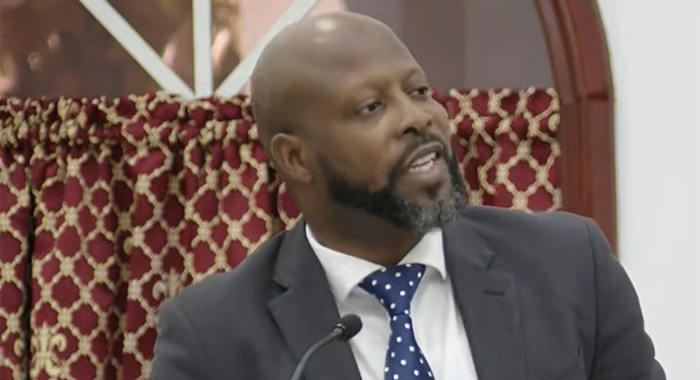
Speaking on the ULP’s own media outlet Star Radio, opposition Senator Carlos James — a former Minister of Tourism under the previous ULP administration — delivered sharp condemnation of the delay, saying he is deeply disappointed by what he frames as a clear demonstration of weak governance and lack of proactive leadership from the sitting government. James argued that the delay exposes critical gaps in administrative oversight, quality control, and forward planning that should have prevented the schedule change entirely.
Outlining the protocols the ULP followed when it held office, James explained that the former administration would meet well in advance of each new school year with technical teams from the Ministry of Education to align budget allocations to the specific needs of every school across the country. Allocated funds for infrastructure repairs would then be channeled through the Central Water and Sewerage Authority and Building and Roads General Authority (BRAGSA) under the Ministry of Transport to ensure all campus rehabilitation work was completed before the first day of class. The Ministry of Education, meanwhile, would coordinate ahead of time to secure all required furniture for both students and teaching staff, James added.
The opposition senator referenced recent comments from Prime Minister Godwin Friday, who stated that his administration allows government ministries to operate independently without micromanagement. James pushed back on this framing, arguing that the issue is not overreach into ministry operations, but a fundamental lack of accountability from the top levels of government. He clarified that he does not fault career technocrats for the delay, noting that no major natural disaster — which would be the only acceptable reason for a disruption to school opening schedules under past ULP governance — has impacted the country in 2026.
“Without even a catastrophic event to set work back, you cannot even open schools on time?” James questioned. He argued that the root cause of the delay is a failure by the current administration to verify that sufficient, accessible budget allocations were in place for the Ministry of Education to complete all pre-term work on schedule.
James added that when the ULP was in power, every parliamentary representative would conduct on-the-ground visits to schools in their constituencies to meet with principals, identify unmet needs, and flag gaps for central government. This created an open working relationship between elected officials and school leadership, with representatives acting as “eyes and ears” for communities to resolve administrative bottlenecks before they could delay the school year. Effective representation, James argued, is not just about showing up to events — it requires proactive engagement to resolve operational and administrative challenges before they impact students and families.
The current administration’s inexperience in governing is the core reason for this misstep, James contended, noting that while technical preparations are important, strong administrative coordination from elected leaders is equally critical to keeping the school year on track. He rejected all justifications for the delay, arguing that the government had full awareness of ongoing needs — from infrastructure repairs to procurement gaps and supply shortages — months in advance, and had a responsibility to adjust plans to meet those needs and keep schools opening on schedule.
James also warned that the one-week delay will have cascading impacts on the academic year, most notably complicating efforts to cover the full national curriculum within the scheduled term timeline.