博客

  • Scientists probe Saharan dust–sargassum link

    Scientists probe Saharan dust–sargassum link

    Six decades after it first began tracking atmospheric conditions, Barbados’ iconic Ragged Point atmospheric monitoring station is turning its long-running data collection toward a pressing regional ecological question: could nutrient-rich dust carried thousands of miles from the Sahara Desert be fueling the massive sargassum blooms that have plagued Caribbean coastlines in recent years?

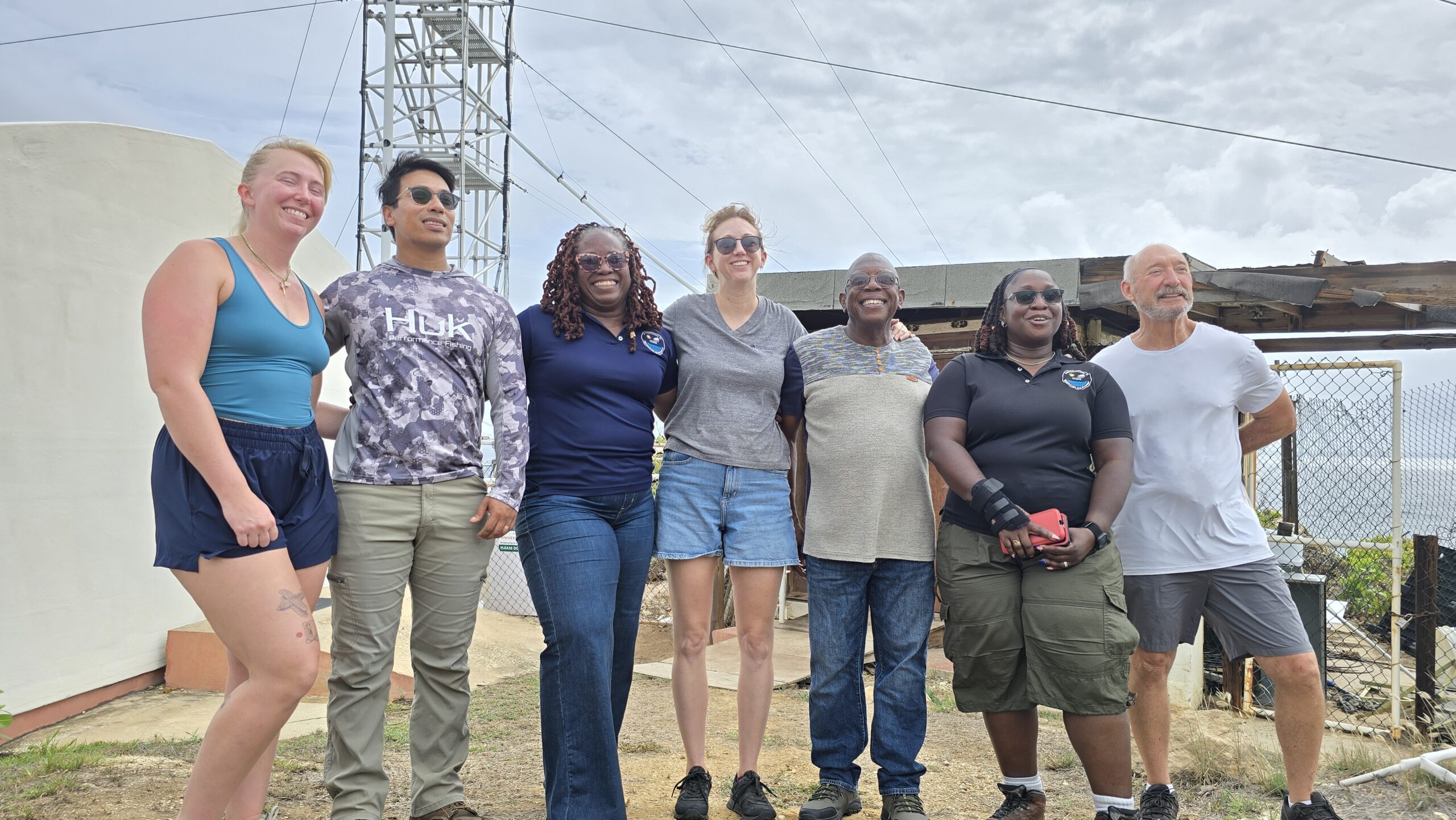
    The new research initiative was announced Monday during anniversary celebrations for the station, which is operated under the Barbados Atmospheric Chemistry Observatory (BACO) in partnership with the University of Miami. Now recognized as one of the world’s longest uninterrupted records of atmospheric aerosols and climate conditions, the site has transformed scientific understanding of how Saharan dust travels across the Atlantic to the Caribbean, North America and the Amazon Basin, researchers noted.

    Cassandra Gaston, a University of Miami atmospheric sciences professor and principal investigator for the Ragged Point site, explained that while existing research has documented two well-known impacts of transatlantic Saharan dust—worsened respiratory illness for vulnerable populations and reduced hurricane intensity— the link between dust and sargassum growth remains an uncharted frontier. Massive accumulations of the brown seaweed have increasingly washed ashore on Barbados and other Caribbean islands in recent years, causing disruptions to fishing, tourism and coastal ecosystems, but the exact drivers of the blooms are still not fully understood.

    “We’re curious if dust is part of what’s feeding these massive sargassum arrivals,” Gaston told reporters during the briefing. “We know dust carries critical nutrients that support marine life, and both dust and sargassum follow consistent transatlantic circulation patterns: dust moves with wind currents, while sargassum drifts with ocean currents. That overlap made us ask if there’s a causal connection.”

    Gaston emphasized that the research is still in its early stages, and scientists have not yet confirmed if a meaningful relationship exists. Beyond answering a core ecological question, the team hopes the findings could open new pathways to mitigate sargassum blooms before they reach Caribbean coastlines.

    The research also builds on a growing body of work that recognizes the dual role Saharan dust plays in global climate and ecosystems. Beyond its less desirable impacts, dust delivers essential nutrients that fertilize marine and terrestrial ecosystems, supporting natural carbon sequestration that helps regulate global atmospheric carbon dioxide levels. “Dust is a natural climate regulator,” Gaston explained. “The nutrients it carries feed photosynthesis in the ocean and biosphere, pulling carbon dioxide out of the atmosphere and sequestering it long-term. That’s a critical service we can’t ignore.”

    For hurricanes, the effect is similarly well-documented: Saharan dust events create a layer of hot, dry air across the tropical Atlantic that strips hurricanes of the moisture they need to intensify, a trend that has been studied for years by researchers at the U.S. National Oceanic and Atmospheric Administration (NOAA) and other institutions.

    But the 60 years of continuous data from Ragged Point has also revealed a worrying new trend: Saharan dust is now arriving in increasing volumes outside of its traditional peak season. “We’re seeing larger dust outbreaks in winter and spring, which were not historically peak periods,” Gaston said. “We’re also getting more wildfire smoke from African blazes during these off seasons, including an unprecedented large event last winter that we’ve never seen in our entire 60-year record.”

    Researchers emphasized that the Ragged Point station’s long, uninterrupted dataset is irreplaceable for global climate science. “There’s no other site with a comparable long-term record of aerosols and climate conditions,” Gaston noted. “It’s been a pivotal site for the global scientific community, and its data has been instrumental in improving everything from climate models to air quality forecasting for the region.”

    For the Caribbean Institute for Meteorology and Hydrology (CIMH), the long-term dust record from Ragged Point is critical for refining regional air quality forecasts. Andrea Sealy, a CIMH meteorologist and chair of the World Meteorological Organization’s Pan-American Sand and Dust Storm Warning Advisory and Assessment System, said regional agencies are now working more closely with public health sectors to develop targeted advisories for Saharan dust events.

    “When dust outbreaks occur, we tailor advisories specifically for these events, bringing multiple sectors together to keep the public informed,” Sealy explained, adding that research into Saharan dust impacts has expanded dramatically in recent years to cover everything from renewable energy generation and public health to microbial ecosystems and hurricane development.

    For people with pre-existing respiratory conditions, Gaston advised taking simple precautions during heavy dust events, similar to the health protocols widely adopted during the COVID-19 pandemic. “Wearing a well-fitting mask is very effective at blocking dust particles,” she said. “If you have a pre-existing condition, staying indoors as much as possible during major events is a good precaution.”

    Edmund Blades, a retired microbiologist who collaborated with the Ragged Point facility for more than 30 years, praised the longstanding partnership between the University of Miami and Barbados, noting that sustained investment in equipment, staff and cross-sector collaboration has built a legacy that benefits the entire Barbadian public. “Over decades, that consistent commitment has allowed this work to grow and deliver real value, and that’s something the public here really appreciates,” Blades said.
  • Carlton & A1 Braves win dominoes knock out title

    Carlton & A1 Braves win dominoes knock out title

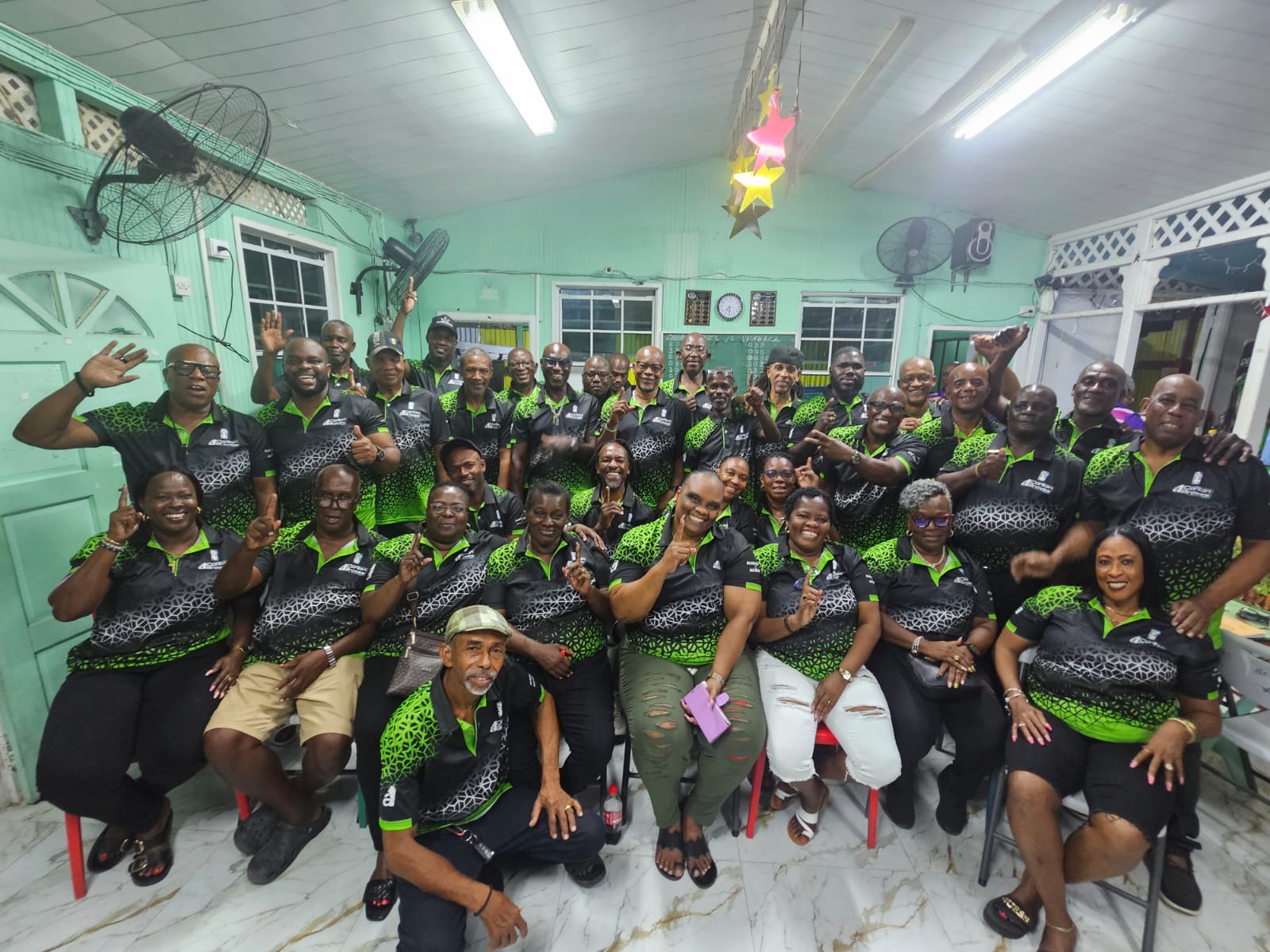
    The Barbados National Dominoes Association’s annual Knock Out tournament wrapped up in dramatic fashion over the weekend, with Carlton & A1 Braves emerging as the top competitors to lift the championship title at the host venue of Barbados Defence Force (BDF) Headquarters. This victory marks the squad’s second major dominoes championship of the calendar year, cementing their status as one of the nation’s top competitive dominoes teams.

    In the final matchup, Carlton & A1 Braves delivered a commanding performance against 37 Family KC’s Joint, securing a decisive 72-58 win that left no question of their superiority on the dominoes table. The team’s success was anchored by two standout players: Carolyn Chihuahua Harbin-Goddard and Siebert Saunders Jordan, whose coordinated play netted a combined 22 points to power the squad’s offensive push throughout the match.

    The star pair did not secure the win alone, however. Supporting teammates Joan De Pony Griffith and Xavier Duncan turned in consistent, critical performances, adding a further 15 points between them to extend the team’s lead and hold off any late comeback attempts from their opponents. For the runners-up 37 Family KC’s Joint, top scorers Troy Gobin and Torque Sealy put up a solid fight, finishing the final with 15 combined points, but could not close the gap against Carlton & A1 Braves’ cohesive play.

    Before the award ceremony, the third-place playoff saw another clear-cut result, as French Village outmatched Peace and Love to claim the final podium position with a comfortable 70-53 victory. Leading French Village to success were David Brathwaite and Gregory Best, who together contributed 15 points to their team’s win.

    Looking ahead to the next event on Barbados’ competitive dominoes calendar, the highly anticipated Village Three Hand tournament is scheduled to kick off on July 9, with teams across the country already preparing to compete for the next national title.

  • Top students begin internships after UWI outreach programme

    Top students begin internships after UWI outreach programme

    A select group of high-achieving secondary school students across Barbados is on the cusp of launching their first formal work experience this month, capping off half a year of targeted skills training built to address a longstanding gap between classroom academic achievement and real-world employability. The 2024 cohort, drawn from 16 local secondary schools, has successfully completed the University of the West Indies (UWI) Global Campus Alumni Outreach Programme – officially titled *Preparing Today for Tomorrow’s Challenges – Transforming Children’s Lives (PTFTC-TCL)* – and is gearing up for four-week private sector internships set to begin July 15. On Monday, participating students gathered for a comprehensive pre-internship orientation at the Roy Marshall Teaching Complex on UWI’s Cave Hill Campus, where they received detailed guidance on professional workplace expectations ahead of their placements with partner organizations.

    Now marking its tenth anniversary, the PTFTC-TCL initiative was launched in response to a critical observation from regional educators: many students who excelled academically still lacked the soft interpersonal and professional skills required to smoothly transition from secondary school into the workforce. The six-month foundational curriculum covers a range of practical, job-focused competencies, including professional communication, workplace etiquette, financial literacy, interview preparation, leadership development, and core professional conduct.

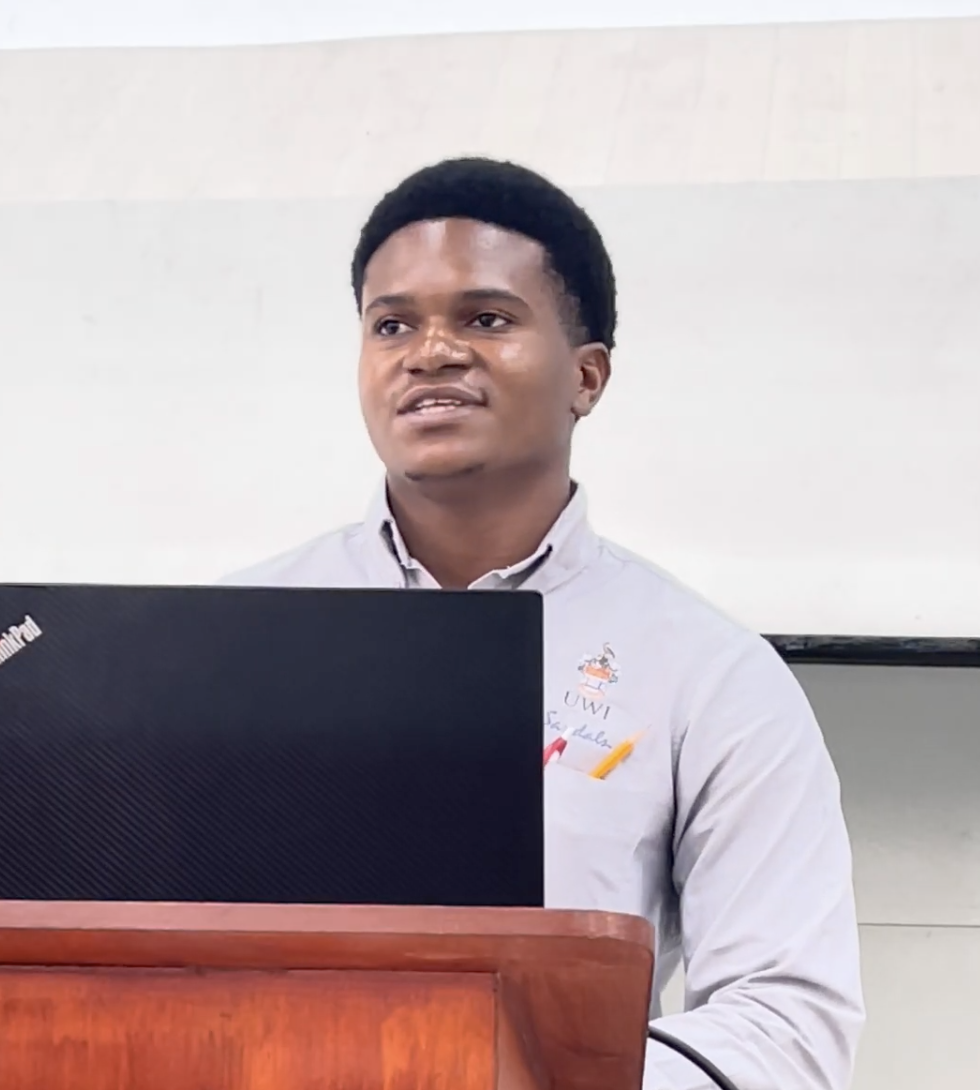
    Speaking at Monday’s orientation, Michael Chen, a programme representative for PTFTC-TCL and a former participant who parlayed his own internship into a permanent role at UWI Global Campus, congratulated students on earning their spot in the cohort after standing out throughout the training period. Chen explained that the orientation session was designed to demystify the private sector workplace for young participants, framing the pre-internship preparation as a critical step to set students up for success. “The main reason for today’s orientation is to teach you what is expected when you go into different companies and how to behave and what to expect,” he said.

    Drawing on his own personal trajectory, Chen encouraged students to push past any initial nervousness about entering a professional environment, emphasizing that the experience would build lifelong habits. “After getting used to it you learn how to schedule yourself better, not to be late, how to be on time,” he noted, adding that the internship could open unplanned career pathways. “The internship is a good opportunity for you to learn and grow and this is a real work experience… You may even get the opportunity to stay on such as me. I stayed on with the Global Campus and I’ve been here for three years.”

    Aryanne Williams, a member of the 2023 internship cohort who completed her placement at the Barbados Association of Retired Persons, shared her firsthand experience to help ease this year’s participants’ anxiety. Williams recalled that she entered her internship with significant trepidation, shaped by common anecdotes about difficult workplace interactions. “I was extremely nervous, extremely scared because I heard all the horror stories about… bad customers, people coming and shouting in your face,” she said. However, the experience far exceeded her expectations, thanks to supportive on-the-job mentorship that taught her practical customer service skills and conflict de-escalation. Working in the organization’s accounting department also solidified her long-term career goal of becoming a forensic accountant. Williams urged the 2024 cohort to make the most of the four-week opportunity: “This internship brought a lot of insight on the world of work, how to dress, how to behave and it was a really good opportunity… I believe that for this month of July… y’all will learn a great set and y’all will have a very good time.”

    Sandra Griffith-Carrington, UWI Cave Hill Campus Officer of Alumni Relations, used the orientation to emphasize that employers evaluate far more than just task performance during internships. “You need to showcase that you have grown over the six months programme and you need to be able to meet people for the first time and have a conversation with them,” she told students. Griffith-Carrington noted that the programme has a mixed track record of outcomes: past participants have gone on to secure permanent roles through their internships, but others have left negative impressions on partner employers. “We have had some people who have gone on to have permanent jobs and we have had some others whom we got complaints about. And so I don’t want to get any complaints here,” she said.

    Griffith-Carrington outlined core ground rules for the interns: arrive on time, maintain professional dress, limit personal mobile phone use during work hours, avoid office gossip, and communicate respectfully with supervisors and colleagues. She also stressed that asking for clarification is far preferable to completing a task incorrectly, noting that mistakes waste employers’ time and erode trust. “There is nothing wrong in asking. It is better that you ask me to explain something than you go on your own and do it and do it wrong because you would have wasted your employer’s time,” she said. She further encouraged students to demonstrate proactivity by seeking additional work once they complete assigned tasks, adding that initiative and consistent professionalism are key traits that employers notice and remember. For students hoping to secure full-time work after the internship, Griffith-Carrington advised them to leverage their connections: “Go to your teachers. Go to your principals… Let them know, ‘I’m ready to work. I have done PTFTC-TCL. I’m transformed. I need a job.’”

  • The 5 Top Casinos with Live Table Games

    The 5 Top Casinos with Live Table Games

    Live table gaming has carved out a unique niche in the global online gambling industry, distinguishing itself from pre-recorded digital casino games through its core appeal: real-time competition against fellow players paired with the immersive energy of a traditional casino floor, all delivered directly to a player’s device. Unlike crowded, physical casino venues, online live table platforms offer unmatched comfort, intuitive site navigation, and the thrilling potential for payouts — an excitement that reaches new heights for players engaging with high-stakes high roller tables. For both new and experienced players exploring the live table gaming space, the priority is always finding a platform that balances reliability, engaging content, and user-friendliness. Below, we break down five leading platforms that check all of these critical boxes for live gaming fans.

    First on the list is Duel, a platform that has mastered the art of translating the authentic atmosphere of a brick-and-mortar casino into a seamless online experience. The platform places user safety at the top of its priorities, deploying industry-leading end-to-end encryption technology to protect player personal and financial data at every step. Every game dealt by Duel’s professional live dealers uses independently audited random number generators to guarantee complete fairness for every hand and round. It also boasts competitive return-to-player (RTP) rates that attract consistent players: live blackjack offers a 99.5% RTP, while live roulette comes in at 97.3%. The platform also hosts a diverse catalog of live table options to suit every preference, ranging from classic staples like blackjack, roulette, baccarat, poker and craps to innovative modern variants including Red Door Roulette, Infinite Blackjack, and Lightning Dice.

    Next is Bitcasino, a hybrid platform that operates as both a full-service sportsbook and a dedicated online casino with an extensive library of game options, including a robust selection of classic live table games. Bitcasino is specifically tailored to cryptocurrency users and high-stakes high roller players, making it an ideal choice for gamblers seeking a premium, high-energy gaming environment. Unlike many smaller platforms that stream from low-budget studios, Bitcasino sources its live feeds from premium, professionally designed casino-style spaces that pull players in and create a deeply immersive experience that closely mirrors the feeling of playing at a physical casino table.

    Third is Yeet Casino, a rising platform that offers a broad, immersive catalog of live dealer games covering all player favorites, including poker, baccarat, blackjack, and roulette. What sets Yeet apart from many competing platforms is its steady roster of player incentives, including generous welcome bonuses, regular competitive tournaments, and large-scale giveaways that keep the experience engaging for returning users. One of its most popular recurring events is the Chairman’s Cup, where the top 25 performing players split a total $15,000 prize pool, adding an extra layer of excitement and reward to regular play.

    Rounding out the list is Winna, a young but fast-growing crypto-focused casino that has quickly built a reputation for quality live table offerings. The platform hosts a total library of more than 6,000 games, with a sizeable selection featuring live dealer-run live tables. Winna delivers high-definition, seamless live streaming that creates an immersive atmosphere from a player’s first hand, and it offers additional perks for regular players through its exclusive VIP club, which grants members access to higher withdrawal and payout limits for a more flexible premium gaming experience.

  • Nieuwe Caricom-voorzitter Pierre: Regionaal blok moet meer betekenen voor Caribische burger

    Nieuwe Caricom-voorzitter Pierre: Regionaal blok moet meer betekenen voor Caribische burger

    When Saint Lucia Prime Minister Philip Pierre took the helm of the Caribbean Community (Caricom) as its new chair on July 7, he brought a clear mandate to shift the 53-year-old regional bloc from bureaucratic rhetoric to tangible, community-focused progress that improves daily life for Caribbean people.

    Pierre delivered his first policy address as chair Sunday evening at the opening ceremony of Caricom’s 51st Regular Meeting of Heads of Government, hosted in his home country of Saint Lucia. In his opening remarks, he framed his tenure around a simple but urgent question that he says echoes across every corner of the region: “What can Caricom do for me?”

    Far from being a criticism of the regional integration body, Pierre emphasized that this question reflects the genuine, pressing concerns of Caribbean citizens navigating overlapping daily crises. Across the bloc, residents grapple with soaring food and energy costs, worsening climate impacts including more intense hurricanes and erratic rainfall patterns, and rising public anxiety over violent crime. To address these challenges, Pierre argued, Caricom must step out of closed conference rooms and embed its work directly in the communities it serves.

    “Caricom must move from conference halls to communities, from rhetoric to reality, and from closing statements to concrete results,” Pierre said. “Integration that our people cannot feel will not be sustainable in the long run.”

    Under his six-month chairmanship, every policy decision made by Caricom will be measured by one core standard: whether it tangibly improves the lives of ordinary Caribbean residents. Rejecting the status quo of reaching headline agreements that never get implemented, Pierre stressed that actionable, measurable outcomes must replace empty procedural milestones. “It is not enough for heads of government to reach consensus; agreements must be delivered, and they must deliver results that people can see,” he added.

    Unifying the bloc’s 15 member states is the top priority for Pierre’s tenure. The prime minister noted that global powers have long exploited divisions within the Caribbean to advance their own interests, but collective, unified action as a single negotiating bloc dramatically boosts the region’s global influence. He pledged to ensure no member state feels sidelined or overlooked during his leadership. “Every voice matters. Every member state counts. Every citizen must see themselves reflected in the work of Caricom,” he said.

    Beyond unity, Pierre laid out five additional core priorities for the coming six months: strengthening regional security, advancing global advocacy for climate justice, driving inclusive post-crisis economic recovery and growth, boosting regional food and nutrition security, and expanding opportunities for youth, women, and marginalized vulnerable groups.

    He also called for accelerating implementation of the Caricom Single Market and Economy (CSME), an initiative designed to break down trade and movement barriers across the region. To advance deeper integration, Pierre pushed for addressing longstanding obstacles including inadequate cross-island transportation links, called for targeted support for the region’s critical agriculture and fishing sectors, and advocated for coordinated regional preparation to harness emerging technologies, including artificial intelligence.

    A central throughline of Pierre’s agenda is elevating the role of young people across Caricom’s work. With roughly 60% of the bloc’s 16 million total residents under the age of 30, Pierre argued that the future of Caricom depends on earning young Caribbean people’s engagement and trust. “Young people are asking whether Caricom cares about their future, and we have to answer that question with action, not slogans,” he said.

    Finally, Pierre called for increased resourcing and public transparency for Caricom’s existing institutional bodies. These agencies already deliver critical work across public health, disaster response, education, security, and economic development, he noted, but the general public remains largely unaware of their impact. Strengthening these institutions and improving public outreach will help make Caricom’s work more visible to the communities it serves.

    Founded on July 4, 1973, with the signing of the Treaty of Chaguaramas, Caricom today counts 15 full member states and seven associate members, representing a combined population of approximately 16 million people across the Caribbean region.

  • President, opposition should hold fresh “good faith” consultations to “agree” on substantive chancellor, chief justice- UWI law professor

    President, opposition should hold fresh “good faith” consultations to “agree” on substantive chancellor, chief justice- UWI law professor

    After nearly three decades without permanently filling Guyana’s two top judicial posts, a leading University of the West Indies constitutional law expert is calling on President Irfaan Ali and new Opposition Leader Azruddin Mohamed to launch fresh, constitutionally mandated consultations to finalize substantive appointments for Chancellor of the Judiciary and Chief Justice.

    In an interview with Demerara Waves Online News, Professor Tracy Robinson — who teaches law at UWI’s Mona campus in Jamaica — argued that prior consultation efforts have lapsed, so the process must start over with the current officeholders, not the outgoing opposition leadership that was originally approached in 2024. Last October, roughly one month after the September 2024 general and regional elections, President Ali sent a formal proposal to then-outgoing Opposition Leader Aubrey Norton to confirm the already-serving interim leaders: Acting Chancellor Roxane George-Wiltshire and Acting Chief Justice Navindra Singh. That proposal never moved forward, making new talks with Mohamed a constitutional necessity, Robinson said.

    Robinson emphasized that the permanent appointment of Guyana’s top judicial leaders, mandated under Article 127(1) of the nation’s constitution, is foundational to protecting judicial independence and upholding the rule of law. That constitutional requirement imposes a binding obligation on the sitting president and current opposition leader to reach a shared agreement through good-faith negotiation, she explained. “Given that earlier efforts have fallen into desuetude or become defunct, it is crucial that both political leaders restart consultations afresh, or begin anew, and in good faith,” she said.

    She noted that negotiations can sometimes stretch over long periods, fail to produce consensus, or become obsolete when the officials originally involved leave office — a reality that reinforces the need for the current leaders to take up the process now. To support her argument, Robinson referenced a 1999 Belizean judicial ruling from Justice George Meerabux, which addressed a problematic chief justice appointment made the day before an election, before opposition leaders were consulted. In that case, Meerabux stressed that good faith and appropriate timing are non-negotiable, and that caretaker governments should avoid making major, long-impact decisions that undermine parliamentary democracy.

    Robinson went on to draw on rulings from the Caribbean Court of Justice (CCJ) to lay out the legal framework for the required consultations. She cited CCJ Justice Peter Jamadar’s 2021 judgment in *Air Services v Attorney General*, which defined the core principles of what Jamadar termed “Guyanese consultation.” Per that ruling, any legitimate negotiation process must be rooted in transparency, openness, clarity, inclusivity, accountability and timeliness for all stakeholders involved.

    While Article 127(2) does allow the president to appoint interim officeholders when positions are vacant or other exceptional circumstances arise, following meaningful consultation with the opposition leader, Robinson stressed that the constitutional mandate for a permanent, substantive appointment remains binding. She argued that the shift from unilateral presidential appointment to shared, consensual decision-making outlined in the constitution means both leaders have a mutual duty to engage in good faith when the roles are held on an acting basis.

    Robinson also referenced the 2019 CCJ ruling in *Zulfikar Mustapha v The Attorney General and The Chairman of The Guyana Elections Commission*, in which the court invalidated the appointment of a Guyana Elections Commission chair made by former president David Granger. In that case, CCJ President Justice Adrian Saunders wrote that the Guyanese Constitution expects both the president and opposition leader to act reasonably and responsibly, set partisan interests aside, and prioritize the welfare of the Guyanese public.

    The current interim appointments were made in August 2025, when George-Wiltshire — previously serving as acting chief justice — was elevated to acting chancellor, and Singh was named acting chief justice. The last substantive appointments to these roles came decades ago: Desiree Bernard was confirmed as substantive chief justice in 1996, and later as substantive chancellor in 2001. Ever since, repeated failures by successive presidents and opposition leaders to reach consensus have left the top two judicial posts permanently filled by interim officials, creating an unprecedented gap in Guyana’s judicial governance.

    “In consultative and consensual decision-making processes involving the President and the Leader of the Opposition, good faith, fair and enabling processes, appropriate timing and timeliness, and political maturity matter enormously,” Robinson said. The leading constitutional scholar summed up the urgency of restarting talks with a memorable analogy: “Consultation is one dish that cannot be served cold.”

  • No vacancy at GECOM for president to act on opposition leader’s request

    No vacancy at GECOM for president to act on opposition leader’s request

    A months-long constitutional standoff over appointments to Guyana’s key elections oversight body has intensified after a senior ruling-party affiliated legal expert has confirmed that President Irfaan Ali lacks the authority to install three new opposition-nominated election commissioners, citing a critical lack of existing vacancies on the commission.

    Speaking to Demerara Waves Online News on condition of anonymity, the legal expert, who has publicly aligned with the governing People’s Progressive Party Civic (PPPC), framed the restriction as a clear requirement of Guyana’s governing law. “Once there is no vacancy, how can the President appoint? The President cannot unless somebody is removed – in other words, a vacancy must exist first. Even if the President wanted to move forward with the appointments, the Constitution does not allow it,” the expert explained.

    The dispute traces back to June 30, when current Opposition Leader Azruddin Mohamed submitted his three nominees – attorneys Roysdale Forde, Siand Dhurjon and Damien Da Silva – to President Ali for appointment. Citing Article 161(3)(b) of Guyana’s Constitution, Mohamed claimed he had completed required consultations with all opposition parties represented in the 65-seat National Assembly to finalize the selections.

    But the landscape of Guyana’s parliament shifted dramatically following the September 1, 2025 general and regional elections, which upended decades of political convention for the Guyana Elections Commission (GECOM). Since the return of democratic elections in 1992, the two largest political blocs – the PPPC and the People’s National Congress Reform (PNCR) and its coalition APNU – held a shared grip on National Assembly representation, a balance that was reflected in GECOM’s structure, with each side holding three commissioner seats.

    Last year’s election result broke this long-standing arrangement. The PNCR-led APNU, which previously held the position of main opposition, lost its status after securing only 12 seats. It was replaced by the We Invest in Nationhood party, which won 16 seats to become the new main opposition, with the Forward Guyana Movement claiming an additional single seat. Despite this seismic shift in parliamentary representation, the three incumbent PNCR/APNU-appointed GECOM commissioners have refused to step down, arguing that they can only be removed through resignation, a formal court order, or an amendment to Guyana’s constitution and electoral law.

    Strikingly, the ruling PPPC-affiliated legal expert’s interpretation of the constitution aligns fully with the position of the incumbent PNCR commissioners: Vincent Alexander, Charles Corbin and Desmond Trotman. “They are lawfully appointed commissioners who have not tendered their resignation,” the source confirmed. The legal expert added that the only viable path to resolving the deadlock is through judicial intervention, noting that the existing constitutional framework does not provide an alternative mechanism to adjust GECOM’s composition following the change in parliamentary opposition leadership.

  • ‘Infantino must go’

    ‘Infantino must go’

    A fresh storm of controversy has engulfed FIFA ahead of the governing body’s 2027 presidential election, after a political intervention by U.S. President Donald Trump led to the overturning of a 2026 World Cup suspension, drawing fierce backlash from two of the organization’s most high-profile former leaders. At the center of the growing opposition is ex-FIFA vice-president Jack Warner, who has publicly pledged to lead a coordinated campaign to oust current president Gianni Infantino over the incident, accusing him of compromising the sport’s independence to accommodate political pressure.

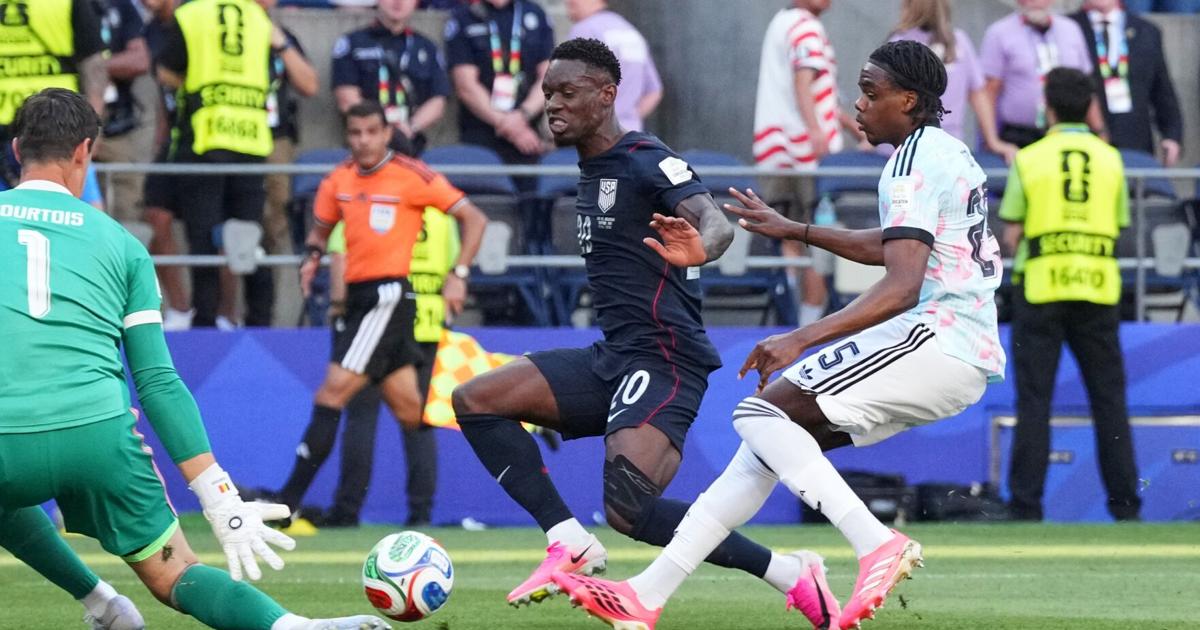
    The controversy traces back to the United States men’s national team’s Round of 32 World Cup clash against Bosnia and Herzegovina last Wednesday, when American striker Folarin Balogun was sent off for a dangerous sliding tackle. Per FIFA tournament rules, the dismissal carried an automatic one-match ban that would force the player to miss the critical Round of 16 fixture against Belgium. In an extraordinary step, President Trump personally placed a call to Infantino to argue the red card decision was incorrect and demand a formal review. Within days, FIFA reversed the suspension, clearing Balogun to suit up for the high-stakes knockout match.

    Speaking in a telephone interview with Trinidad and Tobago’s *Express* newspaper on Tuesday, Warner launched a blistering attack on Infantino’s leadership, saying the FIFA president had “disgraced” the global sport by bowing to outside political pressure. “This is the most ridiculous thing I have ever seen in 30 years involved with FIFA,” Warner said. “FIFA is meant to be a non-political organization, and Infantino has destroyed its reputation. I am launching a campaign to remove him, and I will do everything in my power to ensure he loses next year’s election. He must pay a price for this failure.”

    Warner pushed back against claims that his own controversial history with FIFA undermines his right to speak out. The Trinidadian administrator resigned from his post as vice-president in 2011 amid a large-scale bribery investigation; FIFA closed all ethics proceedings against him after his resignation and formally maintained a presumption of innocence. Warner insisted he “did nothing wrong” during his three-decade tenure at FIFA, and argued his decades of institutional experience give him full standing to criticize current leadership.

    Dismissing claims that Trump only requested a procedural review rather than an immediate reversal, Warner said there was no meaningful difference between the two outcomes. He argued Infantino had a duty to reject the political interference outright, telling the *Express*: “Infantino should have been a man and told the U.S. President that competition rules cannot be changed for individual players. When a similar situation arose with Cristiano Ronaldo during my tenure, no presidential call changed the outcome. All decisions went through FIFA’s independent committee, there was no political meddling.” Warner added that Balogun was “extremely lucky” to have the suspension overturned, noting ironically that the player would likely have never been allowed entry to the U.S. under Trump’s immigration policies, were it not for the tournament.

    The ex-vice-president warned that the incident has severely damaged the integrity of the 2026 co-hosted World Cup, arguing that if the U.S. goes on to win matches after this intervention, the fundamental sanctity and independence of football will be permanently compromised. He also expressed sympathy for match officials, saying the decision has left all referees open to intense scrutiny any time a call goes in the U.S.’s favor, casting a lasting shadow over the entire tournament.

    Beyond the political controversy, Warner also criticized what he called widespread greed within modern FIFA, pointing to the exorbitant cost of 2026 World Cup tickets. He noted that some tickets for upcoming matches in Miami were reselling for more than $5,000, calling the pricing “mass extortion.” “FIFA already has hundreds of millions in its treasury, it does not need to charge these absurd prices,” he said. He also lamented the loss of universal free-to-air television coverage for the World Cup, a tradition that once made the tournament accessible to working-class and low-income fans around the globe.

    When asked about his picks to win the 2026 tournament, Warner said he was supporting both France and Argentina, defending the two previous World Cup champions. He also criticized Brazil’s underperformance in their upset defeat to Norway, joking that “the Norwegians played like the historic Brazil we all know, and the Brazilians played like nobody.” On the topic of his home nation Trinidad and Tobago’s chances of qualifying for a future World Cup, Warner offered a grim assessment, saying he does not expect to see the country qualify again in his lifetime if current development trends continue. Noting that tiny nations like Cape Verde, with a population of just over 500,000, have proven competitive at this year’s tournament, Warner said Trinidad and Tobago has fallen far behind global standards and needs urgent, radical introspection to rebuild its national football program. “Across the Caribbean, our football has gone backwards while other small nations like Jamaica and Curacao have moved forward,” he said. “If nothing changes, we will never qualify again.”

    Warner is not alone in his criticism of Infantino over the incident. Former FIFA president Sepp Blatter, who led the governing body between 1998 and 2015, echoed the condemnation in a post on his social media platform X. “Red cards are not overturned by political phone calls. They are overturned by rules, evidence and independent bodies,” Blatter wrote. “If a U.S. president intervenes with the FIFA president—and a player is suddenly cleared before a World Cup knockout match—the question is unavoidable: quo vadis, FIFA? Football must never become a playground for political power.” Blatter’s own tenure ended in 2015 amid ethics investigations, and he received a six-year suspension from FIFA in 2021 for rule breaches, though he and former UEFA president Michel Platini were acquitted of criminal charges in Swiss courts related to a controversial 2011 payment.

  • Trump: Red card call ‘horrible’ but FIFA made final call

    Trump: Red card call ‘horrible’ but FIFA made final call

    A firestorm of global debate has erupted in men’s World Cup soccer after a high-profile political intervention resulted in star United States forward Folarin Balogun being cleared to play in a critical Round of 16 matchup against Belgium. The controversy traces back to a red card issued to Balogun during the U.S.’s 2-0 group stage victory over Bosnia-Herzegovina in Santa Clara, California, which carried an automatic one-game suspension that would have sidelined the tournament’s leading American goalscorer.

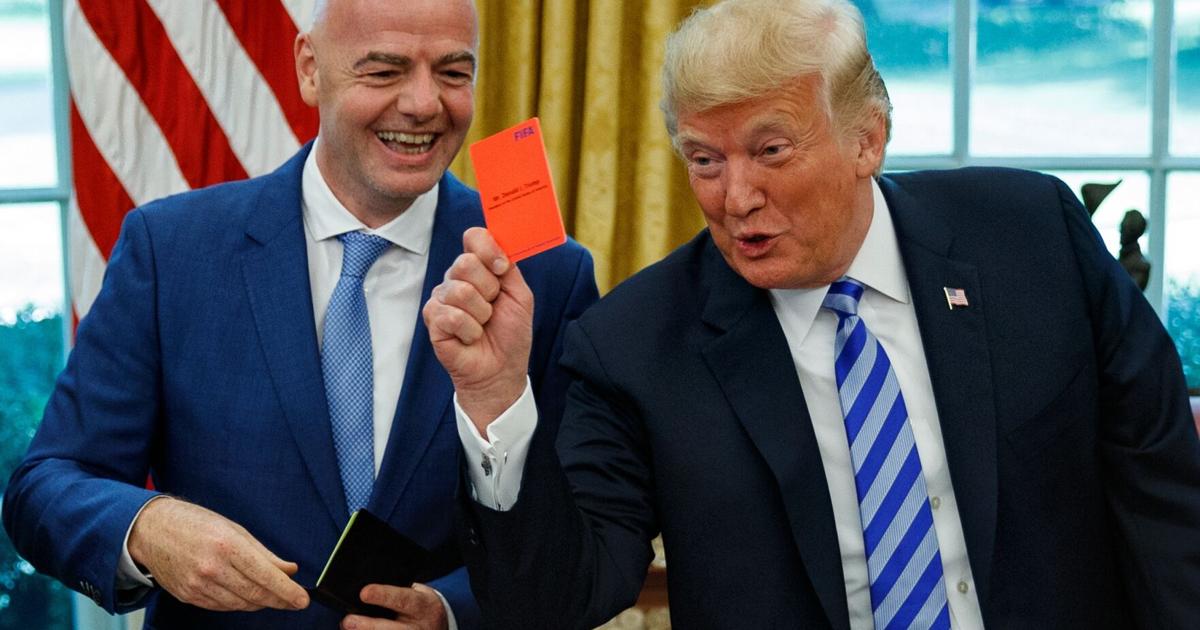
    Speaking to reporters at an unrelated Oval Office event, former U.S. President Donald Trump confirmed he personally placed a call to FIFA President Gianni Infantino to request a formal review of the red card decision. Trump clarified that he did not demand a specific outcome, saying, “All I did was ask for a review. I didn’t say, ‘You have to do this.’” The president framed the initial red card as a “horrible” call, arguing that it would have created an unfair competitive disadvantage for the U.S. and left a permanent blemish on the tournament.

    Trump, who described himself as having a sharp understanding of sports, admitted he was not initially familiar with the specific rules around red cards and their penalties. Once he learned the call would force Balogun out of the Belgium match, he said he chose to intervene. He also pushed back on the use of slow-motion video replay to issue the red card, noting that slowed-down footage can exaggerate the intensity of accidental on-field collisions. “I didn’t think it was a foul,” he said. “I thought it was two great athletes that crashed into each other and got entangled.” He added that both teams should be allowed to field their strongest rosters regardless of the final result: “If we win or we lose, it’s fair.”

    Following Trump’s call, FIFA ultimately overturned the suspension, clearing Balogun to start against Belgium in Seattle. The decision sparked celebration among U.S. soccer fans and officials, including U.S. Secretary of State Marco Rubio, who called the ruling correct. “Why would Belgium want to win a match if everyone will argue you didn’t really win it because their best, or their leading, scorer was not on the pitch?” Rubio asked during a public appearance ahead of a diplomatic meeting with Chile’s foreign minister, joking that the dispute was on track to become a full “international incident” ahead of this week’s NATO summit in Turkey.

    But the reversal has drawn sharp condemnation from across the global soccer community, with many decrying the move as an unacceptable case of political interference in the sport. The Belgian Football Association formally challenged Balogun’s eligibility for the Round of 16 match, and European governing body UEFA issued a scathing rebuke, calling FIFA’s decision “incomprehensible and unjustifiable.”

    Infantino later released a public statement on the social platform X defending the independence of FIFA’s internal judicial process, seeking to distance the governing body from claims of political coercion. “During our conversation, I explained that there was an ongoing legal process involving FIFA’s independent judicial bodies and that the case would be decided in due course by the competent bodies,” Infantino wrote. “That is how FIFA’s system works, and it is a principle that I will always uphold.”

    The controversy also extended to Brazilian referee Raphael Claus, who issued the original red card. Trump launched an unsubstantiated attack on Claus’s integrity, claiming the official was “a little bit suspect if you check his past,” but offered no evidence to back up the claim. Claus, who has been ranked among Brazil’s top referees for several years and was selected to officiate the 2024 Copa America final, has never been formally accused of misconduct. A 2024 Brazilian Senate investigation into match-fixing scrutinized general referee assignment practices but did not name Claus as a subject of wrongdoing.

    Both the Brazilian Football Confederation and the Sao Paulo Football Federation issued statements defending Claus in the wake of Trump’s comments. “There is nothing in his record that calls his integrity into question or supports any suspicion of wrongdoing,” the Brazilian confederation said, while the Sao Paulo federation offered “unwavering support” for Claus against what it called “regrettable insinuations that attempt, without any basis, to cast doubt on his integrity and professional career.”

  • British national, 65, shot dead

    British national, 65, shot dead

    A fatal shooting in the Trincity neighborhood of Trinidad has claimed the life of a 65-year-old British citizen, leaving local law enforcement with no clear leads on what prompted the public attack. The victim has been formally identified as Elaine Mc Jouan, a resident of Mohammed Ville in San Juan.

    According to official police accounts, the violence unfolded shortly before 11 a.m. on Sunday, July 5. Mc Jouan was standing in the outdoor yard of a private residence along Fifth Street East, off Delamare Avenue, alongside her husband when an unmarked silver Nissan Tiida pulled up to the front boundary of the property.

    Investigators familiar with the case have confirmed that a lone male suspect exited the vehicle carrying a loaded firearm. The gunman immediately fired multiple rounds directly toward Mc Jouan before retreating back into the getaway vehicle and fleeing the area at speed. No other bystanders or individuals, including Mc Jouan’s husband, were reported injured in the attack.

    First response units from the North Central Division Task Force Area East arrived at the scene quickly and rushed the wounded victim to the Eric Williams Medical Sciences Complex, the island nation’s leading public health facility. Despite emergency medical efforts, Mc Jouan was pronounced dead shortly after arriving at the hospital.

    Multiple law enforcement units contributed to the initial response and ongoing investigation. Uniformed officers including PC Scott, PC Noreiga and PC David were among the first first responders to arrive. Investigative teams from the Arouca Criminal Investigations Division, led by Sergeant Scipio with support from PC Soyer, WPC Valere and PC Pierre, also responded to the scene alongside patrol officers PC Kirton and PC Thomas from the Arouca Police Station.

    Forensic processing of the crime scene was handled by specialists from the Special Evidence Recovery Unit. Officers including PC Fuentes and WPC Ramroop recovered key physical evidence from the area: two spent 9mm shell casings that will undergo forensic testing to help identify the weapon used in the killing.

    The homicide investigation is now being led by a team from the Homicide Bureau Region Two, headed by Woman Sergeant Davis alongside WPC Francis and PC Mathews. As of the latest update, law enforcement has not established a clear motive for the targeted attack, and no suspects have been taken into custody.

    The killing pushes the national murder toll to 198 for the year to date, a slight decrease from the same period in the previous year, when the toll stood at 200. Police have not yet indicated whether the attack is linked to organized crime or other patterns of violence in the region, and they are appealing to any members of the public who saw the suspect vehicle or the shooting to come forward with information.