博客

  • Grieving father recalls paying for son’s fatal flight to Andros

    Grieving father recalls paying for son’s fatal flight to Andros

    On a day meant to celebrate national independence in the Bahamas, a devastating plane crash outside San Andros Airport turned a family’s long-awaited celebration into unthinkable tragedy, leaving one father grappling with overwhelming grief over the loss of his teenage son.

    Sixteen-year-old Nicholas Oliver Jr., a student at CV Bethel Senior High School, was one of 10 people killed when a Flamingo Air aircraft crashed shortly before landing on July 10. For the quiet, kind, mannerly teen with a gift for playing drums, the trip was supposed to be his first chance to experience Andros’ famous regatta festival, where he was set to reunite with his mother, sister and extended family members who had gathered for the event.

    It was Nicholas’ father, Nicholas Oliver Sr., a mechanic originally from Andros, who paid the $120 airfare to make his son’s dream trip a reality. The pair had originally planned to travel to the island together by boat the day after Nicholas originally wanted to leave, but the teenager was eager to arrive early so he would not miss any of the regatta weekend’s festivities. Wanting nothing more than to see his son happy, Oliver Sr. paid for the short 15-minute flight from New Providence, while he planned to follow by boat the next day. That meeting would never happen.

    Within hours of handing over the cash to a Flamingo Air representative Oliver Sr. described as appearing to be a pilot, the grieving father found himself standing at the edge of the crash site, staring at smoldering wreckage and brush still burning where his son lost his life.

    In an interview with the Tribune, Oliver Sr. choked back tears as he described the crippling pain of his loss, tormented by the thought that the money he spent to give his son a happy experience had instead put him on the doomed flight. “I give him my $120 to kill my son,” he cried. “In the space of couple minutes you gone and take my money and gone kill my son, bro. Kill my baby.”

    Compounding the family’s agony in the chaotic hours after the crash was a confusing error: Oliver Sr. said he watched a Flamingo Air employee write his son’s name on the passenger list, but Nicholas’ name did not appear on the initial official passenger manifest shared with the public. The uncertainty left relatives scrambling for answers as they waited to confirm Nicholas’ fate, extending the family’s suffering.

    Oliver Sr., whose work as a mechanic takes him across the Bahamas’ Family Islands, makes a point to spend as much time with his son as possible whenever he is in New Providence, where Nicholas lived with his mother, who relocated there from Abaco after Hurricane Dorian destroyed her home. Today, he is haunted by the images he saw at the crash site that he cannot erase, even when he closes his eyes. “I can’t sleep,” he said, weeping. “I seeing all the bush on fire in my flashes.” A man who does not normally drink alcohol, he said he has even considered turning to rum to quiet his racing mind long enough to rest. “I was there, I see him burn,” he said tearfully. “They burn him up.”

    As investigations into the crash continue, the tragedy stands as a devastating reminder of how a brief, routine trip meant for celebration can turn into irreversible loss in a matter of minutes, leaving a grieving family to pick up the pieces of a future that will never be the same.

  • Government to break ground on LNG terminal today

    Government to break ground on LNG terminal today

    The Bahamian government is set to launch a transformative step for the nation’s energy sector on Thursday, holding the long-awaited groundbreaking ceremony for the new liquefied natural gas (LNG) terminal on New Providence. This kickoff comes just days after a crippling island-wide power outage last Sunday exposed the critical vulnerabilities of the country’s aging electricity infrastructure, making the modernization project far more urgent than before.

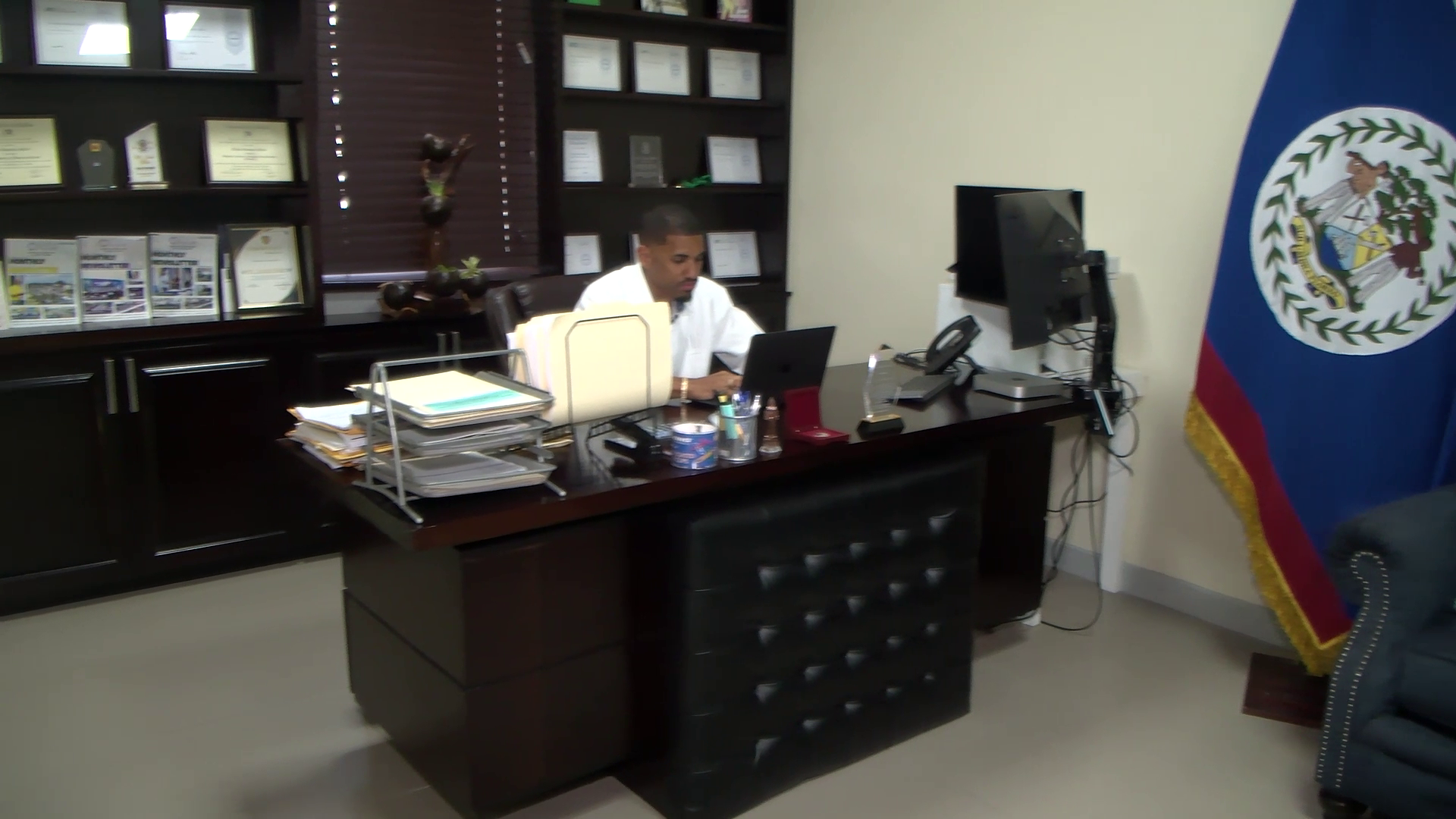
    Energy, Utilities and Aviation Minister JoBeth Coleby-Davis officially announced the ceremony this Thursday, framing the LNG terminal as a cornerstone of the government’s sweeping energy reform agenda. The overarching goals of this initiative are threefold: boost power supply reliability, cut national fuel expenditures, and bring down household electricity bills for Bahamian consumers.

    The recent full island blackout served as a stark reminder of the risks inherent in upgrading a decades-old power network while still relying on it to serve the entire population. In her address, Coleby-Davis broke down the role LNG will play in the country’s future energy system, explaining that LNG – natural gas cooled to liquid form for safe transport to The Bahamas – will be regasified on-site and used to generate power. Unlike the heavy fuel oil and diesel currently relied upon by the nation’s generators, natural gas burns far cleaner, producing significantly lower greenhouse gas and pollutant emissions, and requires far less ongoing maintenance of generation equipment.

    Economic benefits are a core draw of the transition. Ministry projections estimate that shifting to LNG will generate up to $100 million in annual fuel cost savings for the system, savings that will be passed directly to consumers through reductions in the fuel portion of their electricity bills. The transition will also allow Bahamas Power and Light, the national utility, to cut its dependence on expensive temporary rental power generation, freeing up capital to invest in permanent, long-lasting grid infrastructure upgrades.

    The LNG terminal is not a standalone solution: it forms the backbone of a fully diversified national energy portfolio that will pair 172 megawatts of LNG-powered generation with utility-scale solar farms, utility-scale battery energy storage systems, fully upgraded substations, and modernized transmission infrastructure. “This balanced energy portfolio gives us greater reliability, greater resilience, lower emissions and stronger energy security,” Coleby-Davis noted.

    Development of complementary renewable energy projects is already well underway, the minister confirmed. Utility-scale solar developments on New Providence have secured required land parcels, construction is progressing on schedule, and the first utility solar power is expected to connect to the grid and start delivering electricity in March 2027. Parallel upgrades to the island’s transmission and distribution network are also moving forward, with new substations, intelligent switching systems, and digital control technologies being installed across the grid. Final system testing for these distribution upgrades is on track to wrap up by the end of July this year.

    Coleby-Davis acknowledged the complexity of the undertaking, comparing the ongoing grid upgrade process to renovating a home while still living in it. “We are rebuilding our electricity system while continuing to provide electricity to an entire nation,” she said. “It is complex and challenging, but it is necessary.”

    Bahamian consumers can expect to begin seeing tangible benefits from the full suite of energy reforms by 2025, with lower fuel costs, cleaner power generation, and a far more resilient and reliable power network. The Clifton Pier LNG terminal is just one component of the government’s national energy reform plan, which also extends to the Family Islands, where new renewable energy and hybrid power projects are being developed to improve reliability and cut electricity costs across the entire archipelago.

  • President Abinader celebrates 59th birthday with private Mass at National Palace

    President Abinader celebrates 59th birthday with private Mass at National Palace

    Santo Domingo, Dominican Republic – Dominican Republic President Luis Abinader celebrated his 59th birthday on Sunday in a quiet, faith-centered gathering, hosting a private Mass at the San Rafael Chapel located within the National Palace. The intimate ceremony brought together a small group of the president’s closest family members, top-ranking government leaders, and long-time personal associates, marking the occasion with reflection rather than extravagant celebration.

    Throughout the service, Abinader opened with gratitude toward God for granting him continued good health, before turning to reaffirm his core promise to the Dominican people: that he will remain dedicated to advancing the nation’s development, strengthening widespread social peace, and fostering a culture of tolerance across all sectors of Dominican society. He explained his choice to host the religious ceremony at the National Palace specifically, noting that the location allowed him to gather the public servants who stand alongside him to address the nation’s pressing challenges, unifying their purpose through shared faith.

    In personal reflections shared during the event, the president recalled the humble birthday traditions of his family upbringing, emphasizing that large, extravagant celebrations have never been a core part of his family’s culture. He also opened up about his daily spiritual routine, explaining that dedicated morning and evening prayer is a long-held personal practice that helps ground his decision-making as head of state and keeps him focused on the weighty responsibilities of governing the Dominican Republic.

    A roster of high-profile Dominican political figures joined the president for the celebration, including Vice President Raquel Peña, former President Hipólito Mejía, former Vice President Milagros Ortiz Bosch, Senate President Ricardo de los Santos, and First Lady Raquel Arbaje, alongside other extended family members and senior administration officials.

    The Mass itself was led by Monsignor Tomás Morel, who led the congregation in special prayers for Abinader’s continued good health and effective leadership. Monsignor Morel also offered words of encouragement to the president, urging him to remain steadfast in his service to the Dominican people even as the nation confronts ongoing difficulties in the years ahead.

  • Abinader highlights Dominican economy’s strength and protection of the middle class

    Abinader highlights Dominican economy’s strength and protection of the middle class

    In Santo Domingo, Dominican Republic President Luis Abinader has laid out his administration’s strategic economic approach, prioritizing protection for middle-class and vulnerable households while shoring up the country’s macroeconomic stability in the face of ongoing global economic headwinds.

    During a recent public interview, Abinader pushed back against calls for sweeping nationwide tax reform, arguing that current global economic volatility creates unfavorable conditions for such a major policy overhaul. Instead, he pointed to the government’s existing Anti-Crisis Plan as a targeted framework that prioritizes the financial well-being of the vast majority of Dominican taxpayers.

    Under the plan, Abinader explained, salary indexation will be implemented to bolster the purchasing power of middle-class workers, while adjustments to tax policy are intentionally focused on high-earning individuals making more than 400,000 Dominican pesos (RD$) per month and large corporations. This tiered approach, he noted, ensures that the burden of fiscal adjustment does not fall on working and low-income households.

    Addressing recent public confusion over changes to tax withholding for self-employed professionals, Abinader clarified that the increased withholding is not a new tax levy. Rather, it represents an advance payment on income tax obligations that will be credited back to qualifying workers when they file their annual tax returns.

    The president acknowledged that persistent global inflation has squeezed household budgets across the Dominican Republic, but he highlighted that the government has already taken action to offset these pressures: the national minimum wage has been raised to a level that outpaces current inflation, helping to maintain workers’ purchasing power amid rising costs.

    Looking at the broader Dominican economy, Abinader expressed confidence in its ongoing resilience, citing multiple strong pillars that support sustained growth. These include a booming tourism sector, robust output from the country’s free trade zones, a recovering construction industry, growing exports, steady inflows of remittances from Dominican workers abroad, and consistent foreign direct investment (FDI).

    He highlighted that the Dominican Republic attracted more than US$5 billion in foreign direct investment in 2023, a figure that underscores international investor confidence in the country’s economic trajectory. Abinader projected that FDI inflows will grow even further in 2024, a trend that will continue to strengthen the Dominican peso and reinforce the country’s overall macroeconomic stability.

  • Ministry of Tourism creates task force to strengthen Bayahibe’s development

    Ministry of Tourism creates task force to strengthen Bayahibe’s development

    SANTO DOMINGO — In a collaborative move to steer long-term, balanced growth of one of the Dominican Republic’s most important coastal tourism hubs, the nation’s Ministry of Tourism has partnered with local community leaders, hotel operators, and small local merchants to launch a permanent working group dedicated to advancing the sustainable development of Bayahibe.

    This new multi-stakeholder body is designed to function as an ongoing platform for open dialogue, strategic planning, and progress tracking for core projects across multiple high-priority areas. Key focus areas include refining destination management frameworks, elevating Bayahibe’s brand reputation as a top-tier travel destination, streamlining unregulated commercial activity, and safeguarding the region’s fragile natural ecosystems and unique cultural heritage that draw visitors from across the globe.

    During initial discussions, all participating stakeholders reached a consensus that any future expansion of tourism in Bayahibe must be structured, inclusive of local voices, and rooted in sustainable practices. A core guiding principle agreed upon is that new investment opportunities must be balanced against the social and economic well-being of the communities that have called Bayahibe home for generations. The Ministry of Tourism emphasized that Bayahibe holds a position as one of the country’s most strategically important tourism destinations, and reaffirmed its ongoing commitment to backing initiatives that boost the region’s competitiveness in both domestic and international travel markets.

    The working group has outlined its top immediate priorities, which include restructuring zoning for tourism-related areas, upgrading public spaces to improve the overall urban landscape, coordinating unified national and international promotional campaigns, strengthening public safety protocols for residents and visitors, raising the bar for service quality across local hospitality businesses, and upholding strict protections for the region’s natural environment. Members of the group will hold regular recurring meetings to track progress on the shared strategic agenda, ensuring that all development initiatives align with the long-term unique needs of the destination rather than prioritizing short-term gains.

    Both public officials and private sector representatives have expressed confidence that this cross-sector collaboration will deliver tangible benefits for all stakeholders. By aligning the goals of public agencies, business owners, and local residents, the partnership will help preserve Bayahibe’s distinct cultural and environmental identity while building a more competitive, well-organized, and sustainable tourism ecosystem that serves the interests of both the local population and the millions of visitors who travel to experience the region’s natural beauty each year.

  • Abinader says Dominican Republic supports Haiti mission with logistics, not combat

    Abinader says Dominican Republic supports Haiti mission with logistics, not combat

    In a press briefing held in Santo Domingo, Dominican Republic President Luis Abinader has outlined his nation’s clear position on the ongoing multinational security effort to stabilize crisis-stricken Haiti, confirming that while the country remains a committed partner to the mission, it will not deploy forces to take part in direct offensive operations against Haitian armed gangs.

    Abinader elaborated that Dominican Republic’s contribution to the mission centers on three core areas: logistical backing, humanitarian relief, and cross-party coordination. Specifically, the country is providing critical medical humanitarian support to those affected by the violence in Haiti, while maintaining constant open communication channels with leadership of the international security force. The president also confirmed that Dominican security agencies regularly exchange intelligence with the mission to help prepare for and mitigate potential spillover security risks that could cross into Dominican territory.

    Beyond its support for the international mission, Abinader highlighted sweeping upgrades to Dominican security infrastructure and capacity along the shared 392-kilometer border with Haiti. A key centerpiece of these upgrades, the new smart perimeter fence, has already delivered measurable results, cutting down on cross-border criminal activity including cargo theft and illicit smuggling, the president noted. Abinader added that the Dominican Armed Forces have undergone comprehensive modernization in recent years, receiving new armored vehicles, upgraded infantry weaponry, and a substantial pay increase for personnel. Entry-level military salaries have jumped from the previous rate of 9,000 Dominican pesos to roughly 27,000 Dominican pesos, while troops deployed to border outposts receive additional specialized combat and hardship pay to recognize their increased responsibilities.

    Turning to bilateral relations with Haiti, Abinader acknowledged that direct, regular communication with Port-au-Prince remains severely constrained due to Haiti’s months-long deep institutional crisis, which has left much of the capital city under the control of heavily armed gangs that have violently pushed out official government forces. When coordination with Haitian authorities is required for urgent cross-border matters, all interactions are currently handled through the Dominican Ministry of Foreign Affairs, he added.

    In closing, the president reaffirmed the Dominican government’s dual long-term commitments: first, safeguarding Dominican national sovereignty and territorial integrity through robust border security, and second, standing with the international community to support efforts to bring an end to gang violence and restore lasting democratic stability to neighboring Haiti.

  • 19 aspirant-arbeidsinspecteurs starten opleiding; inspectie kampt met personeelstekort

    19 aspirant-arbeidsinspecteurs starten opleiding; inspectie kampt met personeelstekort

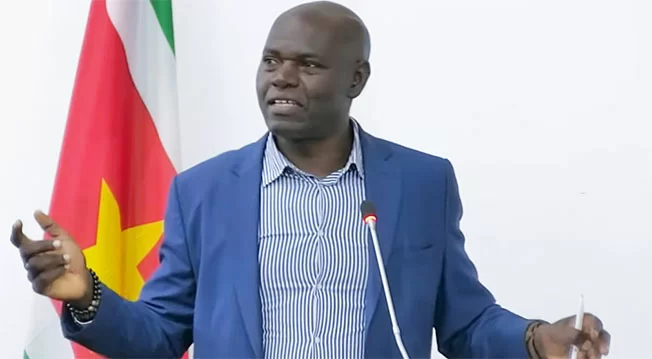
    PARAMARIBO – Nineteen aspiring labor inspectors are set to begin their one-year Basic Training for Junior Labor Inspectors this Monday, in a government-led push to strengthen enforcement of national labor regulations. The initiative marks a key step toward professionalizing Suriname’s Labor Inspection Directorate, but senior agency leaders have used the launch to highlight deep-seated challenges: a crippling shortage of qualified staff, outdated legislation that undermines enforcement, and a years-long gap in training that has left a generational divide in the workforce.

    The official launch of the training program was held Friday by Minister André Misiekaba and Deputy Minister Raj Jadnanansing of the Ministry of Public Health, Welfare and Labor (VWA). The incoming cohort of 19 trainees is made up of 14 women and five men, and over the 12-month program, participants will build core technical knowledge of labor law, hands-on inspection skills, and professional ethics to prepare for their role overseeing employer compliance with national labor regulations.

    Speaking at the launch ceremony, both Misiekaba and Jadnanansing emphasized that a skilled, impartial labor inspection system is foundational to protecting Suriname’s workforce. “Labor inspectors carry critical responsibility for shielding workers from exploitation, and for fostering workplaces that are safe, healthy and respectful of human dignity,” the officials noted, adding that professionalism, independence and integrity are non-negotiable traits for anyone taking on this role.

    Additional remarks were delivered to the trainee cohort by Hugo Blanker, chair of the Labor Inspectorate Union, regional heads Lucien Kartopawiro and Merlien Nelson, and Labor Inspector-General Rowan Noredjo, all of whom centered their addresses on the urgent need to strengthen the inspectorate and upskill its workforce.

    Noredjo, the inspector-general, outlined the long-running challenges the agency has faced in recent years. This training cohort is only the second new group of trainees since 2009, with the previous basic training course held in 2022 after a 13-year gap in programming. That extended pause has created a major experience gap between senior veteran inspectors and new incoming staff, Noredjo explained.

    Currently, the new trainees do not hold the legal authority to conduct independent inspections, and will rely entirely on guidance from a small pool of senior inspectors as they complete their training. Noredjo added that many of the current cohort have waited between one and three years for the opportunity to access this basic training, delayed primarily by a lack of allocated government funding for the program.

    Beyond staffing gaps and funding shortfalls, Noredjo called for urgent updates to Suriname’s national labor legislation. Current fine amounts for labor law violations are outdated and set far too low to deter non-compliance by employers, he argued, he also pushed to add violations of temporary employment agency regulations and minimum wage laws to the official fine schedule. These changes are critical to allowing the Labor Inspectorate to carry out its oversight and enforcement roles effectively, Noredjo stressed.

  • Barry: ‘I will not live in fear’

    Barry: ‘I will not live in fear’

    A high-stakes political bombshell has emerged in Trinidad and Tobago, where sitting Public Utilities Minister Barry Padarath has publicly revealed details of an alleged $250,000 assassination plot targeting him, orchestrated by a former minister from the previous People’s National Movement (PNM) administration. While the sitting minister says he remains deeply troubled that the alleged mastermind remains at large, he has stressed that he will not step back from his public duties or live in fear, placing his full confidence in the Trinidad and Tobago Police Service (TTPS) to see the investigation through to its conclusion.

    Padarath shared the full timeline of the revelation in an exclusive interview with the *Sunday Express*, recalling that the first official warning came in December 2025, when the head of the country’s Special Branch police unit requested an urgent meeting. At the time, Padarath was at Parliament, and he attended the meeting accompanied by fellow cabinet minister Saddam Hosein. At that meeting, senior police officials told him that a detained gang leader had submitted a sworn statement to the TTPS, confirming he had been hired by a former PNM government minister to carry out the killing. The police shared key details of the plot with Padarath, including the agreed $250,000 payment for the hit, and implicitly identified the former minister without naming him publicly.

    Following the briefing, police recommended an immediate upgrade to Padarath’s personal security, ordering a full risk assessment by Special Branch. The minister was offered additional personal protection, and advised to implement new security measures for both his family members and his residential property. Padarath admitted that the revelation left him completely stunned, noting that the allegation came with a disturbing level of detail that made the threat feel all too real. Adding to his concern is the fact that some of the individuals allegedly linked to the plot live and operate in the parliamentary constituency he represents, putting his family in close proximity to potential danger.

    Speaking specifically about his young child, Padarath said the safety of his loved ones is his top priority, and he has already implemented all necessary additional security measures to protect them. He acknowledged that living with the constant shadow of an assassination threat is deeply unsettling, particularly for a public servant with young family members. Even so, he emphasized that the plot will not deter him from upholding the oath he took to serve the country, uphold the constitution and the rule of law, and carry out his work without fear or favor. He stressed that he will not be silenced on the issues that led to the alleged threat.

    Padarath also confirmed that the gang leader who provided the sworn statement implicating the former minister remains in police custody. He told reporters that he has received two official briefings from the head of Special Branch since the initial revelation, though he has not gotten a recent update on the progress of the investigation. Police have confirmed that the probe remains active, and Padarath said he is willing to wait for law enforcement to complete their work.

    As for why he believes he was targeted, Padarath pointed to his high-profile work leading oversight and audits of three large state-run entities: the Community-Based Environmental Protection and Enhancement Programme (CEPEP), the Maintenance Training Services Limited (MTS), and the Water and Sewerage Authority (WASA). He alleged that close friends, family members, and political financiers of the former PNM administration amassed enormous illicit benefits from state contracts awarded at these entities during their time in power. Padarath, a vocal supporter of the current prime minister’s anti-corruption and anti-crime crackdown, has pushed for transparent audits of these contracts, which have already uncovered serious irregularities that could expose wrongdoing by multiple powerful figures. It is this outspoken, forthright work on corruption that he believes made him a target.

    Reaffirming his trust in law enforcement, Padarath said he will continue to follow the lead of the TTPS, noting that the proverb “time is longer than twine” holds true, and the full truth of the plot will eventually come to light.

  • Untapped demand for Caribbean travel revealed by Barbados campaign, says TEMPO CEO

    Untapped demand for Caribbean travel revealed by Barbados campaign, says TEMPO CEO

    A recent regional tourism marketing campaign centered on Barbados has exposed significant unmet demand for Caribbean getaways, especially among diaspora communities residing in the United States, campaign organizers have confirmed.

    The promotion, branded as the “Win a Trip to Barbados” initiative, was spearheaded by TEMPO Networks in strategic collaboration with interCaribbean Airways and Divi Southwinds Beach Resort. According to Frederick A. Morton Jr., founder and chief executive officer of TEMPO Networks, the campaign delivered impressive engagement metrics: it generated over 14,000 content impressions, drove more than 22,500 participant interactions, and captured the attention of over 1,800 unique active users.

    Breakdown of participant data shows that nearly 69% of all entrants were located within the United States, with additionally robust engagement recorded from both local Caribbean markets and diaspora communities across the globe. For Morton, these results align with a growing pattern that has emerged across the network’s recent destination marketing work. “This Barbados-focused campaign reinforced a trend we’ve spotted across multiple recent destination initiatives, including separate campaigns for the U.S. Virgin Islands and British Virgin Islands,” Morton explained. “In every project, we’ve seen the same pattern: high engagement from both on-island Caribbean audiences and the broader U.S. market. This makes clear that there is enormous untapped demand for Caribbean travel, and that demand is especially strong among the global Caribbean diaspora.”

    Beyond highlighting unmet demand, the campaign also validated the enduring power of culturally rooted messaging in driving tourism growth, Morton added. “The level of audience connection we built shows that when Caribbean stories are told in an authentic way, audiences respond enthusiastically,” he said. He went on to note that destination marketing delivers the strongest results when it is authentic, culturally resonant, and distributed through platforms that already hold the trust and sustained attention of Caribbean-centered audiences.

    The campaign’s grand prize winners, Erica and Winston Doras-Pemberton, recently wrapped up their five-night, six-day complimentary stay at Divi Southwinds Beach Resort, after flying to Barbados via interCaribbean Airways this Wednesday.

    Morton emphasized that the competition is part of TEMPO’s more than 20-year mission to boost regional travel across the Caribbean. The network’s first “Win a Trip” promotions, which first built a loyal audience, were launched in early partnerships with the now-defunct regional carrier LIAT, he recalled.

    Looking ahead, TEMPO Networks plans to scale this successful campaign model across the entire Caribbean region. “We expect to announce another exciting partner destination in the near future, as we work to make these campaigns a consistent core offering of TEMPO’s tourism development work,” Morton said.

    He also added that the results of the Barbados campaign provide a replicable blueprint for expanded cross-sector collaboration across the Caribbean’s tourism ecosystem, bringing together airlines, hotels, media outlets and tourism boards to drive shared growth.

  • Teens seek common ground through culture, conversation

    Teens seek common ground through culture, conversation

    On a recent Friday, 37 teenagers aged 14 to 18 from Barbados and the United States gathered at Barbados’ Skymall for a one-day collaborative workshop designed to tackle common youth mental health struggles through arts-based practice and cross-cultural connection. Titled *Finding My Voice, Embracing My Culture, Strengthening My Mind*, the event was co-hosted by two youth-focused organizations: Barbados’ Pinelands Creative Workshop (PCW) and the U.S.-based Taratibu Youth Association (TYA).

    The workshop was rooted in a core belief that creative expression offers a more accessible and authentic pathway to emotional processing than traditional talk-based settings, serving as a tool to help young people navigate anxiety, familial conflict, identity formation, and other common adolescent challenges. For PCW, this initiative builds on the organization’s longstanding mission to leverage creative arts as a vehicle for youth empowerment and healthy development.

    Sophia Greaves, chief executive officer of PCW, emphasized that the collaboration marked another milestone in the organization’s work to connect creative practice with youth mental health support. “This is part of our ongoing collaborative journey,” Greaves explained. “We’re working with Taratibu Youth Association to use creative methodologies to help young people work through all kinds of complexities – from anxiety and fear to internal family conflict, and the growing pains of transitioning from adolescence to young adulthood.”

    Greaves noted that creative outlets – ranging from dance and singing to visual art – enable young people to articulate emotions that often feel impossible to put into words, giving on-site mental health professionals clearer insight into participants’ needs to develop targeted coping strategies. “This space allows for emotional freedom of expression in a way that isn’t rigid or clinical,” she said. “Whether a participant dances, sings, or draws, our in-house psychologists get a genuine picture of what they’re struggling with, and can start guiding them toward healthy coping strategies.”

    Against a backdrop of rising reports of disorientation and isolation among young people globally, the workshop prioritized root-cause healing in a safe, supportive environment. The event also complements PCW’s existing Career Life Management Programme, and Greaves voiced her hope that similar arts-focused mental health initiatives will be integrated into schools and community programs across Barbados as a strategy to reduce youth violence.

    Dr. Yanique Edmond, a TYA representative and board-certified mental health and trauma specialist, emphasized that performing arts and emotional wellness are inherently linked, especially for young creatives. “To sustain a creative practice without it breaking you down or causing unaddressed trauma, you need a solid mental health foundation,” she explained. “When you channel other people’s emotions and pain into your art, it can easily become overwhelming if you don’t have the skills to process it.”

    The workshop’s core curriculum was designed to teach teens to first identify their emotions, then channel those feelings into creative expression in healthy, constructive ways. “The goal is to turn that emotion into art that becomes a source of hope and builds resilience,” Edmond said. “This doesn’t happen on its own. Teens need guidance from knowledgeable adults to support them on their journey to wellness.”

    This cross-border workshop is part of TYA’s broader international effort to connect young people through cultural exchange and advance a holistic, African-rooted framework for mental health that integrates mind, spirit, and body. The organization has hosted similar initiatives across Ghana, Togo, Benin, Tanzania, South Africa, Zambia, Zimbabwe, and St. Croix, centered on elevating interconnected African cultural traditions of holistic wellness that have been practiced for generations.

    After a full day of discussions, skill-building, and cultural exchange, participants translated their takeaways into original improvised performances, spanning dance, music, poetry, and spoken word. The pieces centered on themes of personal resilience, cultural identity, and hope, drawing directly from the day’s conversations.

    Dr. Dominique Charlot-Swilley, a clinical child psychologist from Georgetown University and TYA delegate, added that the workshop builds on more than two decades of international cultural exchange, but with an explicit new focus on emotional wellbeing. She noted that the event highlights a unifying truth often overlooked in global discourse: “There are so many similarities between us, even though the world often tries to make us feel divided. That narrative of difference simply isn’t true.”

    Cross-border exchanges like this allow young people from different national contexts to recognize their shared experiences of adolescence, while learning from one another’s cultural perspectives. “Young people all over the world are navigating trauma,” Charlot-Swilley noted. “We have more access to other people than ever through social media, but so many teens still feel deeply isolated and alone.”

    As social and emotional pressures on adolescents continue to grow, she emphasized, creating intentional safe spaces where teens can openly discuss their emotions, embrace their cultural identities, and build connections with peers across borders is more critical than ever.