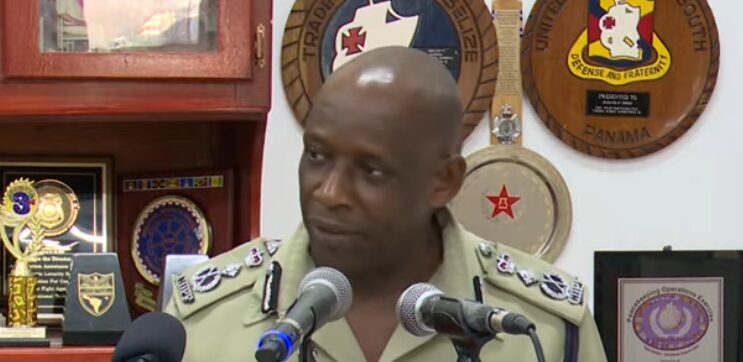
Dominica has seen a promising dip in its annual homicide count for 2024, according to Acting Police Chief Davidson Valerie, who shared the latest law enforcement updates this week. As of the current point in the year, the island nation has recorded nine homicides, a figure that falls below the total logged over the same timeframe in both 2022 and 2023. This downward trend marks a small win for public safety, but Valerie was quick to note that no killing can be dismissed as insignificant. Every loss of life to violence remains a deep concern for the force, he emphasized, and the Commonwealth of Dominica Police Force has a duty to ramp up its proactive efforts to stop further violence and curb the spread of criminal activity across the island. Beyond progress on homicide reduction, Valerie revealed a landmark achievement in the fight against drug trafficking: over the past four months, Dominican law enforcement has seized more cocaine than in any similar period in the nation’s recent history. The total street value of the confiscated narcotics is estimated to be more than 67 million Eastern Caribbean dollars, a haul that represents a major blow to transnational drug operations operating in the region. To date, eight individuals have been taken into custody in connection with the seizures, four of whom have already been formally charged and are awaiting trial proceedings. When outlining the force’s core crime-reduction strategy, Valerie explained that boosting public police presence has emerged as a key priority. The department has ramped up the frequency of routine patrols across the capital Roseau, other densely populated urban centers, and small rural communities spread across the island, making officers more accessible to residents and more visible to potential offenders. Even with the two key wins of lower homicides and the record drug seizure, Valerie acknowledged that the force still faces steep, persistent challenges. Violent crime, the illegal flow of firearms and ammunition into the country, and ongoing illicit drug trade remain persistent threats that require sustained, targeted action. In closing, he reaffirmed that every officer serving in the Commonwealth of Dominica Police Force remains fully committed to strengthening enforcement outcomes and keeping local communities safe. He added that sustained vigilance from both law enforcement and the public is critical to prevent the nation’s homicide count from climbing in the remaining months of the year, calling for continued collective action to tackle root causes of crime.
博客
-
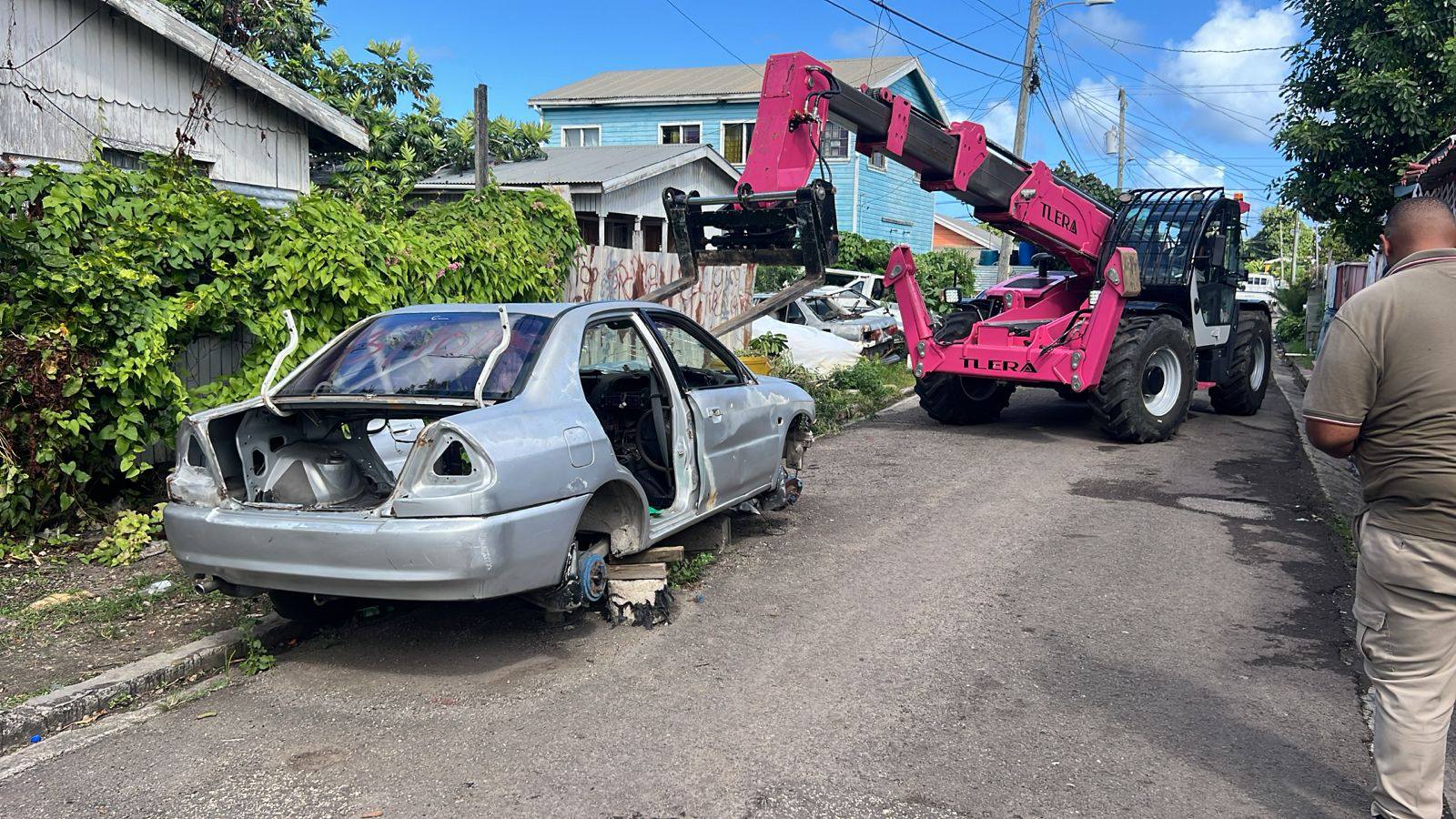
Government Launches Crackdown on Derelict Vehicles and Illegal Occupation of Public Spaces
The government of Antigua and Barbuda has greenlit a sweeping enforcement campaign aimed at ridding public spaces of two persistent blights: abandoned, derelict vehicles and unlawful occupation of public lands, kicking off a coordinated cross-agency push to clean up communities and protect shared resources.
Under the new mandate, the Ministry of Social Transformation will lead the operation, partnering with four key government bodies: the Royal Police Force of Antigua and Barbuda, the National Solid Waste Management Authority, and the Development Control Authority. This collaborative structure is designed to streamline enforcement efforts and ensure consistent action across all regions of the twin-island nation.
Local regulators have outlined clear justifications for the crackdown, noting that long-abandoned vehicles pose a range of overlapping risks to communities. Beyond dragging down curb appeal and ruining the visual character of residential neighborhoods, these unused cars and trucks create hidden safety hazards for pedestrians, especially children, and can leak toxic fluids like motor oil and coolant that contaminate local soil and groundwater. Ahead of formal enforcement actions, authorities are issuing a public appeal to vehicle owners: voluntarily remove any derelict cars from public rights-of-way and community spaces to avoid legal penalties. All participating agencies have been directed to strictly enforce existing public nuisance and land use regulations.
The campaign extends beyond abandoned vehicles to target unapproved structures and illegal encroachments along three high-priority public corridors: the nation’s popular shorelines, public roadsides, and other open public lands. People found occupying these areas without official authorization will be required to relocate all personal belongings and remove any temporary or permanent structures. The Ministry of Social Transformation will step in to mediate and assist where displacement creates social welfare needs.
In an official statement following Cabinet’s approval of the campaign, officials emphasized that Antigua and Barbuda’s beaches are a critical shared resource, and must remain fully open and accessible to both local residents and the international tourists that drive the nation’s economy. The cabinet warned that any activity that blocks public roadways, creates preventable safety hazards, or degrades local environmental conditions will not be tolerated going forward.
These coordinated enforcement actions form just one component of a broader, long-running national initiative to crack down on littering, illegal waste dumping, and the misuse of public spaces across the country, with the government aiming to improve quality of life for locals and preserve the nation’s natural beauty for years to come.
-
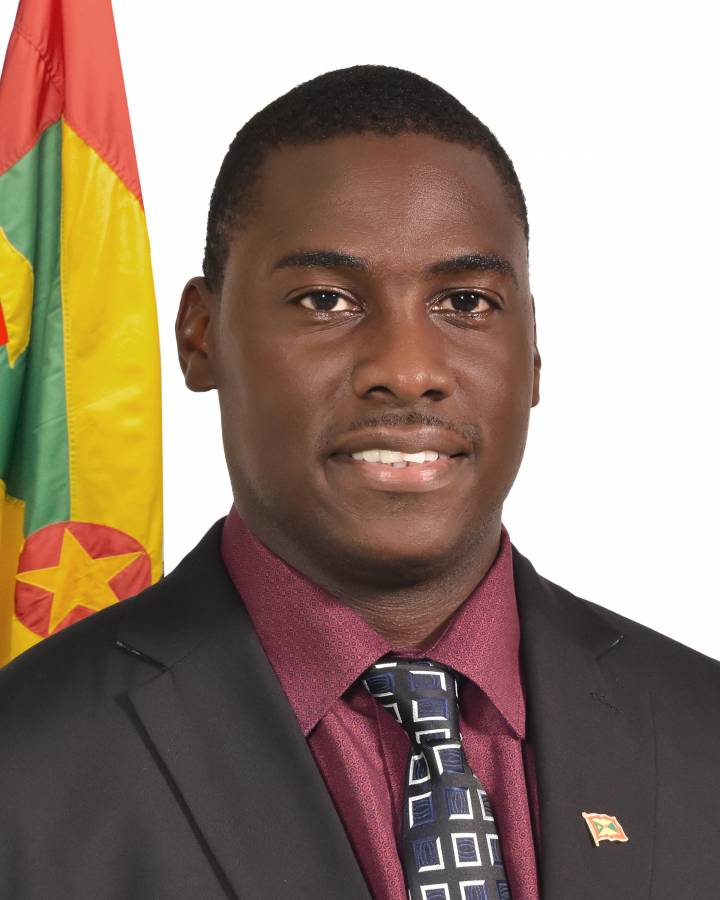
EC$310.9 million supplemental appropriation raises fiscal concerns
A heated debate has unfolded in Grenada’s parliament over a proposed EC$310.9 million supplementary appropriation request, as opposition leaders push for a full commission of inquiry into Hurricane Beryl recovery spending and government ministers defend their fiscal and recovery priorities. The bill, which has already passed the Lower House and is set to go before the Upper House in the coming days, sits against a backdrop of growing tensions over the country’s fiscal health and transparency of post-disaster spending more than two years after the storm hit.
Finance Minister Dennis Cornwall, who tabled the 2026 Supplementary Appropriation Bill, laid out the core justifications for the additional funding. He told lawmakers the extra allocation is required to speed up work on the administration’s key priority projects, address unforeseen challenges that arose after the 2026 national budget was finalized, wrap up ongoing Hurricane Beryl recovery work, and deliver targeted support to vulnerable households and impacted communities. The single largest share of the supplementary budget, EC$161 million, is designated for a design-finance-build infrastructure arrangement. Cornwall also outlined the breakdown of financing for the request: approximately EC$3.6 million will come from international grants, EC$29.8 million from concessional loans, and the remaining EC$277.5 million from domestic financing sources.
Beyond recovery and existing priority projects, the supplementary budget also allocates funding to purchase a plot of land adjacent to the Hall of Justice development in Mt Wheldale, which will house the newly established Eastern Caribbean Citizenship by Investment Regulatory Authority. A portion of the request — EC$20 million specifically earmarked for continued Hurricane Beryl recovery — has drawn the sharpest criticism from opposition leader Dr. Keith Mitchell, who questioned why the government is still requesting new recovery funds more than two years after the hurricane made landfall.
Mitchell pointed out that the administration has already spent EC$211.3 million on Beryl-related efforts to date, a figure that does not include the EC$28 million already allocated for recovery in the 2026 budget, nor the new EC$20 million request now before parliament. He noted that government ministers previously publicly stated all Beryl recovery spending would be completed by June 2025, and called for a full explanation of why additional funds are required, as well as clarity on whether the 2026 allocated recovery funds have already been exhausted. Citing these inconsistencies and broader concerns over fiscal management, Mitchell formally called for an independent commission of inquiry to audit all Beryl recovery expenditure and ensure full public accountability.
Responding directly to the calls for an inquiry, Tevin Andrews, Minister for Carriacou and Petite Martinique Affairs — the two islands hardest hit by Hurricane Beryl — issued an open challenge to opposition critics, stating he has “absolutely nothing to hide” and would welcome any formal investigation. “If anybody wants to bring on any commission of inquiry or any inquiry at all, bring it on. I’m ready because I have absolutely nothing to hide,” Andrews told the Lower House Wednesday.
Andrews went on to detail the progress of recovery work across his constituency over the past two years, pushing back against claims of mismanagement or unspent funds. He told parliament that the government has already completed construction on, or is currently building, 159 new resilient “Build Back Better” homes for displaced residents. To date, 255 families have received direct labor support for home repairs, nearly 4,000 homeowners have been granted assistance for building materials, and more than 100 displaced residents have benefited from rental assistance while their homes are rebuilt.
Beyond direct household support, Andrews emphasized that recovery spending has acted as an economic stimulus for local communities, generating consistent work and income for local hardware retailers, independent contractors, truck and heavy machinery operators, and maritime workers who support reconstruction across the two islands. He added that independent expert assessments estimate total reconstruction costs for Carriacou, Petite Martinique, and northern Grenada will top EC$600 million, making the additional EC$20 million request an essential requirement to keep recovery work on track.
The minister also rejected opposition claims that fishermen and farmers in the affected islands did not receive adequate support after the storm, noting that the government has already spent far more than the EC$11.6 million payout from the Caribbean Catastrophe Risk Insurance Facility (CCRIF) that was earmarked for these sectors. The Beryl-focused portion of the supplementary budget also includes EC$2 million for ongoing upgrades to Petite Martinique’s main road and other road infrastructure across Carriacou, EC$200,000 for improvements to Limlair Farm, and funding for the Hillsborough Enhancement Project, which aims to modernize public spaces and boost long-term development in the town.
The EC$310.9 million supplementary request has also amplified broader opposition concerns about Grenada’s overall fiscal position, which is already carrying a projected EC$309.8 million deficit — equal to roughly 7.3% of GDP — in the government’s record EC$1.96 billion 2026 national budget. Mitchell argued that the size of the unbudgeted supplementary request signals deep financial instability for the country. “Now we are asking for a supplemental of literally EC$310-plus million…based on the information provided, I could only project that Grenada is facing serious financial problems in meeting the responsibilities of managing the affairs of the country,” he said.
Mitchell drew a direct contrast between the current fiscal outlook and the position left by his previous administration, claiming he left office with a surplus of more than EC$500 million and a balanced budget where recurring expenditure was fully matched by recurring revenue, eliminating the need for deficit financing. As the bill moves to the Upper House for approval, the government’s spending priorities, transparency around post-hurricane recovery, and long-term fiscal strategy remain under intense public and political scrutiny.
-
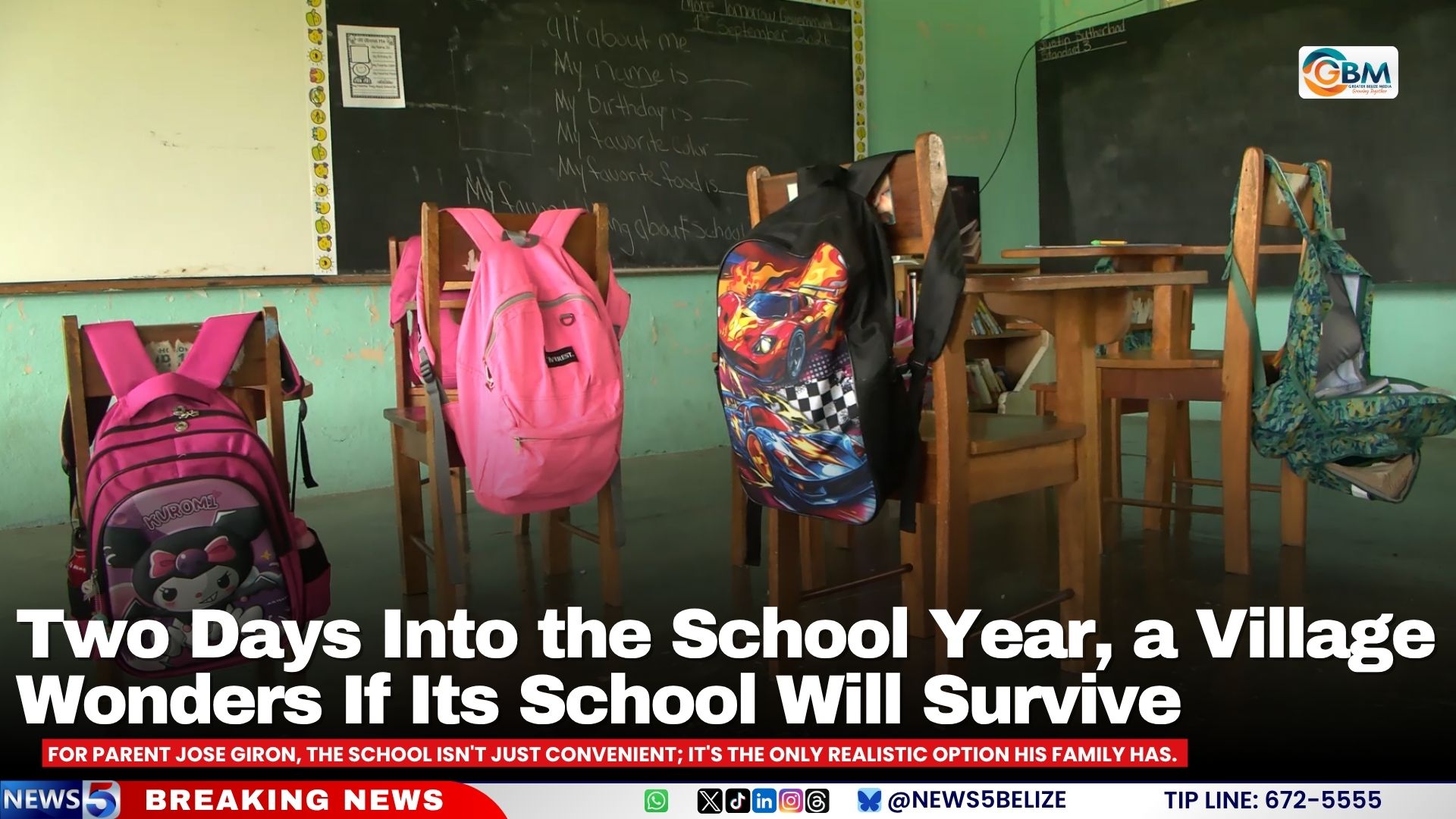
Two Days Into the School Year, a Village Wonders If Its School Will Survive
It is only 48 hours into the new 2026 school year in Belize’s Cayo District, but a quiet rural community is already grappling with an existential crisis that puts its only local primary school at risk of closure. What was supposed to be a fresh start for students at More Tomorrow Primary has quickly turned into uncertainty, as the campus currently operates with just two educators responsible for teaching more than 30 children spanning eight grade levels, leaving parents fearing the school will not be able to continue operating.
At the heart of the understaffed campus is Elizabeth Tush, one of the two remaining staff members who relocated from the capital city of Belmopan to take up a teaching post in the remote village. Tush, who has committed to staying to support the underserved student body, says she was drawn to the role by the clear need for improved literacy and writing instruction among local children. “I like the place. It’s more peaceful, and the kids need more education. Especially on reading. Especially on writing. I saw that they need a lot of help with that. That’s why I said I was going to stay and help these kids,” Tush explained.
The structural challenges of the understaffed school are impossible to ignore. With students ranging from the earliest Infant One year through Standard Six, Tush and school principal Dominina Pop — who is scheduled to retire next year — have been forced to merge all eight grades into just three broad multi-age groups: lower, middle, and upper. Pop currently handles the entire lower division of two grade groups on her own, while Tush manages three separate grade groups. Tush says she already struggles to cover her own workload and questions how the principal manages her expanded responsibilities with no additional support.
For local families, the potential loss of More Tomorrow Primary is far more than an inconvenience: it is the only accessible education option available. Jose Giron, a local parent with multiple children enrolled at the school, notes that the campus allows children to return home for meals and rest during school breaks, a benefit impossible at distant schools. “All my children study right here, and that’s a great opportunity for the children, because we can see them go to school and come back, and they can come eat and get a little rest in the break time,” Giron said. He added that families already invested in school uniforms and paid tuition for the new year, leaving them frustrated and uncertain about sudden closure plans.
Rumors of an impending government shutdown spread rapidly through the village last week, prompting Belize’s Education Minister Francis Fonseca to issue an immediate clarification. While Fonseca confirmed that no final decision to close the school has been made, he openly acknowledged the persistent staffing challenges that have plagued the remote campus for years. “Nobody wants to go to teach there. They say the conditions are too harsh. You have to understand, we’ve been trying. I know last year we made accommodations to try and improve everything. We facilitated even a mother and daughter, both living together, both teaching there. But even they have gotten frustrated. So it’s a difficult situation,” Fonseca said. The minister added that one option under consideration is reallocating students to larger nearby schools and providing free transportation for village children, but no final agreement has been reached, and discussions with the community are ongoing.
The root of the staffing shortage stems from basic cost-of-living pressures that make remote postings unappealing for most educators. Skyrocketing rent, rising transportation costs, and the common expectation that teachers cover the cost of their own classroom supplies have pushed most applicants away from the role. Additionally, the village becomes completely cut off during periods of bad weather, when flooding renders the only access road impassable, forcing teachers to stay stranded off-campus and leaving students without instruction.
Village leaders believe they have a targeted solution that could reverse the staffing trend: building on-site housing for teachers within the village boundaries. Michael Myvette, chairman of More Tomorrow Village, says permanent local housing would eliminate the transportation and accessibility barriers that have deterred educators for years. “Sometimes when the weather is bad, then the road gets flooded, and then nobody can pass. So if we have teachers in the community, then it will be better for the students,” Myvette explained.
As the community waits for a path forward, the Ministry of Education has scheduled an urgent meeting with parents and village leaders on September 3, 2026 — the first formal collaborative step to resolve the crisis. The outcome of the meeting will determine whether the small rural school can secure the staffing it needs to continue operating, or whether it will be forced to close its doors permanently.
-
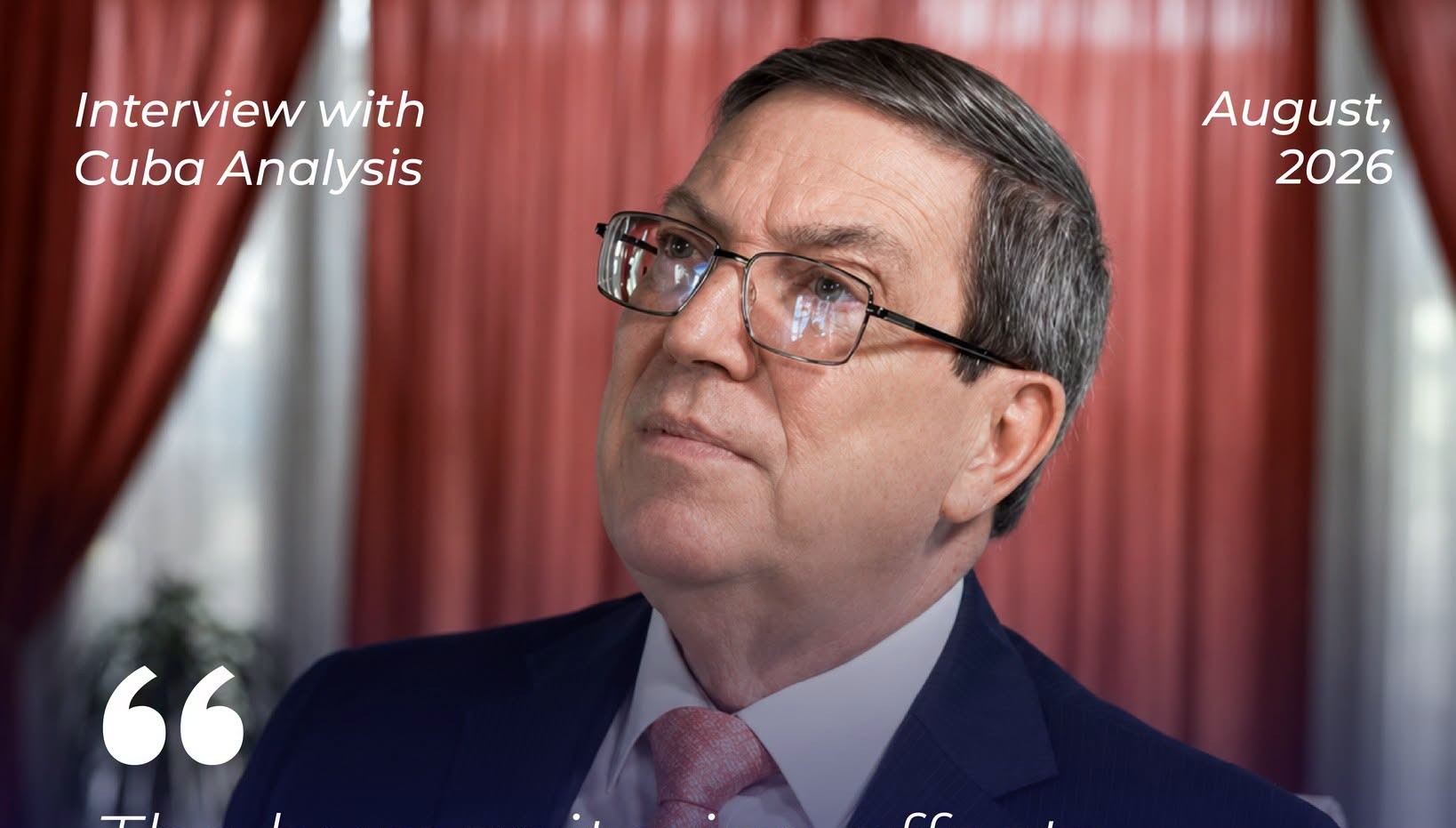
Cuban foreign minister discusses U.S. sanctions, energy crisis and future relations
In a recent wide-ranging interview with the Cuba Analysis Podcast, co-hosted by researchers Helen Yaffe and Nina Blodau, Cuba’s top diplomat Bruno Rodríguez Parrilla pulled back the curtain on the cumulative harm of decades-long U.S. sanctions, pushed back against misleading narratives about Cuba’s economic struggles, and outlined Cuba’s stance on future diplomatic engagement with Washington. The interview was later highlighted in an official press release from the Cuban Embassy.
Rodríguez, who has lived his entire life under U.S. economic restrictions, emphasized that multiple generations of Cubans have grown up amid the unrelenting pressure of these measures. “The suffering experienced by our people—by every Cuban—the hardships and anguish, are extreme,” he stated, noting that the punitive measures qualify as collective punishment against the Cuban public. He added that the impact of sanctions has grown dramatically worse since 2019, with the most severe escalation coming from new restrictive measures rolled out in 2026.
Rejecting widespread external claims that Cuba’s domestic economic challenges stem primarily from the country’s political system or local policy decisions, Rodríguez pushed back firmly: “They’re lying; they’re lying systematically.” He directly attributed widespread supply shortages and sustained economic strain to U.S. restrictions on Cuban trade, access to global finance, and energy imports.
To back up his arguments, Rodríguez shared on-the-ground data illustrating the tangible harm of the sanctions. He noted that more than 7,000 shipping containers loaded with critical food, prescription medicine, and life-saving medical equipment have been blocked from entering Cuban ports, after U.S. pressure forced international shipping companies to halt service to the island. He also connected the recent uptick in Cuban infant mortality rates directly to gaps in medical supplies and infrastructure caused by the restrictions.
Energy access emerged as one of the most pressing pain points from the 2026 measures. Rodríguez compared the new restrictions to a de facto naval blockade, saying they have crippled Cuba’s ability to import sufficient fuel for daily operations. “If Cuba were able to acquire even minimal amounts of fuel today, power outages could be reduced to two or three hours a day,” he explained, adding that increased fuel supplies would also resolve widespread disruptions to public water access and domestic food distribution networks. He also debunked unsubstantiated claims that Cuba has received free fuel from external partners, calling the assertion “completely false; it’s a lie.” All hydrocarbon imports, he clarified, have been completed through legitimate commercial transactions, structured barter arrangements, and purchases carried out under exceptionally difficult market conditions.
Beyond economic pressure, Rodríguez also addressed persistent U.S. military threats toward Cuba, describing them as a major threat to regional stability. “It is a threat that we take seriously—very seriously—and it is of the utmost gravity,” he said, warning that any escalation would lead to widespread civilian casualties and deepen instability across the Caribbean and Gulf of Mexico. While he confirmed that Cuba is actively preparing to defend its territory and sovereignty, he emphasized that the country remains committed to preventing conflict. “Our people would undoubtedly defend their independence, their sovereignty, and the territorial integrity of our homeland to the very end,” he stated.
Rodríguez also addressed the issue of promised U.S. humanitarian assistance to Cuba, noting that of previously announced aid packages totaling $3 million, $9 million, and $6 million, only a small fraction has actually been delivered. Even the high-profile $100 million aid initiative, he added, has only reached roughly 700 Cuban families to date.
Turning to Cuba’s global health engagement, Rodríguez defended the country’s longstanding international medical cooperation programs, noting that Cuba remains one of the largest providers of South-South medical assistance globally. He added that U.S. sanctions also limit global access to Cuban-developed medicines and medical technologies that treat a range of serious conditions, including cancer, diabetes, diabetic foot complications, and neurodegenerative diseases.
Looking at the long arc of U.S. policy toward Cuba, Rodríguez noted that decades of restrictive measures have failed to achieve Washington’s stated political goals on the island. “No matter how extreme its measures may be, it’s not going to work,” he said.
He pointed to past periods of improved bilateral relations between the two nations as proof that constructive engagement is possible. Rodríguez confirmed that Cuba remains fully open to bilateral negotiation with the U.S., but only under clear terms: “on the basis of international law, sovereign equality, on an equal footing, mutual respect, and mutual benefit,” with no interference in Cuba’s internal affairs and no preconditions placed on the dialogue.
In closing, Rodríguez expressed long-term confidence in the future of U.S.-Cuba relations: “In the end, a civilized, productive, and respectful relationship between our two peoples will prevail.” The full version of the interview is available for public viewing on YouTube.
-
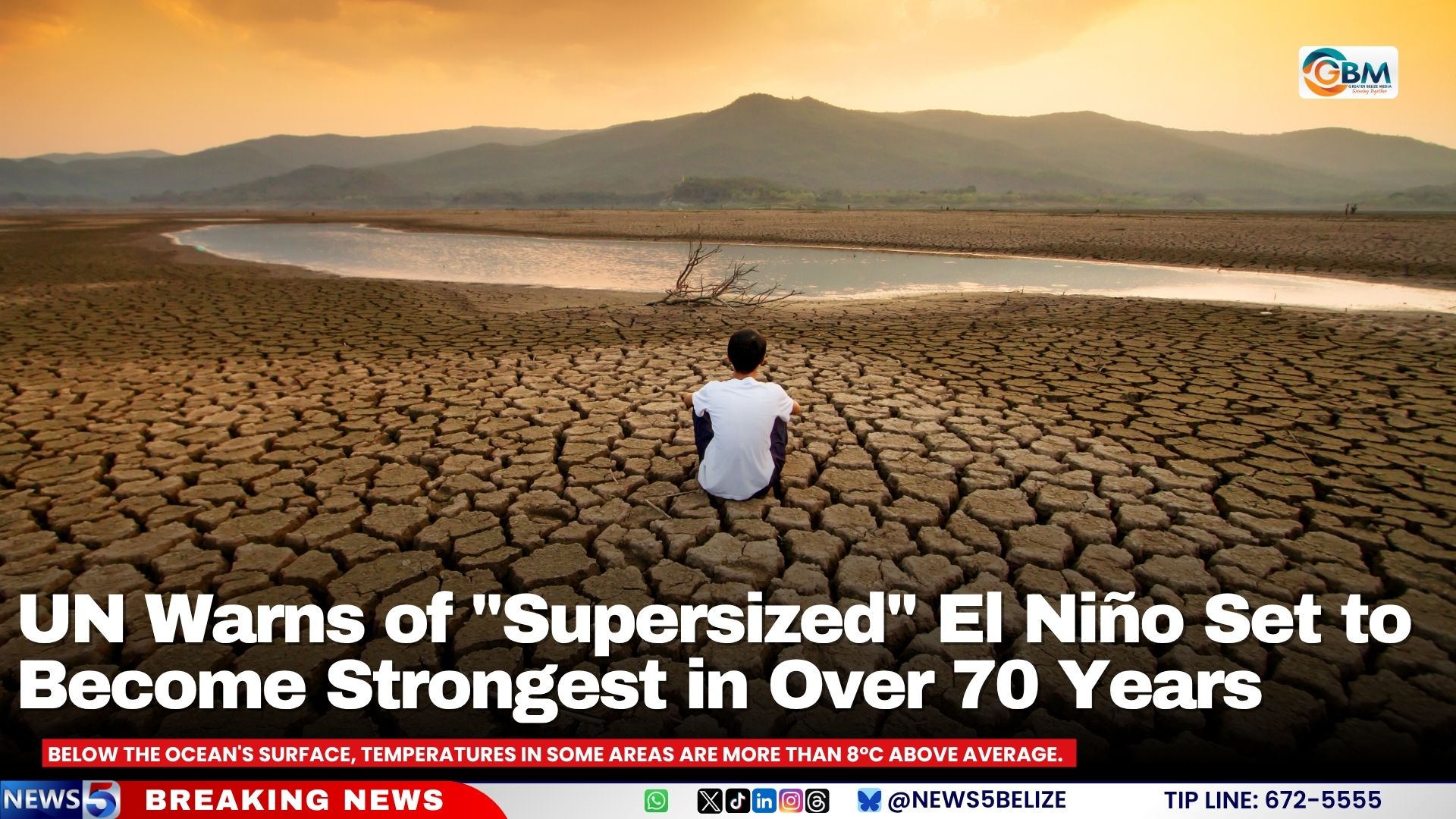
UN Warns of “Supersized” El Niño Set to Become Strongest in Over 70 Years
As the clock ticks toward one of the most dangerous climate events in modern history, United Nations leaders have issued an urgent global alert: a rapidly strengthening El Niño is set to become the most intense such weather pattern recorded since 1950, pushing the entire planet into what UN Secretary-General António Guterres terms a “danger zone of extreme weather.”
New analysis released by the World Meteorological Organization (WMO) confirms the current El Niño is projected to remain active through at least the early months of 2027, with ocean temperature trends already outpacing every El Niño event recorded in the past seven decades. In the central and eastern Pacific, the region that scientists monitor closely to track El Niño development, sea surface temperatures have already surged more than 2 degrees Celsius above long-term averages in recent weeks. Forecasters warn that by the end of 2026, monthly average temperatures in key monitoring zones could climb to nearly 4 degrees Celsius above baseline. Even deeper in the water column, some Pacific regions have recorded subsurface temperatures more than 8 degrees Celsius above normal.
The abnormal warming is not isolated to the Pacific, either. Above-average sea surface temperatures have now been detected across the Indian Ocean, the tropical Atlantic, and along sections of Australia’s coastline, amplifying the potential for widespread weather disruptions across multiple hemispheres.
“El Niño is being supersized before our eyes. The science leaves no room for doubt: the planet is in uncharted waters, and those waters are heating up,” Guterres stated in his official warning.
WMO Secretary-General Celeste Saulo emphasized that low-income and climate-vulnerable communities will bear the brunt of the event’s impacts. “El Niño has the potential to deliver a massive blow to communities and economies across the world,” Saulo noted, highlighting the unequal risk faced by regions with limited infrastructure to adapt to extreme conditions.
The first major impacts are already unfolding across vulnerable regions. Much of Southeast Asia, Central America, and northern South America are forecast to see far drier conditions than average through the event’s peak, dramatically increasing the risk of prolonged drought and destructive wildfires. In Indonesia, firefighters and authorities have already been working for months to contain wildfires that have scorched more than 107,000 hectares of land this dry season. The government has deployed cloud-seeding aircraft to induce much-needed rain, and has arrested dozens of people accused of intentionally setting fires to clear land for agricultural development illegally.
Key global trade infrastructure is also already adjusting to expected conditions. The Panama Canal, which handles roughly 14,000 vessel transits every year and generates approximately $3 billion annually for Panama’s national economy, has already announced plans to cut daily vessel traffic by more than 10% in anticipation of drastically reduced rainfall that will limit water levels needed for transits.
In South America, Peru faces a particularly high risk of catastrophic flooding and deadly landslides, a common impact of strong El Niño events along the country’s Pacific coast. In a pre-emptive move to bolster response capacity, the United States announced last month it would deploy the hospital ship USNS Comfort to Peruvian coastal waters to provide emergency medical assistance as the event approaches its peak intensity. Belize has also issued an official drought warning, as authorities prepare for extended dry conditions linked to the strengthening El Niño.
The UN and WMO have urged governments worldwide to accelerate early warning preparedness and coordinate cross-border response plans to reduce avoidable loss of life and economic damage from the unprecedented event.
-
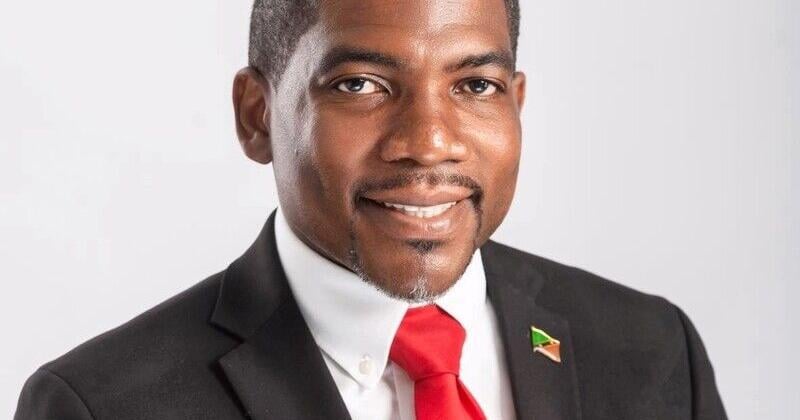
Martinique media: St Kitts PM suffered stroke
Regional media reports have sparked widespread interest across the Caribbean after local Martinique outlets claimed that St Kitts and Nevis Prime Minister Dr. Terrance Drew, 49, suffered a stroke and received emergency care at the island’s University Hospital. According to Martinique La Première, the head of government was admitted to the facility’s intensive care unit on Monday evening, after developing persistent headaches and nausea that prompted urgent medical intervention.
The French outlet reported that a specialized critical care team led by Professor Dabor Resière oversaw Drew’s treatment and ongoing observation. It added that following timely medical intervention, the prime minister’s condition has stabilized, and clinical teams do not anticipate long-term neurological damage from the incident. The report also noted that Drew has expressed appreciation for the high standard of care he received from Martinique’s healthcare workers, and plans to hold discussions on the quality and access of the island’s medical services with fellow leaders from the Caribbean Community (Caricom) at a future date.
As of press time, neither the government of St Kitts and Nevis nor Drew’s personal clinical team has issued an official confirmation of the stroke diagnosis or the Martinique treatment claim. The most recent public update from the St Kitts and Nevis Cabinet Secretariat, released Monday, confirmed only that Drew traveled to an undisclosed overseas medical institution to undergo pre-scheduled diagnostic testing and specialist assessments.
In the statement, the government emphasized that Drew remains in stable condition, fully alert, and in positive spirits. It added that specialists at the overseas care facility have held direct consultations with the clinical team at Basseterre’s Joseph N. France (JNF) General Hospital to review his full medical history and align on a coordinated care plan.
The timeline of the prime minister’s medical episode dates back to Sunday evening, when Drew first presented at JNF General Hospital complaining of mild discomfort, headaches, and nausea. He was admitted for initial observation, clinical evaluation and diagnostic screenings. The Cabinet Secretariat shared that his on-island treating physicians found him awake, responsive and stable throughout the initial evaluation, but recommended transferring him overseas for specialized observation and precautionary monitoring to ensure his full recovery. To date, government officials have declined to name the overseas medical facility or confirm that Drew is currently receiving care in Martinique.
-

All-rounder James excited for new WCPL chapter with Jamaica Empress
One of the most anticipated women’s cricket tournaments in the Caribbean is set to get underway this weekend at Barbados’ iconic Kensington Oval, with the 2024 edition of the Limacol Women’s Caribbean Premier League (WCPL) bringing more action, more teams and more opportunities for emerging regional talent than ever before. Running from September 5 to 17, the expanded tournament will stage eight matches at the Bridgetown venue, headlined by the addition of an entirely new franchise: the Jamaica Empress.
For 21-year-old Saint Lucian all-rounder Zaida James, who already holds a spot in the senior West Indies national team, the launch of the new side marks a fresh starting point in her franchise cricket journey. James, who previously represented the Guyana Amazon Warriors and Trinbago Knight Riders in earlier editions of the WCPL, says she is eager to test her skills alongside the mix of international and Caribbean talent assembled by the debutant franchise.
“I’m really looking forward to it. It’s a new team, new franchise, really good people. I’m looking forward to working with these international players and even my local players because I think we have a pretty balanced team, and I’m really excited for that,” James said in the lead-up to the tournament. For the young cricketer, the expanded WCPL does more than just add another fixture to her annual calendar—it creates a global platform to raise her profile beyond international duty and highlight her abilities to a wider cricket audience. “It’s more opportunities. People get to see me more around the world, not just representing West Indies, but also representing franchises. And I get to showcase my talents as I go,” she explained.
James will not be short of star power to learn from during the tournament. She is set to share the Jamaica Empress dressing room with Australian cricket legend Meg Lanning, former West Indies women’s captain Stafanie Taylor, and fellow West Indies all-rounder Chinelle Henry—names that have decades of top-level cricket experience between them.
In the weeks leading up to the opening match, James has put in focused preparation at her home base in Saint Lucia, training at Mindoo Phillip Park alongside assistant batting coach Dalton Polius and the technical team at the Saint Lucia Cricket High Performance Centre. She credits the multi-disciplinary coaching setup at the facility for helping her refine every aspect of her game ahead of the competition. “It helps a lot because it’s not only one coach. He has several other guys to work with, and there’s also the West Indies Pathway coaches. So, that’s who I’ve been working with, and he’s also a part of the HPC. And just having him as a batting coach, and then there’s a spinning coach. So, I get to work with everyone. I get to be involved with all of them and even my fielding aspect,” James said.
James’ rise to the senior West Indies squad came on the back of a standout performance at the 2023 ICC Under-19 Women’s World Cup, where she struck consecutive half-centuries to announce her talent to the global cricket community. Now, as she works to secure a long-term place in the senior national setup, the Gros Islet native identifies mental resilience as her greatest competitive strength. “Sometimes it’s technical, but the strongest part is the mental part. And you know, once you have that mentality that you want to do this, you want to do that, I think once you have really strong mental health, you’ll be able to do a lot more things than you think. Skill-wise, I’m still working hard. I’ve never stopped after the World Cup, and I’m still working until, you know, I can’t do anything again,” she shared.
As the expanded WCPL prepares to throw its first ball, all eyes will be on James to see how she performs in her new colors. Beyond her own performances, her growing success in elite franchise and international cricket already serves as a powerful inspiration for young girls progressing through Saint Lucia’s grassroots cricket structure and the Windward Islands Under-19 Rising Stars development pipeline, paving the way for the next generation of Caribbean women’s cricket talent.
-
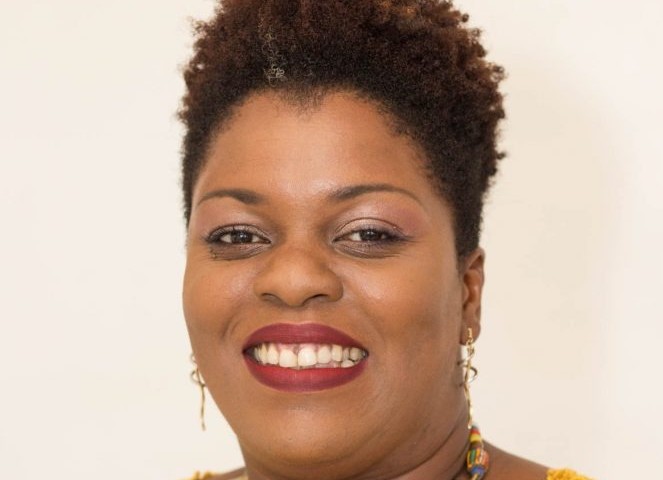
Dominica mourns Marcella André, distinguished communicator and daughter of the soil
The entire Caribbean media community, led by nations Dominica and Antigua and Barbuda, is grieving the passing of Marcella André, a pioneering broadcaster, communications entrepreneur, and beloved mentor whose life and work shaped regional media and empowered generations of emerging professionals.
André’s story was deeply tied to one of the Caribbean’s most devastating modern natural disasters. Born in Dominica, she was just five years old when Hurricane David tore across the island in 1979, destroying infrastructure, displacing thousands, and permanently altering the course of her young life. What was meant to be a temporary evacuation to neighboring Antigua and Barbuda became the foundation of a decades-long career that bridged the two island nations and left an indelible mark on the entire region.
Though she built her professional legacy in Antigua and Barbuda, André never lost her connection to her Dominican roots, and often spoke openly about the complex emotional experience of building a life between two identities, two homes, and two families. In her viral 2018 TEDxAntigua talk titled *Displacement Breeds Discovery*, she reflected candidly on the loss, uncertainty, and disorientation that followed the storm that uprooted her, revealing how she ultimately turned that trauma into a source of purpose and resilience. Her core message — that displacement does not equal defeat — resonated deeply with countless Caribbean people who have faced similar experiences of migration, disaster displacement, and post-crisis rebuilding.
“Looking back at the seemingly disjointed parts of my story allows me to create positive meaning,” André shared in that talk, a line that would become a defining mantra for her life and work.
André’s professional journey spanned more than three decades across both nations. In the 1990s, she held a role at the Dominica Broadcasting Corporation, before rising to become one of the most recognizable voices in Antigua and Barbuda’s private media sector, where she spent more than 15 years as a broadcaster, producer, and media personality with the Observer Media Group and Observer Radio. Her distinctive commanding voice, sharp intellect, and natural ability to connect with audiences earned her widespread respect across the regional industry, and she stood among the group of professionals who drove a transformative era of growth for private broadcasting in Antigua and Barbuda. She worked closely alongside the late Observer Media Group founder Winston Derrick, whom she counted as both a mentor and a friend, and later penned a moving tribute to his legacy after his passing.
Beyond her work in broadcasting, André built a successful regional communications firm, NIA Comms, founded on the core principle of “Purpose plus Excellence.” The full-service consultancy provided a wide range of services to clients across the Caribbean and beyond, including public relations, marketing strategy, event management, social media support, and professional capacity-building training. A sought-after motivational speaker, master of ceremonies, and moderator, she led countless high-profile government, corporate, cultural, and educational events across the region, known for her ability to balance warmth and humor with the authority and professionalism required to steer major gatherings.
André’s greatest passion, however, was lifting up other women and young emerging professionals. In 2020, she partnered with fellow communications specialist Jamilla Kirwan to launch the NIA Mentor Award, an initiative that provides a selected female entrepreneur in Antigua and Barbuda with both EC$7,000 in financial grants and a full year of one-on-one mentorship from seven accomplished regional women business leaders. The program grew out of André’s core belief that true empowerment requires more than inspirational words — it demands practical support, intentional guidance, and intentional creation of opportunity for marginalized groups. She also was a dedicated advocate for Caribbean performing arts, serving as Antigua and Barbuda’s country director for the Caribbean Performing Arts Federation and contributing as both an organizer and performer to regional cultural initiatives.
For the Eastern Caribbean, André’s life was more than a personal success story — it was a reflection of the deep, interconnected familial, cultural, and historical ties that bind the region’s small island nations. She was a fully integrated member of Antigua and Barbuda’s professional and cultural community, while remaining a proud daughter of Dominica, known widely as the Nature Isle. She often drew on her own experience as a displaced child to encourage others to turn hardship into growth, and stands as a powerful example of the immense impact that Dominican diaspora members contribute across the Caribbean.
Tributes poured in across the region this week, with colleagues, mentees, and community leaders remembering André for her unmistakable voice, bold unapologetic personality, and unwavering commitment to excellence. Articulate, fearless, and generous with her knowledge, she prioritized lifting up emerging communications professionals and new entrepreneurs, dedicating countless hours to helping others build confidence and realize their potential.
Her passing is described as a profound loss for three communities: for Dominica, it is the loss of an accomplished native daughter whose influence stretched far beyond the island’s borders; for Antigua and Barbuda, it is the loss of a leading communications figure who shaped the nation’s media, business, cultural, and community development sectors; for the wider Caribbean, it is the loss of a regional leader whose life embodied resilience, reinvention, and the transformative power of purpose-driven communication.
Though her iconic voice that informed, motivated, and inspired so many has fallen silent, those who knew her note that André’s legacy will live on through the hundreds of professionals she trained, the entrepreneurs she mentored, and the countless lives she touched across her 46-year life. As of press time, details surrounding her passing and formal funeral arrangements have not yet been released to the public. Heartfelt condolences have been extended to André’s family, friends, colleagues, and the broader media and communications community across the Caribbean. May she rest in eternal peace.
-

Prime Minister Tours Antigua Cruise Port As Upland Development Project Nears Completion
Antigua and Barbuda’s top leader has conducted an official walking tour of the country’s key cruise port facility, marking a major public milestone as the long-awaited Upland development project enters its final construction phases. The on-site visit, which comes after months of steady work on the multi-purpose infrastructure initiative, gave the prime minister a first-hand opportunity to assess ongoing progress at both the cruise port and connected segments of the broader Upland scheme.
During the tour, the prime minister highlighted the critical role the integrated project will play in boosting Antigua’s tourism sector, which serves as the backbone of the island nation’s national economy. Cruise tourism is one of the largest drivers of visitor arrival growth for Antigua, drawing hundreds of thousands of international travelers to the island each year and generating billions in annual economic activity for local businesses, from hospitality providers to tour operators and small retailers.
The Upland development project, which has been in planning and execution for several years, is designed to upgrade surrounding infrastructure, improve connectivity between the cruise port and inland tourist attractions, and create new public and commercial spaces that will support long-term economic expansion. Government officials involved in the initiative have noted that the project is running largely on schedule, with completion expected in the coming months. Once finished, the upgrades are projected to increase the cruise port’s annual capacity to accommodate larger vessels and higher volumes of passengers, while also improving the overall visitor experience for everyone arriving by sea.
Local stakeholders have echoed the government’s optimism, noting that the finished project will not only strengthen Antigua’s position as a top Caribbean cruise destination but also create new job opportunities for residents across the tourism and construction sectors in the long run.