博客

  • UWI Five Islands and Antigua Bar Association partner to expand legal training

    UWI Five Islands and Antigua Bar Association partner to expand legal training

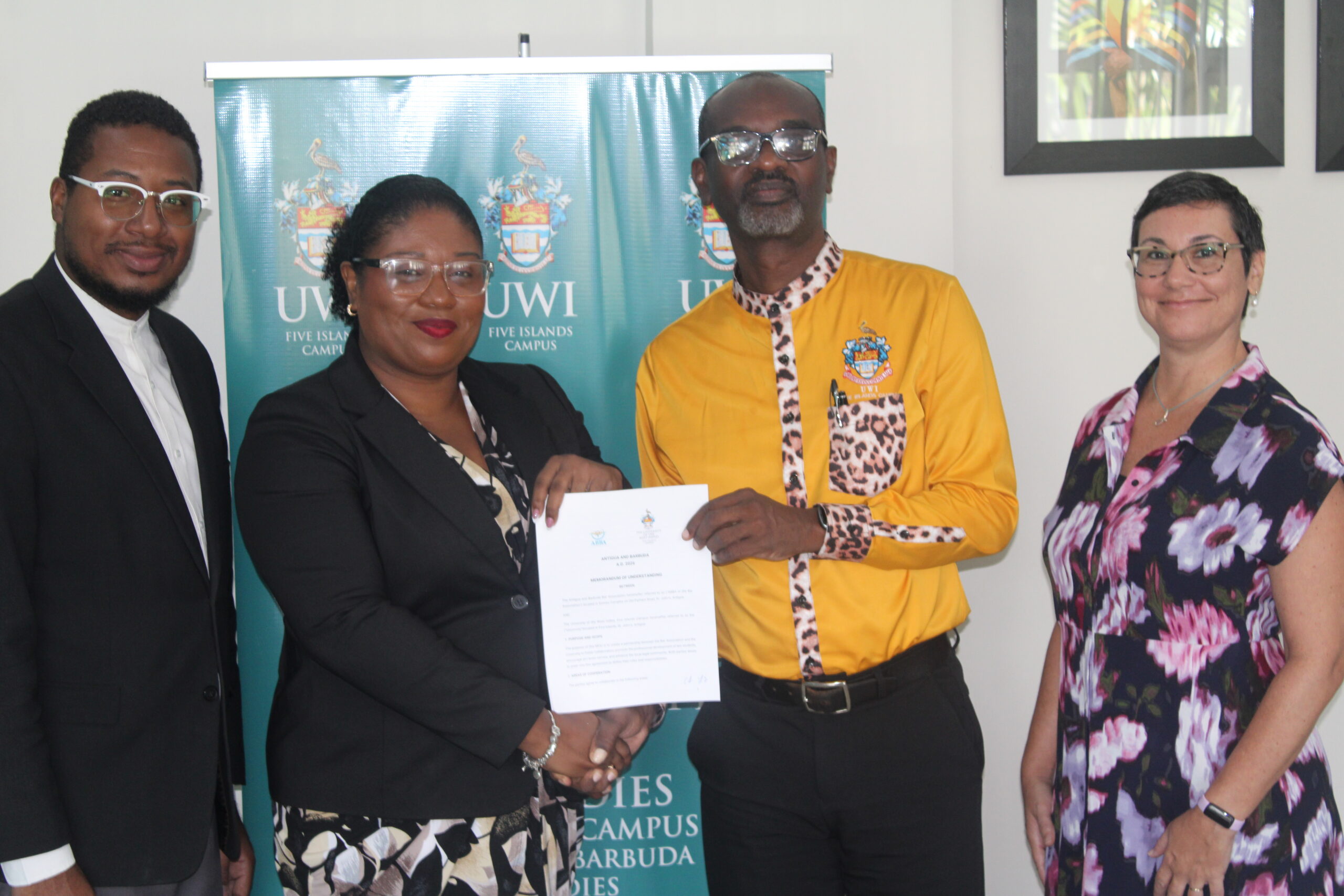
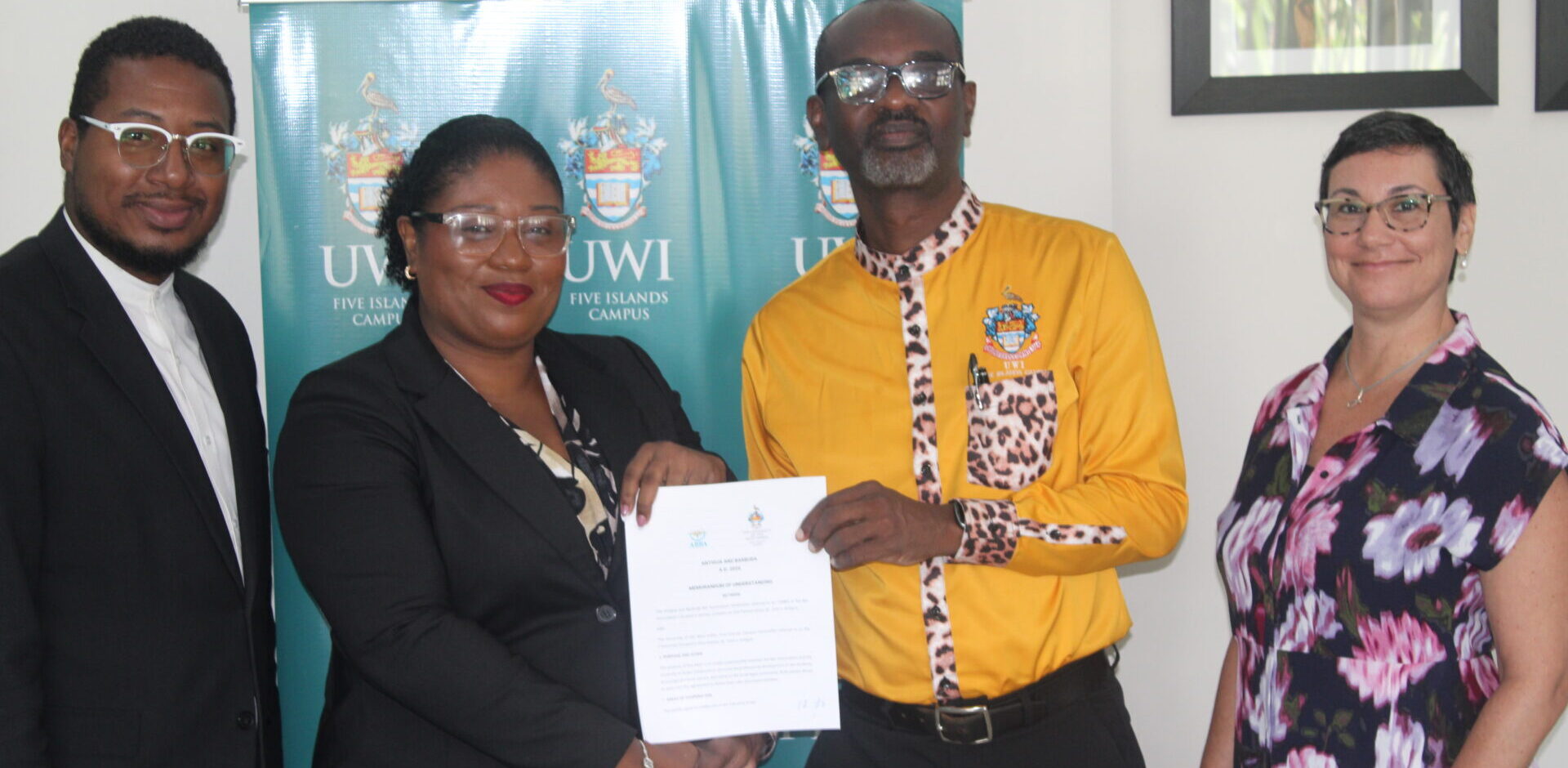
    Legal education in Antigua and Barbuda is set to receive a major boost following a landmark new partnership between the University of the West Indies Five Islands Campus (UWI FIC) and the Antigua and Barbuda Bar Association. The collaboration, formalized via a signed Memorandum of Understanding (MOU) hosted at the Five Islands Campus, aims to expand access to hands-on professional development and real-world learning experiences for emerging law students at the institution.

    Senior stakeholders from both organizations gathered for the official signing ceremony, including Pro Vice-Chancellor and UWI FIC Principal Professor C. Justin Robinson, Assistant Lecturer Jenna Dicocco from the campus’ School of Humanities & Education, Antigua and Barbuda Bar Association President Luann De Costa, and legal sector representative George Looby.

    Professor Robinson emphasized that the agreement arrives at a critical juncture for the campus, which is currently rolling out its new Bachelor of Laws (LLB) programme. The programme has already drawn strong interest, receiving applications from prospective students across Antigua and Barbuda as well as the broader Organization of Eastern Caribbean States (OECS) region.

    “Our goal extends far beyond simply granting students access to a law qualification,” Robinson explained during the event. “We want our learners to develop rigorous research skills and build advocacy expertise centered on the pressing legal issues that impact our own local jurisdiction.”

    For her part, De Costa underscored that the Bar Association intends to take an active, hands-on role in shaping the growth and direction of the new LLB programme, rather than acting as a passive third party. “We are here to be genuine partners in this initiative, not just observers,” De Costa stated. “That commitment covers everything from contributing to curriculum design to one-on-one student mentoring, and supporting students as they work to launch a dedicated student law society and peer-led law journal.”

    The MOU outlines a range of concrete collaborative initiatives between the two institutions. A new structured mentorship scheme will connect participating students with seasoned practicing attorneys from the Bar Association’s membership. The partners will also co-host regular workshops focused on pressing legal topics that deliver tangible benefits to both learners and sector employees.

    Additionally, the Antigua and Barbuda Bar Association will help promote and facilitate internship placements for UWI FIC law students at its member law firms and affiliated legal organizations. In exchange, the university campus will host ongoing Continuing Legal Education (CLE) sessions led by active practicing attorneys, allowing local legal professionals to maintain and update their professional credentials.

    To further connect emerging and established legal professionals, the partnership will also include regular joint networking events that give students direct access to members of Antigua and Barbuda’s wider legal community.

    In a post-ceremony press statement, UWI FIC noted that the new partnership reflects a shared dedication between both institutions to properly prepare the next generation of legal practitioners for work within the Commonwealth Caribbean legal system, while forging deeper, more collaborative ties between the national academic sector and the local legal profession.

  • Antigua and Barbuda moves to publish sex offenders’ names and photographs

    Antigua and Barbuda moves to publish sex offenders’ names and photographs

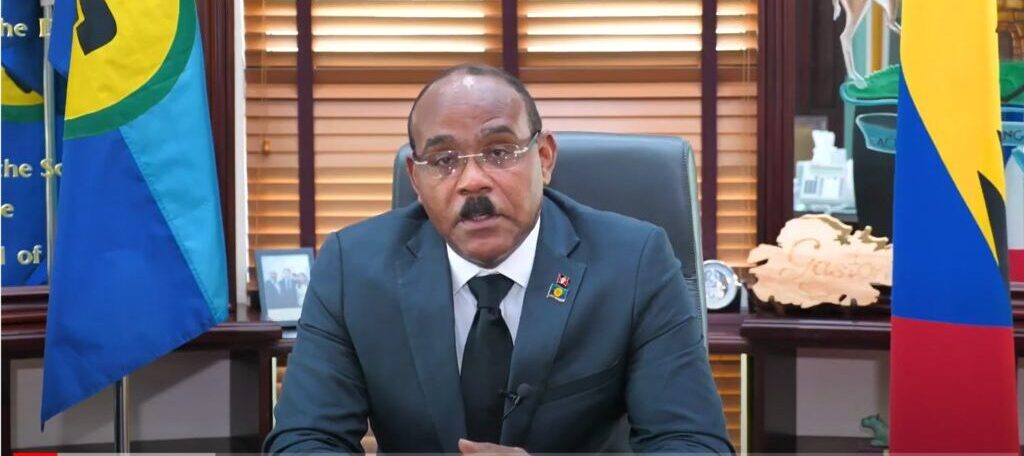
    Against a backdrop of growing public anxiety over sexual violence, particularly against children, the government of Antigua and Barbuda has announced a landmark policy shift to open its national sex offenders registry to far broader public access, including publication of offenders’ names and photographs.

    Prime Minister Gaston Browne made the formal announcement of the proposed reform on Saturday, confirming he has already given formal direction to Attorney General and Minister of Legal Affairs Sir Steadroy Benjamin to advance all required steps to implement the expanded access framework. If approved, the new rules will upend the existing restricted system, which currently only allows members of the public to request information about a specific, named individual via a formal application to the Commissioner of Police.

    In outlining the government’s rationale for the change, Browne emphasized that releasing offenders’ photographs will empower parents, guardians, and local communities to identify convicted offenders and put targeted safety precautions in place, especially in situations where children or other vulnerable groups could be exposed to risk. The Prime Minister did not dismiss legitimate concerns that unrestricted publication of this information could face legal challenges as an infringement of constitutional rights for offenders who have already completed their court-ordered sentences. However, he argued that these individual rights concerns must be weighed against the broader public’s fundamental right to know if a convicted sexual offender resides or works within their community.

    The policy review comes as Antigua and Barbuda has seen a surge in public demand for stronger action to address sexual offences, particularly those involving minor victims. Government leaders and child protection advocates have long pushed for more robust preventative measures, expanded public awareness, and enhanced safety safeguards for at-risk groups. Social and Urban Transformation Minister Rawdon Turner has repeatedly called for public identification of convicted sex offenders, arguing that parents have a right to know when an offender lives near their homes, children’s schools, or local community spaces. Turner has gone so far as to propose that offenders’ names and photos be posted publicly as an explicit public safety warning for local families.

    Antigua and Barbuda first established its national sex offender registry through the National Sex Offender Register Act, passed in November 2022, with the core goals of creating a formal system to register and monitor people convicted of designated sexual offences. From its launch, the registry was designed to help law enforcement agencies track offenders, lower the risk of repeat offences, and share critical offender data with local authorities and partner agencies in other countries. The registry collects a wide range of information on offenders, including full name, nationality, residential address, employment details, fingerprints, photographs, and information about organizations the offender is affiliated with. It covers all major categories of sexual offences, from rape and other sexual assault to incest, sexual activity with minors, and child pornography offences.

    Under the current access rules, members of the public can only submit an application to the Commissioner of Police to confirm whether a specific person they have questions about is listed on the registry. This limited disclosure model was originally crafted to balance public protection needs with safeguards against misuse of offenders’ personal information. The original legislation also includes strict penalties for anyone who obtains registry information under false pretences, misuses the data, or distributes it maliciously, with penalties reaching up to EC$10,000 in fines or three years of imprisonment.

    In the coming weeks, the government will evaluate what changes are needed to enable expanded public access, including whether amendments to the original legislation, new regulatory frameworks, or updated administrative procedures are required. Officials will also need to make key decisions about the scope of disclosure: whether the entire registry will be published online, or access will be restricted to offenders convicted of the most serious crimes, those deemed at highest risk of reoffending, or those ordered by the courts to be publicly listed.

    The reform effort carries broader significance for the Caribbean region, where governments across the bloc continue to grapple with the challenge of monitoring convicted offenders who move freely between neighboring countries. During original parliamentary debate on the 2022 registry legislation, Attorney General Benjamin noted that Antigua and Barbuda already has arrangements to share offender information with regional jurisdictions that hold bilateral security agreements with the country. A number of other Caribbean nations, including Jamaica, Belize, and Trinidad and Tobago, have already implemented their own sex offender registration laws, though the level of public access to these registries varies widely from country to country.

    Further official updates are expected from the Attorney General in the near future, with details to be released on what specific information will be made public, how the new framework will protect the privacy of sexual assault victims, and a firm timeline for when the expanded public access system will go into effect.

  • $5.2 Million Plan Approved to Protect Belize’s Sugar Industry

    $5.2 Million Plan Approved to Protect Belize’s Sugar Industry

    In a decisive move to protect one of the nation’s key agricultural sectors, the Government of Belize has greenlit a $5.2 million emergency program designed to combat an expanding mealybug infestation that threatens sugarcane output and the livelihoods of cane farmers across northern Belize.

    The cost of the intervention will be split evenly between public and private stakeholders: the government is contributing $2.56 million in the form of a grant, while farming communities will cover the remaining $2.56 million through structured deductions from cane delivery payments spread across four upcoming crop cycles. This shared funding model reflects a collaborative commitment to resolving the crisis that impacts all actors along the sugar supply chain.

    Oversight and implementation of the program will be led by the Sugar Industry Research and Development Institute (SIRDI), which has partnered with the country’s four major cane producer associations and Belize Sugar Industries, a subsidiary of the ASR Group, to execute the pest control campaign. The initiative targets a total of 100,000 acres of sugarcane land, encompassing active growing plots, fields slated for imminent harvest, and areas scheduled for replanting.

    To maximize effectiveness in slowing the pest’s spread, the treatment will be rolled out in two separate application phases, each covering 50,000 acres. According to official planning, all scheduled pest control treatments are set to be finished within a two-month window. This accelerated timeline is intentional, designed to rapidly contain the infestation before it can spread to additional growing regions and cause irreversible production declines.

    This emergency intervention comes amid a period of sustained pressure on Belize’s sugar industry, which has already been grappling with a cascade of challenges including shrinking overall output, recurring pest and disease outbreaks, widespread labor shortages, and steadily rising input and operational costs. Industry analysts have flagged the mealybug infestation as an especially urgent threat, as the pest feeds on sugarcane sap, weakening plants and reducing both yield and crop quality if left untreated.

    Government officials emphasize that the primary goals of the emergency program are threefold: eliminate the existing mealybug infestation at scale, preserve the current productivity of Belize’s sugarcane lands, and secure the long-term economic sustainability of the northern region’s sugarcane sector, which supports thousands of livelihoods across rural communities.

  • Kenny Green: Dominica’s CBI programme has delivered major benefits to the country

    Kenny Green: Dominica’s CBI programme has delivered major benefits to the country

    Against a backdrop of mounting European Union pressure to phase out citizenship-by-investment (CBI) schemes across five Eastern Caribbean nations, a prominent former business leader in Dominica has emerged as a vocal defender of the country’s program, outlining its transformative economic and social impact over decades.

    Kenny Green, a well-established local businessman and former president of the Dominica Association of Industry and Commerce (DAIC), made his case during a recent special discussion on DBS Radio, hosted by journalist Daryl Titre titled “CBI Then, Now, The Future, A Look at the Industry”. Green’s remarks center on the program’s pivotal role in pulling Dominica back from the brink of economic collapse following the catastrophic 2017 Hurricane Maria, and its ongoing contribution to large-scale national development.

    When the Category 5 storm made landfall in September 2017, it leveled thousands of homes, shuttered businesses across the island, and destroyed critical public infrastructure, leaving the private sector all but decimated. Green, who led the DAIC in the aftermath of the disaster, recalled that the survival of local business relied entirely on consistent consumer spending from the country’s large public sector workforce. What made that continued spending possible, he explained, was steady salary disbursements to government employees – even for those unable to carry out their regular duties amid the widespread destruction. “Within six months, people were still getting salaries, even though many of them were at home, and they were able to function and consume. That is what brought the private sector back. People forget that,” Green emphasized. This sustained household purchasing power allowed shuttered businesses to gradually reopen and laid the foundation for Dominica’s broader economic recovery, he added.

    Beyond post-disaster recovery, Green stressed that CBI revenue has granted Dominica unprecedented financial sovereignty, allowing the government to fund major infrastructure projects without taking on crippling levels of international debt that would burden future generations. Launched in 1993, Dominica’s CBI program grants citizenship to vetted foreign investors who either contribute to the national Economic Diversification Fund or purchase pre-approved real estate, with all applicants subjected to rigorous security and due diligence screenings.

    Successive Dominican administrations have long credited CBI revenue for enabling progress across key public sectors, including climate-resilient affordable housing, tourism infrastructure, healthcare facilities, educational institutions, and renewable energy projects. Green pointed to a long roster of completed and ongoing developments to back up his claims: new housing developments, upgraded sports facilities, geothermal energy exploration, expanded tourism offerings, and the construction of a new international airport. He noted that the island’s cable-car tourism project is approaching completion, while the planned marina development is on track to move forward in 2025. Of all these projects, Green argued that the new international airport will stand as the ultimate testament to the CBI program’s long-term value, saying “The real project, what will deem our CBI a perennial success—will be the completion of the airport.”

    When compared to CBI programs in other member states of the Organization of Eastern Caribbean States (OECS), Green argued that Dominica’s program has delivered uniquely visible, widespread benefits to local citizens. He clarified that this is not a criticism of other regional CBI initiatives, but noted that Dominica can point to an extensive portfolio of transformative national projects that directly improve quality of life for residents. “In terms of the housing component, investment in sports, geothermal, now the international airport and hotel development, would that not be an attractive thing to say, ‘Look, this is what this thing has been doing for us’?” he asked.

    Green’s defense comes at a critical juncture, as Dominica and four other Eastern Caribbean countries – Antigua and Barbuda, Grenada, St Kitts and Nevis, and St Lucia – face escalating pressure from the European Union to wind down their CBI programs. The European Commission has demanded that these nations phase out their schemes by June 2028, threatening the loss of visa-free access to the Schengen Area if they refuse. The EU has cited concerns over security risks, gaps in applicant screening, and the lack of what it terms a “genuine link” between successful applicants and host countries. In response, Caribbean governments have already strengthened due diligence protocols and deepened regional cooperation to address these concerns.

    Green acknowledged that regional governments now face a difficult policy choice: eliminate their CBI programs, or retain them and risk losing Schengen visa-free access. A key next step is the European Commission’s upcoming assessment under its Visa Suspension Mechanism, scheduled for December 2026, though this assessment does not automatically trigger an immediate termination of visa-free access.

    Despite the external pressure, Green urged regional governments to continue making a strong case for their programs by presenting clear evidence of their development impact, while continuing to refine due diligence processes to uphold program integrity. For Dominica, Green argued that the CBI program is far more than just a revenue stream for the government: it provided critical economic stability during an unprecedented crisis, supported working families when they were most vulnerable, helped save the private sector from collapse, and allowed the country to pursue transformative infrastructure projects that would otherwise have required massive debt accumulation. To date, no Caribbean CBI program has been shut down under the EU’s proposal, and all affected nations still retain visa-free access to the Schengen Area.

  • VIDEO: Labour Day Carnival in Brooklyn

    VIDEO: Labour Day Carnival in Brooklyn

    Thousands of attendees lined the streets of Brooklyn, New York, on Monday to take part in the iconic annual Labor Day Carnival Parade, a vibrant cultural celebration that honors the legacy of American workers while showcasing the borough’s rich multicultural identity. The snapshot captured from the event frames a scene brimming with energy: colorful costumes, marching bands, and handcrafted floats winding through residential and commercial avenues, with spectators cheering from sidewalks and holding homemade signs honoring essential workers who kept communities running through recent economic and public health shifts. Unlike the standard parades held in many other parts of the country for Labor Day, Brooklyn’s iteration has evolved over more than half a century into a gathering that centers both worker solidarity and the immigrant heritage that defines much of the borough. Local small business owners set up pop-up stalls along the parade route, selling traditional street food, handcrafted memorabilia, and promoting worker-led mutual aid programs that provide support to low-income residents and unemployed workers across New York City. Union leaders from multiple industries, including education, healthcare, and transportation, delivered short remarks ahead of the parade, using the occasion to highlight ongoing pushes for fairer wages, safer working conditions, and expanded benefits for gig workers, who make up a growing share of the city’s labor force. Attendees interviewed at the event noted that the parade offers more than just entertainment: it serves as a visible reminder of the collective contributions of working people that underpin every part of American daily life, from the hospitals people rely on to the roads they travel and the schools that educate children. Community organizers confirmed that this year’s turnout was 12 percent higher than the 2025 event, reflecting a renewed public interest in worker advocacy and in-person community gathering after years of scaled-back celebrations. Many attendees brought multigenerational families to the event, passing down traditions of labor activism and cultural celebration to younger generations, with children taking part in youth marching groups and carrying signs advocating for fair working conditions for future workforces. Local officials also echoed the sentiment, noting that the Labor Day Carnival has become a core cultural institution for Brooklyn, drawing visitors from across the country and strengthening the borough’s reputation as a hub of diversity and collective action.

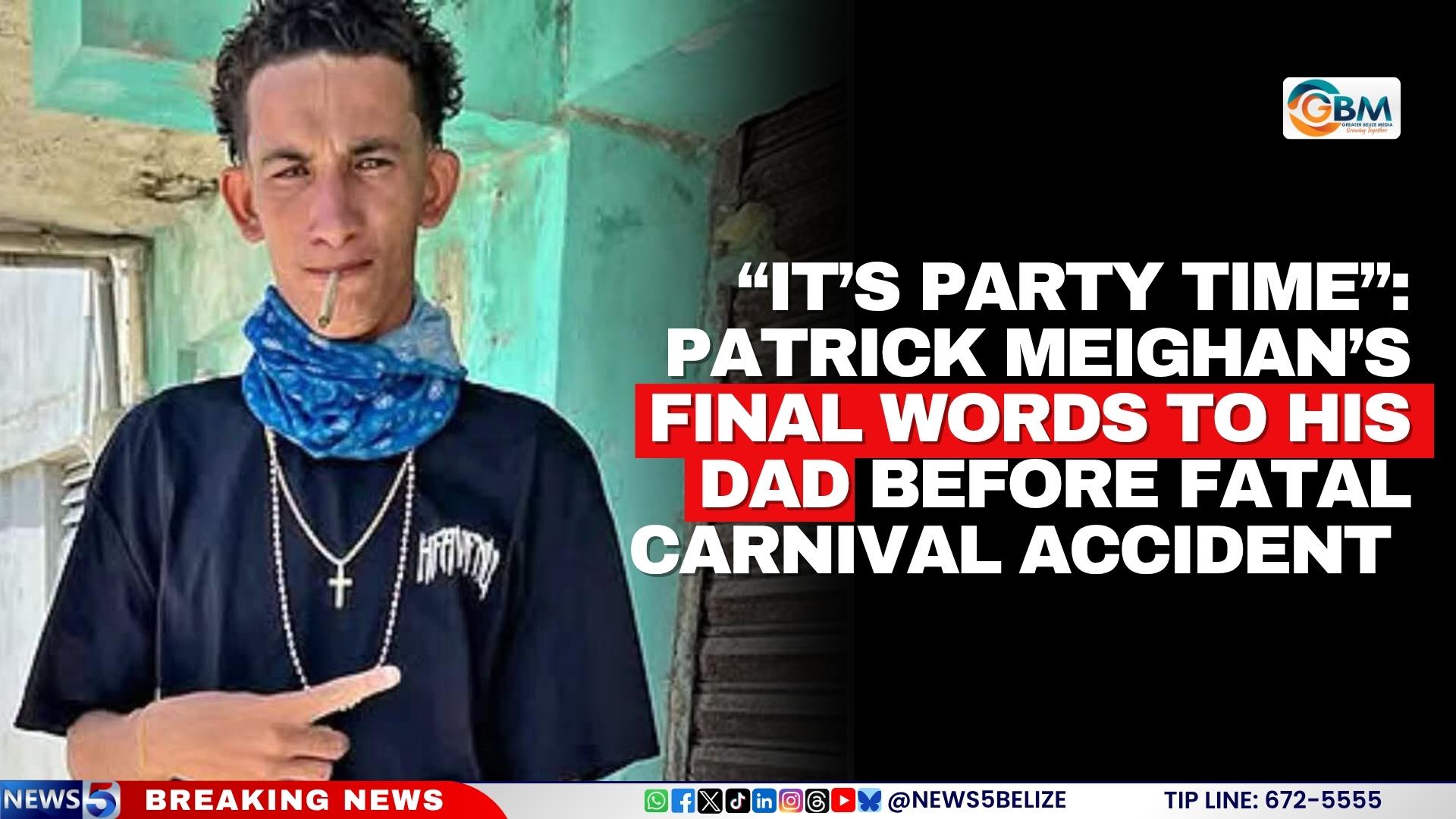
  • “It’s Party Time”: Patrick Meighan’s Final Words to His Dad Before Fatal Carnival Accident

    “It’s Party Time”: Patrick Meighan’s Final Words to His Dad Before Fatal Carnival Accident

    On September 7, 2026, a tragic accident during Belize City’s annual Carnival celebrations left a 25-year-old local man dead, leaving his family and community reeling from sudden loss. Patrick Meighan, a well-liked stevedore employed at the Port of Belize, lost his life around 7 p.m. on Freetown Road after an incident involving a moving Carnival parade truck.

    Preliminary investigations from local law enforcement outline that Meighan attempted to climb onto the moving vehicle while the celebration was underway. During the attempt, his hand became trapped in one of the truck’s wheels, dragging him under the vehicle and causing fatal injuries. His family is still working to reconstruct the full sequence of events, as Meighan’s nephew told relatives the young man had initially ridden a different truck with him before moving to join friends on the truck where the accident occurred.

    The victim’s father, Norris Meighan Sr., shared his devastating experience of learning about his son’s death with local outlet News 5. He first received unconfirmed reports from neighborhood residents, before a phone call delivered the official confirmation. While his wife traveled to the hospital to identify Patrick’s body, a call came to the family home for Meighan’s oldest daughter. She ran to her father in tears, breaking the news that Patrick had died in the Carnival accident.

    In an emotional reflection, Norris Meighan Sr. recalled his last conversation with his son before he left for the celebrations. The elder Meighan said he had openly tried to convince Patrick not to attend this year’s Carnival, citing ongoing concerns about rising gun violence in the area. But Patrick, who was eager to join the festive traditions, brushed off his father’s worries with his final words: “It’s party time. You get too old now, it’s my time.” He then left the home to join his friends for the event.

    Colleagues and family remember Patrick as a high-performing stevedore at the Port of Belize, and a joyful, outgoing person who fully embraced Carnival’s celebratory spirit. His father noted that Patrick was the only one of his seven sons who loved jumping on parade trucks to join the party, a reflection of his adventurous, fun-loving personality.

    This fatal accident marks the second Carnival-related death in the area this year, coming shortly after the passing of 45-year-old Jeremy Clive “Tambran” Hendricks in a separate unrelated incident. Local police have not yet released their full official report on the accident, and the Meighan family says they will wait for the investigation to conclude before commenting further on the circumstances of Patrick’s death.

  • Grenlec opens 2026 Debates Season

    Grenlec opens 2026 Debates Season

    One of the Caribbean’s longest-running youth debating competitions is poised to launch its 2026 season, with 18 secondary school teams across Grenada already deep in preparations for the opening preliminary round scheduled to launch later this month.

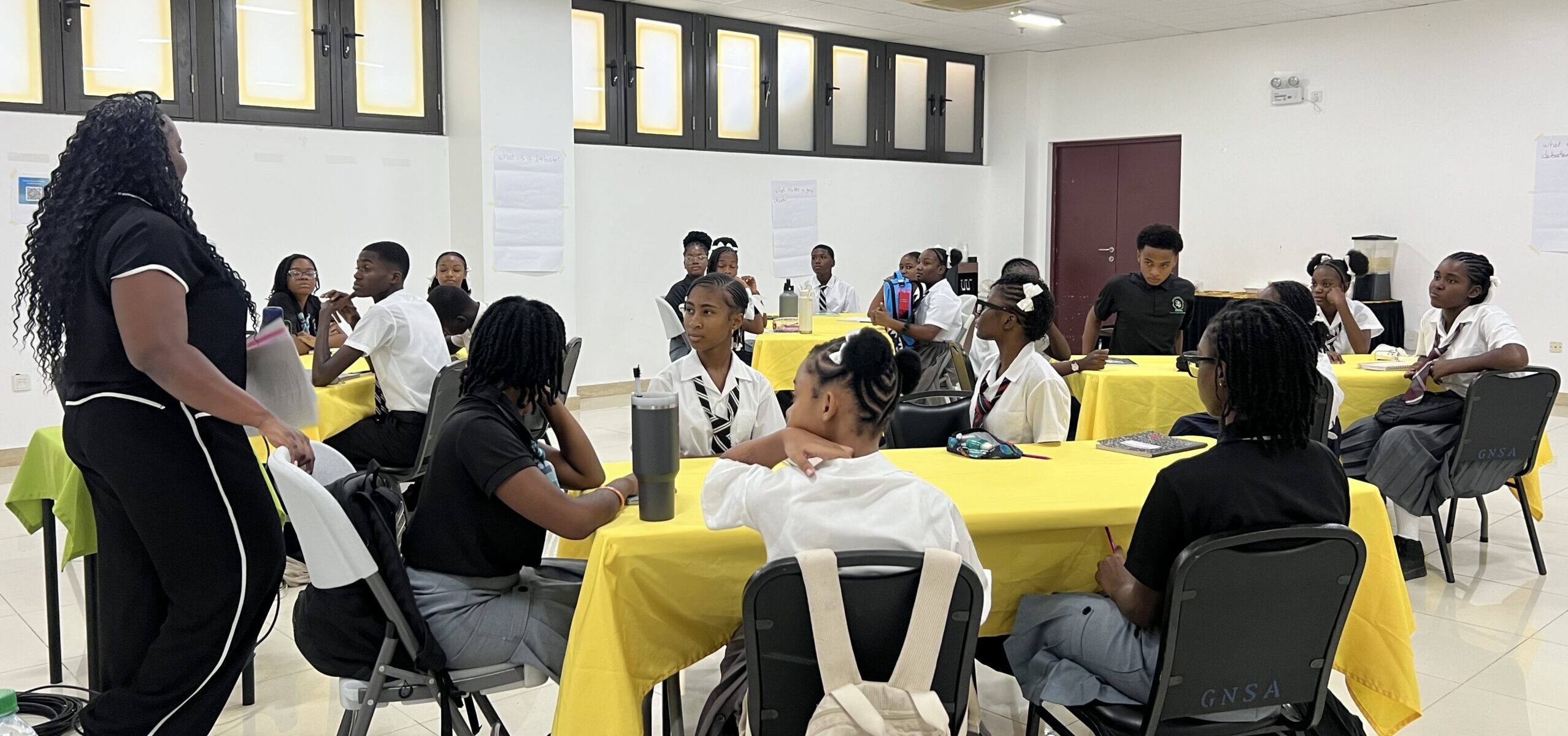
    To set participating students and their coaching staff up for success, a mandatory orientation and skills-building workshop was held on Friday, September 4, ahead of the competition’s official start. The full-day training session centered on building core competencies critical to competitive debating success, with targeted modules covering impromptu debate strategy, rigorous research methods, structured argument development, and polished public presentation techniques. Beyond skill-building, the workshop also created a collaborative space for teams to raise clarifying questions about competition rules, logistics, and judging criteria, resolving any uncertainty ahead of the qualifying rounds.

    Organized and sponsored by Grenlec, the annual initiative has built a 18-year legacy of empowering young people since its launch in 2008. In a statement ahead of the new season, company representatives expressed sincere gratitude for the enduring cross-sector collaboration that has kept the program running for nearly two decades. The initiative relies on ongoing partnerships with participating secondary schools, classroom educators, family supporters, participating students themselves, and stakeholders from both the private and public sectors to deliver the program to young debaters each year.

    Unlike many youth competitions that focus on narrow academic topics, the Grenlec Debates are designed to push students to engage with real-world issues. Participants are challenged to research, refine, and articulate diverse perspectives on pressing topics that impact both local Grenadian communities and global society at large, fostering critical thinking and civic engagement from a young age.

    The 2026 Preliminary Round is set to officially get underway on September 21, with advancing teams moving on to later rounds of the competition in the coming months. This story was distributed via NOW Grenada, which notes that it holds no responsibility for opinions or statements shared in contributed content, and provides a channel for users to report abusive content if encountered.

  • St. Kitts and Nevis mourns death of scholar Zidane Soleil Knight – WIC News

    St. Kitts and Nevis mourns death of scholar Zidane Soleil Knight – WIC News

    The small Caribbean nation of St. Kitts and Nevis is united in grief this week following the passing of Zidane Soleil Knight, a promising young scholar who had been pursuing higher education in Taiwan. Official confirmation of her death has prompted an outpouring of condolences from across the country, with the nation’s Ministry of Education formally extending its sympathies to Knight’s parents, Stanley and Mrs. Knight, and her entire extended family.

    Knight first earned widespread recognition for her exceptional academic ability in her home country, before securing a prestigious Taiwan Ministry of Foreign Affairs (MOFA) scholarship in 2022. She was one of just 11 St. Kitts and Nevis nationals selected to study at accredited Taiwanese universities that year, seven of whom (including Knight) received MOFA-funded awards, while the remaining four were supported by the International Cooperation Development Fund. After accepting her scholarship, Knight relocated to Taiwan to enroll in the mechanical engineering program at National Taiwan Normal University, carrying forward a long track record of academic excellence she built from secondary school onward.

    Her academic achievements began at Basseterre High School, where she turned in a standout performance on the Caribbean Secondary Education Certificate (CSEC) examinations. Official secondary school records show Knight earned 12 Grade One scores and two Grade Two scores on the exams, a feat that earned her regional honors. She continued this streak of excellence after graduating from secondary school.

    In 2019, while studying at Clarence Fitzroy Bryant College, Knight received special recognition from the nation’s Department of Statistics for earning the top score in Applied Mathematics Unit One (Statistical Analysis) on that year’s CAPE examinations. Beyond her academic work, Knight also demonstrated notable talent in the performing arts. In 2018, she was named one of St. Kitts and Nevis’ 25 Most Remarkable Teens in the Performing Arts category, honoring her contributions and achievements in that creative field.

    Knight’s passing cuts short a remarkable early career defined by consistent, groundbreaking achievement. Alongside her immediate family, she is mourned by former classmates, teachers, friends, and community members across St. Kitts and Nevis, all of whom have shared their sorrow and tributes in the wake of her death. As of this report, official sources have not publicly disclosed the cause or specific circumstances surrounding Knight’s death, and have only confirmed the news of her passing and verified the details of her extensive academic accomplishments.

  • Carnival Morning Turns Deadly for Pickstock Street Man

    Carnival Morning Turns Deadly for Pickstock Street Man

    A quiet pre-dawn Saturday in Belize City’s Pickstock Street neighborhood ended in tragedy on September 7, 2026, when 45-year-old Jeremy Clive “Tambran” Hendricks was killed in a stabbing linked to a domestic confrontation, mere hours before the city’s annual 2026 Carnival Road March was set to kick off.

    Local law enforcement received the emergency call shortly after 3 a.m., and officers rushed to the residential address where the altercation unfolded. Upon arrival, first responders found Hendricks suffering from severe bleeding from a stab wound to his right arm. He was immediately transported by emergency medical personnel to Karl Heusner Memorial Hospital, the country’s main public healthcare facility, for urgent surgical intervention. Despite medical teams’ best efforts to save his life, Hendricks succumbed to his injuries, and he was pronounced dead just before 5 a.m.

    Preliminary investigative findings from the Belize Police Department confirm that the fatal violence stemmed from a confrontation between Hendricks and his common-law wife. According to initial reports, the verbal dispute escalated into physical conflict, during which the woman allegedly stabbed Hendricks. As of the latest updates, authorities have taken the common-law wife into custody for formal questioning, and investigators continue to piece together the full sequence of events leading up to the stabbing.

    For Hendricks’ family, the sudden and violent loss has left deep grief and trauma. His sister spoke publicly with local outlet News 5, remembering him as a warm, loving person who adored his family. “He was a nice and loving uncle to his niece and nephew, and they’re very much hurt and traumatized by this incident to be honest,” she shared. “We’re really hurt a lot. Like I say, it’s just time and God, so we’ll leave everything in God’s hands, that’s all I can say. He really loved his family and his family members.”

    The shocking killing has cast a somber shadow over what was meant to be a day of joyful celebration for the Belize City community, as carnival-goers prepared to gather for one of the country’s most popular annual cultural events. Local authorities have not yet announced any changes to the Carnival Road March schedule following the incident.

  • The UWI Five Islands Campus and Bar Association Sign MOU

    The UWI Five Islands Campus and Bar Association Sign MOU

    A landmark partnership agreement between The University of the West Indies (The UWI) Five Islands Campus and the Antigua and Barbuda Bar Association was formalized last week at a signing ceremony hosted on the Antigua-based campus, marking a major step forward for legal education in the Eastern Caribbean. The event brought together key institutional stakeholders, including Pro Vice-Chancellor and Campus Principal Professor C. Justin Robinson, Assistant Lecturer Jenna Dicocco from the School of Humanities & Education, Antigua and Barbuda Bar Association President Luann De Costa, and local legal representative George Looby.

    Opening the ceremony, Professor Robinson emphasized that the timing of the new Memorandum of Understanding (MOU) could not be better, coming alongside the official launch of the campus’s new Bachelor of Laws (LLB) programme. The programme has already seen strong demand from prospective students across Antigua and Barbuda and the wider Organization of Eastern Caribbean States (OECS) region. He underlined that the partnership goes far beyond simply expanding access to a qualifying law degree for regional students. Instead, the shared goal is to empower the next generation of Caribbean legal professionals to conduct original research and build advocacy capacity around the pressing local legal challenges that shape life across the region’s jurisdictions.

    De Costa echoed Robinson’s vision, reaffirming the Bar Association’s commitment to long-term, active collaboration rather than passive involvement in the programme. “We’re here to be a real partner in this, not just observers,” she stated. Outlining the core areas of collaboration, she shared that the association will contribute directly to curriculum development to ensure the programme aligns with local practice needs, deliver one-on-one mentorship for enrolled students, and support student-led initiatives including the establishment of a campus law society and an academic student law journal.

    According to The UWI Five Islands Institutional Communications (FIC), the partnership embodies a shared commitment between the two institutions: to train emerging legal professionals to practice competently within the Commonwealth Caribbean’s unique legal framework, while also strengthening productive ties between the academic campus and the local practicing legal community.

    Established in 2019 as the fifth official campus of The UWI, The UWI Five Islands Campus represents a historic milestone for higher education access across the Eastern Caribbean. Situated in Antigua and Barbuda, the campus brings the UWI’s globally recognized academic excellence directly to the heart of the Caribbean region. As part of the broader UWI system, which holds consistent top rankings in the Times Higher Education (THE) World University Rankings, the campus adheres to the same rigorous academic standards that have made the UWI a leading beacon of educational achievement across the Caribbean for decades.

    Today, the campus offers more than 45 accredited undergraduate and postgraduate degree programmes across four core academic schools: the School of Humanities and Education, the School of Business and Management, the School of Health and Behavioural Sciences, and the School of Science, Computing and Artificial Intelligence. It also hosts the regional Centre of Excellence for Oceanography and the Blue Economy (COBE), an institution dedicated to advancing cutting-edge marine science research and driving sustainable ocean-focused economic development – two priorities that are critical to the economic and environmental resilience of Caribbean small island developing states. More information about the campus and its programmes can be found at its official website: www.fiveislands.uwi.edu.