博客

  • Engineer backs US study highlighting energy transition barriers

    Engineer backs US study highlighting energy transition barriers

    Barbados’ ambitious goal to shift from fossil fuels to renewable energy has hit a major roadblock, according to a new U.S.-led study that has sparked sharp debate among local energy experts over the root causes of delays.

    The study, conducted by U.S.-based research firm MarketScale, pinpointed deep-rooted structural and regulatory barriers that have slowed the island’s transition, noting that long-standing industry power dynamics have reinforced the status quo rather than driving meaningful change. Barbados still relies heavily on costly imported fossil fuels to power its national electricity grid, the research found. It also highlighted that two key players — the private utility Barbados Light and Power Company Ltd. and state-owned Barbados National Energy Company — hold structurally dominant positions in the local energy market, blocking out alternative models and underutilized renewable technologies including onshore wind, pumped-storage hydro, and biofuels made from locally sourced sargassum and sugarcane bagasse.

    The findings, first reported by Barbados TODAY on Friday, drew contrasting reactions from two leading local energy industry figures. Trevor Browne, a veteran electrical engineer and former president of the Barbados Association of Professional Engineers (BAPE), publicly backed the MarketScale analysis, arguing that bureaucratic and structural gridlock has effectively stalled the entire transition.

    Browne pushed back against claims that institutional resistance from incumbent energy providers is not a primary barrier, a position held by Aidan Rogers, former president of the Barbados Renewable Energy Association (BREA). Rogers dismissed the MarketScale study as lacking both contextual accuracy and local nuance, arguing that Barbados has already taken significant steps to curb the influence of long-standing market incumbents. Instead, Rogers blamed under-resourced regulatory bodies and poorly defined intervenor processes for the slow pace of change, noting that delays in licensing, tariff setting, planning approval and regulatory decision-making are the main drags on progress.

    But Browne rejected that framing, saying the MarketScale study offers one of the most accurate breakdowns of the systemic challenges holding back Barbados’ energy transformation. Six years after the government launched its landmark 2019–2030 National Energy Policy (BNEP), Browne emphasized, the country still has no detailed public implementation plan outlining how the shift from fossil fuels to renewables will be rolled out. He pointed to high-profile unresolved examples, including a 2022 rate hike application submitted by Barbados Light and Power that remains pending as of 2026, with consumers stuck on temporary interim rates with no clarity on when a final decision will be reached.

    Transitioning the entire national energy system while keeping core services operational is an unprecedented challenge that requires overcoming major technical, administrative, financial, political, social and educational hurdles, Browne explained. He aligned with the MarketScale conclusion that incumbent providers actively resist shifts that would disrupt their existing market power, arguing that the current sector structure continues to dictate the slow pace and conservative direction of the transition.

    Browne also noted that the study identifies multiple underpromoted viable alternative energy approaches that have been sidelined to protect the status quo. “Concepts such as cooperative ownership, the use of biofuels such as bagasse and sargassum, and of pumped storage – rather than battery storage, appear to have been discarded due mainly to various pressures applied in order to maintain their status quo, by the incumbent, dominant players,” he said.

    The veteran engineer stressed that fundamental planning, structural and regulatory issues remain unaddressed six years after the BNEP was adopted, which is why the transition has ground to a halt. “Such a complex engineering and management undertaking as the BNEP can never be implemented successfully in the absence of very exact and detailed professional preparation, planning, and strategising being put into place upfront. No such planning has ever been shared with the public or with the various stakeholders,” he said.

    Unresolved core issues range from sector ownership structures and regulatory frameworks to financing models and legal provisions, Browne added. He also warned of a growing “photovoltaic dead end,” where hundreds of millions in private solar investment has been effectively trapped because the national grid lacks sufficient energy storage capacity to absorb the extra power generated. The ongoing uncertainty around the unresolved rate case and the absence of a clear national strategy has also spooked potential investors, he noted.

    To move the process forward, Browne is calling on the Barbadian government to treat the energy transition as the large-scale, complex engineering project it is, and hand oversight to experienced professional administrators. He proposed establishing a multi-disciplinary panel of engineering, financial, regulatory and business experts to develop a comprehensive overarching framework and draft a formal public national energy transformation plan. Additional recommendations include updating outdated energy legislation and regulatory rules, appointing a dedicated professional engineering or project management entity to oversee day-to-day implementation, and ensuring full public and stakeholder engagement and education throughout the process.

    Browne emphasized that the success of the BNEP is critical to securing long-term energy reliability for Barbados, and that industry stakeholders stand ready to support the government in delivering on the policy’s goals.

  • Blaze damages Comatillo Camp in Monte Plata; no injuries reported

    Blaze damages Comatillo Camp in Monte Plata; no injuries reported

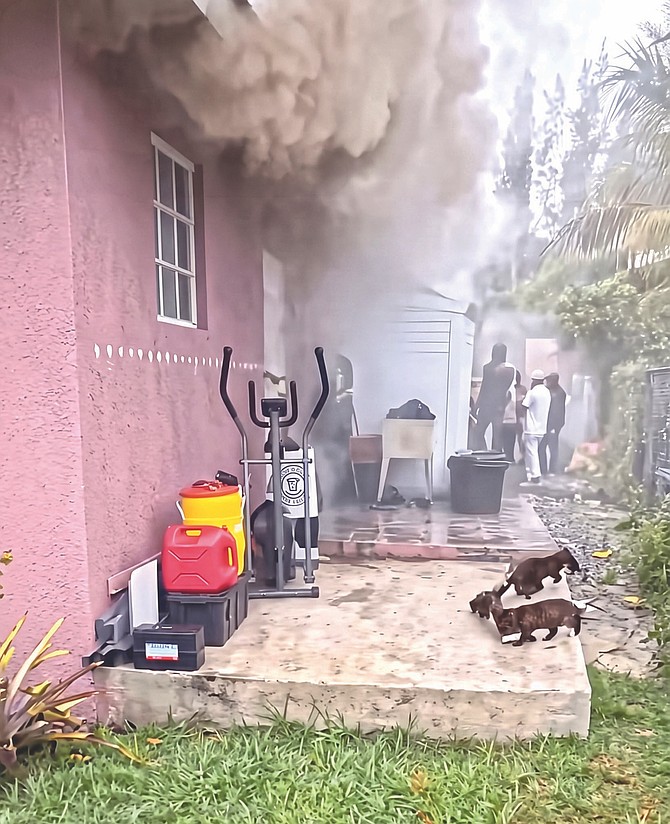
    On a Wednesday morning, an unexpected blaze broke out at the Comatillo recreational camp, nestled in the namesake community of Bayaguana municipality, Monte Plata province. Early preliminary official statements confirm that while the fire has left a trail of extensive material destruction across the site, it has fortunately not resulted in any recorded injuries or loss of life.

    At the time the fire ignited, the popular summer campsite was playing host to hundreds of vacationers who had gathered to take part in a series of pre-organized seasonal activities. In the immediate aftermath of the blaze being detected, site managers and local emergency personnel moved quickly to initiate a full precautionary evacuation, guiding all camp occupants away from the danger zone and moving them to pre-designated safe locations off-site. This rapid, coordinated response was directly credited for the complete absence of injuries among visitors and staff.

    Local law enforcement and emergency management authorities have formally verified that the incident has only caused damage to physical property and infrastructure. First responders from regional fire and emergency services have already completed work to secure the perimeter of the affected area, preventing the fire from spreading to adjacent woodlands or neighboring residential properties. Administrative officials have now launched an official process to survey the damage and document the full scope of losses to the camp.

    At present, official investigators are conducting a thorough on-site probe to pinpoint the exact origin and root cause of the fire. As of the latest update, authorities have not published any additional details about how the blaze started, nor have they released a public estimate of the total financial cost of the damage sustained by the camp.

  • Abinader creates citizen oversight commission for DO Sostenible Trust

    Abinader creates citizen oversight commission for DO Sostenible Trust

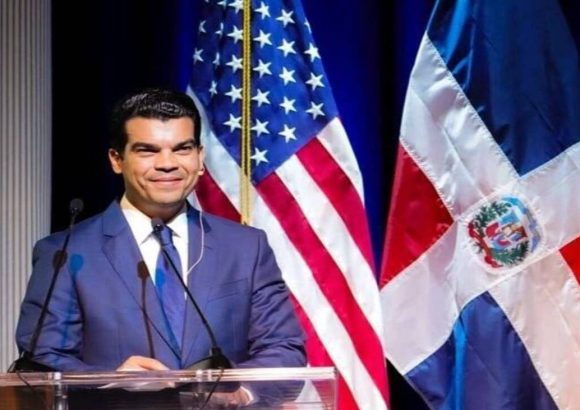
    In a move designed to embed greater transparency and public accountability into the country’s evolving solid waste management framework, Dominican Republic President Luis Abinader has signed Decree No. 498-26, formally creating a new Citizen Oversight Commission tasked with monitoring the DO Sostenible Trust. This initiative marks a key step forward in the government’s commitment to delivering ethical, rule-compliant management of public resources dedicated to improving waste infrastructure across the nation.

    The newly formed commission operates as an independent advisory and honorary body, with a core mandate to track both the on-ground implementation and financial management of all projects funded through the DO Sostenible Trust. Its core responsibilities include verifying that all spending and program activities align with the Dominican Republic’s existing solid waste management legislation, as well as publishing regular periodic oversight updates and a comprehensive annual public report on the trust’s operations. This level of public reporting is intended to give civil society and ordinary citizens clear visibility into how public and donor resources are being used for waste management improvements.

    Five experienced professionals have been appointed to serve on the commission, selected specifically for their demonstrated independence, established reputation for integrity, and confirmed lack of conflicts of interest related to the trust’s activities. Alliet Ortega will lead coordination of the commission’s work, joined by fellow members Manuel García Arévalo, Giselle Pérez Reyes, Roberto Despradel Catrain, and Ruth de los Santos. Before taking office, all commission members are required to sign a formal ethical commitment that formalizes pledges to maintain their independence, uphold strict confidentiality for sensitive information, and disclose any potential conflicts of interest that may arise during their tenure.

    Under the terms of the presidential decree, the commission holds broad authority to fulfill its oversight mandate: it may formally request any necessary information from trust administrators, accept input and recommendations from ordinary citizens and relevant industry stakeholders, and propose targeted policy and operational adjustments to strengthen transparency, institutional integrity, and overall management of the DO Sostenible Trust.

    This new oversight body directly supports the full implementation of the country’s General Law on Integrated Solid Waste Management, reinforcing the current administration’s ongoing efforts to build a more sustainable, transparent system for handling solid waste across the Dominican Republic. By creating a formal role for independent citizen oversight, the government has signaled its intent to address longstanding concerns about resource mismanagement in public environmental projects, while creating a new channel for public participation in sustainability initiatives.

  • Dominican Migration investigates agents after viral video of migrant transport in San Juan

    Dominican Migration investigates agents after viral video of migrant transport in San Juan

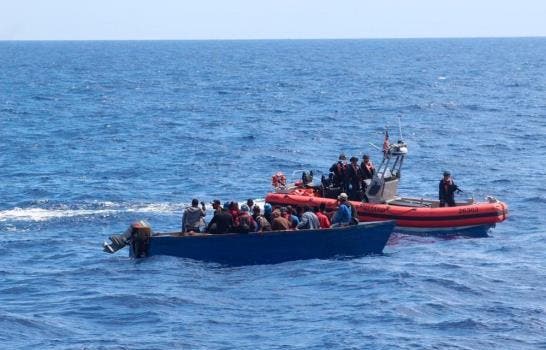
    In the Dominican Republic, the country’s General Directorate of Migration (DGM) has opened an internal disciplinary investigation against two of its uniformed officers, following the rapid spread of a user-recorded video across social media platforms that captures an unusual and controversial detainee transport operation in the southwestern city of San Juan de la Maguana.

    The 15-second clip, which was widely shared by users starting July 21, shows the arrested Haitian migrant strapped between the two immigration agents on a single motorcycle, with no visible secure restraints or safety measures in place. The footage quickly triggered widespread public criticism, with migration policy analysts and human rights observers questioning whether the transport method violated existing DGM safety protocols designed for detention and enforcement operations.

    In an official statement released to the public following the viral spread of the video, DGM officials provided context for the incident. According to the agency, the two agents were dispatched to respond to a disturbance report at the Plaza Líbano commercial area, where the undocumented migrant was accused of stealing goods from local retailers. DGM representatives said the man actively resisted the arrest attempt and acted aggressively toward responding officers, forcing the agents to restrain him before moving him to a nearby immigration detention center. With no official department transport vehicle immediately available, the agents made the decision to move him on their service motorcycle.

    The agency further confirmed that during the short trip to the detention facility, the detainee made sudden, unexpected movements that caused the motorcycle to tip over and crash. Even after the fall, the officers chose to continue transporting the man using the same motorcycle method — a decision that was recorded by a bystander and ultimately led to the agency’s internal investigation into potential policy violations.

  • Abinader inaugurates Porto Town Center, expected to strengthen commerce in Arroyo Hondo

    Abinader inaugurates Porto Town Center, expected to strengthen commerce in Arroyo Hondo

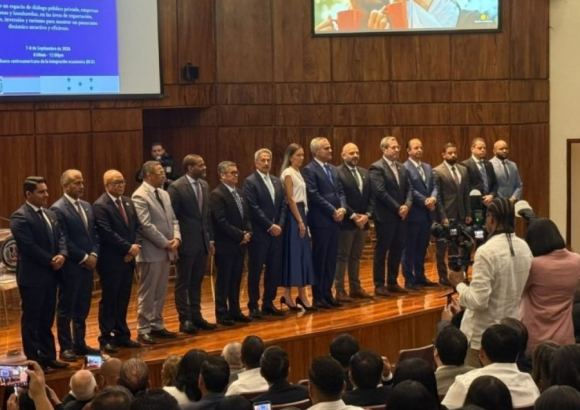
    On a formal inauguration ceremony held in Santo Domingo, Dominican Republic President Luis Abinader officially opened Porto Town Center by La Marquesa, a newly built mixed-use commercial hub located in the Arroyo Hondo district. This development has been widely framed as a clear indicator of strengthening private sector trust in the country’s national investment landscape.

    Spanning across 7,200 square meters of purpose-built space, the plaza houses 71 distinct commercial units designed to accommodate a diverse range of tenants, including retail outlets, casual and fine dining restaurants, professional service providers, and both global brand names and local Dominican businesses. Beyond its commercial function, the project is projected to deliver substantial employment benefits to the local economy: it will generate over 350 direct job positions, alongside an additional 100 indirect roles, injecting new momentum into regional employment rates and overall economic activity.

    Speaking at the opening event, Dominican Housing Minister Víctor “Ito” Bisonó emphasized that the completion of Porto Town Center serves as tangible proof of growing investor confidence in the current economic stability, consistent legal framework, and pro-business regulatory ecosystem that the Abinader administration has cultivated over recent years. Echoing this positive assessment, both developer representatives and leadership from the Juan Valdez coffee franchise, one of the plaza’s anchor tenants, pointed to targeted government support and forward-thinking policies designed to stimulate private investment as critical enabling factors that made the large-scale development possible.

    Local government officials further noted that the new commercial center will fill gaps in Arroyo Hondo’s existing retail and service infrastructure. By offering area residents a modern, environmentally sustainable, and easily accessible destination for shopping, leisure dining, and daily services, the plaza is set to become a key community gathering space while elevating the district’s overall commercial appeal.

  • Canadian wildfire smoke to impact air quality in the Dominican Republic

    Canadian wildfire smoke to impact air quality in the Dominican Republic

    Residents of the Dominican Republic are bracing for declining air quality over the coming days, as two separate transcontinental pollution events are set to sweep through the island nation, according to leading meteorological analyst Jean Suriel. The overlapping hazards, consisting of lingering wildfire smoke from Canada’s ongoing blazes and a fresh, seasonal dust plume originating from the Sahara Desert, are projected to combine to create unhealthy breathing conditions across much of the country.

    Suriel explained that the initial wave of Canadian wildfire smoke has been transported all the way to the Caribbean region by a low-pressure trough stretching across the North Atlantic. As this smoke disperses across Dominican territory, it raises the risk of uncomfortable and potentially dangerous allergic reactions for sensitive groups including children, the elderly, and individuals with preexisting respiratory conditions.

    Beyond the air quality impacts, the same weather system that carried the smoke will bring variable precipitation to multiple regions of the country. Periods of rainfall are expected across the Central Mountain Range, as well as the country’s southeast, northeast, and northwest regions. Conditions are set to shift by Thursday, when the trough combined with the approaching Tropical Wave No. 29 will spark broader coverage of showers and thunderstorms across the nation. This same shift will also push most of the Canadian wildfire smoke out of Dominican airspace by the end of the day, offering only a brief reprieve before the next hazard arrives.

    Meteorological forecasts project that the 12th Saharan dust cloud of the 2024 season will make landfall in the Dominican Republic on Friday, and will remain trapped over the area through Sunday. Suriel warned that this dust plume will bring widespread hazy skies that will reduce visibility, push daily temperatures higher than the seasonal average, and exacerbate existing risks for people living with allergies and chronic respiratory illnesses such as asthma. Health officials are expected to issue public warnings in the coming days advising sensitive groups to limit prolonged outdoor exposure while both hazards are present.

  • Chilean delegation visits Dominican Republic to study irrigation technology

    Chilean delegation visits Dominican Republic to study irrigation technology

    A high-level technical delegation from Chile’s National Irrigation Commission (CNR) has arrived in the Dominican Republic for a week-long knowledge-sharing visit, hosted by the Dominican Executive Directorate of National Irrigation Technology (TNR). The trip centers on examining the Caribbean nation’s cutting-edge progress in irrigation innovation and climate-controlled protected agriculture, as part of a broader bilateral cooperation agreement between the two countries.

    The core goal of this collaborative initiative is to facilitate the cross-border exchange of technical knowledge, industry-tested best practices, and proven institutional management models, with the ultimate aim of boosting agricultural innovation capacity for both nations. Over the course of the visit, Chilean delegates are holding in-depth working sessions with senior TNR officials and conducting on-site tours of advanced greenhouse irrigation projects across three key Dominican agricultural regions: Jarabacoa, San José de Ocoa, and Azua.

    During these site visits, the CNR team is closely studying Dominican strategies for cutting water waste through efficient conservation frameworks, integrating emerging technologies into agricultural water management, and raising overall crop productivity to meet growing domestic and export demand. At the official opening session of the visit, TNR Planning and Development Director Manuel Mejía underscored how far the Dominican Republic has advanced in recent years to modernize its national irrigation infrastructure and scale up production in controlled agricultural environments.

    Mejía emphasized that this peer-to-peer exchange is far more than a technical visit: it is a critical opportunity to strengthen regional collaboration on sustainable agriculture and build long-term institutional capacity for both sides. For their part, the Chilean delegation has also presented an overview of their own country’s decades of experience in irrigation system governance and water resource management. By the end of the visit, both delegations confirmed they are actively exploring new avenues for future joint work focused on advancing sustainable, climate-resilient agricultural development across the region.

  • German citizen identified as man who fell onto Santo Domingo Metro tracks

    German citizen identified as man who fell onto Santo Domingo Metro tracks

    A terrifying late-night incident at one of Santo Domingo’s busiest metro stations ended with a positive outcome Tuesday, after a 63-year-old German national survived a fall onto active tracks as an incoming train approached, local transportation authorities confirmed this week.

    The accident unfolded at approximately 10:15 p.m. at the Juan Pablo Duarte Station on Line 1 of the Santo Domingo Metro, while a train traveling toward Santo Domingo Norte’s Villa Mella neighborhood was pulling into the platform. The Metropolitan Transportation Company, known locally by its Spanish acronym EMT, identified the fallen man as Frank Diesterbeck.

    Responding quickly to the emergency, EMT teams immediately activated their full standard safety and emergency response protocols, placing an urgent call to the Dominican Republic’s National Emergency and Security System (9-1-1). First responders coordinated rapidly to extract Diesterbeck from the tracks and transfer him to the Dr. Ney Arias Lora University Teaching Traumatology Hospital, the capital’s leading specialized trauma care facility.

    On Wednesday, hospital director Víctor Rosario Suazo publicly clarified key details about the incident, dismissing any speculation that Diesterbeck had intentionally jumped onto the tracks. According to Suazo, the fall was triggered by a pre-existing neurological complication tied to a previous stroke the man had experienced. While waiting on the platform, the condition caused a sudden loss of muscle strength that left him unable to maintain his balance, leading to the fall.

    “He didn’t jump; he fell. He lost muscle strength due to a neurological deficit resulting from his underlying condition,” Suazo confirmed in a press statement.

    Medical teams added that Diesterbeck reported feeling lightheaded and dizzy in the moments just before he lost his balance. EMT officials also noted that the man lives with chronic vision impairments, a pre-existing condition that may have compounded the risks of the sudden medical episode and contributed to the accident.

    Initial medical evaluations found that Diesterbeck suffered a fractured left ankle alongside multiple soft tissue injuries from the fall. As of Wednesday, he remained hospitalized under close observation, in overall stable condition. Clinical teams have not ruled out the need for surgical intervention to address his injuries.

    In an official statement released after the incident, EMT expressed regret over the unexpected accident, extended well wishes to Diesterbeck for a full recovery, and thanked fellow passengers at the station for their calm cooperation during the emergency response that allowed first responders to act quickly. The agency also reiterated its longstanding commitment to upholding the highest standards of passenger safety, and to the consistent, strict implementation of all established emergency response protocols across the entire metro network.

  • Abinader honors 30 top students of Dominican descent from abroad at National Palace

    Abinader honors 30 top students of Dominican descent from abroad at National Palace

    In a symbolic ceremony held at the National Palace in Santo Domingo, Dominican President Luis Abinader formally welcomed 30 top-performing students of Dominican origin from across the globe as part of the 2026 edition of the Dominican Pride Abroad (ODEX) program, the initiative’s fourth iteration.

    Organized by the Institute of Dominicans Abroad (Index), ODEX was designed to serve two core purposes: first, to celebrate the exceptional academic accomplishments of young Dominican diaspora members building lives outside their ancestral homeland, and second, to deepen the cultural and emotional bonds between these young people and the Dominican Republic through a structured six-day program of cultural and civic engagement activities.

    In his opening remarks to the gathered students and their family members, President Abinader emphasized the lasting place of diaspora communities within the Dominican national identity, urging attendees to nurture their connection to their heritage. “We want you to feel Dominican too. There will always be a country here waiting for you with open arms,” he told the group.

    The meeting between the president and the students extended for an hour, during which Abinader responded to questions on a wide range of policy and national progress topics, spanning systemic improvements to Dominican education, targeted poverty reduction campaigns, expanding access to healthcare, and major infrastructure upgrades for public transportation. He also shared personal reflections on his own journey into electoral politics and outlined his administration’s long-term vision for inclusive national growth.

    The participating students, who traveled alongside their family members, arrived to the Dominican Republic from eight countries and territories across North America, Europe, and South America: the United States, Puerto Rico, Spain, Italy, England, Argentina, Chile, and Panama. The 2026 ODEX program runs from July 20 to July 25, and beyond the meeting at the National Palace, it includes scheduled guided visits to leading cultural sites such as national museums and the historic Colonial City, as well as tours of the National Congress and key national government institutions.

  • Marileidy Paulino exhibition highlights Olympic champion’s remarkable journey

    Marileidy Paulino exhibition highlights Olympic champion’s remarkable journey

    Santo Domingo, Dominican Republic – Olympic gold medalist Marileidy Paulino has made a personal visit to a career-spanning photo exhibition curated in her honor, drawing crowds of sports fans and art enthusiasts to Galería 360 where the show will remain open through the end of August. Titled “Marileidy: Images of a Champion,” the retrospective is backed by long-time Paulino supporter Banco Popular Dominicano, one of the nation’s leading financial institutions.

    Curated from the work of acclaimed Dominican photographer María Elena Moré, the exhibition showcases 39 carefully selected images captured across a five-year period from 2021 to 2026. Each frame documents a pivotal chapter of Paulino’s journey: from grueling early-morning training sessions that laid the groundwork for her success, to tense, edge-of-your-seat moments on global competition tracks, to quiet personal glimpses of the sprinter away from the spotlight. During her visit to the gallery, Paulino joined Moré to sign 200 limited copies of the official biography book *Marileidy Paulino: Road to the Olympic Dream*, which was published by Banco Popular in 2025 to celebrate her career milestones.

    The exhibition tribute comes at a peak moment in Paulino’s ongoing career, as the Dominican speed star continues to deliver a historic, undefeated 2026 season on the World Athletics Diamond League circuit. Her recent back-to-back wins in the 400-meter events at the Monaco and London Diamond League stops have extended her unbroken winning streak, solidifying her position as one of the most dominant 400-meter sprinters in the world today.

    Banco Popular’s partnership with Paulino dates back to 2022, when the bank named the rising sprinter a global brand ambassador. Beyond financial backing for her competitive training and career development, the institution has supported a range of cultural and narrative projects centered on Paulino’s inspirational story. Most notable among these is the 2025 feature documentary *Golden Dreams*, which traces Paulino’s journey from her humble roots in the small coastal town of Nizao to standing atop the Olympic podium. The film has already been selected for screening at multiple prominent international film festivals, spreading Paulino’s story of perseverance to audiences around the globe.