博客

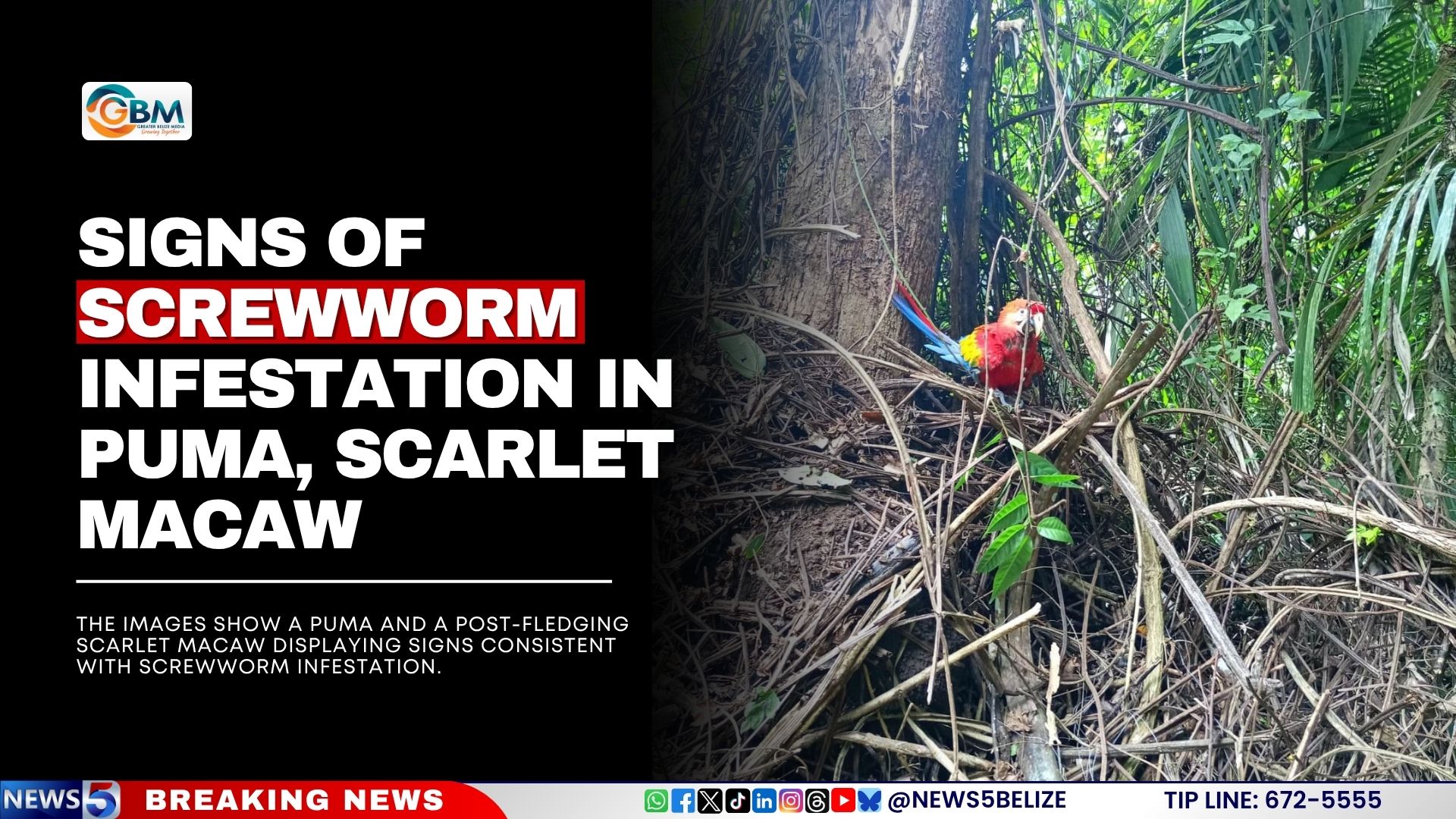
  • Signs of Screwworm Infestation in Puma, Scarlet Macaw

    Signs of Screwworm Infestation in Puma, Scarlet Macaw

    A decades-long victory over a devastating parasitic pest in Central America has been thrown into jeopardy, after conservation groups confirmed suspicious signs of New World screwworm infestation in two iconic wild species in Belize’s western Maya Mountains.

    Camera-trap imagery collected by Friends for Conservation and Development (FCD), in partnership with the Belize Wildlife and Referral Clinic, captured a wild puma and a recently fledged Scarlet Macaw exhibiting visible symptoms that match New World screwworm infection. The discovery marks one of the first confirmed detections of potential infestation in native wildlife in Belize, after the parasite reclaimed territory across the region over the past three years.

    Scientifically named *Cochliomyia hominivorax*, New World screwworm is a parasitic fly whose larvae feed on the living flesh of warm-blooded animals. Once the eggs hatch, larvae burrow deep into host tissue, causing extreme pain, widespread tissue damage, life-threatening secondary infections, and almost certain death if left untreated. For more than 50 years, the parasite had been completely eradicated from North and Central America through the widespread use of the sterile insect technique: conservation and agricultural authorities released massive volumes of sterilized male flies that mated with wild females, producing no offspring and collapsing local populations. That success unraveled in 2023, when the pest reemerged in Panama. It has since spread northward at an alarming rate, moving through Costa Rica, Nicaragua, Honduras, and Guatemala before reaching Belize, El Salvador, and ultimately Mexico.

    Long before this recent wildlife detection, public health officials had warned that Belize faced disproportionate risk from the parasite’s spread. Earlier this year, Belize’s Ministry of Health and Wellness partnered with the Pan American Health Organization and the U.S. Centers for Disease Control and Prevention to host a national training seminar focused on boosting surveillance systems and clinical response capacity. Authorities have highlighted multiple factors that make the country uniquely vulnerable: unregulated cross-border movement of wild and domestic animals, existing livestock production infrastructure that facilitates parasite spread, warm, humid environmental conditions ideal for fly reproduction, and high occupational exposure for rural workers who regularly interact with livestock and wildlife.

    While the infestation has primarily been monitored for its impact on domestic livestock to date, the new detection in a large predator and a threatened bird species has underscored critical gaps in understanding of the pest’s effect on Belize’s native biodiversity. FCD notes that the full population-level impact of screwworm infestation on Belize’s wild animal communities remains unstudied, but the camera-trap findings make clear that expanded monitoring, systematic documentation, and targeted research are urgently needed to assess how the parasite is disrupting ecosystems beyond agricultural production.

    FCD has committed to integrating ongoing screwworm surveillance into its existing long-term wildlife monitoring programs across the country. The organization will share the data it collects with national and international conservation and public health bodies to support coordinated regional response efforts and protect both Belize’s wildlife and human communities.

  • OP-ED: The global higher education landscape – Challenges and opportunities

    OP-ED: The global higher education landscape – Challenges and opportunities

    Higher education institutions across the world are grappling with unprecedented structural challenges that threaten the long-term stability of traditional university models, a new analysis by a leading Caribbean academic has found. While the crisis has pushed dozens of institutions toward closure in North America and Europe, the Caribbean region stands out as an under-tapped market with significant room for expansion, if stakeholders can address core barriers to access and relevance.

    Across developed Western economies, the stress on higher education systems is already visible in widespread institutional closures. In the United Kingdom, industry analysts estimate that as many as 50 universities are at risk of shutting their doors within the next few years, with half of those already teetering on the edge of insolvency. The crisis is even more acute in the United States: data compiled by higher education research groups University World News and The Change Leader, Inc. shows that between the 2008 global financial recession and the immediate post-pandemic period ending in 2024, between 300 and 500 accredited, degree-granting post-secondary institutions have permanently closed their doors.

    China, which hosts more universities than any other Asian nation, has avoided large-scale institutional closures, but has undertaken a sweeping national restructuring of academic offerings. Between 2021 and 2024, Chinese education authorities cut more than 12,000 under-enrolled or outdated degree programs to align higher education with evolving national economic and labor market needs. In Canada, while widespread closures have not occurred at the scale seen in the U.S. and U.K., public funding for post-secondary institutions has plummeted: government contributions now cover just 48% of public university and college operating costs, down sharply from 67% in 2008.

    A shared headwind compounding financial pressures across the U.S., U.K. and Canada is restrictive new visa policies that have caused a dramatic drop in international student enrollments, a key source of tuition revenue for most large institutions in these countries. The landscape looks markedly different in Africa and Latin America, however: while some smaller or under-resourced institutions have closed, hundreds of new state-accredited universities have launched across both regions to meet rising domestic demand.

    ### The Caribbean’s Unique Position
    Across the Caribbean, roughly 100 local universities and dozens of offshore higher education institutions operate across the region’s small island nations. A small number of private colleges have closed in recent years, but most large, state-supported institutions have remained open, despite all facing persistent and severe financial strains.

    What makes the Caribbean unusual compared to other global regions is its untapped enrollment potential. Even with the existing network of local, regional and international institutions operating in the area, tertiary enrollment rates among recent high school graduates remain very low, ranging from just 15% to 27% across individual Caribbean countries. An additional share of graduating students chooses to pursue degrees at overseas institutions, leaving empty capacity at local and regional campuses.

    From an institutional development perspective, these dynamics create significant upside for Caribbean higher education. With current enrollment penetration far below global averages, there is massive room for growth, provided institutions can design programs that meet student and employer needs, and policymakers prioritize expanding access to align with regional development goals.

    ### Core Challenges: Eroding Confidence and Stagnant Demand
    Stimulating student demand is the most pressing priority for higher education leaders globally, and success depends on addressing widespread public skepticism about the value of a university degree. In conversations with business leaders and students across the Caribbean, author Canute S. Thompson, Pro Vice-Chancellor for Undergraduate Studies at The University of the West Indies (The UWI), found widespread doubt about whether degrees deliver on their promised value. Employers question how well graduates are prepared for modern workplaces, while students question whether the time and financial investment of a degree yields a meaningful return.

    This skepticism is not unique to the Caribbean. A July 2026 Gallup Poll found that U.S. public confidence in higher education has fallen from 57% in 2015 to just 38% in 2026. Global enrollment data reflects this downturn: 15 years ago, 21 million undergraduate students were enrolled in universities worldwide. Today, that number has dropped 14% to 15.5 million, confirming a widespread global enrollment crisis.

    ### The Path Forward: Multi-Stakeholder Collaboration
    A university education’s core mission has long been to build critical thinking skills, support individual economic independence, and foster the innovation needed to create new jobs. But shifting public attitudes and rising costs have put that mission at risk, requiring coordinated action from three key groups: universities, governments, and the private sector. In developing regions like the Caribbean, expanding access to higher education is a shared responsibility that requires all three stakeholders to work in lockstep.

    The Caribbean holds a unique advantage in its regional integration through The University of the West Indies, one of only two regional university systems in the world. As a core regional public asset, The UWI’s extensive resources are a critical tool that can be leveraged to drive inclusive sustainable development across the entire Caribbean, a role that should be centered in regional education strategy.

    Beyond state and institutional collaboration, the private sector has an essential part to play in aligning higher education with labor market needs. Rather than only acting as consumers of university graduate output, private industry should contribute to program design, fund targeted research initiatives, and provide consistent feedback on the skills and competencies needed to drive innovation and productivity. This ongoing feedback loop is non-negotiable to ensure higher education programming responds directly to market demand.

    ### Turning Challenges Into Opportunities
    While the global higher education sector faces significant structural headwinds, these challenges also open the door to transformative reform that can build stronger, more accessible and more relevant institutions. Thompson outlines six core strategies for Caribbean higher education leaders to capitalize on these opportunities:
    First, develop and pursue external accreditation for programs tailored to students displaced by shifting global geopolitics, particularly new visa restrictions and extra tax burdens on international students seeking to study in North America and Europe.
    Second, build flexible, responsive micro-credential systems that are carefully designed, priced competitively, and aligned with immediate market needs to appeal to non-traditional and working students.
    Third, adopt the restructuring model China has implemented to conduct rigorous, root-and-branch reviews of all existing programs and courses to assess their ongoing relevance to labor market and development needs.
    Fourth, center work-based learning as a core component of all degree programs to ensure students graduate with relevant, proven work experience that makes them immediately employable.
    Fifth, expand public access to research by using more creative, accessible communication channels, including social media, alongside traditional academic publishing, to make research insights available to broader cross-sections of Caribbean society.
    Sixth, create structured opportunities for undergraduate students, who make up the bulk of global university populations, to participate in industry-aligned research alongside faculty, building hands-on skills early in their academic careers.
    Finally, embed entrepreneurship education as a core requirement of undergraduate study, while prioritizing the development of student leadership skills to prepare graduates to drive economic growth.

    This analysis was written by Professor Canute S. Thompson, Pro Vice-Chancellor for Undergraduate Studies at The University of the West Indies. All views expressed are the author’s own and have not been independently verified.

  • VVI brengt risicowegen in kaart voor gerichte aanpak verkeersveiligheid

    VVI brengt risicowegen in kaart voor gerichte aanpak verkeersveiligheid

    Three major roads in Suriname – Indira Gandhiweg, Martin Luther Kingweg, and Garnizoenspad – have been flagged as high-risk corridors after local data showed a disproportionately high rate of traffic collisions, including severe and fatal crashes. Now, the country’s Road Safety Institute (Verkeersveiligheidsinstituut, VVI) is launching a comprehensive mapping project to document all accident-prone routes and dangerous intersections across the nation, laying the groundwork for targeted infrastructure and policy interventions to cut crash rates.

    Purcy Landveld, VVI’s deputy director for Data, Education and Information, explained that initial analysis of aggregated traffic collision data confirms these three roads require immediate priority attention. The project will use formal blackspot analysis methodology to pinpoint exactly which intersections and road segments carry the highest risk of crashes. The resulting granular, up-to-date data will be shared with the Ministry of Public Works and Spatial Planning (OWRO), enabling policymakers to direct limited safety improvement resources to the locations where they will deliver the greatest public safety benefit.

    Lucretia Beeldstroo, OWRO’s deputy director for Traffic and Mobility, noted that a formal Terms of Reference (TOR) for the mapping and analysis project has already been finalized. An open tender process will soon be launched to select qualified engineering firms to conduct detailed on-site assessments of Indira Gandhiweg, Martin Luther Kingweg, and other high-risk corridors. The assessments will go far beyond evaluating road design and infrastructure: analysts will also study the behavior and movement patterns of all road users, from motorists to pedestrians and cyclists.

    As part of the data collection process, surveillance cameras will be installed at high-traffic intersections to capture real-time data on traffic flows and high-risk maneuvers that contribute to collisions. Assessors will also examine a wide range of other contributing factors, including posted speed limits, street lighting quality, road visibility for drivers, road line markings, pedestrian crossing facilities, and right-of-way rules at intersections. Beeldstroo added that preliminary safety upgrades are already underway at multiple accident-prone locations across the country, with workers adding fresh road markings and installing missing or outdated traffic signs. She emphasized that OWRO is moving forward with all feasible improvements within its current budget and authority to reduce preventable traffic deaths and injuries.

    VVI leadership stresses that a long-term, systematic approach is non-negotiable to meaningfully reduce the number of traffic injuries and fatalities across Suriname. Road usage patterns are constantly shifting: the national vehicle fleet continues to grow, overall mobility levels are rising, and road user behavior changes over time alongside these shifts. For that reason, VVI argues that all road safety interventions must be rooted in the latest, most accurate local traffic data, rather than outdated assumptions or one-size-fits-all policies.

    Landveld emphasized that improving road safety cannot be achieved by a single government agency or organization. Cross-ministerial collaboration and partnerships with additional relevant stakeholders are essential to develop a cohesive, effective national road safety strategy. “That is exactly VVI’s core mission: bring all relevant stakeholders to the table, translate raw traffic data into actionable, concrete improvement measures, and work collectively to build a safer road network for all,” Landveld said.

  • ‘See Ability Not Disability’ campaign puts inclusion in national spotlight

    ‘See Ability Not Disability’ campaign puts inclusion in national spotlight

    In a landmark push to redefine public perceptions of disability and advance equitable inclusion for disabled communities across the island nation, Saint Lucia’s Ministry of Home Affairs has officially launched the nationwide “See Ability Not Disability” campaign, placing disabled voices and capabilities at the center of national public discourse.

    Central to the campaign’s mission is the centering of lived experience: four prominent Saint Lucians have been appointed as official Disability Ambassadors, each representing a distinct segment of the disabled community. Christy Joseph represents the visual impairment community, Kevin Jn Baptiste advocates for people living with mobility impairments, Vanessa Louis serves the auditory impairment community, and Dr. Delia Samuel represents those with developmental impairments. Adding a youthful, creative touch to the initiative, 11-year-old Joy Melody Stanley – who is on the autism spectrum – composed the official campaign soundtrack, which was produced by Arthur Allain of Major Records.

    Speaking at the official campaign launch held this week at the National Television Network headquarters in Pointe Seraphin, Leafa Emmanuel, Director for Persons with Disabilities, outlined the multi-pronged outreach strategy that will roll out over the coming months to spread the campaign’s message. “Over the coming months, we will bring this message to the public through campaign ambassadors, billboards, a jingle, and a mini documentary series,” Emmanuel explained. The documentary series will profile disabled Saint Lucians who are active, contributing members of society, working to dismantle harmful stereotypes that falsely frame disability as a barrier to meaningful participation in public life.

    Alongside the public awareness campaign, Minister for Persons with Disabilities Jeremiah Norbert has announced a suite of concrete policy and infrastructure initiatives designed to remove systemic barriers and expand support for disabled people across Saint Lucia. A top immediate priority is the collection of more granular, disaggregated data on the island’s disability community, which will help policymakers understand the diverse needs, experiences, and challenges faced by disabled Saint Lucians. Norbert emphasized that this data will enable the government and ministry to craft evidence-based policies that reflect the on-the-ground realities of disabled lives, rather than outdated assumptions.

    To address immediate access needs, the ministry is currently arranging for a shipment of accessibility equipment, including wheelchairs, mobility scooters, and walking aids, all of which will be distributed free of charge to Saint Lucians who require the devices. Norbert noted that this distribution effort is part of a broader push to remove barriers to economic participation, particularly for disabled people seeking employment.

    Two major new infrastructure projects are also on track to launch before the end of the year: a purpose-built prosthetic manufacturing factory is scheduled to open this month, initially producing prosthetic limbs for people with below-the-knee amputations, with plans to expand services to more patients over time. Later this year, in late October, the new dedicated Disabilities Unit building will open on Brazil Street, providing a centralized, accessible space for disabled residents to access support services and community resources.

    By pairing public awareness-raising with tangible policy action, the government of Saint Lucia aims to foster a more inclusive, accessible society that values the contributions, capabilities, and autonomy of all disabled residents, with the campaign’s ambassadors leading the charge to shift public narratives.

  • Cricket brings the Commonwealth together as leaders and future stars unite for CHOGM 2026

    Cricket brings the Commonwealth together as leaders and future stars unite for CHOGM 2026

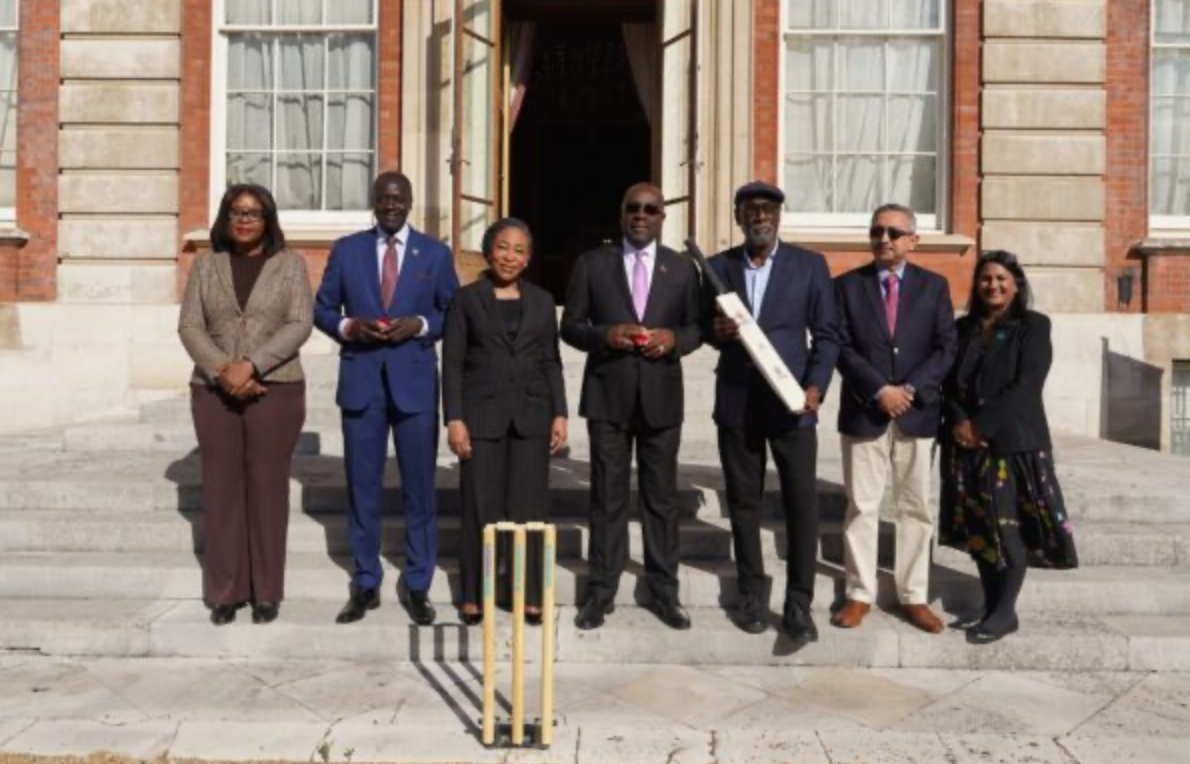
    A groundbreaking new initiative is set to blend sport, diplomacy and sustainable development when the 2026 Commonwealth Heads of Government Meeting (CHOGM) kicks off in Antigua and Barbuda. Organizers have unveiled plans for the ‘One Commonwealth, One Team’ Exhibition Cricket Match Series, a one-of-a-kind event that will bring sitting heads of government together with rising young cricket stars from across the bloc to advance shared goals of inclusive growth and climate action.

    Supported by a coalition of leading global and regional institutions, the series was developed in partnership with the Sustainable Markets Initiative (SMI) – the organization founded by King Charles III in 2020 – alongside the Commonwealth Secretariat, Commonwealth Sport, the West Indies Cricket Association and the Khalili Foundation. The event will be hosted at Antigua and Barbuda’s iconic Sir Vivian Richards Stadium, coming straight after the country’s annual Independence Day celebrations, and will bring the official 2026 CHOGM theme – ‘Accelerating Partnerships and Investment for a Prosperous Commonwealth’ – to life through one of the Commonwealth’s most beloved shared cultural pastimes.

    Rooted in the legacy of Antiguan cricket legend, national hero and 2026 CHOGM Envoy Sir Vivian Richards, the match series leverages cricket’s cross-community popularity to celebrate the core values that bind the Commonwealth: partnership, mutual friendship, inclusive leadership, and collective purpose. The series will feature two distinct fixtures, designed to highlight both diplomatic collaboration and the next generation of cricketing talent. First, a lighthearted T5 exhibition match will pit Caribbean heads of government against their counterparts from other corners of the Commonwealth. This will be followed by a competitive T10 clash between the Commonwealth Future Stars Under-23 teams, putting emerging young talent in the international spotlight.

    E.P. Chet Greene, Chair of the 2026 CHOGM Task Force, emphasized that the event is a natural fit for the host nation. “Antigua and Barbuda is proud to welcome the Commonwealth family to our shores for CHOGM 2026,” Greene said. “Cricket is part of our heritage and our identity, and this event captures the spirit of friendship, partnership and shared purpose at the heart of the Commonwealth.”

    Commonwealth Secretary-General Hon Shirley Botchwey echoed that sentiment, noting that cricket has long served as a unifying force across the diverse 56-nation bloc. “From local communities to the international stage, cricket has long connected people across the Commonwealth,” Botchwey said. “There could be no better opportunity for celebrating this heritage than the ‘One Commonwealth, One Team’ Exhibition Cricket Match Series in Antigua and Barbuda, or a more fitting inspiration than Sir Vivian Richards. His courage, flair, and leadership have inspired generations and will continue to inspire more. As leaders gather for CHOGM, ‘One Commonwealth, One Team’ will capture the essential truth that the Commonwealth is strongest when we combine our different talents and work towards a shared purpose.”

    Sir Vivian Richards himself highlighted the unique power of global sport to drive real systemic change. “Sport reaches more than four billion fans worldwide, giving it a rare ability to shift behaviour and mobilise people at scale, and cricket holds a unique place within the Commonwealth,” Richards said. “The ‘One Commonwealth, One Team’ series demonstrates how that reach translates into practical action – by bringing stakeholders together to turn sustainability ambitions into concrete action and inspire more resilient, inclusive and prosperous communities.”

    Jennifer Jordan-Saifi, Chief Executive Officer of the Sustainable Markets Initiative, added that the initiative aligns perfectly with SMI’s core mission to build more sustainable global economies. “Sport has a remarkable ability to bring people together, inspire ambition and turn shared values into collective action. Cricket is woven into the fabric of the Commonwealth, making it a powerful platform to demonstrate what partnership can achieve,” Jordan-Saifi said.

    Dr Donald Rukare, President of Commonwealth Sport, noted that the cricket series is just one part of a broader push to embed sport into CHOGM’s development agenda. Parallel to the exhibition matches, the inaugural Commonwealth Sport Summit will convene senior leaders from government, sport, and private industry to explore how sport can be leveraged to tackle shared global challenges, build cross-sector partnerships, and drive tangible action. “Sport has a unique power to connect people and communities across borders and generations,” Rukare said. “As we look towards CHOGM 2026, we want the contribution of sport to extend far beyond competition.”

    Beyond the on-field action, the ‘One Commonwealth, One Team’ series is designed to deliver a lasting positive legacy for the region and the wider Commonwealth. The initiative seeks to showcase how cross-sector collaboration between governments, sporting governing bodies, private businesses, and local communities can advance sustainable development, strengthen social cohesion, expand economic opportunity, and accelerate positive environmental action. It forms a core pillar of the expanded role that sport will play at CHOGM 2026, tying together diplomatic dialogue, youth investment, and climate action around a shared cultural touchstone.

  • Antigua and Barbuda Software Developer Launches Chantel Alert Public Safety App

    Antigua and Barbuda Software Developer Launches Chantel Alert Public Safety App

    A new centralized mobile platform aimed at boosting community safety and public communication has hit the digital market, launched by a local educator and software innovator from Antigua and Barbuda.

    Erwin McPherson, the founder of Antigua-based tech firm McNova Solutions, has officially unveiled Chantel Alert, an application built to aggregate critical public updates and emergency notifications directly to residents’ smartphones. As of this week, the app is available for free download on the Google Play Store for all Android devices, with the iOS-compatible version currently in final development and scheduled for release in the near future.

    Unlike scattered alert systems that push notifications through separate channels, Chantel Alert consolidates multiple categories of time-sensitive and important information into a single, easy-to-navigate interface. The app’s content covers a wide range of community needs: active emergency alerts, official missing person bulletins, real-time severe weather updates, public safety advisories, government public notices, and general local news.

    Under the platform’s structure, official government ministries and public agencies will gain direct access to push out critical communications to app users, cutting through communication delays that often hinder public outreach during crises. Beyond official entities, the app also opens registration to local news outlets, small businesses, non-governmental organizations, and other community groups, allowing them to share relevant updates with engaged local audiences.

    McPherson outlined that his core vision for Chantel Alert goes beyond simply delivering notifications: he aims to build a cohesive digital connection between official institutions, media outlets, local businesses, and the general public of Antigua and Barbuda, creating a more informed and safer community for all residents. He has issued an open call for all Android users across the twin-island nation to download the app and test its features ahead of the iOS launch.

  • 19-Year-Old Charged With Murder

    19-Year-Old Charged With Murder

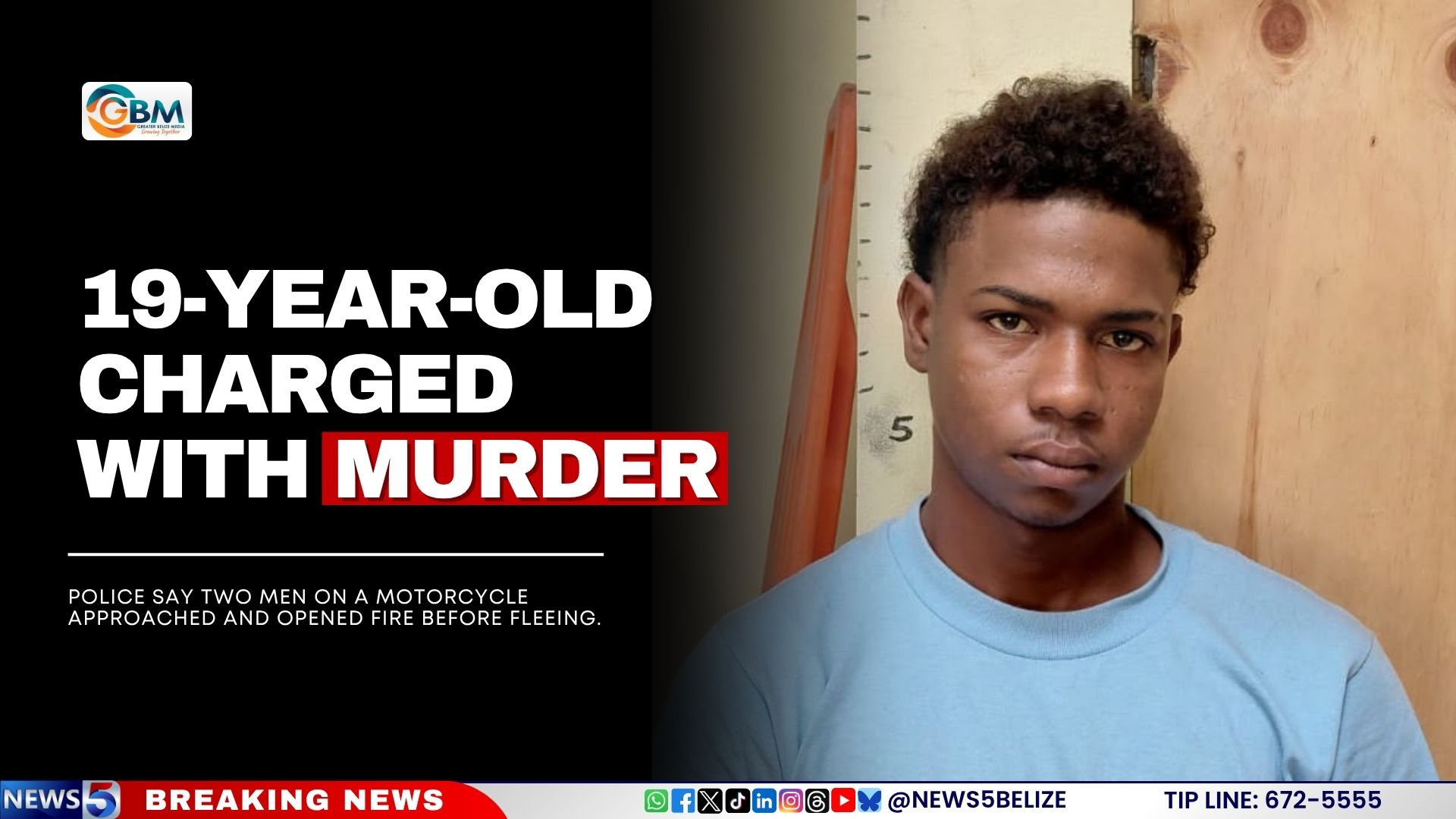
    Almost a month after a 23-year-old worker was gunned down at a Cayo District work site, law enforcement in Belize has secured a murder charge against a 19-year-old local man. The accused, Leon Emmanuel St. Clair, an unemployed resident of Belize City, is now facing the most serious criminal charge in connection with the late-August killing of Kareem Garcia.

    The fatal shooting unfolded on a work site in Cotton Tree Village, where Garcia was employed as part of a major infrastructure upgrade project led by the Ministry of Infrastructure, Development and Housing (MIDH). According to official police accounts from the time of the incident, two unidentified men arrived at the location on a motorcycle, approached Garcia directly, and one of the suspects pulled out a firearm and fired multiple rounds at the victim before the pair made a quick escape. Garcia suffered fatal injuries from the attack and died at the scene.

    In the immediate aftermath of the shooting, Assistant Superintendent of Police Stacy Smith confirmed to media outlets that Garcia was already known to law enforcement, and had an ongoing pending court case before he was killed. Investigators have not yet drawn a direct line between that pending matter and the killing, but they are actively pursuing one key line of inquiry tied to the region’s illegal drug trade.

    Authorities are also exploring whether the Cotton Tree Village murder is connected to a double homicide that took place over the weekend in nearby Santa Elena. As the investigation remains in its early stages, Smith has emphasized that no definitive link between the two incidents has been confirmed, but law enforcement is not ruling out any possible connections as they follow all available leads.

    The charging of St. Clair marks the first major breakthrough in the case, but investigators say they are continuing to piece together the full sequence of events, the motive for the attack, and any potential co-conspirators who may have been involved in the planning or execution of the killing.

  • STATEMENT: Official results and breakdown for Roseau North constituency by-election

    STATEMENT: Official results and breakdown for Roseau North constituency by-election

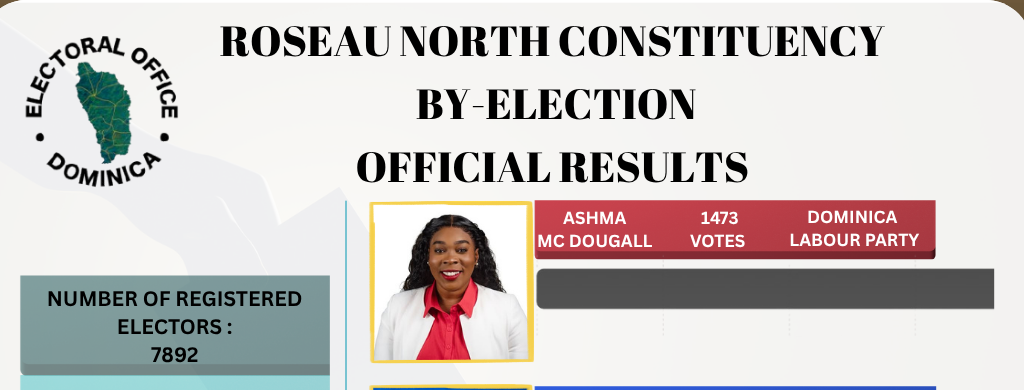
    The final results of the 2026 Roseau North constituency by-election are now official, after the Electoral Office completed full ballot counting on Tuesday, September 8 — one day after polling closed across the district. The contest, triggered by a mid-term parliamentary vacancy, delivered a clear win to the Dominica Labour Party’s candidate Ashma McDougall, who secured a comfortable majority of valid votes to fill the empty seat in Dominica’s House of Assembly.

    The vacancy that prompted the by-election was created when former representative Honourable Miriam Blanchard stepped down from her post on June 12, 2026. Under the Commonwealth of Dominica’s constitution, any parliamentary opening that occurs outside of a full general election dissolution requires a by-election to fill the seat within a three-month window, unless Parliament is dissolved before the deadline. Following constitutional protocols, Dominica’s President officially issued the election writ per Section 12 of the House of Assembly (Elections) Act, setting polling day for Monday, September 7, 2026. Voting ran from 7:00 AM to 5:00 PM across 28 purpose-built polling stations distributed across the constituency’s 10 polling districts.

    Full final vote tabulation confirmed McDougall captured 1,473 valid votes, accounting for 58.45% of all valid ballots cast in the contest. Her closest challenger, Daniel Andrew Lugay of the United Workers Party, finished with 998 votes, equal to 39.60% of the valid vote share. Independent candidate Sherman Boston rounded out the field with 49 votes, making up 1.95% of total valid ballots. In total, 2,520 valid votes were recorded across the constituency.

    Electoral data also shows broader turnout metrics for the contest: out of 7,892 registered eligible voters in Roseau North, only 2,566 ballots were cast, putting overall voter turnout at 32.51%. Just under two-thirds of registered voters — 67.49% or 5,327 people — opted not to participate in the by-election. Of all ballots cast, 98.21% were deemed valid, while 46 ballots were rejected, accounting for 1.79% of total polled ballots.

    This by-election gives Roseau North constituents a new representative to serve out the remaining term of the current parliamentary cycle, fulfilling the constitutional requirement to fill mid-term vacancies in the national legislature.

  • Motorists Warned of Delays as Major Works Continue on All Saints Road

    Motorists Warned of Delays as Major Works Continue on All Saints Road

    The Antigua and Barbuda Ministry of Works has issued an official public advisory announcing upcoming large-scale infrastructure upgrades along All Saints Road, located adjacent to the LICS Limited property. Starting at 7:00 p.m. on Wednesday, September 8, 2026, crews will reduce the active roadway to a single lane of traffic, and this configuration will remain in place until all construction work is fully completed. To prevent traffic gridlock and guide motorists safely through the construction zone, trained flag persons will be stationed at key points along the work site. Permanent and temporary directional signage has also been installed along both directions of travel to help commuters navigate the changed route and anticipate slowdowns ahead of time. Local residents who live within the immediate area of the construction zone will retain full access to their properties throughout the duration of the works. Project organizers have emphasized that heavy-duty construction machinery will be operating in close proximity to public access areas, and have asked all passersby to remain alert to maintain personal safety. Importantly, all commercial establishments along the affected stretch of All Saints Road will continue normal operations throughout the construction period. This road improvement initiative forms a core component of the government-led All Saints Road Project, a multi-stage infrastructure investment intended to upgrade the long-term functionality and safety of this key roadway. Public Works officials are urging all road users and local stakeholders to proactively adjust their travel itineraries to accommodate potential delays during the construction period. Anyone seeking additional information or clarification on the project timeline or traffic changes can contact the Project Implementation Management Unit directly via telephone at 562-9173 during operating hours.

  • Tribunal warns bosses on dismissal procedures

    Tribunal warns bosses on dismissal procedures

    In a landmark ruling delivered Tuesday, the chairman of the Employment Rights Tribunal (ERT) has issued a sharp, clear warning to employers across the jurisdiction: cutting corners on statutory dismissal processes will destroy any legal defense an employer may bring before the adjudicative body. The ruling came in a case against Markham Construction Limited, which the tribunal found had violated formal dismissal procedures when terminating former employee Alanna Hazell. As a consequence of the unfair dismissal finding, Chairman Vere P. Brathwaite ordered the construction firm to pay Hazell $6,576 in compensatory damages. Delivering a forceful statement to all parties present, Brathwaite emphasized that the tribunal cannot overstate the consequences of non-compliance with the procedural requirements laid out in Parts A and B of the Fourth Schedule of the Employment Rights Act. Even in situations where an employer claims the employee exhibited poor performance or unprofessional conduct, whether proven or alleged, failure to follow these mandatory procedures will still result in the employer losing their case, Brathwaite said. She warned that employers who disregard the strict requirements of the Employment Rights Act do so at significant legal risk. Brathwaite also used the ruling to clarify a second critical obligation for employers: they are legally required to comply with ERT requests to turn over documentation and information relevant to any dispute brought before the tribunal. In the case of Markham Construction, the company failed to produce key documents even after being ordered to do so by the employment rights body. Addressing this specific failure, Brathwaite noted that for the requirements outlined in Sections 12 through 16 of the Employment Rights Act, which mandate employers provide certain particulars to their employees, non-compliance is far more than a minor legal breach. It signals poor organizational governance and a failure to uphold basic standards of good management practice, she said. Contrary to common claims from employers that such failures are accidental administrative oversights, Brathwaite framed these omissions as substantive, material failures of governance. She pointed out that the Employment Rights Act uses the mandatory term “shall” when laying out these requirements, which makes clear that all obligations are non-negotiable legal requirements. When employers fail to maintain and organize required employment documents and key particulars, they put themselves in a position of being unable to produce that information when the law requires it, a situation that directly undermines their ability to defend their actions in a tribunal, Brathwaite explained. This specific case against Markham Construction serves as a clear example of the negative legal outcomes employers can face when they neglect or outright ignore their statutory duties under the Employment Rights Act, she added.