In a landmark push to redefine public perceptions of disability and advance equitable inclusion for disabled communities across the island nation, Saint Lucia’s Ministry of Home Affairs has officially launched the nationwide “See Ability Not Disability” campaign, placing disabled voices and capabilities at the center of national public discourse.
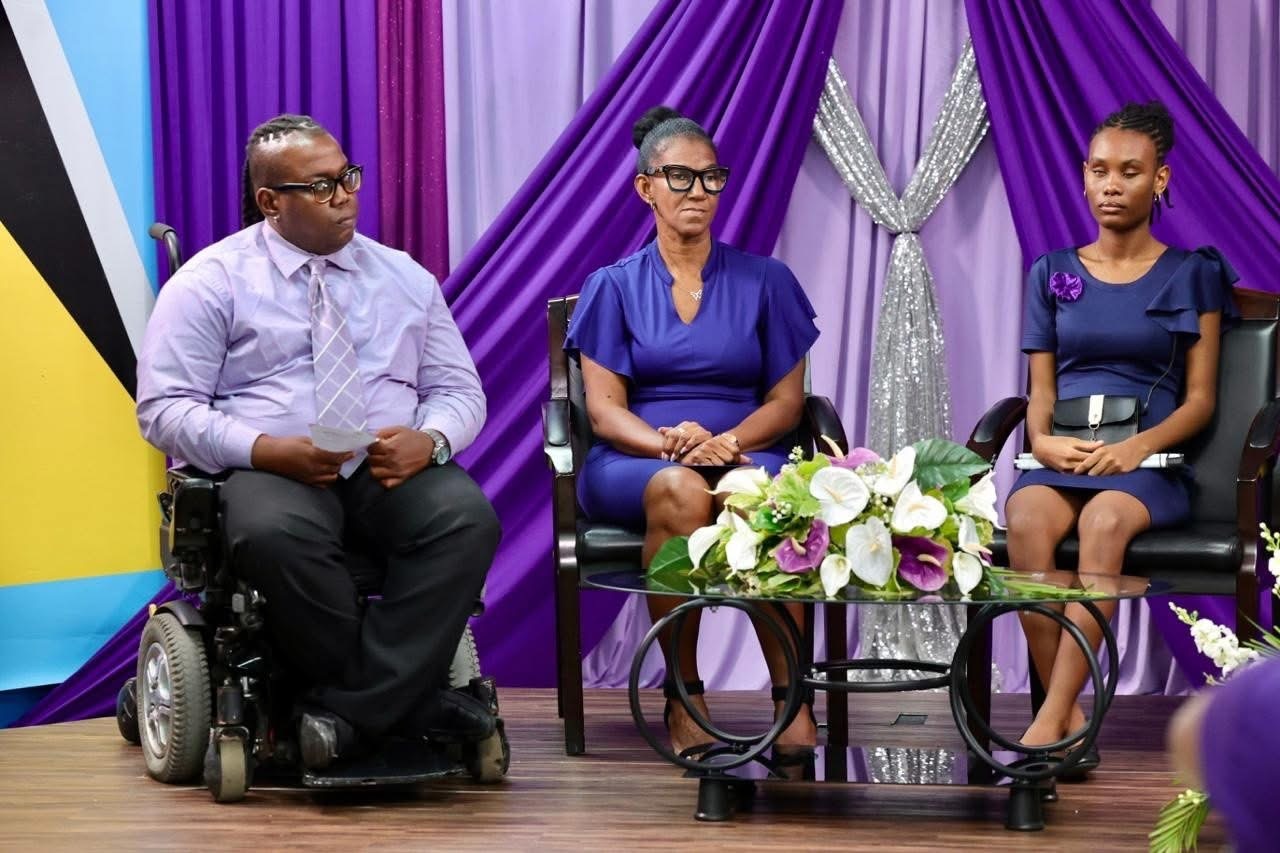
Central to the campaign’s mission is the centering of lived experience: four prominent Saint Lucians have been appointed as official Disability Ambassadors, each representing a distinct segment of the disabled community. Christy Joseph represents the visual impairment community, Kevin Jn Baptiste advocates for people living with mobility impairments, Vanessa Louis serves the auditory impairment community, and Dr. Delia Samuel represents those with developmental impairments. Adding a youthful, creative touch to the initiative, 11-year-old Joy Melody Stanley – who is on the autism spectrum – composed the official campaign soundtrack, which was produced by Arthur Allain of Major Records.
Speaking at the official campaign launch held this week at the National Television Network headquarters in Pointe Seraphin, Leafa Emmanuel, Director for Persons with Disabilities, outlined the multi-pronged outreach strategy that will roll out over the coming months to spread the campaign’s message. “Over the coming months, we will bring this message to the public through campaign ambassadors, billboards, a jingle, and a mini documentary series,” Emmanuel explained. The documentary series will profile disabled Saint Lucians who are active, contributing members of society, working to dismantle harmful stereotypes that falsely frame disability as a barrier to meaningful participation in public life.
Alongside the public awareness campaign, Minister for Persons with Disabilities Jeremiah Norbert has announced a suite of concrete policy and infrastructure initiatives designed to remove systemic barriers and expand support for disabled people across Saint Lucia. A top immediate priority is the collection of more granular, disaggregated data on the island’s disability community, which will help policymakers understand the diverse needs, experiences, and challenges faced by disabled Saint Lucians. Norbert emphasized that this data will enable the government and ministry to craft evidence-based policies that reflect the on-the-ground realities of disabled lives, rather than outdated assumptions.
To address immediate access needs, the ministry is currently arranging for a shipment of accessibility equipment, including wheelchairs, mobility scooters, and walking aids, all of which will be distributed free of charge to Saint Lucians who require the devices. Norbert noted that this distribution effort is part of a broader push to remove barriers to economic participation, particularly for disabled people seeking employment.
Two major new infrastructure projects are also on track to launch before the end of the year: a purpose-built prosthetic manufacturing factory is scheduled to open this month, initially producing prosthetic limbs for people with below-the-knee amputations, with plans to expand services to more patients over time. Later this year, in late October, the new dedicated Disabilities Unit building will open on Brazil Street, providing a centralized, accessible space for disabled residents to access support services and community resources.
By pairing public awareness-raising with tangible policy action, the government of Saint Lucia aims to foster a more inclusive, accessible society that values the contributions, capabilities, and autonomy of all disabled residents, with the campaign’s ambassadors leading the charge to shift public narratives.