博客

  • Mexican-Flagged Vessel “Captain America” to Make Brief Visit to Belize

    Mexican-Flagged Vessel “Captain America” to Make Brief Visit to Belize

    In a routine maritime procedure, the Mexican-flagged offshore supply vessel ‘Captain America’ is scheduled for a brief regulatory stop within Belizean territorial waters. The Belize Port Authority (BPA) confirmed the vessel’s temporary presence stems from compliance requirements under Mexican maritime regulations, which mandate that vessels periodically exit and re-enter national jurisdiction.

    The vessel, identified by IMO number 9526382, primarily operates within Mexico’s offshore sector. According to the BPA’s official statement, this visit represents a standard administrative formality rather than a commercial operation. During its stay, the ship will remain anchored in a pre-designated zone while Belizean authorities conduct mandatory verification and clearance protocols.

    The Port Authority emphasized that the ‘Captain America’ remains prohibited from engaging in any commercial activities, cargo operations, or crew changes during its Belizean stopover. This procedural visit follows established international maritime practices and will not disrupt regular port operations or maritime traffic. Upon completing the necessary clearance procedures, the vessel will immediately depart for Mexican waters.

    This incident highlights the complex regulatory framework governing international maritime operations, where vessels must occasionally make foreign port calls solely for administrative compliance purposes rather than commercial objectives.

  • ICJ to Decide Guatemala Bid in Sapodilla Case

    ICJ to Decide Guatemala Bid in Sapodilla Case

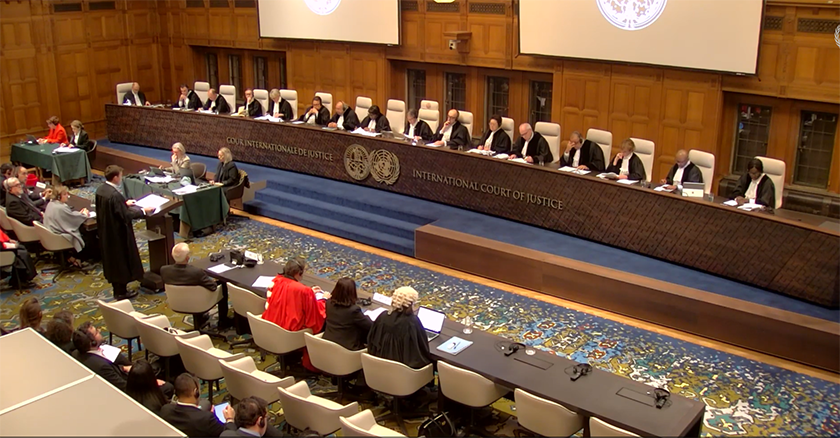
    The International Court of Justice (ICJ) has concluded three days of landmark hearings examining Guatemala’s unprecedented request to intervene in the separate maritime sovereignty case between Belize and Honduras concerning the disputed Sapodilla Cayes archipelago. Held from November 24-26 at the Peace Palace in The Hague, these proceedings could establish significant precedents for how the world court manages interconnected territorial disputes.

    Guatemala’s legal representatives petitioned the Court for non-party intervenor status, asserting that their nation’s longstanding territorial claim against Belize creates a substantive legal interest in the outcome of the Belize v. Honduras proceedings. They contended that participation is essential to safeguard what Guatemala characterizes as protected legal rights pertaining to the Sapodilla Islands.

    Honduras mounted a vigorous challenge to this proposition, maintaining that neither the ICJ Statute nor established procedural norms authorize such intervention in a distinctly separate case. Honduran delegates warned that admitting Guatemala would effectively introduce an entirely new dispute into the proceedings and represent an improper utilization of the intervention mechanism. They emphasized that Guatemala retains full opportunity to present Sapodilla-related arguments within its own ongoing case against Belize.

    Belize adopted a judicially strategic position, focusing arguments on the Court’s fundamental duty to ensure orderly and expeditious administration of justice. Belizean representatives advocated for coordinated management of the two parallel cases—Guatemala v. Belize and Belize v. Honduras—to facilitate comprehensive resolution of all outstanding regional territorial issues. They underscored that intervention remains discretionary rather than automatic, requiring strict adherence to procedural rules and prudent exercise of judicial authority to prevent unnecessary delays.

    The Court has now entered private deliberations ahead of issuing its ruling on Guatemala’s application. The Sapodilla Cayes case originated with Belize’s filing on November 16, 2022, addressing sovereignty over the small island chain persistently administered by Belizean authorities. Guatemala submitted its intervention petition nearly one year later on December 1, 2023. Simultaneously, both nations continue litigating the broader territorial, insular, and maritime dispute initiated through their Special Agreement—ratified by popular referenda and formally lodged with the ICJ in June 2019.

    Belize’s delegation featured ICJ Agent His Excellency Assad Shoman, accompanied by members of Belize’s international legal consortium and officials from the Office of the Agent.

  • The Quiet Work That Holds a Nation Together

    The Quiet Work That Holds a Nation Together

    While public attention often focuses on political figures and high-profile events, the true backbone of Belize’s national integrity operates largely in obscurity. Recent proceedings at the International Court of Justice highlighted how pivotal work by professionals like Ambassador H.E. Assad Shoman and his legal team unfolds away from public scrutiny—through meticulous research, strategic legal coordination, and disciplined diplomatic engagement rather than public recognition.

    This phenomenon extends far beyond international legal matters. Belize’s daily functioning depends on thousands of public servants whose contributions rarely capture headlines. Educators meticulously preparing lessons, law enforcement maintaining order, immigration officials processing borders, agricultural technicians facilitating trade, and health inspectors safeguarding public welfare collectively form an operational infrastructure that sustains national stability. Their work encompasses supervisory duties, nighttime report writing, case management, and regulatory inspections—tasks that receive little acknowledgment yet remain fundamental to national coherence.

    The social contract between citizens and state endures precisely because these systems persist regardless of individual personnel changes. While instances of corruption and service failures rightly demand attention and correction, they should not overshadow the broader narrative: modern Belize operates effectively due to the consistent, professional execution of duties by its public service majority.

    In international relations, this silent machinery preserves Belize’s global standing. In education, it maintains operational classrooms despite resource limitations. In commerce and agriculture, it enables cross-border economic movement. In public security, it upholds order amid growing regional instability.

    National progress ultimately accumulates through the dedicated efforts of unnamed individuals bearing indispensable responsibilities. As Belize confronts challenges ranging from territorial disputes to economic pressures, recognizing this foundational workforce transcends ceremonial appreciation—it constitutes an acknowledgment of the very mechanisms that maintain national cohesion.

  • Dominica and the CDB agree on joint action plan for sustainable growth

    Dominica and the CDB agree on joint action plan for sustainable growth

    The Caribbean Development Bank (CDB) and the Government of the Commonwealth of Dominica have solidified a comprehensive partnership through a newly established multi-year Action Plan. This strategic framework emerged from intensive deliberations during a recent Country Portfolio Performance Review and Country Engagement Strategy mission conducted in Roseau.

    High-level discussions brought together senior Dominican officials, CDB representatives, and national stakeholders to evaluate ongoing initiatives, tackle implementation hurdles, and pinpoint emerging opportunities. The collaborative assessment encompassed critical development sectors including infrastructure modernization, water resource management, agricultural innovation, climate resilience, renewable energy expansion, and educational advancement.

    Notable projects under examination included the groundbreaking Dominica Geothermal Project, the transformative Basic Needs Trust Fund, and the UK Caribbean Infrastructure Fund initiatives. These evaluations informed the creation of the Action Plan, which aligns with Dominica’s aspiration to construct a robust, inclusive, and sustainable economic future.

    Dr. Isaac Solomon, CDB’s Vice-President of Operations, characterized the agreement as a pivotal achievement in the institution’s partnership with Dominica. He emphasized that the plan embodies a shared vision for delivering concrete, enduring outcomes that enhance living standards while strengthening national resilience. The framework represents not merely operational guidance but a mutual dedication to innovative approaches, accountability mechanisms, and sustainable economic transformation.

    The strategic blueprint will direct CDB’s financing allocations through the next triennium, prioritizing youth empowerment programs, micro-small-medium enterprise development, water and sewage system enhancements, and expanded geothermal energy utilization. Incorporated within the plan are robust measures to fortify project execution capabilities and institutional capacities.

    Finance Minister Dr. Irving McIntyre highlighted the essential role of collaborative efforts in realizing Dominica’s Sustainable Development Objectives. He acknowledged CDB’s consistent partnership and expressed confidence in the joint development agenda focused on institutional strengthening, capacity enhancement, and citizen welfare improvement.

    As part of the engagement process, CDB delegates and government representatives conducted site visits to pivotal projects, including the Grand Bay/Dubique Multipurpose Facility and the Loubiere to Grand Bay Road Reconstruction Project. These inspections provided tangible evidence of CDB-supported investments generating transformative impacts on communities and infrastructure nationwide.

    The Action Plan signifies a reinvigorated commitment from both entities to ensure each investment yields substantial, lasting benefits for Dominican citizens. With concentrated focus on resilience building, inclusive growth, and sustainable development, this partnership aims to forge a more prosperous future for the nation.

  • PM Briceño Met with Raúl Rocha A year Before Drug Trafficking Charges Surfaced

    PM Briceño Met with Raúl Rocha A year Before Drug Trafficking Charges Surfaced

    A high-profile meeting between Belizean Prime Minister John Briceño and Raúl Rocha, president of the Miss Universe organization, has gained renewed significance following Rocha’s indictment on serious criminal charges. Mexican authorities have charged Rocha with leading an international trafficking network involving narcotics, weapons, and fuel between Guatemala and Mexico.

    According to investigative reports, Rocha allegedly orchestrated a sophisticated smuggling operation moving contraband across the Usumacinta River via boat, with subsequent transportation via tanker trucks through Chiapas and Tabasco en route to Querétaro.

    The previously undisclosed meeting occurred in October 2024 at the corporate offices of Rocha’s company, Legacy Holding, during an official visit by Prime Minister Briceño to Mexico City. Two government ministers—Michel Chebat and Dr. Osmond Martinez—accompanied the Prime Minister during the engagement. Rocha subsequently documented the encounter on social media, characterizing the discussions as focusing on “economic development, trade, tourism, and technology opportunities between Mexico and Belize.”

    In response to developing reports, Prime Minister Briceño clarified that this constituted his only encounter with Rocha, emphasizing that his company had expressed interest in Belizean investment opportunities. The government has committed to issuing a formal statement addressing the matter.

    Mexican President Claudia Sheinbaum, who has also met with Rocha, has formally requested the Attorney General’s office to confirm whether an active investigation or arrest warrant exists against the business executive, underscoring the importance of transparent judicial processes.

  • Proposal for Paid Parking in St. John’s Still Awaiting Cabinet Review, Officials Say

    Proposal for Paid Parking in St. John’s Still Awaiting Cabinet Review, Officials Say

    The highly debated initiative to implement paid parking in St. John’s, Antigua and Barbuda’s capital, remains in preliminary stages as the national Cabinet awaits formal documentation from the St. John’s Development Corporation (SJDC). Government spokesperson Maurice Merchant confirmed during Thursday’s post-Cabinet briefing that no proposal has reached ministerial levels despite previous public discussions.

    This potential policy shift represents a significant milestone in urban management for the capital city, marking what would be the first official governmental consideration of paid parking systems. The concept has generated polarized responses across various stakeholders, with business owners, daily commuters, and residents expressing conflicting perspectives regarding downtown congestion, limited parking availability, and potential economic consequences for commercial districts.

    The SJDC, designated as the lead agency for this initiative, has not disclosed anticipated timelines for proposal finalization nor shared specific details regarding proposed pricing structures, designated parking zones, or implementation schedules. The absence of concrete information has left both supporters and opponents of the plan in a state of uncertainty.

    With the approaching Christmas shopping season, characterized by increased vehicular traffic and parking demands, the issue is expected to regain public attention. The parking proposal forms part of broader governmental discussions concerning urban planning strategies, traffic optimization, and public space regulation reforms. The government’s cautious approach indicates careful consideration of the multifaceted implications before advancing the potentially transformative policy.

  • Do Tourism Students Actually End Up Working in the Industry?

    Do Tourism Students Actually End Up Working in the Industry?

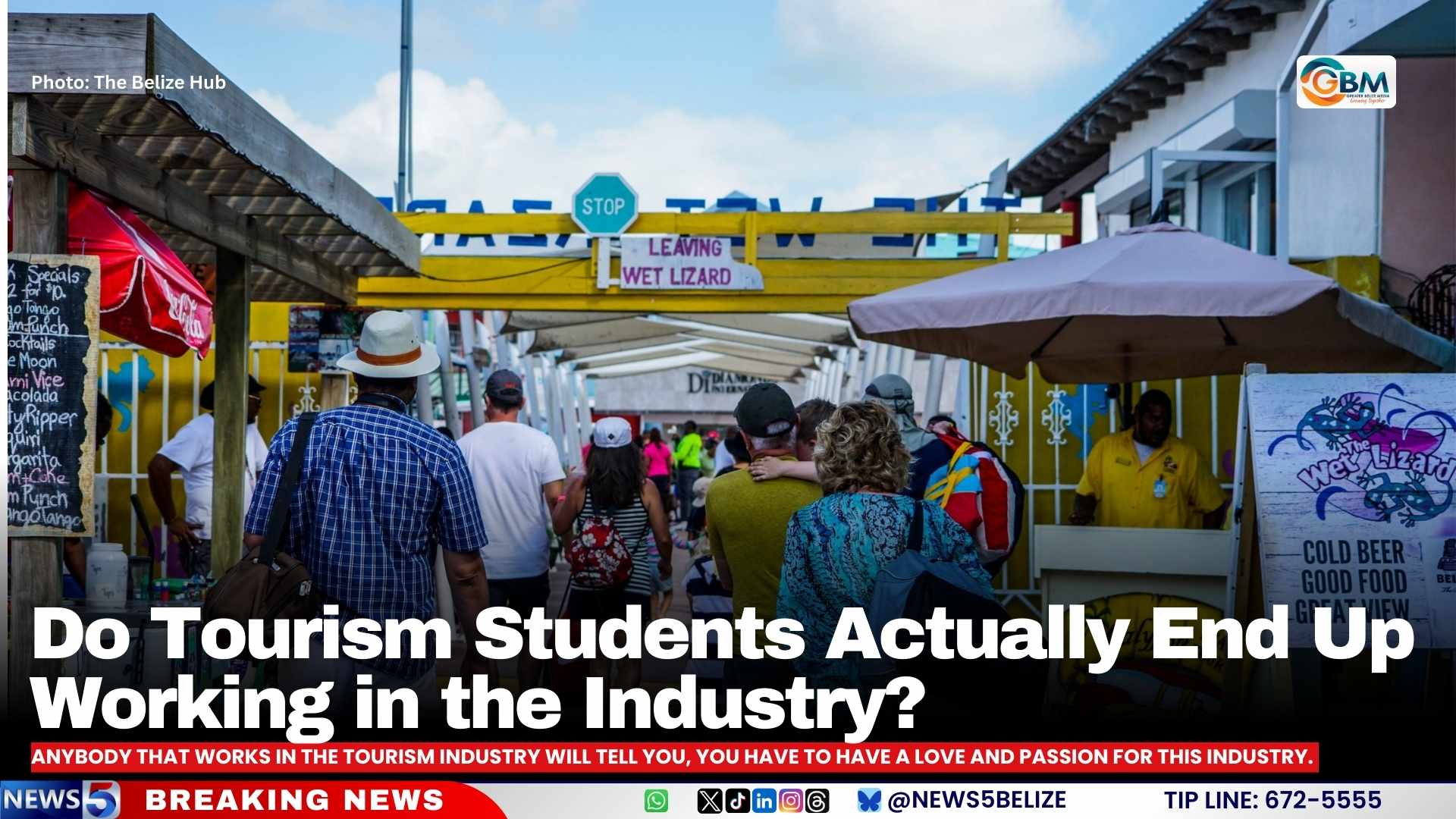
    The University of Belize’s tourism management program faces a critical challenge: despite producing numerous graduates annually, the actual retention rate within the industry remains unknown. Evan Tillett, Director of the Belize Tourism Board, confirmed the absence of concrete data while acknowledging the significance of this emerging concern.

    Industry leaders identify the demanding nature of tourism careers as a primary deterrent. Nicole Usher-Solano, CEO of the Ministry of Tourism, emphasized that success in the sector requires exceptional dedication. “This isn’t a conventional nine-to-five occupation,” she stated. “It demands around-the-clock commitment throughout the year, including holidays and weekends. Only those with genuine passion and specialized work ethic persevere.”

    Addressing this workforce transition challenge, the Belize Tourism Industry Association (BTIA) has implemented a nationwide experiential learning initiative. President Efren Perez revealed their program engages approximately 100 students annually across multiple regions including Corozal, Dangriga, Toledo, and Cayo. “We provide immersive practical exposure that bridges theoretical knowledge with industry realities,” Perez explained.

    The intervention demonstrates promising outcomes. Perez noted significant retention among participants placed in hotel internships, with many securing permanent positions. “This indicates growing interest and drive among new generations toward tourism careers,” he observed. The association plans to expand the program’s scope in the coming year, creating additional pathways for students to obtain hands-on experience and guaranteed internships within the sector.

  • Sisserou Girls head to Jamaica with renewed confidence for CONCACAF qualifier

    Sisserou Girls head to Jamaica with renewed confidence for CONCACAF qualifier

    The Sisserou Girls, Dominica’s senior women’s football squad, have embarked on their journey to Kingston, Jamaica, for a pivotal CONCACAF qualification match this Saturday. Under the guidance of Head Coach Ronnie Gustave, the team approaches the challenge with measured optimism following intensive preparations.

    Gustave’s assessment reveals a team in transformation, addressing previously identified weaknesses from their UEFA tournament performance earlier this year. The coaching staff has implemented comprehensive improvements across technical execution, physical conditioning, and mental fortitude. “Our players demonstrated deficiencies in fundamental ball control, turning techniques, and overall pace during previous international competitions,” Gustave acknowledged. “However, recent training sessions have yielded noticeable advancements in ball movement and gameplay velocity.”

    The strategic enhancement program included specialized training to elevate passing precision and systemic play. “Our previous matches exposed inadequate speed on the pitch and imprecise passing,” Gustave explained. “We prioritized rectifying these elements before advancing our tactical approach.”

    Physical development received equal emphasis through a rigorous strength and conditioning regimen designed to combat previous vulnerabilities. “We addressed the concerning tendency of being easily dispossessed,” Gustave noted. “Our customized fitness program aims to build robust physicality, though we recognize team development remains an evolutionary process.”

    Beyond technical and physical preparation, the team engaged in psychological strengthening through motivational sessions with advocate Delia Coffee Weeks. Gustave emphasized the importance of role models, stating, “Our athletes benefit immensely from inspirational figures like Mrs. Weeks, whose experience and advocacy provide exemplary standards for emulation.”

    The upcoming confrontation presents a formidable challenge against Jamaica’s Reggae Girlz, widely regarded as the Caribbean’s premier women’s football team following their impressive performance at the 2023 FIFA Women’s World Cup, where they secured a historic draw against Brazil.

    Despite the evident disparity in ranking and experience, Gustave maintains a philosophy of collective resilience. “Football’s beauty lies in its unpredictability,” he asserted. “While Jamaica presents substantial challenges, our success hinges on unified teamwork, mutual commitment, and maximal collective effort. With complete physical and mental dedication, we are capable of delivering a respectable performance.”

  • Finance Minister McIntyre announces VAT exemptions on 26 items; Trade minister urges more importation  from CARICOM

    Finance Minister McIntyre announces VAT exemptions on 26 items; Trade minister urges more importation from CARICOM

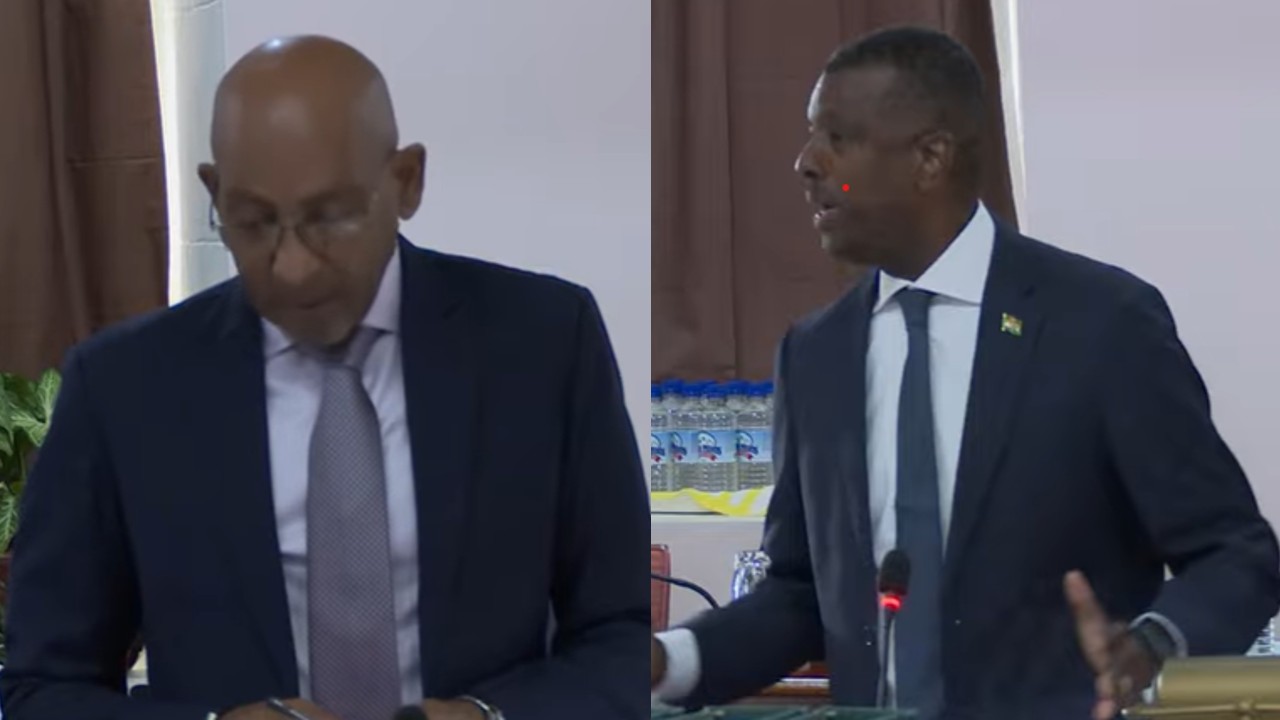
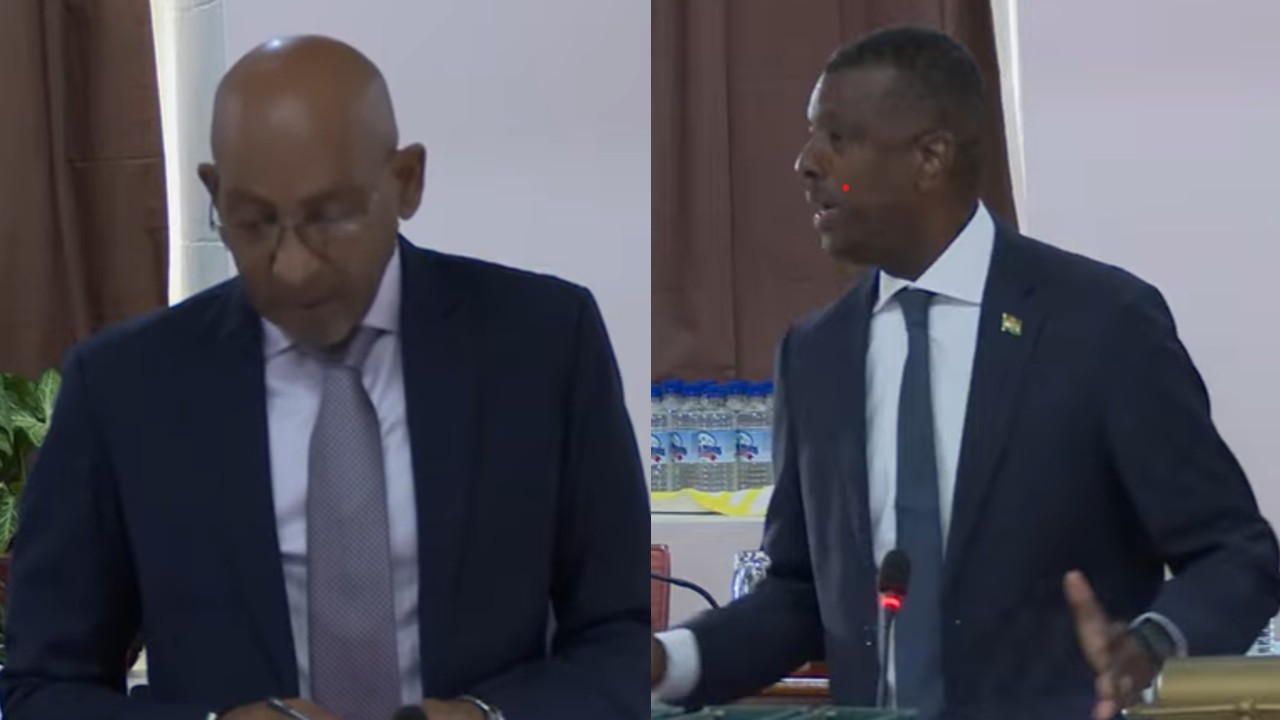
    In a significant move to alleviate economic pressure on citizens, Dominican Finance Minister Dr. Irving McIntyre has declared the complete removal of Value Added Tax (VAT) on 26 essential consumer products. The announcement was formally made during a parliamentary session this week, marking a substantial fiscal policy shift aimed at direct public relief.

    Minister McIntyre emphasized the government’s commitment to finding alternative revenue streams that do not disproportionately burden the population. “To avoid hardship on our people, we find ways other than through taxes to raise revenue and provide relief when required,” he stated. The extensive exemption list encompasses basic food staples and household necessities including salted herrings, codfish, various legumes (split peas, red kidney beans, black-eyed peas, lentils, pigeon peas), core grains (cream of wheat, cornmeal, oats, wheat bran cereals), canned protein products (luncheon meat, corned beef, herring, sardines, tuna, mackerel), unsweetened biscuits, orange juice, tomato ketchup, toothpaste, laundry detergents, toilet paper, and sanitary napkins.

    Crucially, Dr. McIntyre highlighted that these items already benefit from zero import duties, creating a compounded reduction in consumer costs. He formally requested suppliers and retailers to fully transmit these fiscal benefits to end consumers, ensuring the policy achieves its intended effect.

    The implementation of these measures requires a legislative amendment to Schedule II of the Value Added Tax Act, Chapter 67-8 of the 2017 revised laws.

    In a related development, Dr. Vince Henderson, Minister for Foreign Affairs, International Business, Trade and Energy, reinforced the regional economic dimension of this policy. He strongly encouraged domestic importers to prioritize sourcing these goods from within the Caribbean Community (CARICOM), noting that member states possess the capacity to supply over 75% of these essential items. “Therefore, they should be protected,” Dr. Henderson asserted, confirming that CARICOM had granted the Dominican Republic’s request for a zero-rating period under the Common External Tariff (CET) framework. He revealed that only eight items on the exemption list are not sufficiently produced within the CARICOM region, presenting a substantial opportunity for regional trade expansion and economic cooperation.

  • Finance Minister McIntyre announces VAT exemptions on 26 items

    Finance Minister McIntyre announces VAT exemptions on 26 items

    In a significant move to alleviate economic pressure on citizens, the Dominican government has enacted sweeping tax reforms targeting essential consumer goods. Finance Minister Dr. Irving McIntyre presented the legislative amendment to Parliament, officially removing Value Added Tax (VAT) from 26 critical items in the national basket of goods.

    The comprehensive exemption list encompasses fundamental food staples and household products, including salted herrings, codfish, various legumes (split peas, red kidney beans, black-eyed peas, lentils, pigeon peas), cereals (cream of wheat, cornmeal, oats, wheat bran), canned protein sources (luncheon meat, corned beef, herring, sardines, tuna, mackerel), along with orange juice, tomato ketchup, unsweetened biscuits, toothpaste, laundry detergents, toilet paper, and sanitary napkins. Minister McIntyre emphasized that these items already benefit from zero import duties, creating a compounded reduction in consumer prices.

    Dr. McIntyre articulated the government’s fiscal philosophy, stating, ‘To prevent undue hardship on our population, we are developing alternative revenue generation methods rather than relying solely on taxation, while providing necessary relief when circumstances demand.’ The policy implementation requires formal amendments to Schedule II of the Value Added Tax Act (Chapter 67-8 of the 2017 revised laws).

    Concurrently, Dr. Vince Henderson, Minister for Foreign Affairs, International Business, Trade and Energy, highlighted the regional economic dimension of this policy. He revealed that the Caribbean Community (CARICOM) had approved the Dominican Republic’s request to zero-rate these goods under the Common External Tariff framework. Minister Henderson urged domestic importers and supermarkets to prioritize sourcing from CARICOM producers, noting that over 75% of the exempted items are adequately produced within the trade bloc and already enter duty-free. ‘Only eight items on the list require sourcing outside CARICOM,’ Henderson clarified, emphasizing the dual benefit of consumer relief and regional economic protectionism.

    Both ministers explicitly called upon supply chain stakeholders—particularly retailers and distributors—to ensure the full benefit of these tax exemptions reaches consumers through corresponding price reductions, rather than being absorbed as additional profit margins.