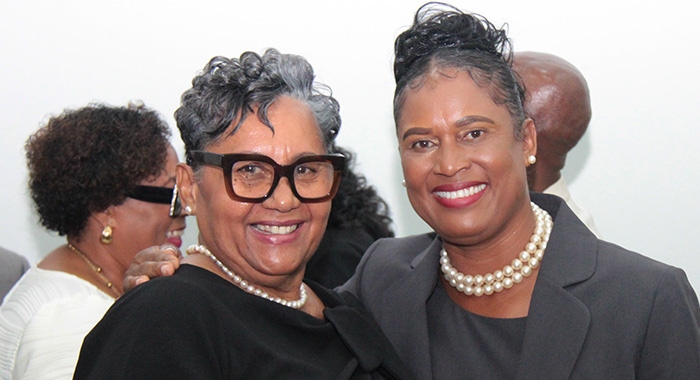
In a landmark political shift, St. Vincent and the Grenadines has witnessed the election of its first female parliamentarians in two decades. Laverne Gibson-Velox and Shevern John of the New Democratic Party (NDP) secured decisive victories in the November 27, 2025 general election, representing East St. George and North Windward constituencies respectively.
Their triumph ended a prolonged drought for women in parliamentary representation that persisted since 2001, when Unity Labour Party’s Rene Baptiste last held office. Baptiste herself noted on election night that she had been the last woman elected to Parliament prior to these breakthroughs.
The path to victory was particularly significant for Gibson-Velox, who unseated Finance Minister Camillo Gonsalves—a prominent ULP figure considered heir apparent to party leadership. In an exclusive interview, Gibson-Velox revealed her strategic approach: ‘I studied what he didn’t do and implemented exactly what the people wanted. He maintained no relationship with constituents—I made myself accessible, sat on their steps, played dominoes, and demonstrated genuine connection.’
Meanwhile, John’s victory came after significant personal sacrifice, having left a teaching career that would have provided substantially higher compensation than her previous senatorial role. ‘Service to humanity is the best work of life, not salary,’ she affirmed outside Parliament.
The electoral landscape had been particularly challenging for female candidates since 2001, with twenty-one women failing in their parliamentary bids across multiple parties over this period. The NDP’s overwhelming victory, securing 14 of 15 parliamentary seats, created the conditions for this historic gender representation breakthrough.
Both women have assumed their legislative responsibilities with distinct perspectives. Gibson-Velox was appointed Minister of the Family and Gender Affairs, Persons with Disabilities, and Labour—a portfolio aligning with her breakthrough achievement. John emphasized the solemn responsibility of representation, urging colleagues: ‘Remember the people who saw hope in you. Don’t become too busy for those who entrusted us with this mandate.’
Their elections mark a potential turning point in Vincentian politics, challenging longstanding barriers and establishing new paradigms for women’s political participation in the Caribbean nation.