博客

  • K2K twins Kathy and Karen Norman inducted into SJC POS Hall of Excellence

    K2K twins Kathy and Karen Norman inducted into SJC POS Hall of Excellence

    In a distinguished ceremony held on November 18, twin sisters Kathy and Karen Norman—renowned for their influential medium band K2K Alliance and Partners—were formally inducted into the Hall of Excellence at St Joseph Convent, Port of Spain. The event, hosted biennially at the school’s chapel on Pembroke Street, celebrates exceptional alumni who have made significant contributions to society.

    Established in 2001 by the school’s Past Pupils’ Association, this year’s induction was graced by Archbishop Jason Gordon, who delivered the opening prayer. Maritza Ramphal, the school’s current principal and first vice-president of the association, provided welcoming remarks, while Effuah Alleyne, president of the Past Pupils’ Association, concluded with a vote of thanks.

    The Norman twins stood among twelve honorees, including Meta’s Vice President of Accessibility and Engagement Maxine Williams, Arrive Alive President Sharon Inglefield, and former SJC principal Anna Pounder. Their pen portraits highlighted extraordinary academic achievements, with each twin securing ten CSEC subjects—including art, where both received awards for their submissions titled ‘The Cycle of Life’ and ‘Life in its Complexity.’

    Their early artistic development was further shaped by interviews with mas designers Peter Minshall and Wayne Berkeley, conducted as part of their School-Based Assessments. These experiences ignited their passion for costume design and creative expression. Throughout their school years, the twins consistently contributed their artistic talents to class and school projects. At the Advanced Level, Karen was recognized as the Caribbean’s most outstanding art student, and both portfolios were retained by Cambridge as exemplary references for future generations.
  • Emotions run high in SYG senate debate

    Emotions run high in SYG senate debate

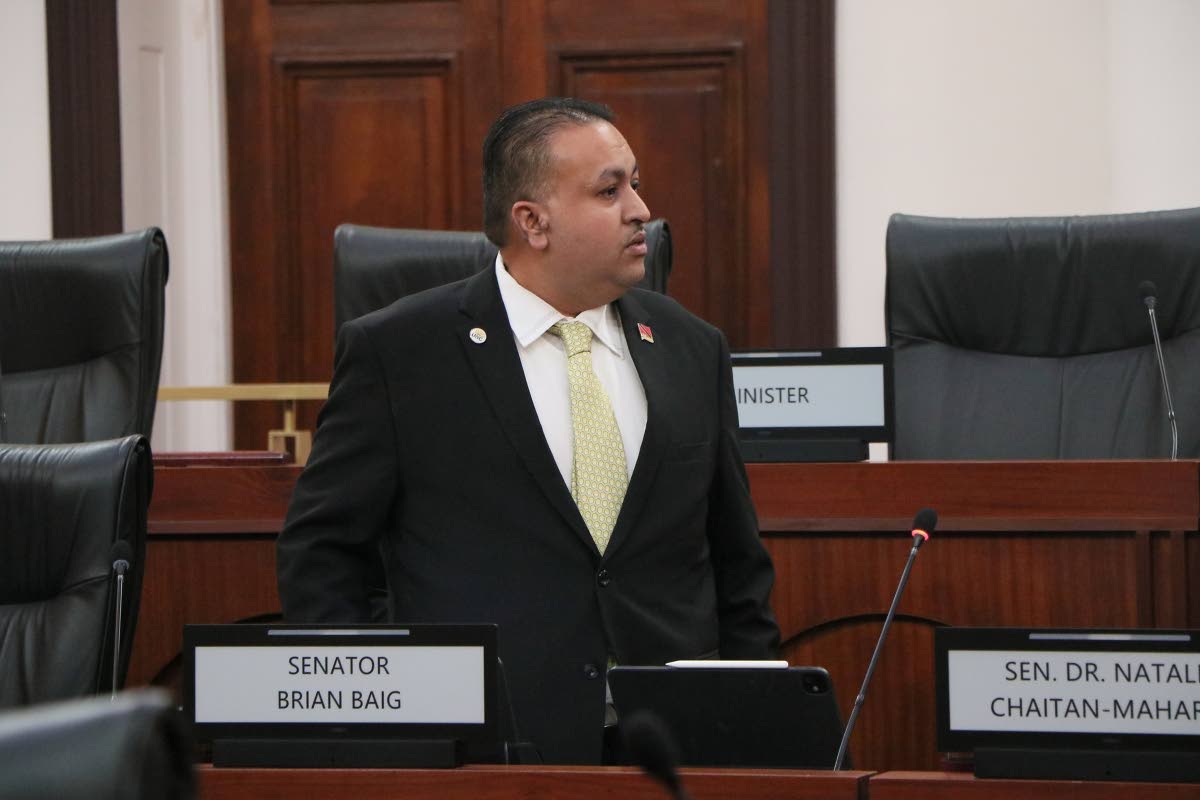
    The Trinidad and Tobago Senate witnessed profoundly emotional deliberations on December 2nd during the debate over the controversial Home Invasion (Self-Defence and Defence of Property) Bill, 2025. Government Senator Brian Baig delivered a heart-wrenching testimony detailing his personal experience as a home invasion survivor, visibly trembling as he addressed the chamber.

    Senator Baig recounted how the traumatic event permanently altered his psychological state, revealing he still wakes daily at 3 AM—the hour preceding the incident—haunted by the fear that intruders remain in his home. The senator described implementing extensive security measures including alarms, round-the-clock security personnel, and guard dogs to restore his family’s sense of safety. Baig further shared the devastating story of his aunt who was murdered during another home invasion, with her throat slit ‘from ear to ear’ while his uncle, a heart patient, was bound to a chair.

    Despite the emotional appeal, opposition Senator Faris Al-Rawi expressed reservations about the legislation’s practical effectiveness. While acknowledging the bill was ‘heading in the right direction,’ Al-Rawi questioned whether the proposed law would actually assist victims in real-time crisis situations. He raised significant concerns regarding the exclusion of approximately 230,000 squatters lacking lawful property possession, the treatment of common areas in housing developments, and the application to institutional dwellings like children’s and geriatric homes.

    Independent Senator Dr. Desiree Murray highlighted additional ambiguities, noting the legislation potentially conflates domestic disputes with armed invasions by labeling known acquaintances as ‘home invaders.’ She warned this blurring of distinctions could lead to disproportionate use of lethal force in situations already covered by existing laws. The debate revealed deep divisions between the emotional imperative for enhanced self-defense protections and practical concerns about legal precision and unintended consequences.

  • CPO’s proposal on $3.8b back pay – Debt relief for public servants

    CPO’s proposal on $3.8b back pay – Debt relief for public servants

    A significant communication breakdown has emerged between Trinidad’s Public Services Association (PSA) and the Office of the Chief Personnel Officer (CPO) regarding the implementation of a recently negotiated wage agreement for public servants, casting uncertainty over the promised $3.8 billion in back payments.

    PSA President Felisha Thomas announced on December 2nd that her union had secured a landmark memorandum of agreement (MoA) with the government, featuring a 10% wage increase and full cash payment of arrears by December 23rd. In a circular to members, Thomas declared victory, stating the agreement represented “financial relief” and “recognition of your hard work.”

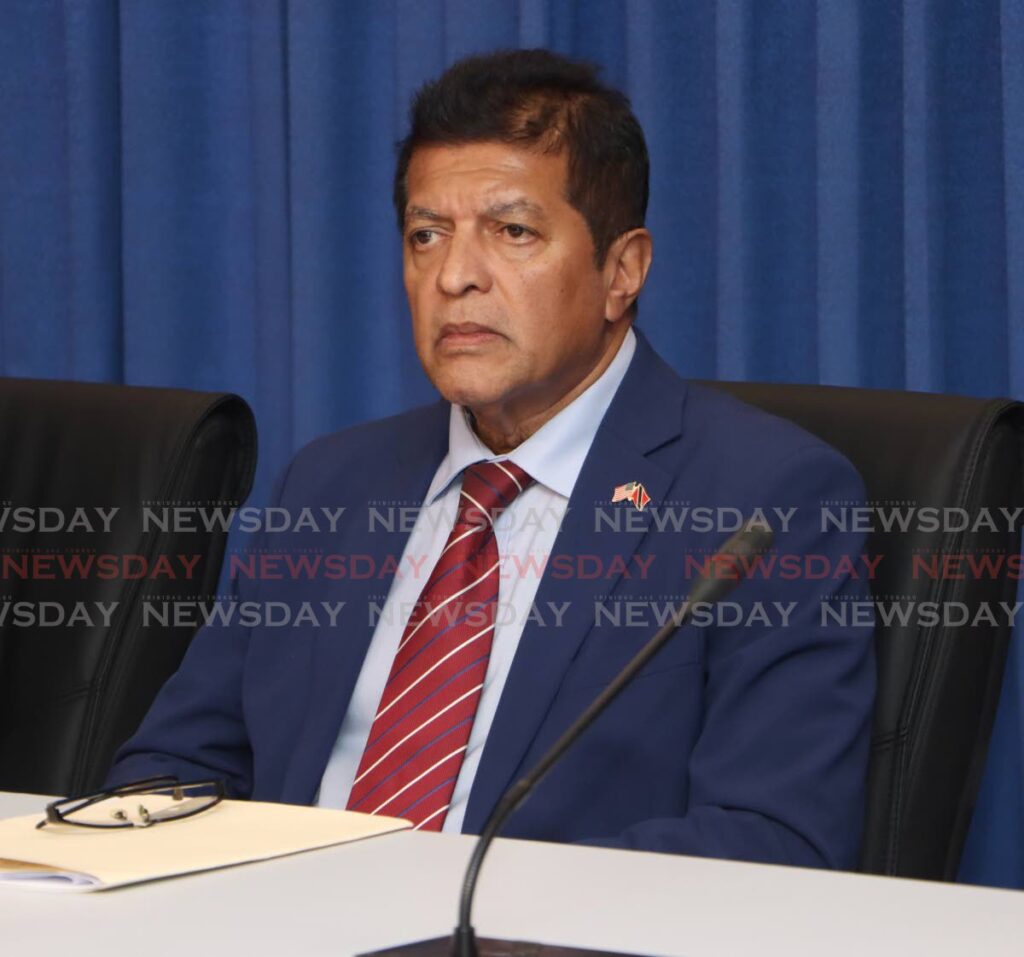
    However, Chief Personnel Officer Dr. Daryl Dindial provided a contradictory account to Newsday, revealing that the December payment would constitute only a partial advance—approximately $500 million—rather than the full $3.8 billion owed. He clarified that the complete arrears settlement would require extended negotiations in January and would likely be distributed across multiple fiscal years to avoid straining government finances.

    Dr. Dindial further explained that the final settlement package would likely combine cash payments with non-cash benefits, potentially including debt forgiveness for housing mortgages, health benefits, and other allowances. This approach aims to minimize the state’s cash flow impact while providing meaningful relief to workers.

    The CPO’s office subsequently issued a press release describing the negotiations as “memorable” but conspicuously omitted any reference to the December 23rd deadline for full payment mentioned by the PSA president.

    When questioned about the conflicting messages, Dr. Dindial declined to comment on President Thomas’s statements but directed the public to the CPO’s official website for accurate information regarding the wage negotiation process. He emphasized the government’s responsible fiscal approach, noting that the Ministry of Finance had not previously allocated funds for such substantial arrears payments.

  • Imbert warns of new taxes coming

    Imbert warns of new taxes coming

    Former Finance Minister Colm Imbert has issued a stark warning regarding the government’s intention to implement multiple new taxes through the Finance Bill 2025, scheduled for presentation in the House of Representatives on December 5 at 1:30 PM.

    In a social media post on platform X, Imbert revealed that the United National Congress (UNC) government has circulated a comprehensive 44-page legislative document containing what he describes as “an avalanche of new taxes” that the administration intends to rapidly push through parliament. The proposed measures include a landlord tax, electricity surcharges, a substantial 20 percent increase in National Insurance System (NIS) rates, and heightened penalty fines. These would supplement the previously announced 100 percent hike in alcohol taxes implemented in October.

    The Finance Bill represents standard legislative procedure following budget approval, designed to enact policies outlined during budgetary presentations. Finance Minister Davendranath Tancoo had previously announced revenue-generation measures during his October 13 budget presentation, including immediate customs duty increases on rum, beer, and cigarettes. Additional provisions such as NIS increases, electrical surcharges for commercial and industrial consumers, and levies on commercial banking institutions are projected to take effect from January 1, 2026.

    The current 2025/2026 budget framework projects expenditures of $59.232 billion against revenues of $55.367 billion, resulting in a $3.865 billion deficit. This contrasts with the previous administration’s 2024/2025 budget under the People’s National Movement (PNM) government, which anticipated revenues of $54.224 billion, expenditures of $59.741 billion, and a larger deficit of $5.517 billion.

    Minister Tancoo’s budgetary calculations are based on projected oil and natural gas prices of US$73.25 per barrel and US$4.25 per mmbtu respectively, compared to last year’s benchmark prices of US$77.80 per barrel and US$3.59 per mmbtu under the previous government.

  • Man found dead hours after shooting

    Man found dead hours after shooting

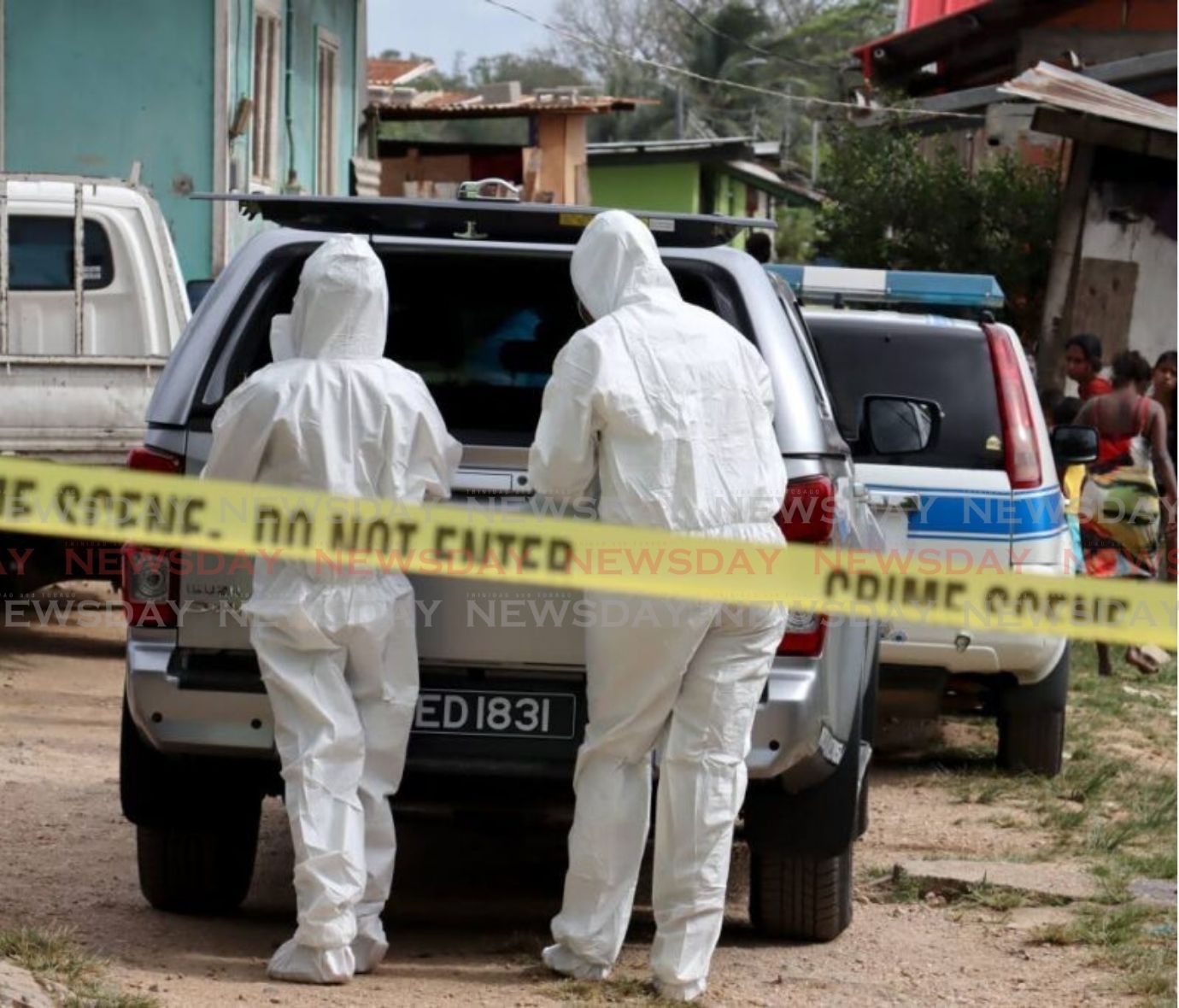
    Authorities in Trinidad and Tobago have launched a comprehensive murder investigation following the discovery of 37-year-old Jamal ‘Tallo’ Arthur’s body on Cordial Avenue in Cashew Gardens. The victim was found with fatal gunshot wounds on the morning of December 1st, marking a tragic culmination of violence that began hours earlier.

    According to police reports, the sequence of events commenced around 10 pm on November 30th when Arthur and two companions were ambushed by two masked assailants. The attackers physically pushed aside one member of the group before opening fire with five rounds directed at a 30-year-old man walking with Arthur. One bullet struck the younger victim in the neck, prompting the perpetrators to flee into nearby vegetation.

    The injured man received immediate medical attention and was transported to a local hospital where he remains in stable yet critical condition. Meanwhile, Arthur’s whereabouts remained unknown until the following morning when a civilian passerby discovered his lifeless body in close proximity to the initial shooting location.

    Law enforcement officials are treating these incidents as connected and are pursuing multiple investigative avenues. The Cashew Gardens community has expressed heightened concern over the brazen nature of the attack, which occurred in a residential area. Police forensic teams have conducted extensive scene examinations, collecting ballistic evidence and witness statements to identify potential suspects.

    This case represents the latest in a series of violent incidents that have prompted renewed discussions about community safety and law enforcement responses in the region. Investigators are appealing to the public for any information that might lead to breakthroughs in the case.

  • PNM ‘prepared’ as THA election date announced

    PNM ‘prepared’ as THA election date announced

    With the Tobago House of Assembly officially dissolved and elections scheduled, the People’s National Movement (PNM) has expressed strong confidence in its campaign to regain governance of the autonomous island territory.

    PNM Tobago political leader Ancil Dennis revealed the party’s extensive preparations, noting they anticipated the election window between January 12 and February 12 following the assembly’s dissolution on November 12. Under the THA Act, elections must be called within three months after the four-year term concludes.

    The PNM began candidate screening as early as June and finalized its full slate of candidates across all 15 electoral districts by August. Dennis emphasized that these candidates have been actively engaging with constituents since their selection, positioning the election as a referendum on the current administration’s performance from 2021 to present.

    The party plans to introduce a comprehensive development vision focusing on tourism expansion, agricultural revitalization, renewable energy initiatives, job creation, and housing construction programs designed to restore opportunities for Tobago residents.

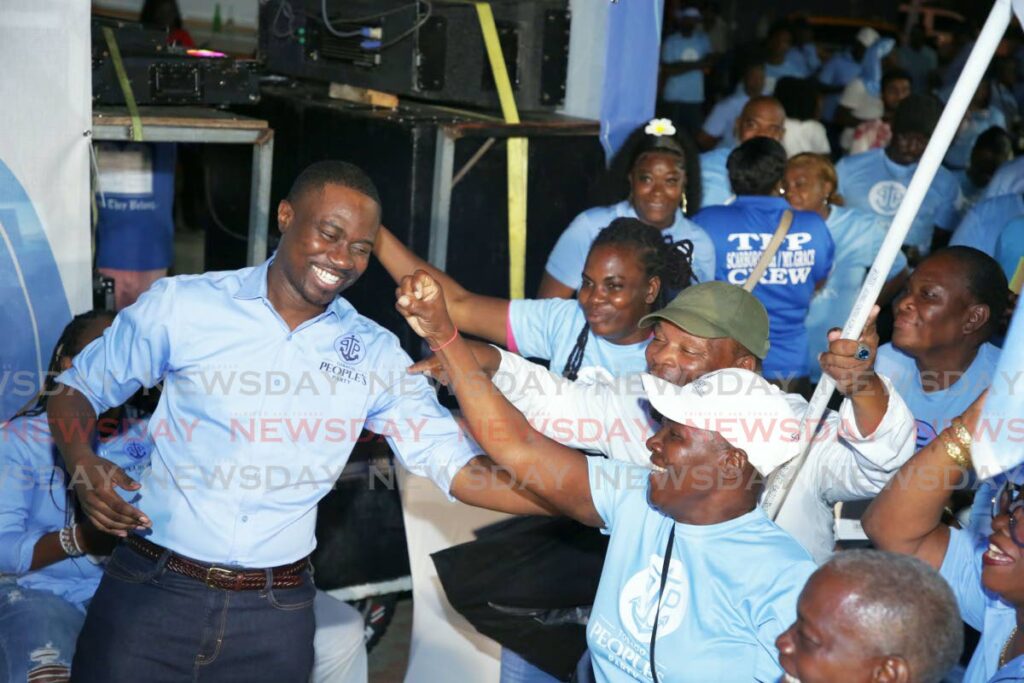
    The election announcement came on December 1 during a Tobago People’s Party (TPP) event where Chief Secretary Farley Augustine presented his candidates, including former PNM Tobago West chairman Keigon Denoon.

    This electoral contest follows the unprecedented 2021 THA election that resulted in a historic 6-6 deadlock between PNM and Progressive Democratic Patriots (PDP), prompting electoral reform that expanded districts from 12 to 15. The subsequent December 2021 election saw PDP secure a landslide 14-1 victory, ending nearly two decades of PNM dominance. However, political realignments saw 13 PDP assemblymen resign in 2022, leading to the formation of Augustine’s TPP, which recently secured both Tobago parliamentary seats in the April general election.

  • Christmas will never be the same: A December that changed everything

    Christmas will never be the same: A December that changed everything

    On December 5th, twenty-two years ago, Dr. Lester Philip experienced the profound silence that follows stillbirth—a moment when anticipated joy transformed into unimaginable sorrow. His son, envisioned as the ultimate Christmas gift, entered the world without breath or heartbeat, leaving behind dreams of birthdays, bedtime stories, and park walks that would never be realized.

    In a deeply personal reflection, Philip compares grief to the loyalty of a bereaved dog that waits persistently for its departed owner—an image that captures the enduring nature of love beyond loss. He describes how specific locations—nursing homes, cemeteries, churches—trigger vivid recollections, demonstrating how memory persists despite societal pressures to ‘move on.’

    The narrative draws parallels to cultural touchstones like the film Hachiko and the biblical parable of the Prodigal Son, illustrating unwavering devotion. After years of spiritual wrestling, Philip arrived at a transformative perspective: perhaps his son’s passing represented divine mercy rather than punishment—protection from future heartbreaks and worldly pain.

    Though brief, Philip cherishes the moment he held his son’s perfectly still face. Through technological advancements facilitated by The Ohio State University, he has gained glimpses of what his child might have looked like growing up—an experience blending sadness with wonder.

    Philip concludes with a message of solidarity for anyone experiencing loss, emphasizing that grief connects humanity while memories perpetuate love. Each December 5th, he expresses gratitude for the gift of fatherhood, however fleeting, recognizing that profound love can simultaneously break and heal the human heart.

  • Trade union movement divided, workers exploited

    Trade union movement divided, workers exploited

    Trinidad and Tobago’s trade union movement remains critically divided across three competing federations, fundamentally undermining worker protections and collective bargaining power. This institutional fragmentation has created a landscape where governments can strategically exploit internal divisions, leaving workers vulnerable to unfavorable settlements.

    The historical roots of this disunity trace back to the movement’s earliest days, with pioneering leaders like Cipriani, Rienzi, and Butler initially mobilizing workers across vital sectors including oil, sugar, and transportation. However, the subsequent emergence of multiple federations revealed deep-seated challenges stemming from ideological differences, personality conflicts, and competing political allegiances.

    Today, the Federation of Independent Trade Unions and Non-Governmental Organisations (FITUN), the Joint Trade Union Movement (JTUM), and the National Trade Union Centre (NATUC) operate as separate entities with no union belonging to all three simultaneously. This institutional separation has created barriers to principled solidarity, with each federation guarding its independence at the expense of collective strength.

    The consequences of this division became starkly evident during recent wage negotiations. The government’s four percent wage offer was accepted by individual unions rather than through unified federation leadership, with some unions justifying their position through legal arguments never properly tested. This fragmentation set a damaging precedent that weakened the movement’s credibility.

    The subsequent ten percent settlement for public servants further exacerbated divisions, prompting other unions to seek similar treatment rather than reinforcing collective bargaining principles. This selective distribution of benefits has created inequities across the public sector, where compensation should reflect duties, responsibilities, and rising living costs.

    Analysts observe that without a unified approach, the trade union movement cannot effectively defend workers’ interests. The current structure of three separate federations operating in isolation prevents the consistency and credibility that a single, cohesive organization could provide. What’s needed is leadership willing to project a collective voice rather than hiding behind independence as justification for division.

    The ongoing fragmentation risks diminishing the relevance of trade unionism altogether as workers lose faith in divided leadership. Only when union leaders transcend their differences and embrace principled unity can the movement restore its credibility and protect workers from bearing the cost of choices they did not make.

  • $80m waste

    $80m waste

    A staggering $80 million worth of pharmaceuticals expired unused within Trinidad and Tobago’s public health system over a ten-year period, parliamentary hearings revealed on December 1. This massive wastage occurs against a backdrop of chronic shortages plaguing the nation’s healthcare infrastructure, where insufficient medical personnel, limited hospital beds, and excessively long waiting times for critical services remain persistent challenges.

    The disclosure before Parliament’s public administration and appropriations committee highlights profound systemic inefficiencies in medication procurement and inventory management. While some drug wastage is inevitable in any healthcare system due to patient mortality, side effects, or regimen non-compliance, the scale of this loss points to deeper operational failures.

    Health Minister Lackram Bodoe previously indicated to MPs during mid-year review debates that the $80 million figure actually represented waste accumulated between 2020-2025 alone, suggesting the total ten-year wastage likely far exceeds the officially reported amount. This discrepancy in reporting timelines further underscores the confusion and poor coordination characterizing the current system.

    The medication procurement process reveals structural flaws: while patients receive care through regional health authorities, pharmaceuticals are centrally purchased through the Health Ministry via contracted entity Nipdec. These multiple administrative layers contribute to significant over-projection of medication needs. North Central Regional Health Authority CEO Davlin Thomas acknowledged fundamental data transmission gaps, unable to confirm how information flows between regional authorities and central procurement.

    This enormous financial loss represents missed opportunities to address critical healthcare shortages. The wasted $80 million could have funded additional medical staff, expanded hospital capacity, or upgraded diagnostic equipment. Despite recent digitization improvements in tracking systems, the scale of wastage indicates that more coordinated oversight and streamlined procurement processes are urgently required to balance adequate medication supply against preventable expiration.

  • PNM’s Keigon Denoon anchors in TPP for Jan 12 THA elections

    PNM’s Keigon Denoon anchors in TPP for Jan 12 THA elections

    In a significant political realignment, Tobago People’s Party (TPP) leader and Chief Secretary Farley Augustine has unveiled former PNM Tobago West chairman Keigon Denoon as their final candidate for the upcoming Tobago House of Assembly (THA) elections scheduled for January 12, 2026. The announcement came during the party’s candidate presentation event on December 1 at Scarborough’s Calypso Rose Boulevard.

    Denoon, a native of Buccoo and coordinator of the Youth Energised for Success (YES) programme, will contest the Buccoo/Mt Pleasant electoral district against PNM Tobago political leader Ancil Dennis. His defection represents a notable shift in Tobago’s political landscape just weeks before the crucial election.

    Augustine characterized the TPP as “a coalition of the competent and willing” that embraces members from various political backgrounds including TOP, NAR/DAC, Tobago Forwards, UNC, and PNM. “We are all Tobagonians fighting for a better Tobago,” Augustine declared as he welcomed Denoon to the stage with an embrace.

    The PNM response remained measured despite the unexpected defection. Tobago Council chairman Learie Paul expressed disappointment but acknowledged Denoon’s freedom to switch allegiances. “I believe in integrity,” Paul stated, adding that while surprised by the timing, he wished Denoon well in future endeavors.

    PNM political leader Ancil Dennis similarly respected Denoon’s “democratic right” to associate with any party, even noting the abruptness of the transition: “even if it’s PNM tonight and TPP the same night, that’s fine!”

    Local constituents in Buccoo appeared supportive of their native son regardless of party affiliation. Multiple anonymous villagers praised Denoon’s qualifications, with one noting “his potential continues to go unnoticed” within PNM ranks, while another declared him “the right man for the job.

    The TPP confirmed its full slate of 15 candidates, including Ian Pollard returning to defend his Mason Hall/Moriah seat. Augustine revealed the election writ is expected around December 5, with campaigning to emphasize grassroots outreach rather than rally crowds. “Votes win election,” Augustine emphasized, pledging to “knock on every door” ahead of the January vote.