博客

  • CAFFE pays tribute to former ECJ chairman Dorothy Pine-McLarty

    CAFFE pays tribute to former ECJ chairman Dorothy Pine-McLarty

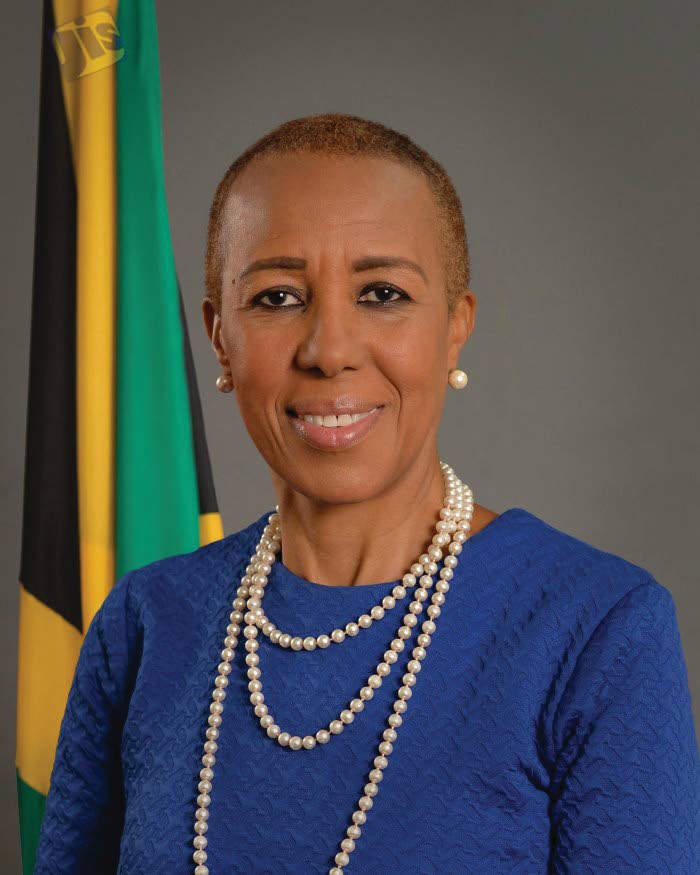
    KINGSTON, Jamaica — Jamaica’s democratic institutions are mourning the loss of The Honourable Dorothy Pine-McLarty, a foundational figure in the nation’s electoral reform movement whose legacy continues to shape the country’s political processes. The prominent attorney and former Chairman of the Electoral Commission of Jamaica (ECJ) passed away recently, leaving behind a transformed electoral landscape.

    Pine-McLarty’s remarkable career in electoral governance spanned multiple decades, beginning with her extensive service on the Electoral Advisory Committee before making history as the sole member to transition to its successor organization, the ECJ. Her visionary leadership as Commission Chairman from 2013 until her retirement in 2019 was characterized by institutional innovation and an unwavering commitment to preserving democratic integrity. During her tenure, she implemented crucial safeguards that strengthened public trust in Jamaica’s electoral system.

    Beyond her electoral contributions, Pine-McLarty established herself as a legal luminary, serving as managing partner at the prestigious law firm Myers, Fletcher & Gordon. She was particularly celebrated for her dedication to mentoring emerging legal professionals, shaping the next generation of Jamaica’s judicial talent. Her exceptional service to nation-building earned her the Order of Jamaica in 2007, followed by an honorary Doctorate in Business Administration from the University of the Commonwealth Caribbean in 2019.

    Citizens Action for Free and Fair Elections (CAFFE), which collaborated closely with Pine-McLarty during her ECJ leadership, acknowledged her profound institutional knowledge and praised the robust working relationship they maintained throughout her tenure. The organization emphasized that her passing represents a significant moment for Jamaican democracy, noting that her contributions have left an indelible mark on the nation’s governance structures. CAFFE has extended heartfelt condolences to her family, colleagues, and numerous admirers across the legal and electoral communities.


  • Mount Pleasant win Concacaf Caribbean Cup

    Mount Pleasant win Concacaf Caribbean Cup

    In a thrilling conclusion to the CONCACAF Caribbean Cup, Jamaica’s Mount Pleasant Football Academy has been crowned champion following a dramatic 2-2 draw against Dominican Republic’s O&M FC in Tuesday’s second leg final at Kingston’s National Stadium. The result secured a 3-2 aggregate victory for the Jamaican side, cementing their regional dominance.

    The championship-clinching moment arrived through Tyreek Magee’s late equalizer, sending the home crowd into euphoric celebrations as his goal ultimately decided the continental title. This capped a remarkable two-leg performance that began with Mount Pleasant’s narrow 1-0 away victory in the Dominican Republic last week, demonstrating their resilience both home and abroad.

    The final match unfolded as a tactical battle between the Caribbean rivals, with both teams exchanging attacks throughout the intense contest. Mount Pleasant’s triumph represents a significant milestone for Jamaican club football, providing qualification to the expanded CONCACAF Champions Cup where they will compete against top clubs from North America, Central America, and the Caribbean.

    This victory establishes Mount Pleasant as Jamaica’s newest continental representatives and underscores the growing competitiveness of Caribbean club football. The tournament performance promises substantial financial rewards and increased visibility for the Jamaican champions as they prepare for higher-level international competition.

  • Fiscal Rules suspended as GDP takes a 5.3% hit from Melissa

    Fiscal Rules suspended as GDP takes a 5.3% hit from Melissa

    KINGSTON, Jamaica — Jamaica’s parliament has authorized a temporary suspension of the nation’s Fiscal Rules following an official determination that Hurricane Melissa caused economic damage exceeding legislative thresholds. The decision came after Finance Minister Fayval Williams presented data to the House of Representatives on Tuesday showing the storm’s impact reached at least 1.5% of GDP, triggering provisions under Jamaican law that allow for fiscal flexibility during national emergencies.

    The Independent Fiscal Commission received comprehensive assessments from multiple government entities including the Planning Institute of Jamaica, Bank of Jamaica, and the Finance Ministry, all confirming the hurricane’s severe economic consequences. Minister Williams revealed that the total fiscal impact is projected to reach 5.3% of GDP over the period spanning fiscal years 2025/2026 through 2029/2030, significantly surpassing the 1.5% legislative threshold required for suspension.

    The approved Order grants the Administration necessary fiscal space for recovery and reconstruction efforts during the 2025-26 fiscal year. The suspension initially covers a one-year period, with provisions allowing the finance ministry to seek parliamentary approval for extensions if warranted by ongoing recovery needs.

    Economic projections have been substantially revised downward, with real GDP now expected to decline by 4.3% for fiscal year 2025/26—a dramatic reversal from the 2.2% growth forecast presented in February’s Fiscal Policy Paper. Medium-term projections indicate a gradual recovery with real GDP growth averaging between 1-2% as the economy rebounds from the current contraction.

    Despite the economic challenges, officials anticipate inflation will stabilize within the Bank of Jamaica’s target range of 4-6%, providing some macroeconomic stability during the recovery period.

  • Melissa adds $29b to Budget as reflected in Third Supplementary Estimates

    Melissa adds $29b to Budget as reflected in Third Supplementary Estimates

    KINGSTON, Jamaica – The Jamaican government has formally presented a substantial fiscal injection of J$29.3 billion (approximately $187 million USD) into the national treasury for the 2025-26 financial year. This allocation was detailed in the Third Supplementary Estimates of Expenditure, tabled before the House of Representatives on Tuesday by Finance and Public Service Minister Fayval Williams.

    Minister Williams explicitly attributed the entire supplementary budget to addressing the widespread devastation caused by Hurricane Melissa, underscoring the government’s dual focus on crisis response and maintaining essential services. “Alongside those Melissa-induced spending is the Government’s own spending to keep Government going,” Williams stated during the parliamentary session.

    The budgetary distribution reveals a targeted approach to national recovery. The Ministry of Economic Growth and Infrastructure Development is designated to receive the largest portion, J$7.2 billion, earmarked for critical road infrastructure repairs and the urgent procurement of 3,300 containerized housing units for displaced citizens.

    Significant funding has also been allocated to other key ministries for relief operations:
    – J$4.6 billion to the Ministry of Local Government and Community Development to support post-hurricane relief, fund the National Solid Waste Management Authority’s cleanup initiatives, and bolster municipal corporations.
    – J$3.4 billion to the Ministry of Tourism, a vital sector for the island’s economy.
    – J$3.2 billion to the Ministry of Water, Environment and Climate Change.
    – J$3 billion to the Ministry of Agriculture, Fisheries and Mining to assist the heavily impacted farming and fishing industries.
    – J$1.5 billion to the Ministry of Energy, Transport and Telecommunications.

    The proposed expenditures are now subject to legislative scrutiny, with the Parliament’s Public Administration and Appropriations Committee scheduled to convene on Wednesday for a detailed examination before the House grants final approval.

  • Hidden dangers after hurricane passes

    Hidden dangers after hurricane passes

    KINGSTON, Jamaica — Beyond the visible wreckage of toppled trees and flooded streets, hurricanes leave a more insidious threat lurking within Jamaica’s food supply chain. The period following severe weather creates a perfect storm for contamination, where floodwaters carrying sewage and chemicals combine with power outages that compromise refrigeration systems. These conditions create critical vulnerabilities in kitchens, warehouses, and distribution centers across the island.

    Dr. Roy McNeil, Chief Food Storage Officer of Jamaica’s Food Storage and Prevention of Infestation Division (FSPID), emphasizes that food safety standards transform from routine practice to urgent public health necessity following hurricanes. The division activates its Inspectorate and Disinfestation Unit, deploying teams to assess food facilities across affected parishes while leveraging five specialized laboratories for scientific analysis of potential contaminants.

    The immediate 24-72 hour window after a storm proves most critical. Dr. McNeil advises that safety begins with structural assessments and hazard elimination before any food evaluation. Refrigeration failures demand particular attention—perishable items left unrefrigerated beyond safe time limits must be discarded regardless of appearance or smell, as dangerous pathogens like E. coli and salmonella don’t affect sensory qualities.

    Floodwater contact necessitates immediate disposal of affected food items, including dry goods in non-waterproof packaging. Porous materials like cardboard and wooden utensils typically cannot be salvaged due to deep microbial penetration. While undamaged factory-sealed metal cans might be saved through rigorous cleaning, the governing principle remains: “When in doubt, throw it out.”

    The recovery phase introduces complex pest management challenges as flooding displaces rodents and insects toward human habitats. The FSPI Act defines infestation broadly and mandates specific structural protections—water-resistant surfaces, mesh-sealed ventilation, and properly fitted drains—to exclude pests during rebuilding. The division advocates for non-chemical control methods where possible and requires strict adherence to regulations when pesticides are necessary.

    FSPID inspectors maintain vigilant oversight throughout recovery, examining warehouses, retail establishments, and transport vehicles with authority to detain, seize, or destroy compromised products. This multilayered approach—combining regulatory enforcement, scientific analysis, and public education—forms Jamaica’s defensive barrier against post-hurricane foodborne illness outbreaks, ensuring the nation’s food remains safe and nourishing despite climatic challenges.

  • ‘We were like saviours’: Jimmy Cliff’s historic performance in Apartheid era South Africa

    ‘We were like saviours’: Jimmy Cliff’s historic performance in Apartheid era South Africa

    During the height of South Africa’s Apartheid regime—a system condemned by the United Nations as a crime against humanity—the country faced global isolation as a pariah state. International entertainers, athletes, and business figures risked United Nations blacklisting for engaging with the racially segregated nation. Despite these sanctions, Jamaican reggae icon Jimmy Cliff made history in May 1980 by becoming the first Jamaican artist to perform in South Africa, undertaking a controversial two-week tour with three landmark concerts.

  • Upgraded Little London Police Station a symbol of resilience – NHT

    Upgraded Little London Police Station a symbol of resilience – NHT

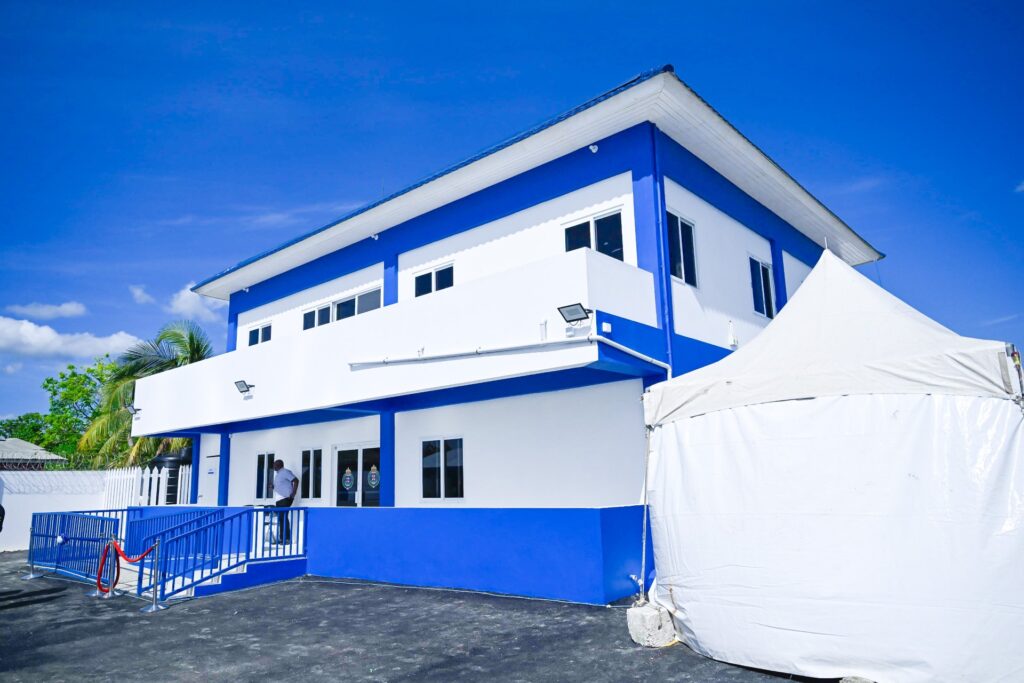
    WESTMORELAND, Jamaica — The recently inaugurated Little London Police Station represents far more than mere infrastructure improvement, standing as a profound emblem of Jamaica’s collective determination toward national renewal and community fortification. Speaking during the official opening ceremony, National Housing Trust (NHT) Assistant General Manager for Engineering and Contract Monitoring Alex Bernard emphasized the project’s symbolic significance amid recent regional challenges.

    Bernard articulated that the enhanced facility transcends conventional construction milestones, embodying instead the powerful convergence of resilience, partnership, and shared civic responsibility. He underscored that meaningful nation-building invariably requires coordinated efforts across communities, institutions, and governmental agencies rather than isolated initiatives.

    This project forms an integral component of the NHT’s Construction and Refurbishing of Police Stations Programme, specifically targeting security facilities within a 10-mile radius of Trust-sponsored housing developments. Since the program’s 2018 inception, the NHT has delivered numerous modernized security installations nationwide, with Little London now joining these ranks following a two-and-a-half-year construction period that persisted through significant natural disruptions.

    The revitalized station features comprehensive upgrades including administrative offices, detention cells, residential quarters, plus fully equipped kitchen and laundry facilities. Notably, sustainable infrastructure enhancements incorporate rainwater harvesting systems and solar power generation equipment designed to reduce operational expenditures while bolstering functional resilience during service disruptions.

    Addressing both law enforcement personnel and community residents, Bernard emphasized the dual-purpose nature of the facility. For officers, it provides an optimized environment for effective service delivery and restorative respite. For Little London inhabitants, it represents tangible investment in safety, stability, and community-police relationship building.

    Savanna-la-Mar Mayor Danree Delancy characterized the inauguration as a historically significant community event, stressing that the celebration extended beyond physical infrastructure to acknowledge deeper commitments to public safety and citizen welfare. He reframed local officers as neighbors, mentors, and guardians integral to community cohesion, envisioning the station as foundational to a safer, stronger, and more interconnected future for Westmoreland parish.

  • Antigua hosting regional conference on nuclear material inventory

    Antigua hosting regional conference on nuclear material inventory

    ST JOHN’S, Antigua – A pivotal regional conference is underway in Antigua and Barbuda, focusing on enhancing the precision and reliability of nuclear material inventory reporting through the modified Small Quantities Protocol (SQP). This week-long assembly has drawn government delegates from across the Caribbean, including St Kitts and Nevis, St Vincent and the Grenadines, St Lucia, Suriname, the Bahamas, Grenada, and Belize.

    The SQP serves as a critical international accord that streamlines safeguard implementation for nations possessing minimal or no nuclear materials. As an adjunct to a Comprehensive Safeguards Agreement with the International Atomic Energy Agency (IAEA), it temporarily suspends extensive reporting and inspection mandates for states operating beneath defined nuclear material thresholds. A 2005 revision to the protocol reinforced this system by activating essential reporting and inspection stipulations.

    This strategic initiative is collaboratively organized by the US Department of Energy, the National Nuclear Security Administration, the International Nuclear Safeguards Engagement Programme, and the IAEA. In his opening address, Ambassador Dr. Clarence Pilgrim, Permanent Secretary in the Ministry of Foreign Affairs, emphasized the conference’s critical timing. He underscored the imperative for all nations, regardless of their nuclear material holdings, to fulfill their international non-proliferation commitments diligently.

    The core objective of the technical sessions is to equip participating states with the advanced skills necessary to generate accurate nuclear inventories and ensure compliant reporting to the IAEA. Organizers confirm that this specialized training is instrumental in supporting regional endeavors to satisfy the stringent requirements of both the Comprehensive Safeguards Agreement and the Additional Protocol, thereby reinforcing the foundational architecture of global nuclear security.

  • Gov’t fast-tracking the repairs of police stations

    Gov’t fast-tracking the repairs of police stations

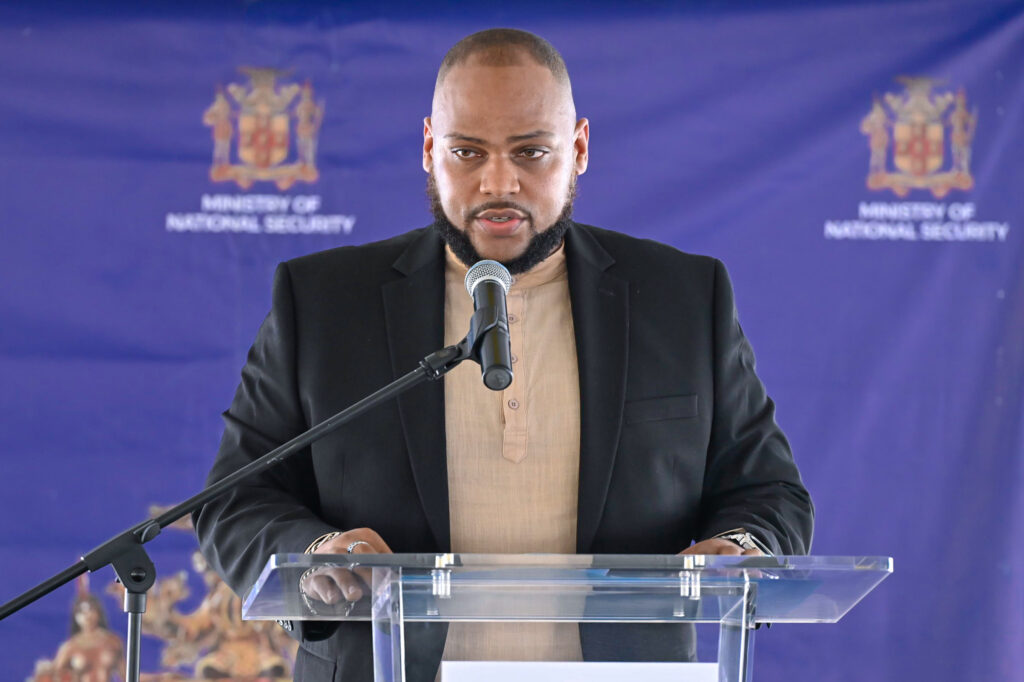
    Jamaican authorities are implementing an emergency restoration initiative to rapidly repair police facilities severely damaged by Hurricane Melissa across the island nation. Juliet Cuthbert-Flynn, State Minister in the Ministry of National Security and Peace, announced the government’s accelerated response during the reopening ceremony of the Little London Police Station in Westmoreland on Friday.

    The comprehensive Accelerated Infrastructure Restoration (AIR) Plan utilizes emergency procurement protocols and strategic institutional partnerships to expedite construction, repairs, and critical upgrades to damaged law enforcement infrastructure. Initial assessments indicate approximately 140 police facilities suffered varying degrees of destruction, with 53 requiring urgent restoration work. Among these, 33 stations sustained extensive structural damage that compromised their operational capacity.

    Westmoreland Parish emerged as one of the most severely impacted regions, with multiple stations in Bethel Town, Bluefields, Darliston, Savanna-la-Mar, and Whitehouse experiencing substantial roof damage and structural compromises. Minister Cuthbert-Flynn reported significant progress already achieved, noting that Bethel Town’s roof replacement has been completed through the coordinated efforts of Police Commissioner Dr. Kevin Blake and dedicated partner organizations.

    The minister praised the extraordinary resilience demonstrated by police personnel who continued serving communities despite operating from facilities covered by temporary tarpaulin, without electricity, and with compromised infrastructure. Their commitment ensured uninterrupted policing services throughout the recovery period.

    Future reconstruction efforts will incorporate enhanced disaster-resilient features designed to maintain operational continuity during future extreme weather events. The government reaffirmed its commitment to strengthening national security infrastructure, ensuring the Jamaica Constabulary Force operates from modern, purpose-built facilities that reflect the standards of a capable and resilient security force deserving of public trust.

  • Kiwanis Club of Global Alliance hosts health and dental fair in Trench Town

    Kiwanis Club of Global Alliance hosts health and dental fair in Trench Town

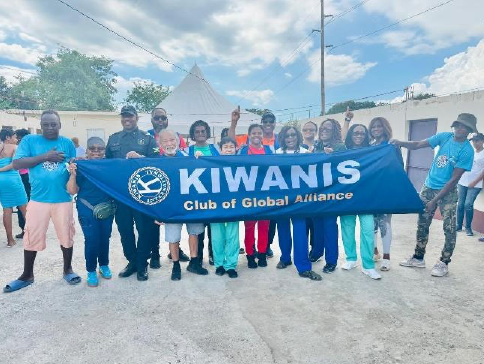
    KINGSTON, Jamaica — In a significant display of cross-border humanitarian collaboration, the newly established Kiwanis Club of Global Alliance has successfully executed its inaugural community health initiative. The organization transformed the Trench Town Community Centre into a comprehensive medical outreach hub, offering critical healthcare services to underserved residents.

    Founded just months ago in February, the club exemplifies a modern approach to philanthropy with membership spanning four nations: Jamaica, the Bahamas, the United Kingdom, and the United States. For this landmark event, the club forged a strategic partnership with Sunrise Health and Rehabilitation, a Florida-based healthcare provider, demonstrating effective international cooperation in addressing community health disparities.

    The health fair featured an impressive coalition of participating organizations including Kino Life, the Dream Team, ZABA Clinic, and JFCforyou. Together they delivered an extensive array of medical services that addressed both physical and mental health needs.

    Medical professionals conducted over 150 comprehensive health assessments, providing critical screenings for blood pressure, cholesterol levels, glucose metrics, and diabetes indicators. The event also featured specialized pediatric and family medicine consultations, ensuring healthcare access across multiple generations.

    The Jamaica Society for the Blind performed vision screenings on 45 community members, with 25 individuals identified as requiring advanced ophthalmological care. Dental services emerged as another crucial component of the initiative, with 42 patients receiving treatments and several cases deemed serious enough to warrant scheduled follow-up appointments.

    A notable advancement in mental healthcare accessibility was achieved through ZABA Clinic’s introduction of mental health and autism-support services. This component resulted in 14 children being enrolled to receive complimentary developmental assessments and therapeutic interventions.

    Edward Wong, President of the Kiwanis Club of Global Alliance, personally engaged with patients and healthcare providers throughout the event. Reflecting on the initiative’s success, Wong emphasized the transformative power of community partnerships and revealed the organization’s plans to expand similar projects both within Jamaica and across international borders.