博客

  • Column: De transparante CEO die wantrouwen doorbreekt

    Column: De transparante CEO die wantrouwen doorbreekt

    In the heart of Suriname’s business landscape, Kuldipsingh Handelsmaatschappij has evolved from a modest construction materials shop into a diversified technical sector giant employing over 1,500 people. The company’s most remarkable transformation, however, lies in its port facility division—a venture that began as a speculative gamble on Suriname’s then-nascent oil and gas industry.

    A decade ago, Kuldipsingh made a bold strategic decision: investing in modern port infrastructure ahead of the anticipated energy boom. What many viewed as a mysterious and potentially suspicious expansion has now materialized into a fully operational facility serving international energy heavyweights including Halliburton, Shell, Staatsolie Blue Water shipping, Noble, and Petronas.

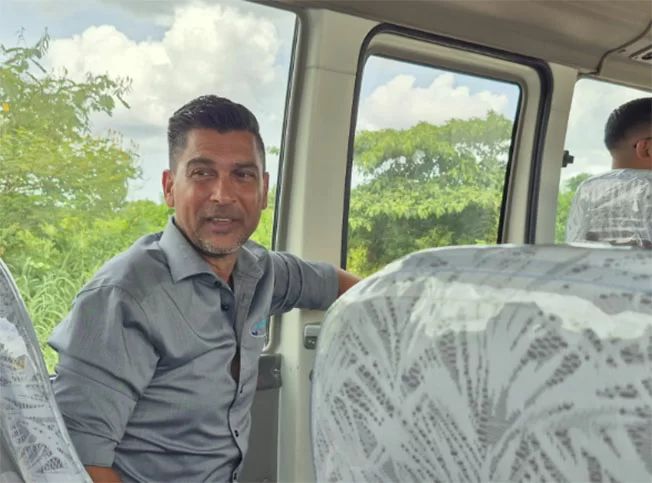
    The true revelation emerged during a recent masterclass on Local Content organized by Staatsolie, where journalists gained unprecedented access to the facility. The tour was led by an unassuming guide dressed in worn but neat jeans and shirt—later revealed to be Vinood Ramkhelawan, CEO of Kuldipsingh Port Facility NV. His accessible demeanor and humorous delivery contrasted sharply with corporate expectations, yet his operational expertise proved formidable.

    What distinguishes Ramkhelawan’s leadership approach is radical transparency. In an industry often characterized by defensive statements and polished corporate messaging, he openly discusses harsh business realities, political challenges, and daily obstacles facing Surinamese companies. This candor is gradually dismantling years of suspicion surrounding the company’s rapid growth.

    The operational reality visible behind the port gates demonstrates tangible results of vision and perseverance: future-proof infrastructure supporting Suriname’s energy sector. Rather than polished sales pitches, visitors witness factual operations, safety standards, and strategic planning.

    The success story highlights a crucial dichotomy: while Surinamese entrepreneurship demonstrates remarkable drive, knowledge, and courage to leverage the oil and gas sector, governmental support structures lag significantly—particularly regarding local content development. The political sphere emerges as the primary constraint on national energy development.

    Kuldipsingh’s journey exemplifies how vision, courage, and transparency can build not just infrastructure but trust. Under leadership that combines honest dialogue with operational excellence, the Surinamese dream becomes tangible—proof that calculated risks and centering local labor can transform national economic prospects.
  • Small fire quickly contained at Chamber of Deputies

    Small fire quickly contained at Chamber of Deputies

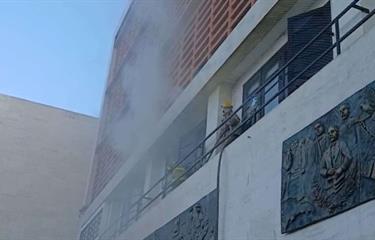
    SANTO DOMINGO – A minor kitchen fire erupted within the Office of the President at the Chamber of Deputies on the morning of Friday, December 5. Emergency protocols were immediately activated, prompting a rapid deployment of National District firefighters to the legislative premises. The specialized response team efficiently managed to contain and extinguish the blaze, preventing any structural damage from spreading beyond the kitchen area.

    Official statements confirmed that all personnel were successfully evacuated and no injuries were reported among employees and responders. The incident, now fully resolved, triggered an immediate investigation by authorities to determine the precise origin and cause of the ignition.

    The legislative body issued public gratitude for the swift and professional action of the fire department, acknowledging their critical role in mitigating potential disaster. The Chamber also expressed appreciation for the concern shown by citizens and assured that further developments would be communicated through established official channels once the investigation concludes.

  • Cuba reaffirms zero-tolerance policy against drugs

    Cuba reaffirms zero-tolerance policy against drugs

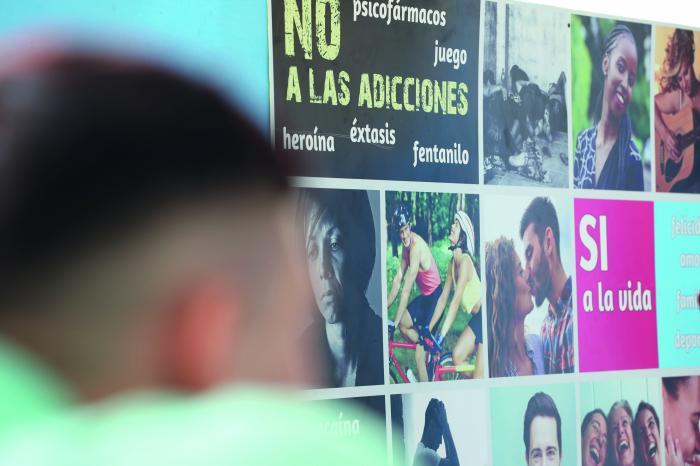
    Cuban authorities have successfully intercepted 72 separate drug smuggling attempts between 2024 and 2025, seizing substantial quantities of marijuana, cocaine, methamphetamine, and synthetic cannabinoids originating from 11 different countries. This achievement comes despite significant challenges posed by the United States embargo and the increasingly sophisticated methods employed by international drug cartels.

    At a recent press conference, Justice Minister Oscar Manuel Silvera Martínez, who chairs Cuba’s National Drug Commission, detailed the nation’s comprehensive anti-narcotics strategy. The approach combines rigorous law enforcement with extensive public education campaigns, maintaining a zero-tolerance policy toward drug trafficking and consumption. Minister Silvera emphasized that Cuba’s geographical position places it along major drug transit routes connecting South American production centers with North American consumer markets, yet the country has consistently prevented itself from becoming a significant storage or transit point for narcotics.

    Colonel Juan Carlos Poey Guerra, head of the Ministry of Interior’s Specialized Anti-Drug Enforcement Agency, highlighted emerging challenges including the proliferation of synthetic substances and innovative smuggling techniques. These include speedboat deliveries, airborne drops, and packages deliberately abandoned in Cuban waters that wash ashore due to currents and weather patterns. The recent passage of Hurricane Melissa led to the discovery of 792.5 kilograms of marijuana and 12.25 kilograms of cocaine along Guantánamo’s northern coast, demonstrating how natural phenomena can unexpectedly introduce drugs into Cuban territory.

    First Colonel Yvey Daniel Carballo Pérez of the Border Guard Troops Directorate noted that Cuba’s extensive 5,746-kilometer coastline presents substantial monitoring challenges. Despite these difficulties, authorities have captured 14 speedboats and 39 traffickers in recent operations, seizing a total of 4,487 kilograms of illicit substances. All interdiction operations have been conducted without loss of human life, even during high-speed pursuits of smuggling vessels.

    The Cuban government has intensified its anti-drug efforts through enhanced training programs, technological modernization, and sophisticated laboratory analysis that has identified 41 new synthetic drug formulations entering the country, most traced to United States origins. Community involvement remains crucial to these efforts, with coastal residents playing a vital role in reporting suspicious packages and activities.

  • Santiago marched with Fidel

    Santiago marched with Fidel

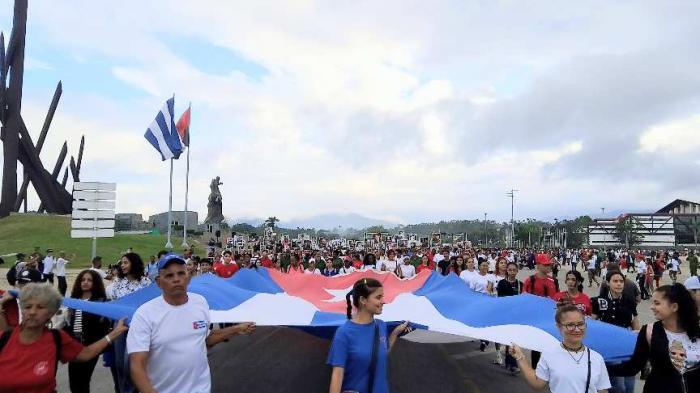
    SANTIAGO DE CUBA – Thousands of Cubans marched through the streets of Santiago de Cuba on Saturday to mark the ninth anniversary of Commander-in-Chief Fidel Castro Ruz’s interment at Santa Ifigenia Heritage Cemetery. The procession, moving from Antonio Maceo Grajales Revolution Square to the national monument, demonstrated remarkable resilience amid ongoing recovery from Hurricane Melissa and an intensified economic blockade.

    Young Adriano Giro Mustelier captured the spirit of the event, proclaiming, ‘Let’s march for Fidel, for the Revolution, and for Cuba!’ His words echoed through the crowd as participants of all ages moved along Patria Avenue to the sounds of the March of July 26 and patriotic songs.

    A university student who participated in the inaugural tribute march as a child told Granma, ‘We do this because Fidel and his example are more necessary today than ever.’ The march also served as a show of solidarity with Venezuela, expressing support against what participants termed ‘new aggressions of U.S. imperialism.’

    Concurrent with the memorial march, the Fidel Castro Ruz Center is hosting the exhibition ‘Siempre Alejandro’ (Always Alejandro) by National Prize for Plastic Arts winner Nelson Domínguez. The collection of 18 canvases in the Cinco Palmas room presents interpretive studies of Castro through striking visual allegories.

    Domínguez’s works, including pieces titled ‘Cinco Palmas,’ ‘Fidel Guerrillero,’ ‘La Guerra Necesaria,’ and ‘Fidel en la Sierra,’ explore the revolutionary leader’s legacy through symbolic imagery rather than traditional portraiture. ‘These are works in which I am searching for my Fidel,’ Domínguez explained. ‘The purpose was not to make a portrait, but an interpretation.’

    Exhibition curator Juan Martín Soler noted that Domínguez’s pieces reflect the artist’s personal experiences with Castro during the revolutionary period in the mountains and subsequent memorable encounters. The exhibition, attracting numerous young visitors, serves as another testament to Castro’s enduring presence in Cuban cultural and political life.

  • Economie moet versneld transformeren naar ‘Suriname 3.0’

    Economie moet versneld transformeren naar ‘Suriname 3.0’

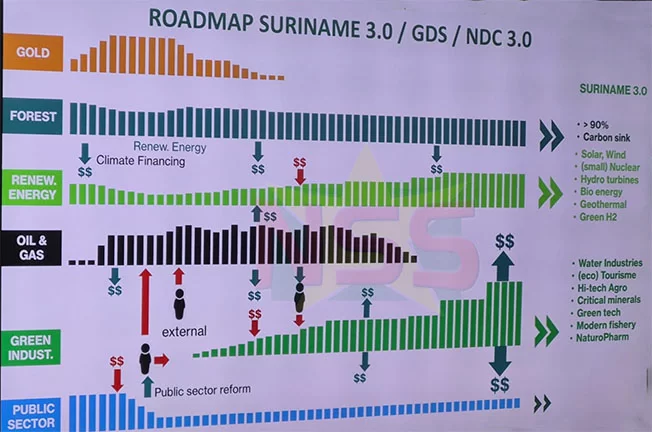
    Suriname stands on the brink of a historic economic transformation as its offshore oil and gas sector accelerates development, according to Oil, Gas & Environment Minister Patrick Brunings. The government has announced plans for a comprehensive national conference in April 2026 that will bring together government entities, private sector representatives, academic institutions, and international partners to establish a detailed roadmap for ‘Suriname 3.0’ – the nation’s transition to a modern, diversified, and sustainable economy.

    Minister Brunings, who comes from an oil industry background himself, emphasized the urgency of preparation: “We must make a structural leap. The offshore developments are real, investments are coming, and we must be ready.” The future oil and gas revenues are specifically intended not to maintain the status quo but to fundamentally reshape Suriname’s economic structure.

    The proposed roadmap outlines a strategic shift away from the gold sector toward multiple new revenue streams supported by oil income. Key development areas include water and climate industries, eco-tourism, high-tech agriculture, critical minerals, green technology, modern fisheries, natural pharmaceuticals, and renewable energy as a second economic pillar. Suriname aims to maintain and even expand its status as a >90% carbon sink nation through investments in solar, wind, hydro, bioenergy, geothermal, green hydrogen, and small-scale nuclear power.

    A crucial component involves reforming the government apparatus, with plans to gradually reduce the size of the public sector. Part of the civil service workforce will be retrained for positions in the oil, gas, and green industries. “The government cannot keep growing. Future jobs will emerge primarily in the productive sector. We must prepare personnel for that,” Brunings stated.

    The transformation faces significant challenges, particularly regarding local content capacity. A masterclass organized by Staatsolie highlighted growing gaps between industry requirements and current market capabilities. International companies operating in Suriname need local goods and services, technically specialized personnel, and supporting sectors including legal, financial, hospitality, logistics, and medical services.

    Despite evident motivation and potential among Surinamese businesses, substantial deficiencies remain – including shortages of well-trained technical staff, insufficient HSE and quality standards, lack of certifications, and inadequate training facilities. The Kuldipsingh Port Facility demonstrates both the rapid pace of offshore development and Suriname’s potential competitiveness, as major international players now operate locally rather than diverting to Trinidad & Tobago or Guyana.

    However, government preparedness lags behind market developments, particularly in policy formulation, regulations, local content requirements, and data collection. Without accelerated action, local small and medium enterprises risk exclusion from emerging opportunities. The April 2026 conference will establish foundations for a national oil and gas development plan, green economy investment strategy, public administration reform, robust local content agreements, and a long-term roadmap for Suriname’s economic future.

  • New Parika-Supenaam ferry arrives in Guyana

    New Parika-Supenaam ferry arrives in Guyana

    Guyana’s transportation network has received a significant upgrade with the arrival of the ARIS IV, a modern roll-on/roll-off ferry that will soon commence operations on the crucial Parika-Supenaam route. The vessel, constructed in Greece in 2020, completed a transatlantic journey spanning 5,200 nautical miles before reaching Guyanese waters.

    President Irfaan Ali officially announced the ferry’s arrival through a social media statement on Thursday evening, December 4, 2025, highlighting the achievement as part of the government’s infrastructure modernization efforts. The acquisition represents a strategic investment in the country’s transportation capabilities, with the government purchasing the vessel for approximately $4.4 million USD (3.8 million Euros).

    Technical specifications from maritime database Shipax indicate the ARIS IV measures 58.8 meters in length with a 15.7-meter beam and substantial cargo capacity of 550 deadweight tonnes. The 827 gross tonnage vessel will be integrated into the existing fleet managed by the Transport and Harbours Department, joining other recently acquired ferries including the Chinese-built MV Kanawan and MV Sabanto, and India’s MV Ma Lisha.

    The addition of this European-made vessel to Guyana’s maritime infrastructure is expected to enhance connectivity and trade along the vital Parika-Supenaam corridor, potentially reducing transit times and improving reliability for both passenger and commercial transport services.

  • U.S. military aircraft expected to arrive in the Dominican Republic in the coming days

    U.S. military aircraft expected to arrive in the Dominican Republic in the coming days

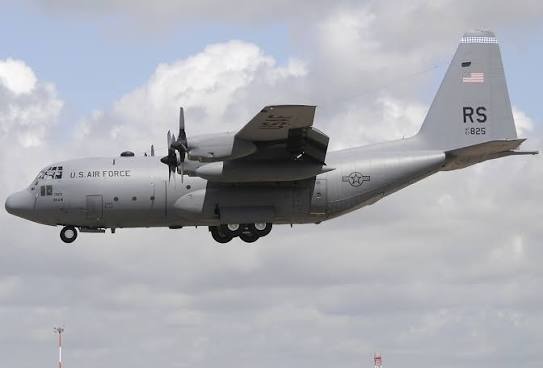
    The Dominican Republic has authorized the temporary deployment of multiple U.S. military aircraft to its territory as part of a bilateral security cooperation initiative in the Caribbean region. According to official announcements, the American aircraft will operate from restricted zones at San Isidro Air Base and Las Américas International Airport under special temporary permits granted by Dominican authorities.

    The deployment features two of the U.S. Air Force’s most versatile aircraft: the KC-130 tanker and the C-130 Hercules transport plane. The C-130, with a service history dating back to 1954, represents one of the most successful military transport aircraft ever developed. Initially designed for demanding Cold War operations, this aircraft has demonstrated exceptional versatility across multiple conflict zones including Vietnam and Desert Storm, while simultaneously serving critical roles in humanitarian missions such as disaster response in Haiti and during Hurricane Katrina relief efforts. The latest C-130J variant continues to set the standard for tactical airlift capabilities worldwide.

    The KC-130, introduced in the 1960s, functions as both a tanker and logistics aircraft, providing essential aerial refueling capabilities for fighter jets, helicopters, and unmanned aerial systems. This platform has supported numerous combat operations across theaters including Iraq, Afghanistan, and Libya, in addition to facilitating nighttime special operations and personnel transportation.

    While specific details regarding flight schedules and the exact number of aircraft remain undisclosed for operational security reasons, the deployment is expected to enhance maritime and aerial surveillance efforts, enable transport of sensitive equipment, provide logistics support for regional security operations, conduct in-flight refueling missions, and facilitate the movement of technical personnel. This initiative strengthens the ongoing security and technical cooperation framework between the United States and the Dominican Republic.

  • VAT-free shopping on Dec. 19

    VAT-free shopping on Dec. 19

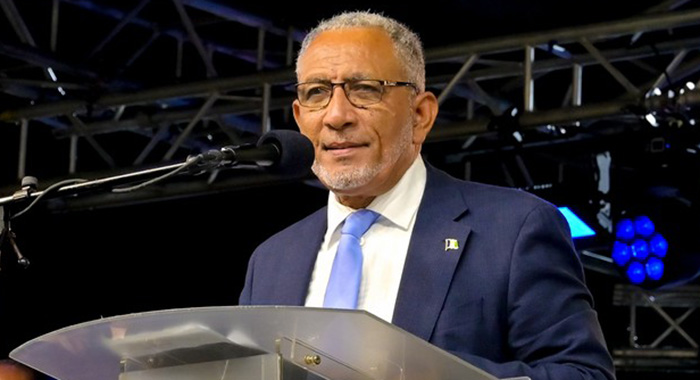
    In a significant move to alleviate economic pressure on citizens, St. Vincent and the Grenadines’ Prime Minister Godwin Friday has declared December 19 as a value-added tax (VAT) exemption day for shoppers. The announcement came during Tuesday’s cabinet swearing-in ceremony at Arnos Vale, marking the new administration’s first concrete step toward implementing campaign promises.

    The Prime Minister framed this initiative within the broader context of his party’s overwhelming electoral victory on November 27, where the New Democratic Party (NDP) secured 14 of 15 parliamentary seats. Friday interpreted this decisive mandate as reflecting a profound public demand for transformational change in governance structures and societal relationships.

    Originally, the NDP’s campaign platform had committed to establishing two annual VAT-free shopping days—scheduled for the first Mondays of August and December. However, the recent transition of power prevented the December event from occurring as initially planned, prompting the December 19 alternative date.

    Friday articulated that Vincentians’ expectations have fundamentally shifted beyond mere governmental change. He identified pressing public concerns including escalating living costs, employment scarcity, inadequate wages, gun violence, healthcare deficiencies, and deteriorating infrastructure.

    The Prime Minister emphasized his administration’s commitment to addressing these multifaceted challenges through comprehensive policy reforms. These include previously pledged reductions in VAT rates from 16% to 13%, alongside continued economic relief measures designed to improve material circumstances while fostering national unity and spiritual renewal.

  • US assures Guyana of security support if Trump’s land operations trigger Venezuelan attacks

    US assures Guyana of security support if Trump’s land operations trigger Venezuelan attacks

    The United States has formally assured Guyana of its security commitment should Venezuela launch retaliatory attacks in response to potential US military operations. US Ambassador to Guyana Nicole Theriot declared Washington’s readiness to “stand shoulder to shoulder” in defense of the South American nation, emphasizing Guyana’s strategic importance as both a partner and regional ally.

    This security guarantee comes as President Donald Trump contemplates land operations in Venezuela targeting what he describes as narco-terrorist networks. The Maduro administration’s renewed claims over Guyana’s oil-rich Essequibo Region—approximately 160,000 square kilometers—has intensified diplomatic tensions throughout the Caribbean basin.

    Military analysts suggest substantial US firepower deployed throughout the region would effectively deter Venezuelan aggression. R. Evan Ellis, Latin America Research Professor at the US Army War College, characterized the risk of attack as “moderate,” noting that any serious military action would likely trigger a “crushing response” from US forces. He suggested Venezuela would be reluctant to compromise its international standing by initiating conflict.

    The geopolitical stakes are substantially elevated by Guyana’s emerging status as a major oil producer. An ExxonMobil-led consortium including Chevron and China National Overseas Oil Corporation projects production exceeding 1 million barrels daily by 2030. This economic transformation positions Guyana as a crucial US partner in countering narcotics trafficking and transnational crime.

    Guyanese President Irfaan Ali affirmed his administration’s priority remains national sovereignty and citizen safety. While acknowledging continuous risk assessments with international partners including the UK and France, Ali declined to disclose specific security measures. Migration experts additionally warn that US military action in Venezuela could trigger renewed refugee flows across the Guyanese border, where approximately 100,000 Venezuelans already reside amid their homeland’s ongoing crisis.

    Despite these complex security challenges, industry observers maintain confidence in offshore operations’ resilience. Former UK High Commissioner to Guyana Greg Quinn advised energy companies to maintain updated contingency plans while characterizing the overall risk environment as manageable.

  • UDP Leader Sets Internal Reform as First Order of Business

    UDP Leader Sets Internal Reform as First Order of Business

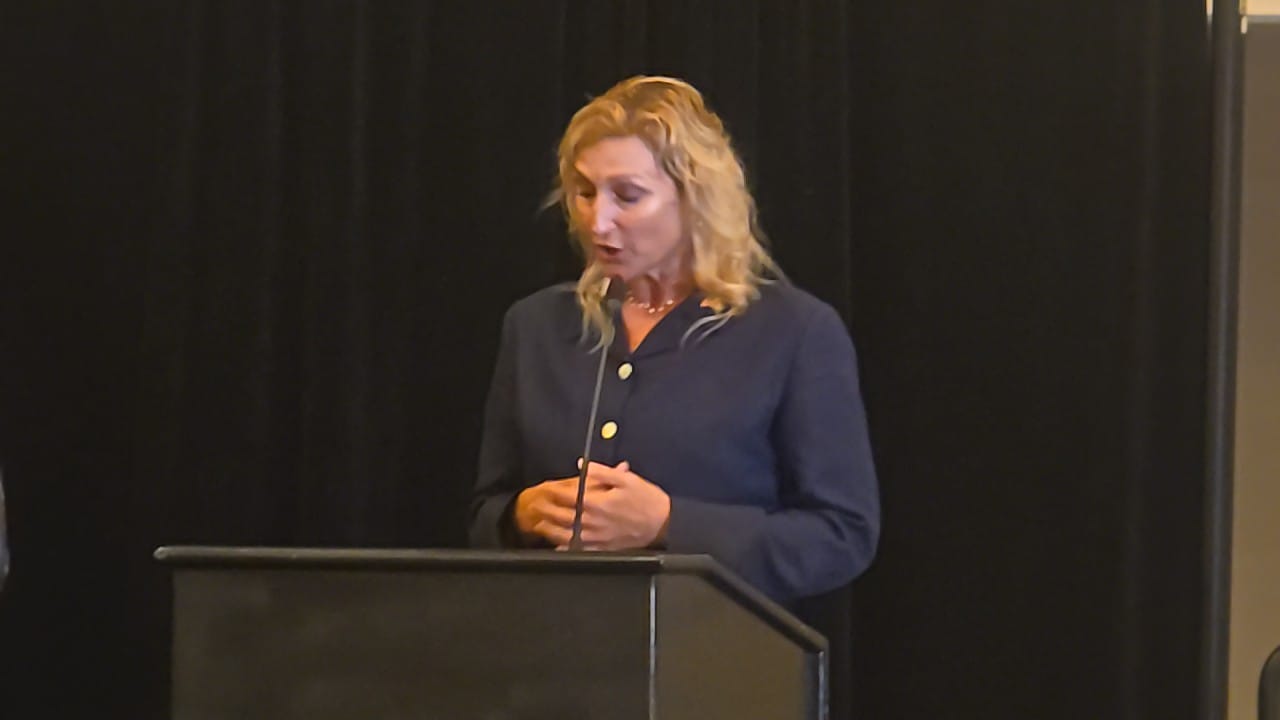
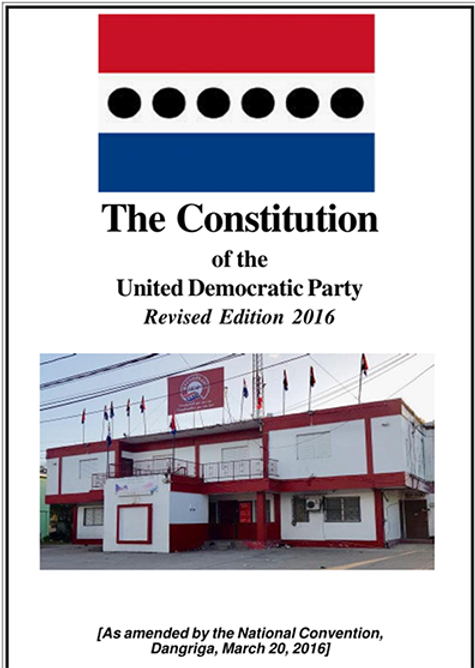
    The United Democratic Party (UDP) is initiating a sweeping internal reorganization, with constitutional reform serving as the cornerstone of its strategy to prevent future governance failures. Hon. Tracy Panton announced that the party’s primary immediate objective involves fortifying its institutional framework to avert any recurrence of recent leadership instability.

    Panton underscored that forthcoming reforms will establish robust mechanisms to prevent any individual chairman or leader from circumventing institutional checks or dismantling party infrastructure. These measures aim to embed accountability, stability, and inclusive decision-making processes into the party’s core operations.

    The restructuring involves a comprehensive reconfiguration of the National Party Council and the reappointment of the Central Executive Committee, forming the structural basis for the UDP’s operational reset. This recalibration seeks to broaden participatory governance by granting constituency leaders and delegates more clearly defined roles in determining the party’s strategic direction.

    Beyond constitutional overhaul, the UDP will implement motions ratified during its national convention, including specific initiatives to enhance women’s political leadership and amplify youth involvement. These initiatives will be supported by organizational frameworks designed to guarantee substantive influence for women and young members within the party’s hierarchy.

    To bolster policy development, Panton revealed plans to form specialized committees addressing critical national concerns. These panels will focus on education, healthcare, economic advancement, citizen security, and cost-of-living challenges. Their mandate includes formulating strategic proposals and generating actionable solutions for integration into a cohesive national agenda.

    Panton characterized this restructuring as a pivotal phase in the UDP’s efforts to restore public trust. She emphasized that combining organizational discipline with expanded engagement is essential for positioning the party as a credible national leadership alternative in the coming years.