博客

  • Cementpartnerschap Argos–Kersten bereikt 15-jarig jubileum

    Cementpartnerschap Argos–Kersten bereikt 15-jarig jubileum

    In a significant milestone for Suriname’s construction sector, Argos and Kersten Group today commemorate 15 years of strategic partnership that has fundamentally transformed the nation’s infrastructure landscape. This alliance represents a powerful fusion of international expertise and local legacy that has delivered exceptional value to Suriname’s development trajectory.

    The collaboration brings together Argos’s nine decades of pan-American construction expertise with Kersten Group’s remarkable 255-year heritage in Suriname. This unique synergy has enabled consistent delivery of premium cement solutions, comprehensive technical support, and reliable supply chain management even during global material shortages that have challenged construction industries worldwide.

    Melvin Ong A Kwie, Director of Massive and Industrial Business at Argos Suriname, emphasized the partnership’s significance: “Reaching this 15-year milestone fills us with immense pride. Our collaboration with Kersten has substantially enhanced our capacity to support Suriname’s growth while maintaining deep connections with the communities we serve.”

    Beyond their commercial operations, both companies have demonstrated profound commitment to social responsibility. The partnership has generated substantial local employment opportunities, supported numerous environmental initiatives, and funded community development projects that align with Suriname’s sustainable development goals.

    Imani Van Klaveren, CFO of Kersten Group, highlighted the partnership’s foundational principles: “These fifteen years demonstrate the immense value of a collaboration rooted in innovation, sustainability, and shared developmental vision. By combining Kersten’s local legacy with Argos’s technical expertise, we have significantly strengthened Suriname’s infrastructure sector and remain confident in our enduring positive impact.”

    Looking forward, both organizations have reaffirmed their commitment to continuing this transformative partnership. Their shared ambition remains unwavering: to continue building a stronger, more sustainable, and prosperous Suriname through innovative construction solutions and community-focused development initiatives.


  • Collado: AILA must speed up expansion to keep pace with Santiago and Punta Cana airports

    Collado: AILA must speed up expansion to keep pace with Santiago and Punta Cana airports

    Santo Domingo’s tourism authorities have declared the nation’s airport infrastructure fully equipped to handle current and future travel demands, with substantial capital investments actively transforming the country’s key aviation gateways. Tourism Minister David Collado provided a comprehensive update on the strategic modernization initiatives underway across the Dominican Republic’s primary international airports, emphasizing their critical role in strengthening global connectivity and elevating traveler experiences.

    Significant advancements are particularly evident at Santiago’s Cibao International Airport, where extensive renovation works are progressing rapidly. Meanwhile, Punta Cana International Airport—the Caribbean’s busiest terminal—has successfully concluded its latest enhancement phase and is already planning a third expansion to accommodate growing passenger volumes.

    Minister Collado specifically addressed the development timeline for Las Américas International Airport (AILA), urging accelerated progress on its US$250 million-plus transformation. Operated by Aerodom under the VINCI Airports consortium, AILA’s major redevelopment features a completely new passenger terminal designed to operate concurrently with existing facilities. The ambitious project remains on track for completion between late 2027 and 2028, though Collado emphasized the necessity for expedited implementation given the nation’s consistently robust passenger traffic.

    The coordinated infrastructure improvements reflect the Dominican government’s strategic focus on maintaining the country’s competitive edge in global tourism markets. These aviation enhancements directly support the nation’s broader economic objectives, ensuring that physical infrastructure evolves in lockstep with visitor growth and evolving industry standards.

  • Former AG suggests new gov’t pass integrity law, set up constituency fund

    Former AG suggests new gov’t pass integrity law, set up constituency fund

    In a surprising political reversal, former Attorney General Grenville Williams has publicly endorsed the New Democratic Party’s constituency development fund proposal—a policy his own Unity Labour Party vehemently opposed during its 25-year administration. Williams, who unsuccessfully contested the South Leeward seat in the November 27 general election, made his recommendations through a detailed Facebook post just days after the ULP’s electoral defeat.

    The defeated candidate urged newly appointed Prime Minister Godwin Friday to enact two landmark legislations within his first 90 days in office: an integrity commission requiring full financial disclosure from all politicians, and the formal establishment of the constituency development fund that would allocate resources to MPs for local projects. Williams specifically referenced Jamaica’s integrity framework and St. Lucia’s development fund as exemplary models.

    This endorsement represents a significant political paradox given that Williams served as attorney general from October 2022 until November 2025 under the ULP government, which consistently blocked both initiatives despite previous campaign promises. The NDP had advocated for the development fund for over fifteen years, facing strong opposition from former Prime Minister Ralph Gonsalves who argued it would create duplication and accountability issues.

    The development fund became a particular point of contention when opposition member Carlos James Leacock—now Deputy Prime Minister—accused the ULP of secretly implementing similar measures despite public denouncements. Leacock had previously vowed not to serve in any NDP government that failed to establish the fund.

    Williams, who lost to NDP’s Nigel Stephenson by 1,266 votes, extended congratulations to his former opponent and offered to share his six-point development plan for South Leeward, emphasizing his commitment to national interest above partisan politics.

  • Dominican Republic assumes pro-tempore presidency of Central American Agricultural Council

    Dominican Republic assumes pro-tempore presidency of Central American Agricultural Council

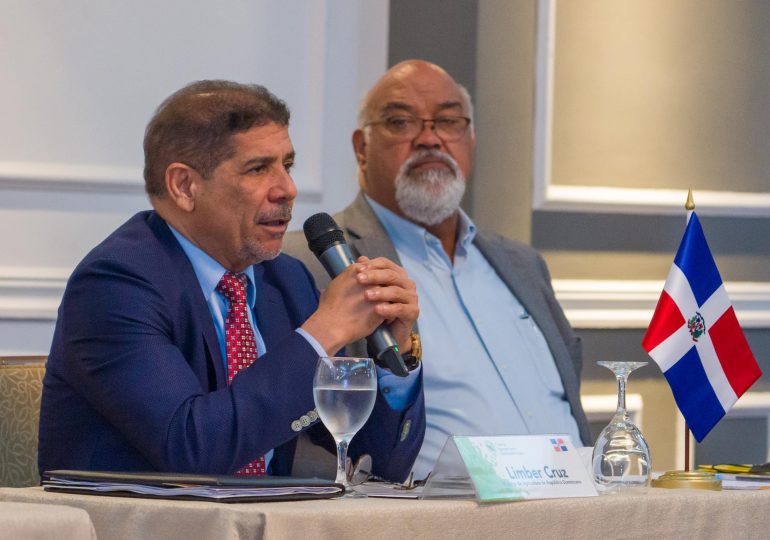
    PANAMA CITY – In a significant development for regional agricultural governance, Dominican Agriculture Minister Limber Cruz has been appointed to the pro-tempore presidency of the Central American Agricultural Council (CAC). The transition of leadership occurred during formal proceedings in Panama City, marking a recognition of the Dominican Republic’s emergent status as an agricultural powerhouse within the region.

    The appointment underscores the nation’s considerable advancements in agricultural productivity, technological innovation, biosecurity protocols, and institutional capacity building. Minister Cruz’s elevation to this prestigious position is widely viewed as a direct consequence of his ministerial track record, characterized by implementing pragmatic policies, delivering substantial direct support to agricultural producers, and enhancing efficiency throughout critical value chains.

    This leadership role within the CAC, an integral body of the Central American Integration System (SICA), empowers the Dominican Republic to steer collaborative efforts aimed at bolstering regional food security, stimulating sustainable rural development, and fostering deeper economic integration among member states. The presidency is anticipated to serve as a platform for sharing the Dominican model of agricultural success while addressing shared challenges and opportunities across Central America.

  • Balancing Conservation and Survival in Belize

    Balancing Conservation and Survival in Belize

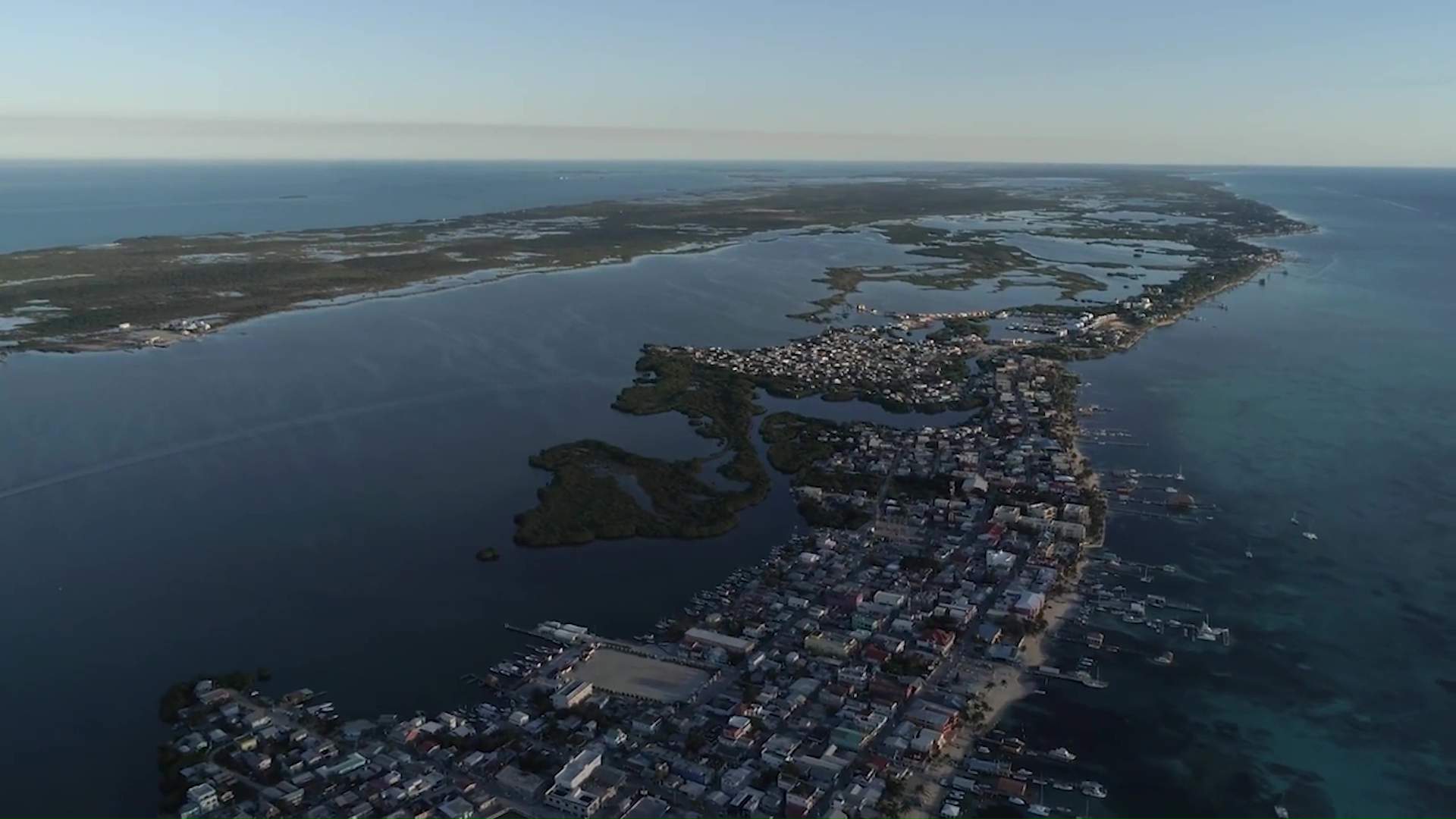
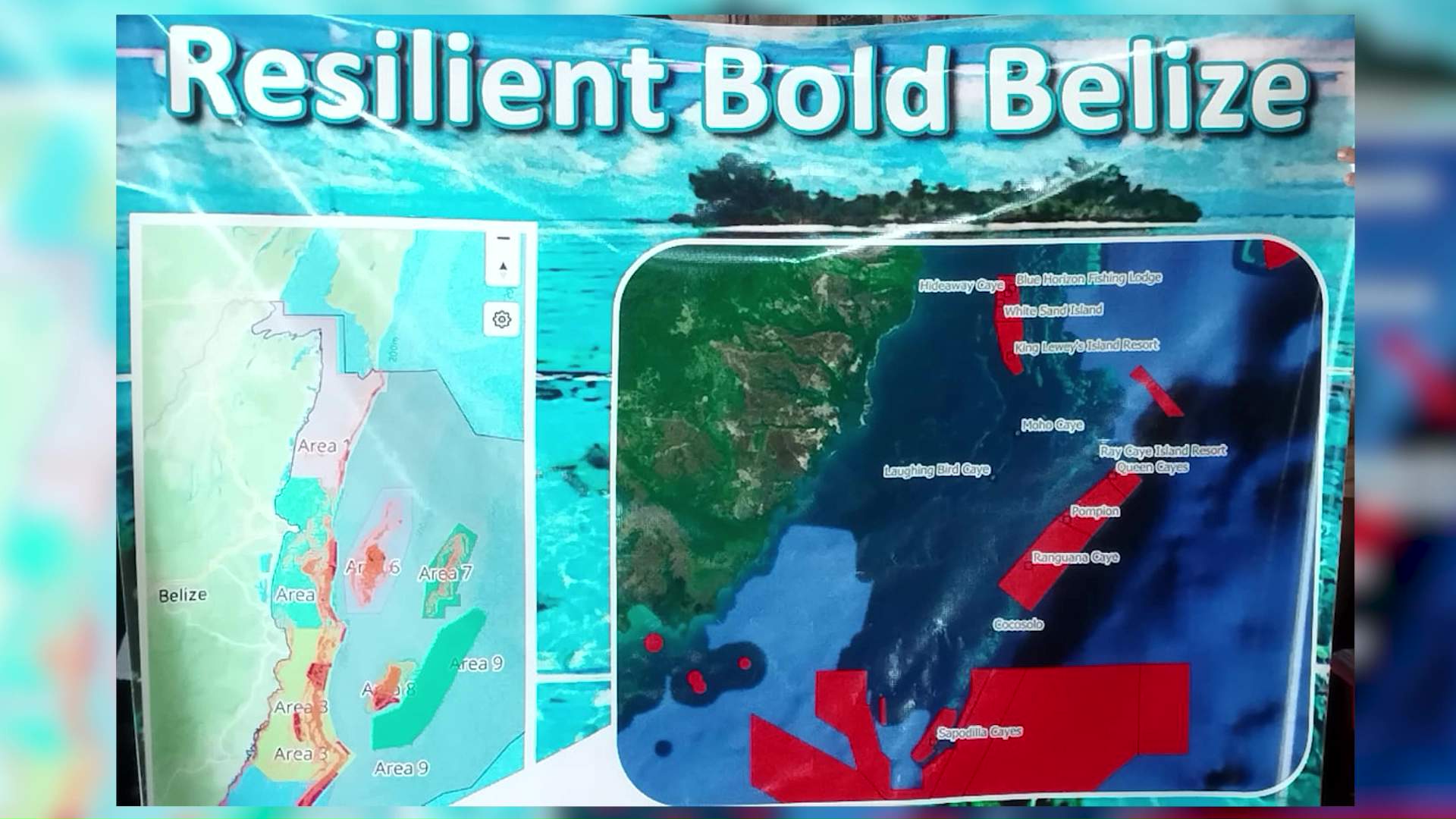
    BELIZE CITY, BELIZE – A profound environmental and economic dilemma is unfolding in Belize as the nation’s fishing industry confronts an ambitious marine conservation initiative. The Blue Bond agreement, designed to preserve twenty percent of the country’s vital coral reef ecosystems, has ignited intense debate regarding its socioeconomic repercussions.

    This conservation strategy aims to establish protected marine zones to ensure long-term ecological sustainability, safeguarding Belize’s portion of the Mesoamerican Barrier Reef System for future generations. However, coastal communities dependent on marine resources perceive these protective measures as potentially catastrophic to their economic survival.

    Eworth Garbutt, President of the Belize Flat Fishery Association, emerged as a vocal critic of the proposal’s current framework. During recent consultations, Garbutt articulated industry concerns regarding the geographical scope of protected areas. He emphasized that the reef system constitutes less than ten percent of Belize’s territorial waters, yet generates the majority of lobster and conch harvests that significantly contribute to national GDP.

    “When they claim it’s only two percent protection, it’s two percent from that critical ten percent where our fisheries operate,” Garbutt explained using a visceral analogy. “You have ten fingers and I cut off two – any Belizean can see this isn’t insignificant.”

    The fisheries representative further questioned the consultation process, noting that existing marine protections around the Sapodilla Cayes have already substantially reduced fishing grounds. Garbutt characterized the government’s approach as potentially counterproductive, suggesting conservation boundaries might undermine the very industries that drive Belize’s coastal economy.

    This confrontation highlights the complex challenge facing developing nations attempting to balance environmental stewardship with economic reality. The outcome will likely establish important precedents for marine conservation initiatives throughout the Caribbean region.

  • No-Take Zones Fuels Demand for Stronger Oversight

    No-Take Zones Fuels Demand for Stronger Oversight

    Fishermen, tour operators, and coastal residents across Belize are voicing strong opposition to proposed expansions of marine no-take zones, arguing that existing protected areas already suffer from critically inadequate enforcement. The growing consensus among stakeholders emphasizes that creating additional restricted zones without addressing current enforcement failures would be counterproductive to marine conservation efforts.

    Isela Martinez of the Blue Water Fisherman Association highlighted the prevalence of illegal activities within current protected areas, stating, ‘Without proper enforcement, it is like we are not doing anything.’ She joined other industry representatives in calling for meaningful consultation before implementing new restrictions.

    Nigel Martinez, Director of the Belize Federation of Fishers, criticized the consultation process as insufficient, noting that proposed zone changes would affect hundreds of livelihoods. He emphasized the need for broader stakeholder representation in decision-making processes.

    Coastal residents like Paula Jacob Williams from Punta Negra Village expressed frustration with the deteriorating state of existing protected areas. ‘Why should we protect more when we are not taking care of what we have already?’ she questioned, describing the decline of marine life in zones that lack proper protection.

    Michael Peralta, a flyfishing guide from San Pedro, pointed to contradictory enforcement practices, noting that while fishing restrictions are imposed, sediment-dumping by barges continues unchecked. This inconsistency underscores the need for comprehensive enforcement strategies rather than simply expanding restricted areas.

    The collective message from Belize’s fishing communities is clear: effective enforcement of current regulations must precede any expansion of marine protected areas to ensure both ecological sustainability and community livelihoods.

  • 30% Marine Protection Plan Meets Strong Opposition

    30% Marine Protection Plan Meets Strong Opposition

    The Briceño administration’s commitment to safeguard thirty percent of Belize’s maritime territory under the Blue Bond agreement is encountering substantial opposition from the nation’s fishing sector. With a November 2026 deadline looming, the government faces mounting pressure to reconcile international environmental commitments with domestic economic concerns.

    Eworth Garbutt, President of the Belize Flat Fishery Association, delivered a powerful critique of the current approach, questioning the administration’s priorities. “What do you think is more important?” Garbutt challenged, addressing Prime Minister Briceño directly. “Reaching an agreement with international souls that do not vote for you or reaching an agreement for the success of a country?” He emphasized the need for flexible solutions that prioritize Belizean livelihoods, stating that “the only unstoppable force in this world is to get a community with you, not against you.”

    Nigel Martinez, Director of the Belize Federation of Fishers, acknowledged the government’s constrained position while advocating for modification of the proposed protected zones. “We understand the government’s back was against the wall. They mortgaged our seas for thirty percent,” Martinez conceded. However, he insisted that recommended high biodiversity areas could be reassessed and adjusted to better protect the interests of grassroots fishing communities.

    The implementation deadline carries significant financial implications, as the debt-for-nature swap arrangement includes substantial penalty clauses should Belize fail to meet established milestones. This creates a complex balancing act for policymakers attempting to honor international environmental commitments while addressing domestic economic stability and community welfare concerns.

  • Gang Affiliate Shot Outside Home on East Canal

    Gang Affiliate Shot Outside Home on East Canal

    A violent shooting incident occurred in the East Canal district late Thursday afternoon, resulting in serious injuries to a local man with known gang affiliations. Law enforcement authorities confirmed that Jahmy Belgrave, 28, was targeted by gunfire directly outside his residence and required immediate medical evacuation to Karl Heusner Memorial Hospital via police mobile patrol units.

    Belgrave maintains an extensive criminal history with documented connections to the George Street Gang, according to police records. His involvement with organized crime dates back to 2015 when, at age eighteen, he faced formal charges related to an armed robbery at Cenies Restaurant. During that previous incident, law enforcement successfully intercepted the suspects and recovered the stolen cash register containing all missing currency.

    Criminal investigators are currently pursuing multiple lines of inquiry regarding potential motives behind the targeted attack. The ongoing investigation focuses on determining whether this violence stems from escalating territorial disputes between rival criminal organizations operating within the metropolitan area. Police officials have increased patrol presence in the neighborhood while forensic teams continue processing the crime scene for ballistic evidence and potential witness testimonies.

    Hospital authorities have not yet released information regarding Belgrave’s current medical condition following emergency treatment. The community remains alert as law enforcement intensifies efforts to combat gang-related violence that has recently affected several districts across the city.

  • Kolbe CEO Addresses Allegations After Mother of ‘32’ Cries Foul

    Kolbe CEO Addresses Allegations After Mother of ‘32’ Cries Foul

    BELIZE CITY – The Kolbe Foundation, which operates Belize Central Prison, is facing allegations of human rights violations regarding the treatment of inmate Jahreem Staine, a 22-year-old known by the street alias ’32’. Staine’s mother has publicly denounced prison conditions, claiming her son is being subjected to mistreatment while in custody.

    Virgilio Murillo, CEO of the Kolbe Foundation, addressed these allegations in an exclusive interview with News Five on Wednesday. Murillo confirmed that Staine is currently held in a restrictive housing unit, a measure he described as necessary for institutional safety rather than punitive.

    “We have what we call a restrictive housing unit for prisoners that we cannot manage in the general population,” Murillo stated. “For violent prisoners and that kind of prisoners, because you realize prison is about safe custody.”

    The CEO revealed that Staine’s segregated confinement stems from credible threats he posed to other inmates. “He has his rivals here and he would have made after his rivals if we did not intervene,” Murillo explained. “He wanted to get another prisoner killed. What he does in society will not play out in prison.”

    Regarding specific allegations of mistreatment, Murillo denied claims that Staine was pepper-sprayed without justification. Addressing complaints about inadequate sleeping arrangements, the CEO offered a stark perspective: “He is lucky to have a bed with a piece of sponge, unlike some people in Gungulung and other places in Belize City who may not have a bed or a piece of sponge.”

    Murillo extended an invitation to Staine’s mother, indicating that special visitation arrangements could be made upon formal request. Staine was denied bail and remanded to prison in October, with court documents citing concerns for his personal safety amid ongoing gang rivalries as partial justification for his incarceration.

  • Six-Year-Old Battles Injuries After Cotton Tree Motorcycle Hit-and-Run

    Six-Year-Old Battles Injuries After Cotton Tree Motorcycle Hit-and-Run

    A severe traffic incident in Cotton Tree Village has left a six-year-old child hospitalized after being struck by a motorcycle in a hit-and-run accident. The victim was walking with his older brothers on Monday evening when a sixteen-year-old motorcyclist traveling at high speed collided with him before fleeing the scene.

    The child’s mother, Josephine Jacobs, documented the traumatic aftermath on social media, sharing graphic images of her son’s injuries as he received emergency care at Western Regional Hospital. Her Facebook post characterized the teenage rider’s actions as “wicked and heartless,” expressing outrage that he abandoned her critically injured son on the roadway.

    Medical authorities have reported encouraging developments in the case, confirming that the young victim has now achieved stable condition and demonstrates responsiveness to treatment. While the recovery process continues, healthcare professionals indicate positive progress despite the severity of the injuries sustained.

    Local community members have expressed widespread concern regarding juvenile traffic safety and the prevalence of underage motorcyclists operating vehicles recklessly. The incident has sparked conversations about parental supervision and legal accountability for minor-operated vehicles in residential areas.

    Law enforcement continues investigating the circumstances surrounding the accident, though no official statements regarding potential charges against the sixteen-year-old rider have been released to the public.