博客

  • Drinking water in Haiti contaminated with lead at alarming levels

    Drinking water in Haiti contaminated with lead at alarming levels

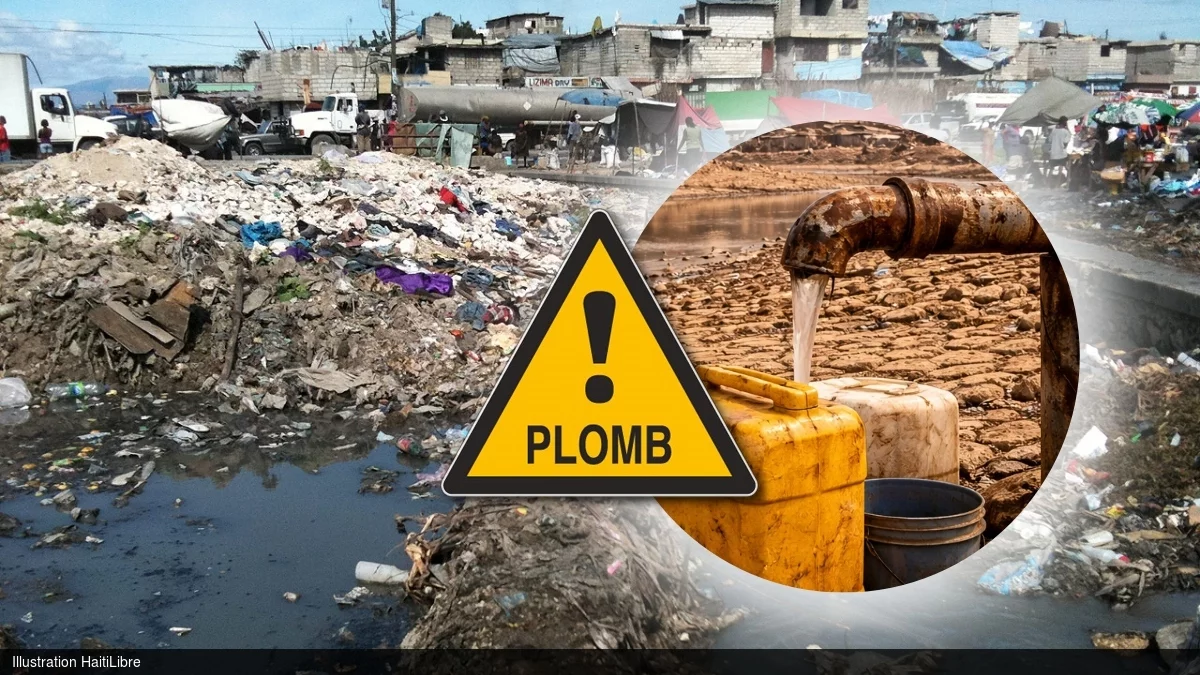
    A newly released public health assessment has uncovered a severe, underreported crisis in Haiti: widespread lead contamination of the country’s drinking water that far surpasses international safety thresholds, triggering urgent calls for regulatory and infrastructural reform.

    Published by local researchers in September 2026, the analysis found the average lead concentration in Haitian drinking water sits at 65 micrograms per liter (µg/l), with peak measurements reaching as high as 90 µg/l. For context, the World Health Organization (WHO) sets a maximum safe allowable limit of just 10 µg/l, meaning the most contaminated samples in Haiti have nine times the lead that global health guidelines deem safe.

    Lead researcher Henry Robert Duclair, a scholar at Quisqueya University, has identified three overlapping root causes that have created this ongoing public health threat. First, decades-old water distribution infrastructure across much of the country still relies on lead-based pipes, which leach the toxic metal directly into the water supply as the pipes degrade over time, according to additional analysis from environmental group Haiti Climat. Second, poor management of waste and agricultural resources has contaminated the country’s groundwater reserves: poorly maintained septic tanks, unregulated raw wastewater discharge, unlined landfills, and widespread overuse of chemical fertilizers all leach pollutants, including lead, into underground drinking water sources. Third, Duclair emphasizes that Haiti’s lack of strict, enforced regulatory frameworks to monitor and control drinking water quality has allowed the crisis to grow unnoticed and unaddressed for years.

    Currently, Haiti has no binding national regulations governing lead levels in drinking water, nor any systematic monitoring mechanism to track the quality of groundwater reserves that supply much of the country’s population. Contamination is particularly severe in the capital city of Port-au-Prince, where the majority of residents rely on local water networks and groundwater sources for daily consumption.

    Public health officials warn that ongoing exposure to elevated lead levels carries severe, long-term health consequences. Chronic lead poisoning is linked to increased risk of hypertension and life-threatening cardiovascular disease, causes permanent kidney damage over time, and carries severe neurotoxic effects that can permanently harm cognitive development in children and cause neurological damage in adults. Haiti’s Ministry of Health has been urged to ramp up vigilance and launch immediate intervention efforts to address the contamination before it causes a widespread public health disaster.
  • Barbados passport maintains strong standing

    Barbados passport maintains strong standing

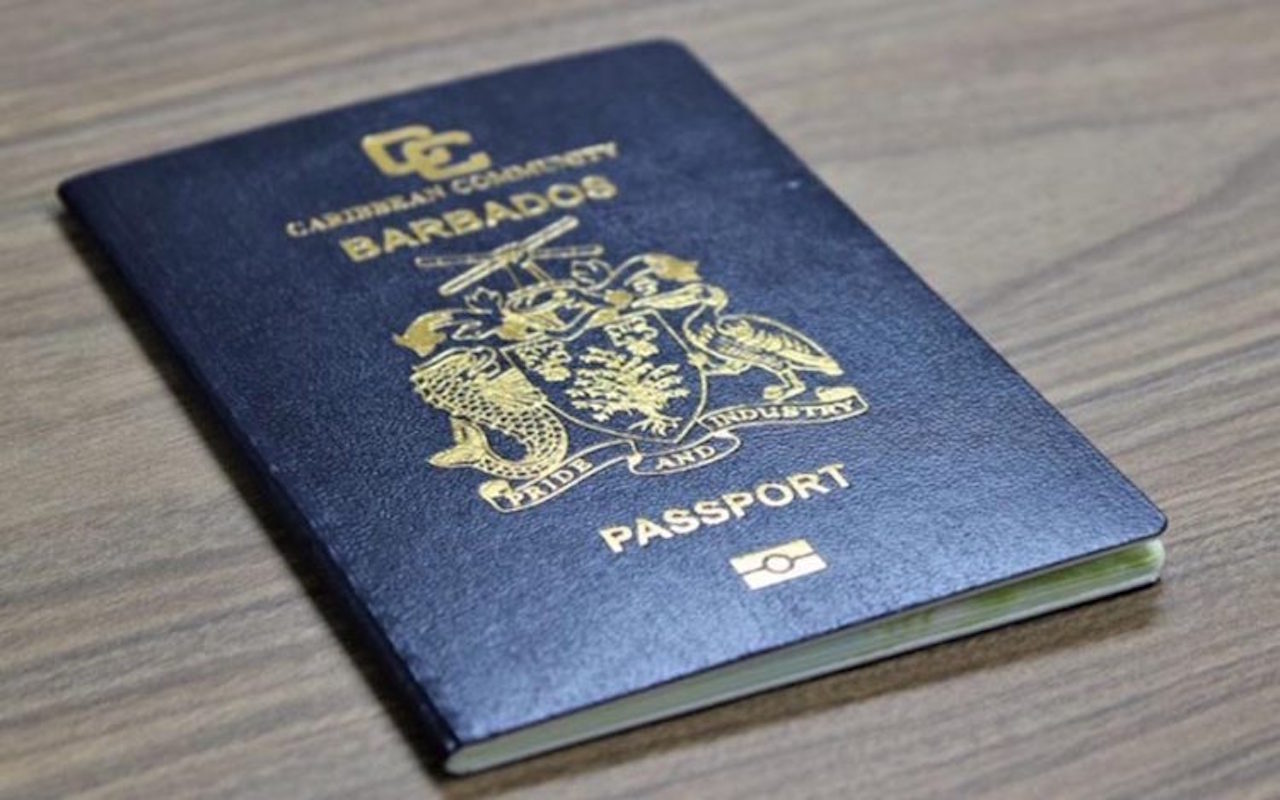
    Barbados has cemented its status as a standout regional leader in global travel accessibility after securing the 39th spot on the world’s latest passport mobility index, an annual ranking that measures visa-free travel access for passport holders across the globe.

    Within regional blocs, the small Caribbean nation outperforms all its peers, claiming first place among member states of the Caribbean Community (CARICOM), third among all North American countries, and fourth across the entire Community of Latin American and Caribbean States. It also ranks an impressive 10th out of 56 Commonwealth nations, a performance that industry analysts say highlights the country’s growing diplomatic clout.

    “This latest index demonstrates the immense global respect and diplomatic strength that the Barbadian passport continues to command,” said Mark Reynolds, a leading travel mobility analyst. “To lead CARICOM and place in the top fifth of all Commonwealth nations is a clear testament to the country’s robust international relations and the widespread trust it has built on the global stage.”

    Currently, holders of a Barbadian passport gain visa-free entry to more than 100 sovereign nations, with dozens of additional destinations offering streamlined visa-on-arrival processing or simplified entry requirements that cut down travel friction significantly. For Barbadian leisure and business travelers, full visa-free access extends across the entire European continent and all Caribbean nations, with broad, largely unrestricted entry also available across most of South and North America. Travel access remains solid across Africa, Asia and the Middle East, though entry rules vary widely between individual countries in those regions.

    Despite the passport’s strong global standing, the new report highlights a notable gap in travel freedom reciprocity for the island nation. On the report’s separate welcoming index, which measures how open a country is to foreign travelers, Barbados ranks just 37th, revealing that many nations that benefit from relaxed entry rules for their citizens in Barbados do not extend the same treatment to Barbadian travelers.

    Currently, citizens of 33 countries can enter Barbados without a full visa, yet Barbadian travelers are still required to meet strict entry requirements when visiting those same states. Major nations on this list include the United States, Australia, Qatar and New Zealand. Even more notably, Barbados enforces full visa requirements for citizens of eight countries including Bosnia and Herzegovina, Haiti and the Dominican Republic, despite the fact that Barbadians enjoy simplified, visa-free entry when visiting these three nations.

  • Guyana, Suriname, Brazil form regional traditional knowledge and healers network

    Guyana, Suriname, Brazil form regional traditional knowledge and healers network

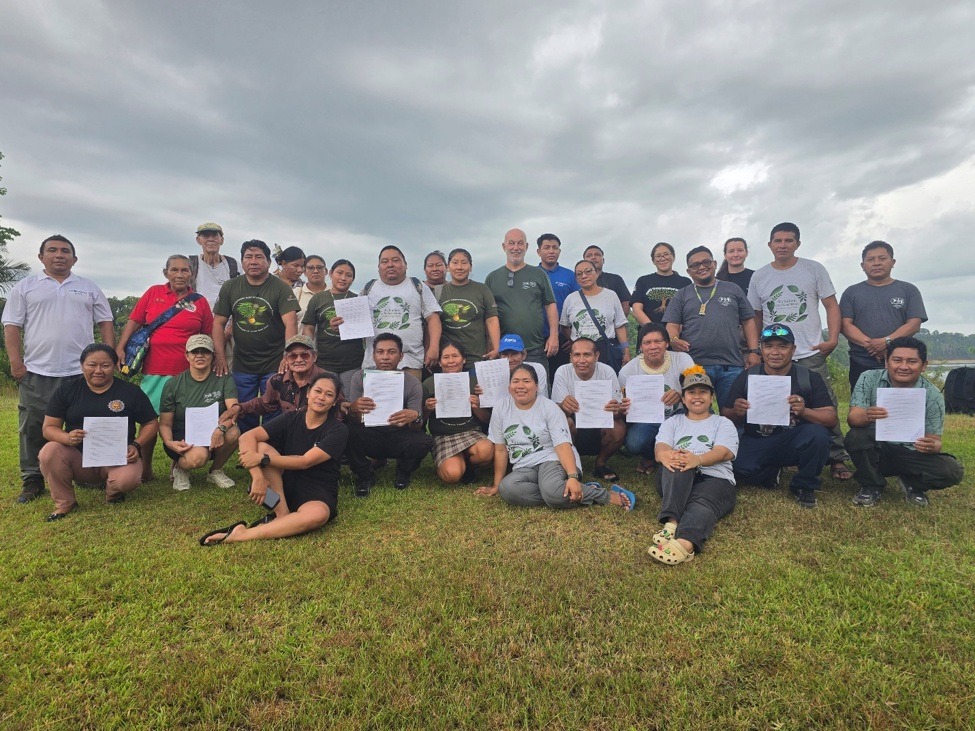
    In a historic step toward cross-border collaboration and the preservation of Indigenous medicinal heritage, traditional healers and knowledge holders from Guyana, Suriname, and Brazil have officially launched the first-ever Regional Traditional Knowledge and Healers Network during a four-day gathering held September 8-11, 2026 at Guyana’s Iwokrama River Lodge.

    Hosted by the Iwokrama International Centre for Rainforest Conservation and Development (IICRCD) in partnership with the Amazon Conservation Team Guianas (ACT Guianas), the gathering brought together representatives from Indigenous communities across the three Amazon nations to share expertise on traditional healing practices, medicinal plant knowledge, and culturally rooted health approaches. In a statement following the launch, IICRCD expressed its full support for the new network, noting its commitment to building a cohesive regional platform that amplifies Indigenous voices and advocates for the formal integration of traditional medicinal knowledge into national public health systems.

    The gathering built on two prior cross-border knowledge exchange events, with participants working to formalize the network’s core structure, ethical frameworks, communication protocols, and advocacy agenda. A key outcome of the meeting was the opportunity for Guyana and Suriname to learn from Brazil’s two decades of experience integrating traditional healing into public health. Brazil’s Unified Health System (SUS) established a dedicated Indigenous Health Subsystem in 1999, and its national policy recognizes medicinal plants and phytotherapy as legitimate complementary health practices – a model that participants agreed could offer valuable insights for neighboring countries seeking to formalize their own approaches to Indigenous health.

    ACT Guianas, the nonprofit organization that facilitated the meeting, has expanded its regional mandate over more than 20 years of work across the Guiana Shield and Amazon regions. Operating under a biocultural framework that ties forest health to community wellbeing, ACT Guianas supports the intergenerational transmission of traditional healing knowledge through its Traditional Healers and Apprentices Program. The organization coordinates cross-border collaboration, secures funding, and facilitates dialogue with governments and formal healthcare institutions, while upholding the principle that full authority over traditional knowledge remains with the Indigenous healers and communities that steward it.

    The proceedings opened with a spiritual cleansing ritual led by Adele John, a young apprentice from Guyana’s Surama Village. Following the opening ceremony, participants engaged in forest immersion activities in the woodlands surrounding Iwokrama River Lodge and breakout working sessions to develop a three-year strategic roadmap for the network. Key objectives achieved during the gathering included the exchange of best practices among healers from all three countries, a collective review of lessons learned from four years of cross-border exchanges, and a commitment to strengthening the ethical practice and public credibility of traditional healing across the region. Participants also explored pathways to secure formal government recognition and eventual integration of traditional healing practices into national health systems.

    The Iwokrama International Centre, established in 1996 through a joint mandate from the Government of Guyana and the Commonwealth Secretariat, manages 371,000 hectares of protected rainforest as a model for balanced conservation, community benefit, and sustainable economic development. Zoned into a Sustainable Utilization Area and a Wilderness Preserve, Iwokrama serves as a living laboratory for testing innovative forest management models that deliver ecological, economic, and social value for local communities and the global community. Twenty local communities, totaling approximately 7,000 people, participate in Iwokrama’s co-management framework, sharing benefits from sustainable timber, ecotourism, and research activities, while leading researchers conduct long-term studies on climate change impacts and ecosystem service valuation. ACT Guianas and Iwokrama both note that the new regional network aligns with their shared mission of protecting biocultural diversity, strengthening Indigenous self-determination, and advancing equitable collaboration between traditional knowledge holders and formal institutional partners.

  • Motie stars as Tridents book playoff spot

    Motie stars as Tridents book playoff spot

    The Republic Bank Caribbean Premier League delivered one of its most thrilling matches of the 2024 season on Saturday night, as an all-round masterclass from Gudakesh Motie carried the Barbados Tridents to a dramatic last-ball victory over the Jamaica Kingsmen at Kensington Oval. The win secured the Tridents’ spot in the tournament playoffs with one regular-season match still remaining, capping a nail-biting contest that had the home crowd on their feet from the first delivery to the final hit.

    When Tridents captain Chris Green won the toss and elected to bowl first, the Jamaica Kingsmen got off to a promising start, reaching 50 for the loss of just one wicket by the end of the mandatory powerplay. But the Tridents’ bowling attack turned the tide in the middle overs, dragging the Kingsmen into a steep collapse. By the middle of the 16th over, Jamaica had slumped to 112 for six, with Motie leading the charge with key breakthroughs.

    The left-arm spinner claimed the wickets of Jamaica’s top batter Maaz Sadaqat, who had smashed 47 runs off 34 deliveries, and Usman Khan for 18, finishing his incredible three-over spell with figures of two wickets for just seven runs. Pacer Jakeem Pollard continued his strong run of form, picking up three wickets for 38 runs, while all-rounder Daniel Sams chipped in with two wickets for 41 runs. The combined bowling effort restricted the Kingsmen to a total of 150 for nine at the end of their 20 overs, a target that seemed gettable but far from comfortable for the home side.

    The Tridents’ run chase got off to a rocky start, extending the team’s pattern of inconsistent batting through the group stage. By the end of the powerplay, Barbados was reeling at 36 for three, with early losses to Zachary Carter (3), Brandon King (18) and Rivaldo Clarke (1). More wickets fell quickly: Quinton de Kock departed for 14, and Sherfane Rutherford was run out for five, leaving the Tridents at 76 for five in the 14th over and the outcome looking increasingly likely to go Jamaica’s way.

    Shadrack Descarte held the crumbling innings together with a polished 56 runs off 42 deliveries, hitting six fours and two sixes to keep the Tridents in the hunt. But when he fell with the total at 107 for six at the start of the 17th over, Barbados was still left in a precarious position. Daniel Sams added five runs, and captain Chris Green struck a quick 17 off 12 balls, but Green’s dismissal on the fifth ball of the penultimate over left the home side with a mountain to climb: 17 runs needed from the final six deliveries to secure the win that would seal their playoff spot.

    That set the stage for Motie, who was already at the crease unbeaten on six, to produce one of the most memorable finishes in Caribbean Premier League history. The Kingsmen assigned fast bowler Odean Smith to bowl the decisive final over, and Motie took control from the first ball, hammering it for a boundary through the off side. A rattled Smith conceded consecutive wides before Motie launched the second legal delivery over the long off boundary for a massive six.

    A leg bye off the third ball, a pair of runs from batting partner A.M. Ghazanfar, and a single from Ghazanfar off the penultimate delivery of the match leveled the scores, leaving just one run required off the final ball to win. With the capacity crowd at Kensington Oval rising to their feet and chanting Motie’s name as Smith prepared to deliver, the all-rounder pulled a short ball over the midwicket boundary to seal the win. Motie finished the innings unbeaten on 17 runs off just eight deliveries, completing a performance for the highlight reels with match-winning contributions in both disciplines.

    After the match, an visibly relieved Tridents skipper Green praised his star player, after the side locked in their playoff berth ahead of their final group stage match against the Guyana Amazon Warriors on Sunday. “We’ve obviously got a lot of depth all the way down to Motie, and look, what a game he had! The way he stepped up with the bat and finished the game off, I’m immensely proud. To get us over the line and qualify was an amazing effort from a key player to this side.”

  • Soufriere has a new mayor

    Soufriere has a new mayor

    Located on the tropical island of Saint Lucia, the coastal town of Soufriere has long held the reputation as the country’s top tourism destination, drawing visitors from across the globe to its iconic volcanic landscapes, lush rainforests, and world-class luxury resorts. Now, this popular hub is entering a new two-year governance period with a fresh leadership team at the helm of its local Constituency Council.

    At a formal swearing-in ceremony held for the Soufriere/Fond St Jacques Constituency Council, Yasha Troubetzkoy — currently serving as chief executive officer of the high-end Jade Mountain resort — officially took office as the new mayor of the district. Troubetzkoy was not alone in taking his oath of office: a full slate of newly appointed councillors joined him, marking the completion of the leadership transition that will set the direction for local governance through the next two years.

    The ceremony carried notable political weight, drawing attendance from key regional and national officials. Among the guests were Emma Hippolyte, the sitting Parliamentary Representative for the Soufriere/Fond St Jacques constituency, and Stephenson King, who currently serves as Saint Lucia’s acting Minister for Local Government. Their presence underscores the importance of the new leadership appointment for both the local community and national governance priorities, particularly given Soufriere’s outsize role in driving Saint Lucia’s tourism-reliant economy.

  • $10 million in emergency aid for Haiti from the United Arab Emirates

    $10 million in emergency aid for Haiti from the United Arab Emirates

    Amid Haiti’s rapidly deteriorating humanitarian catastrophe, the United Arab Emirates has stepped forward with a $10 million emergency aid pledge to support vulnerable populations affected by the country’s spiraling violence and collapsing essential services. The funding and support package was authorized on the direct orders of UAE President His Highness Sheikh Mohamed bin Zayed Al Nahyan, marking one of the largest bilateral humanitarian contributions to Haiti from the Gulf region in recent years. The United Arab Emirates Red Crescent (ERC), the country’s leading humanitarian disaster response agency, will lead the distribution of aid across the most hard-hit regions of the Caribbean nation. The assistance package will cover a broad range of life-saving needs, including staple food supplies, emergency shelter materials, critical pharmaceutical products, medical equipment, and targeted investment to restore water access, sanitation infrastructure, and public hygiene services. The initiative is structured in sequential phases, with the first round of operations prioritizing the most urgent survival needs: food, emergency housing, primary healthcare, and clean water access. Internally displaced persons and other marginalized, at-risk groups – including children, elderly people, and communities cut off from basic services – will receive top priority in aid allocation. To ensure efficient and transparent delivery, the ERC is coordinating closely with UAE diplomatic missions based in the region, leading international humanitarian organizations, and local Haitian partner groups. These collaborative partnerships are designed to cut through logistical barriers and reach communities that have been most severely impacted by the ongoing crisis. Haiti’s situation has reached alarming levels in recent months, driven by rapidly escalating gang violence, widespread insecurity, and the near-total breakdown of core public services. Citing the latest aggregated international humanitarian data, the ERC reports that more than 1.5 million Haitians have been forced from their homes, with children accounting for nearly half of all displaced people. Millions more across the country face acute food insecurity, and more than half of Haiti’s total population currently requires some form of emergency humanitarian assistance, according to recent UN estimates. This new contribution from the UAE comes as international aid organizations warn that existing funding for Haiti’s response is drastically insufficient to meet growing needs, making new pledges critical to preventing a further escalation of preventable death and suffering.

  • WTCG’s major global trade confab to examine trade implications of Artificial Intelligence

    WTCG’s major global trade confab to examine trade implications of Artificial Intelligence

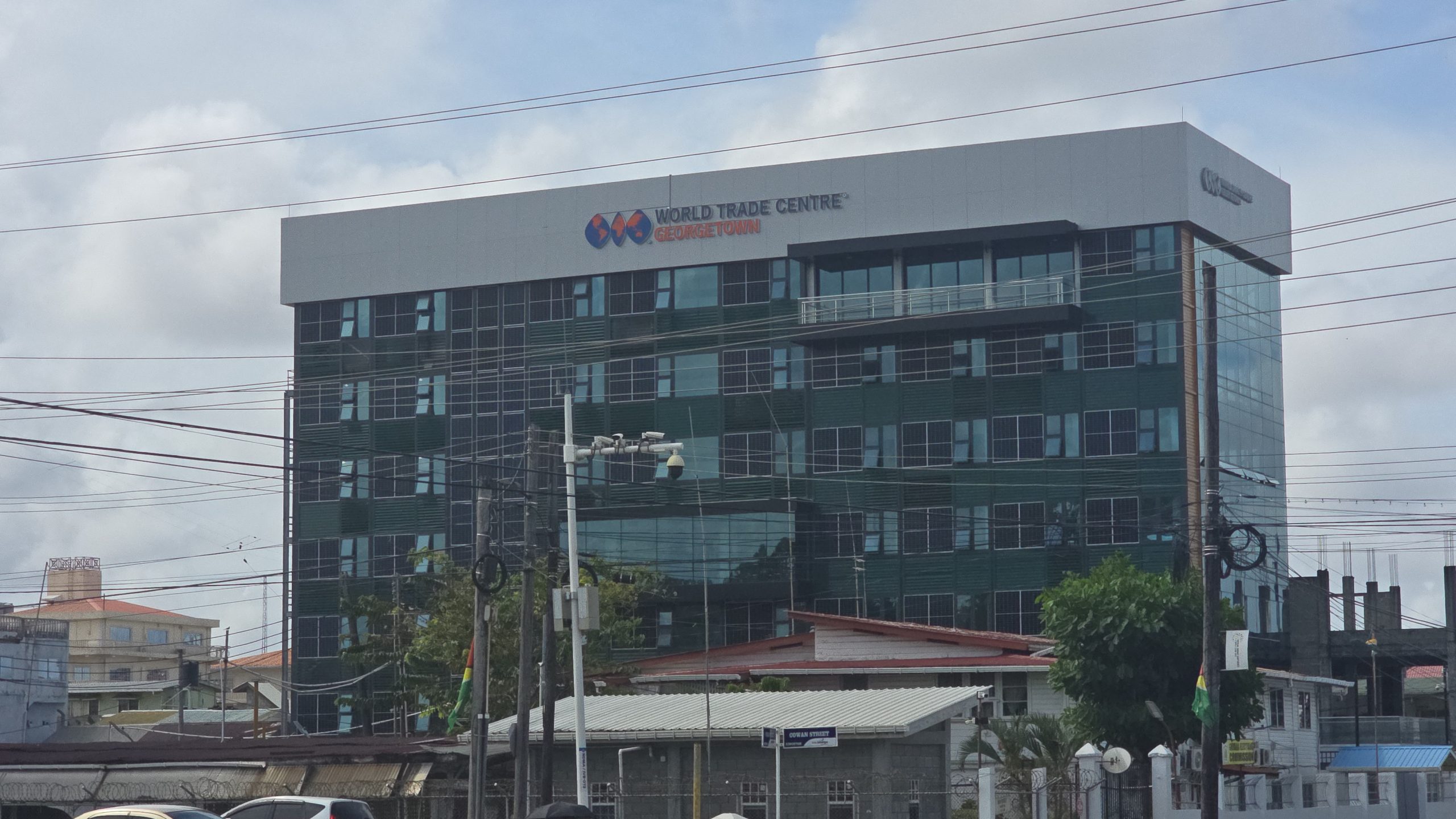
    Georgetown’s World Trade Centre (WTCG) has announced that its upcoming annual International Trade and Investment Conference, scheduled for October 19 to 23 in Guyana, will dedicate a flagship session to examining how artificial intelligence reshapes competitiveness and growth for small, open developing economies. The announcement was made publicly by WTCG on Saturday, following preliminary stakeholder discussions held earlier this month.

    The special session, titled “AI, Trade and the Future Competitiveness of Small Economies,” is designed to cut through widespread industry hype surrounding generative and advanced AI, and deliver practical, context-specific analysis for local and regional stakeholders. Unlike broad global AI dialogues that often overlook the unique needs of small developing nations, the session will directly explore what AI adoption means for on-the-ground actors across Guyana and the wider Caribbean: from small-scale export producers and domestic manufacturers to family-owned agricultural operations, regional financial institutions and cross-border logistics providers.

    Ahead of the main conference, WTCG organized a closed-door informal roundtable to map out key risks and opportunities for CARICOM member states, including Guyana, which is currently experiencing one of the fastest economic growth rates in the Western Hemisphere. Attendees reached a clear consensus: while the risks posed by unregulated AI are tangible, small developing economies cannot afford to slow or resist AI integration. Instead, they argue that countries like Guyana should accelerate responsible AI adoption, while simultaneously investing in critical safeguards: robust cybersecurity infrastructure, risk management frameworks, and institutional capacity to govern emerging AI tools.

    WTCG Executive Director Wesley Kirton, who is currently preparing to represent the organization at the Food and Beverage Show of Americas opening Monday at Miami Beach Convention Center, outlined three core risk categories identified during the roundtable discussion. These include immediate malicious misuse of AI tools by bad actors, widespread structural economic disruption that could displace existing labor and industries, and the long-term risk of losing human oversight over highly advanced autonomous AI systems. Citing the 2026 Global AI Safety Report, which highlights the growing emergence of fully autonomous AI agents that can operate without any human input, roundtable participants acknowledged that these risks cannot be ignored.

    Despite these concerns, the majority of attendees agreed that AI offers transformative cost-saving benefits that can help small economies overcome longstanding structural disadvantages in global trade. For example, AI tools can dramatically streamline routine trade processes from market research and competitor analysis to tariff calculation, export documentation preparation and consumer demand forecasting. These efficiency gains cut overhead costs for small and medium-sized enterprises that often lack the resources of large multinational corporations, leveling the playing field for small producers looking to access global markets.

    Following the roundtable, a dedicated working group has been convened to develop a comprehensive policy paper, titled “AI and the Future of Guyana and CARICOM: Threat, Opportunity or Both?”, which will be presented as a foundational discussion document at October’s main conference. Kirton emphasized that Guyana’s ongoing rapid economic transformation creates a unique window of opportunity to embed AI into growing sectors, allowing the country to leapfrog traditional development barriers that have held back many small developing economies for decades.

  • LETTER: I still think we made the right decision!

    LETTER: I still think we made the right decision!

    A concerned citizen has issued a stark warning to Antigua and Barbuda’s main opposition United Progressive Party (UPP): immediate, comprehensive internal restructuring is non-negotiable, or the party will consign incumbent Prime Minister Gaston Browne to at least two more terms in office.

    In an open letter to the editor, the writer questions the strategic direction of the UPP following its recent general election performance, pointing out a critical misstep in the party’s post-poll approach. Many political observers and grassroots stakeholders expected the UPP to launch immediate organizational overhauls the moment election results were finalized, but the party has yet to demonstrate the urgent action the writer says is required.

    At the heart of the citizen’s critique is the need for a robust, unified leadership team that can earn back public trust. The letter argues that election victories are not built in the final months before voting begins; instead, long-term groundwork — laid through consistent, strong leadership, streamlined internal organization, vetted credible candidates, and a clear policy platform that offers a tangible alternative to the incumbent government — is the only foundation for electoral success.

    Reflecting on the most recent general election, the writer notes that the Pringle-led UPP entered the race visibly unprepared to assume national governance, a weakness that was clearly reflected in the final poll results. The citizen contends that the electorate made the correct call in that contest, given the opposition’s lack of readiness.

    Moving forward, the warning remains clear: unless the UPP openly confronts its organizational and leadership shortcomings and implements substantive, meaningful changes, voters will once again draw the same conclusion. Even with widespread frustrations over Browne’s administration, the electorate will not back an opposition that fails to prove it is a credible alternative capable of leading the country.

    The UPP now faces a defining choice: commit to the hard work of restructuring to position itself as a serious contender for government, or accept its current role as a permanent opposition bloc content to stay out of power.

  • FLASH Election : Submission of documents and formalities regarding declarations of candidacy

    FLASH Election : Submission of documents and formalities regarding declarations of candidacy

    Haiti’s electoral preparations have entered a critical new phase, with the country’s Provisional Electoral Council (CEP) officially opening the window for candidates to complete their candidacy declarations for the upcoming 2026 general elections. In an official memorandum released on September 12, the CEP outlined a clear 10-day timeline for all documentation submission and procedural requirements, running from September 13 through September 22, 2026.

    To streamline the filing process and align with Haiti’s administrative electoral structure, the CEP has assigned different submission locations based on the position a candidate is seeking. Senate hopefuls are required to submit all their required paperwork to the Departmental Electoral Office (BED) that corresponds to their home department. For candidates running for seats in the Chamber of Deputies or positions in local government bodies, the standard submission point is the competent Municipal Electoral Office (BEC) serving their electoral district.

    Special arrangements have been put in place for high-volume and geographically specific candidacies based in the country’s West Department. All presidential candidates, along with West Department-based Senate contenders, will complete their filing procedures at the West I BED headquarters, which is housed in the CEP annex along Route de Frères.

    In a move to address existing operational constraints and ensure no eligible candidate is blocked from participating due to local administrative disruptions, the CEP has revised submission protocols for a number of specific districts across the country. For deputy and local government candidates running in 10 West Department districts—Carrefour, Gressier, Kenscoff, Cabaret, Cornillon/Grand-Bois, Croix-des-Bouquets, Fonds-Verrettes, Ganthier, Thomazeau, and Port-au-Prince III—all candidacy declarations and supporting documentation will be accepted directly by the West I BED, pending a final formal review of submissions. Similar centralized adjustments have been made for districts in Artibonite and Centre departments: deputy and local government candidates from Grande-Saline, La Chapelle, Liancourt, Marchand-Dessalines, Montrouis, Petite-Rivière de l’Artibonite, and Verrettes will file with the Artibonite BED, while candidates from Mirebalais and Saut-d’Eau will submit their materials to the Centre BED.

    In closing the official announcement, the CEP reaffirmed its public commitment to upholding the highest standards for the upcoming electoral process. The council emphasized that it will run the election in an inclusive, impartial, transparent, and accountable manner, strictly adhering to core principles of electoral independence and integrity, while protecting the constitutional right of all Haitian citizens to participate in the country’s democratic governance.

  • Guyana verdiende ruim US$2,5 miljard aan olie in 2025

    Guyana verdiende ruim US$2,5 miljard aan olie in 2025

    Guyana, one of South America’s fastest-emerging oil producers, has released its 2025 annual report for the Natural Resource Fund (NRF) — the sovereign wealth vehicle that holds all of the country’s oil and gas sector revenue — revealing key figures that shed light on how the nation manages its newly found natural resource wealth.

    Last year, total inflows into the NRF reached $2.509 billion from the country’s offshore oil operations, representing a modest 2.3% decline from the 2024 total inflow of $2.568 billion. The vast majority of this 2025 revenue came from profit oil — the share of crude output that Guyana claims as part of its production sharing agreements with international oil companies. According to prior data published by Minister of Finance Ashni Singh, profit oil contributed roughly $2.1 billion to the fund in 2025. Royalty payments added another $330.7 million, while a $15 million signing bonus from a new production contract was also deposited into the sovereign fund.

    The most striking takeaway from the annual report is that Guyana’s government withdrew nearly as much capital from the NRF as was deposited over the course of the year. Total withdrawals hit $2.463 billion, a more than 55% jump from the $1.586 billion pulled from the fund in 2024. This 2025 withdrawal amount aligns almost exactly with the annual approved budget ceiling of $2.464 billion, meaning the government utilized nearly 100% of its permitted withdrawal allocation for the year. Disbursements were spread evenly across 2025: two $400 million transfers to Guyana’s Consolidated Fund were made in February and April, followed by multiple $200 million installments, with a final $463 million withdrawal processed in late December.

    Under Guyana’s existing national legislation, all funds withdrawn from the NRF are transferred to the country’s Consolidated Fund, where they are earmarked for national development priorities and economic growth-driving investments that benefit the broader public. This framework was designed to ensure that oil revenue is directed toward long-term national progress rather than accumulated solely as reserve capital.

    Guyana first launched commercial crude production from its massive offshore Stabroek Block in December 2019. Over the subsequent six years, production has expanded rapidly as multiple floating production, storage and offloading (FPSO) vessels were brought online. By the end of 2025, four FPSOs — the Liza Destiny, Liza Unity, Prosperity, and One Guyana — were operating at the Stabroek Block, supporting ongoing output growth.

    Looking ahead, Guyana’s government projects that total oil revenue will grow in 2026. Forecasts call for around $2.4 billion in profit oil earnings and $375.3 million in royalty payments next year, alongside an additional $17 million in signing bonuses from a new exploration agreement for Block S7. Despite the large-scale withdrawals in 2025, the NRF still holds more than $3 billion in reserve capital, with an end-of-year 2025 balance sitting at approximately $3.25 billion.

    In just a few years, substantial oil reserves and consistent revenue growth have transformed Guyana into one of the fastest-growing oil producers in the Western Hemisphere, with far-reaching implications for the country’s economic trajectory and regional standing.