博客

  • Guyana tekent exploratiecontract met Cybele Energy voor ondiepwaterblok S7

    Guyana tekent exploratiecontract met Cybele Energy voor ondiepwaterblok S7

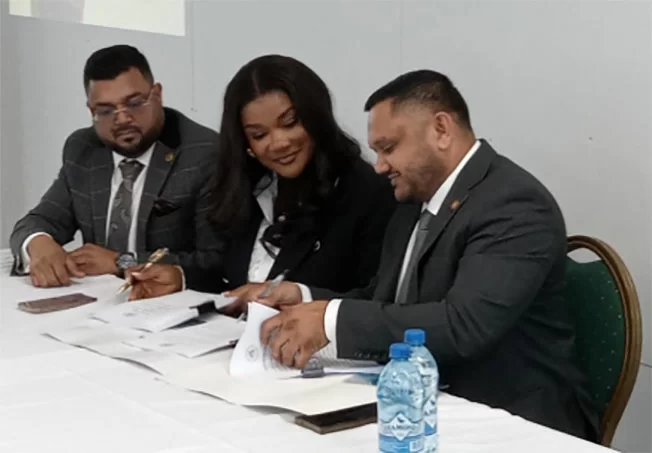
    In a landmark development for South America’s emerging energy hub, Guyana has inked a significant petroleum agreement with Ghana’s Cybele Energy Ltd., marking the first African energy company to secure an offshore oil block outside Africa. The signing ceremony, held Tuesday at Pegasus Suites in Georgetown, featured Natural Resources Minister Vickram Bharrat and Cybele CEO Beatrice Mensah-Tayui formalizing the production sharing agreement (PSA) for shallow water Block S7.

    The $17 million signing bonus agreement follows Guyana’s standardized fiscal framework implemented since 2023, featuring 10% royalty on production, 10% corporate income tax, 65% cost recovery ceiling, and profit oil sharing between the state and operator. Minister Bharrat emphasized these terms strike an improved balance between investor incentives and national revenue compared to earlier contracts.

    Block S7 represents a pure exploration play with no discovered reserves or existing production. The initial five-year phase will focus exclusively on seismic studies and geological evaluations, with no mandatory drilling requirements for the first three years. Drilling commitments will only trigger based on technical results from these preliminary assessments.

    The agreement culminates three years of technical data analysis and market access negotiations by Cybele Energy. The achievement has been hailed in Ghana as a strategic breakthrough demonstrating the global expansion capabilities of African energy firms, particularly noteworthy as it’s led by a female CEO.

    This partnership aligns with Guyana’s broader sector diversification strategy, complementing ExxonMobil’s deepwater operations by intentionally attracting new entrants and regional players to develop shallow water blocks. The approach aims to maximize both economic returns and opportunities for local enterprises in one of the world’s fastest-growing oil provinces.


  • Santiago to host record-breaking job fair with over 5,750 offers

    Santiago to host record-breaking job fair with over 5,750 offers

    SANTIAGO, Dominican Republic – The northern Dominican city of Santiago is preparing to host an unprecedented employment fair on December 11, marking the largest initiative of its kind in the region’s history. Organized under the government’s flagship RD-Trabaja program, the event will transform the UTESA Convention Center into a major hiring hub featuring more than sixty participating corporations.

    Diverse sectors including advanced manufacturing, hospitality services, technology enterprises, and free trade zone operators will conduct immediate interviews with prospective employees. Beyond traditional recruitment, the fair will feature specialized career development workshops designed to enhance professional skills. Collectively, employers will offer over 5,750 permanent positions with full-time contracts.

    The high-profile event enjoys leadership from Vice President Raquel Peña and Labor Minister Eddy Olivares Ortega, who have championed the transition from informal to formal employment structures. Strategic collaboration with the National Employment Service has enabled sophisticated digital tracking systems for monitoring job vacancies in real-time throughout the recruitment process.

    This comprehensive approach underscores the administration’s dedication to creating sustainable employment opportunities that provide legal protections, social security benefits, and workplace stability. For the northern Dominican Republic, this initiative represents a crucial step toward stimulating regional economic development while strengthening confidence in formal labor markets.

  • Dominican dream lineup poised to electrify the 2026 World Baseball Classic

    Dominican dream lineup poised to electrify the 2026 World Baseball Classic

    SANTO DOMINGO – The Dominican Republic is orchestrating an unprecedented baseball campaign for the 2026 World Baseball Classic, assembling what officials are calling a historic super-team destined for dominance. The strategic vision, unveiled by Manager Albert Pujols and General Manager Nelson Cruz at MLB’s Winter Meetings, signals a formidable challenge to global competitors.

    The roster construction is nearing completion, boasting an awe-inspiring constellation of MLB talent. Confirmed stars include generational hitter Juan Soto, defensive maestro Manny Machado, electrifying shortstop Elly De La Cruz, and pitching ace Sandy Alcántara. They are joined by Fernando Tatis Jr., Geraldo Perdomo, Junior Caminero, and Edwin Uceta, creating a lineup that embodies both elite skill and profound national pride.

    A centerpiece of the preparation is the announcement of two landmark exhibition games against the Detroit Tigers on March 3-4, 2026, at Estadio Quisqueya Juan Marichal in Santo Domingo. Heralded as a cultural milestone, these contests will mark a rare occasion for Dominican fans to witness MLB-caliber competition featuring their national heroes on home soil.

    Pujols emphasized the profound emotional significance of the event, stating, ‘Hosting games of this magnitude locally is a dream realized. It provides an invaluable opportunity for families and communities to experience elite baseball firsthand, creating memories that transcend the sport.’ Cruz echoed this sentiment, highlighting the inclusive aspect for supporters who face financial or logistical barriers to international travel. ‘This fulfills a long-standing ambition to bring the team to our people,’ Cruz affirmed.

    Beyond the spectacle, the 2026 campaign reflects a meticulously crafted strategy merging raw passion with calculated execution. The combination of a talent-laden roster, culturally resonant preparatory matches, and immense national expectation positions the Dominican Republic not merely as participants, but as definitive contenders poised to reclaim supremacy in international baseball.

  • US, Guyana agree to “expand” military cooperation

    US, Guyana agree to “expand” military cooperation

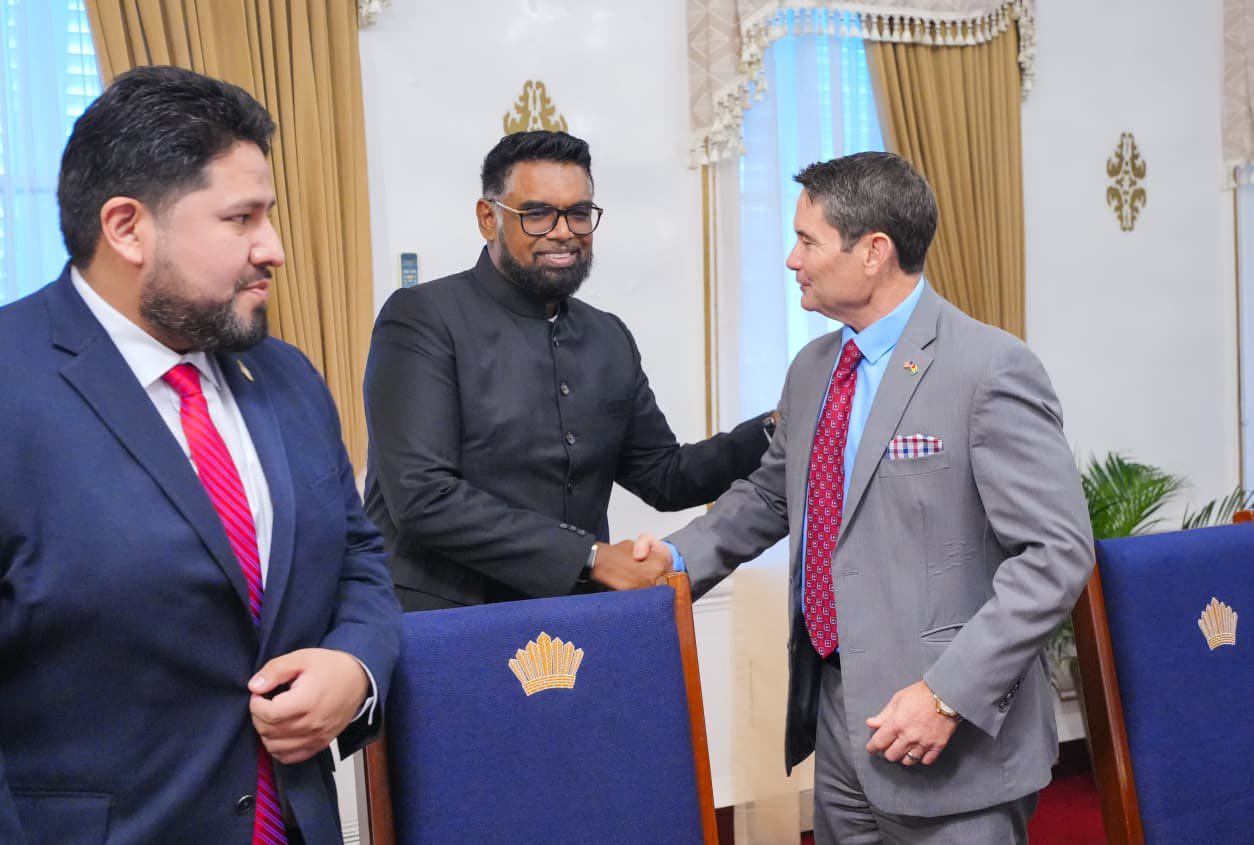
    In a significant strategic development, the United States and Guyana have formally agreed to enhance their military partnership through a newly signed Statement of Intent. The agreement was finalized during high-level talks at Guyana’s State House on December 9, 2025, between Guyanese President Irfaan Ali and senior US defense officials.

    The US delegation included Patrick Weaver, Senior Advisor to the Secretary of War, and Joseph Humire, Acting Assistant Secretary of War for Western Hemisphere Affairs. The meeting produced a framework for expanded joint military operations that maintains full respect for both nations’ sovereignty and legal systems.

    President Ali characterized the agreement as part of an ‘evolving process’ within Washington’s broader ‘Southern Spear’ security strategy—a new hemispheric initiative focusing increased attention and resources on Caribbean Community (CARICOM) nations and Western Hemisphere allies. The arrangement reinforces existing cooperation mechanisms like the Shiprider Agreement, which authorizes US security personnel to pursue and intercept drug trafficking vessels in Guyanese waters.

    When questioned about potential US troop deployments in Guyana, President Ali emphasized the collaborative nature of the partnership, describing it as a regional response to criminal elements exploiting Caribbean airspace and waterways. The Guyanese leader indicated that further discussions on enhanced cooperation levels would continue in coming months, potentially leading to more formal defense arrangements.

    The diplomatic engagement occurred alongside Guyana’s strengthening ties with international partners committed to combating transnational crime. President Ali reiterated his nation’s dedication to regional security during the opening of Grenada’s Honorary Consulate in Guyana, highlighting the shared responsibility to create a safer Caribbean for future generations.

  • Cuba defends full dignity for all

    Cuba defends full dignity for all

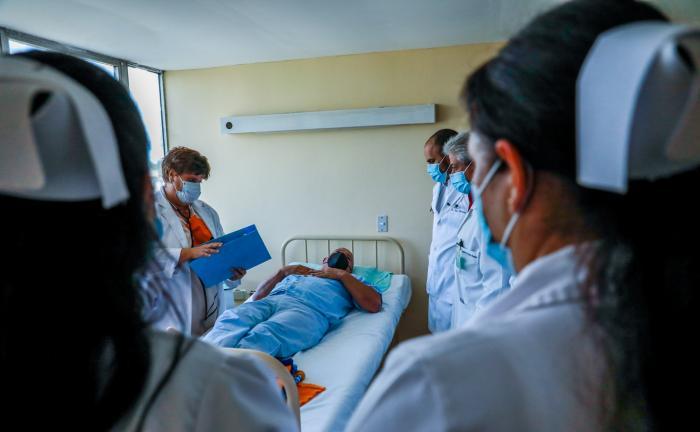
    On December 10th, as the international community observes Human Rights Day commemorating the 1948 adoption of the Universal Declaration, Cuba has articulated its distinctive perspective on human rights implementation amidst contemporary global challenges. The Caribbean nation positions itself as a defender of human dignity despite facing what it describes as a “genocidal blockade” from the United States.

    Cuba’s constitutional framework, particularly Article 41 of its 2019 Constitution, formally recognizes the “enjoyment and exercise of human rights as inalienable, imprescriptible, indivisible, universal, and interdependent.” This legal foundation underpins what Cuban authorities characterize as extensive achievements in social development despite economic constraints imposed by decades of American sanctions.

    The article highlights several global concerns that allegedly compromise human rights worldwide, including media-covered conflicts such as Israel’s actions against Palestinians, rising neo-fascist tendencies, climate change effects, and increasing inequality attributed to neoliberal globalization. Additionally, it references “imperial threats” against Venezuela under the pretext of combating drug trafficking.

    According to the perspective presented, UN Special Rapporteur Alena Douhan recently noted that US coercive measures “limit the State’s ability to develop public policies, undermine the rights to food and dignified life, hinder academic exchanges, and affect the supply of energy, drinking water and medicines.”

    Despite these challenges, Cuba maintains its commitment to building “an independent, sovereign, socialist, democratic, prosperous, and sustainable nation” through citizen participation in government programming. The nation positions itself as willing to share decades of experience in human development areas including health, science, education, and culture.

    The ideological foundation draws from both historical revolutionary leader Fidel Castro’s maxim describing the Cuban Revolution as “an aspiration for social justice within the fullest freedom and the most absolute respect for human rights” and independence hero José Martí’s vision of making “the worship by Cubans of the full dignity of man” the first law of the republic.

  • El Toque and its crude economic manipulation algorithm

    El Toque and its crude economic manipulation algorithm

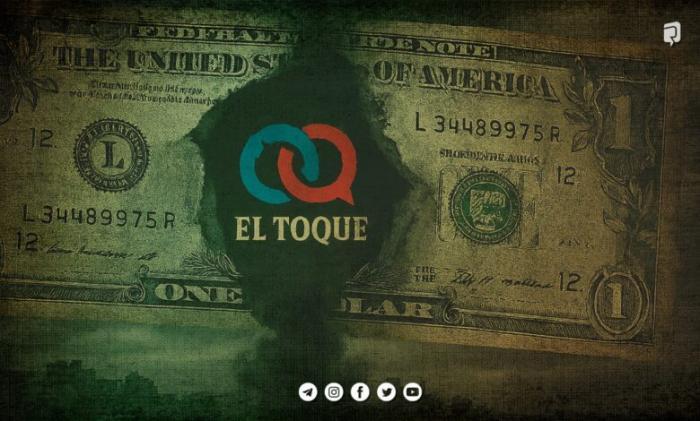
    Cuban authorities have presented compelling evidence identifying digital platform El Toque as a sophisticated instrument of economic warfare against the nation, directly funded and coordinated by the United States government. The revelation came through an extensive investigation featured on the television program ‘Razones de Cuba,’ which exposed the platform’s operations and its key personnel.

    According to Raúl Capote, a former State Security agent, El Toque represents a dual-pronged attack targeting both Cuba’s economy and the consciousness of its citizens. The investigation identified 18 central figures within El Toque’s operations, including Gretel Valladares Carbonell (alias ‘Filo’), who managed funds from USAID and the National Endowment for Democracy distributed by the US State Department. Notably, Katia Sánchez Martínez serves simultaneously as El Toque’s community manager and an employee of the U.S. Embassy in Havana, demonstrating direct coordination.

    The platform’s current leadership consists of four individuals: José Hassan (the public face who confessed to receiving U.S. funding), Eloy, Alejandro, and Ana Lidia—described as the operational mastermind. Internal power struggles have reportedly intensified following these disclosures.

    Academic analysis from University of Havana experts Raúl Guinovart Díaz and Yubán Gutiérrez Quintanilla dismantled El Toque’s purported technical sophistication. Their examination revealed that the platform’s algorithm for calculating informal exchange rates employs elementary statistical methods—primarily the median—rather than complex econometric models. The methodology involves processing data from just four Telegram groups that contribute over half of the sample, making the system highly susceptible to manipulation.

    The investigation documented numerous methodological flaws, including duplicate message counting, identical text structures suggesting automated generation, and simultaneous equivalent posts across different groups. These manipulations directly impact Cuba’s economy by distorting prices, promoting inflation, encouraging speculation, and discouraging remittances through official channels—particularly damaging amid the ongoing economic blockade.

    Experts concluded that El Toque operates through data selection manipulation rather than algorithmic complexity, essentially reverse-engineering results to match predetermined outcomes. This practice artificially creates market volatility through the economic phenomenon of overshooting, where prices react excessively to manufactured expectations.

    The Cuban government maintains that El Toque represents a modern manifestation of hybrid warfare, combining media manipulation with economic destabilization tactics previously deployed against Chile, Nicaragua, and Venezuela. Foreign Minister Bruno Rodríguez Parrilla initially brought these allegations before the United Nations on October 29, initiating an international campaign to expose the platform’s true nature as a weapon of unconventional economic war against the Cuban people.

  • Nieuwe bedrijfsdirectory stimuleert samenwerking Suriname–Guyana

    Nieuwe bedrijfsdirectory stimuleert samenwerking Suriname–Guyana

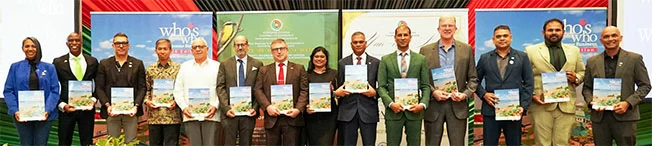
    PARAMARIBO – The fourth edition of Who’s Who in Suriname Business was officially unveiled at Royal Torarica during a high-profile gathering that brought together business leaders, diplomatic missions, investors, and regional partners. This comprehensive directory, developed with strategic support from the Suriname-Guyana Chamber of Commerce (SGCC), has established itself as a vital platform for enhancing corporate visibility, business profiling, and cross-border collaboration throughout the Guiana Basin region.

    Minoushi Filemon, SGCC Membership Lead, emphasized during the launch ceremony that the publication is evolving into an essential strategic tool for companies seeking to strengthen their market positioning. The directory serves dual purposes by simultaneously assisting international investors in identifying reliable local partners while enabling Surinamese entrepreneurs to expand their regional footprint.

    Keynote speaker and publisher Vishnu Doerga highlighted the critical importance of developing strong English-language business propositions as Suriname continues to emerge as a significant opportunity hub within the rapidly developing Guiana Basin. Doerga stated, ‘If you don’t tell your own story, others will tell it for you. This directory provides businesses with a credible platform to make their capabilities visible and accessible to potential partners.’ He further emphasized that digital, economic, and professional bridges between Suriname and Guyana are fundamental prerequisites for sustainable regional growth.

    Guyanese Ambassador to Suriname, Virjanand Depoo, commended the professional standards of Suriname’s business community, describing the directory as a milestone achievement that underscores the private sector’s maturity and readiness for international engagement. Minister Patrick Brunings of Oil, Gas & Environment reinforced the message of regional cooperation, highlighting the shared historical ties and common future aspirations of both nations. Minister Brunings asserted that enhanced collaboration between Suriname and Guyana is absolutely crucial for accelerating economic development throughout the region.

  • Jose Mai Sets the Record Straight After Shocking Cabinet Departure

    Jose Mai Sets the Record Straight After Shocking Cabinet Departure

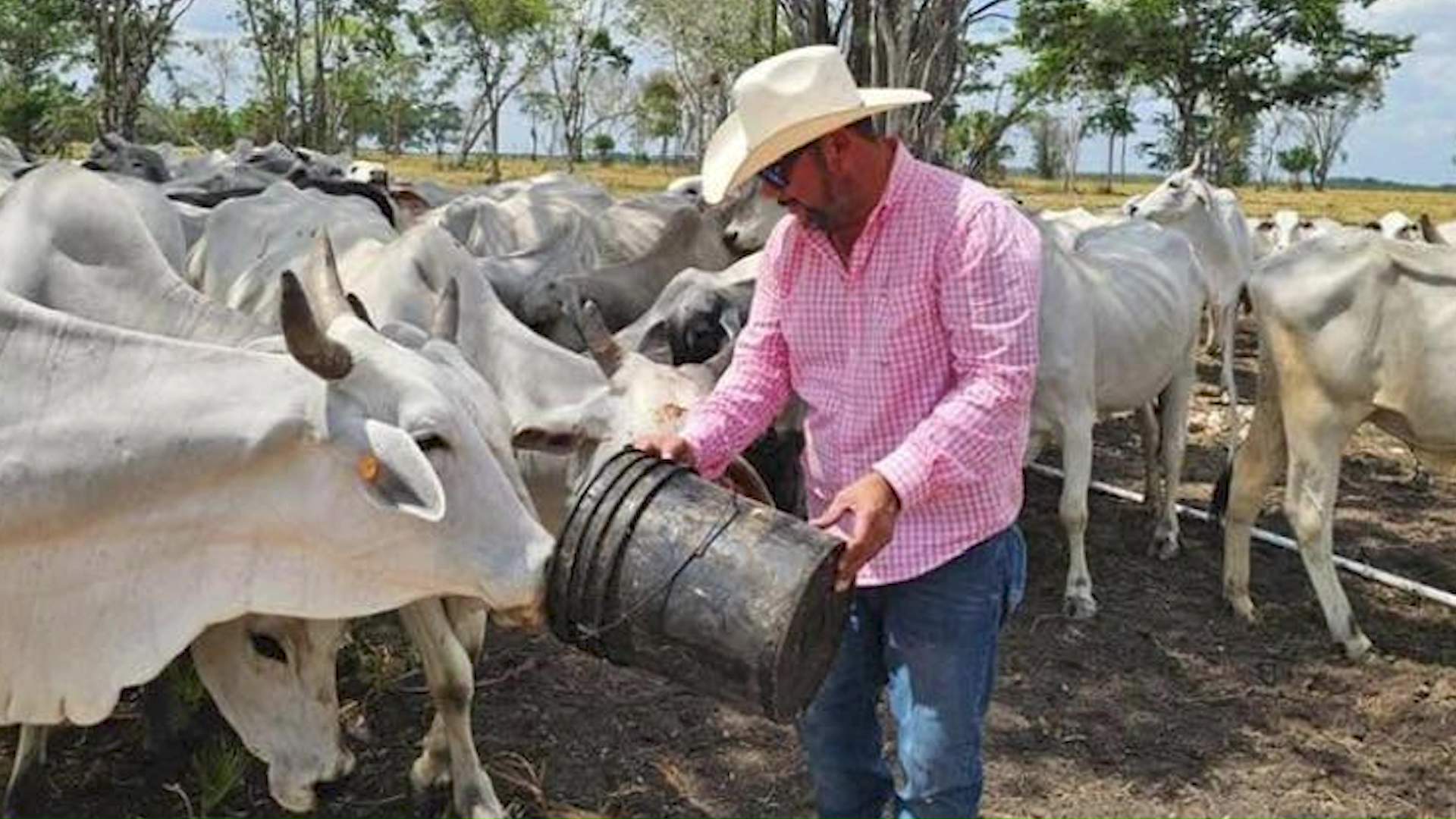
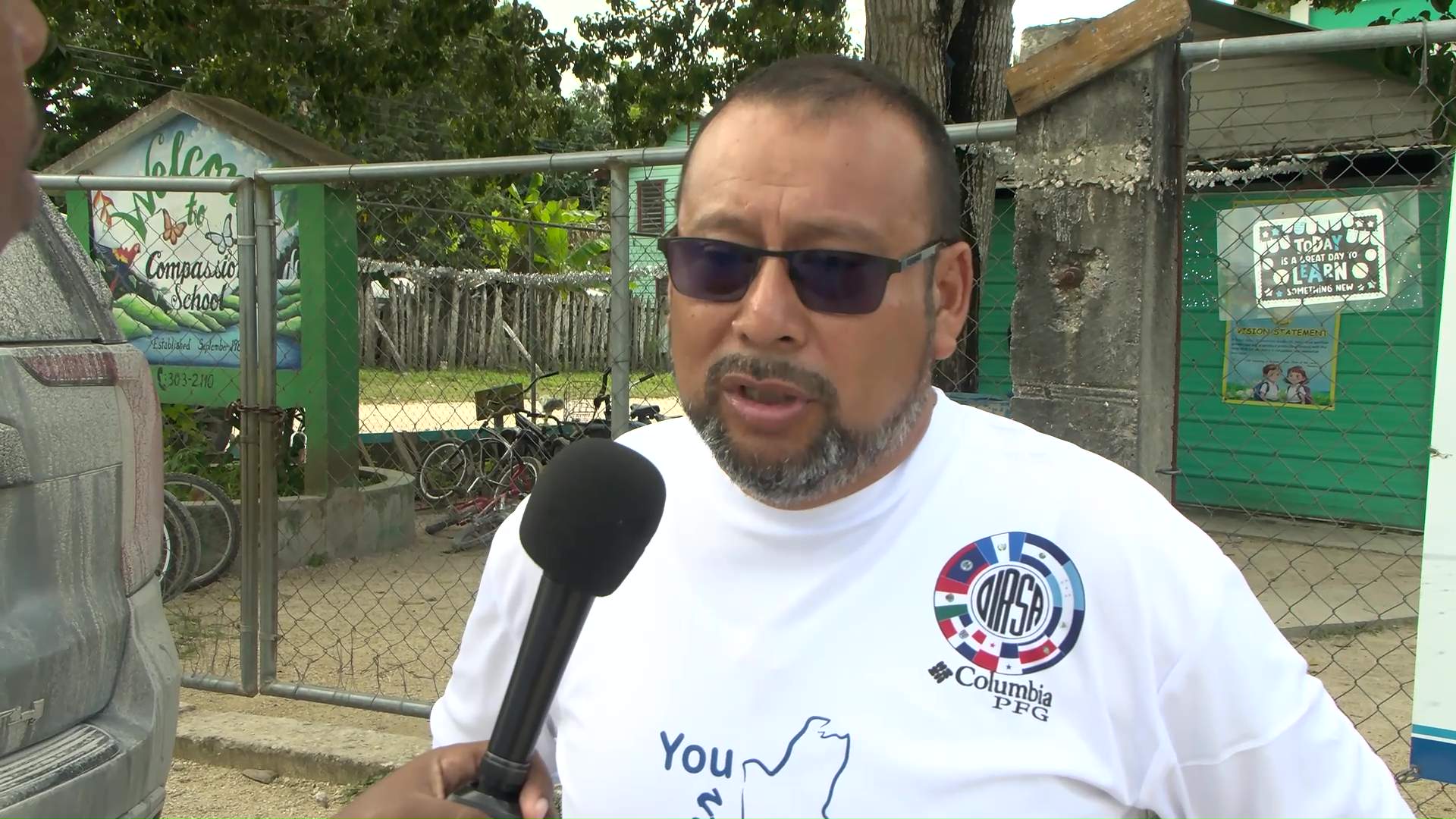
    In an exclusive interview with News Five, José Abelardo Mai, the recently departed Minister of Agriculture and Orange South Area Representative, has publicly addressed the circumstances surrounding his abrupt resignation from Prime Minister Briceño’s Cabinet on November 17th. The political shockwave, which followed weeks of intense social media speculation and serious allegations, is now being countered by Mai’s detailed account.

    Mai categorically refuted the viral claims linking him to criminal activities and the alleged abduction of Joseph Budna, dismissing them as a politically orchestrated smear campaign designed to tarnish his reputation. He expressed particular dismay at the online ridicule, including the Prime Minister’s ‘horse tale’ anecdote, which fueled a wave of memes and public mockery.

    The former minister presented a contrasting narrative to the political scandal, attributing his sudden departure to a critical and chronic spinal condition requiring immediate surgical intervention. Mai detailed a history of spinal issues, specifying severe deterioration at the L5-S1 level where the disc has ‘dried up,’ alongside herniated discs at L3 and L4. He revealed that his resignation letter explicitly requested to be relieved of his ministerial duties to seek medical attention, a fact he claims was inaccurately represented.

    When confronted with questions about the timing and skepticism surrounding his health claims, Mai remained resolute, stating his priority is his personal well-being, his family, and his constituents, rather than convincing critics. He admitted the situation carries a degree of irony, recalling his own past criticisms of former Prime Minister Dean Barrow’s back problems while in opposition.

    Despite his firm stance, Mai acknowledged the personal toll the scandal has taken on his loved ones, though he maintains a stoic public facade. He confirmed he is actively seeking medical advice, with consultations pointing to potential surgeries in Guatemala, Houston, or Germany, but no final decision or schedule has been set.

    Concluding his defense, Mai asserted he is not evading scrutiny and is prepared to defend himself in a court of law if necessary. He accused his detractors of bullying and spreading baseless gossip, affirming his choice to disengage from social media negativity and focus his energy on his recovery and constituency work.

  • Jose Mai Rejects Cartel Allegations, Addresses Safety & Budna Case

    Jose Mai Rejects Cartel Allegations, Addresses Safety & Budna Case

    In his first extensive interview since resigning from government, former Belizean minister José Abelardo Mai has vehemently denied three serious allegations that have circulated following his departure from office. The prominent political figure directly addressed claims of cartel connections, safety concerns, and involvement in the abduction case of Joseph Ryan Budna, categorically rejecting all accusations as unfounded.

    Mai characterized the allegations as media-driven fabrications, stating: “One or two media houses have nothing but allegations. If any credible evidence existed, it would have been presented already. I have committed no wrongful or illicit acts, and no evidence exists to prove otherwise.”

    When questioned about potential cartel threats, Mai responded with emphatic denial: “Absolutely not, sir. I possess no knowledge of cartel members nor any desire to know them. Based on reports from Mexico, these organizations engage in horrific activities including extortion, beatings, and torture against Belizean travelers. Responsible media should understand the dangers of repeatedly mentioning these dangerous individuals.”

    The former minister elaborated on his deliberate avoidance of any criminal associations: “These matters present grave life-threatening risks. I maintain conscious distance from such elements and can state unequivocally that I have never knowingly established contact with cartel members. Naturally, criminals don’t identify themselves openly, but to my certain knowledge, no such connections exist.”

    Mai challenged his accusers to produce substantiating evidence while defending his conduct during and after his ministerial service. The interview raises critical questions about verification standards in media reporting, the timing of these allegations, and potential political motivations behind their dissemination.

  • After Sudden Exit, José Mai Rejects Budna Abduction Claims

    After Sudden Exit, José Mai Rejects Budna Abduction Claims

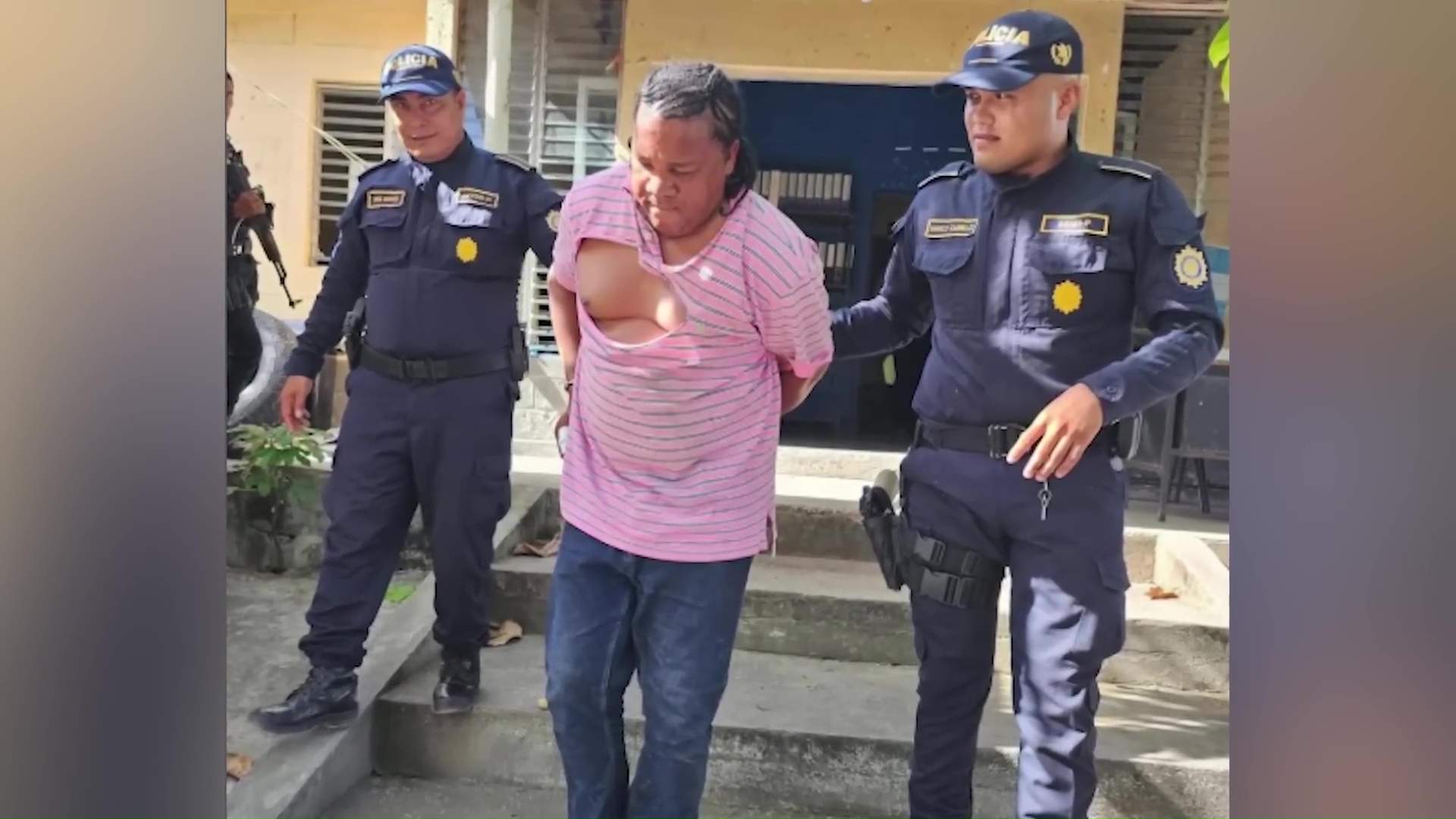
    In a striking development within Belizean politics, former Agriculture Minister José Abelardo Mai has issued a forceful denial of allegations connecting him to the abduction of journalist Joseph Budna. The incident, which occurred outside the Orange Walk Police Station where Budna was reportedly assaulted and forcibly taken, has sparked widespread speculation about potential state involvement.

    Mai, who resigned from his ministerial position in November 2025 amid growing suspicion, addressed the allegations directly during a recent media interaction. He characterized the accusations circulating on social media and public forums as not only false but deliberately provocative and disrespectful.

    “I must disregard the incessant noise in the public domain and various Facebook allegations,” stated Mai. “While some criticisms are expected given the political climate—I myself frequently opposed the UDP during my time in Opposition—certain individuals have crossed into profoundly offensive territory with these unfounded claims.”

    When questioned specifically about his potential connection to Budna’s extraction, Mai responded unequivocally: “No, sir. To my knowledge, Mr. Budna was a reporter who interviewed me on one occasion. I have never been involved in any capacity with that matter.”

    The case continues to generate significant public interest, with many observers noting the concerning implications for press freedom and political transparency in Belize. The resignation of a high-ranking official followed by such serious allegations has created a complex political scenario that remains unresolved.