博客

  • Belize Celebrates UNESCO Recognition of Krismos Bram and Sambai

    Belize Celebrates UNESCO Recognition of Krismos Bram and Sambai

    In a landmark achievement for cultural preservation, Belize has secured international recognition for two of its most cherished Creole traditions. UNESCO officially inscribed Krismos Bram and Sambai onto its Representative List of the Intangible Cultural Heritage of Humanity during ceremonies in New Delhi, India, on December 9, 2025.

    The announcement marks the culmination of a decade-long effort by Belizean cultural authorities and community representatives. The recognition places these centuries-old traditions alongside Belize’s Garifuna language, music, and dance as globally protected cultural treasures.

    Krismos Bram, a vibrant Christmas procession unique to the village of Gales Point Manatee, involves community members moving from house to house during Christmas and Boxing Day celebrations. The tradition features rhythmic drumming, spirited dancing, communal feasting, and storytelling that dates back to 18th-century Maroon settlements of formerly enslaved Africans.

    Sambai, its complementary tradition, involves participants forming dynamic circles around bonfires, maintaining rhythmic connection through generations. Both practices represent profound cultural resilience, transforming historical hardship into enduring artistic expression.

    Cultural leaders from Gales Point emphasized the traditions’ significance. Master Drummer Emmeth Young noted, ‘Krismos Bram evolved from the slave people that used to settle in my village, making it very important in our culture.’ Master Dancer Sharlene Andrewin added, ‘Only in Gales Point will you find the real thing—live Braming and Sambai that continues today.’

    The UNESCO designation brings more than prestige. Rolando Cocom, Director of the National Institute of Culture and History (NICH), highlighted how the recognition strengthens preservation efforts and youth engagement. Selene Solis of the National Kriol Council emphasized how this ‘elevates the visibility of cultural events from small communities that aren’t often recognized for their value.’

    The achievement prompted nationwide celebrations, with villagers in Gales Point gathering at dawn for a watch party. Political leaders across parties offered congratulations, with UDP Leader Tracy Panton specifically acknowledging the late cultural ambassador Myrna Manzanares and her mother Iris Abraham for their lifelong advocacy.

    This UNESCO recognition ensures international support for safeguarding these traditions while amplifying Belize’s cultural contributions on the world stage.

  • Erosion Threatens Homes and Livelihoods in Placencia

    Erosion Threatens Homes and Livelihoods in Placencia

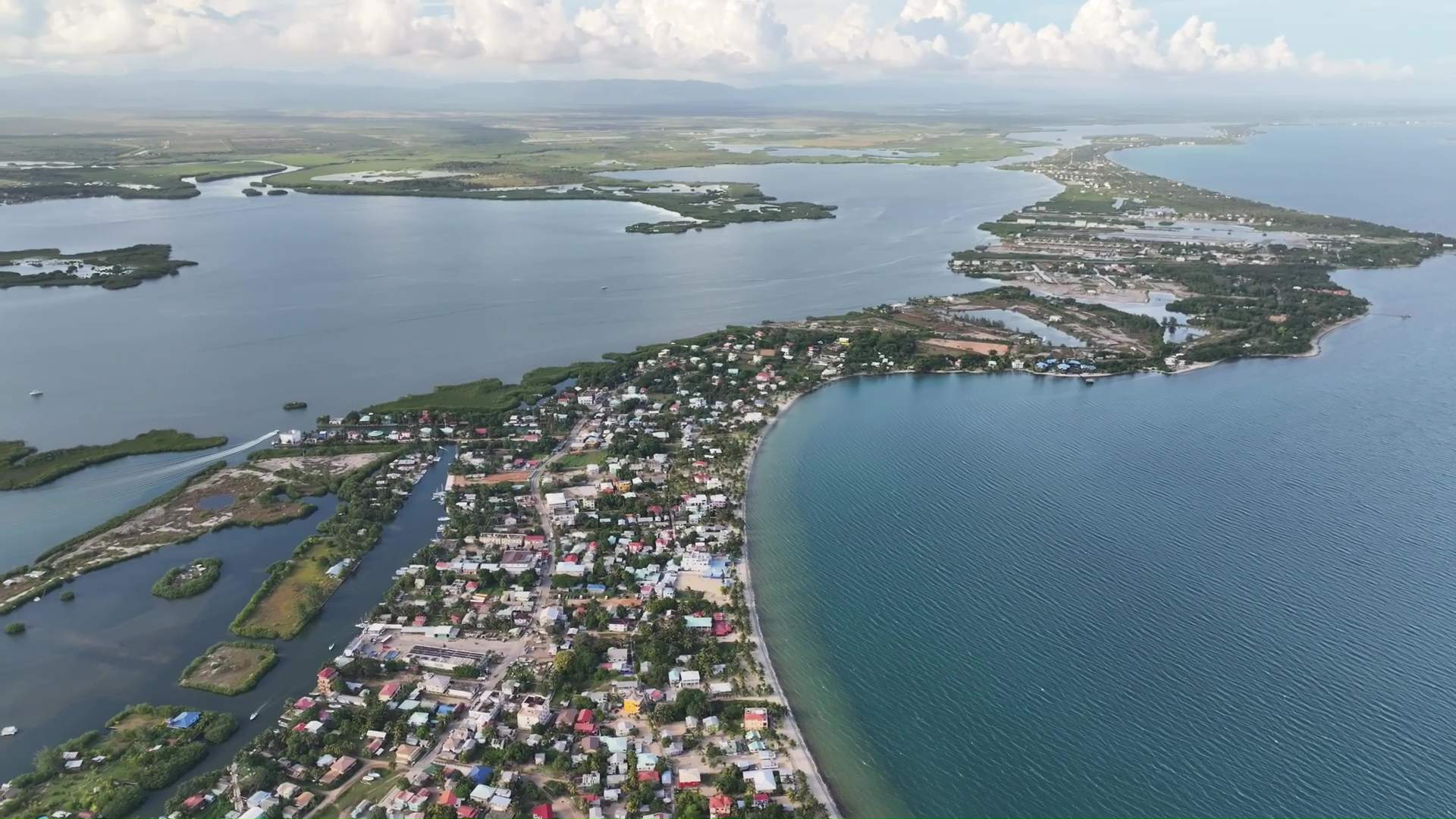
    The picturesque Placencia Peninsula in Belize faces an escalating environmental emergency as accelerated coastal erosion jeopardizes homes, businesses, and the region’s economic foundation. This Caribbean community, renowned for its stunning beaches and vibrant tourism industry, now confronts a reality where each high tide brings properties perilously closer to the advancing waters.

    Minister of Sustainable Development Orlando Habet addressed the severity of the situation, emphasizing the multifaceted crisis: “Residents have witnessed firsthand the loss of beaches, collapsing shoreline, saltwater intrusion, and threats to homes, tourism facilities, and livelihoods. This erosion is reshaping not only our coastline but also affecting social wellbeing, economic stability, and community safety.”

    The Belize Department of Environment has initiated a comprehensive scientific partnership to diagnose the erosion causes and develop sustainable solutions. This collaborative effort brings together government agencies, the Placencia Village Council, and academic experts from the University of South Florida, who have been conducting long-term research through the Strong Coasts initiative.

    Dr. Maya Trotz, leading the University of South Florida research team, noted the unexpected severity of Placencia’s erosion compared to other studied areas: “We were initially focused on environments like Caye Caulker that faced different erosion dynamics. The peninsula’s situation has revealed complex, multifaceted challenges requiring specialized attention.”

    The forthcoming study will employ advanced topographic, hydrographic, and bathymetric surveys spanning from Riversdale to Placencia, analyzing sediment composition from beaches, rivers, and offshore areas. This scientific approach aims to move beyond theoretical assessment toward practical, engineering-based solutions that balance environmental preservation with community protection.

    Warren Garbutt, Chairman of the Placencia Village Council, expressed cautious optimism: “This initiative brings hope for sustainable solutions that can preserve our coastline’s integrity while safeguarding the natural beauty that defines our peninsula for future generations.” The project represents a critical test of Belize’s ability to harmonize economic development with climate resilience in an era of increasing environmental uncertainty.

  • Social: Support measures for displaced and vulnerable people during the holiday season (video)

    Social: Support measures for displaced and vulnerable people during the holiday season (video)

    In a significant humanitarian effort, the Haitian government has unveiled a comprehensive support package for citizens displaced by violence and those facing extreme vulnerability during the holiday season. The announcement came during the 30th edition of ‘Tuesdays of the Nation’ on December 9, 2025, at the Prime Minister’s Office.

    Serge Gabriel Colin, Director General of the Economic and Social Assistance Fund (FAES), detailed the multi-faceted assistance program that will be implemented across several regions including Port-au-Prince, the Central Plateau, Artibonite, and Petit-Goâve—the latter recently devastated by Hurricane Melissa.

    The relief measures encompass substantial enhancements to existing aid programs, featuring escalated distribution of hot meals, nutritional provisions, and hygiene kits within displacement camps. Community restaurants operated by FAES will significantly increase their meal service capacity during this critical period.

    A culturally significant initiative involves the preparation of the traditional Independence Day soup, symbolizing national solidarity and shared heritage. The most substantial financial component includes direct cash transfers of 10,000 gourdes each to 20,000 household leaders and vulnerable individuals.

    Colin emphasized the government’s allocation of several hundred million gourdes specifically for these humanitarian efforts, with a considerable portion dedicated to the cash transfer program. The FAES, serving as the technical arm of the Ministry of Social Affairs, is mobilizing its network of 105 community restaurants to execute these initiatives.

    The director reaffirmed the administration’s commitment to both immediate humanitarian support and long-term security restoration throughout the nation, highlighting the dual approach of addressing urgent needs while working toward sustainable stability.

  • IOM Belize Expands Migration Support After 2017

    IOM Belize Expands Migration Support After 2017

    BELIZE CITY – The International Organization for Migration (IOM) has dramatically expanded its operational footprint in Belize over the past eight years, investing nearly six million dollars in comprehensive migration governance programs since 2017. This substantial growth represents a strategic evolution for the UN’s specialized migration agency in the Central American nation.

    Establishing its country office in 2010 with minimal staffing and limited programming scope, IOM Belize operated with approximately two personnel throughout its first decade. The operational landscape transformed significantly following 2017 with the initiation of the Western Hemisphere program, which served as a catalyst for expanded migration initiatives throughout the region.

    The most pronounced expansion occurred post-2020, during which IOM Belize implemented seven distinct projects designed to strengthen migration management frameworks, enhance institutional capacity building, and bolster community resilience mechanisms. According to Diana Locke, Head of Office for IOM Belize, this period marked a substantial escalation in both programming scope and financial investment in the country’s migration infrastructure.

    “From 2020 to December 2025, we have definitively implemented seven projects,” Locke stated. “We have invested a little under six million dollars across all activities, staffing, and operational components.”

    The organization’s growing presence in Belize parallels its broader institutional evolution. Initially established in December 1951 to address post-war European displacement, IOM attained formal United Nations agency status in 2016, solidifying its position as the global leader in migration governance. Belize first joined IOM around the year 2000, with the physical country office established a decade later.

    Looking forward, IOM Belize continues to prioritize innovative solutions and sustainable strategies for migration governance, building upon its seventy-four years of global expertise in population movement management and humanitarian response.

  • B&B Boosts Jingle Box to 300 Holiday Hampers

    B&B Boosts Jingle Box to 300 Holiday Hampers

    Bowen & Bowen has significantly amplified its annual charitable efforts this holiday season, expanding its Jingle Box initiative to a record three hundred holiday hampers. This marks a substantial increase from the two hundred and fifty boxes distributed in the previous year, demonstrating the company’s deepened commitment to community support during the festive period.

    For sixteen consecutive years, this corporate social responsibility program has been dedicated to brightening the holiday season for families in need. Each carefully curated hamper is packed with the fundamental ingredients required for a nutritious and complete holiday meal. The contents include staple items such as rice, beans, peas and carrots, and salad cream, complemented by sweet treats including Coca-Cola, Fanta beverages, Snackers chips, and cookies.

    The distribution mechanism involves collaboration with established local organizations including World Pediatrics-Belize, Helpage Belize, and Belize Friends Ministries. These partners facilitate the targeted delivery of these holiday packages to those most vulnerable within the community, including struggling single-parent households, children with special needs, and the elderly.

    Corporate Relations Manager Rosanna Villanueva elaborated on the program’s design, noting that each box also contains a certificate from Quality Poultry, enabling families to obtain additional provisions. Testimonials from partner organizations highlight the profound impact of these donations. Fay Madrid of World Pediatrics-Belize shared a touching account of a mother with twins, one of whom has cerebral palsy, who expressed immense gratitude for the unexpected holiday cheer.

    Executive Director of Helpage Belize, Ivorine Bulwer, emphasized the significance of providing nutritious meals and festive joy to older persons, a demographic often overlooked during the holidays. Athina Major of Belize Friends Ministries praised the initiative for its ripple effect, blessing not only students but entire families and extending its positive impact throughout the wider community in ways that extend far beyond the initial donation.

  • Belize Bank Marks 13 Years of Christmas Cheer

    Belize Bank Marks 13 Years of Christmas Cheer

    For the thirteenth consecutive year, Belize Bank has continued its cherished holiday tradition by hosting an elaborate Christmas celebration for students and staff at Stella Maris Primary School. The annual event, held on December 9, 2025, has become a cornerstone of the bank’s community outreach program, providing festive experiences that many children would otherwise miss during the holiday season.

    The celebration transformed the school grounds into a carnival-like atmosphere featuring multiple activity stations. Children enjoyed bouncing houses, popcorn and snow cone treats, basketball games, and a popular 360-degree camera dance area. The festivities included musical chairs competitions followed by a traditional turkey dinner with all the trimmings served at 11:30 AM, attended by the bank’s CEO who joined the children for lunch.

    The highlight of the event remained the highly anticipated arrival of Santa Claus, who distributed personalized gifts to every student. According to Denise Godfrey, Marketing and Branding Manager at Belize Bank, the moment Santa appears creates a magical silence as children eagerly await their presents. Principal Doreth Pascasio Griffith noted that students had prepared Santa wish lists in advance, with requests ranging from toy trucks to stuffed animals, all fulfilled through the bank’s generosity.

    This initiative represents one of Belize’s longest-running corporate social responsibility programs, specifically targeting communities where children might not otherwise experience Christmas celebrations or receive holiday gifts. The event’s impact extends beyond material presents, creating lasting memories and reinforcing the spirit of community solidarity during the festive season.

  • Expert warns of constitutional challenges following hasty rollout of new Penal Procedure Code

    Expert warns of constitutional challenges following hasty rollout of new Penal Procedure Code

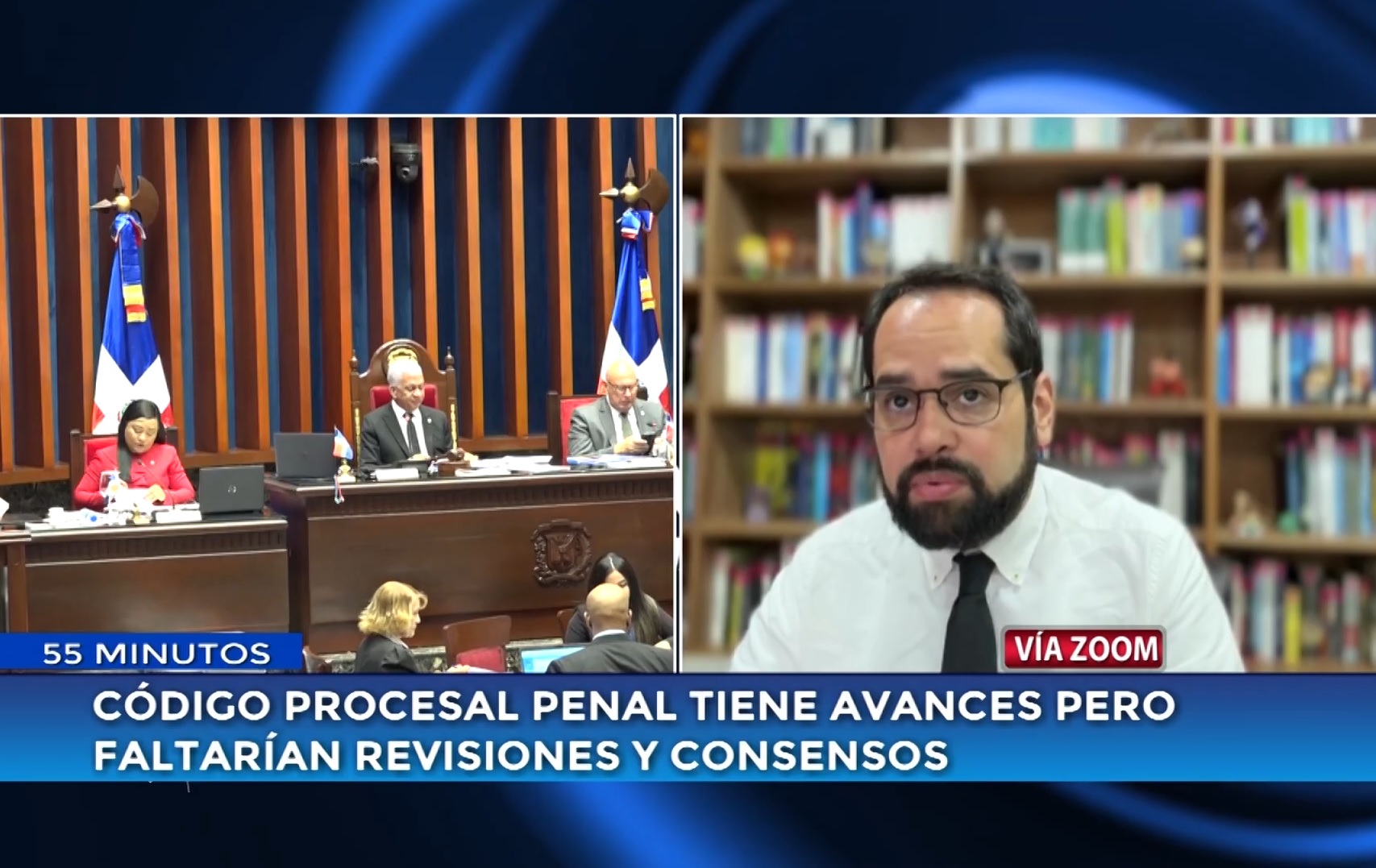
    SANTO DOMINGO – Prominent legal expert Francisco Álvarez Martínez has issued a stark warning regarding the Dominican Republic’s hastily implemented Criminal Procedure Code (CPP), asserting that its accelerated adoption threatens to unleash a flood of constitutional challenges. The distinguished jurist contends that the legislative process suffered from inadequate debate, inconsistent amendments between parliamentary chambers, and a complete absence of the customary transitional period (vacatio legis), fundamentally compromising the law’s legitimacy.

    During an appearance on CDN’s analytical program ’55 Minutos,’ Álvarez revealed that despite years of deferred discussions on judicial reform, the final legislation was pushed through with exceptional speed. This accelerated timeline prevented thorough technical evaluation and marginalized crucial contributions from civil society organizations. The expert noted that the continuous textual modifications during inter-chamber negotiations have not only diminished public trust in legislative integrity but also implanted fundamental structural deficiencies within the legal framework.

    Álvarez cautioned that these inherent vulnerabilities may collapse under judicial examination. The immediate implementation has compelled legal practitioners and judiciary members to apply intricate, untested statutes without adequate printed guidelines or professional training initiatives. This situation generates substantial legal unpredictability and imposes exceptional strain on both legal professionals and defendants within the justice system.

    The scholar highlighted that ongoing court proceedings—including significant corruption prosecutions—now demand nuanced interpretation. Judicial authorities must simultaneously evaluate both previous and updated procedural regulations to identify which framework offers stronger protections for defendant rights, consequently escalating judicial workloads and potentially prolonging litigation timelines.

    While acknowledging certain progressive elements such as expanded victim protections, Álvarez emphasized that the failure to harmonize the Penal Code with the new CPP represents a squandered opportunity that might provoke enduring legal conflicts. The constitutional expert concluded that judicial review appears inevitable unless legislators undertake substantive revisions to ensure alignment with established legal doctrines and precedent.

  • Prime ministerial SUVs to be given new plates, reassigned — Leacock

    Prime ministerial SUVs to be given new plates, reassigned — Leacock

    The St. Vincent and the Grenadines government has initiated the process of reassigning three Toyota Prado SUVs previously used by former Prime Minister Ralph Gonsalves. According to Minister of National Security St. Clair Leacock, these vehicles will receive new registration numbers and be redistributed to various government departments, including the police force and Ministry of Foreign Affairs.

    The decision comes amid public speculation about vehicles spotted with registration numbers that some interpret as referencing the November 27 general election results, where the New Democratic Party secured 14 seats against the Unity Labour Party’s single seat. Photographs circulating on social media showed vehicles bearing plates G141, G114, and G411—numerical combinations that some citizens believe symbolically represent the election outcome.

    Minister Leacock, speaking on Boom FM, clarified that current Prime Minister Godwin Friday is currently utilizing rented vehicles while awaiting new official transportation. The minister emphasized that the vehicles from the previous administration will undergo complete reprocessing, including repainting and plate changes, to eliminate any association with the former government.

    While not confirming whether the specifically numbered vehicles were intended for the new prime minister, Leacock noted that such vehicles don’t appear spontaneously, suggesting they were likely ordered by the previous administration before the election. The minister distanced himself from vehicle selection decisions, describing them as prime ministerial privileges beyond his security portfolio responsibilities.

    The government’s approach appears to address both practical and symbolic concerns, ensuring the new leadership operates without connections to the previous administration while maintaining proper protocol for ministerial transportation.

  • Dominican Senate reviews police reform to end institutional assignments

    Dominican Senate reviews police reform to end institutional assignments

    SANTO DOMINGO – The Dominican Republic is undertaking a comprehensive overhaul of its national police force through groundbreaking legislation currently advancing through the Senate. The proposed reform represents the most significant restructuring of police operations in decades, fundamentally altering officer deployment protocols and accountability measures.

    The cornerstone of the legislation eliminates the long-standing practice of assigning police officers to guard government offices, state agencies, and private enterprises. Under the new framework, such assignments would be permitted only in exceptional circumstances where a genuine security threat has been formally identified and explicitly approved by the Interior Ministry.

    The reform package specifically addresses the private sector’s use of police personnel, prohibiting businesses from hiring officers as security staff unless the arrangement serves a demonstrable public interest. Even when authorized, companies would be required to fully subsidize all associated costs and annually disclose these agreements through public transparency mechanisms.

    Beyond deployment restructuring, the legislation establishes rigorous protocols governing the use of force by law enforcement. Officers would be mandated to operate under strict principles of legality, necessity, and proportionality, with any intervention resulting in injury requiring immediate reporting to the Public Prosecutor’s Office for independent review.

    The bill further proposes institutional innovations including the establishment of a National Standards Center to supervise police performance metrics and professional certification. A revamped promotion system would prioritize advanced training and competency evaluations, while the Internal Affairs division would be transferred to the Interior Ministry to enhance investigative independence and eliminate conflicts of interest.

    Although the current legislative session is concluding, congressional leadership has identified the police reform initiative as a top priority for the upcoming term, with committee deliberations expected to precede full chamber consideration.

  • Justice : The fight against corruption, faced the regime of impunity

    Justice : The fight against corruption, faced the regime of impunity

    At a solemn gathering marking International Anti-Corruption Day, Haiti’s transitional leadership delivered a stark assessment of the nation’s justice system while reaffirming commitment to governance reforms. Interim President Laurent Saint-Cyr addressed dignitaries at Port-au-Prince’s Karibe Hotel on December 9, emphasizing transparency as the cornerstone of public trust during ceremonies organized by the Anti-Corruption Unit (ULCC).

    The high-profile event assembled key stakeholders including Canadian Ambassador André François Giroux, United Nations representatives, finance ministry officials, and diplomatic corps members alongside student delegations and youth activists. Saint-Cyr particularly highlighted the vital role of younger generations as both participants and beneficiaries in the anti-corruption movement, identifying education as the fundamental mechanism for fostering integrity and societal resistance to corruption.

    The transitional leader outlined institutional priorities, stressing the necessity of unimpeded oversight operations and inter-agency cooperation to prevent misuse of public resources and strengthen constitutional order. He formally recognized ULCC personnel as ‘Guardians of Transparency, Integrity, and Good Governance’ while referencing the April 2025 decree establishing specialized judicial hubs for processing complex financial crimes.

    Despite these declarations, official statistics reveal a disheartening enforcement gap. Historical data indicates that since ULCC’s establishment in 2004, the agency has submitted 94 investigative reports to judicial authorities resulting in merely two convictions—one in 2015 and another in 2024. Under current director Hans-Jacques Ludwig Joseph, 68 cases have been referred for prosecution with minimal judicial action, exposing systemic deficiencies in Haiti’s legal apparatus.
    This disparity between investigative efforts and judicial outcomes underscores what analysts describe as an entrenched regime of impunity, particularly regarding corruption cases involving powerful interests. The transitional administration now faces dual challenges of implementing structural reforms while overcoming institutional inertia within the justice sector.