博客

  • Who qualifies?

    Who qualifies?

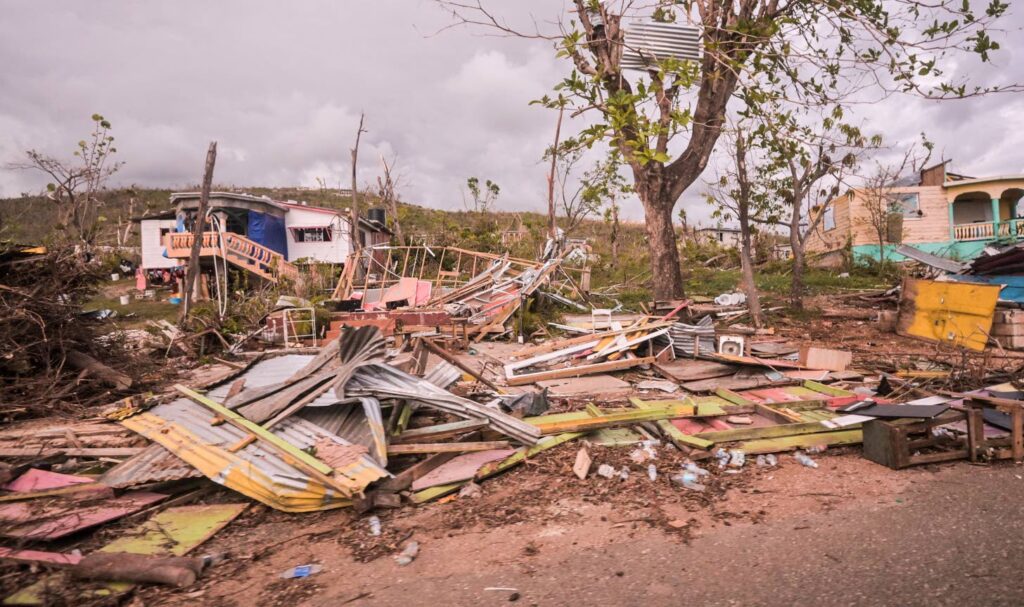
    Jamaican legislators are demanding transparency in the distribution framework for containerized housing units destined for hurricane victims, as the nation grapples with complex land ownership issues that threaten to delay critical relief efforts. With 1,061 citizens still occupying emergency shelters following Hurricane Melissa’s devastation, parliamentary members expressed urgent concerns during a Public Administration and Appropriations Committee session regarding how informal settlers without legal land titles will qualify for government-assisted housing.

    The core dilemma emerged during intense questioning of Office of the Prime Minister (OPM) officials, particularly regarding historical land tenure challenges pervasive in Westmoreland and St Elizabeth parishes. St Mary Central MP Omar Newell raised alarms about whether the anticipated January delivery of rapid-build container units would genuinely reach the most vulnerable populations, given widespread informal land occupation patterns.

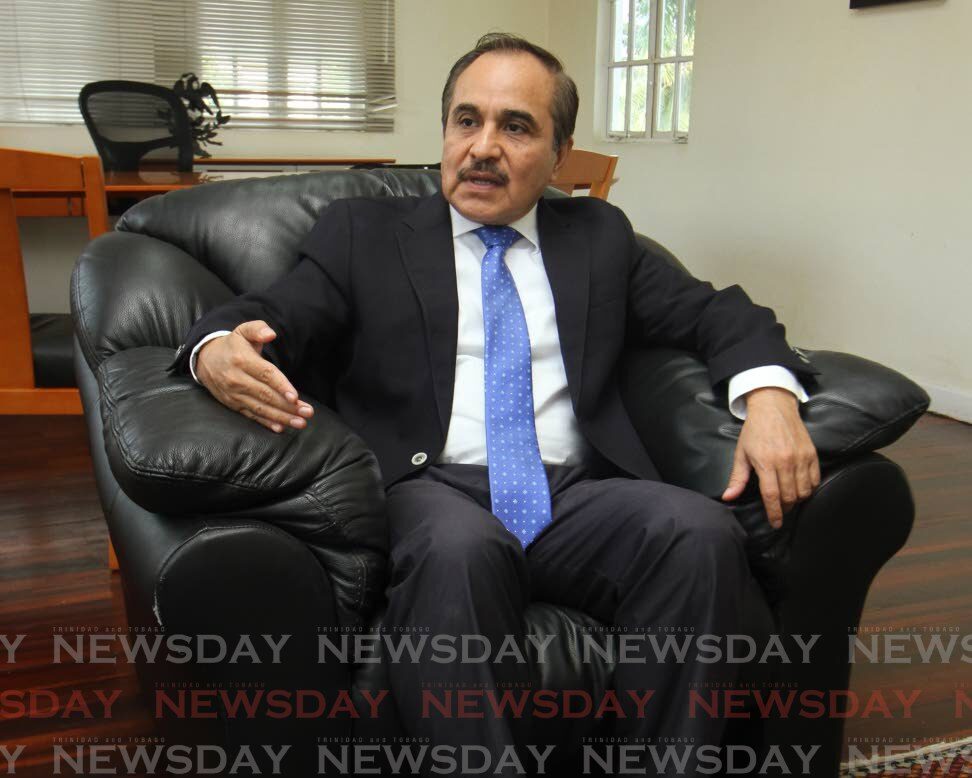
    Ambassador Rocky Meade, Permanent Secretary at OPM, articulated the government’s delicate balancing act between humanitarian urgency and legal responsibility. “We have a legal obligation to ensure we are not encouraging citizens to occupy land without rights,” Meade stated, acknowledging potential litigation risks if housing is placed on contested property. While committed to expediting relief, the administration must conduct due diligence to avoid legal complications.

    The government is now pursuing alternative strategies, including identifying state-owned parcels where container homes can be legally deployed. This approach would allow families previously residing in high-risk zones to relocate securely while obtaining formal land tenure. Meade emphasized that despite procedural delays caused by ownership verification, the priority remains rapidly transitioning shelter occupants into permanent housing solutions, especially as educational authorities seek to reclaim school buildings currently serving as emergency shelters.

    The National Housing Trust is procuring 5,000 pre-fabricated container homes under Prime Minister Andrew Holness’s rapid deployment initiative, with an initial batch of 2,500 units scheduled for early-year distribution to address the island’s most pressing housing emergencies.


  • STRONGER TOGETHER

    STRONGER TOGETHER

    The Jamaica Premier League (JPL) faces potential disruption as newly-promoted Treasure Beach FC struggles with severe hurricane aftermath, though league organizers express confidence in the club’s eventual return. Professional Football Jamaica Limited (PFJL) CEO Owen Hill confirmed that while contingency plans exist for a possible withdrawal, the St. Elizabeth-based club remains integral to the competition’s value and geographic diversity.

    The league resumed on Sunday following a six-week suspension caused by Hurricane Melissa, with 13 of 14 teams having completed eight matches over a four-day period. Treasure Beach, however, received special permission for additional preparation time due to the catastrophic impact on their community and financial infrastructure.

    Hill explained the exceptional circumstances: “The community served as the financial lifeblood of the football organization. Businesses that offset operational expenditures, sponsors, and supporters all suffered severe damage. This created an unusually constrained financial position requiring additional weeks to mobilize support.”

    The club has been granted until December 21st to resume competition, with Hill confirming written assurances from management regarding their readiness. “They’re back in camp now,” Hill stated, “with three additional match days for preparation.”

    Despite these assurances, withdrawal possibilities were reportedly discussed during league meetings last month. Head Coach Kemar Ricketts acknowledged intensified efforts to overcome challenges, but Hill emphasized the PFJL and Jamaica Football Federation (JFF) would proceed without them if necessary.

    “As a risk-mitigating strategy,” Hill detailed, “we maintain weekly dialogue leading to the December 21 deadline. Should participation prove impossible, we have protocol-based alternatives regarding league structure with 13 teams and point allocation.”

    The CEO highlighted Treasure Beach’s significance beyond competitive balance: “Partners want products placed in these communities, sponsors seek island-wide brand exposure, and players deserve opportunities across different regions. Teams like Montego Bay United, Mount Pleasant, and Treasure Beach provide crucial geographic diversity for talent development and commercial expansion.”

    The last JPL withdrawal occurred in 2021 when UWI FC left due to financial difficulties, underscoring the ongoing challenges facing Jamaica’s premier football competition.

  • NO CONSULTATION!

    NO CONSULTATION!

    A significant dispute has emerged between the Jamaican Government and its civil service representatives following a Cabinet directive canceling all official Christmas celebrations for government entities this year. Techa Clarke-Griffiths, President of the Jamaica Civil Service Association (JCSA), has expressed strong objections to the unilateral nature of this decision and is demanding full transparency regarding the redistribution of budgeted party funds.

    The controversy stems from an announcement made by Education, Skills, Youth, and Information Minister Senator Dr. Dana Morris-Dixon during a post-Hurricane Melissa briefing. While prohibiting external venue rentals for holiday events, the government encouraged small in-office morale-building activities and outreach initiatives for staff affected by the recent natural disaster.

    Clarke-Griffiths contends that the complete lack of consultation with the JCSA—representing over 30,000 public servants—demonstrates the government’s disregard for proper dialogue. Her primary concern centers on the destination of reallocated funds originally designated for holiday festivities. She insists that these resources should be directly channeled toward welfare support for civil servants grappling with Hurricane Melissa’s devastation rather than returned to the consolidated fund.

    The JCSA president revealed that many public servants face severe hardships, including complete home losses and psychological trauma. She emphasized that workers would more readily accept the cancellation if assured that funds would support colleagues in distress. The association has already identified 805 severely impacted members through needs assessment forms and distributed over 4,200 care packages in affected western regions.

    This situation mirrors previous concerns regarding unaccounted funds from canceled Civil Service Week activities, which had an allocated budget of approximately $8 million. Clarke-Griffiths has engaged in discussions with Finance Minister Fayval Williams, advocating for special allocations to address the urgent needs of traumatized and displaced government employees.

    Hurricane Melissa struck Jamaica on October 28 with devastating 185 mph winds, causing unprecedented flooding across the island’s southern and western regions. The catastrophe has created pressing humanitarian needs that the civil service union believes should be prioritized through redirected celebration budgets.

  • UNC 28 no match for PNM 13

    UNC 28 no match for PNM 13

    For the second time in recent weeks, Trinidad and Tobago’s parliamentary proceedings have descended into acrimony as the ruling United National Congress (UNC) government abruptly terminated debate on the Finance Bill 2025, effectively silencing opposition voices. The controversial move last Friday prevented several members of the opposition People’s National Movement (PNM) from contributing to crucial financial discussions, marking a significant departure from established parliamentary conventions.

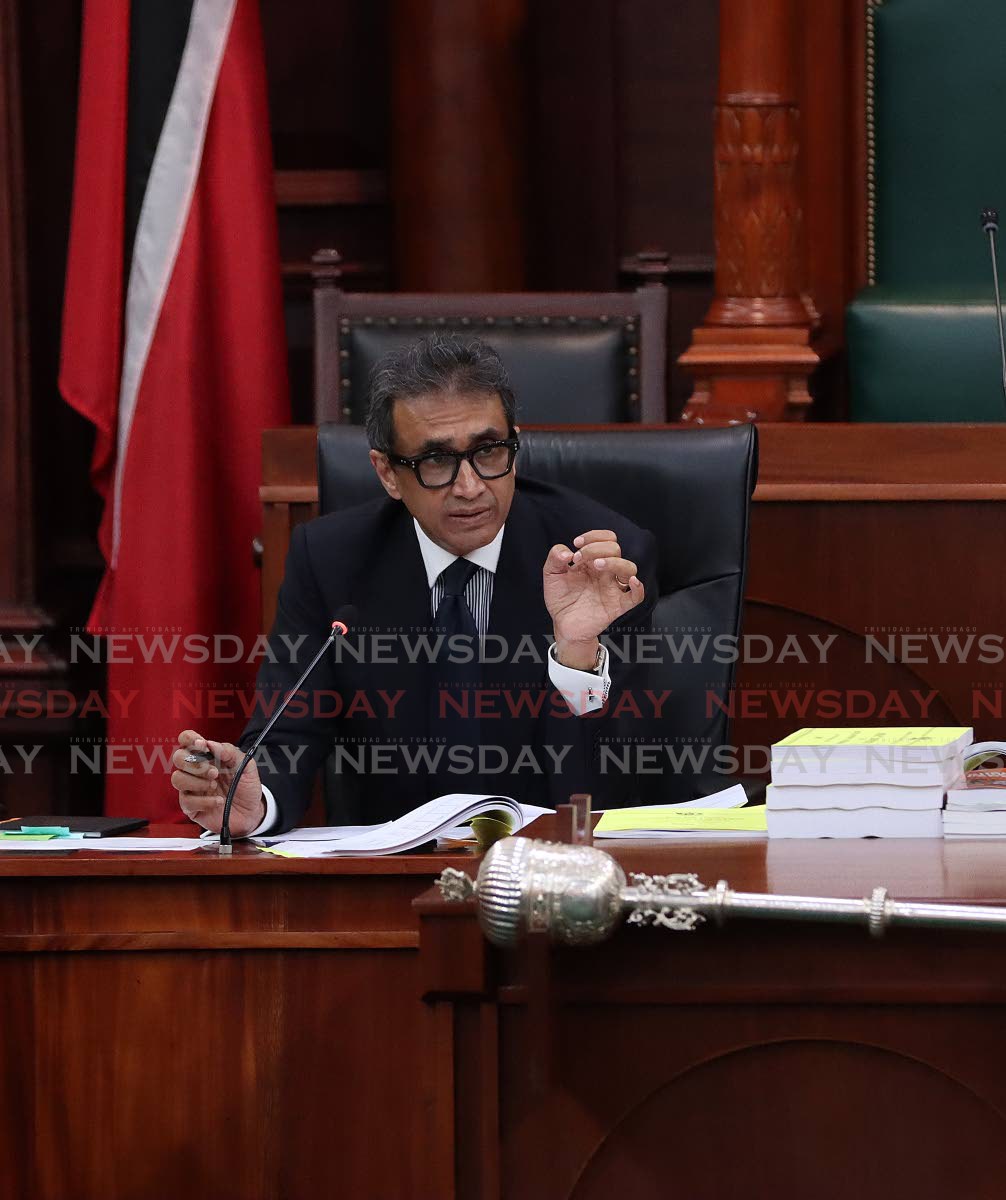
    The traditional practice in such debates involves the chief whip formally indicating speaking arrangements to the government business leader, with this information typically communicated to the Speaker of the House, Jagdeo Singh. The unilateral closure of debate while opposition members remained prepared to speak represents what critics are calling a dangerous erosion of democratic norms.

    This incident mirrors similar tactics employed during the 2025/2026 budget debate approximately one month ago, suggesting a pattern of behavior that contradicts the UNC’s previous commitments to transparency and accountability while in opposition. Political analysts note that these actions fundamentally undermine the very democratic principles that propelled the UNC into power.

    The government’s apparent reluctance to subject its financial policies to opposition scrutiny has raised questions about its confidence in handling economic matters. Despite holding a commanding majority of 28 Members of Parliament versus the PNM’s 13, the UNC appears increasingly defensive when confronting opposition financial expertise.

    Notable PNM figures including Colm Imbert (Diego Martin North/East), Brian Manning (San Fernando East), Stuart Young (Port of Spain North/St Ann’s West), Marvin Gonzales (Arouca/Lopinot), and Dominic Romain (Malabar/Musica) have consistently demonstrated superior preparedness in financial debates, frequently exposing what critics describe as governmental “political chicanery” during finance committee meetings.

    The ongoing parliamentary tensions suggest that meaningful political discourse has shifted from the parliamentary floor to what correspondent Harry Partap characterizes as “the trenches out there,” indicating diminished expectations for fair procedural treatment from the Speaker’s chair.

  • MIKTA: Partnering to strengthen multilateralism

    MIKTA: Partnering to strengthen multilateralism

    In an age defined by complex global crises and rapid technological advancement, the MIKTA partnership—comprising Mexico, Indonesia, South Korea, Turkey, and Australia—has emerged as a critical force for international cooperation. This cross-regional coalition of middle-power nations continues to demonstrate how diplomatic collaboration among diverse countries can foster global resilience and peace.

    Established in 2013, MIKTA represents over half a billion people and nearly 10% of global trade. These nations share common traits including open economies, strategic geographical positioning, and a steadfast commitment to inclusive growth through international partnership. Their collective strength lies in advocating principled diplomacy, mutual respect, and adherence to international law as cornerstones of worldwide stability and prosperity.

    MIKTA’s informal and flexible structure enables it to serve as an effective bridge between regions and ideologies. Through sustained dialogue, consultation, and coordinated action, the partnership supports global initiatives promoting peace, sustainable development, and human rights advancement. Member states have collaborated on pressing issues including climate action, public health, migration, gender equality, disaster risk reduction, and digital transformation.

    During the 28th MIKTA Foreign Ministers’ Meeting held alongside the 80th UN General Assembly in 2025, ministers reaffirmed multilateralism’s essential role in maintaining international peace and security. They emphasized the urgent need to address poverty, inequality, and environmental crises while upholding UN Charter principles. The meeting produced a Special Communique highlighting how recent setbacks in international norm compliance, escalating humanitarian and environmental emergencies, and accelerating technological change necessitate renewed investment in UN effectiveness.

    Under South Korea’s 2025 chairmanship, MIKTA is advancing three key priorities: peacebuilding through adaptable peace operations, youth empowerment by integrating younger voices into decision-making processes, and accelerating Sustainable Development Goal achievement through innovative solutions and development cooperation. These initiatives aim to reinforce MIKTA’s role as a dynamic platform that bridges regions, amplifies diverse perspectives, and encourages practical cooperation.

    For regions like the Caribbean with numerous small island developing states, where climate resilience and sustainable development are paramount, MIKTA’s pragmatic approach resonates strongly. The alliance continues to uphold principles of dialogue, inclusiveness, and mutual respect, demonstrating how cooperation among diverse nations can build a fairer, safer, and more sustainable global community.

  • Ramps Logistics celebrates Aura of people

    Ramps Logistics celebrates Aura of people

    Ramps Logistics concluded its most transformative year with an extraordinary celebration that blended corporate achievement with cultural festivity. The company’s annual Aura 2025 event, held on November 28 at Vice nightclub in Port of Spain, served as both a recognition ceremony and a testament to the organization’s expanding regional influence.

    The evening transformed into a vibrant tapestry of high-energy performances and heartfelt acknowledgments, creating an atmosphere that resonated with the company’s core values of unity and excellence. From the moment guests arrived, the venue pulsed with an infectious energy that reflected the collective spirit of a team that has consistently elevated service standards across the logistics industry.

    CEO Shaun Rampersad set the tone for the evening, emphasizing the fundamental role of human capital in the company’s success. ‘Aura represents a moment of reflection—a powerful reminder that our people constitute our greatest competitive advantage, while our ambition serves as our driving force,’ Rampersad declared. He highlighted the significant contributions from teams across Trinidad and Tobago, Guyana, Suriname, and other operational territories that made 2025 a breakthrough year.

    The entertainment lineup featured an impressive roster of Caribbean talent, including electrifying performances by Ravi B, Patrice Roberts, Travis World, and Salty. These artists carried the audience on a musical journey that transformed the event into a shared cultural experience. The celebration was further enhanced by aerial performances, expertly crafted signature cocktails, and gourmet food stations that provided a sophisticated backdrop for networking and camaraderie.

    Beyond the festivities, Aura 2025 served as a strategic platform showcasing the company’s expanding footprint across the Caribbean and South America. The presence of diplomatic representatives from Colombia, Panama, and Chile underscored Ramps Logistics’ growing international partnerships and regional significance.

    The event effectively woven together the year’s accomplishments in logistics innovation, technological adoption, and customer service excellence into its celebratory fabric. As the evening culminated in high spirits, it not only celebrated past achievements but also signaled the company’s ambitious trajectory for 2026, positioning Ramps Logistics for continued regional leadership and operational excellence.

  • TWA’s role in keeping BWIA in the skies

    TWA’s role in keeping BWIA in the skies

    In 1968, BWIA International Airways underwent a significant corporate transformation through a series of complex negotiations and agreements. The culmination of nine months of intense discussions resulted in binding contractual obligations for the Trinidad and Tobago government and the airline, formalized through agreements dated May 24, 1968. These arrangements did not represent a departure from previously contemplated plans but rather established an acceptable framework for executing agreed undertakings, with copies promptly distributed to interested West Indian governments.

    The restructuring initiative began with a board reconstitution in February 1968, following Sir Patrick Hobson’s resignation. Hobson explicitly noted that BWIA’s viability depended on association with strong external financial interests, modern equipment acquisition, and managerial reorganization. The newly formed board, chaired by Sir Ellis Clarke with directors J M Scoon, Gerald Montes de Oca, and Donald J Urgo, immediately engaged Trans World Airlines (TWA) through a 90-day interim management and technical assistance agreement.

    A three-member TWA advisory team led by J I Greenwald arrived in Port of Spain on February 12, 1968. Within two days, the board designated Greenwald as acting CEO to implement essential organizational reforms, addressing the managerial and technical skill deficiencies identified by the previous leadership. This advisory contract was subsequently extended to July 1968 pending US Civil Aeronautics Board (CAB) approval of a proposed three-year management agreement.

    The comprehensive arrangement included a ground handling agreement at New York’s JFK Airport effective November 1, 1968, and a reciprocal sales agency agreement originally scheduled for October 1, 1968. However, neither the management assistance nor sales agency agreements were implemented due to adverse rulings from the CAB, which held jurisdiction over TWA. These interconnected agreements formed a composite arrangement whose failure in one component undermined the entire structure.

    Simultaneously, an investment agreement involving Goldfield Corporation—whose shares traded on the American Stock Exchange—Caribbean International Ltd, R W Pressprich and Co International Ltd, and Lorenzo, Carney and Company Inc., collapsed when Goldfield deemed US Foreign Direct Investment Regulations too onerous. By December 1968, it became apparent that Caribbean International could not fulfill its obligations under the May 24 agreements.

    Subsequent negotiations produced revised agreements in 1969 that increased BWIA’s compensation from $6 million to $8 million while maintaining hotel development commitments at Rockly Point, Tobago. The government facilitated this arrangement by repurchasing British Overseas Airways Corporation’s 10% shareholding for $250,000—the same price originally paid in 1961. Payments of $2 million on January 31, 1969, and $6 million on June 23, 1969, were ultimately executed under these revised terms.

  • Celebrating HR’s visionary leaders

    Celebrating HR’s visionary leaders

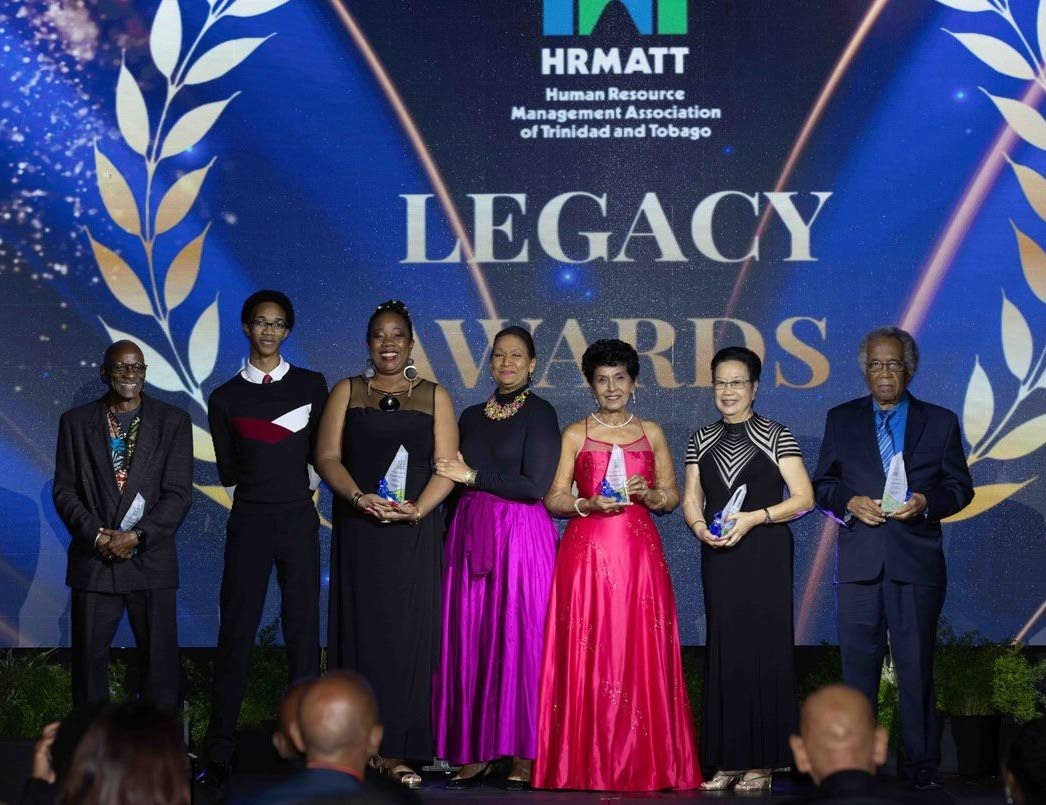
    PORT OF SPAIN, TRINIDAD AND TOBAGO – The Human Resource Management Association of Trinidad and Tobago (HRMATT) recently convened its esteemed Legacy Awards and Hall of Fame Induction Ceremony, a premier gathering celebrating the profound influence of human resources professionals throughout the Caribbean region. Held on November 29 at the Hyatt Regency in Port of Spain under the dynamic theme ‘Legacy in Motion,’ the event spotlighted visionary leaders and organizations actively shaping the future of work.

    Dubbed the ‘Oscars for HR professionals,’ the ceremony assembled government officials, corporate executives, regional collaborators, and HR practitioners for an evening dedicated to recognition, inspiration, and strategic networking. The 2025 awards specifically highlighted HR management’s transformative role in advancing national development through human capital investment, emphasizing the profession’s growing strategic importance amid rapid technological evolution and shifting workplace expectations.

    In her opening address, HRMATT President Cavelle Joseph-St Omer articulated the association’s core mission to empower professionals and foster excellence, asserting that ‘human resources must be at the heart of any economic revitalization.’ She framed ‘legacy in motion’ as a compelling call to action rooted in transformational leadership, advocacy, and innovation.

    Senator Leroy Baptiste, Minister of Labour, Small and Micro Enterprise Development, delivered the keynote address, connecting economic diversification directly to workforce preparedness. He challenged HR leaders to champion digital literacy, reskilling initiatives, data-driven talent strategies, and equity-focused practices, reinforcing HR’s critical function as architects of workplace inclusion and well-being.

    The Legacy Awards were established to honor HRMATT’s founding visionaries who pioneered HR professionalization in the region, advocating for ethical standards, strategic leadership, and continuous development. This annual celebration reinforces the association’s dedication to preserving its heritage while stimulating innovation in the evolving world of work.

    A strategic milestone occurred in 2024 with the establishment of the HR Hall of Fame, designed to preserve historical achievements, inspire excellence through role modeling, and strengthen professional identity by showcasing HR’s impact on organizational success and national development. The 2025 ceremony honored five inaugural inductees: Gordon Draper (posthumously), recognized as HRMATT’s founding father; Dr. Rudrawatee Nan Gosine-Ramgoolam for public service HR reform; Dr. Kwame Charles for organizational development and engagement; Sandra Marchack for employee well-being advocacy; and Dr. Roland Baptiste for learning and culture transformation.

    Expanding its regional impact, HRMATT introduced two new Caribbean-wide awards in 2023 recognizing outstanding HR professionals and organizations. Human Resource Management Association of Barbados President Tisha Peters emphasized the necessity of visionary leadership, mentorship, and cross-border partnerships during the proceedings.

    The 2025 Legacy Awards celebrated excellence across nine categories, honoring recipients from both public and private sectors. Notable awards included the Gordon Draper Award for Public Service Transformation to Davi Ramkallawan of Nalis, the Maxine Barnett Award for HR Excellence to Dr. Sterling Frost of UWI, and the Coreen Jones Award for Best Place to Work to Regency Recruitment and Resources Ltd. Additional recognitions went to Gerard Pinard, Guardian Shared Services, Rotary Club of Central Port of Spain, Fallon Estrado, Tiersa Smith-Hall, and Republic Bank Ltd.

    These awards function as strategic instruments for professional advancement by elevating standards, driving transformation aligned with national development goals, fostering engagement, and building collaborative communities across sectors. As Minister Baptiste observed, ‘Legacy is a challenge, a call, a responsibility’ – a sentiment embodying the evening’s affirmation that HR constitutes not merely a profession but an active legacy continuously evolving to shape inclusive, future-ready workplaces.

  • Exporting food crops: Government eyes ports and packing expansion

    Exporting food crops: Government eyes ports and packing expansion

    Trinidad and Tobago’s agricultural industry is experiencing sustained contraction despite abundant natural resources and emerging innovations, with official data revealing a 2.9% decline in the first quarter of 2025 following a 2.7% drop in the final quarter of 2024. This persistent downturn has simultaneously dragged down non-energy exports, which fell by 4.8% during the same period, raising concerns about the sector’s long-term viability as it continues to contribute only single-digit percentages to the national GDP.

    In response to these challenges, the government has unveiled an ambitious strategy aiming to generate US$1 billion in agricultural export revenue. Agriculture Minister Ravi Ratiram recently announced plans to reactivate processing facilities nationwide, including the Brechin Castle Packing House and the substantial 3,000-square-foot Brickfield Packing House. This initiative follows the distribution of Brazilian dwarf coconut seedlings designed to rejuvenate the coconut industry.

    At the ‘Exploring Opportunities with India’ seminar hosted by the India High Commission, Minister Ratiram pointed to India’s remarkable transformation from major food importer to global exporter as a model for Trinidad and Tobago’s aspirations. “TT is working to achieve this very shift—from raw production to processed and certified goods that can be exported, creating jobs, strengthening rural communities, and earning foreign exchange,” Ratiram stated.

    The national strategy encompasses multiple approaches: strengthening food security through improved production systems and technology transfer, implementing climate-smart agriculture, modernizing farming via greenhouse technology and digital tools, enhancing water management, and expanding processing capabilities to develop new revenue streams and export opportunities.

    Indian High Commissioner Dr. Pradeep Rajpurohit expressed strong confidence in Trinidad and Tobago’s agricultural potential, noting the country’s exceptionally fertile soil and favorable climate conditions. “I see that there is sizeable import of food commodities including fruits and vegetables, but living here I can tell you that TT has some of the most fertile soil and favorable weather for agriculture…the potential is immense,” Dr. Rajpurohit remarked. He specifically highlighted Julie mangoes, local pineapples, papaya, and even dragon fruit as products with significant export potential, suggesting that India could become a major market for these commodities, especially during winter months when certain produce becomes scarce.

    The seminar, attended by dozens of agricultural stakeholders, also addressed critical systemic challenges. Farmers highlighted the absence of a local certification process for organic goods, which prevents Trinidad and Tobago from accessing premium export markets despite many practitioners already employing organic farming methods. Minister Ratiram acknowledged this limitation and expressed commitment to discussing solutions with India’s Agricultural and Processed Food Export Development Authority (APEDA).

    Complementing these agricultural initiatives, the government has revealed comprehensive plans to modernize approximately 142 acres of port land, including upgrades to the Port of Spain, Galeota Mega Energy, and Point Lisas Industrial Port. The centerpiece of this infrastructure development is the proposed ‘Port City’—a major offshore cargo port on reclaimed land west of Port of Spain that will accommodate next-generation vessels and feature modern logistics systems, dry-dock facilities, expanded container-handling capacity, and climate-resilient infrastructure. These port enhancements are expected to significantly improve regional export capabilities through expanded berth capacity, deeper channels, and more efficient intermodal connections.

    This multi-faceted approach forms part of the government’s broader revitalization blueprint aimed at creating 50,000 jobs through infrastructure upgrades and sector stimulation, representing a comprehensive effort to transform Trinidad and Tobago’s agricultural and export economy.

  • The Catalyst effect: Innovation to move beyond challenges

    The Catalyst effect: Innovation to move beyond challenges

    PORT OF SPAIN – Trinidad and Tobago’s small and medium enterprises (SMEs) received a powerful infusion of inspiration and practical strategies at the groundbreaking Catalyst 2025 conference, hosted by the TT Chamber of Industry and Commerce on February 11-12. The event, held at the Leon Agostini Conference Hall, brought together established business leaders and emerging entrepreneurs for a transformative dialogue on navigating today’s challenging economic landscape.

    The conference moved beyond theoretical concepts to deliver actionable insights through lived experiences, with prominent business figures including SM Jaleel director Eesa Mohammed, Cher-Mère CEO Cheryl Bowles, Solis chairman Angella Persad, and Aegis Business Solutions Limited chairman Angela Lee Loy sharing their journeys from humble beginnings to commercial success.

    Central to the discussions was the theme of calculated risk-taking, with multiple case studies demonstrating how businesses successfully pivoted to e-commerce, expanded into regional exports, and leveraged technology despite resource constraints. Participants emphasized that strategic boldness – rather than reckless gambling – separates thriving enterprises from stagnant operations.

    Innovation emerged as a practical tool rather than abstract buzzword, with concrete examples including agri-tech solutions to reduce food import dependency, cultural heritage commercialization through the orange economy, and digital platforms connecting local businesses with international markets. The conference featured a pitch competition where newcomers presented innovative business concepts to industry authorities.

    The resilience narrative resonated deeply among attendees, with business leaders openly discussing setbacks and recovery strategies in Trinidad and Tobago’s challenging operating environment. High operational costs, financing limitations, and market volatility were addressed through practical workshops on cash flow management, revenue diversification, and organizational development.

    The event’s most significant impact may have been its creation of a collaborative ecosystem where entrepreneurs discovered shared challenges and solutions. Numerous participants reported leaving with renewed motivation and concrete implementation plans, having connected with mentors and peers who provided both technical knowledge and moral support.

    The TT Chamber has already announced plans for Catalyst 2026, encouraging SMEs to apply the conference’s key principles: taking calculated risks, implementing innovation incrementally, building financial resilience, leveraging professional networks, and acting promptly on new inspiration.