博客

  • Marketing in 2026: The biggest shift we’ve seen in a decade

    Marketing in 2026: The biggest shift we’ve seen in a decade

    The digital marketing paradigm that has dominated for over a decade is undergoing its most profound transformation as we approach 2026. For fifteen years, brands operated under the assumption that social media supremacy—achieved through relentless posting, engagement, and algorithm manipulation—was the ultimate path to growth. This era is now concluding, not due to the disappearance of social platforms, but because fundamental changes in consumer behavior are rewriting the rules of digital engagement.

    Global social media usage has begun its first sustained decline since the early 2010s, with users—particularly younger demographics—spending less time scrolling and engaging with more intentionality. The feed has lost its central position in digital life, now competing with streaming services, podcasts, private messaging, gaming, and increasingly, AI-powered tools. This shift reflects growing user fatigue with repetitive content, misinformation, and algorithmic noise.

    The most significant disruption emerges from artificial intelligence’s rapid evolution into the internet’s new gateway. Consumers are increasingly turning to AI assistants for tasks previously reserved for search engines: product comparisons, local business recommendations, and purchasing decisions. Unlike traditional search results that provide links, AI delivers direct answers, creating a new battleground for brand visibility. Those without optimized product information, structured data, and review systems risk digital invisibility.

    Remarkably, consumers now rate AI recommendations as more trustworthy than influencer endorsements, representing a seismic shift in digital credibility. This trust transfer stems from influencer marketing’s perceived shortcomings: paid promotions, undisclosed partnerships, and credibility scandals. In contrast, AI systems draw from diverse sources, provide balanced comparisons, and maintain contextual awareness without brand bias.

    The consumer journey has compressed dramatically. What once involved multiple stages—awareness, research, comparison, and decision—now frequently occurs within a single AI conversation. Discovery happens across fragmented touchpoints: AI chats, Reddit discussions, YouTube explainers, private communities, and niche reviews rather than traditional social feeds.

    In this new landscape, trust emerges as the ultimate competitive advantage. Brands demonstrating authentic human experience, transparency, consistent expertise, and community validation will thrive amidst AI-generated content and misinformation. Successful businesses are building diversified ecosystems encompassing email newsletters, YouTube channels, private communities, podcasts, and offline events rather than relying on unpredictable algorithms.

    To prepare for 2026, brands must prioritize AI discoverability, invest in high-quality content, highlight human elements, develop owned platforms, create hybrid experiences, and foster genuine communities. Organizations embracing this transformation will gain significant competitive advantage, while those clinging to outdated social media playbooks face gradual digital irrelevance.

  • Trump announces new action against Maduro government: US forces seize oil tanker

    Trump announces new action against Maduro government: US forces seize oil tanker

    In a significant escalation of maritime tensions, United States forces have intercepted and seized an oil tanker operating off the Venezuelan coastline. The operation, authorized by President Donald Trump’s administration, targeted a vessel allegedly involved in transporting sanctioned petroleum products. This decisive action occurs amidst deteriorating diplomatic relations between Washington and Caracas, with the U.S. maintaining that Venezuelan President Nicolas Maduro should face narcoterrorism charges.

    The seizure follows provocative military maneuvers by American fighter jets in the Gulf of Venezuela, representing the closest aerial approach since bilateral tensions began intensifying. Notably, the incident occurred merely one day after Trinidad and Tobago Prime Minister Kamla Persad-Bissessar publicly characterized unflagged vessels as ‘pirates’ operating outside international maritime protections.

    Prime Minister Persad-Bissessar has leveraged the incident to amplify previous allegations against political opponents, claiming the opposition PNM party seeks to compromise national security systems to benefit drug trafficking networks. She asserts that U.S.-installed radar systems in Tobago effectively monitor Venezuelan sanction-evasion activities and narcotics trafficking, making them targets for political sabotage.

    Venezuelan President Nicolas Maduro responded with belligerent rhetoric, warning his nation stands ‘prepared to break the teeth of the North American empire’ while commemorating a historical battle anniversary. Meanwhile, U.S. Attorney General Pam Bondi released operational footage showing military helicopters approaching the tanker and special forces boarding the vessel, alleging it transported prohibited oil from both Venezuela and Iran.

    The geopolitical implications extend beyond regional security, immediately impacting global energy markets. Oil prices registered increases following the seizure, with Brent crude rising 27 cents to $62.21 per barrel and West Texas Intermediate gaining 21 cents to $58.46.

    Legal experts including Defence Minister Wayne Sturge acknowledge that while unflagged vessels naturally raise security concerns, such status alone provides insufficient legal justification for seizure under international maritime law. Sturge noted intelligence considerations likely prevented full disclosure of operational evidence, complicating legal assessment of the action’s appropriateness.

    This incident represents the latest in approximately twenty counter-narcotics strikes conducted by U.S. forces in Caribbean and Pacific waters since September, resulting in over eighty fatalities. Critics continue questioning the legal basis for these operations, citing scant public evidence regarding drug transportation or immediate threats posed by intercepted vessels.

  • A guide to local gifts: Shop unique treasures for Christmas

    A guide to local gifts: Shop unique treasures for Christmas

    As the festive season envelops Trinidad and Tobago, a compelling movement toward sustainable celebration and local economic support is gaining momentum. Beyond the imported commercial decorations and familiar Christmas carols, a deeper narrative about conscious consumption and community solidarity is emerging.

    While traditional economists highlight the seasonal boost in retail employment and tourism revenue—with Christmas accounting for nearly 20% of annual income in Western nations—this consumer frenzy carries significant drawbacks. Financial strain, environmental waste, and post-holiday economic slumps (extended locally until after Carnival in February) present substantial challenges, particularly for financially vulnerable families.

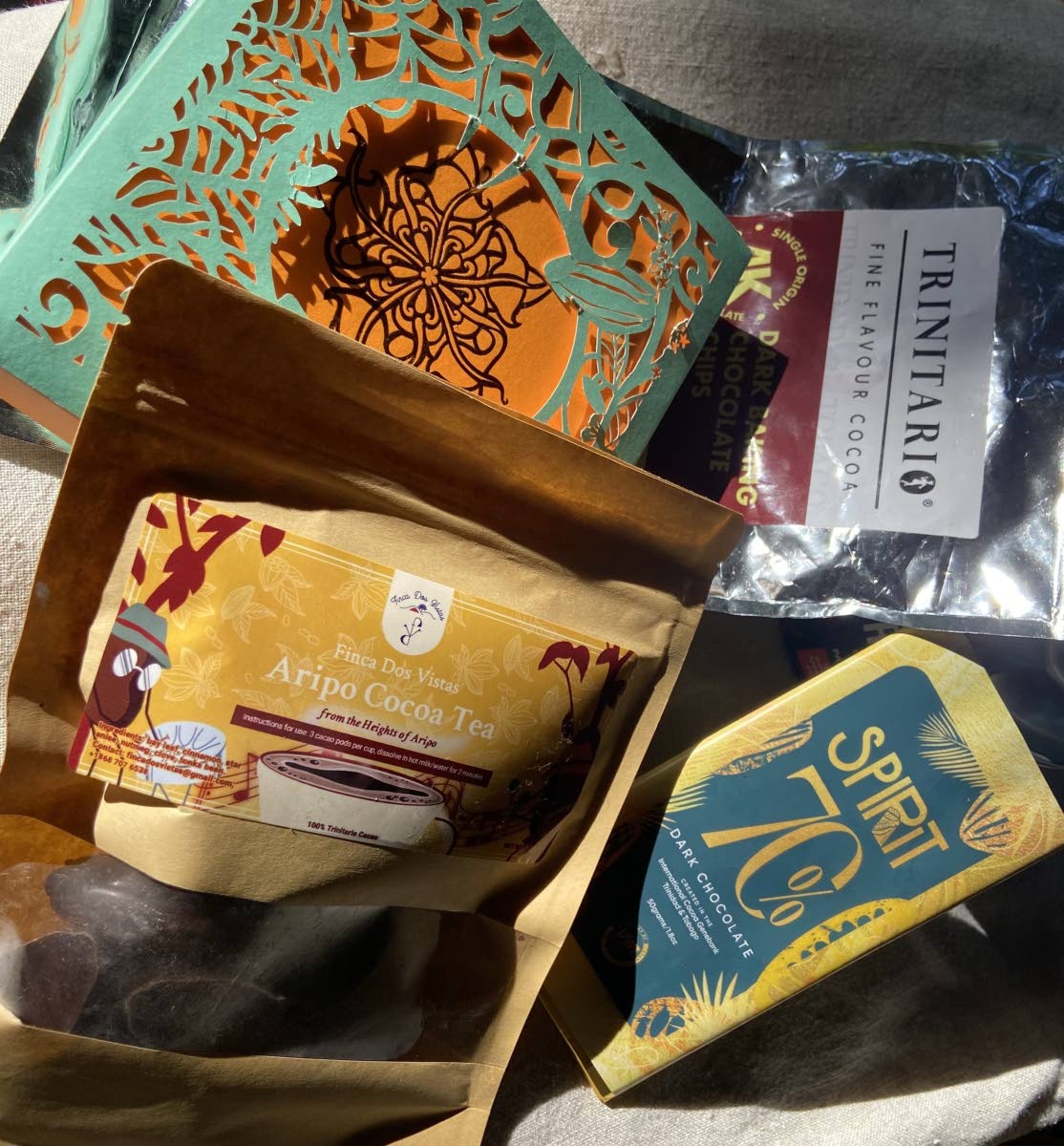
    In response, Trinidadians are rediscovering the exceptional quality of locally produced goods. The islands boast what many consider the world’s finest chocolate, derived from unique Trinitario cocoa beans. Artisans like Cocobel and Aripo’s Fina Dos Vistas transform this premium commodity into exquisite drinking chocolate and artisanal bars infused with local spices and fruits.

    The shift toward sustainability manifests through various gifting alternatives:

    Handcrafted items range from Chase Village pottery and custom leather sandals by Drag Brothers to wooden furniture crafted by Evan Samuel and Philip Arthur using fallen tropical hardwoods. Local artists like Catherine Dookie offer miniature architectural replicas, while ceramicists like Greta Joachim produce functional art pieces.

    Edible gifts showcase Trinidad’s culinary diversity: homemade pepper sauces, tamarind chutneys, Alicia’s eggless punches, and traditional ponche de creme. The practice of creating personalized hampers with local honey, sorrel, and fruitcakes supports both recipients and small producers.

    Living gifts represent perhaps the most sustainable option. Nurseries nationwide offer everything from ornamental petrea shrubs to productive citrus trees. Many families now gift seedlings or potted herbs instead of cut Christmas trees, creating lasting environmental benefits.

    Community-focused initiatives include grocery chains organizing donation programs for necessity hampers, while the Animal Welfare Network sells calendars to fund rescue operations. Pop-up markets provide platforms for micro-entrepreneurs offering unique, handmade products that rarely reach conventional retail spaces.

    This approach transforms Christmas from a period of excessive consumption into an opportunity to celebrate local craftsmanship, strengthen community bonds, and reduce environmental impact—all while enjoying what many consider the world’s finest chocolate, grown right in Trinidad’s rich soil.

  • Debe Faith Centre spreads Christmas cheer to 600 children

    Debe Faith Centre spreads Christmas cheer to 600 children

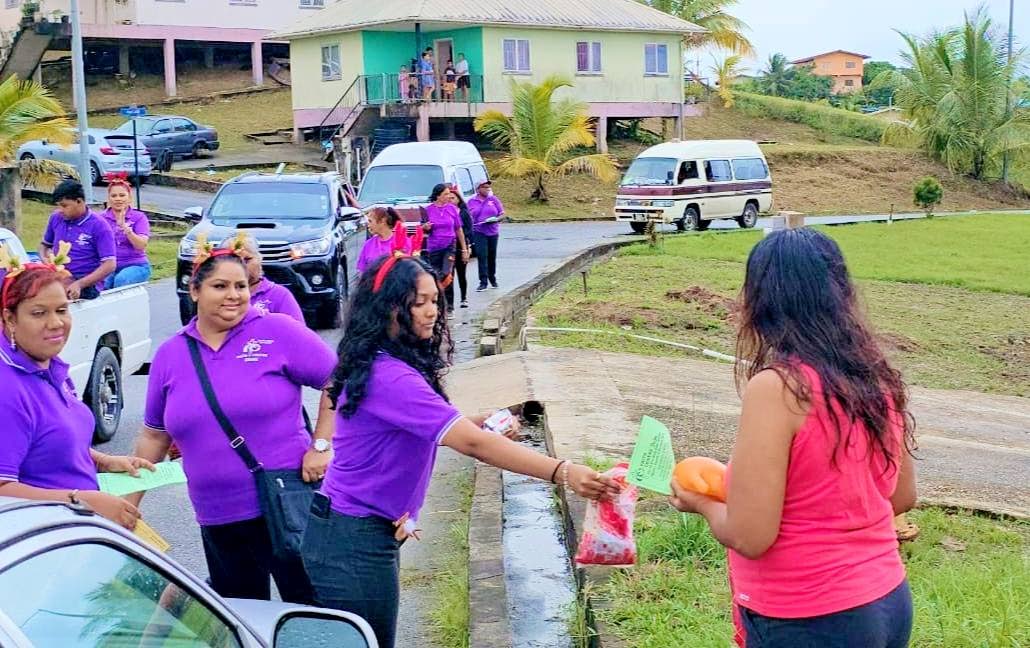
    Amidst persistent rainfall on December 7th, the Debe Faith Centre (DFC) successfully executed its inaugural Christmas toy distribution initiative, delivering festive cheer to approximately 600 children throughout multiple communities. The charitable endeavor extended across Debe Trace, Chester Street, Wellington Gardens, Ramsamooj Street, and Gandhi Village, with organizers emphasizing their mission of “sharing the love of Jesus” through tangible acts of kindness.

    Led by Reverend Rohan Kanhai and Pastor Tura Kanhai, the outreach operation featured a vibrant musical truck accompaniment alongside dedicated church volunteers. Despite challenging weather conditions, the team maintained unwavering commitment to their objective, ensuring comprehensive coverage of the designated areas and gift distribution to every child.

    The initiative represented the realization of a long-cherished aspiration for the religious leaders. Reverend Kanhai characterized the project as a spiritually-inspired undertaking, noting: “The Lord laid that upon my heart for us to do. We really wanted to bless the children in the community.” The program demonstrated particular inclusivity by incorporating Venezuelan migrant children among recipients, reflecting the church’s ongoing engagement with immigrant populations through regular services and activities.

    Beyond seasonal philanthropy, the Debe Faith Centre maintains an active community presence through weekly Bible studies, prayer sessions each Tuesday at 6 PM, Sunday School programming from 4:30-5:30 PM, and conventional Sunday services at 9 AM. Additional outreach efforts include clothing distribution drives and monthly family movie nights complete with refreshments and transportation assistance.

    Social media platforms have overflowed with commendations for the initiative, with Facebook users praising the “love, giving, family, and magic of the season” embodied by the effort. Established as an extension of the San Fernando Faith Centre under Apostle Carlyle Chankersingh’s leadership, the Debe branch has provided continuous community service for fifteen years.

  • Teacher, student win Unsung Heroes programme

    Teacher, student win Unsung Heroes programme

    CIBC Caribbean has recognized two exceptional Trinidadians for their extraordinary community contributions through its revived Unsung Heroes programme. The awards ceremony on December 3 celebrated 80-year-old educator Marlene Gilbert as first-place winner and 16-year-old student leader Renalon Villafana as runner-up.

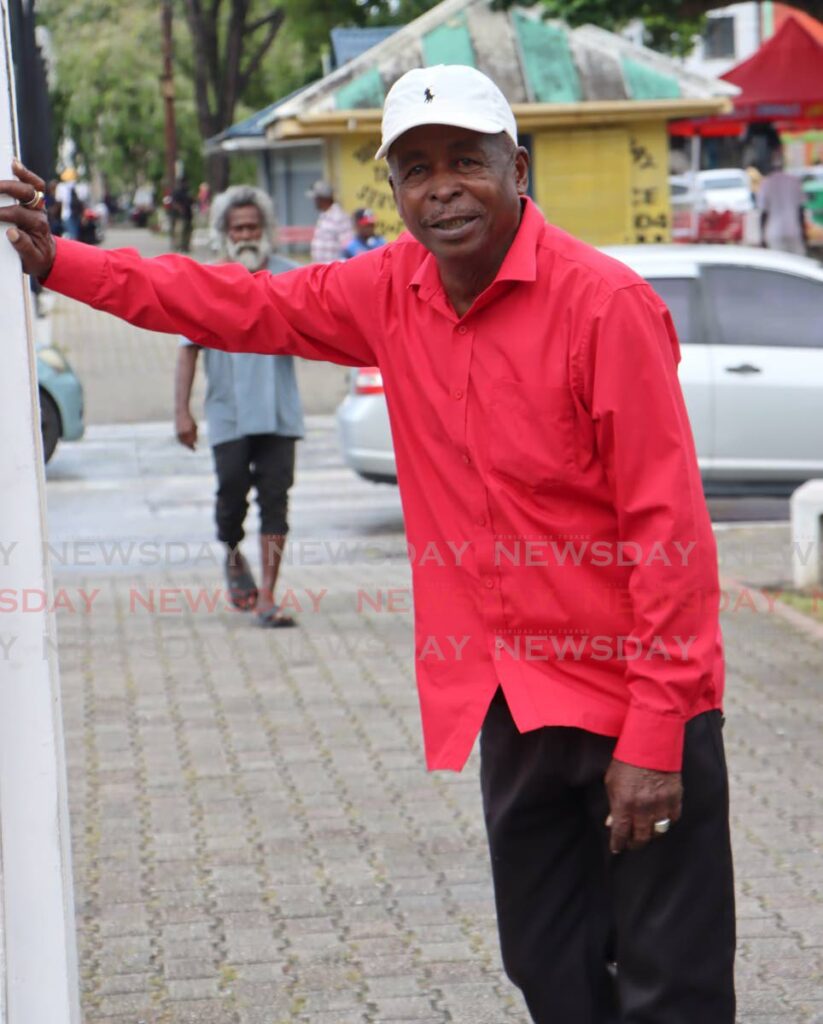
    Marlene Gilbert, affectionately known as ‘Aunty Marlene,’ continues her educational mission decades after retiring from Mucurapo Senior Comprehensive in 2000. Every Sunday, her Belmont residence transforms into a learning sanctuary where children as young as 11 travel from distant communities like Arima for extracurricular lessons. Her teaching approach emphasizes recognizing individual learning styles and unlocking potential that students themselves often overlook.

    Beyond her educational work, Gilbert serves as an active member of both St. Crispin’s Anglican Church in Woodbrook and the Netball Association of Trinidad and Tobago, dedicating herself to creating supportive environments for youth sports development.

    The second-place honoree, Renalon Villafana, has demonstrated remarkable initiative through multiple community projects. As student council president at Tabaquite Secondary, he organized a student-led outreach to the Ezekiel Home for Abandoned Children, personally fundraising when corporate donors were unavailable. His efforts provided gifts, snack hampers, and games for the children.

    Villafana further demonstrated leadership by coordinating two successful beach clean-ups at Mayaro Beach, personally securing sponsorships from local companies. His environmental activism mobilized increasing numbers of volunteers and earned recognition on his school’s official Facebook page. Recently, his accomplishments extended to winning his category in the Queen’s Commonwealth Essay Competition.

    Mahadeo Sebarath, CIBC Caribbean’s country head for Trinidad and Tobago, emphasized the timing of these awards during the season of giving. He noted that the recipients’ previously unrecognized efforts ‘create hope in every person you touch’ and deserved celebration.

    The Unsung Heroes programme, building on a legacy that ran from 2003-2013, identified 39 nominees across CIBC’s ten-member regional footprint this year. Both Trinidad winners are now considered for the Regional Unsung Heroes Award, which was ultimately claimed by Lucinda ‘Mini’ Smith of Tortola, British Virgin Islands.

    Both Gilbert and Villafana expressed deep appreciation for the recognition, with Gilbert noting that ‘getting something like this makes you feel good’ and Villafana describing it as ‘a touching acknowledgement.’ They pledged to continue their community work with renewed inspiration.

  • Business Outlook Index at end of 2025: Short-term strain, cautious optimism for the future

    Business Outlook Index at end of 2025: Short-term strain, cautious optimism for the future

    A comprehensive business survey reveals Trinidad and Tobago’s private sector is navigating significant short-term challenges while maintaining guarded optimism for medium-term recovery. The Q4 2025 Business Outlook Index, jointly compiled by the TT Chamber of Industry and Commerce and Arthur Lok Jack Global School of Business and released December 10, presents a complex picture of an economy in transition.

    The data indicates substantial current pressures, with 54% of executives reporting worsened financial performance over the past six months. Only 3% of businesses described their performance as “much better” compared to the beginning of the year, while 43% reported some improvement. The survey reveals stark sectoral variations: while administrative and support services saw 100% of respondents reporting better conditions, the agricultural sector experienced universal deterioration with 100% reporting worse conditions.

    The energy sector emerged as particularly challenged, with over 66% of respondents noting deteriorated economic conditions. Conversely, accommodation and food services showed remarkable resilience with 75% reporting improved conditions (50% better, 25% much better). Construction and manufacturing displayed mixed signals, with 45% and 54.55% respectively reporting better conditions.

    Significant uncertainty surrounds government policy impacts, with 24% of businesses unsure which areas would benefit from current policies. Only 17% anticipated enhanced public-private collaboration, while 16% predicted better foreign exchange access and 14% expected improved ease of doing business.

    The recent 100% excise duty increase on alcohol announced in the October budget has dramatically altered hiring intentions in the food and beverage sector. Pre-announcement, 75% of accommodation and food service businesses planned hiring within 6-12 months. Post-announcement, 40% anticipate employment decreases within six months, while 50% expect reductions within twelve months.

    Despite these challenges, businesses maintain medium-term confidence. The global economic outlook shows improvement from negative to positive over the next year, reflecting expectations of easing inflation, recovering energy demand, and improved logistical conditions. The chamber notes that for an energy-exporting nation like Trinidad and Tobago, improved global prospects typically translate to enhanced business confidence.

    The report concludes that while current conditions remain challenging, businesses view these as cyclical rather than permanent. The chamber recommends strengthened public-private dialogue to reduce policy uncertainty and support sector-specific adjustments following recent fiscal changes.

  • No work, no pay, no mercy: Bloody maths of a broken economy

    No work, no pay, no mercy: Bloody maths of a broken economy

    Trinidad and Tobago faces a severe crime crisis directly linked to economic deterioration and mass layoffs, creating what observers describe as a domino effect of violence and desperation. As the holiday season approaches, the stark contrast between official pronouncements and street-level reality grows increasingly apparent.

    The connection between economic hardship and criminal activity has become undeniable. Recent incidents illustrate how unemployment and financial desperation are driving ordinary citizens toward extreme measures. In Aranguez, a robber wearing a construction worker’s reflective vest—symbolizing the vanished honest labor market—assaulted a 68-year-old pastor for $100,000. This incident exemplifies how traditional tools of trade have been replaced by firearms as means of survival.

    The crime wave affects all socioeconomic levels. While high-profile cases like the kidnapping of Derek Tardieu and his wife Claribel for a $2.5 million ransom capture headlines, ordinary citizens face equally terrifying circumstances. On Caroni Savannah Road, a 64-year-old taxi driver was choked and carjacked by three assailants, demonstrating what commentators describe as ‘the poor preying on the poor’ in a desperate struggle for survival.

    Criticism mounts against official responses to the crisis. Police Commissioner Allister Guevarro’s recent assertion that there was ‘no resurgence’ of kidnappings appears contradicted by multiple incidents. Many accuse authorities of manipulating crime statistics rather than addressing root causes. The practice of ‘cooking the books’ on crime data does little to comfort terrified residents who experience the violence firsthand.

    The situation represents what analysts term a ‘pressure cooker’ effect: mass layoffs provide the ignition, unemployment generates the heat, and criminal explosions result. As economic opportunities vanish, individuals facing family responsibilities and bills increasingly turn to desperate measures, creating a cycle of violence that official statistics fail to capture adequately.

    The Christmas season, traditionally marked by celebration and parang music, now unfolds against a backdrop of fear and economic anxiety. The government’s proclaimed resilience rings hollow for those navigating streets where economic collapse has rewritten the social contract and transformed former workers into potential threats.

  • Deal with garbagecollectorseekingdoubles

    Deal with garbagecollectorseekingdoubles

    A resident of Mt Hope has raised serious concerns about the conduct of newly appointed garbage collectors serving the community, highlighting a stark contrast with previous service providers. In a letter to the editor, Linus F Didier detailed multiple unsettling encounters with sanitation workers employed by a contractor for the San Juan/Laventille Regional Corporation.

    The most recent incident occurred on the Sunday preceding Divali celebrations, when a garbage collector approached the resident while holding a half-consumed bottle of beer and explicitly requested “$20 to buy a doubles.” When ignored, the worker proceeded to make the same monetary solicitation to a female neighbor, creating what the author described as an “incredibly disconcerting” situation, particularly for the woman involved.

    This was not an isolated occurrence. Several months earlier, around 5:15 in the morning, the same individual had approached the resident seeking money “to buy some tea.” These incidents represent a dramatic departure from the previously excellent service standards maintained by retired crew members who had served the Mt Hope area for years.

    The letter writer contrasted these experiences with Scrunter’s 2025 parang tribute to garbage collectors, which celebrates their valuable contributions to society. While expressing overall appreciation for sanitation workers’ essential services, the author called on the regional corporation to address the contractor’s personnel issues promptly.

    The correspondence concludes with holiday greetings to all garbage collectors throughout Trinidad and Tobago, acknowledging their important work while emphasizing the need for professional conduct during service operations.

  • UNC 28 nomatch forPNM 13

    UNC 28 nomatch forPNM 13

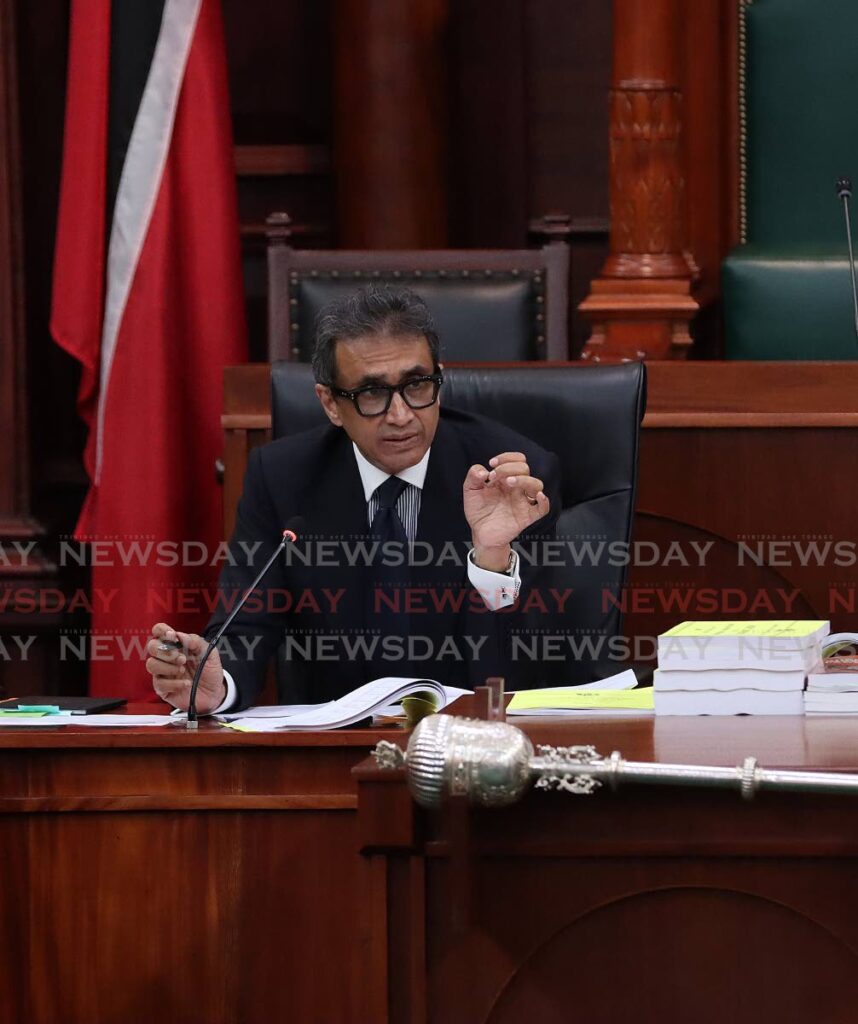
    For the second time in recent weeks, Trinidad and Tobago’s parliamentary proceedings have been marked by controversy as the ruling United National Congress (UNC) government abruptly terminated debate on critical financial legislation. The Finance Bill 2025 discussion was cut short last Friday despite opposition members from the People’s National Movement (PNM) awaiting their turn to speak.

    This procedural maneuver represents a significant departure from established parliamentary conventions, where the chief whip typically communicates speaking arrangements to both government business leaders and the Speaker. The unexpected closure of debate has raised serious concerns about democratic transparency within the nation’s highest legislative body.

    The current administration’s actions mirror similar tactics employed during the 2025/2026 budget debate approximately one month prior. These developments appear particularly contradictory given the UNC’s historical emphasis on governmental accountability while previously serving in opposition roles.

    Political analysts suggest these maneuvers indicate the UNC’s apparent reluctance to subject its financial policies to rigorous opposition scrutiny. Despite holding a substantial majority with 28 Members of Parliament versus the PNM’s 13 representatives, the governing party appears cautious when confronting the opposition’s financially astute members.

    The PNM’s effective performance during last month’s finance committee meeting, where they challenged numerous governmental financial approaches, may have contributed to the UNC’s defensive parliamentary strategy. Prominent PNM figures including Colm Imbert (Diego Martin North/East), Brian Manning (San Fernando East), Stuart Young (Port of Spain North/St Ann’s West), Marvin Gonzales (Arouca/Lopinot) and Dominic Romain (Malabar/Musica) have demonstrated particular proficiency in financial matters.

    Observers note that the ongoing parliamentary tensions reflect deeper political divisions, with the opposition receiving no procedural assistance from the Speaker’s chair, effectively shifting the political battleground beyond the parliamentary floor.

  • Ex-Jamaican MP urges Caribbean women to prepare of the age of AI

    Ex-Jamaican MP urges Caribbean women to prepare of the age of AI

    In a powerful address at the inaugural Women in Tourism Caribbean Retreat, former Jamaican Parliament member Lisa Hanna issued a compelling call for women across the region to actively prepare for the artificial intelligence revolution and embrace professional reinvention. The landmark gathering, held November 13-16 in the Turks and Caicos Islands, brought together female tourism professionals from across the Caribbean basin for a transformative professional development experience.

    Hanna delivered her keynote message during the November 15 Brunch and Conversation event, where she emphasized the critical importance of women remaining vigilant to global geopolitical shifts while leveraging their unique ability to combine passion with pragmatic decision-making. Her address formed the centerpiece of a retreat specifically designed to explore challenges including work-life balance, navigation of male-dominated environments, leadership development, and mutual support systems among women in the industry.

    The retreat, conceptualized by Turks and Caicos Hotel and Tourism Association CEO Stacy Cox, represented the physical evolution of a virtual platform initially launched during the pandemic to recognize women driving the tourism sector forward. Participants from Dominica, Belize, Grenada, Barbados, Saint Lucia, the US Virgin Islands, The Bahamas, Jamaica, and Toronto engaged in carefully curated activities including school outreach visits, with Hanna joining delegates at the Special Needs Association Providenciales (SNAP) Centre.

    In a gesture of regional solidarity, organizers presented Hanna with a charitable donation to support relief efforts for victims of Hurricane Melissa in Jamaica. The retreat’s significance was further underscored by the attendance of prominent government officials including Deputy Governor Anya Williams, Tourism Minister Zhavargo Jolly, and permanent secretary Wesley Clerveaux at the opening reception hosted at Beaches Turks and Caicos.

    Reflecting on the event’s success, Cox expressed profound satisfaction: ‘This retreat provided a space for women to remove their masks, discuss authentic life challenges, draw strength from shared experiences, and ultimately build a powerful sisterhood.’ Buoyed by its inaugural success, organizers have already announced that the Women in Tourism Caribbean Retreat will return to the Turks and Caicos Islands in November 2026.