博客

  • Guyana: Seized oil tanker was illegally flying our flag

    Guyana: Seized oil tanker was illegally flying our flag

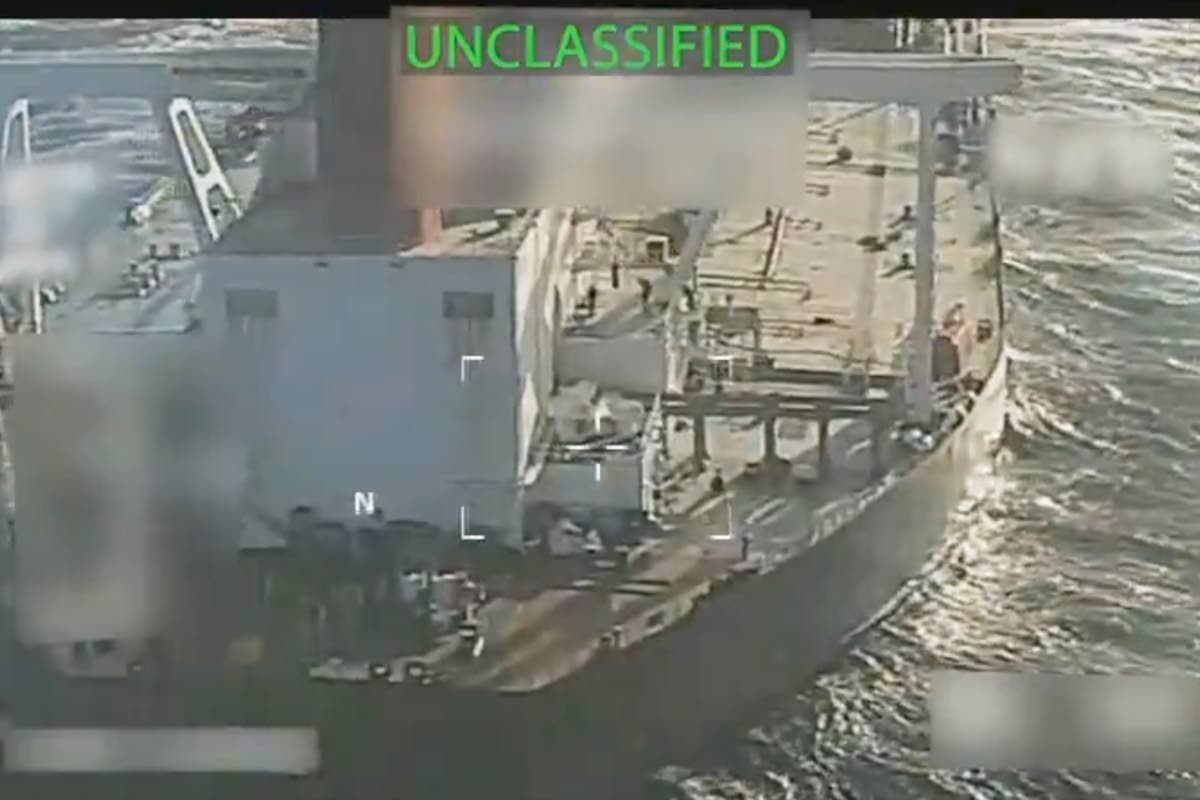
    In a significant maritime operation, United States forces have intercepted and seized a large crude oil tanker off the coast of Venezuela on December 10th. The vessel, identified as the Motor Tanker SKIPPER (ex-ADISA) with IMO Number 9304667, was allegedly transporting sanctioned oil from Venezuela and Iran according to US authorities.

    The operation was confirmed by US President Donald Trump during a White House meeting, where he characterized it as ‘the largest tanker ever seized’ and hinted at additional undisclosed developments. US Attorney General Pamela Bondi subsequently revealed through social media that multiple agencies including the FBI, Homeland Security Investigations, and the Coast Guard executed the seizure warrant as part of ongoing efforts against illicit oil shipping networks.

    Complicating the situation, the Maritime Administration Department of Guyana (MARAD) disclosed that the seized vessel had been ‘falsely flying’ the Guyanese flag in international waters despite not being registered in the country. MARAD’s statement expressed concern about an ‘unacceptable trend’ of unauthorized use of the Guyana flag and pledged to collaborate with international partners to address such violations.

    The seizure occurs against the backdrop of increased US military presence in the Southern Caribbean, which the Trump administration justifies as part of counter-narco-terrorism operations. Meanwhile, the Maduro-led government in Venezuela maintains that US actions represent attempts to control the nation’s natural resources rather than legitimate security concerns, consistently denying involvement in drug trafficking activities.


  • Caribbean experts explore how AI can transform tourism

    Caribbean experts explore how AI can transform tourism

    A recent webinar organized by the National Institute of Higher Education, Research, Science and Technology (NIHERST) in partnership with the TT Multistakeholder Advisory Group (TTMAG) examined the transformative potential of artificial intelligence in reshaping the Caribbean tourism industry. The virtual event, titled “Harnessing Artificial Intelligence for the Future of Tourism,” brought together industry specialists, AI practitioners, and academic researchers to discuss digital innovation strategies.

    Julie David, Acting President of NIHERST, emphasized the webinar’s objective to introduce AI concepts and their specific relevance to tourism while exploring practical applications across hospitality services, travel planning, customer engagement, and destination management. The initiative aimed to stimulate innovative thinking, encourage collaborative partnerships, and drive technological advancements that would strengthen the regional tourism sector.

    Michael Ragoobar, NIHERST project assistant, delivered a keynote presentation followed by an expert panel discussion featuring prominent voices including tourism strategy specialist Dr. Auliana Poon, Incus Services Director of AI Leslie Lee Fook, TTMAG director Ajmal Nazir, and NIHERST research officers Ethan Blache and Mandela Sealy.

    Participants gained comprehensive insights into strategic AI implementation opportunities, practical applications for tourism businesses and small-to-medium enterprises, emerging regional trends in AI adoption, and policy considerations for successful technology integration. TTMAG director Dev Gosine highlighted AI’s capacity to enhance visitor experiences through personalized recommendations, improve operational efficiency in construction and transportation, and enable data-driven destination management through predictive analytics.

    Dr. Poon issued a compelling warning that traditional Caribbean tourism advantages centered on natural assets could become increasingly vulnerable without embracing technological innovation. The session concluded with interactive engagement between attendees and panelists exploring concrete AI applications for enhancing both visitor experiences and business operations. All participants received access to the webinar recording, summary documentation, and key insights.

  • Windies fight back, but Black Caps take 41-run lead into day 3

    Windies fight back, but Black Caps take 41-run lead into day 3

    WELLINGTON – An electrifying day of cricket unfolded at Basin Reserve on December 11 as New Zealand established a precarious 41-run lead against West Indies in the second Test, with eleven wickets tumbling throughout the dramatic second day’s play.

    The hosts, resuming at 24/0 in response to West Indies’ first-innings total of 205, were eventually contained for 278 after a declaration, securing a 73-run advantage. The Black Caps’ batting effort was spearheaded by debutant Mitchell Hay, who showcased remarkable composure with an aggressive 61 runs from 93 deliveries. His maiden Test half-century proved instrumental in pushing New Zealand past the visitors’ initial score.

    West Indies’ pace attack demonstrated moments of brilliance, particularly during the morning session. Veteran seamer Kemar Roach (2/43) produced a magnificent delivery to dismiss captain Tom Latham for 11, while Anderson Phillip (3/70) claimed the prized wicket of star batsman Kane Williamson with an unplayable ball that shattered the off-stump. Williamson had been building momentum with 37 runs from just 46 balls.

    The post-lunch session saw immediate breakthroughs as Roach and first-Test hero Justin Greaves removed Rachin Ravindra (5) and Devon Conway (60) within three balls, reducing New Zealand to 117/4. A stabilizing 73-run partnership between Hay and Daryl Mitchell (25) followed before Phillip struck again, with wicketkeeper Tevin Imlach taking a sharp leg-side catch confirmed by review.

    Despite reaching tea at 200/5, New Zealand suffered another quick setback as Hay’s aggressive innings ended with a catch by Roach at fine-leg off Ojay Shields (1/50). The lower order contributed valuable runs, with Zakary Foulkes remaining unbeaten on 23 before the declaration at 278/9. The hosts were forced to bowl without pacer Blair Tickner, who dislocated his shoulder on day one.

    West Indies faced a challenging final session in their second innings, stumbling to 32/2 after opener John Campbell (14) was bowled by debutant Michael Rae. Nightwatchman Anderson Phillip fell for a duck to Jacob Duffy following a successful review. Brandon King (15*) and Kavem Hodge (3*) will resume the innings on day three with West Indies still trailing by 41 runs.

  • Alexander: More radars needed across Trinidad and Tobago

    Alexander: More radars needed across Trinidad and Tobago

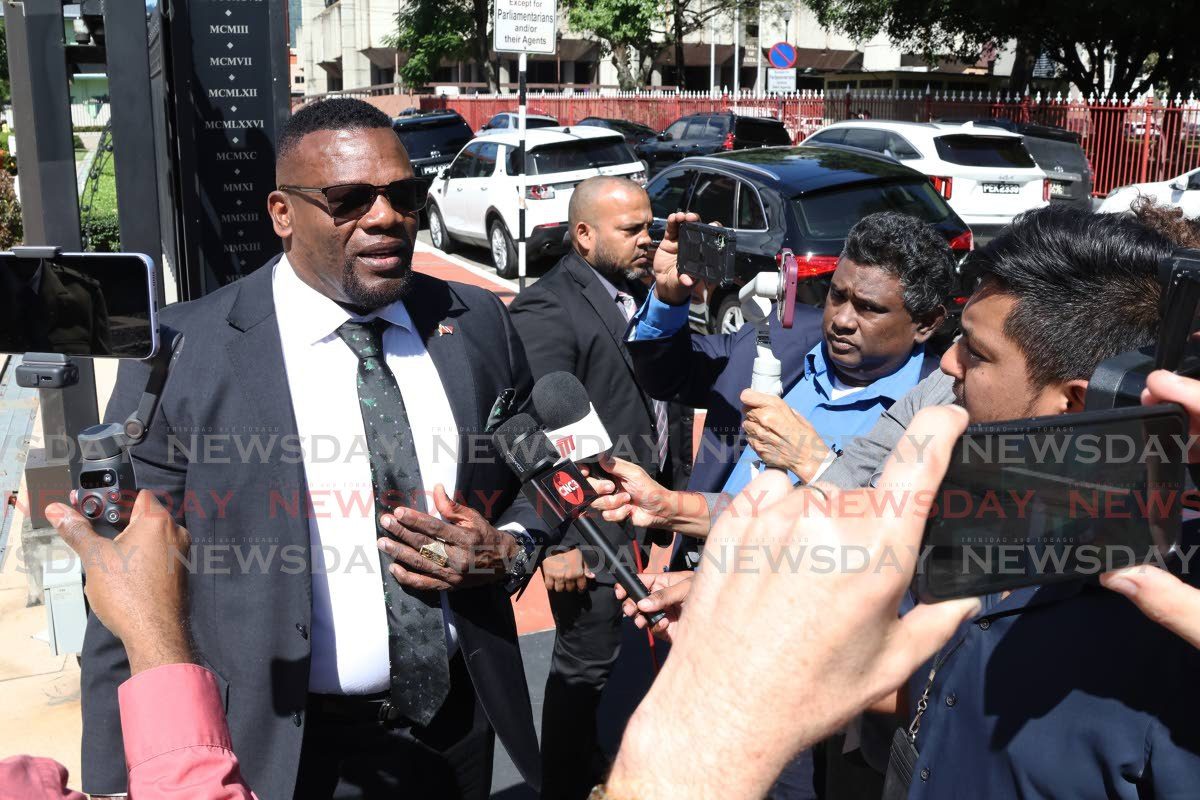
    Trinidad and Tobago’s Homeland Security Minister Roger Alexander has vigorously defended the recent deployment of radar technology in Tobago, asserting that additional systems should be implemented nationwide to enhance security measures. The minister’s comments came during a December 9 media briefing outside Parliament, addressing heightened security concerns following the abduction of businessman Derek Tardieu and his wife Clarabelle from their Monos Island residence on December 6.

    The couple remains missing with kidnappers demanding a $2.5 million ransom for their release. Minister Alexander emphasized that advanced radar technology could substantially improve protection for citizens residing in the archipelago’s outlying islands. “We must take a definitive stance against such criminal activities,” Alexander stated. “These perpetrators potentially arrived by vessel… to abduct citizens of our nation.”

    Rejecting a return to normalcy amid ongoing security challenges, Alexander revealed, “We witness similar incidents daily with unauthorized vessels entering our waters undetected. This precisely why we’re strategically deploying cutting-edge technology to prevent such occurrences.” The minister expressed personal commitment to encircling the nation with protective technologies if given sole authority.

    When questioned about potential United States military utilization of the radar system amid tensions with Venezuela, Alexander remained evasive, noting only that Trinidad and Tobago would “benefit from the situation” regarding foreign entities entering the country with malicious intent. Pressed on data-sharing arrangements, the minister described all operations as “joint ventures in and around TT” without providing specific details.

    Prime Minister Kamla Persad-Bissessar, separately addressing journalists, redirected technical inquiries to Defense Minister Wayne Sturge. While confirming Trinidadian military personnel access to radar data, she acknowledged unspecified external parties might have access but deemed such information potentially “too sensitive for public disclosure.” The Prime Minister emphasized that Minister Sturge possesses the comprehensive details regarding data-sharing protocols.

  • TPP’s Pollard: I could have done more for Tobago

    TPP’s Pollard: I could have done more for Tobago

    In a remarkable admission of underperformance, Tobago People’s Party (TPP) candidate Ian “Whitey” Pollard has publicly conceded his failure to fully deliver on development promises for the Mason Hall North/Moriah electoral district. The Secretary of Settlements, Public Utilities and Rural Development offered his apology during a December 9th constituency meeting, marking a significant moment in Tobago’s political landscape.

    Pollard assumed full responsibility for the development shortfalls while simultaneously attributing the challenges to financial constraints imposed by what he termed “the wicked PNM regime” over the past three years and four months. This dual acknowledgment of personal responsibility coupled with political blame-setting creates a complex narrative of accountability in Tobago’s governance structure.

    The housing crisis emerged as a central issue, with discussions highlighting Tobago’s growing demand for diversified housing solutions beyond traditional single-family units. The TPP has leveled serious allegations against the PNM, accusing them of withholding funds from an Inter-American Development Bank loan specifically designated for the Riseland housing project—a claim that adds layers to the ongoing political friction.

    Prime Minister Kamla Persad-Bissessar’s November 4th announcement regarding the project’s imminent commencement contrasts sharply with Pollard’s portrayal of systematic fund withholding, creating competing narratives about the project’s status.

    With the January 12th elections approaching, Pollard delivered an impassioned plea for voter support, urging constituents to decisively remove the PNM from power. His appeal addressed potential voter apathy, acknowledging that internal governance realities often differ from campaign promises while maintaining that change must come through electoral participation rather than abstention.

    Pollard will face PNM’s Kwesi DesVignes, the former Secretary for Infrastructure, Quarries, and Environment, in what promises to be a closely contested battle that reflects broader political tensions affecting Tobago’s development trajectory.

  • Why Tobago must welcome upgrades

    Why Tobago must welcome upgrades

    A significant public discussion has emerged regarding ongoing infrastructure enhancements at Tobago’s ANR Robinson International Airport, particularly concerning the involvement of foreign technical personnel. This development has generated substantial attention across social media platforms and community messaging channels, prompting both concern and calls for rational assessment.

    The situation involves two distinct operational components: civil engineering improvements to optimize airport accessibility and traffic management systems, alongside substantial upgrades to radar surveillance capabilities designed specifically to combat transnational criminal activities. These measures target drug trafficking networks and human smuggling operations that exploit Tobago’s maritime approaches.

    Government officials have emphasized the defensive nature of these enhancements. Prime Minister Keith Rowley personally briefed Tobago House of Assembly Chief Secretary Farley Augustine regarding the sensitive security aspects, demonstrating administrative transparency within operational security constraints. Subsequent face-to-face consultations in Tobago provided detailed technical specifications, including civil engineering diagrams clarifying road alignment and land ownership matters.

    The advanced radar systems specifically address emerging security challenges, enabling detection and interception of low-altitude aircraft and unmanned drones increasingly employed by traffickers. Defense Minister Fitzgerald Hinds and Chief Secretary Augustine have consistently characterized these installations as defensive tools for domestic law enforcement rather than instruments of foreign military strategy.

    From a geopolitical perspective, analysts note that Tobago’s strategic cooperation enhances regional security intelligence sharing while creating deterrence effects against criminal elements. The improved infrastructure simultaneously supports economic objectives through enhanced airport functionality, tourism facilitation, and transportation reliability—critical factors for Tobago’s tourism-dependent economy.

    While acknowledging legitimate public interest in operational transparency, government representatives stress the necessity of protecting sensitive security protocols. The administration has committed to providing appropriate oversight mechanisms and summarized versions of international cooperation agreements, redacting only operationally critical details.

    This balanced approach reflects democratic governance principles: ensuring public safety through modern security measures while maintaining accountability through reasoned public discourse and institutional oversight.

  • Inspired fireworks law

    Inspired fireworks law

    In a remarkable display of cross-party cooperation, Trinidad and Tobago’s Parliament has achieved a legislative breakthrough with the unanimous passage of comprehensive fireworks regulations. The newly enacted law, which amends the Summary Offences Act, represents a significant shift in the nation’s approach to pyrotechnic management after years of deliberation.

    The legislation establishes precise temporal restrictions for fireworks usage, permitting discharges exclusively during Old Year’s Night celebrations around midnight and on public holidays between 8 pm and 9 pm. The law designates extensive protection zones surrounding hospitals, zoos, animal shelters, agricultural facilities, forest reserves, national parks, and airports where fireworks are entirely prohibited.

    A revolutionary provision empowers citizens to actively participate in enforcement by legally authorizing them to record unauthorized fireworks discharges using mobile devices. This digitally captured evidence will be admissible in judicial proceedings, eliminating the requirement for law enforcement to witness violations directly.

    The regulatory scope has been substantially expanded to include various pyrotechnic devices such as crackers, while introducing first-time oversight of toy fireworks and noise-reducing variants. Access to permits will be restricted exclusively to adults, reflecting the legislation’s emphasis on responsible usage.

    The legislative process demonstrated exceptional political collaboration, with the governing UNC administration accepting amendments proposed by opposition PNM representatives. This consensus-built legislation originated from a Law Reform Commission document dating back to April 2020, transcending multiple governmental administrations.

    Implementation will commence following official proclamation by the Cabinet, allowing time for comprehensive public education initiatives and coordination with fireworks industry stakeholders. Additional government agencies including the Environmental Management Authority, Fire Service, and municipal corporations will be integrated into the enforcement framework under recently adopted amendments.

    While the legislation addresses discharge regulations rather than sales governance, and excludes certain sensitive locations like police stations and prisons from protection, it establishes a foundational framework for future refinement. The act’s successful passage provides a template for productive parliamentary cooperation in the nation’s 13th Parliament.

  • Pensioner perishes in Belmont house fire

    Pensioner perishes in Belmont house fire

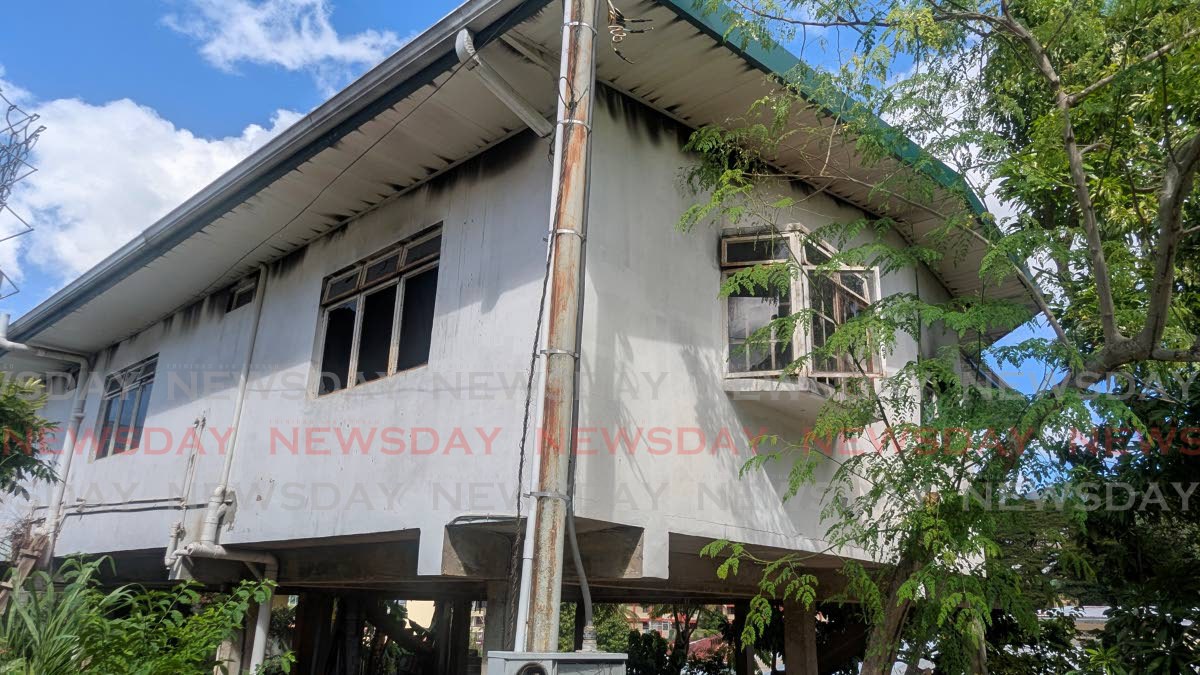
    A devastating early morning fire in Belmont has claimed the life of 75-year-old pensioner Alphonso Simmons. The tragic incident occurred at approximately 5:15 AM on December 11th at the victim’s two-story residence on Waterman Road.

    According to official reports, the blaze was confined to a single room within the residential structure, though the concentrated intensity proved fatal for the elderly occupant. Fire response teams contained the emergency to the affected area, preventing further structural damage to the property.

    Family members revealed that Simmons had been experiencing declining health and lived independently despite his condition. Of his seven children, only one routinely visited to provide care and assistance to the aging patriarch. A close relative, who requested anonymity due to the sensitive nature of the investigation, described Simmons as a beloved family figure and expressed profound shock at his sudden passing.

    Local authorities from the Belmont Police Department have launched a comprehensive investigation into the circumstances surrounding the fatal fire. While preliminary findings suggest no immediate evidence of foul play, investigators are meticulously examining all potential causes, including electrical faults, accidental ignition sources, or health-related incidents that might have precipitated the tragedy.

    The community of Belmont has expressed collective grief over the loss of another senior resident, raising concerns about elderly safety and support systems for aging individuals living alone. Social services organizations have highlighted the importance of regular wellness checks for solitary elderly citizens, particularly those with documented health concerns.

    As the investigation continues, funeral arrangements for Mr. Simmons are pending completion of necessary forensic procedures. The family has requested privacy during this period of mourning while acknowledging the support received from neighbors and community members.

  • PNM stalwart ‘Ferdie’ Ferreira dies

    PNM stalwart ‘Ferdie’ Ferreira dies

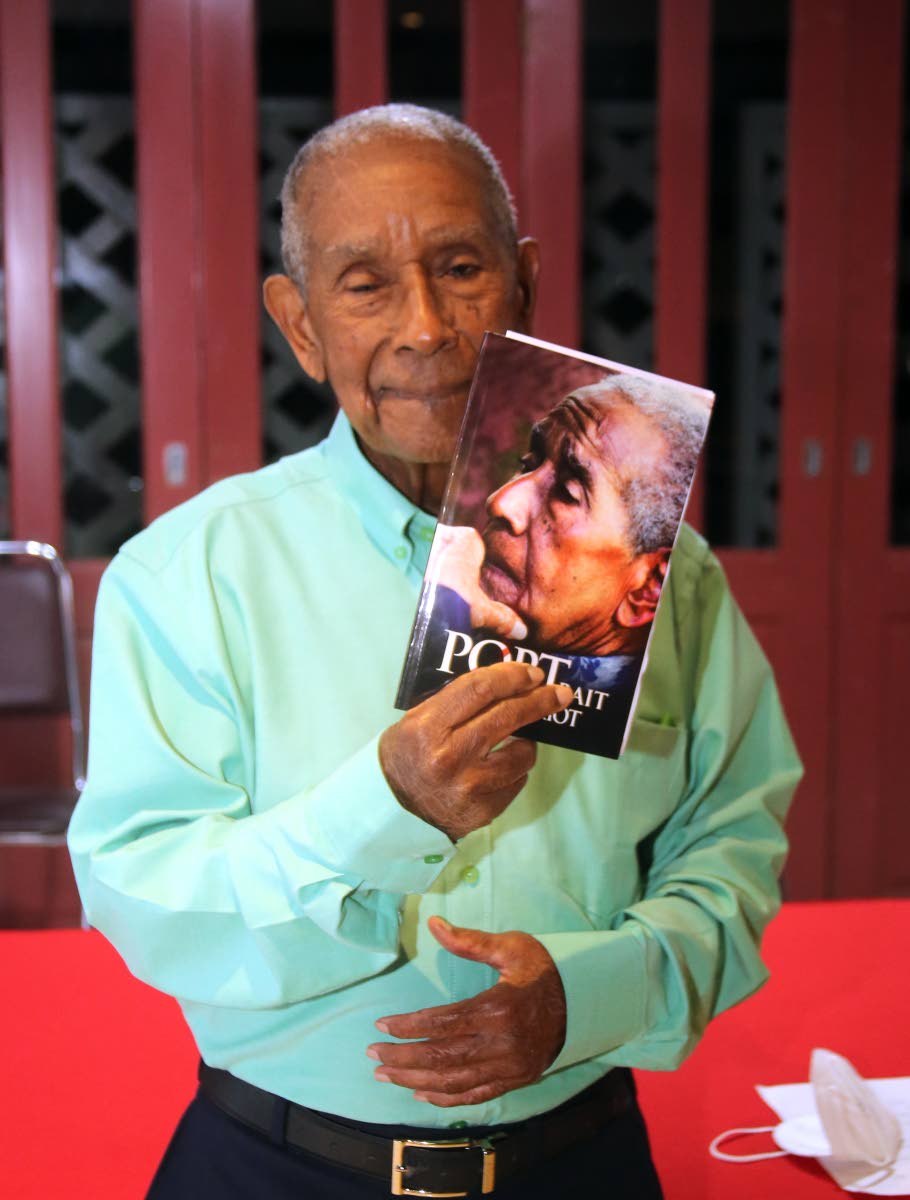
    The political landscape of Trinidad and Tobago has been diminished by the passing of Ferdinand “Ferdie” Ferreira, a foundational figure within the People’s National Movement (PNM) and former key advisor to the nation’s inaugural Prime Minister Dr. Eric Williams. Ferreira passed away on Thursday at the age of 93, leaving behind a legacy of profound political service.

    Opposition Leader and PNM political head Pennelope Beckles-Robinson confirmed the news in a heartfelt tribute shared on her official Facebook page. Her statement, issued on December 11th, framed Ferreira’s death not just as a party loss, but as a national moment of reflection. “As we mourn the passing of Ferdinand ‘Ferdie’ Ferreira,” she wrote, “we take solace in knowing that a life lived in service, integrity and devotion is honoured by God Himself.” She described him as now being “at rest, free from the cares of this world and embraced by the everlasting peace of our Heavenly Father.”

    Beckles-Robinson, who serves as the Member of Parliament for Arima, elaborated on Ferreira’s immense historical significance. Born in 1932 on Dundonald Street in Port of Spain, Ferreira was revered as one of the nation’s preeminent political archivists. His expertise was unparalleled; he was one of the few individuals who could speak with definitive authority on the entire arc of Trinidad and Tobago’s political evolution. His deep knowledge encompassed the PNM’s founding principles, its philosophical underpinnings, and its intricate history, as well as the broader political narrative of the nation, spanning both the pre-colonial and post-colonial eras. His death, she noted, represents a “profound loss” for the country’s institutional memory and political heritage.

  • Direct Relief recognised for contribution to Save Our Boys and Girls Foundation

    Direct Relief recognised for contribution to Save Our Boys and Girls Foundation

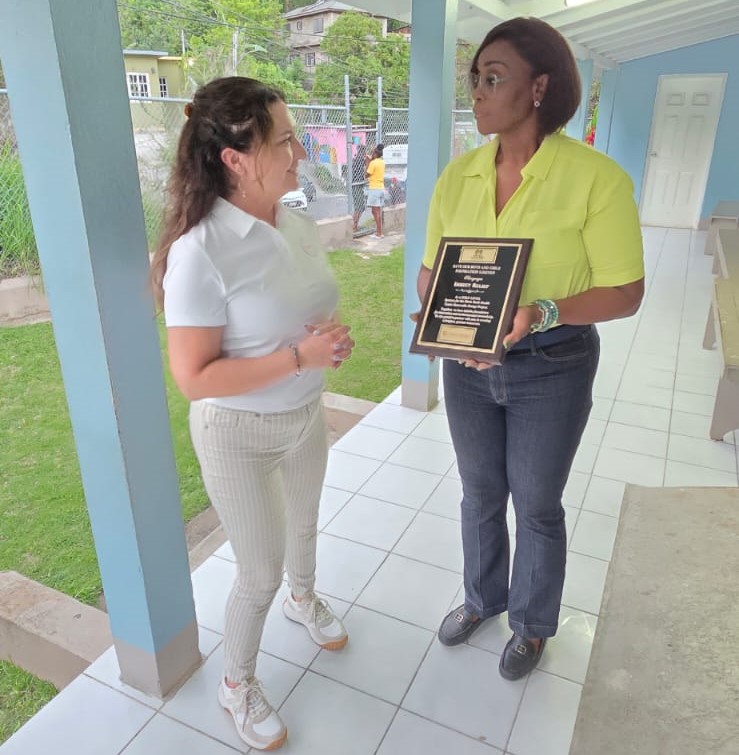
    American humanitarian organization Direct Relief has been formally recognized for its two decades of ongoing support to Jamaica, receiving an appreciation award from the Save Our Boys and Girls Foundation Limited (SOBAGF). The foundation is operated by Juliet Holness, Speaker of Jamaica’s House of Representatives and Member of Parliament for St Andrew East Rural.

    Genevieve Bitter, Vice President of Operations at Direct Relief, detailed the long-standing partnership. The collaboration formally began in 2019 when Holness and representatives from Jamaica’s National Health Fund (NHF) visited the charity’s California headquarters. A key outcome was a commitment to bolster the island’s medical cold chain infrastructure, resulting in the installation of twenty pharmacy refrigerators across public hospitals in every region.

    The partnership has since expanded in scope and formality. Direct Relief now maintains a formal agreement with Jamaica’s Ministry of Health. Holness has remained a central figure, notably serving as a keynote speaker at the 2023 Caribbean Resiliency Summit in Puerto Rico, an event supported by the organization.

    A significant focus of Direct Relief’s work has been enhancing energy resilience in hurricane-prone areas. The charity has funded solar power installations for dozens of health centers across the Caribbean, including in Puerto Rico, Barbados, The Bahamas, and Jamaica. This infrastructure proved critical during Hurricane Melissa, where solar-powered facilities maintained electricity amid widespread blackouts, enabling a faster emergency medical response.

    In Jamaica, specific projects undertaken with SOBAGF include community initiatives in Ursa, the solar electrification of the Mavis Bank Health Centre, and the construction of a playground at the Kintyre community center. Furthermore, Direct Relief is currently supporting the NHF with a solar installation for a national pharmaceutical warehouse, a vital hub for the country’s medication procurement, storage, and distribution network.

    Bitter affirmed that Direct Relief’s commitment to Jamaica is enduring. Citing the persistent threats posed by climate change, she stated the organization’s intent to remain for years to come. This ongoing mission was recently demonstrated by the shipment of over $1 million worth of critical medical supplies—including antibiotics, insulin, vaccines, and protective equipment—to the Ministry of Health and Wellness following Hurricane Melissa.