博客

  • Orange Guayaberas Set Off Tense Parliamentary Exchange

    Orange Guayaberas Set Off Tense Parliamentary Exchange

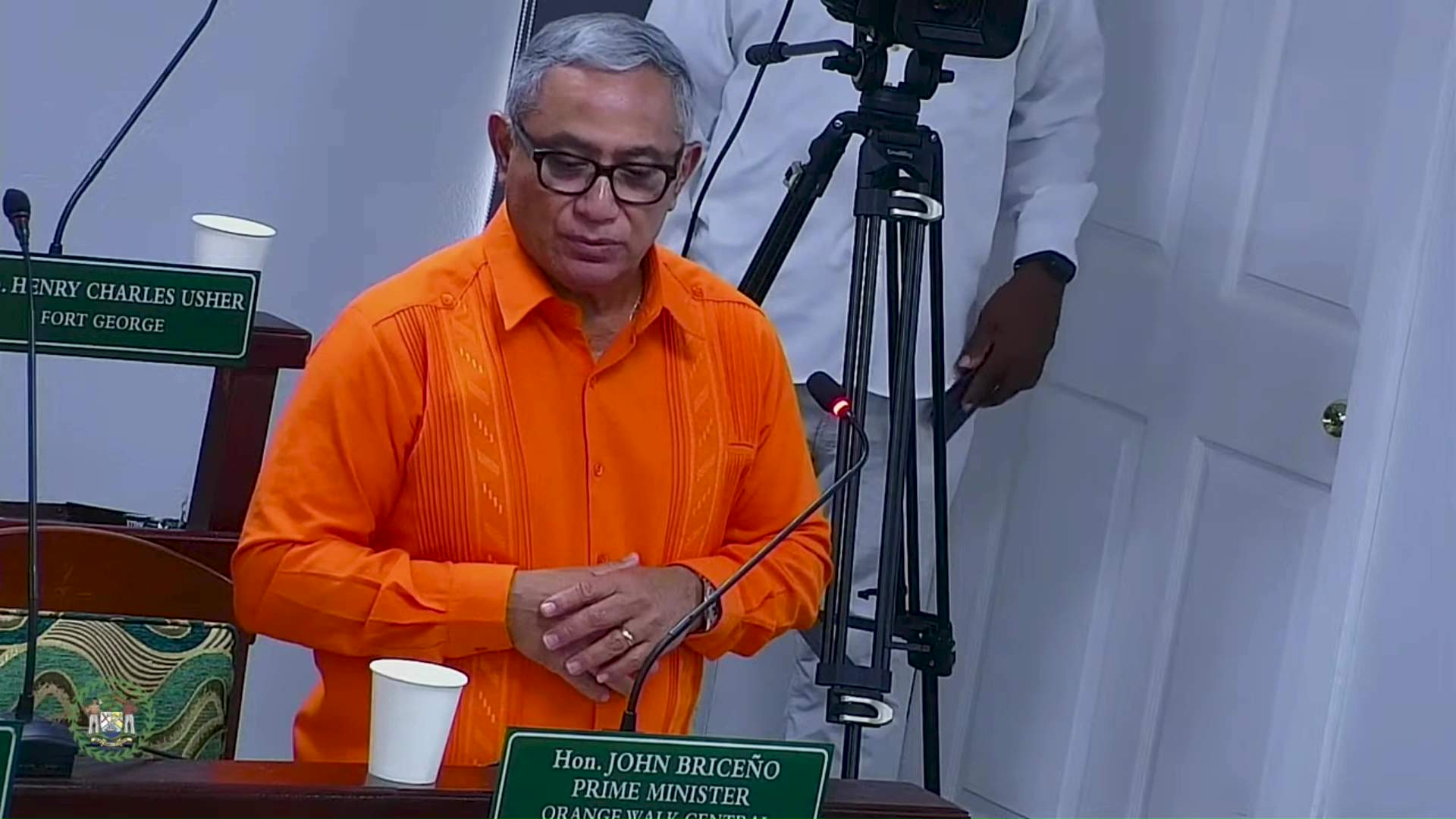
    BELIZE CITY – A symbolic display of solidarity during the Sixteen Days of Activism against gender-based violence erupted into a tense political confrontation in Belize’s Parliament on December 12, 2025, as Prime Minister John Briceno’s administration donned vibrant orange guayaberas to mark the occasion.

    The carefully orchestrated demonstration of support for anti-violence initiatives quickly devolved into acrimonious exchange when Prime Minister Briceno drew a direct comparison between his government’s orange attire and the opposition UDP party’s controversial ‘Who Thief Budna’ t-shirts. The Prime Minister’s remarks immediately ignited a fiery debate across the parliamentary aisle.

    ‘We will have our honorable Minister of Human Development make a statement,’ Briceno stated before launching his critique. ‘But I want to make a big difference between the opposition and our side. The opposition comes with t-shirts defending a criminal, defending a child predator wanted by Interpol.’

    The comparison prompted an immediate response from Opposition Leader Tracy Panton, who raised a point of order challenging the Prime Minister’s characterization. ‘The point of order is that he is attributing some kind of clandestine motive to the opposition when he well knows that is not the intention,’ Panton asserted. ‘The intention of the opposition is to ensure justice for all Belizeans.’

    Prime Minister Briceno maintained his position, declaring, ‘I am not insinuating anything – it is just a fact. Here we come standing up for gender-based violence for the sixteen days of activism, and you can see a big difference.’

    The exchange grew increasingly tense as Panton challenged the Prime Minister’s authority, asking, ‘When did you become judge, jury and executioner? Again the prime minister insists on suggesting that we were here with improper motives, and that is not acceptable, Madam Speaker.’

    The parliamentary session highlighted how even symbolic gestures in Belize’s political landscape can quickly become flashpoints for deeper political divisions and unresolved tensions between the governing and opposition parties.
  • Minister Calls for United Front Against Domestic Violence

    Minister Calls for United Front Against Domestic Violence

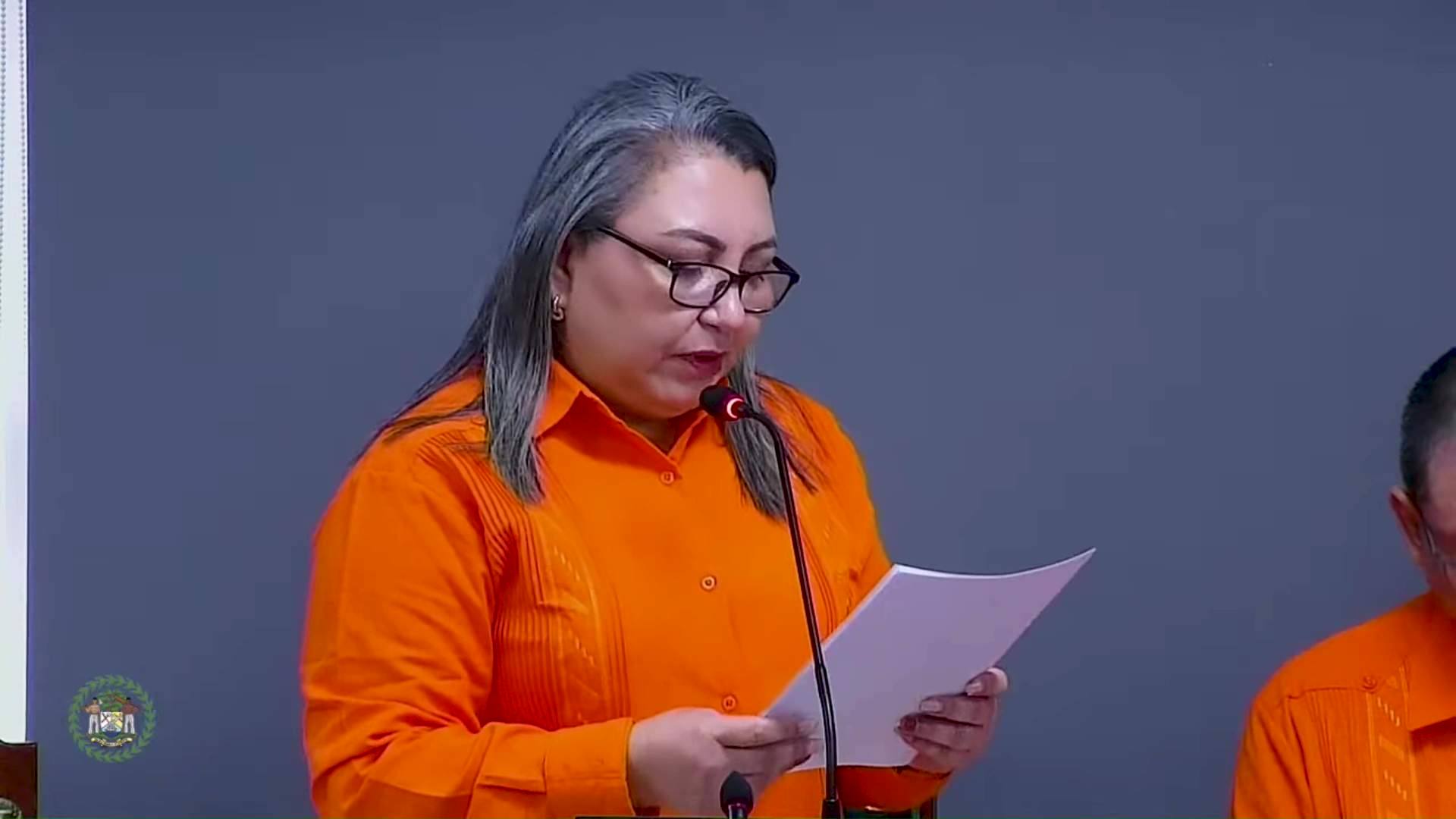
    Belize’s Minister of Human Development, Thea Garcia Ramirez, has issued a powerful call for national solidarity in confronting the nation’s escalating domestic violence epidemic. Addressing the grave social crisis with urgent solemnity, Minister Garcia Ramirez presented alarming statistics that paint a disturbing picture of gender-based violence across the country.

    The minister emphasized that the symbolic wearing of orange shirts by government members represents both solidarity with survivors and the administration’s absolute zero-tolerance stance toward gender-based violence. While the visual demonstration serves as an important symbol, Garcia Ramirez stressed that the underlying issue demands concrete action rather than mere gestures.

    Official national data reveals a troubling persistence of domestic violence cases, with police recording 1,250 incidents in 2023 followed by 1,277 cases in 2024. The statistics reveal particularly distressing patterns: approximately 90% of complainants are women, predominantly between the ages of 18 and 45. Even more alarming, sexual violence data shows that 90% of 2023’s victims were female, with half being girls aged 10 to 19.

    Minister Garcia Ramirez highlighted the emerging threat of femicide, noting that one in ten murdered females in 2023 is believed to have been killed due to gender-related motives. The minister concluded with a poignant reminder that these statistics represent real people whose lives have been devastated by violence, underscoring the critical need for immediate and coordinated national response.

  • GOB Pushes to Renew Sugar Industry Tax Breaks Amid Opposition Criticism

    GOB Pushes to Renew Sugar Industry Tax Breaks Amid Opposition Criticism

    The Belizean government, led by Prime Minister John Briceño, is advancing legislation to prolong substantial tax incentives for ASR/BSI and its BELCOGEN energy facility for an additional two-year period. These tax concessions, originally established in 2012 under prior leadership, provide the corporation with exemptions from business levies and import duties.

    Prime Minister Briceño has characterized the sugar sector as confronting severe operational challenges, prompting his administration to advocate for the renewal of these financial incentives. Following a presentation by BSI executives to the Cabinet, Briceño emphasized the industry’s critical situation, citing insufficient sugarcane yields, escalating operational expenses, and the pressing requirement for continued modernization investments in both milling and energy generation infrastructure.

    Conversely, Opposition Leader Tracy Panton has raised substantive concerns regarding the fiscal responsibility of extending these tax holidays. While acknowledging the sugar industry’s vital economic role, particularly in northern employment and agricultural sustainability, Panton questioned whether this approach demonstrates balanced policymaking and equitable treatment for all stakeholders. She highlighted the particular irony that despite these substantial tax exemptions, Belizean consumers face potential energy cost increases of nearly fourteen percent currently under consideration by the Public Utilities Commission.

    The emerging debate encapsulates broader tensions between industrial support mechanisms and responsible fiscal governance, with significant implications for Belize’s agricultural economy and energy affordability.

  • Rodwell Ferguson Endorses Sugar Industry Incentives

    Rodwell Ferguson Endorses Sugar Industry Incentives

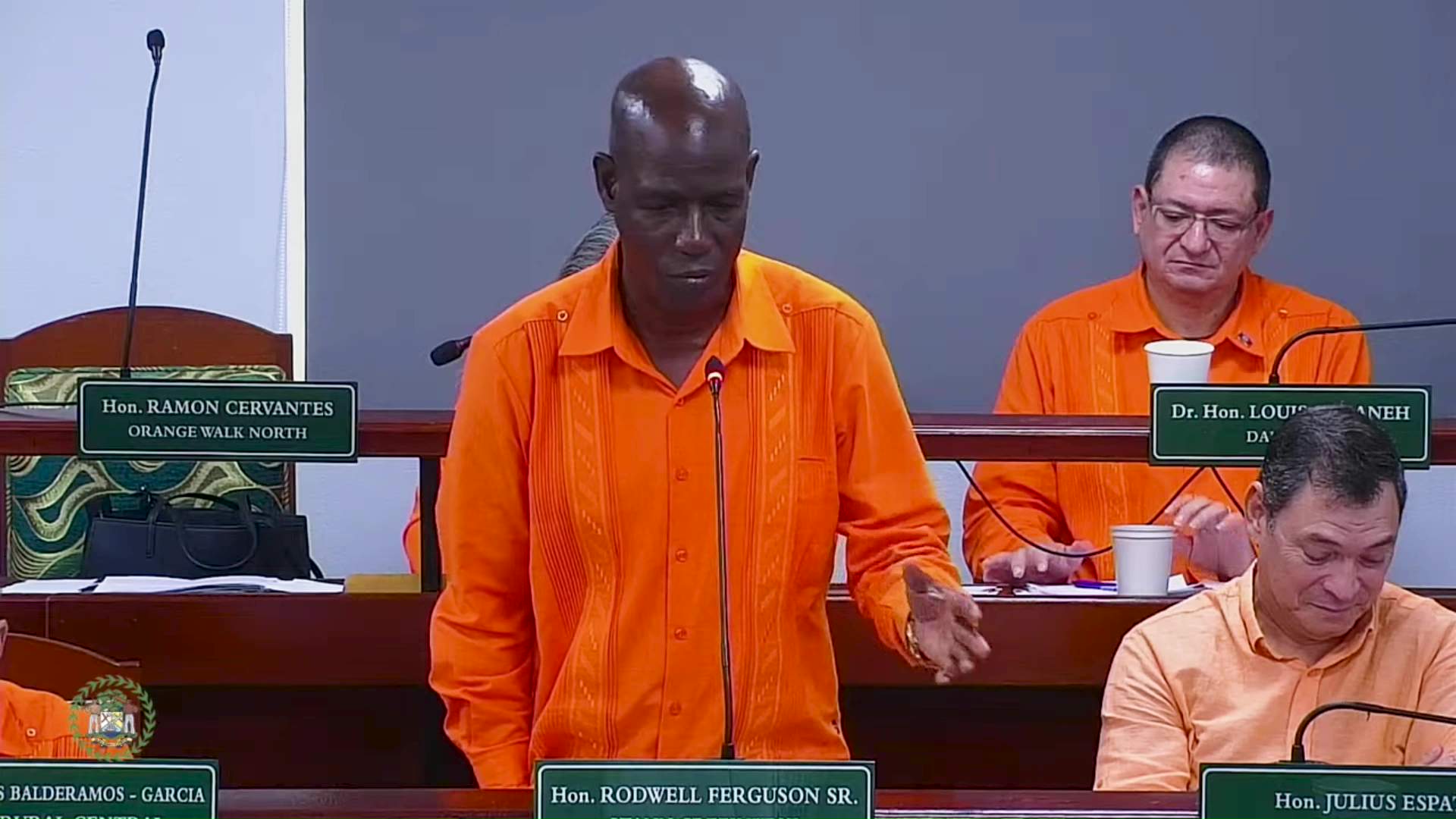
    In his inaugural parliamentary address, Belize’s newly appointed Agriculture Minister Rodwell Ferguson strongly endorsed proposed tax exemption extensions for the nation’s sugar industry giant ASR/BSI. Drawing upon his substantial background in the agricultural sector, Minister Ferguson emphasized the critical importance of governmental support mechanisms for ensuring industry viability and national economic benefit.

    The minister articulated a clear philosophy regarding industrial incentives, stating that initial investments inherently require support during their developmental phases. “An initial investment will always require an incentive because you never know what the outcome will be,” Ferguson explained to parliamentary colleagues. He further elaborated that once enterprises establish profitability, they subsequently contribute fully to national revenues through tax obligations.

    Ferguson’s perspective is rooted in extensive personal experience, having dedicated twenty-three years to agricultural work prior to entering the political arena. This background provides him with firsthand understanding of the challenges confronting agricultural workers. The minister emphasized that responsible governance necessitates creating conditions where industries can not only survive but achieve sustainable profit margins, ultimately securing Belize’s economic future.

    The proposed tax exemptions represent a continuation of government policy aimed at maintaining competitiveness in the crucial sugar sector, which employs thousands of Belizeans and contributes significantly to export earnings. Minister Ferguson’s endorsement signals policy continuity despite the recent ministerial appointment.

  • Sugar Season Delay: Blessing and Burden?

    Sugar Season Delay: Blessing and Burden?

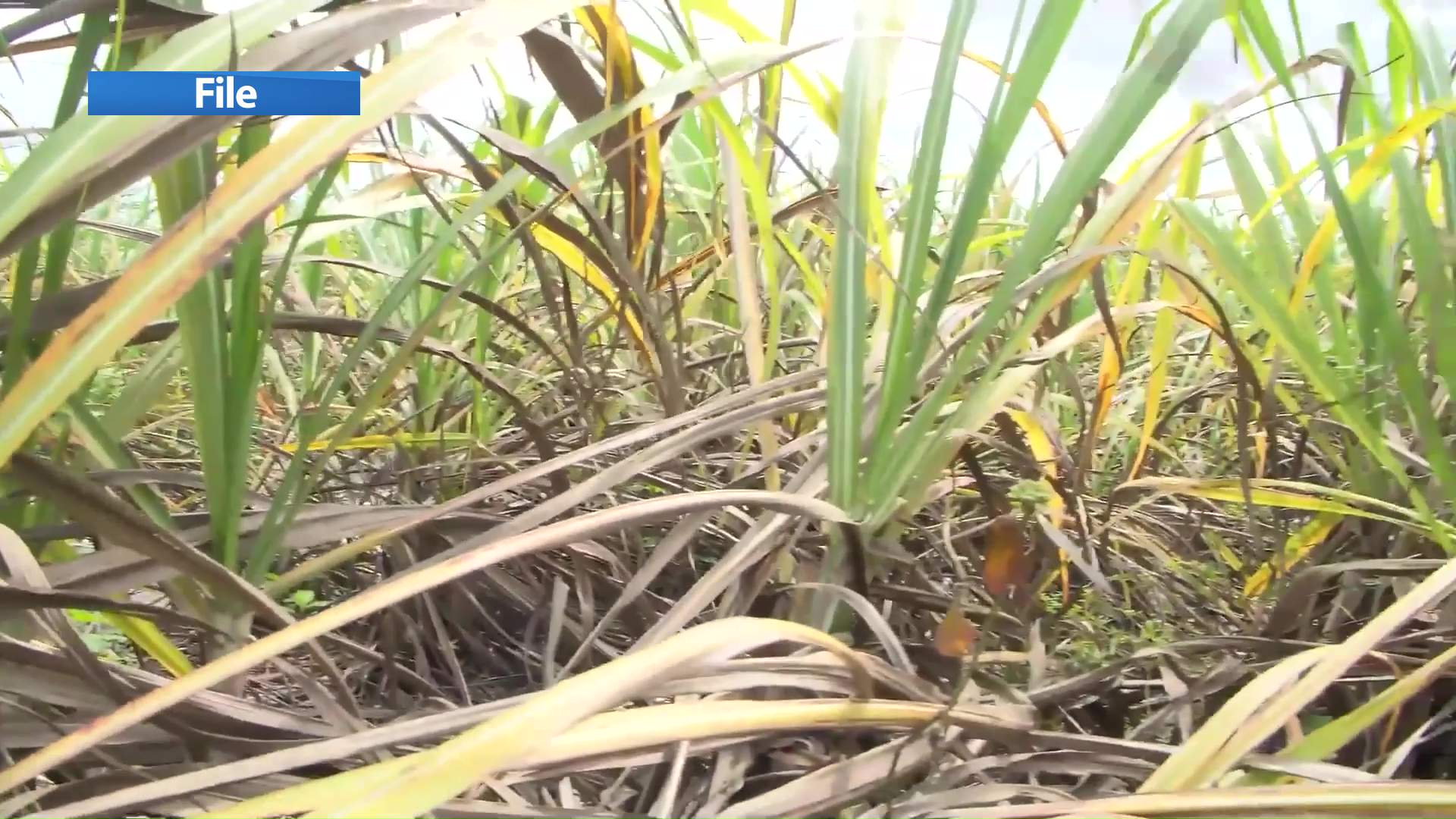
    In northern Belize, the postponed commencement of the sugar harvesting period is creating a complex scenario of economic hardship and potential agricultural benefits. The delay, impacting numerous cane farming families reliant on December revenues for holiday expenses, presents a dual reality of immediate financial strain against long-term operational advantages.

    Industry representatives characterize the situation as possessing both positive and negative dimensions. While the absence of early cash flow creates significant Christmas season difficulties for agricultural families and local businesses, the additional time permits recovery of weather-damaged fields and allows milling facilities to complete essential maintenance.

    Alfredo Ortega, Vice-Chairman of the Belize Sugarcane Farmers Association, confirmed the industry’s operational unreadiness, noting that extended preparation could ultimately strengthen both farming and milling operations. Ortega emphasized the broader community impact, stating that delayed crop initiation affects regional economic circulation beyond the agricultural sector.

    Association Chairman Salvador Martin identified multiple challenges affecting cultivation readiness, including fusarium fungal infections, persistent drought conditions, and pest infestations throughout the farming region. Martin indicated mid-January as a potential timeframe for improved conditions, expressing hope for more favorable operational circumstances.

    The delayed season timing may yield mutual benefits according to stakeholders. Ortega explained that mill maintenance requirements align with farmers’ needs for extended preparation periods following disappointing third payment distributions in previous cycles. This unexpected additional time enables reinvestment in replanting efforts and improved crop management strategies throughout the cultivation region.

  • Three Years or Seven? Sugar Crop Hinges on Deal

    Three Years or Seven? Sugar Crop Hinges on Deal

    The Belize sugar industry stands at a pivotal crossroads as negotiations between cane farmers and processing mills approach a critical phase. With the harvesting season imminent, stakeholders are working to resolve a fundamental disagreement over contract duration that could determine the sector’s stability for years to come.

    Belize Sugar Industries Limited (BSI), the primary processing facility, has proposed a seven-year commercial agreement seeking long-term operational certainty. This position contrasts sharply with the Belize Sugar Cane Farmers Association (BSCFA), which reports its members have unequivocally mandated leadership to accept no arrangement exceeding three years.

    Association Chairman Salvador Martin emphasized the farmers’ position: “Our membership has clearly expressed the need for a safe crop window of two to three years during our general meeting. This directive has been formally communicated to BSI-ASR, and we await their response.”

    The disagreement occurs against a backdrop of historical tensions that have previously led to operational standoffs and production shutdowns. Both parties now appear more motivated than in previous years to find common ground and avoid further disruption to the economically vital industry.

    Vice Chairman Alfredo Ortega noted the historical context, explaining that three-year agreements with rollover provisions had been customary practice in the past. “Our farmers specifically instructed us not to exceed this traditional timeframe unless renegotiation clauses are invoked by either party,” Ortega stated.

    The association leadership has characterized the current situation as having “the ball in the factory’s court,” indicating they’ve fulfilled their procedural obligations by submitting the farmers’ position in writing. The industry now awaits BSI’s response, which will determine whether the parties can bridge their differences or face another potentially damaging impasse.

    The outcome carries significant implications for Belize’s agricultural economy, as sugar production remains a cornerstone of rural employment and export revenue. The resolution of this contractual dispute will directly affect harvesting schedules, international export commitments, and the financial stability of thousands of farming families.

  • Sugar Farmers Reject PM’s Peacekeeping Claim, Demand Real Reforms

    Sugar Farmers Reject PM’s Peacekeeping Claim, Demand Real Reforms

    BELIZE CITY – Belize’s sugarcane industry faces renewed tensions as farmers directly contradict the Prime Minister’s assertion that his intervention has stabilized sector relations. The Belize Sugarcane Farmers Association (BSCFA) has publicly rejected governmental claims of improved dialogue, demanding concrete policy reforms rather than diplomatic overtures.

    Alfredo Ortega, Vice-Chairman of the BSCFA, provided unequivocal commentary regarding the current administration’s handling of the sugar industry. “We have not seen changes as yet,” Ortega stated during a recent interview. “We have been asking for changes that will really assist all players – the farmers, the millers, and the government.”

    The association’s leadership emphasized the need for structural reforms that establish equitable conditions across the industry value chain. This development follows the Prime Minister’s assumption of direct oversight responsibilities previously managed through the Ministry of Agriculture.

    Notably, farmers expressed appreciation for former Agriculture Minister Jose Abelardo Mai, whose resignation created the current administrative vacuum. Ortega acknowledged Mai’s continued advocacy despite no longer holding official responsibility for sugar affairs, while also extending wishes for the former minister’s health recovery and potential return to government service.

    The industry’s restructuring places daily operations under the joint supervision of the Prime Minister’s Office and Minister of State Martinez, who have claimed ongoing dialogue with both agricultural and processing stakeholders. However, farmer representatives maintain that these discussions have yet to produce meaningful progress toward addressing fundamental imbalances in the sector.

    The sugarcane industry remains a critical component of Belize’s agricultural economy, with its stability directly affecting numerous rural communities and national export earnings. The current impasse reflects deeper structural challenges in balancing the interests of agricultural producers, industrial processors, and governmental regulators.

  • Big Crowds, Small Bids at Police End-of-Year Auction

    Big Crowds, Small Bids at Police End-of-Year Auction

    The Queen Street Police compound in Belize opened its gates this December for a much-anticipated annual tradition: the end-of-year auction of abandoned, impounded, and unclaimed property. Despite the event typically occurring biannually, 2025 marked only a single auction occasion, featuring over six hundred items primarily consisting of bicycles and motorcycles.

    Hundreds of attendees—from commuters seeking affordable transportation to resellers hunting for parts—gathered early, creating a competitive bidding environment under strict police supervision. Assistant Superintendent of Police Bonifacio Rash, who oversees the proceedings, explained that all items originate from across Belize and become government property after remaining unclaimed. The auction serves dual purposes: clearing storage space for law enforcement while providing the public access to reasonably priced goods.

    The event’s significance extends beyond mere commerce. In a year characterized by rising fuel costs and increased living expenses, these auctions represent a critical opportunity for affordable mobility solutions. Interviews with participants revealed diverse motivations: Yeslyn, a mother, purchased a $15 bicycle for her daughter’s school commute; Miss Burke acquired multiple bikes for repair and donation to those in need; and Anna, a reseller, planned to refurbish and profit from her $15 purchase. Another bidder, Aiden, sought a personal project bike for eventual use and resale.

    While the police emphasize the practical benefits of property disposition and case resolution, the public has embraced the auction as a distinctive year-end tradition combining economic opportunity with community engagement and entertainment.

  • $300 Motorcycle Course Under Fire as Police Auction Draws Crowds

    $300 Motorcycle Course Under Fire as Police Auction Draws Crowds

    The Belizean government is reconsidering its contentious proposal for a nationwide $300 motorcycle training course following public backlash. Prime Minister John Briceño acknowledged the policy may have been “excessive” during cabinet discussions this week.

    The reconsideration comes amid the Belize Police Department’s annual end-of-year auction, which attracted significant public interest with motorcycles, bicycles, and electronics available for bidding. This event unfolded alongside ongoing government efforts to address road safety concerns through regulatory measures.

    Prime Minister Briceño revealed alternative approaches under consideration, including implementing mandatory written tests upon license renewal for all vehicle operators—not just motorcyclists. This system would mirror practices in the United States where license renewal requires re-testing.

    Additionally, the government is exploring tiered requirements that would exempt experienced riders with clean safety records. “Cyclists that have had a license for more than two years and have not gotten into any accident—maybe we don’t need to require them to take the lessons,” Briceño stated, suggesting the mandate might primarily target new riders entering the system.

    The proposed $300 course had faced substantial criticism from Belizeans who acknowledged road safety importance but questioned the financial burden of the mandatory training. The government’s pivot indicates responsiveness to public concern while continuing to seek solutions for transportation safety improvements.

  • National Assembly Unveils Modern Logo, Retires Coat of Arms

    National Assembly Unveils Modern Logo, Retires Coat of Arms

    In a significant symbolic shift, Belize’s National Assembly has officially retired its traditional coat of arms in favor of a contemporary new logo. The modernization initiative received rare bipartisan endorsement, with both government and opposition leaders praising the redesign. Prime Minister John Briceño characterized the new emblem as ‘classy’ during the official unveiling on December 12, 2025. Briceño emphasized the extensive consultation process that preceded the change, involving both the House of Representatives and the Senate. The Prime Minister specifically commended the leadership of both legislative chambers and their staff for spearheading the initiative. Opposition Leader Tracy Panton similarly endorsed the rebranding effort, expressing hope that the updated visual identity would signal a more accessible and publicly engaged National Assembly. Panton noted that the modernization should accompany increased civic engagement and improved public accessibility to legislative proceedings. The move represents one of the most visible symbolic changes to Belize’s legislative identity in recent history, potentially signaling a broader transformation in how the country’s democratic institutions present themselves to citizens and the international community. The design refresh occurs amid ongoing efforts to modernize governmental operations and public communications across Belize’s political landscape.