博客

  • Walton-Desir, Duncan slam President for bypassing Parliament in outlining five-year agenda

    Walton-Desir, Duncan slam President for bypassing Parliament in outlining five-year agenda

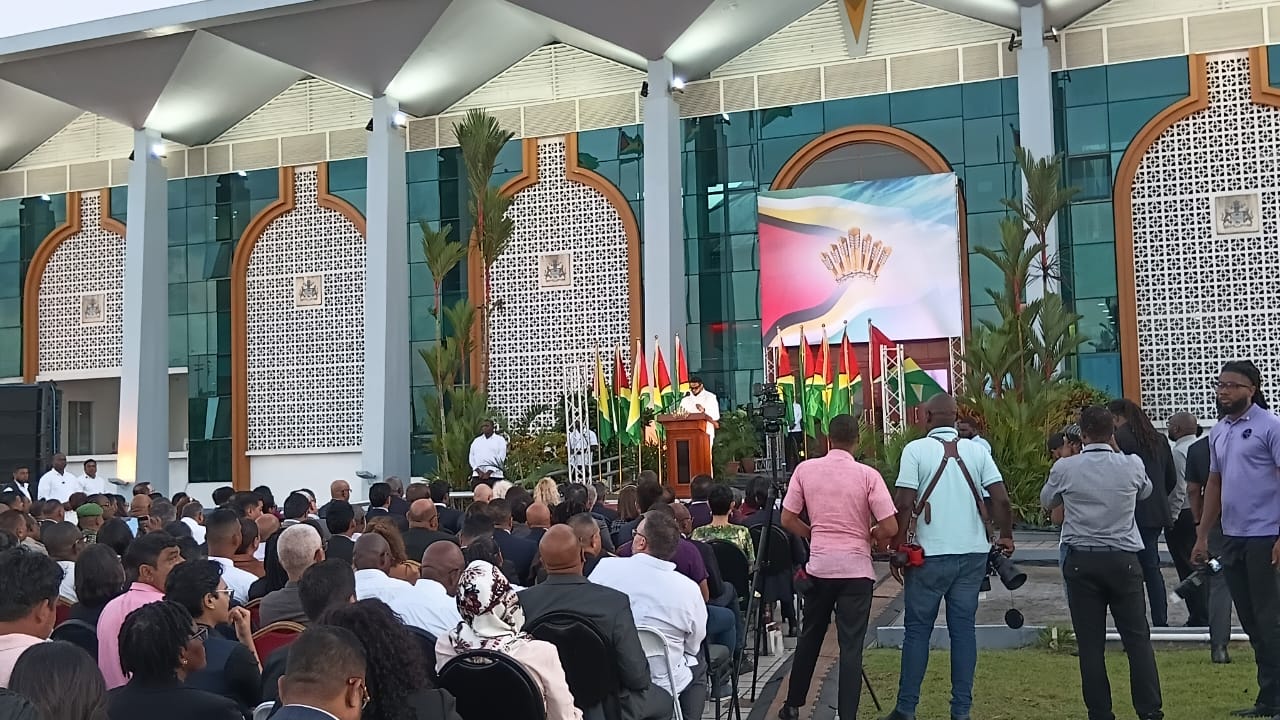
    Guyana’s political opposition has launched fierce criticism against President Irfaan Ali for unveiling his administration’s five-year policy agenda outside the traditional parliamentary framework. The move, occurring on December 17, 2025, has sparked concerns about democratic erosion and institutional bypass.

    Forward Guyana Movement Leader Amanza Walton-Desir challenged the diplomatic community’s apparent acquiescence to this departure from established parliamentary practice. She emphasized that the address conventionally belongs within parliamentary proceedings, properly recorded in official Hansard records regardless of opposition participation.

    The controversy unfolds against a backdrop of parliamentary paralysis, with the legislature currently lacking an officially recognized opposition leader. This institutional vacuum has complicated constitutional norms and raised questions about democratic safeguards.

    APNU Parliamentarian Sherod Duncan characterized the external announcement as a ‘democratic red flag,’ noting the symbolic significance of the President choosing to present his vision outside the Arthur Chung Conference Centre rather than within the parliamentary chamber. Duncan interpreted this as a deliberate avoidance of legislative scrutiny and a troubling treatment of democratic institutions as optional.

    Central to the controversy is the status of Azruddin Mohamed, whose potential election as opposition leader remains pending. Mohamed and his father face extradition proceedings to the United States for alleged financial crimes, creating additional complications for Guyana’s political landscape.

    Both opposition figures emphasized that the exclusion of elected representatives from a supposedly national agenda presentation demonstrates intentional marginalization rather than accidental oversight. They pledged to subject the government’s plan to rigorous parliamentary examination through appropriate channels.

    The opposition leaders called for renewed commitment to transparent governance, open debate, and democratic accountability, insisting that Guyana’s future should be shaped through inclusive processes rather than unilateral announcements outside locked parliamentary doors.
  • Dominican Republic elected to lead OAS Group on maritime drug trafficking

    Dominican Republic elected to lead OAS Group on maritime drug trafficking

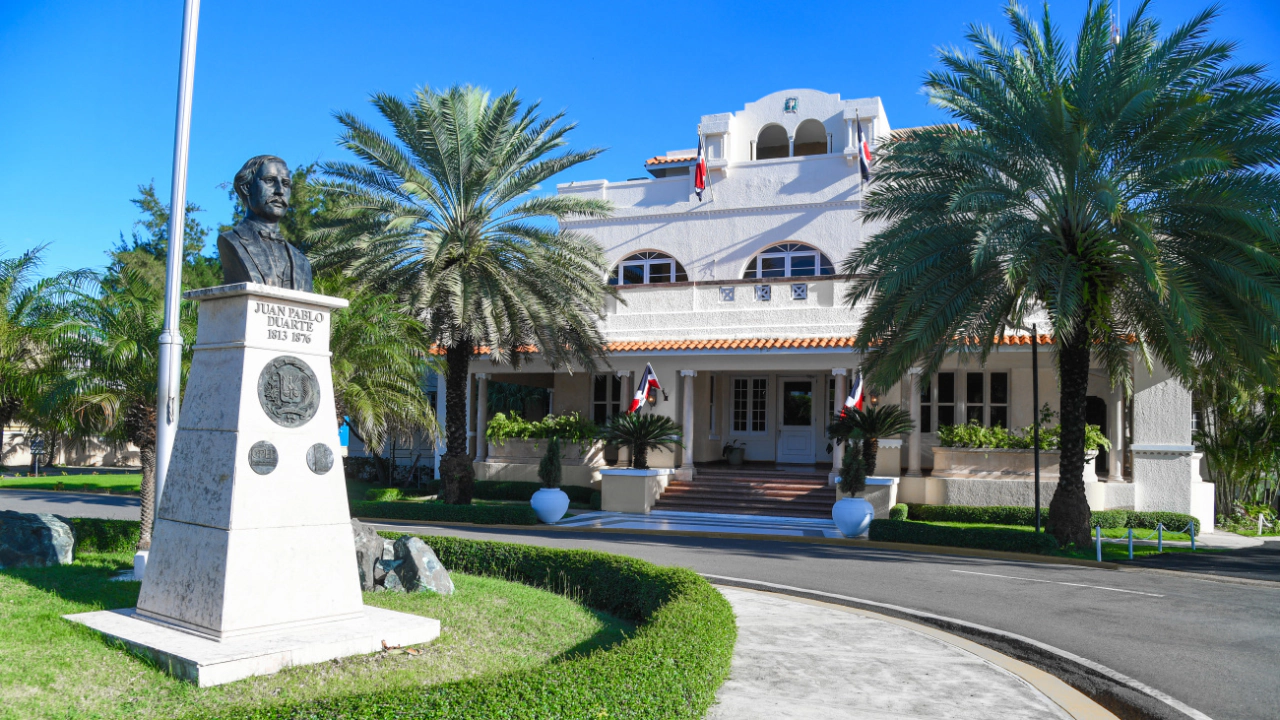
    In a significant development for regional security cooperation, the Dominican Republic has achieved unanimous election to chair the Inter-American Commission for the Control of Drug Abuse (CICAD) Group of Experts on Maritime Drug Trafficking. The appointment occurred during the 78th Session of CICAD, an Organization of American States (OAS) agency, held in Washington, D.C., where all member states endorsed the Caribbean nation’s leadership through acclamation.

    The Dominican Ministry of Foreign Affairs (MIREXRD) emphasized that this prestigious designation underscores the country’s strengthened dedication to international collaboration and hemispheric security initiatives. The nation will coordinate closely with its Naval forces and the National Drug Council to enhance multinational efforts targeting narcotics transportation via maritime routes.

    Dr. Rafael Guerrero Peralta, presiding over the National Drug Council, formally presented the nation’s candidacy and subsequently assumed leadership of the expert panel. The session convened representatives from all 34 CICAD member states to deliberate on comprehensive strategies against transnational organized crime, with particular emphasis on illicit sea-based drug transportation and the growing prevalence of synthetic substances including ecstasy, LSD, and ketamine throughout Latin American communities.

    Additional critical agenda items involved refining national implementation frameworks, enhancing financial intelligence capabilities to dismantle trafficking networks, examining alternatives to traditional incarceration, and advancing broader security and stability objectives across the Americas region.

  • Justice : No embezzlement at the Ministry of Culture, concludes the ULCC

    Justice : No embezzlement at the Ministry of Culture, concludes the ULCC

    In a significant development for Haiti’s governance transparency, the Unit for Combating Corruption (ULCC) has officially exonerated the Ministry of Culture and Communication following a comprehensive investigation into alleged financial misconduct. The probe, initiated in response to public allegations from the “Je Klere” Foundation (FJKL), specifically examined claims of irregular disbursements through debit cards to senior officials within both the Ministry and the Institute for the Safeguarding of National Heritage (ISPAN). These allegations were connected to funds allocated for the Project for the Development, Restoration, and Protection of Heritage Sites.

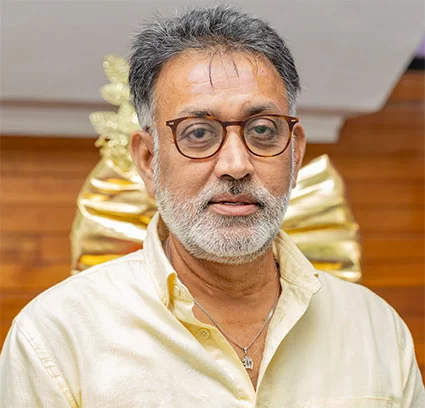
    Culture Minister Patrick Delatour publicly acknowledged the ULCC’s findings, which conclusively determined that none of the Foundation’s accusations could be substantiated. The exhaustive audit instead resulted in the formulation of administrative and institutional recommendations aimed at strengthening financial protocols.

    Minister Delatour, while welcoming the vindication, emphasized the critical responsibility of media and civil society in responsibly handling such sensitive information. He urged balanced and professional reporting on the ULCC’s conclusions to prevent misinformation that could potentially undermine social cohesion and destabilize governmental institutions. This case represents a notable test of Haiti’s anti-corruption mechanisms and their capacity to address serious public allegations against government bodies.

  • SeNaSa corruption case sparks protest outside the Attorney General’s Office

    SeNaSa corruption case sparks protest outside the Attorney General’s Office

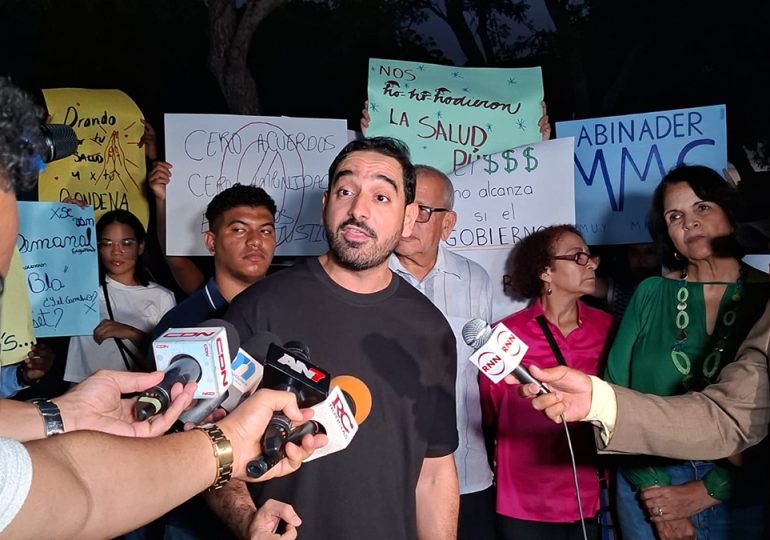
    SANTO DOMINGO – A significant public demonstration unfolded outside the Attorney General’s Office in Santo Domingo as citizens, spearheaded by Democratic Option party president José Horacio Rodríguez, voiced their fury over alleged systemic corruption within the National Health Insurance scheme (SeNaSa). The protest highlighted a deepening crisis of public trust, with Rodríguez issuing a stark warning that corruption remains entrenched as long as political influence is tied to financial power.

    Rodríguez characterized the national mood as one of ‘profound and collective outrage,’ urging Dominican society to critically examine the caliber of its elected leadership. He condemned the purported activities at SeNaSa as acts of ‘blatant corruption,’ referencing reports that suggest bribe solicitations commenced as early as October 2020. He asserted that the individuals implicated assumed their roles with no genuine commitment to enhancing the nation’s public healthcare system, betraying the public’s trust from the outset.

    The party leader posited that the scandal validates a pervasive public sentiment: state funds are available but are systematically pilfered before reaching the citizens they are intended to serve. While demanding exemplary judicial action against those responsible, Rodríguez cautioned that punitive measures alone are an inadequate solution. He emphasized that the existing structural framework perpetuates corruption across vital sectors including healthcare, housing, and public infrastructure.

    Further intensifying his critique, Rodríguez directly challenged President Luis Abinader’s governance and control over the state apparatus. This challenge came in response to official government communications that had downplayed the SeNaSa affair, characterizing it merely as a manageable financial shortfall rather than a grave corruption scandal.

  • Convicted killer given 30-year starting sentence

    Convicted killer given 30-year starting sentence

    In a landmark ruling at the No. 5 Supreme Court, Justice Pamela Beckles has sentenced Haniyfa Reza White to 23.5 years imprisonment for the 2007 killing of her former friend and neighbor Julene Bryan. The sentence represents the remainder of a 30-year starting term after accounting for mitigating circumstances and an extraordinary 18-year delay in bringing the case to trial.

    The court established that on May 14, 2007, White deliberately armed herself with a knife and went to Bryan’s residence in Six Men’s, St. Peter following an earlier altercation. Evidence presented during proceedings revealed that White initiated the confrontation by throwing a rock at Bryan’s home before fatally stabbing the victim in the neck, severing her carotid artery in front of her residence.

    Justice Beckles delivered a compelling address to the convicted killer, stating: ‘The location of this injury would suggest that your intention was clearly to kill or cause serious bodily harm. Yet you see yourself and your children as the victims, even though you were there to love and care for them. The deceased’s children were deprived of this because of your actions that day.’

    The judge identified several aggravating factors including the premeditated nature of the attack, the use of a lethal weapon, and the traumatic impact on Bryan’s four children who witnessed the violence outside their home. The court also considered mitigating circumstances including White’s lack of prior criminal record, favorable pre-sentencing reports indicating low recidivism risk, and substantial trial delays.

    White testified that she had endured ongoing harassment from Bryan and associates following the dissolution of their friendship. She claimed the stabbing occurred during a physical struggle after Bryan allegedly attacked her with a metal object. The court ordered White to serve 8,659 days at Dodds Prison with recommendation for counseling programs addressing interpersonal relationships and societal reintegration.

    Legal representatives included Acting Deputy Director of Public Prosecutions Krystal Delaney for the state and defense counsel Safiya Moore for White.

  • Internet : New Sunrise Airways App

    Internet : New Sunrise Airways App

    Haiti’s premier carrier Sunrise Airways has unveiled a comprehensive digital transformation strategy this December, significantly enhancing passenger experience through technological innovation and expanded route connectivity. The airline’s newly launched mobile application represents a cornerstone of this initiative, offering travelers seamless booking capabilities, itinerary management, and real-time flight notifications.

    The smartphone application, available for both iOS and Android platforms, provides travelers with unprecedented control over their journey. Passengers can now book flights, perform digital check-ins on eligible routes, and receive instant updates regarding schedule changes or operational adjustments. This digital advancement positions Sunrise Airways competitively within the Caribbean aviation market.

    Concurrently, the airline introduced ‘Refund Protect’ – a flexible travel insurance option that guarantees full reimbursement for tickets under unforeseen circumstances. This customer-centric approach addresses growing demand for travel flexibility in the post-pandemic era.

    Network expansion continues with the newly operational route connecting Cap-Haitien to Fort Lauderdale-Hollywood International Airport, launched December 15th. This strategic addition strengthens connections between Haiti’s northern region and South Florida, catering to both business and leisure travelers.

    Established in 2012, Sunrise Airways has evolved into a significant regional connector with 11 operational bases and over 250 employees. The carrier has transported more than 1.7 million passengers across nearly 20 destinations spanning from Florida through the Caribbean basin. Recent expansion includes Eastern Caribbean services to Antigua, Saint Kitts, Dominica, Saint Lucia, Grenada, and Saint Vincent, with additional routes planned for 2026.

    Travelers may access these services through the airline’s official website (www.sunriseairways.net) or via the newly launched mobile application.

  • GY$100,000 cash grant in 2026 budget

    GY$100,000 cash grant in 2026 budget

    In a significant national address delivered Wednesday evening at the Arthur Chung Conference Centre in Liliendaal, President Irfaan Ali unveiled substantial economic measures that will directly impact Guyanese citizens. The centerpiece announcement confirmed that all Guyanese citizens aged 18 and above will receive a cash grant of GY$100,000 (approximately US$480), with funding allocated in the forthcoming 2026 national budget.

    During his comprehensive two-hour presentation to diplomats and senior government officials, President Ali emphasized that cash transfers serve as crucial instruments for achieving specific policy objectives. He further indicated that additional cash grants would be distributed throughout his five-year presidential term, though specific details and timelines were not fully elaborated.

    The announcement follows previous campaign trail promises made during the 2025 general election, where President Ali had suggested citizens might receive Christmas holiday cash grants conditional on good behavior. The delayed implementation has sparked speculation within political circles, with some observers suggesting the administration may be avoiding parliamentary procedures that would involve interaction with opposition figures.

    Notably, the main opposition WIN party leader Azruddin Mohamed and his father currently face extradition proceedings to the United States over alleged financial crimes. House Speaker Manzoor Nadir has yet to convene a meeting for Mohamed’s constitutional election as Opposition Leader, a position that Attorney General Anil Nandlall believes could potentially harm Guyana’s international reputation.

    In parallel developments, President Ali announced substantial wage increases for government workers, who will earn GY$50,000 monthly beginning next year. The administration also revealed ambitious plans to establish tax-free special development zones nationwide, strategically designed to boost employment in non-oil sectors through import substitution initiatives. These zones will specifically target regions with high unemployment needs while promoting economic activities that generate export earnings or reduce import dependency.

    The precise locations for these development zones will be formally identified in the 2026 budget presentation. Additionally, the government committed to providing financing programs for Amerindian communities to enhance housing quality and infrastructure development.

  • Government House Restoration Nears Completion, Senator Says

    Government House Restoration Nears Completion, Senator Says

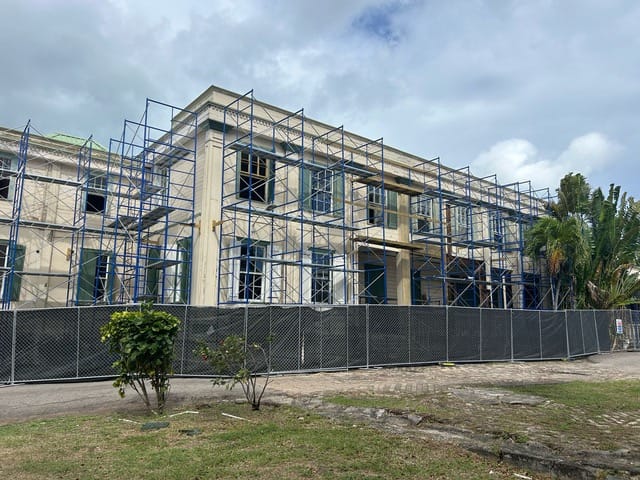
    Antigua and Barbuda’s landmark Government House is undergoing a transformative restoration projected for completion by mid-2026, according to Senator Jamilla Kirwan’s recent address to the Upper House. The independent senator revealed during the 2026 budget debate that the preservation initiative has successfully secured over EC$7 million in funding since its inception in 2017.

    The ambitious project, spearheaded by the Antigua and Barbuda Heritage Trust, aims to convert the historic property into a multifunctional cultural center while maintaining its official role as the Governor-General’s workplace. The restored complex will feature a living museum chronicling the nation’s political evolution, an art gallery displaying repurposed royal portraits and historical artworks, and versatile event spaces for public use.

    Senator Kirwan emphasized the restoration’s national significance, characterizing it as a profound commitment to cultural stewardship and sustainable legacy building. Beyond architectural preservation, the project intends to stimulate revitalization of adjacent historic districts and establish precedents for future heritage protection laws.

    The funding model exemplifies successful cross-sector collaboration, with substantial contributions from individual donors, nonprofit organizations, and corporate partners. Kirwan particularly acknowledged the Halo Foundation—the Governor-General’s charitable arm—for its complementary decade-long work supporting vulnerable populations, illustrating the interconnection between physical heritage conservation and social development.

    The senator utilized the restoration update to advocate for strategic long-term asset management, stressing that consistent maintenance planning supersedes reactive emergency repairs. This approach ensures national treasures endure for future generations while serving contemporary civic needs.

    The project timeline anticipates a formal public unveiling no later than the second quarter of 2026, marking the culmination of nearly a decade of concerted preservation efforts.

  • President en VWPU werken aan structurele oplossing

    President en VWPU werken aan structurele oplossing

    In a significant development for Suriname’s education sector, the Scientific Staff Union of Anton de Kom University (VWPU) has emerged from productive negotiations with President Jennifer Simons with renewed optimism. The Wednesday meeting at the Presidential Cabinet marked a resumption of dialogue after a period of stalled communications, focusing on systemic challenges within higher education.

    Led by VWPU Chairman Aroenprekash Badal, a physics professor and faculty coordinator, the union delegation engaged in what both sides described as open and respectful discussions. President Simons provided comprehensive context regarding the nation’s current socioeconomic difficulties while union representatives detailed the specific concerns affecting academic staff members.

    A crucial outcome of the meeting was the establishment of a clear timeline for resolution. President Simons formally requested the union to submit concrete proposals in the immediate term, with both parties committing to achieve definitive solutions to existing problems by March 2026. This deadline creates a structured framework for addressing long-standing issues that have affected the university’s academic community.

    Following the presidential engagement, the VWPU has initiated internal consultations with its membership to develop a unified position and craft proposals that address both immediate concerns and long-term structural improvements. The renewed dialogue represents a positive step toward stabilizing Suriname’s higher education system amid broader national challenges.

  • CARICOM SG applauds Jamaica’s continued involvement in region post-Hurricane Melissa

    CARICOM SG applauds Jamaica’s continued involvement in region post-Hurricane Melissa

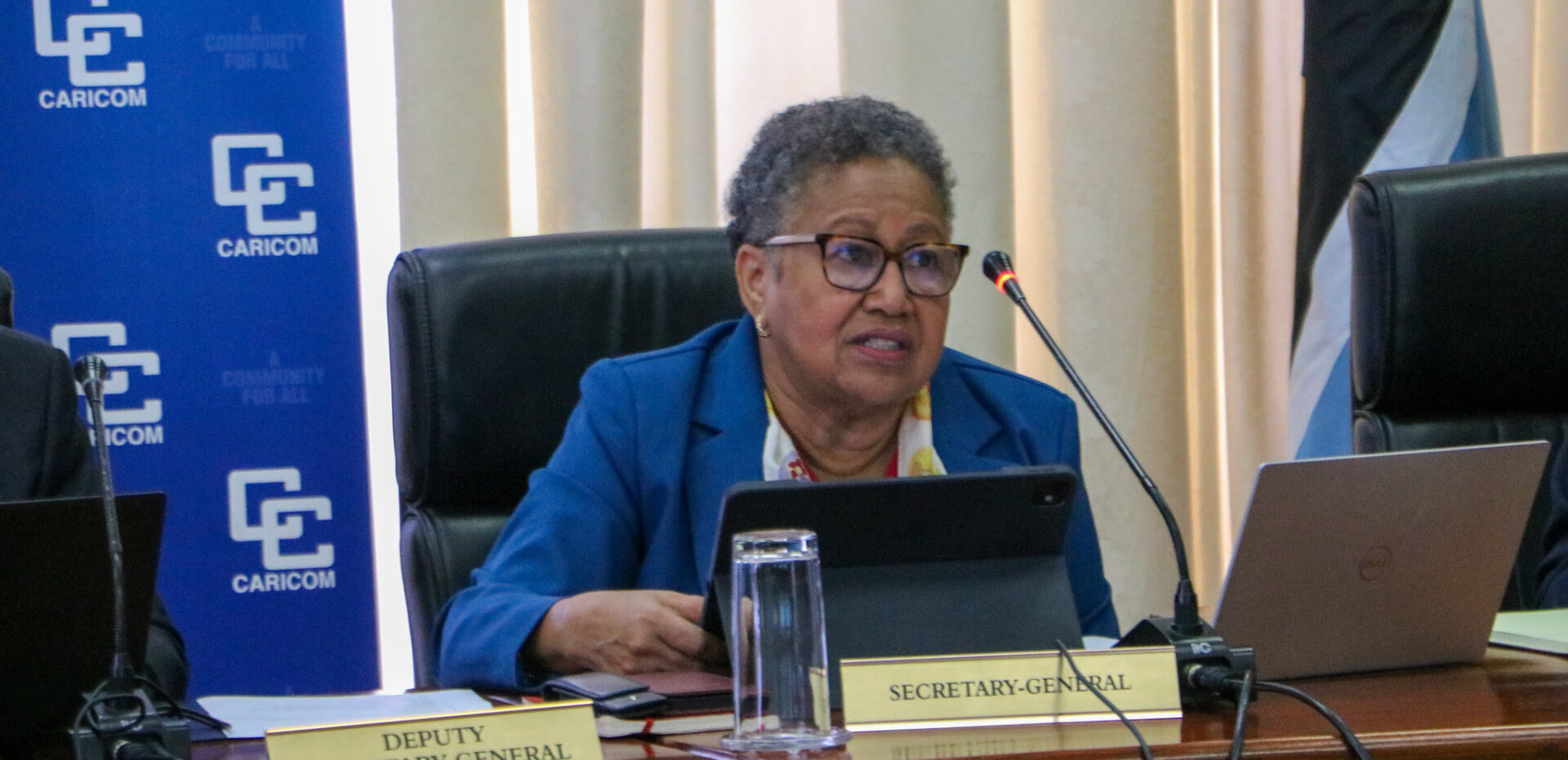
    At the 56th Community Council of Ministers meeting in Georgetown, Guyana, CARICOM Secretary-General Dr. Carla Barnett commended Jamaica for maintaining strong regional engagement while navigating complex recovery operations following Hurricane Melissa’s devastating impact. The Category Five hurricane struck Jamaica on October 28 with sustained winds reaching 185 mph, creating significant challenges for the island nation.

    Jamaican Foreign Minister Kamina Johnson Smith presided over the December 16 meeting, where Dr. Barnett expressed solidarity with Jamaica’s reconstruction efforts. Minister Johnson Smith detailed the hurricane’s severe consequences, noting it represented both the strongest hurricane to directly hit Jamaica and the first Category Five storm in the nation’s recorded history.

    The Foreign Minister expressed profound gratitude for the regional support system, specifically acknowledging personnel deployments, technical assistance through CARILEC for electricity restoration, and ongoing reconstruction work by the Guyana Defence Force in Westmoreland. “The support has been overwhelming. The goodwill has been heartwarming,” Johnson Smith stated, emphasizing how CARICOM’s unified response demonstrates the community’s strength and cohesion.

    Minister Johnson Smith connected Hurricane Melissa’s destruction to broader climate change vulnerabilities affecting the Caribbean region, particularly noting its occurrence following Hurricane Beryl’s earlier impact. She stressed the urgent necessity for comprehensive climate action and resilience-building initiatives, including advocacy for climate justice.

    Looking toward 2025, Secretary-General Barnett outlined CARICOM’s strategic priorities, highlighting climate change and climate finance as central concerns alongside ongoing challenges related to crime and violence, health systems, and the situation in Haiti. Additional focus areas include implementing the CARICOM Single Market and Economy (CSME), advancing information and communication technology including artificial intelligence, ensuring food and nutrition security, promoting youth development, and strengthening foreign relations.

    Dr. Barnett reaffirmed the Secretariat’s commitment to enhancing operational efficiency and aligning strategic initiatives with the Revised Treaty of Chaguaramas to deepen economic integration throughout the region amidst evolving global challenges.