博客

  • GHTA holds 62nd Annual General Meeting

    GHTA holds 62nd Annual General Meeting

    The Grenada Hotel and Tourism Association (GHTA) marked a significant milestone with its 62nd Annual General Meeting, convening under the forward-looking theme “Building Resilience: Sustainable Tourism, Empowered Communities.” The gathering served as a pivotal platform for industry leaders to assess progress, establish new governance, and outline strategic priorities for the nation’s vital tourism sector.

    Featured speakers included the Honourable Adrian Thomas, Minister of Tourism, Culture and the Creative Economy, and Stacey Liburd, CEO of the Grenada Tourism Authority. Both officials provided crucial insights into the strategic trajectory of Grenada’s tourism landscape and emphasized collaborative approaches to sustainable development.

    GHTA Chief Executive Officer Arlene Friday articulated the association’s visionary outlook, stating: “Our collective efforts extend beyond industry development—we are building an enduring legacy. Through community empowerment and sustainable practices, we are shaping a prosperous future for Grenada. Our ongoing priorities include strengthening collaborative partnerships, delivering enhanced value to members, and solidifying Grenada’s status as a premier Caribbean destination.”

    The assembly witnessed democratic transitions in leadership with the election of six new board members representing key industry segments. The newly appointed directors include:

    • Hotel Directors: Kendra Hopkin Stewart and Debbie Antoine
    • Affiliate Directors: Carlene Woodroffe and Marie Fielden
    • Tourism Directors: Mandoo Seales and Aaron Sylvester

    A highlight of the proceedings was the presentation of Tourism Enhancement Fund (TEF) scholarships to recipients Ciara Whiteman and Jaden Dominique. Current scholarship awardee Tia Thomas delivered an inspirational address to the new recipients, emphasizing: “This award represents more than financial support—it signifies profound belief in your potential. The entire industry recognizes your capabilities. How you leverage this opportunity matters tremendously. Approach your journey with preparation, responsibility, and initiative. Maximize every learning experience to develop professionally, and recognize the significant impact you can create within your communities and Grenada’s broader tourism ecosystem.”

    The TEF initiative continues to demonstrate its commitment to nurturing Grenada’s future hospitality leaders by supporting students pursuing careers within the sector.

    Concluding the meeting, GHTA President Elvis Lewis issued a compelling call to action, urging members to actively participate in association growth through membership expansion. “Our collective strength derives from unity,” Lewis emphasized, advocating for sustained collaboration to advance the interests of Grenada’s tourism industry.

    The GHTA reaffirmed its dedication to promoting excellence, innovation, and cross-sector collaboration throughout Grenada’s hospitality and tourism landscape.
  • Senator Says Cancer Center Reopening Will Spare Patients Overseas Treatment

    Senator Says Cancer Center Reopening Will Spare Patients Overseas Treatment

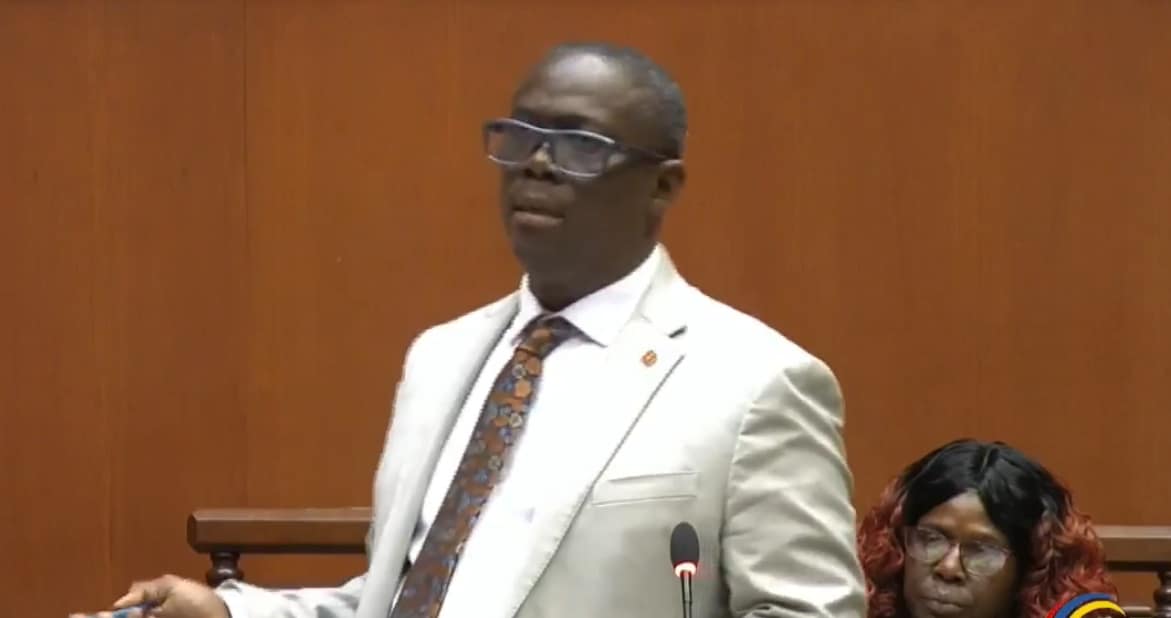
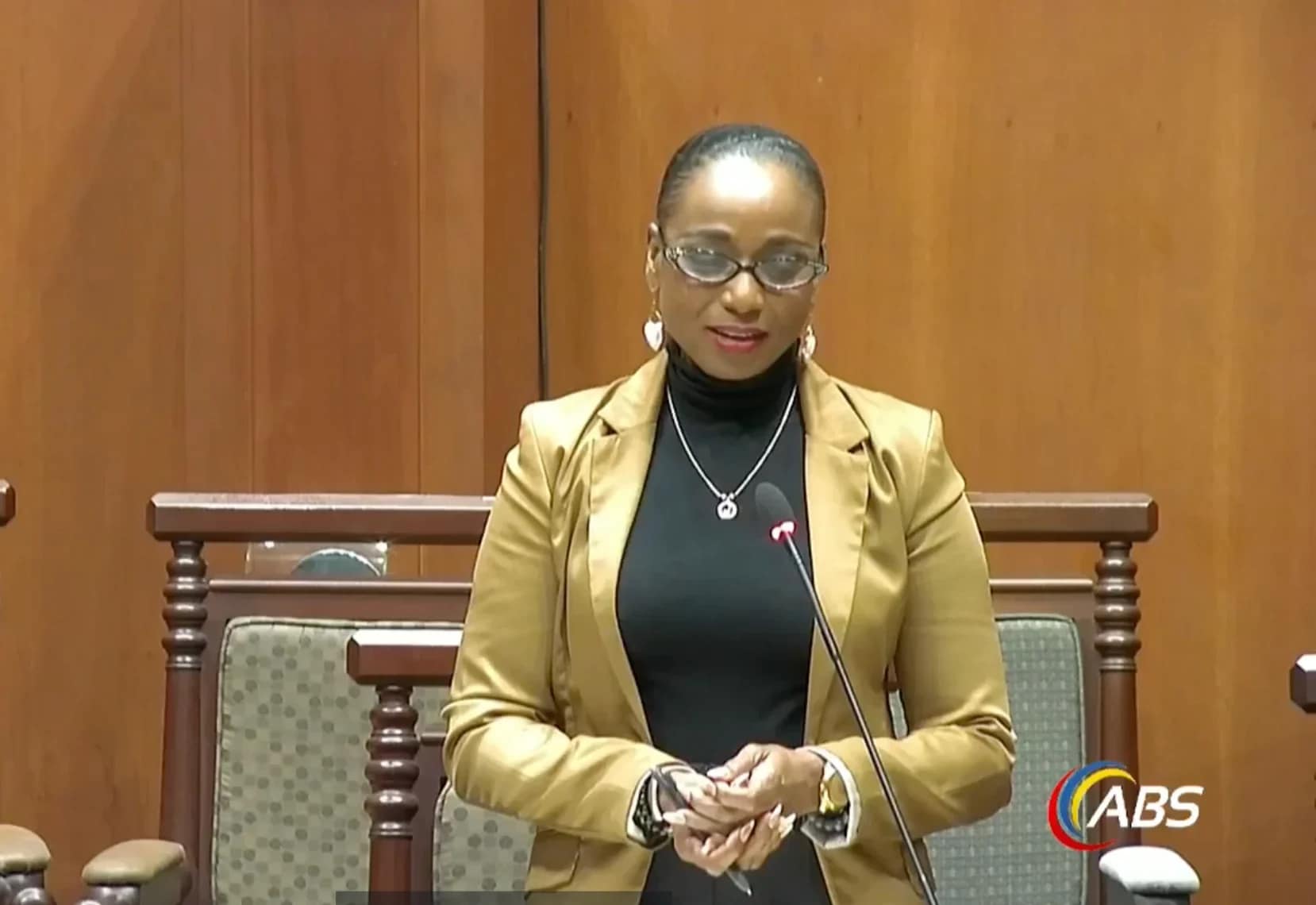
    In a powerful address to the Senate during the 2026 budget deliberations, Independent Senator Jamilla Kirwan framed healthcare accessibility as a fundamental human dignity issue. Drawing from her dual perspective as both a cancer survivor and family member of a cancer patient, Kirwan welcomed the anticipated first-quarter 2026 reopening of Antigua and Barbuda’s cancer treatment facility while issuing substantive cautions about long-term sustainability.

    The Senator characterized the center’s operationalization as a transformative development for the nation’s health services and the broader OECS region. Once functional, the facility will eliminate the necessity for patients to seek radiation treatment abroad, primarily in Colombia, thereby alleviating substantial financial burdens and emotional distress during already challenging times.

    Kirwan specifically endorsed the government’s commitment to subsidize treatment costs for local patients, emphasizing that life-saving care should not be contingent upon financial capacity. Her testimony revealed profound personal dimensions, recounting her own chemotherapy treatments coinciding with her mother’s cancer diagnosis that required overseas surgery.

    Beyond the celebratory aspect of the reopening, the Senator articulated critical prerequisites for success. She emphasized that sophisticated radiation technology demands rigorous maintenance protocols, describing preventative upkeep as non-negotiable for patient safety and equipment reliability. Kirwan warned that without established responsibility frameworks and consistent oversight, expensive medical infrastructure risks rapid deterioration, ultimately compromising care quality and public trust.

    The Senator advocated for a paradigm shift in healthcare management, urging that maintenance be treated as strategic investment rather than reactive expense. She highlighted the necessity of long-term planning over emergency repairs, noting that neglect inevitably results in higher costs and inferior patient outcomes.

    Kirwan further emphasized the vital role of public-private partnerships in healthcare delivery, particularly for specialized treatments where time-sensitive access proves decisive. Connecting these concerns to broader budgetary considerations, she challenged the government to balance service expansion with sustainable maintenance capacity, positioning the cancer center reopening as both an infrastructure milestone and a test of the nation’s commitment to equitable, people-centered healthcare.

  • Port Workers See Pay Raises, Benefits and New Equipment Under Reforms

    Port Workers See Pay Raises, Benefits and New Equipment Under Reforms

    Significant operational and labor reforms at the Antigua and Barbuda Port Authority are yielding substantial benefits for its workforce, marked by enhanced compensation packages, upgraded infrastructure, and improved industrial relations. The revelations were made by Senator Mary Claire Hurst, Chair of the Port Authority, during her address to the Upper House as part of the 2026 Budget Debate.

    Senator Hurst detailed a comprehensive strategy focused on fortifying working conditions while simultaneously boosting the efficiency of this vital national economic gateway. A cornerstone of this initiative is the introduction of inclusive paternity and maternity benefits for all employees, complemented by comprehensive group health insurance and an expanded suite of workplace perks.

    Compensation has seen a notable uplift, with port workers receiving a substantial 13 percent salary increase. This financial enhancement coincides with a positive shift in labor dynamics. Senator Hurst highlighted the consolidation of previously divided union representation into a single entity, a move that has drastically streamlined negotiation processes and accelerated decision-making. “The transition from two unions to a unified body has markedly improved the pace and ease of our operations,” she stated.

    Beyond human capital, the modernization drive includes major capital investment in equipment. The Authority has procured a new, state-of-the-art crane to replace antiquated machinery that was over two decades old and increasingly expensive to maintain. Hurst contrasted the exorbitant upkeep costs of the outdated infrastructure with the efficiency and reliability of the new investment.

    Crediting the port’s strong performance and growing capacity to its dedicated staff, Hurst emphasized management’s renewed commitment to supporting its workforce. This support is deemed essential as the port experiences increasing cargo volumes and expanding economic activity. “Our staff is our greatest asset; without them, our achievements would be impossible,” she affirmed to senators.

    The synergistic effect of improved labor conditions and modernized equipment is strategically positioning the Port Authority to effectively handle rising demand fueled by robust construction projects, a resurgent tourism sector, and expanding regional trade networks.

  • AG police chief gives kudos to police for illegal firearm progress, general updates

    AG police chief gives kudos to police for illegal firearm progress, general updates

    Dominica’s law enforcement authorities have achieved significant breakthroughs in their intensified campaign against illegal firearms, with Acting Police Chief Lincoln Corbette announcing the recovery of 12 weapons within just one month of establishing a specialized Firearms Task Force.

    During a recent press conference detailing police accomplishments for 2025, Corbette revealed that the specially created unit has been operating ‘quietly but effectively’ since its formation. The seized arsenal includes high-powered rifles and military-grade weaponry, with one notable case resulting in five rifles being confiscated simultaneously.

    In a particularly significant seizure, authorities recovered an Uzi submachine gun alongside three pistols and a shotgun from a single individual, who has since been brought before the courts for sentencing. All weapons were confirmed to be unlicensed, highlighting the serious nature of these violations.

    Corbette emphasized the police department’s unwavering commitment to eradicating illegal firearms from Dominican society: ‘We will go after the firearms, wherever they are. Wherever in the country they are, we’ll go after them. Because we are not used to this callous use of firearms in Dominica. And we won’t relent until such time that we get rid of these firearms.’

    The police chief also reported substantial progress in addressing other public safety concerns, noting a ‘significant reduction’ in reported theft, burglaries, and vagrancy within the Roseau area. These improvements are attributed to strategic operations including ‘Operation Clean Streets’ and the ongoing ‘Operation Safe DA,’ which have collectively removed numerous illicit firearms from criminal elements.

    Complementing these efforts, authorities have intensified community policing initiatives and removed 160 derelict vehicles islandwide. Corbette issued a final warning to residents in the Kingshill area regarding tagged vehicles scheduled for removal before Christmas.

    Additional security measures include enhanced police patrols in urban centers, with increased officer presence in Roseau and Portsmouth during the holiday season to ensure public safety and reduce crime-related anxieties.

  • 4,600 vehicles imported into Antigua in 2025

    4,600 vehicles imported into Antigua in 2025

    Antigua and Barbuda’s strategic seaport has achieved unprecedented cargo handling performance, marking its most robust operational period in recorded history. Senator Mary Claire Hurst, Chair of the Antigua and Barbuda Port Authority, revealed these groundbreaking developments during the 2026 Budget Debate in the Upper House.

    The port’s remarkable growth trajectory demonstrates substantial increases across multiple cargo categories. Container volumes, measured in twenty-foot equivalent units (TEUs), have shown consistent annual growth, climbing from approximately 19,000 TEUs in 2023 to nearly 21,000 in 2024, and reaching beyond 23,000 TEUs in 2025—representing a notable nine percent year-to-date increase.

    Construction materials have emerged as a primary growth driver, with cement imports surging from 65,796 tonnes in 2024 to over 80,000 tonnes in 2025. Even more dramatically, aggregate, sand and stone imports witnessed an extraordinary 150 percent expansion during the same period.

    The automotive sector similarly demonstrated vigorous activity, with vehicle imports escalating from 1,429 units in 2021 to more than 4,600 units in 2025, indicating strengthened consumer purchasing power and commercial vitality.

    Senator Hurst identified several major national initiatives as key contributors to this cargo expansion, including the Booby Alley Housing Project, airport runway enhancements, cruise port modernization, and numerous hotel development projects. ‘The economic activity starts right there at the port,’ Hurst emphasized, highlighting the facility’s fundamental role in national development.

    Beyond domestic growth, the port has established itself as an emerging regional transshipment hub, strategically positioning Antigua and Barbuda within Eastern Caribbean logistics networks. Goods are now routinely routed through St. John’s Harbour for distribution to neighboring territories including St. Kitts and Nevis, Montserrat, Dominica, St. Lucia, St. Vincent, and Barbados.

    This transformed operational capacity underscores the port’s critical importance to the nation’s trade infrastructure, construction sector, and tourism economy, ultimately establishing Antigua and Barbuda as a pivotal logistics gateway within the Eastern Caribbean region.

  • ‘Lies, Lies and Statistics’: Senator Brown Casts Doubt on Budget Numbers

    ‘Lies, Lies and Statistics’: Senator Brown Casts Doubt on Budget Numbers

    In a striking address to the Upper House, Opposition Senator Alex Brown has launched a rigorous critique against the government’s 2026 budgetary accounting methods, casting serious doubt on the authenticity of presented fiscal figures. During the heated budget debate proceedings, Senator Brown drew parallels between the government’s financial representations and the thematic warnings of a notable publication titled ‘Lies, Lies and Statistics,’ suggesting that numerical data can be strategically arranged to distort economic realities.

    Brown fundamentally challenged the administration’s declaration of a budget surplus, contending that the calculations deliberately excluded substantial interest payments from expenditure tallies. ‘The revenue and expenditure estimates superficially indicate a surplus,’ Brown stated, ‘but subsequent documentation reveals omitted interest obligations that fundamentally alter the fiscal picture.’ He maintained that incorporating these concealed costs would effectively eliminate the purported surplus entirely.

    Leveraging his professional background in hotel management, the senator illustrated how budgetary frameworks can be engineered to reclassify expenses, thereby presenting artificially favorable outcomes. This practice, he noted, mirrors accounting techniques occasionally employed within private sector operations.

    Additionally, Brown raised alarms regarding the administration’s borrowing strategy, observing that the actual financing requirements significantly surpassed initially disclosed projections. Emphasizing Parliament’s constitutional duty to ensure fiscal transparency, the senator urged colleagues to conduct meticulous scrutiny of all borrowing and financing arrangements, concluding with a call for rigorous independent verification of all governmental financial disclosures.

  • GOCA celebrates completion of Animation and Multimedia Masterclasses

    GOCA celebrates completion of Animation and Multimedia Masterclasses

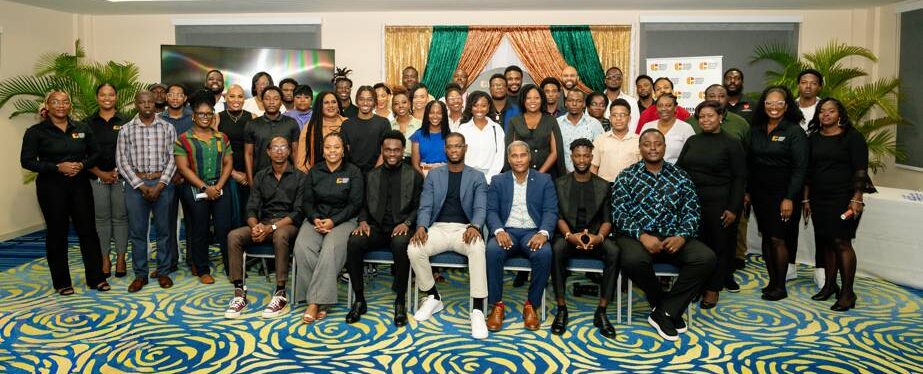
    Grenada is strategically positioning its creative talent for global opportunities following the successful conclusion of specialized animation and multimedia training. The Grenada Office of Creative Affairs (GOCA) hosted a closing ceremony on December 12th for its “In Motion and In Focus” masterclasses, marking a significant investment in the nation’s creative economy.

    Implemented in collaboration with Ghana’s AnimaxFYB Studios, the intensive program provided comprehensive hands-on training in photography, videography, livestreaming, and animation techniques. Francis Y Brown, founder of AnimaxFYB Studios and lead instructor, emphasized the global context of this initiative: “The creative economy contributes over $2.2 trillion to global GDP and employs more than 30 million people worldwide. Animation, multimedia and digital content represent among the fastest growing segments, with the global animation industry projected to surpass $500 billion by 2030.”

    Brown articulated the program’s mission: “We arrived in Grenada with a clear objective to equip its citizens with world-class creative skills and position them to participate in a rapidly expanding global industry, ensuring Grenada’s talent is not excluded from this growth.”

    The program’s effectiveness was demonstrated through two substantial student projects. The multimedia class produced “The Last Jab,” showcasing their acquired skills in scripting, directing, and cinematography. Simultaneously, the animation class created “Oil Down Animals,” an original animated piece of cultural significance that Brown noted “demonstrates that with proper guidance, Grenadian talent can meet and exceed competitive standards.”

    Participant Milissa Thomas expressed gratitude to both the instructors and GOCA, stating: “We entered this programme as individuals, but we are walking away as animators, filmmakers and storytellers. We discovered skills, confidence and a sense of direction many of us did not know we needed. Opportunities like this aren’t just training—they are building blocks for an industry that will shape the future of Grenadian artists.”

    The government reinforced its commitment through tangible support. Orlando Roman, Advisor for the Creative Economy, announced: “Each graduate of this programme will receive a grant to assist with the acquisition of essential tools, including software and other equipment, enabling continued development of their work.”

    Senator the Hon. Adrian Thomas, Minister for Tourism, Creative Economy and Culture, congratulated graduates while emphasizing their role in Grenada’s creative future: “The future of animation, digital media and creative technology in Grenada is bright and begins with you. Let us continue to unlock industries that were once unimaginable in our small island, but which now represent our greatest potential.”

  • PM Skerrit says U.S. travel ban is a surprise since Dominica has complied with U.S. requirements

    PM Skerrit says U.S. travel ban is a surprise since Dominica has complied with U.S. requirements

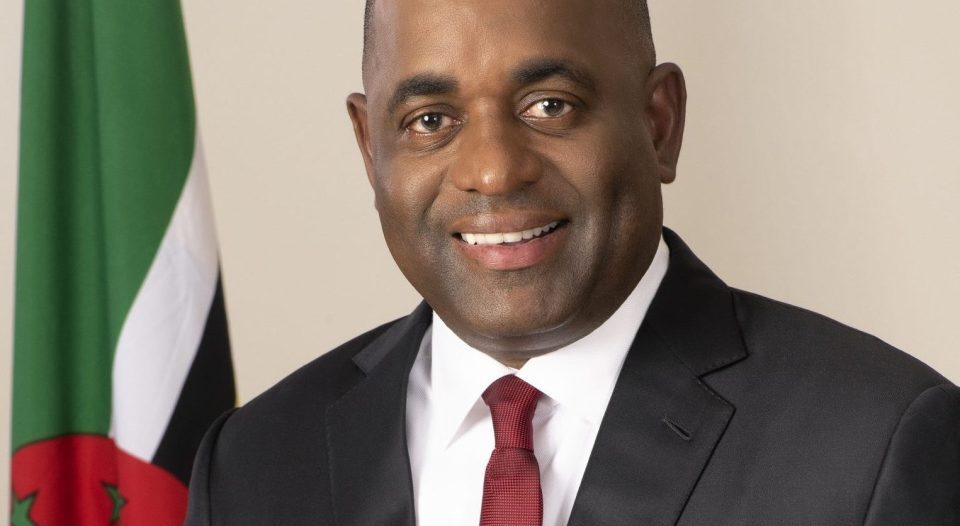
    Prime Minister Roosevelt Skerrit of Dominica has expressed profound surprise regarding the United States’ recent decision to impose entry restrictions on Dominican citizens. The measure, enacted through a presidential proclamation signed on December 16, 2025, by President Donald Trump, cites national security concerns and weaknesses in foreign identity-management systems as justification.

    During a live radio interview on DBS Radio, PM Skerrit clarified that while his government respects U.S. sovereignty, the rationale behind the decision appears contradictory. The U.S. government specifically cited Dominica’s Citizenship by Investment (CBI) program lacking a residency requirement as a primary concern. However, Skerrit revealed that Dominica had recently enacted comprehensive legislation on October 15, 2025, that explicitly establishes residency requirements—a framework developed with direct input and approval from various U.S. government departments, including the Treasury Department and the U.S. Embassy in Barbados.

    The Prime Minister disclosed that immediate contacts with U.S. officials yielded further surprise, as Embassy and State Department contacts indicated they had no prior formal information about the restrictions and were themselves surprised by the White House’s action. Skerrit characterized this development as a potential miscommunication between different branches of the U.S. government.

    Skerrit emphasized his administration’s commitment to resolving the matter through diplomatic channels, with formal communications being sent to seek clarification and urge reconsideration. He simultaneously urged calm among Dominican citizens, assuring them that his government would maintain transparency throughout the process.

    The Prime Minister also highlighted the critical importance of the CBI program to Dominica’s economic resilience, noting its essential role in funding disaster recovery efforts following Tropical Storm Erika, Hurricane Maria, and the COVID-19 pandemic, as well as financing vital infrastructure projects including hospitals, schools, and roads. He contextualized Dominica’s program within global practices, noting that many developed nations maintain similar investment migration programs.

    Skerrit concluded by expressing confidence that through continued dialogue, the situation could be resolved, emphasizing that if the stated reason is indeed the residency requirement, it has already been addressed with U.S. cooperation and approval.

  • Grenada and WIPO host Caribbean Creative Industries Music Forum

    Grenada and WIPO host Caribbean Creative Industries Music Forum

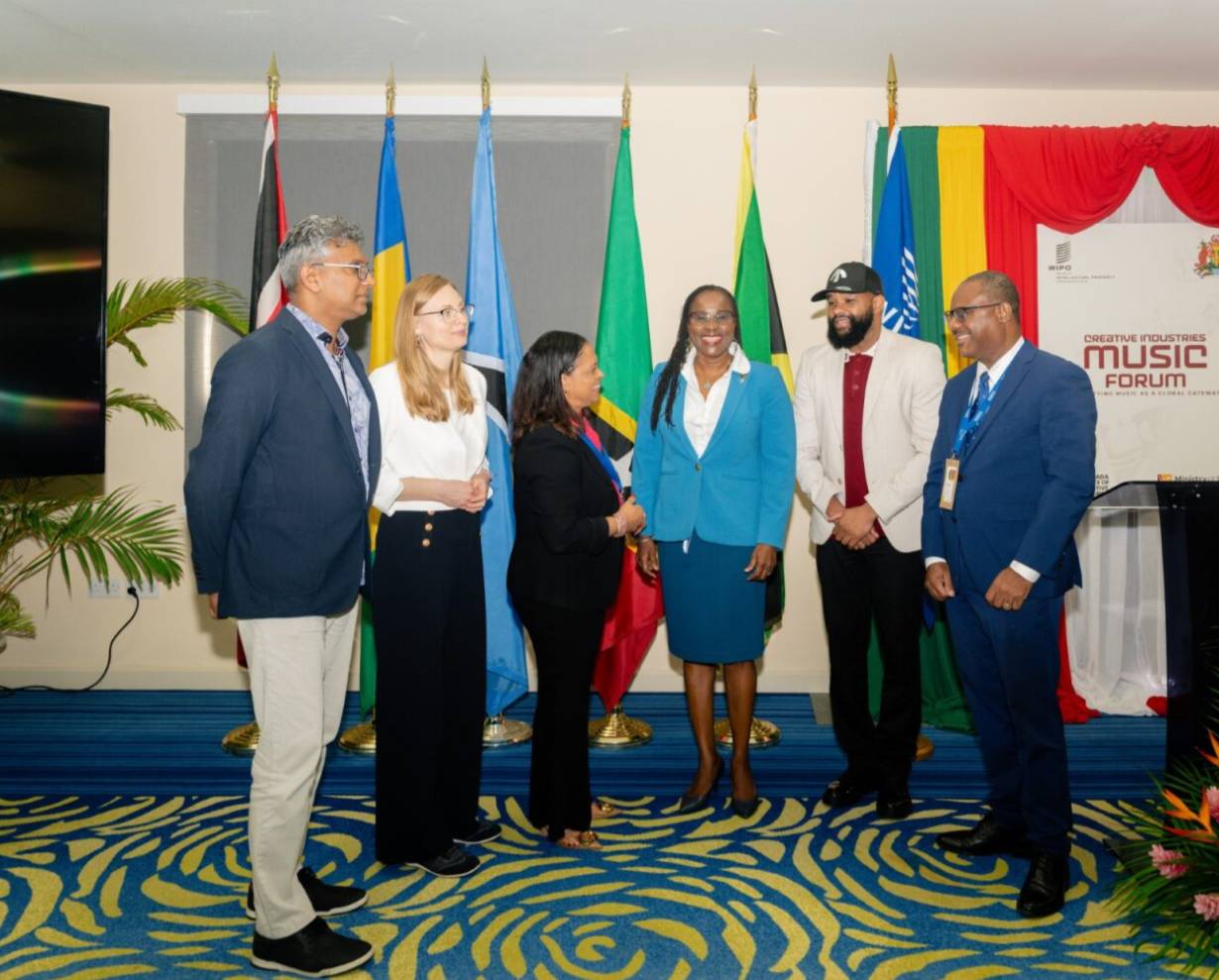
    Grenada served as the strategic epicenter for regional music innovation from December 9-11, hosting the World Intellectual Property Organization (WIPO) Caribbean Creative Industries Music Forum. Under the thematic banner “Amplifying Caribbean Music as a Global Gateway,” the event convened music industry stakeholders, government representatives, and international experts to architect a transformative framework for the sector’s future.

    The tripartite forum, jointly organized by WIPO and Grenada’s Ministries of Legal Affairs, Labour and Consumer Affairs, and Tourism, Creative Economy and Culture, assembled facilitators from five continents to address the digital revolution’s impact on musical creation and distribution. Participants engaged in intensive workshops to develop actionable strategies for leveraging intellectual property systems as catalysts for sustainable industry growth.

    Carol Simpson, WIPO’s Acting Director for Latin America and the Caribbean, framed the urgent necessity for this regional collaboration: “The global creative landscape is undergoing seismic shifts that outpace our conventional understanding. Streaming platforms, algorithmic recommendations, and data-driven markets have fundamentally reconfigured music creation and consumption patterns, while simultaneously introducing unprecedented challenges for creator protection.” Simpson emphasized that intellectual property transcends bureaucratic formalities, representing instead “the essential infrastructure that ensures fair compensation for creatives, enables confident investment by producers, and allows governments to construct durable creative ecosystems.”

    The forum’s inaugural day dedicated specific attention to Grenada’s domestic music industry, facilitating collaborative sessions between local musicians, producers, recording artists, and industry partners. These discussions yielded practical solutions for developing a national roadmap toward a flourishing creative economy.

    Senator Adrian Thomas, Minister for Tourism, Creative Economy and Culture, articulated the government’s strategic vision during the opening ceremony: “Our administration has executed targeted investments in the creative sector over three years as part of a comprehensive national strategy. We are building a skilled, competitive, and globally connected industry where intellectual property serves as the foundational element for modern music ecosystem development.”

    A landmark announcement emerged from Senator Claudette Joseph, Attorney General and Minister for Legal Affairs, Labour and Consumer Affairs, revealing Grenada’s accession to the Madrid Protocol for international trademark registration. This strategic move, effective April 2026, will provide Grenadian entrepreneurs and creatives with cost-effective mechanisms for trademark protection across 130+ countries through a single WIPO application.

    The forum concluded with participants committing to implement concrete measures that strengthen copyright frameworks, enhance collective management organizations, and establish digital registries—creating the necessary conditions for Caribbean music to achieve amplified global resonance while ensuring equitable benefits for its creators.

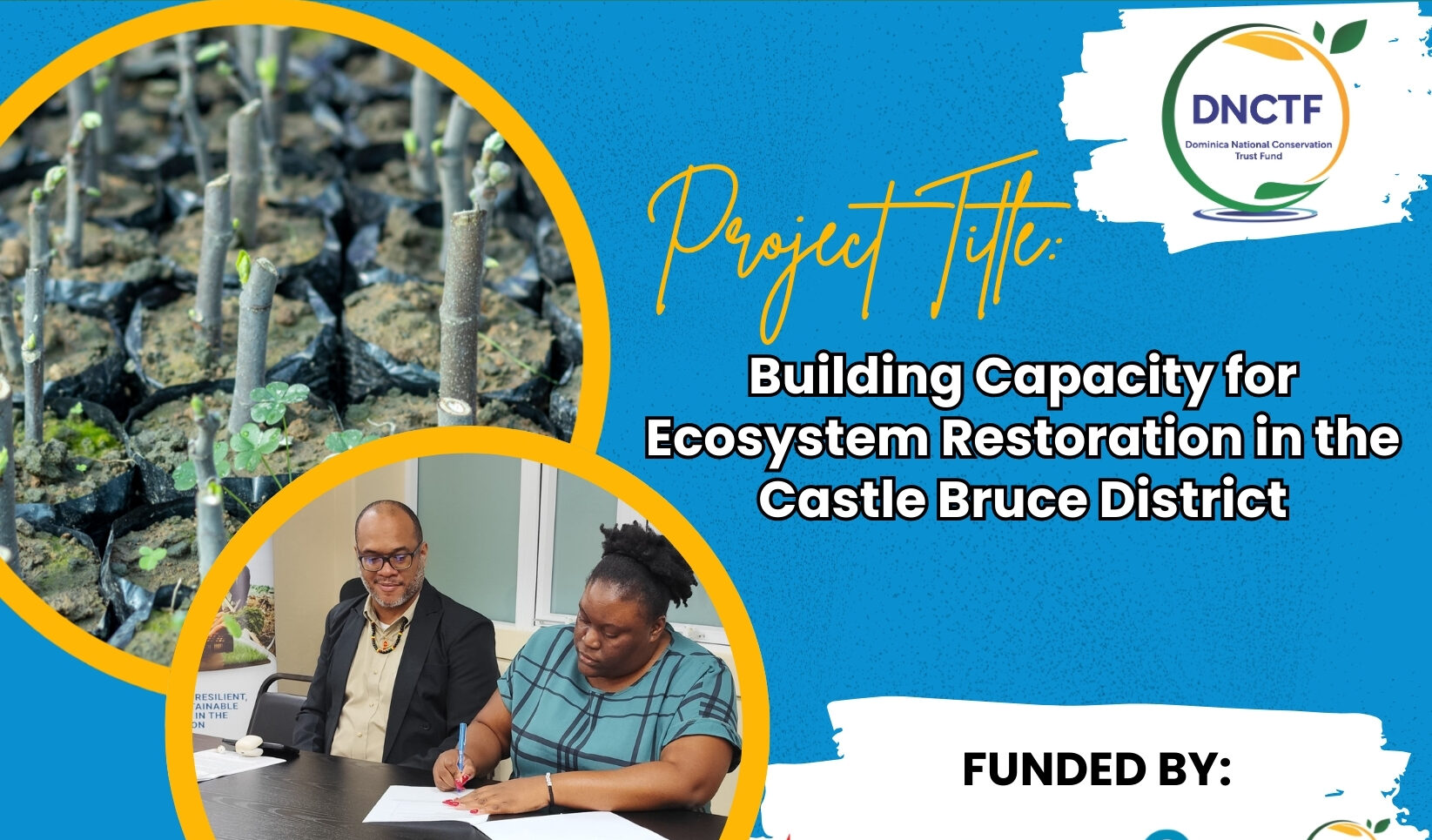
  • AKTA announces plans for awarded grant, to strengthen ecosystem restoration and community livelihoods in Castle Bruce

    AKTA announces plans for awarded grant, to strengthen ecosystem restoration and community livelihoods in Castle Bruce

    The Anse Kouanari Tourism Association (AKTA) has unveiled comprehensive plans for a groundbreaking environmental initiative funded by the Dominica National Conservation Trust Fund. Titled “Building Capacity for Ecosystem Restoration in the Castle Bruce District,” the project represents a significant investment in community-led conservation efforts supported by multiple international partners including the Caribbean Biodiversity Fund, CUSO International, and the Government of Canada.

    This strategically located initiative targets the biodiverse yet vulnerable Castle Bruce District, situated adjacent to both the Kalinago Territory and the Morne Trois Pitons National Park. The region faces mounting environmental pressures including land degradation, climate change impacts, and diminishing native plant populations. The project directly addresses these challenges through a multi-faceted approach centered on ecological restoration and community empowerment.

    The comprehensive program encompasses four primary components scheduled to commence in the coming weeks. First, extensive training sessions will equip up to 25 participants—including local farmers, community residents, and agricultural students—with advanced skills in plant propagation techniques such as budding, grafting, and nursery management. Second, educational resources will be developed including a visually accessible pictorial guide documenting native, indigenous, and pollinator-friendly agroforestry species.

    Third, the establishment of three specialized nurseries will form the project’s productive backbone. These facilities will be managed by a woman farmer, the Castle Bruce Secondary School, and a local model farm, collectively producing hundreds of native plants for reforestation and soil stabilization. Fourth, a community-wide agroforestry planting initiative will be implemented with ongoing mentorship and monitoring systems to ensure long-term viability.

    Project organizers anticipate substantial environmental and socioeconomic benefits including enhanced pollinator habitats, improved soil stability, increased availability of native plant species, and strengthened community capacity in sustainable agriculture practices. The initiative also creates new livelihood opportunities in nursery management and agroforestry, building upon AKTA’s previous successful beekeeping programs to integrate apiculture with broader conservation objectives.

    AKTA will collaborate with key institutional partners including Dominica’s Ministry of Agriculture, Fisheries, Blue and Green Economy; the Forestry, Wildlife and Parks Division; the National Beekeepers Cooperative Society; and educational institutions. Project Manager Naomi Bannis-Sampson expressed gratitude for the funding, stating: “This enables us to grow knowledge, grow trees, and grow opportunities for communities across the Castle Bruce District,” highlighting the transformative potential of this community-driven conservation investment.