博客

  • Chief Justice shops reforms to boost criminal law practice

    Chief Justice shops reforms to boost criminal law practice

    As the Caribbean nation of Barbados confronts a growing crisis of declining legal practitioners specializing in criminal law, the country’s top judicial officer has laid out a sweeping set of institutional reforms to reverse the trend and unclog a years-long backlog of criminal cases. In an address marking the opening of the 2026/2027 legal year at a special sitting of the No. 1 Court in the Supreme Court Complex, Chief Justice Leslie Haynes emphasized that piecemeal fixes would not solve the shortage, arguing that deep-rooted structural changes are required to make criminal law practice appealing to the next generation of legal professionals.

    Haynes pointed to rising educational debt loads carried by newly graduated attorneys as one of the core deterrents pushing young legal professionals away from criminal practice, noting that many seek higher-paying or more stable work outside of the criminal bar. To address this barrier, he put forward two key policy proposals. First, he called for a significant increase in public funding for the Community Legal Services Department, widely known as Legal Aid. The additional resources would allow early-career attorneys to take on less severe criminal cases – including wounding and grievous bodily harm matters – building practical experience gradually before moving up to high-stakes cases such as murder, manslaughter and serious sexual offenses.

    His second major proposal is the creation of a dedicated Public Defender’s Office, a state-run institution that would provide a structured, stable career track for legal professionals interested in criminal law who value the job security of public sector employment over the uncertainty of private practice. Beyond funding and institutional restructuring, Haynes also called on senior members of the legal profession to step up their mentorship of young attorneys, framing this support as a critical investment in the long-term future of the criminal justice system. He urged senior counsel to actively guide new entrants to the field, while encouraging young lawyers to consider building their careers in criminal practice.

    Alongside his proposals to address the attorney shortage, Haynes delivered a comprehensive update on the state of Barbados’ court system, which is still recovering from significant disruptions caused by the COVID-19 pandemic. He acknowledged that criminal court teams – including judges, prosecutors and defense counsel – have maintained essential operations despite longstanding challenges, including the absence of a dedicated criminal registry and consistent juror shortages. He revealed that the judiciary is now in the critical phase of establishing the long-awaited criminal registry, a change expected to cut down on excessive delays that leave criminal cases stagnating in the system for years. As an example of the scope of the backlog problem, Haynes noted that two cases over a decade old were recently brought to his attention. As of December 31, 2025, the total backlog of pending criminal cases stood at 1,382, with the largest categories including unlawful firearms possession, sexual offenses, burglary and murder.

    Haynes also shared detailed data showing a steady recovery in case disposal rates after the pandemic-induced slump. When the COVID-19 outbreak was at its peak in 2020, High Court civil judges issued 113 written decisions, 88 of which were full High Court rulings and 25 related to applicant matters. In 2021 and 2022, as the pandemic continued to disrupt court operations and slow litigation across the country, disposal rates dropped to 76 and 69 written decisions respectively. From 2023 onward, the numbers began a gradual upward trend, hitting 76 decisions in 2023 and 71 in 2024, with High Court disposals accounting for 86 percent of all resolved matters in both years. By 2025, the number of written decisions issued reached 125 – surpassing the 2020 pre- and peak-pandemic levels for the first time in five years. As of August 2026, 82 written decisions have already been issued, putting the court on track to continue this positive trajectory. Haynes noted that the addition of new judicial officers has been a key factor driving the increase in resolved cases.

    For the Court of Appeal’s criminal division, Haynes reported that approximately 200 active appeals were pending as of July 31, 2026. Only two of these appeals were initiated in 2022, with 42 filed in 2023, and the remainder opened between 2024 and the present. Of the 14 outstanding appeals that predate 2019, nine are civil and five are criminal. Progress has already been made on these legacy matters: two civil appeals have been discontinued, three are awaiting further case management to reach resolution, three have been scheduled for retrial, and one is no longer being prosecuted. On the criminal side, two appeals have been abandoned, one has been reheard with a decision pending, and one has been scheduled for retrial. For all appeals filed after 2019, Haynes confirmed that significant progress has been made, with a large number of pending decisions on track to be delivered before the 2026 Christmas holiday break.


  • Police Seize 30 Pounds of Cannabis, Over EC$10,000 During Stop and Search

    Police Seize 30 Pounds of Cannabis, Over EC$10,000 During Stop and Search

    In a recent push to crack down on illicit drug activity across the twin-island nation, the Royal Police Force of Antigua and Barbuda has scored a major win as part of its sustained crime reduction campaign. Law enforcement officers confiscated roughly 30 pounds of cannabis and more than EC$10,000 in mixed regional and U.S. currency during a targeted stop-and-search operation carried out Monday morning in the Creekside district.

    The operation unfolded at approximately 7:45 a.m. on September 14, 2026, when members of the Criminal Investigations Department Task Force (CIDTF), a specialized unit focused on disrupting organized criminal activity, were conducting routine patrols and compliance checks in the Creekside area. During their patrol, officers intercepted a white Toyota Ractis carrying three male occupants, pulling the vehicle over for a mandated search under existing police powers.

    Upon searching the interior and exterior of the vehicle, law enforcement personnel uncovered a large stash of plant material that field testing preliminarily identified as cannabis. Alongside the suspected narcotics, investigators also found a combination of Eastern Caribbean dollar banknotes and United States currency totaling more than EC$10,000, a sum believed to be proceeds from illegal drug trafficking.

    All three men inside the vehicle were taken into police custody immediately, arrested on formal suspicion of unlawful possession of cannabis with intent to traffic. They remain in detention as investigators carry out further questioning to build their case and uncover potential links to larger drug distribution networks operating in the region.

    Under Antigua and Barbuda’s controlled substances laws, unlawful possession of large quantities of cannabis carries severe criminal penalties, including lengthy prison sentences and substantial fines. The seized narcotics, cash, and the suspect vehicle have been impounded by authorities as evidence, and remain part of an active, ongoing investigation into the case. The Royal Police Force has indicated it will release additional details to the public as the investigation progresses, reaffirming its commitment to rooting out drug-related crime and protecting community safety across the country.

  • Gun courts by January – CJ

    Gun courts by January – CJ

    Barbados’ top judicial leader has announced a firm timeline for the launch of two specialized gun-focused courts, part of a broader push to clear a backlog of firearms-related cases and reduce systemic pressure on the island nation’s entire court network. Chief Justice Leslie Haynes made the announcement Monday during the ceremonial opening of the 2026-2027 legal year, held at the Supreme Court Complex’s Court No 1.

    Haynes confirmed that the two dedicated gun courts will be fully operational no later than next January, adding that collaborative work between the Office of the Attorney General and the Ministry of Legal Affairs puts the project on track to launch well ahead of that January deadline. The specialized courts, created to exclusively handle cases of unlawful firearms possession, will be based at the Henry Forde and David Simmons Legal and Judicial Complex located on Coleridge Street.

    The Chief Justice openly acknowledged ongoing space constraints that have challenged the judiciary’s expansion plans, noting that recent renovation work at the Forde-Simmons Complex and growth in judicial staffing at the Supreme Court have made the space shortage more acute than ever. To address this, Haynes said court administrators are taking a creative approach to space allocation, which is reflected in the judiciary’s updated capital improvement plan. He highlighted the long-delayed rehabilitation of the St. Matthias court complex, confirming that planning for that project is now in its final advanced stages.

    Alongside the St. Matthias renovations, four other key infrastructure projects are moving forward this term. First, construction will soon begin on a redesigned public waiting area for District A magistrate courts, a change designed to uphold the dignity of all visitors accessing court services. Second, ongoing roof repair work at the main Supreme Court Complex will continue. Third, the Supreme Court Complex will add two entirely new courtrooms, as well as dedicated meeting spaces for attorneys who travel to the complex for cases. Haynes called the full slate of projects an ambitious agenda, but stressed that the judiciary is committed to delivering tangible, positive results for the public.

    In addition to physical infrastructure upgrades, the judiciary is also rolling out digital improvements to streamline processes and reduce strain on other government agencies. Haynes revealed that internet bandwidth is currently being upgraded at every magistrate court across the island to enable virtual hearings for bail applications. Once the upgrade is complete within the next few months, virtual bail hearings will become the standard practice. This change will eliminate the need to transport inmates from correctional facilities to local magistrate courts for these hearings, freeing up overstretched Barbados Prison Service resources to be deployed to other critical needs.

    Haynes added that the upgraded internet capacity will unlock a range of other administrative improvements, including the ability to conduct daily reviews of core magistrate court administrative tasks: these include processing incoming and outgoing funds, managing child maintenance payments, debt collection, and financial enforcement actions.

    The Chief Justice also shared new details on the planned new judicial complex at Six Roads, which will include a centralized command center for financial administration across the magistrate court system. Currently, each individual magistrate court maintains its own separate bank account, a fragmented system Haynes described as an administrative nightmare that fails to meet modern transparency standards. The new centralized command center will oversee all collection of fines, court fees, and other payments, as well as all disbursements for things like child maintenance and debt settlements, greatly improving accountability for all public funds handled by the magistrate court system.

  • G20-energieoverleg in VS terwijl oorlog met Iran wereldwijde brandstofmarkten verstoort

    G20-energieoverleg in VS terwijl oorlog met Iran wereldwijde brandstofmarkten verstoort

    The G20 energy ministerial meeting kicked off on Monday in Houston, Texas, bringing together top energy officials from the world’s largest economies to address mounting crises in global energy markets. Convened under the United States’ rotating presidency, the gathering is formally aimed at advancing the goal of expanded global energy abundance, but its agenda has been completely overshadowed by the ongoing conflict between the Trump administration and Iran that has thrown worldwide fuel markets into chaos.

    The three-day meeting, running through Wednesday, hosts delegations from major G20 economies including China, India, Japan and Germany, alongside major oil-producing members Canada and Saudi Arabia. Russia has confirmed it will send a cross-agency delegation composed of representatives from its foreign ministry, energy ministry, and mineral resources department. In a notable deviation from standard protocol, non-G20 member Venezuela has also been invited to hold a series of bilateral talks on the sidelines of the main summit, a move widely interpreted as Washington’s attempt to secure additional crude oil supplies from the South American nation amid existing market shortages.

    The summit convenes at a moment of unprecedented pressure on global energy systems. Since the joint military strikes on Iran carried out by the United States and Israel in February, oil and gas shipments passing through the Strait of Hormuz – a chokepoint that carries roughly a fifth of the world’s daily oil consumption – have faced severe, persistent disruption. Data from the American Automobile Association (AAA) shows the average retail diesel price in the U.S. has surged to a record high of $6.20 per gallon, while regular gasoline prices sit 44 percent above pre-war levels. Across the Atlantic, European nations are scrambling to address alarmingly low natural gas inventories heading into the upcoming winter heating season.

    A June report from the International Energy Agency (IEA) laid bare the full scale of the ongoing crisis, projecting that global oil demand will decline by 1.1 million barrels per day in 2026, while global supplies dropped by a sharp 5 million barrels per day in the second quarter of the year. Between April and May, global crude stocks fell by more than 220 million barrels, and government-held emergency reserves in OECD countries have dropped to their lowest level since December 1990.

    U.S. organizers have framed the meeting’s core priority as expanding affordable, reliable, and secure access to energy for all nations. U.S. Energy Secretary Chris Wright and Secretary of the Interior Doug Burgum are leading the summit negotiations.

    Political analysts have noted that the domestic political fallout from the energy crisis is already starting to impact the Trump administration. Skyrocketing fuel prices have sparked deep concern among Trump’s Republican Party ahead of November’s midterm elections. Trump himself has recently claimed that Iran is deliberately prolonging the conflict to damage his party politically, and has predicted the war will end “immediately” after the votes are counted.

    India’s Energy Minister Manohar Lal has already arrived in Houston for the proceedings. He is set to use his address at the core plenary session to advocate for a “pragmatic, technology-neutral” approach to global energy transition, and will outline India’s recent domestic reforms to streamline energy project permitting and diversify supply chains for critical energy minerals.

  • Expo Belize Marketplace Marks 30 Years with Nearly 10,000 Visitors

    Expo Belize Marketplace Marks 30 Years with Nearly 10,000 Visitors

    One of Belize’s longest-running and most beloved business events wrapped up its milestone 30th iteration over the weekend of September 12–13, 2026, delivering record turnout and robust economic activity that organizers say underscores the event’s enduring value to the country’s commercial ecosystem. Held at Belize City’s iconic Marion Jones Sports Complex, this year’s Expo Belize Marketplace drew nearly 10,000 attendees across the two days, outpacing total visitor numbers from 2025 even with challenging weather conditions, the Belize Chamber of Commerce and Industry (BCCI), the annual expo’s organizer, confirmed.

    Despite steady rain during the early opening hours on the first day and unseasonably high midday temperatures that kept crowds thinner through the lunch window, foot traffic surged sharply in the late afternoon, pushing final attendance above last year’s benchmark. BCCI representatives noted that beyond strong turnout, the 30th anniversary expo saw noticeably higher consumer spending across all sectors, with small local vendors and large established businesses alike reporting strong sales numbers. For participating companies, the event served as a critical opportunity to showcase new products and services, build direct relationships with local customers, and strengthen brand recognition across the country.

    Marked by the official theme “Expo Belize Market Place – The Original Expo: 30 Years of Connecting Business, Creating Opportunities,” the milestone anniversary featured a range of special activities to engage visitors and honor the expo’s three-decade legacy. Organizers launched a unique “30 for 30” shopping challenge designed to encourage attendees to support more participating vendors, alongside hourly prize giveaways that kept crowds engaged throughout both days. The event also featured a full lineup of local entertainment, including live performances from popular Belizean acts Super Furia, Supa G, and Vida Magz, with the Expo House Band providing continuous music between sets.

    To recognize outstanding participation from businesses, BCCI awarded a series of honors across multiple categories at the conclusion of the expo. Smart Belize took home two of the event’s top awards: Overall Business Excellence and Marketing Excellence. Local micro-enterprise Taste by Tess was honored as the Most Outstanding Micro Entrepreneur, while Zesty Squeeze earned the title of Most Outstanding Youth Entrepreneur. In the food vendor category, Pickle La Cochinita Pibil Tacos took home the award for Most Outstanding Food Booth, and Digi Belize was recognized with the Most Innovative Excellence award for its display.

    As the expo continues to grow in attendance and scope year after year, BCCI once again emphasized that expanding access to a fully enclosed, weather-resistant venue remains a top priority for the organization. The unpredictable weather faced during this year’s anniversary event reinforced the urgent need for a purpose-built indoor facility that can accommodate growing crowds without disruptions from rain or extreme heat, organizers noted, as the expo enters its fourth decade of supporting Belize’s local economy.

  • Family Left Homeless After Belize City Fire

    Family Left Homeless After Belize City Fire

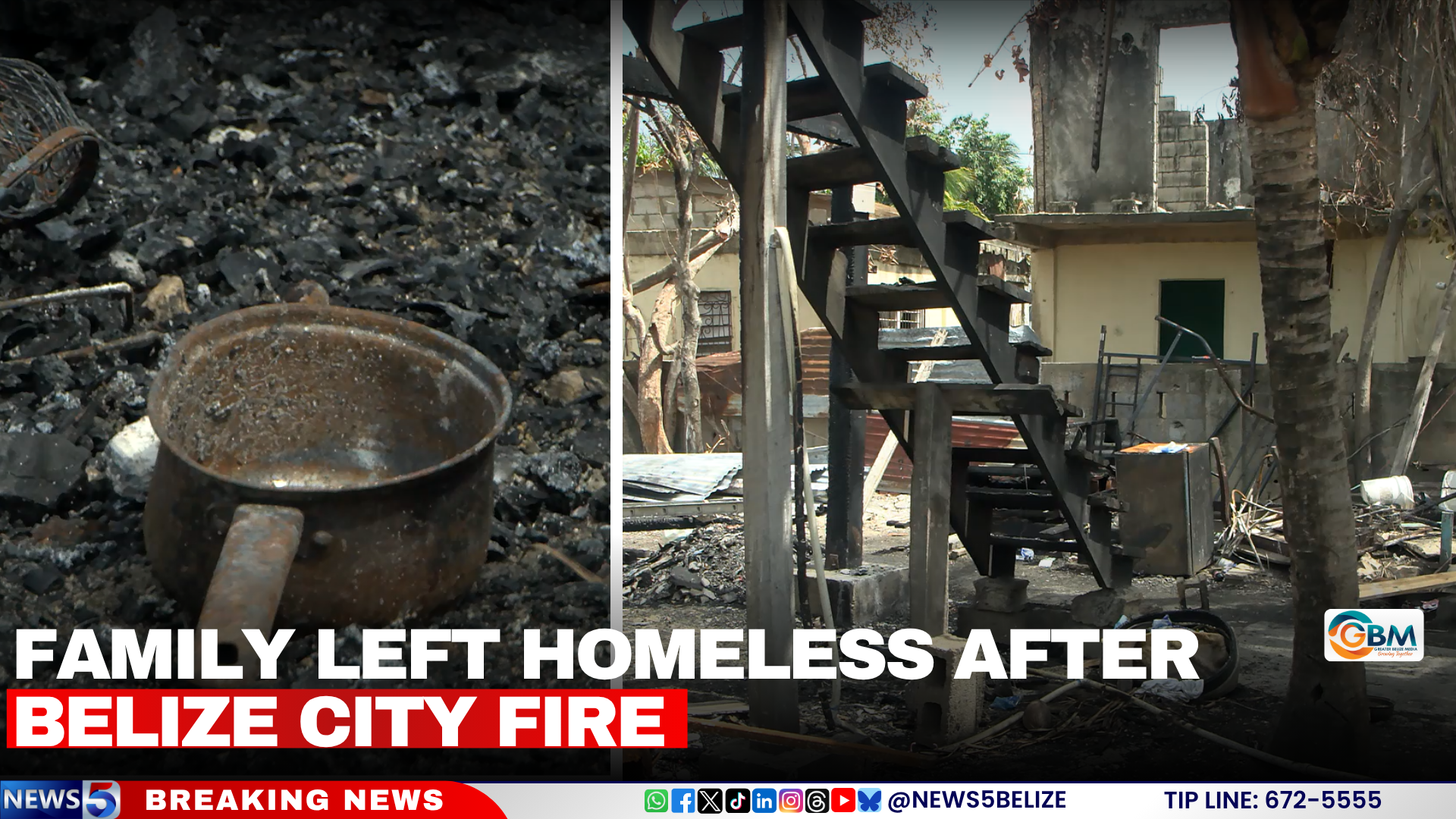
    On the night of September 14, 2026, a destructive fire tore through a residential property on T Street in Belize City, leaving Ashlyn Diaz and her entire family displaced and without shelter after all their personal possessions were consumed by the flames.

    Diaz, who was inside the residence when the fire first ignited, managed to escape the burning structure, but by the time she reached safety and turned back, the entire house was already engulfed in raging fire. In her desperate attempt to get out, Diaz sustained a minor burn to one of her hands, and she was unable to retrieve any of her or her family’s belongings before the building became unreachable.

    Asia August, Diaz’s sister, was not present at the property when the fire broke out. August confirmed that while Diaz suffered a minor burn, there were no fatalities or serious injuries among any family members connected to the incident.

    The affected family has voiced suspicion that the fire was set intentionally, though as of the time of reporting, no formal police report has been submitted to local authorities. In the wake of the disaster, Diaz and her relatives are now reaching out to the local community for urgent support. They are requesting donations of basic necessities including clothing and general household items, as well as building materials such as lumber to fund and execute the reconstruction of their home. Diaz told reporters she is still currently searching for temporary accommodation for her family while they work to get back on their feet.

    Community members who wish to provide any form of assistance to the Diaz family can reach out to the family directly by calling the contact number 634-5037.

  • Gender Affairs Minister calls for renewed action on violence against women

    Gender Affairs Minister calls for renewed action on violence against women

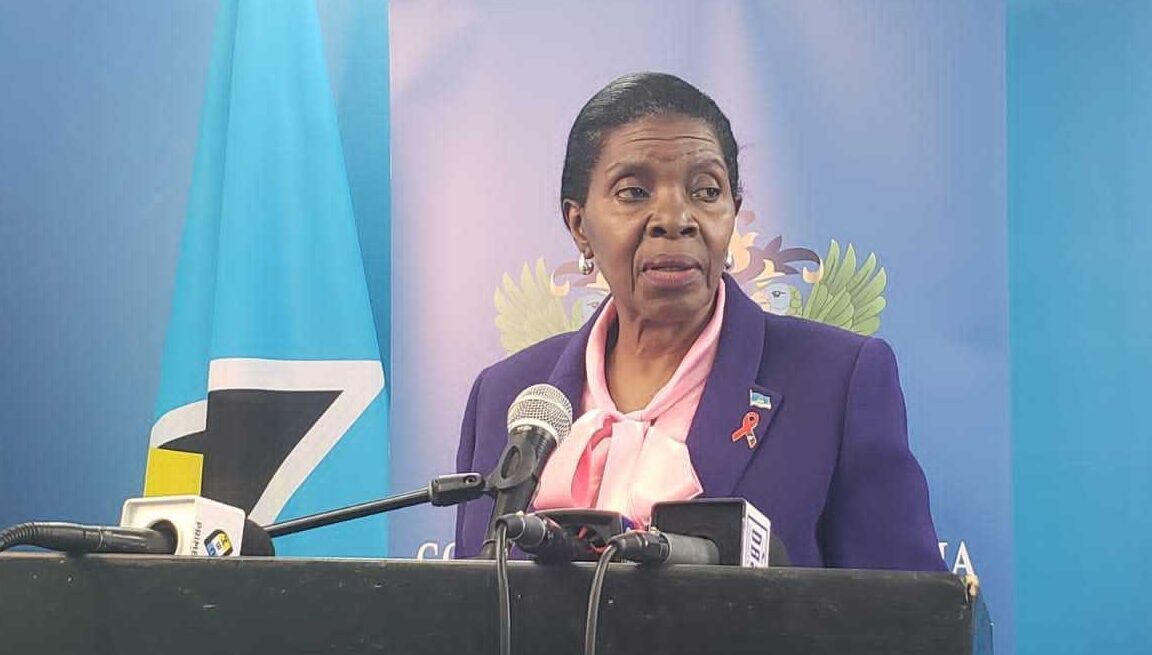
    A gruesome new discovery has reignited calls for urgent, unified action to counter a rising tide of violence against women in Saint Lucia. After the body of a young woman was found along the Millennium Highway, Gender Affairs Minister Emma Hippolyte has demanded a renewed national commitment to tackling this ongoing public safety crisis.

    In an official statement released Monday by the country’s Department of Equity, Social Justice, Gender and Older Persons, authorities confirmed the latest killing is a source of profound national alarm. The incident comes on the heels of a troubling upward trend in missing person reports, with women disproportionately represented among those unaccounted for, and the murder of another young mother, Joy St Omer, just four months prior.
    Minister Hippolyte emphasized that growing public outcry over the apparent escalation of gender-based violence makes clear that existing national strategies to eliminate these harmful acts are falling short of what communities need. Many Saint Lucians, she noted, are now calling for entirely new approaches to address the crisis.

    “A country simply cannot prosper when its people live in fear of harm,” Hippolyte said. “Equally, we cannot make progress when we are divided in our response to this crisis.”
    The minister has urged all Saint Lucians to reaffirm their shared commitment to eradicating violence in every form, from street harassment to fatal gender-based attacks. She stressed that meaningful change demands both honest individual self-reflection and coordinated collective action: stakeholders must examine how individual behaviors and systemic gaps contribute to the crisis, and build targeted solutions that work across individual, community, and institutional levels.

    The Department of Equity, Social Justice, Gender and Older Persons holds responsibility for coordinating cross-sector social interventions, partnering with stakeholders across national security, public health, justice, and education, as well as grassroots civil society organizations. Hippolyte confirmed the department will ramp up its collaborative work with relevant agencies, members of the public, families impacted by violence, and non-governmental organizations working on the frontlines of the crisis.

    “As Minister, I want to reassure the public that the department is intensifying every effort to work with all relevant agencies and community members to reverse this troubling trend,” Hippolyte said. “We will deepen our engagement with families of violence victims and the NGOs that support them, and we will center their perspectives as we shape responses that meet their needs and concerns.”
    Hippolyte also issued a cross-sector appeal for all Saint Lucian institutions and community members to join the effort to build safer public spaces, prioritizing the safety of children, women, older persons, and other structurally vulnerable groups across the country.

    “I am therefore calling on every sector to stand alongside the social sector in this work,” she said. “Together, we must demand and build safer spaces for all people, especially those who face the greatest risk of harm in our society.”
    Ending violence against women and all forms of pervasive community violence is a shared responsibility, Hippolyte added, closing with a call for all residents to speak out against abuse, take targeted action to protect vulnerable community members, and stand in solidarity with one another to create lasting change.

  • Dominican Republic energy company recommends improvements to GPL

    Dominican Republic energy company recommends improvements to GPL

    On Monday, September 14, 2026, Guyana’s President Irfaan Ali publicly admitted that state-owned utility Guyana Power and Light (GPL) has failed to expand its infrastructure fast enough to match the country’s rapid economic and population growth, one day after former electricity minister David Patterson publicly slammed the administration for its mismanagement of the national power sector.

    Patterson, a critic of the current government, delivered his scathing rebuke over the weekend, arguing that the ongoing electricity shortages plaguing commercial and residential consumers across the country are entirely preventable. He pointed out that officials have long known that each new hotel coming online adds roughly 1.5 megawatts of extra demand to Guyana’s aging transmission network, yet the government failed to proactively expand capacity to stay ahead of growing needs.

    The former minister also criticized the administration’s lopsided focus on the long-delayed 300 megawatt natural gas-fired power plant, which has remained under construction for five years. In the interim, the government has relied on a costly temporary fix: two rented power ships from Turkish provider Karpowership, costing taxpayers more than $200,000 per day. Patterson argued that instead of wasting funds on long-term rentals, the government should have purchased and installed additional permanent generators years ago to meet rising demand.

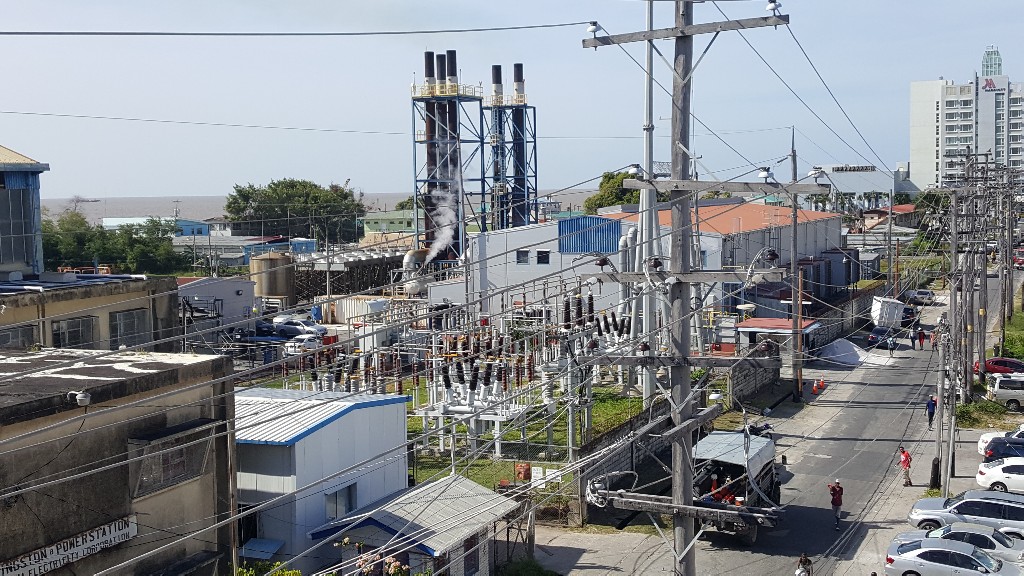
    Responding to the criticism, President Ali confirmed the severity of the gap between supply and demand, citing data from an independent assessment carried out by InterEnergy, a private energy firm headquartered in the Dominican Republic. The assessment found that electricity demand on Guyana’s main Demerara-Berbice Interconnected System (DBIS), which serves roughly 230,000 customers, has jumped 18 percent since 2024 – rising from 205 megawatts to 242.6 megawatts by August 2026. For context, this growth rate is far above the regional average of just 4 percent across Latin America and the Caribbean. Looking ahead, InterEnergy projects that total demand will surge 138 percent by 2029, meaning Guyana will need double its current generation capacity within five years to keep up with its development trajectory.

    Ali stressed that the status quo of an unreliable, underbuilt power grid is no longer acceptable. “We cannot continue with an unreliable system and a system that is not designed to do what the country wants it to do, what the development requires,” he said, noting that growing demand is being driven by a wave of new industrial operations, hotels, residential housing developments and commercial ventures connecting to the grid. The president added that an estimated 62,000 new customers are expected to connect to GPL’s network in coming years as growth continues.

    The Guyanese government has contracted InterEnergy at a cost of $650,000 per month to oversee upgrades to GPL’s transmission and distribution network, as well as works tied to the delayed Wales natural gas power project. Following its assessment, the firm has put forward a series of key recommendations to address the crisis. These include the creation of an independent task force focused on grid reliability, a full rollout of smart metering and digital system upgrades, the addition of substantial new generation capacity, and targeted investment in both transmission and distribution infrastructure. InterEnergy specifically emphasized that GPL cannot focus solely on expanding transmission lines while neglecting distribution, given the changing makeup of demand – including large-scale new housing developments, multi-unit apartment buildings, expanded industrial zones, and mixed commercial-residential areas.

    Recently returning from an official visit to Qatar, Ali also confirmed that the Middle Eastern nation has expressed readiness to partner with Guyana to upgrade and expand the country’s electricity sector. The president emphasized that only large-scale, long-term investment will solve the current crisis, rather than quick, temporary fixes. “We have to bite the bullet, make the investment, and this is what the report is saying – it’s not a short-term fix, and we have to, of course, hold people accountable in this process,” he stated.

    When asked about potential leadership changes or a restructuring at GPL, Ali declined to comment. He did note that the government currently provides heavy subsidies to cover GPL’s rising fuel costs, to avoid passing the full burden of higher prices onto consumers. Right now, the Minister of Finance is actively working to secure billions of additional Guyanese dollars to cover these fuel cost increases, a measure the president said is designed to protect consumers’ disposable income. GPL is currently in the midst of an $800 million project to build new high-voltage transmission lines and substations across the DBIS to expand network capacity.

  • IICA: Agriculture has the technology, but adoption remains a challenge

    IICA: Agriculture has the technology, but adoption remains a challenge

    The 2026 iteration of Digital Agriculture Week (DAW), the fifth iteration of the annual global gathering focused on agricultural digital transformation, wrapped up its four-day convening last week at the headquarters of the Inter-American Institute for Cooperation on Agriculture (IICA). The event brought together approximately 200 stakeholders from more than 25 nations, solidifying its reputation as a leading global platform for advancing technology integration in the farming and agriculture sector, per an official post-summit press release from IICA.

    Organized by IICA with backing from major regional and global institutions including the Economic Commission for Latin America and the Caribbean (ECLAC), the World Bank, the Inter-American Development Bank, and partners spanning private industry, academia, and nonprofits, the 2026 summit featured a packed schedule of expert keynote talks, collaborative knowledge-sharing sessions, panel debates, and networking opportunities. In total, more than 30 organizations backed the event, while 14 agritech startups from 13 countries across the Americas showcased their cutting-edge solutions to common production challenges. Attendees ranged from startup founders and agricultural research leaders to incubator managers, investment fund representatives, multilateral agency officials, academic researchers, and public policymakers, reflecting the cross-sector nature of agricultural digital transformation.

    This year’s core discussions centered on the role of artificial intelligence and other emerging digital innovations in building agricultural systems that are both more productive and environmentally sustainable. Delegates explored targeted strategies to align technological tools with the unique needs of specific regional territories, and to better integrate technology rollout with public policy frameworks, accessible financing options, and institutional capacity building.

    While event speakers and attendees universally acknowledged that digital innovation has dramatically expanded the set of solutions available to tackle pressing agricultural challenges—from climate risk management to smallholder financing and rural extension services—they also highlighted a growing, underaddressed gap: the slow pace at which producers are actually adopting these existing tools.

    Federico Bert, IICA’s specialist in digitalization and artificial intelligence, emphasized that adoption has emerged as a critical bottleneck slowing progress across the sector. “While there must be more innovation going forward, a greater focus on adoption is also required,” Bert explained during the summit. “We need to concentrate on stimulating the interest of producers, developing their skills, tailoring solutions to the local context, and providing sustained technical support to people who incorporate new technological solutions.”

    Other leading agricultural research and policy leaders echoed this focus on balanced, inclusive digital transformation. Silvia Massruhá, president of the Brazilian Agricultural Research Corporation (EMBRAPA), noted that AI will not replace agricultural researchers, but will instead dramatically amplify their capacity to generate actionable, impactful knowledge. She emphasized that any integration of AI must retain core priorities of scientific rigor, ethical governance, and the public mission of agricultural research. Massruhá added that EMBRAPA, which now counts 8,000 staff across 43 research units 50 years after its founding, has seen five-fold growth in productivity thanks to continuous technological advancement, and remains focused on training personnel to deploy new tools effectively.

    Miguel Sierra, president of Uruguay’s National Agricultural Research Institute (INIA), framed digital transformation and AI integration as core strategic priorities for his institution over the next five years, while noting that ongoing data validation, human expertise, and critical thinking will remain irreplaceable parts of agricultural innovation.

    Liliana Chavez, executive director of Costa Rica’s National Agricultural Technology Institute (INTA), pointed to specific, high-impact use cases for AI in agriculture, including helping address growing challenges of pest outbreaks, crop disease, and widespread soil degradation. However, she also issued a warning about the risk of widening inequality in access to digital agricultural tools, particularly as youth outmigration leaves rural communities with fewer resources to adopt new technologies. Echoing a common theme across the summit, Chavez stressed that people must remain at the center of all agricultural digital transformation efforts.

  • Milieu-inspecteurs kunnen optreden tegen vervuilde erven en illegale vuilstort

    Milieu-inspecteurs kunnen optreden tegen vervuilde erven en illegale vuilstort

    Suriname’s Ministry of Justice and Security has implemented a landmark regulatory update that grants expanded legal authority to environmental inspectors who also hold positions as special police officers, empowering them to directly issue official violation reports for a wide range of local environmental and public nuisance offenses.

    Announced in an official government order signed by Minister of Justice and Security Harish Monorath on September 4, and published in the Republic of Suriname’s Official State Gazette (Issue 90) on September 10, the amendment revises existing regulations governing the criminal processing of minor environmental offenses. The regulatory change was developed in response to a January 13 correspondence from the Attorney General at the Court of Justice, and both the Attorney General and the acting Director of Justice were consulted prior to the adjustment being finalized. The updated order includes new standardized templates for violation reports and court summons, alongside a clear, enumerated list of offenses that authorized environmental inspectors are now permitted to address during routine patrols and inspections.

    Under the new framework, eight specific offense categories are explicitly designated for direct enforcement by qualified inspectors. These include failure to clear private residential property of overgrown weeds, unkempt shrubs, accumulated waste and other debris; the illegal dumping of garbage and refuse on public or private land; and the neglect of basic property maintenance requirements. Inspectors can also penalize property owners or residents who fail to maintain the public street verge adjacent to their land, a common public nuisance that impacts local infrastructure and community aesthetics.

    Additional offenses covered by the new regulation include the abandonment of wrecked vehicles or scrapped vehicle components on public roads, and the placement of unlit objects on public roadways that create traffic safety hazards. Two fire-related violations are also added to the enforcement list: setting or leaving open fires on undeveloped private land, and lighting fires in or near vegetation owned by third parties. The first six offense categories fall under provisions of the Police Criminal Act, while the two fire-related offenses are prosecuted under Article 499, Paragraph 3 of the Suriname Penal Code.

    The new standardized violation report template outlines the step-by-step process inspectors will follow during enforcement actions. When an authorized inspector identifies a violation during an inspection, they may detain the involved party, record their personal identification information, and inform the suspect of their legal rights: that they are not required to answer questions from authorities, and that they have the right to be represented by legal counsel during proceedings.

    The regulation also establishes a formal summons process requiring suspects to appear before a cantonal judge. The summons clearly states the specific offense that was documented and the proposed settlement amount that can be paid to avoid further criminal prosecution. If a settlement is offered, the suspect can close the case by paying the designated amount no later than one day before the scheduled court hearing.

    Notably, the list of eight explicit offenses does not represent a strict limit on the enforcement authority granted to inspectors. The official reporting form includes a dedicated section to document any other violations of the Police Criminal Act or Penal Code that inspectors may identify during their work, and to issue summons for these additional offenses as needed.

    Following the publication of the order, official copies have been distributed to key Surinamese legal and law enforcement stakeholders, including the President of the Court of Justice, the Attorney General, and the Chief of the Suriname Police Force.