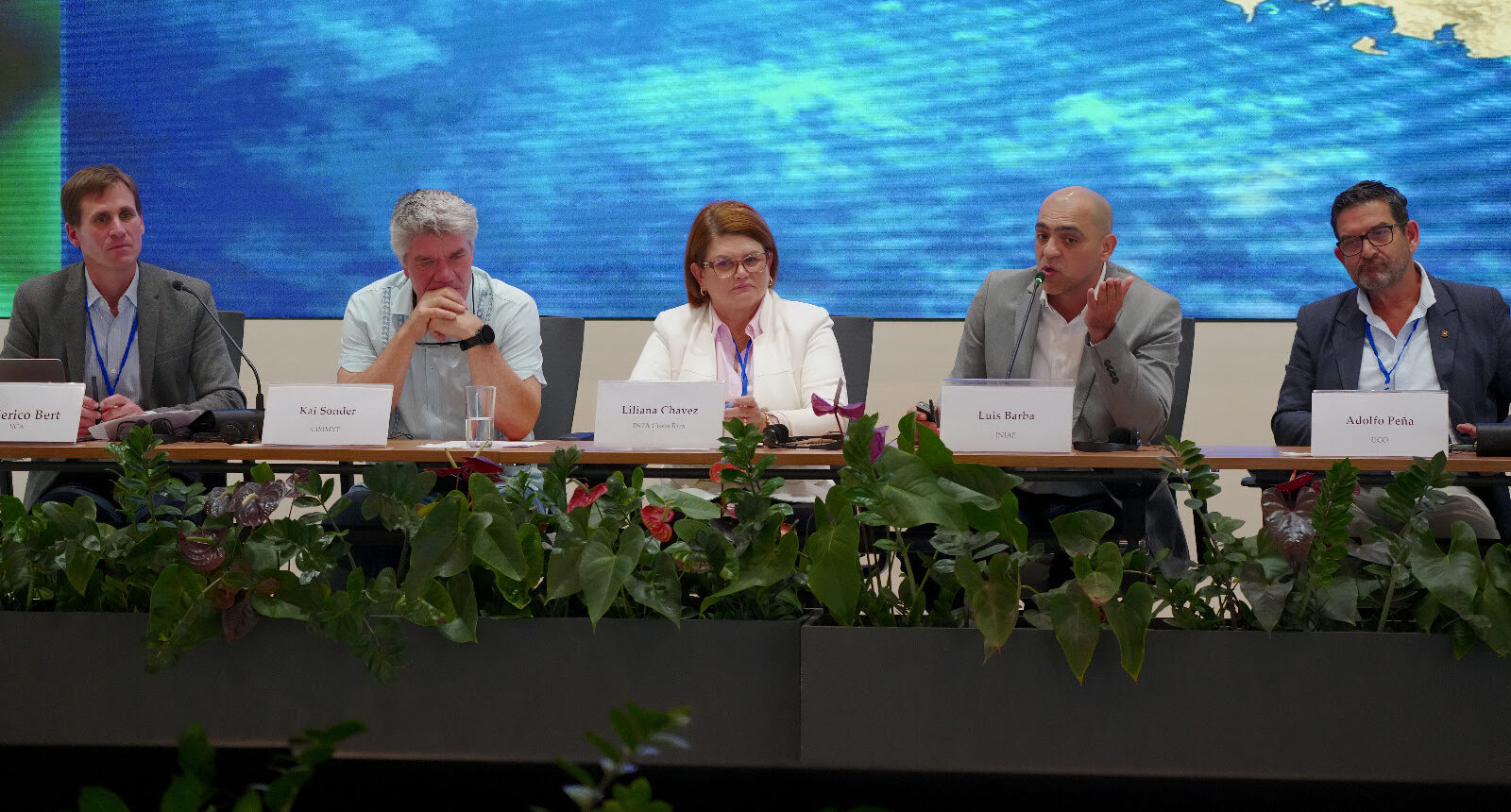
The 2026 iteration of Digital Agriculture Week (DAW), the fifth iteration of the annual global gathering focused on agricultural digital transformation, wrapped up its four-day convening last week at the headquarters of the Inter-American Institute for Cooperation on Agriculture (IICA). The event brought together approximately 200 stakeholders from more than 25 nations, solidifying its reputation as a leading global platform for advancing technology integration in the farming and agriculture sector, per an official post-summit press release from IICA.
Organized by IICA with backing from major regional and global institutions including the Economic Commission for Latin America and the Caribbean (ECLAC), the World Bank, the Inter-American Development Bank, and partners spanning private industry, academia, and nonprofits, the 2026 summit featured a packed schedule of expert keynote talks, collaborative knowledge-sharing sessions, panel debates, and networking opportunities. In total, more than 30 organizations backed the event, while 14 agritech startups from 13 countries across the Americas showcased their cutting-edge solutions to common production challenges. Attendees ranged from startup founders and agricultural research leaders to incubator managers, investment fund representatives, multilateral agency officials, academic researchers, and public policymakers, reflecting the cross-sector nature of agricultural digital transformation.
This year’s core discussions centered on the role of artificial intelligence and other emerging digital innovations in building agricultural systems that are both more productive and environmentally sustainable. Delegates explored targeted strategies to align technological tools with the unique needs of specific regional territories, and to better integrate technology rollout with public policy frameworks, accessible financing options, and institutional capacity building.
While event speakers and attendees universally acknowledged that digital innovation has dramatically expanded the set of solutions available to tackle pressing agricultural challenges—from climate risk management to smallholder financing and rural extension services—they also highlighted a growing, underaddressed gap: the slow pace at which producers are actually adopting these existing tools.
Federico Bert, IICA’s specialist in digitalization and artificial intelligence, emphasized that adoption has emerged as a critical bottleneck slowing progress across the sector. “While there must be more innovation going forward, a greater focus on adoption is also required,” Bert explained during the summit. “We need to concentrate on stimulating the interest of producers, developing their skills, tailoring solutions to the local context, and providing sustained technical support to people who incorporate new technological solutions.”
Other leading agricultural research and policy leaders echoed this focus on balanced, inclusive digital transformation. Silvia Massruhá, president of the Brazilian Agricultural Research Corporation (EMBRAPA), noted that AI will not replace agricultural researchers, but will instead dramatically amplify their capacity to generate actionable, impactful knowledge. She emphasized that any integration of AI must retain core priorities of scientific rigor, ethical governance, and the public mission of agricultural research. Massruhá added that EMBRAPA, which now counts 8,000 staff across 43 research units 50 years after its founding, has seen five-fold growth in productivity thanks to continuous technological advancement, and remains focused on training personnel to deploy new tools effectively.
Miguel Sierra, president of Uruguay’s National Agricultural Research Institute (INIA), framed digital transformation and AI integration as core strategic priorities for his institution over the next five years, while noting that ongoing data validation, human expertise, and critical thinking will remain irreplaceable parts of agricultural innovation.
Liliana Chavez, executive director of Costa Rica’s National Agricultural Technology Institute (INTA), pointed to specific, high-impact use cases for AI in agriculture, including helping address growing challenges of pest outbreaks, crop disease, and widespread soil degradation. However, she also issued a warning about the risk of widening inequality in access to digital agricultural tools, particularly as youth outmigration leaves rural communities with fewer resources to adopt new technologies. Echoing a common theme across the summit, Chavez stressed that people must remain at the center of all agricultural digital transformation efforts.