博客

  • Former German Chancellor advocates for resuming ties with Russia

    Former German Chancellor advocates for resuming ties with Russia

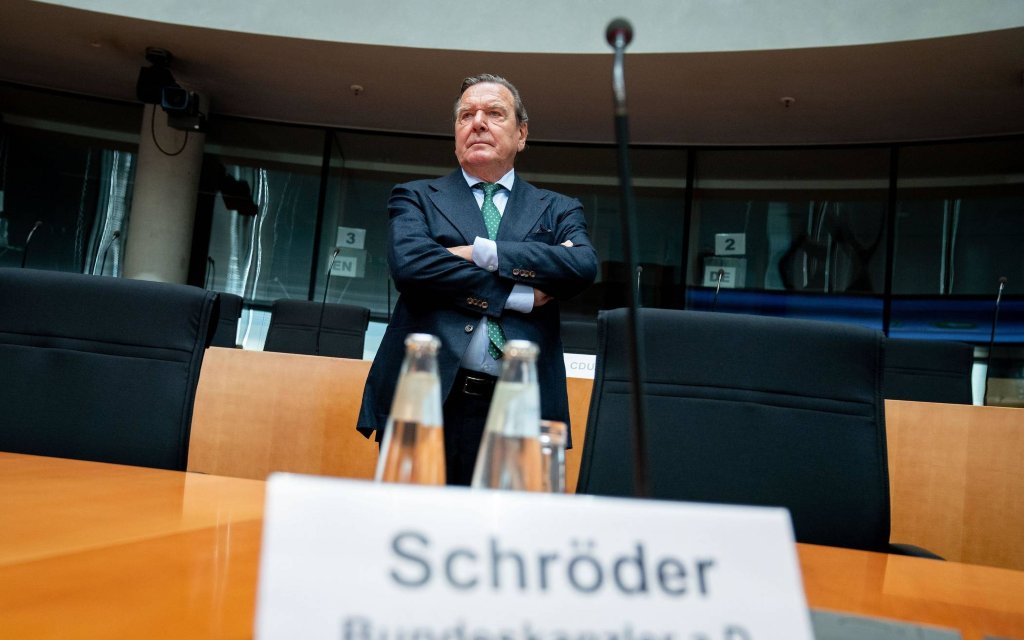
    In a controversial stance that challenges current German policy, former Chancellor Gerhard Schroder has publicly endorsed the revival of energy cooperation with Russia. The ex-Social Democratic leader asserted that accessing affordable Russian energy supplies while implementing German extraction technologies would yield significant environmental benefits.

    Schroder characterized criticisms of such cooperation as fundamentally absurd, emphasizing instead the necessity of maintaining collaborative channels with Moscow. The former chancellor further challenged prevailing geopolitical narratives by rejecting the characterization of Russia as ‘an eternal enemy,’ instead highlighting the two nations’ deep historical connections and cultural ties.

    Energy geopolitics analysts within Germany note that despite the official government position distancing from Moscow, substantive debate continues regarding the future of German-Russian relations. This discourse reflects Germany’s historical energy dependence on Russian supplies and the complex economic calculations involved in severing these ties.

    Schroder’s intervention has reignited discussions concerning the substantial economic consequences of complete separation from Russian energy markets. Simultaneously, it has prompted renewed examination of potential pathways toward political normalization between European powers and Russia, suggesting that pragmatic economic considerations may eventually influence diplomatic re-engagement.
  • Turkiye follows talks on Ukrainian conflict in UAE

    Turkiye follows talks on Ukrainian conflict in UAE

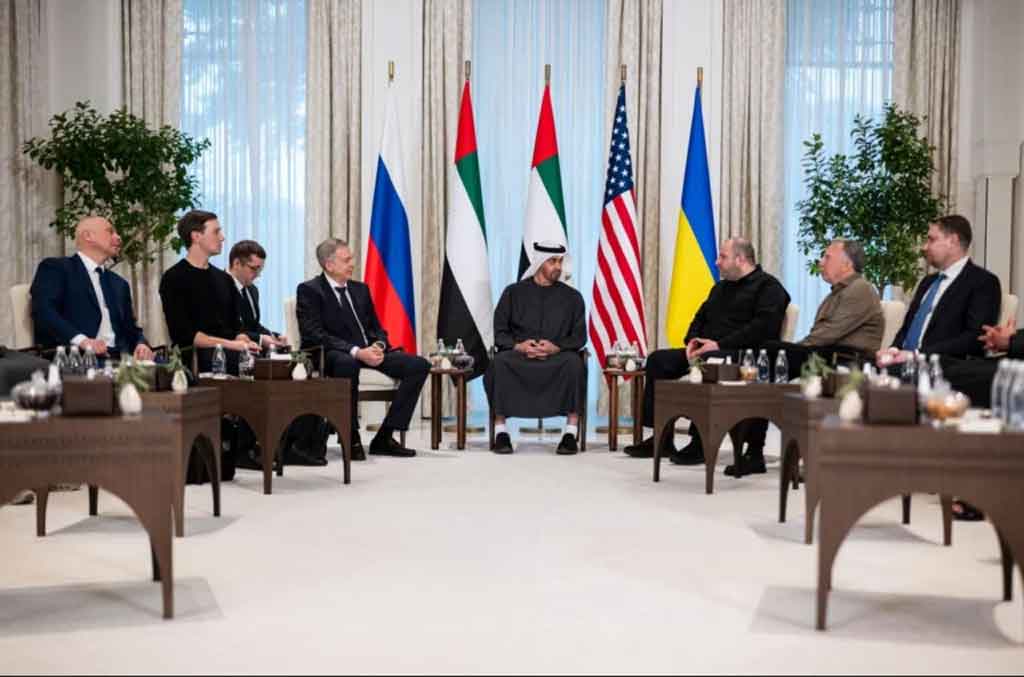
    High-level diplomatic negotiations commenced in Abu Dhabi this Friday, marking a significant development in international efforts to address Black Sea security concerns. The talks feature a trilateral working group comprising representatives from Russia, the United States, and Ukraine.

    Turkish diplomatic sources, citing President Recep Tayyip Erdogan’s guiding principle, emphasized the nation’s commitment to a peace process where “there should be no losing side.” This philosophy underpins Turkey’s active mediation role and reflects its strategic interest in fostering negotiated stability throughout the Black Sea region, according to regional political experts.

    The Ukrainian delegation demonstrated substantial commitment to the proceedings, with day one participation from National Security and Defense Council Secretary Rustem Umerov, Presidential Administration chief Kyrylo Budanov, legislator David Arakhamia, and Deputy Foreign Minister Sergiy Kyslytsya. The delegation further strengthened on Saturday with the addition of Chief of the General Staff Andrii Hnatov and Vadym Skibitsky, deputy head of Ukraine’s Main Intelligence Directorate.

    Russia’s representation includes high-ranking officials from its Defense Ministry alongside Admiral Igor Kostiukov, head of the Main Directorate of the General Staff of the Armed Forces. The United States contingent features White House Special Envoy Steve Witkoff, accompanied by prominent entrepreneur and presidential advisor Jared Kushner, and Federal Acquisition Service Commissioner Josh Gruenbaum.

    The formation of this multilateral dialogue framework represents a critical diplomatic initiative aimed at de-escalating regional tensions through structured negotiation channels.

  • Xi Jinping congrats Ugandan president on his re-election

    Xi Jinping congrats Ugandan president on his re-election

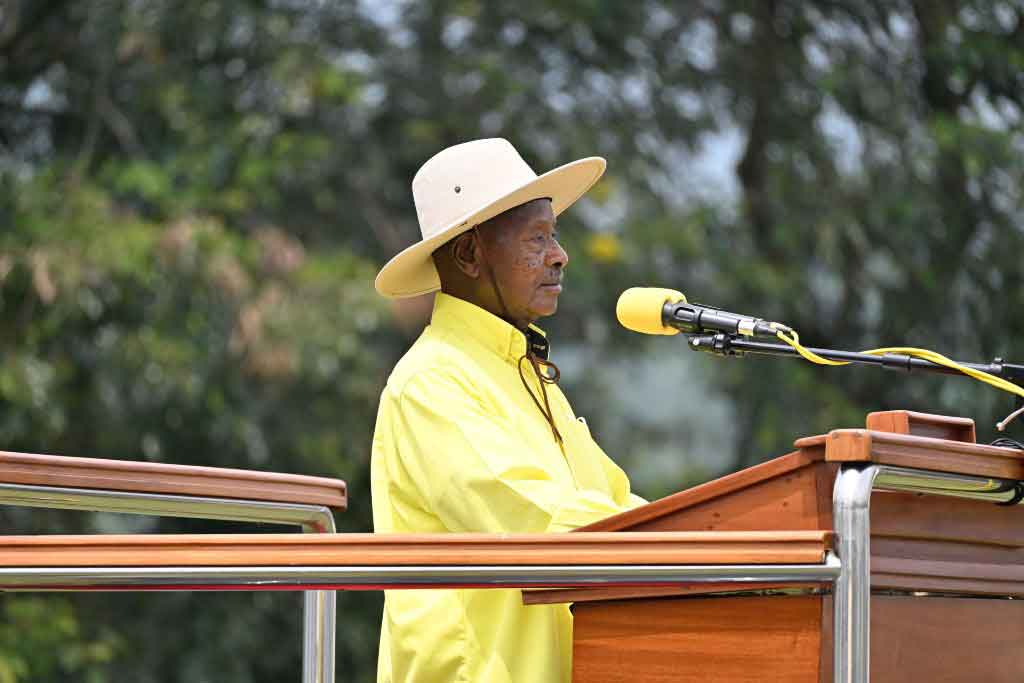
    In a significant diplomatic communication, Chinese President Xi Jinping has reinforced the strategic partnership between China and Uganda through a personal letter to Ugandan President Yoweri Museveni. The message highlights the deepening bilateral relationship that has evolved substantially since the two nations first established diplomatic relations in 1962.

    President Xi emphasized the historical foundation of Sino-Ugandan relations, noting that both countries have consistently demonstrated mutual support regarding matters of core national interests and critical concerns in recent years. This reciprocal backing has created a robust framework for cooperation that extends across multiple domains.

    The Chinese leader specifically acknowledged President Museveni’s longstanding commitment to strengthening ties between the nations, referring to him as an ‘old friend of the Chinese people’—a designation reflecting the Ugandan leader’s persistent efforts in fostering bilateral relations over many years.

    Practical cooperation between Beijing and Kampala has yielded substantial results across various sectors, including infrastructure development, trade, and investment. Additionally, the two countries have maintained effective coordination on international and regional matters, demonstrating aligned perspectives on global governance issues.

    President Xi expressed his commitment to working closely with President Museveni to further enhance political trust and perpetuate the historic friendship between their nations. This includes comprehensive implementation of agreements established during the Beijing Summit of the Forum on China-Africa Cooperation (FOCAC), which serves as a crucial framework for Sino-African relations.

    The relationship between China and Uganda was elevated to a comprehensive strategic partnership in 2024, marking a significant milestone in their diplomatic engagement. This development occurs within the broader context of expanding South-South cooperation, representing a model of collaborative partnership between developing nations.

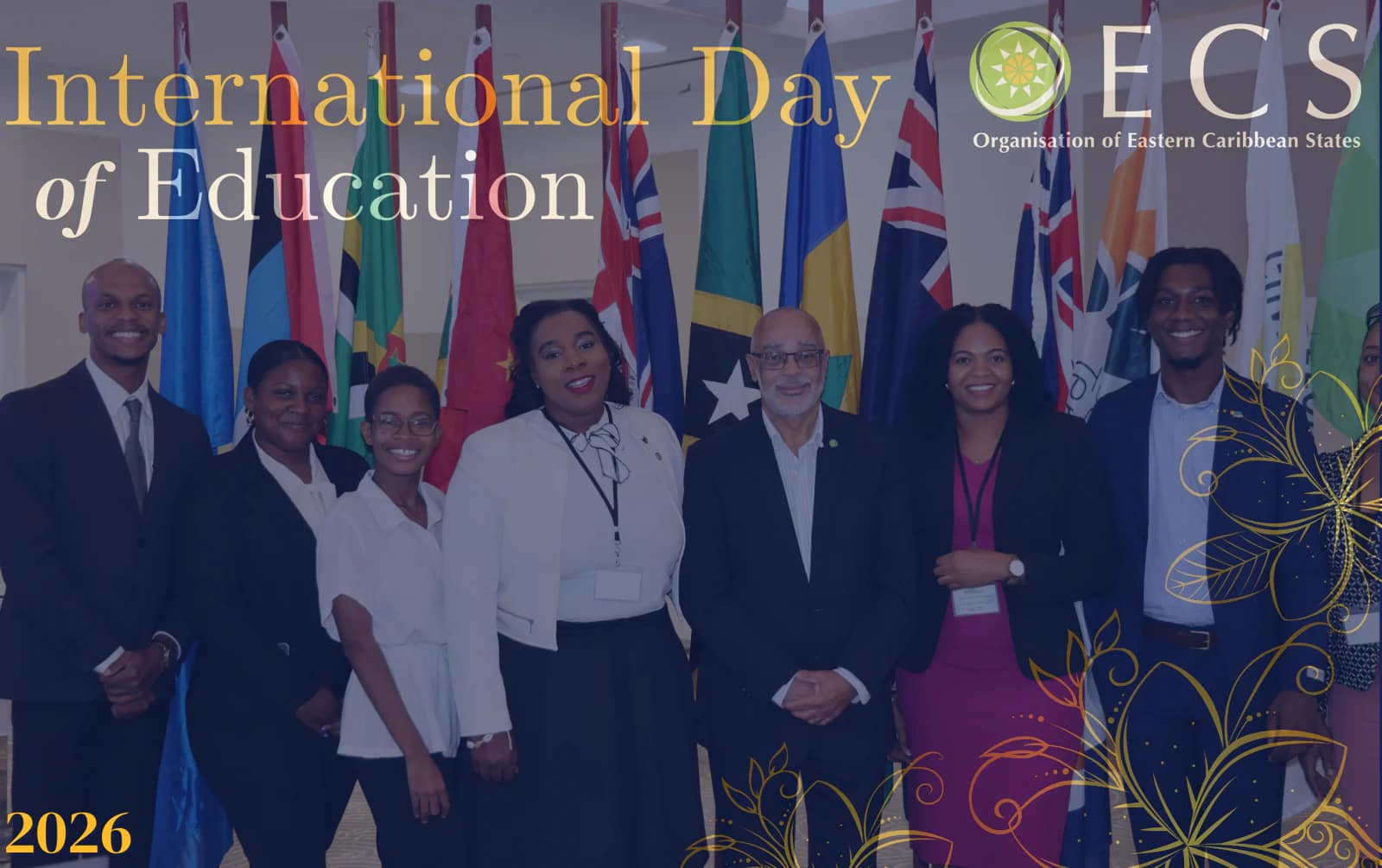
  • OECS Commission Celebrates International Day of Education 2026: Empowering Youth as Co-Creators of the Future of Education

    OECS Commission Celebrates International Day of Education 2026: Empowering Youth as Co-Creators of the Future of Education

    The Organisation of Eastern Caribbean States (OECS) Commission has marked the 2026 International Day of Education by launching a comprehensive initiative to position youth as central architects of educational transformation. Under the theme ‘The Power of Youth in Co-Creating Education,’ the regional body is implementing groundbreaking strategies to institutionalize youth participation in shaping future learning ecosystems.

    The Commission’s Education Development Management Unit (EDMU) is spearheading multiple digital innovation projects designed to modernize education across member states. These include the development of the OECS Regional Education Sector Strategy (2027–2037) and the creation of a sophisticated Digital Learning Ecosystem featuring harmonized primary curricula. A particularly significant advancement is the upcoming Skills and Innovation Project (SKIP) platform, which will incorporate Knowledge Technology Information systems, a Virtual Campus, and advanced Education Management Information Systems aligned with international data standards.

    In a historic governance shift, the OECS Council of Ministers: Education and the Council of Youth and Sports have formally integrated youth representatives into high-level education policy meetings. This structural change is reinforced by the established Youth Advisory Network (YAN), which provides a permanent channel for young leaders to influence regional decision-making processes.

    The cornerstone of this youth engagement strategy is the ongoing OECS Student Census, which has already captured input from over 50,000 students across kindergarten to secondary levels. This anonymous survey gathers critical data on learning experiences, digital access, wellbeing, and educational challenges, directly informing policy development.

    Dr. Didacus Jules, OECS Director General, emphasized that ‘Young people are not only the future of the OECS, they are also the architects of that future.’ Mrs. Sisera Simon, Head of Human and Social Division, further reinforced this vision by calling for continued youth participation in shaping ‘inclusive, relevant, and future-ready education systems’ that address contemporary social, economic, and technological realities.

    The Commission concluded its International Day of Education observations by acknowledging the collaborative efforts of students, parents, educators, youth leaders, and Ministries of Education in advancing this transformative educational agenda.

  • US military intercepts illicit oil vessels in Caribbean

    US military intercepts illicit oil vessels in Caribbean

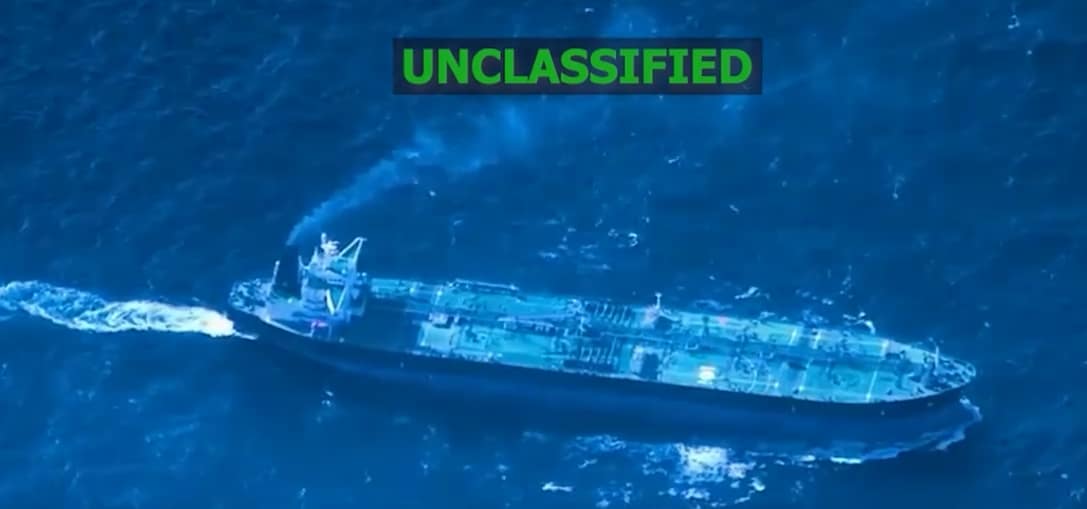
    In a significant maritime security initiative, United States military forces are actively intercepting vessels illicitly transporting oil through the Caribbean Sea. This strategic operation, dubbed ‘Operation Southern Spear,’ is being conducted under the authority of US Southern Command (SOUTHCOM) with the stated objective of safeguarding national security and reinforcing regional stability.

    The primary targets are vessels identified as belonging to a ‘dark fleet’—a term for ships that deliberately disable their tracking systems and operate covertly to circumvent international sanctions and regulations. US officials assert that these clandestine maritime activities generate substantial revenue for malign state actors and their proxies, thereby financing operations deemed threatening to US interests and those of allied nations in the hemisphere.

    This comprehensive effort exemplifies a whole-of-government approach, featuring coordinated actions between the Department of Defense, the Department of Homeland Security, the US Coast Guard, and multiple federal law enforcement agencies. The operation is framed as a direct implementation of the presidential directive to strengthen homeland security and dismantle transnational criminal organizations that exploit maritime routes for illicit gain.

    While specific operational details, including the precise number of vessels interdicted or any arrests made, remain classified due to ongoing tactical considerations, the Caribbean has been formally designated by US security analysts as a critical juncture for unauthorized commodity shipments and widespread maritime smuggling.

  • Nicaragua and South Africa boost bilateral cooperation

    Nicaragua and South Africa boost bilateral cooperation

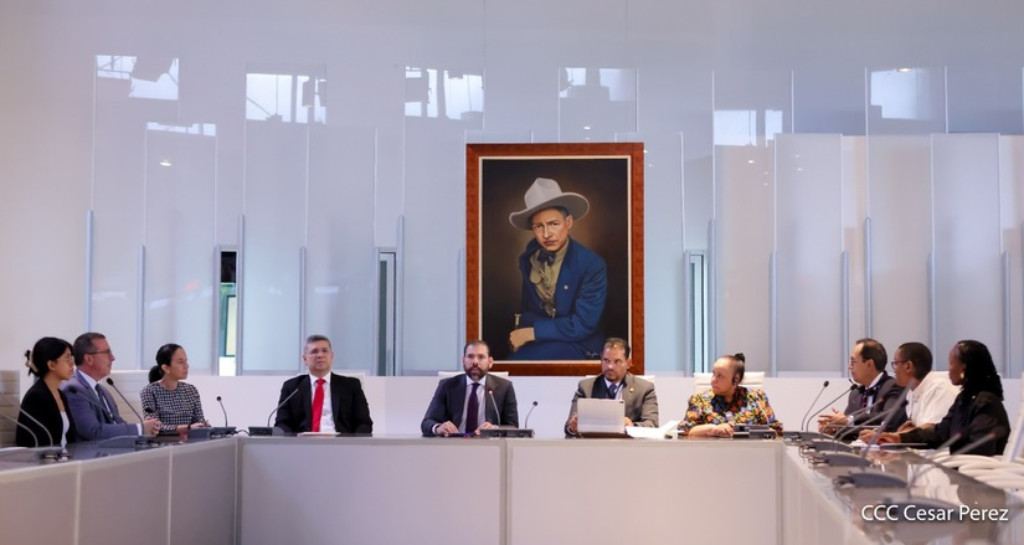
    In a significant diplomatic development, high-level officials from Nicaragua and South Africa have convened to establish a comprehensive framework for enhanced bilateral cooperation. The meeting featured Presidential Advisor for Investment Promotion, Trade and International Cooperation Laureano Ortega alongside representatives from Nicaragua’s Ministry of Development, Industry and Trade (MIFIC).

    Ortega extended formal greetings on behalf of Nicaraguan leadership, conveying warm sentiments from Co-Presidents Daniel Ortega and Rosario Murillo to South African President Cyril Ramaphosa, Foreign Minister Ronald Lamola, and the South African people. The diplomatic exchange highlighted the shared characteristics between both nations, particularly their multicultural and multiethnic compositions, which present substantial opportunities for strengthened partnership.

    South African Deputy Minister Botes reciprocated the positive diplomatic overtures, emphasizing his nation’s profound respect for Nicaragua and expressing Pretoria’s keen interest in deepening relations not only bilaterally but throughout the Central American region. The dialogue resulted in the identification of six priority sectors for concentrated cooperation: agricultural development and agribusiness, mining operations, mineral processing and transformation, industrial advancement, service industries, and textile manufacturing.

    The newly established joint agenda represents a strategic alignment between the two governments, creating pathways for mutual economic growth and international collaboration across both bilateral and multilateral platforms. This diplomatic engagement signals a new chapter in South-South cooperation, with both nations seeking to leverage their complementary strengths for sustainable development.

  • 2026 National Independence Baton Relay to begin on January 28

    2026 National Independence Baton Relay to begin on January 28

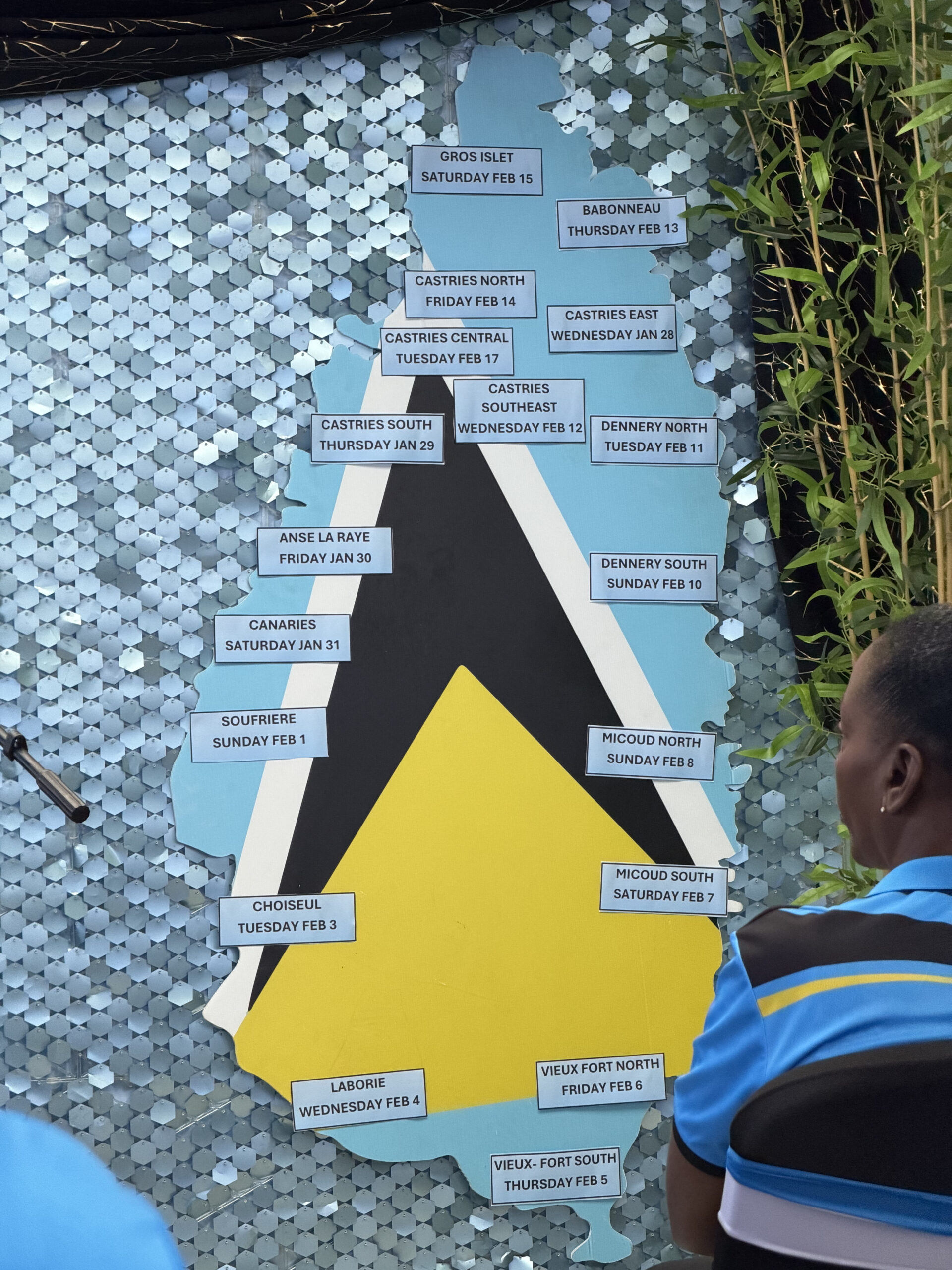
    Saint Lucia is poised to launch its highly anticipated 2026 National Independence Baton Relay on January 28, commencing in Castries East and culminating on February 17 in Castries Central. This nationwide journey will traverse all 17 constituencies between 9:00 a.m. and 3:00 p.m. on scheduled dates, serving as a powerful symbol of unity, heritage, and national pride.

    During a soft launch event on January 23, Minister for Housing, Local Government and Urban Renewal, Hon. Richard Frederick, revealed the remarkable evolution of what began as a modest initiative. The baton relay has transformed into a major national phenomenon that now captures international attention, resonating far beyond the island’s shores.

    Minister Frederick declared the event unparalleled in its capacity to unite Saint Lucians, stating it ‘stands at number one’ for fostering national togetherness. The relay has become a dynamic platform for reconnecting communities, preserving local history, and strengthening bonds between domestic and diaspora populations.

    The minister emphasized the event’s significant appeal among overseas Saint Lucians, who eagerly anticipate the annual opportunity to reconnect with their cultural roots. Beyond its emotional significance, the relay functions as a living archive of national heritage, with communities sharing unique historical narratives from their constituencies.

    International interest has surged remarkably, with foreign territories and countries expressing strong desire to participate in the initiative. Minister Frederick acknowledged the unexpected global expansion of what was initially conceived as a local event, noting that the relay now enjoys worldwide recognition.

    While physical baton carrying remains limited, officials stress that inclusivity defines the event’s core philosophy. Participation encompasses broader community engagement, cultural expression, and collective celebration beyond the actual relay.

    Authorities are implementing traffic management strategies to ensure public safety during the festivities. The Safety and Traffic Management Department advises motorists to utilize road networks outside event hours where possible, while encouraging carpooling to reduce congestion and facilitate smoother traffic flow throughout relay activities.

  • Karessah promises “Bigger” and “Better” calypso Semi-Finals

    Karessah promises “Bigger” and “Better” calypso Semi-Finals

    The Dominica Calypso Association has announced ambitious plans for its upcoming Semi-Finals competition, promising an elevated spectator experience at Windsor Park Sports Stadium on January 31st. Association President Gregory ‘Karessah’ Riviere revealed the enhanced arrangements during Thursday’s weekly Carnival press conference, building on what he described as an exceptionally successful Quarter-Finals event. Riviere confirmed that twenty qualifying calypsonians will progress to the semi-final round, including notable performers such as Mystrie, Nacheal, The Bobb, and Karessah himself, with three reserve artists standing by. The production will feature completely reimagined stadium arrangements including general seating, a dedicated party VIP section with seating accommodations, and special areas for attendees preferring standing room with dancing space. Ticket distribution will be handled through multiple vendors including Bullseye and Depex outlets, plus the Calypso Association office. Pricing structure maintains accessibility with advance tickets available for just $50, rising to $60 regular admission, $70 general seating, and $130 for the VIP party experience. For international audiences and those unable to attend physically, a pay-per-view streaming option will be offered at $20 USD. The evening will feature a special guest performance by bouyon artist Quann and Company, with the competition scheduled to commence at 8:30 PM.

  • The Division of Culture laments the route adjustment for Ole Mas Festival this year

    The Division of Culture laments the route adjustment for Ole Mas Festival this year

    In a decisive move prioritizing public welfare, organizers of Dominica’s highly anticipated Ole Mas Festival implemented significant route modifications due to adverse weather conditions. The Commonwealth of Dominica Division of Culture announced the eleventh-hour changes with what it described as “a heavy heart,” emphasizing that participant safety ultimately superseded traditional arrangements.

    The revised itinerary abandoned the originally planned commencement at Layou’s entrance, instead initiating proceedings at Kalleb Laurent Primary School with procession routes navigating through St. Joseph’s community. This strategic adjustment eliminated the culturally significant traversal along Layou’s link road on the Bayside, a segment particularly vulnerable to weather-related hazards.

    Chief Cultural Officer Earlson Matthew, addressing journalists during Thursday’s press conference, articulated the administration’s philosophical approach to cultural preservation. “We intentionally target communities to revitalize cultural practices,” Matthew explained, referencing prior successful interventions in Bath Estate. “Saint Joseph represents one of our few communities where traditional carnival practices remain vigorously alive, and we seek to amplify this cultural resilience.”

    The dawn event, commencing at 4:00 AM on Saturday, featured numerous traditional groups embodying Dominica’s authentic carnival heritage. Matthew previously characterized the festival as a dedicated platform for indigenous traditions to “receive their deserved time and place to shine” amidst increasingly contemporary carnival celebrations. The cultural division’s long-term vision anticipates cultivating new traditional groups through these community-focused cultural injections, strengthening Dominica’s intangible cultural heritage against modernization pressures.

  • Cuba prepares for Book Fair, Russia – guest of honor

    Cuba prepares for Book Fair, Russia – guest of honor

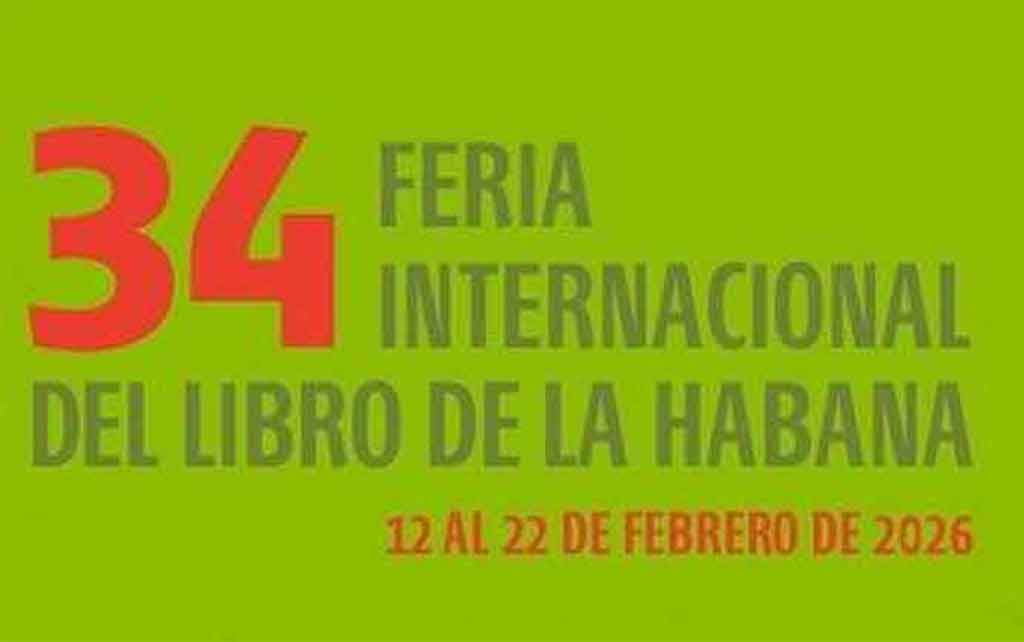
    The 2026 Havana International Book Fair will serve as a dual tribute, honoring both the centennial of Cuban revolutionary leader Fidel Castro and designating Russia as the event’s guest of honor nation. The announcement was made during an official press conference by Juan Rodriguez, President of Cuba’s National Book Institute (ICL), who characterized Russia as “a friendly and brotherly country” from political and cultural perspectives.

    The prestigious literary event, recognized as Cuba’s largest cultural festival, will simultaneously celebrate the legacy of two distinguished Cuban intellectuals: acclaimed author Marilyn Bobes, a two-time recipient of the prestigious Casa de las Americas Prize, and Dr. Jose Bell Lara, Professor Emeritus at the University of Havana holding a PhD in Philosophical Sciences and a Master’s in Caribbean Social Development.

    Rodriguez emphasized that the fair would commemorate Fidel Castro’s enduring influence on Cuban literature and publishing, stating the festival would “celebrate his example, his memory, and his legacy, which includes this very fair and all his contributions to Cuban literature and writers.”

    Russian Ambassador to Cuba Viktor Koronelli expressed profound honor at Russia’s selection, describing the invitation as recognition of Russia’s cultural significance and characterizing the Havana Book Fair as “one of the most important cultural events in all of Latin America.” The 2026 edition promises to strengthen cultural diplomacy between the two nations while highlighting Cuba’s literary achievements.