博客

  • Indomet forecasts downpours and thunderstorms through Saturday

    Indomet forecasts downpours and thunderstorms through Saturday

    Officials from the Dominican Institute of Meteorology (Indomet) have released an updated weather advisory warning that significant unstable atmospheric conditions will bring widespread wet, stormy weather to multiple regions of the Dominican Republic through the end of this weekend. The event kicks off on Friday, when a low-pressure trough moving through the area will trigger heavy rain, thunderstorms, and sudden isolated gusty winds across large swathes of the country.

    Forecasters outlined that the day will start with scattered light showers and isolated thunderstorm activity concentrated along the nation’s Caribbean coastline during the early morning hours. As local heating and atmospheric interactions interact with the approaching trough through the afternoon and into early evening, precipitation will intensify dramatically. By the peak of the storm activity, intense downpours, sustained thunderstorm activity, and gusty wind conditions will impact the country’s southeast, northeast, the Central Mountain Range, and all regions along the Dominican-Haitian border.

    The wet weather will not clear on Friday night, however. Indomet forecasts that a second weather system, an approaching tropical wave, will move into the area and extend the rainy conditions through Saturday. Morning showers are expected to develop first across a long list of provinces, including popular tourist destinations La Altagracia (home to Punta Cana) and La Romana, as well as San Pedro de Macorís, Hato Mayor, the national capital district of Santo Domingo, San Cristóbal, Peravia, Samaná, María Trinidad Sánchez and Duarte. As the tropical wave advances further inland through Saturday afternoon, rainfall coverage and intensity will increase across most of the Dominican Republic, bringing an extended period of unsettled weather to the entire nation.

  • Dominican Republic’s new Penal Code expands anti-corruption measures

    Dominican Republic’s new Penal Code expands anti-corruption measures

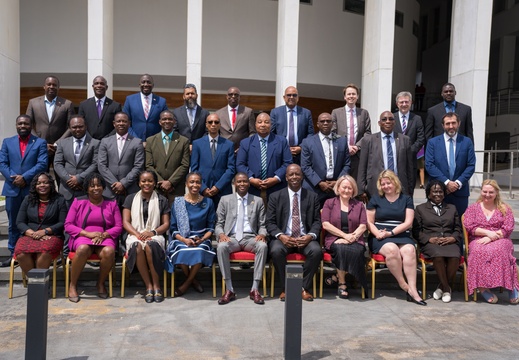
    In a landmark step to overhaul the Dominican Republic’s legal framework, lawmakers have given final approval to a updated Penal Code designed to strengthen the nation’s justice system, ramp up anti-corruption enforcement, boost government and corporate transparency, and enforce stricter accountability across both public and private sectors. The sweeping new legislation introduces a slate of transformative provisions that mark a significant shift in how the country combats graft and organized criminal activity.

    One of the most notable changes brought by the reformed code is harsher criminal penalties for individuals convicted of corruption offenses, alongside extended statutes of limitations that give investigators more time to build cases against wrongdoers. It also permanently bars public officials found guilty of corruption from holding any future government positions, closing a longstanding loophole that allowed convicted corrupt officials to return to public service after serving their sentences.

    Beyond changes targeting individual public servants, the new penal framework formally establishes criminal liability for legal entities, meaning companies can now face criminal prosecution when crimes are committed on their behalf to generate corporate profit. Regulatory and legal experts note this requirement is intended to push domestic and foreign firms operating in the country to adopt more robust corporate compliance programs, strengthen internal governance controls, and embed formal anti-corruption protocols into their daily operations. It also brings the Dominican Republic’s legal standards into alignment with widely adopted international anti-corruption norms, a change expected to improve the country’s standing for global investors and international partners.

    The updated code expands the reach of criminal law further by adding three new offenses to the penal framework: obstruction of justice, false accusations, and illegal financial intermediation. By codifying these acts as criminal offenses, law enforcement and judicial authorities gain broader, more flexible tools to investigate and prosecute both transnational organized crime and complex financial economic crime, addressing gaps in the previous legal code that limited the government’s ability to target interconnected criminal networks.

    Legal reform advocates say the new Penal Code addresses decades of weaknesses in the Dominican Republic’s justice system, where corruption and weak accountability have long undermined public trust and hindered economic development. While implementation of the new provisions will require training for law enforcement and judicial officials, the approval of the legislation is being widely seen as a critical first step toward building a more transparent and accountable legal system in the country.

  • Raquel Peña launches new Armed Forces complex and water project in La Romana

    Raquel Peña launches new Armed Forces complex and water project in La Romana

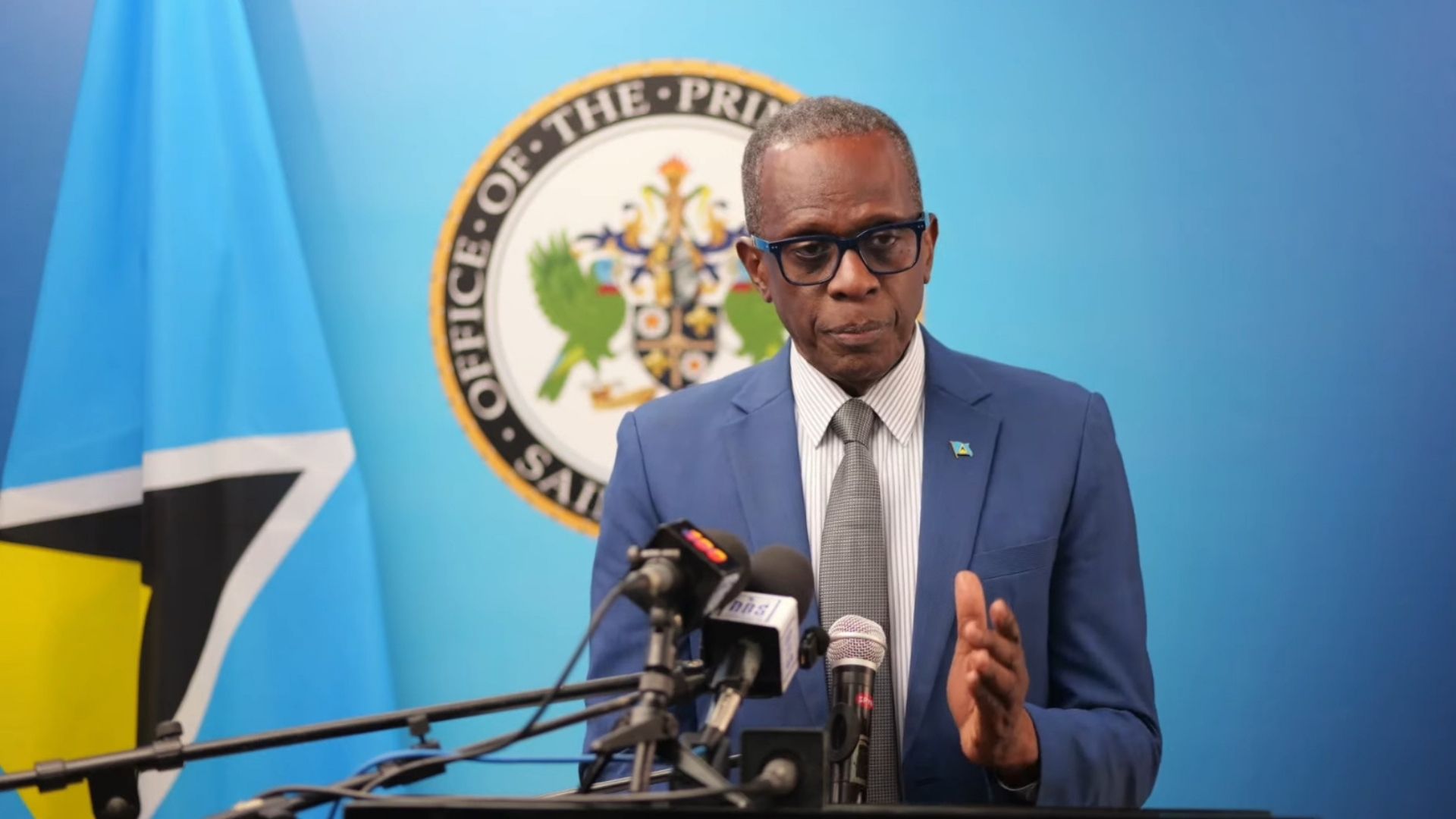
    On Thursday, Dominican Republic Vice President Raquel Peña undertook an official working visit to the eastern province of La Romana, where she spearheaded the launch of three major public development initiatives and marked the municipality’s 126th founding anniversary, advancing the national government’s agenda to boost local security, upgrade public services and expand quality-of-life opportunities for regional residents.

    The first stop of Peña’s itinerary was the inauguration of a brand-new Armed Forces operational complex in the coastal town of Bayahibe. Speaking at the opening ceremony, the vice president emphasized that the purpose-built facility represents a critical upgrade to the Dominican military’s operational capabilities, particularly for monitoring and protecting the nation’s territorial coastline. The fully outfitted complex integrates cutting-edge coastal surveillance systems, modernized staff quarters, a dry dock marina, dedicated public parking, and permanent family housing for deployed military personnel, addressing longstanding gaps in infrastructure for coastal defense units.

    Next, Peña formally reopened the extensively renovated San Martín de Porres Sports and Cultural Club, located in La Romana’s Papagayo neighborhood. The rehabilitation project was executed by the national General Directorate of Community Development, and is projected to deliver expanded, improved recreational and cultural programming to approximately 1,475 local children and young people, creating a safe, accessible community hub for youth development.

    During commemorative events marking the 126th anniversary of the La Romana municipality, Peña highlighted the scope of the current administration’s investment across the province, noting that more than 25 high-priority strategic projects have already been completed. These cross-sector initiatives span upgrades to public healthcare facilities, new sports infrastructure, and core community development projects that have transformed services for local residents.

    The vice president’s visit concluded with a groundbreaking ceremony for a new 5.3-kilometer drinking water distribution network. The pipeline project will bring improved potable water access to more than 35,000 residents across Romana del Oeste, Caleta, and adjacent underserved communities, fulfilling a longstanding demand for reliable, safe drinking water in the region.

  • SDQ MICE 2026 to showcase Santo Domingo’s meetings and events industry

    SDQ MICE 2026 to showcase Santo Domingo’s meetings and events industry

    The Dominican capital of Santo Domingo is gearing up for a major industry event that aims to cement its status as the top destination for business events across the Caribbean. The Santo Domingo Hotel Association (AHSD) has officially unveiled plans for the sixth iteration of SDQ MICE 2026, a three-day exhibition focused on meetings, incentives, conferences, and exhibitions (MICE) set to run from September 21 to 23 at Hotel El Embajador, a luxury Royal Hideaway property. Backed by the country’s Ministry of Tourism (MITUR), this year’s edition is designed to unlock new commercial growth for the Dominican Republic’s fast-growing business tourism sector by connecting key global stakeholders.

    Unlike previous editions, SDQ MICE 2026 introduces a strategic new collaboration with MICE Consulting, a specialized industry firm that will take charge of vetting and curating a roster of high-quality international buyers. This new partnership notably expands reach to include leading incentive travel companies based in the United States, opening up larger and more diverse commercial opportunities for local hospitality and tourism businesses across the country.

    The event’s curated agenda is built to highlight the full range of Santo Domingo’s competitive advantages for business event organizers. Attendees will get first-hand looks at the capital’s modern hotel infrastructure, flexible event venues, robust international air connections, world-class local gastronomy, and rich cultural heritage. To further showcase the destination’s unique appeal, the Santo Domingo Tourism Cluster will organize exclusive immersive experiences centered on Santo Domingo’s historic Colonial City, a UNESCO World Heritage site that draws millions of cultural tourists annually. Following the conclusion of the main expo activities, participating international buyers will also embark on a guided post-event tour of the popular coastal destination Punta Cana, designed to demonstrate the full breadth and diversity of the Dominican Republic’s tourism offerings to global industry decision-makers.

  • MIVHED highlights permitting reforms to boost investment at Cap Cana forum

    MIVHED highlights permitting reforms to boost investment at Cap Cana forum

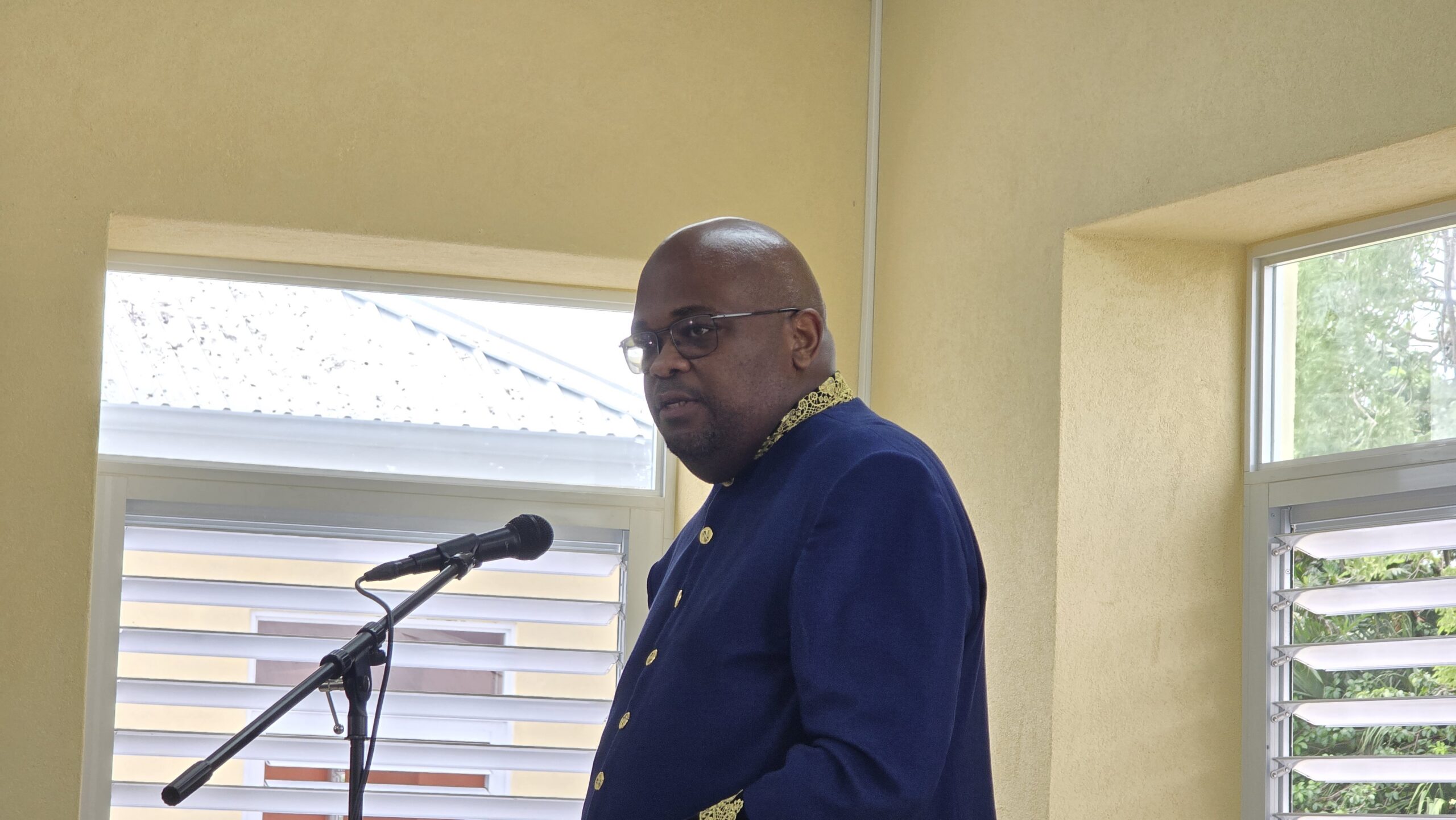
    A high-stake forum focused on cutting red tape for real estate development, titled “Towards Efficient Permitting: Challenges and Solutions”, was recently convened at Cap Cana Destination City. The event was organized in a collaborative partnership between the popular destination development and the Dominican Republic’s Ministry of Housing, Habitat, and Buildings (MIVHED), drawing a cross-sector audience of senior government officials, leading real estate developers, and global investment stakeholders. The gathering centered on identifying actionable strategies to simplify and accelerate the approval workflow for real estate projects across the country.

    Speaking at the forum, Housing Minister Víctor “Ito” Bisonó detailed the sweeping changes MIVHED has rolled out to modernize the nation’s construction permitting ecosystem. The reform agenda centers on four core pillars: systemic process overhauls, full digitalization of administrative workflows, deeper coordinated engagement with private sector stakeholders, and the retention of rigorous technical safety and quality standards. Minister Bisonó emphasized that the end goal of these reforms is far-reaching: cut down unnecessarily long approval timelines, strip out redundant bureaucratic procedures, boost overall transparency for all market participants, and deliver stronger legal certainty for developers and investors.

    In a key progress update shared at the event, Bisonó announced that MIVHED issued 921 formal building permits across the Dominican Republic in the first half of 2026. That figure marks an 83% year-over-year increase compared to the same period in 2025, and the approved projects are backed by more than RD$330 billion in private sector investment. To build on this early momentum, the minister also unveiled plans for a newly designed, nationwide digital permitting platform. The platform will centralize all application, review, and approval processes, making it easier for applicants to track their projects in real time and improve end-to-end traceability of every request.

    Jorge Subero Medina, Chief Executive Officer of Cap Cana, echoed the government’s focus on permitting reform in his remarks at the forum. He stressed that a fast, transparent, and efficient permitting system is a non-negotiable foundation for long-term, sustainable economic development across the Dominican Republic. Subero Medina highlighted that robust public-private collaboration, clear and consistent regulatory frameworks, and ongoing open institutional dialogue work together to strengthen investor confidence, position the Dominican Republic as a top destination for real estate investment, and lift the nation’s long-term global economic competitiveness.

  • Dominican Republic imposes temporary ban on unauthorized agricultural burning

    Dominican Republic imposes temporary ban on unauthorized agricultural burning

    In the Dominican Republic, the nation’s Ministry of Environment and Natural Resources has rolled out an enhanced, country-wide initiative to curb the growing threat of forest fires, ramping up military-led surveillance, regular patrols and targeted intelligence operations alongside a new temporary prohibition on unapproved agricultural burning.

    This coordinated intervention, executed in close partnership with the Dominican military and local emergency response agencies, was designed to reverse a recent upward trend in wildfire incidents across the country and hold accountable any individuals who violate fire management regulations. Authorities have confirmed that blazes breaking out in ecologically critical protected areas, including the iconic Valle Nuevo landscape, Armando Bermúdez National Park and the coastal region of Las Terrenas, have now been fully contained, preventing widespread damage to these ecologically sensitive zones.

    Speaking on the core motivations behind the updated strategy, Environment Minister Paíno Henríquez emphasized that over 90 percent of all forest fire incidents recorded in the nation can be traced directly to human activity. He issued a clear warning that anyone found responsible for starting unauthorized fires will face full legal prosecution, noting that unregulated burning poses severe, long-lasting risks to the Dominican Republic’s native forest ecosystems, freshwater reserves and unique biological diversity.

    Under the terms of the newly enacted Resolution 0030/2026, all agricultural burning activities carried out through August 31 of this year require prior official approval from government environmental regulators, creating a structured framework to reduce accidental fire outbreaks from common agricultural practices.

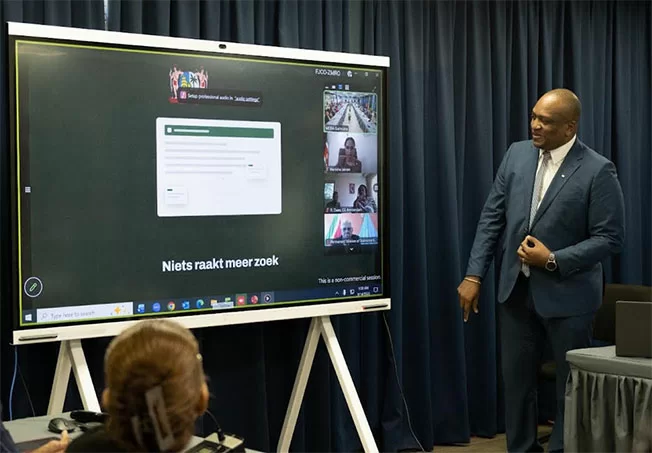
  • Ruim 200 huishoudens in Pikin Saron ontvangen voedselhulp

    Ruim 200 huishoudens in Pikin Saron ontvangen voedselhulp

    On 30 July, emergency relief supplies reached households in Pikin Saron, a Surinamese community devastated by widespread contamination of the Saramacca River. The aid distribution comes after massive fish die-offs in the river forced local authorities to ban residents from using river water for daily needs and consuming caught fish, leaving the community facing immediate food and water insecurity.

    Coordinated through the Bureau of Public Contacts under the Office of the President of Suriname, the relief effort has delivered food parcels and bottled drinking water to more than 200 affected households. This intervention marks the second round of government support for Pikin Saron since the pollution incident was first reported, according to Suriname’s Communication Service.

    Pikin Saron village captain Clarise Moera-Awalie emphasized that the emergency aid has arrived at a critical moment for the tight-knit community. For generations, local residents have relied on the Saramacca River as both a primary source of daily drinking water and the foundation of their livelihoods, with a large share of the population dependent on artisanal fishing for food and household income. The pollution crisis has simultaneously disrupted the community’s food supply and wiped out a key source of income for dozens of local families.

    “Our people use this river every single day, and we depend on fishing for both what we eat and what we earn,” Moera-Awalie explained in a statement. “These food parcels are a huge lifeline for our community right now. They help us keep our heads above water as we navigate this crisis.” While residents have welcomed the government’s emergency support, Moera-Awalie stressed that short-term aid alone is not enough to resolve the community’s ongoing crisis. Local leaders are calling for urgent structural action to identify the root cause of the mass fish mortality, implement remediation for the river contamination, and put measures in place to prevent similar environmental disasters from happening again in the future.

    Trevor Adjiembaks, a representative from the Bureau of Public Contacts, confirmed that the Surinamese presidency has moved quickly to respond to confirmed needs across all affected areas. Pikin Saron is not the only community impacted by the Saramacca River pollution: multiple other villages both inside and outside the local district have also been affected by the contamination event. Adjiembaks noted that additional emergency aid distributions will be rolled out to other impacted settlements based on their assessed needs, and that government teams are already developing a long-term strategy to address the pollution crisis and support affected communities through full recovery.

  • Chase to lead the Kings for CPL 2026

    Chase to lead the Kings for CPL 2026

    The Saint Lucia Kings have officially announced that veteran all-rounder Roston Chase will take the reins as team captain for the upcoming 2026 Republic Bank Caribbean Premier League (CPL), bringing a wealth of experience and proven leadership to the franchise.

    At 34 years old, Chase is no stranger to the Kings organization, having been a core member of the squad across multiple seasons. The Barbada-born all-rounder was a pivotal contributor to the team’s 2024 CPL title victory, and he now enters the 2026 campaign with clear ambitions to replicate that championship success.

    Chase boasts an impressive CPL track record that stretches back years. In the 2021 edition of the tournament, he finished as the competition’s top run-scorer, notching 446 runs en route to being named Player of the Tournament. Beyond his domestic T20 success, Chase currently serves as captain of the West Indies Test team, cementing his reputation as one of Caribbean cricket’s most respected leaders.

    While Chase was born and raised in Barbados, he carries deep ancestral connections to Saint Lucia — his grandmother hails from the island nation, long nicknamed “Fair Helen of the West Indies”. This personal link to the region has only deepened his commitment to representing the franchise.

    In comments following the announcement, Chase called his appointment to the captaincy a rare privilege. “It is a tremendous honour to be named captain of the Saint Lucia Kings,” he said. “This franchise has been a big part of my cricketing journey, and I have always enjoyed representing the Kings and playing in front of our passionate fans. To now have the opportunity to lead this team is something I am incredibly proud of.”

    Saint Lucia Kings head coach Daren Sammy, who has worked closely with Chase for years as both a fellow player and a coach, voiced full confidence in the new captain. Sammy, who previously captained the franchise himself, noted that Chase has earned the respect of every player in the dressing room through his consistent performance, relentless work ethic, and team-first approach to the sport. “He leads by example and understands what it means to represent Saint Lucia,” Sammy said. “I have no doubt he has the character and cricketing acumen to guide this talented group, and I’m excited to see the team rally behind him as we begin another important CPL season.”

    The 2026 CPL campaign will get underway for the Saint Lucia Kings on August 9, when they kick off their season with a match against the Antigua and Barbuda Falcons at a neutral venue in St Vincent. The team’s home fixtures will be hosted at the Daren Sammy Cricket Ground, with five home matches scheduled for August 12, 14, 16, 19, and 21. All home matches are set to begin at 7 p.m. local time.

  • V.C. Bird International Airport introduces new Self-Service Kiosks

    V.C. Bird International Airport introduces new Self-Service Kiosks

    Travelers passing through Antigua and Barbuda’s V.C. Bird International Airport are now enjoying a streamlined, more inclusive departure experience following the rollout of a fully upgraded suite of next-generation self-service check-in kiosks.

    Long a staple of airport operations across the globe, self-service kiosks have long replaced many routine check-in tasks once handled exclusively by staff at traditional counters. This latest upgrade marks a major step forward for the regional airport, replacing older units that were only capable of printing boarding passes with new TS6 Flagship Kiosks that can also generate baggage tags on demand. The dual functionality cuts down on wait times and allows passengers to complete the entire check-in process from start to finish on their own, moving through pre-departure procedures far more smoothly and quickly than before.

    The kiosk deployment forms a core part of a broader modernization push by the Antigua and Barbuda Airport Authority, which aims to bring cutting-edge, passenger-centric digital conveniences to V.C. Bird International. The project was led by the airport’s Information Technology Department, which has taken a strategic, long-term approach to building a smarter, more connected travel journey for every visitor passing through the facility.

    Jasen Lewis, the airport’s IT Manager, explained that the new kiosks offer far more functionality than just printing travel documents. In an era of rapid digital transformation reshaping the global aviation industry, Lewis noted that integrated self-service systems are redefining airport operations and raising the bar for passenger expectations worldwide. The 15 new kiosks were built with future scalability in mind: their upgradable design means the airport can easily add new self-service features to match shifting industry trends and growing traveler demand over time.

    “This flexibility gives V.C. Bird International Airport room to grow its service offerings down the line,” Lewis explained. “For example, in the near future we’ll be able to roll out self-service baggage drop points, a feature that is already standard at many large international hubs.” Lewis added that even as a small island nation with unique operational challenges for airport management, Antigua and Barbuda has no intention of scaling back its ambition to deliver first-class air travel experiences. “We remain fully committed to leveraging technology to modernize the passenger journey and lift service standards at V.C. Bird International Airport,” he said.

    One of the most notable and significant upgrades is the inclusion of an ADA-compliant, wheelchair-accessible kiosk model, a change that reinforces the airport’s commitment to delivering an efficient and inclusive experience for all travelers. “Travelers living with mobility challenges now can independently access the same self-service check-in technology that every other passenger uses,” said Jan Walker Brown, the airport’s Customer Experience Manager. Walker Brown emphasized that passengers of all abilities, including those who rely on wheelchairs for mobility, deserve equal access to the same level of convenient, high-quality service that other travelers enjoy.

    Early feedback from the airport’s airline partner network has been overwhelmingly positive, with carriers reporting that their passengers have already warmly welcomed the faster processing speeds and expanded service options the new kiosks bring.

  • Halo donates $30,000 to Confucius Institute of Antigua and Barbuda’s cultural initiative

    Halo donates $30,000 to Confucius Institute of Antigua and Barbuda’s cultural initiative

    A $30,000 grant from the Halo Foundation has opened the door for a group of young learners from Antigua and Barbuda to experience authentic Chinese culture firsthand, as part of the Chinese Bridge Summer School program run by the local Confucius Institute (CIAB). The two-week cultural and educational expedition to China was built around three interconnected learning pillars: structured beginner-level Chinese language instruction, hands-on traditional performance training, and guided cultural site visits across the eastern Chinese city of Hangzhou.

    At the conclusion of the language training segment, all participants sat for an internationally recognized beginner proficiency examination to formalize their learning progress. Beyond the classroom, attendees dove deep into a wide spectrum of centuries-old Chinese cultural practices, CIAB Principal Han Wen detailed. These immersive activities included learning the fundamentals of lion dance performance, traditional Chinese vocal and folk dance, mastering the art of the tea ceremony, creating hand-painted kites, crafting decorative lacquer fans, sewing fragrant herbal sachets, trying woodblock printing and stone rubbing, designing Peking opera facial masks, playing the traditional shuttlecock kicking game, and trying on flowing traditional Hanfu clothing.

    To complement their hands-on cultural workshops, participants explored some of Hangzhou’s most historic and culturally significant landmarks. They cruised the iconic shores of West Lake, toured the Zhejiang Provincial Museum, explored the archaeological exhibits of the Liangzhu Museum, which showcases a 5,000-year-old ancient Chinese civilization, visited the China National Archives of Publications and Culture, and wandered the pedestrian lanes of historic Hefang Street, a hub of traditional crafts and local life.

    Han Wen emphasized that the trip fundamentally shifted how participants view China. Rather than forming impressions from secondhand accounts, attendees got to observe modern Chinese society for themselves. “The participants transformed from ‘hearing about China’ to ‘seeing China,’” he said. “Through their time in Hangzhou, they witnessed a real, modern, and vibrant China with their own eyes — correcting previously vague or inaccurate perceptions and building a more objective and three-dimensional understanding of the country.”

    Feedback from participants reflected the transformative impact of the trip, with many sharing enthusiastic reflections at the program’s closing ceremony. One participant wrote: “It was really nice meeting all of you and getting this opportunity—it has helped me a lot with my social skills and interacting with new people. This was an amazing journey that I do hope we can take again next year!” Another participant called the experience a transformative eye-opener, noting: “This has been a truly eye-opening and rewarding trip. We have certainly learned a great deal, and I am grateful for the opportunity to have been a part of this journey.”

    Her Excellency Lady Williams, President of both the Halo Foundation and the Antigua and Barbuda China Friendship Association, echoed the educational value of first-hand international experience. Williams noted that building direct, personal understanding of global regions — including China and the broader East Asia — is a critical component of holistic education spanning culture, politics, economics, diplomacy, linguistics, and geography. “One is in a position to make more accurate and realistic assessments, rather than mere assumptions, once one has experienced international exposure,” Williams said. “Primary knowledge is a much sounder educational tool than vicarious information.”