As the 2025 academic year kicks off across Barbados, most students have already fallen in line with the country’s controversial National Grooming Policy, top education officials have confirmed. With ongoing public debate over the policy’s guidelines, particularly around its treatment of Black hairstyles, officials are moving to release clear instructional videos in the coming days to eliminate ambiguity for both families and school administrators.
First introduced in January 2023, the National Grooming Policy establishes formal binding standards for student appearance, dress code, and in-school conduct. A key progressive provision of the original policy explicitly permits traditional natural Black hairstyles including locs and cornrows, a change that addressed longstanding complaints of racial bias in previous school grooming rules. However, the policy reemerged as a flashpoint for public discussion in 2025, with critics and community members calling for more explicit guidelines to resolve inconsistent interpretations of the rules around Black hairstyles across different campuses.
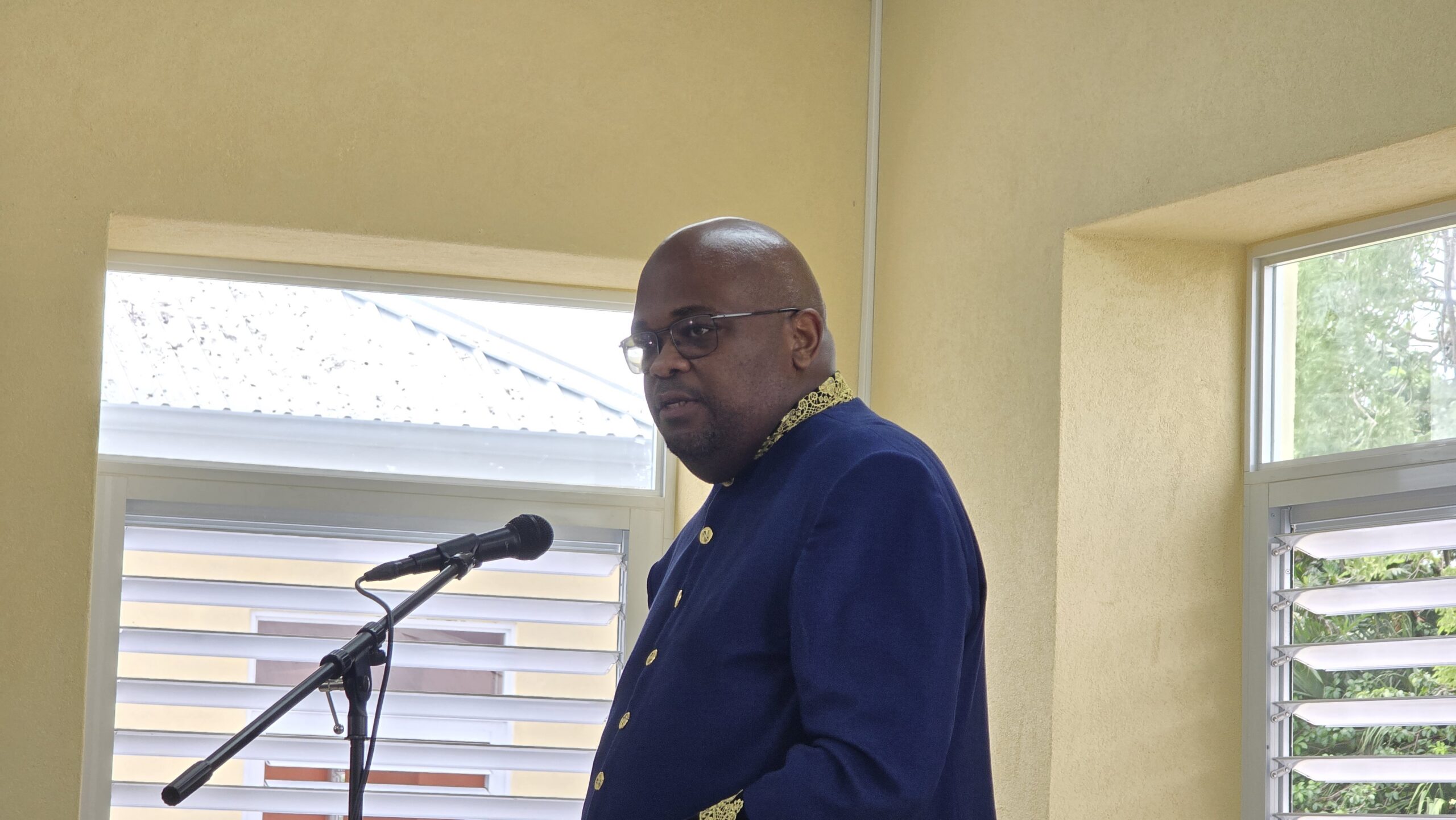
Earlier this year, Minister of Education Transformation Chad Blackman ordered stronger enforcement of the policy, granting campus principals expanded authority to ensure students meet the established standards. During a press visit to Wesley Hall Junior School this Monday, Blackman shared that opening week of the new school year has proceeded without major compliance issues. “Principals conduct routine random spot checks across school grounds as part of standard procedure,” Blackman told reporters. “We’ve had a small number of cases where administrators have had to speak to individual students about adjustments, but that is entirely normal for any school year. There have been no widespread incidents or major problems reported over the past week.”
Blackman added that the early compliance data suggests parents are now more proactive than ever about preparing their children to meet policy requirements before the first day of class. While he acknowledged that a small share of student cases may not fit neatly into the policy’s existing frameworks, he stressed that consistent, equitable enforcement across all public schools is a top priority this year. “The goal is to keep the enforcement process open, transparent, and fair. We cannot have one principal applying one standard at School A and a completely different standard at School B—consistency across the system is non-negotiable,” he explained.
Contrary to common public focus on hair rules, Blackman emphasized that the grooming policy covers all aspects of student appearance and uniform adherence. “This policy is far more than just hair rules. First, all students are required to keep their hair neat and well-groomed. For male students, hair must be properly maintained; unkempt, overly bulky styles are not permitted. For female students, hair must be plaited or neatly arranged. The policy prohibits hair extensions and unnatural dyed colors including purple, pink, and blue,” he outlined. Beyond hair, the policy sets requirements for proper uniform wear: students must wear socks of the correct length, matching the right colored polished shoes, and keep fingernails clean and well-maintained. All these elements, Blackman noted, are core to reinforcing the policy’s standards.
In a move to resolve ongoing confusion, Blackman confirmed that illustrative how-to videos will be released to parents and students “in a matter of days.” These videos will provide concrete, real-world examples of what compliant grooming and uniform wear looks like, eliminating guesswork for families and administrators alike. The minister also added that principals have been instructed to exercise firm but balanced authority in enforcing the policy, noting that overreach is as problematic as lax enforcement. Top education leadership met with all principals during pre-school planning week to underscore the priority of consistent enforcement this year, as part of the ministry’s broader push to strengthen student discipline across the system, a central pillar of the government’s education transformation agenda.
Chief Education Officer Dr. Ramona Archer-Bradshaw echoed Blackman’s update, confirming that principals across the country have reported widespread student compliance. She also reminded students that academic campuses are intended for learning, not public fashion displays. “When students come to school, there are clear baseline expectations: male students may not wear earrings, female students may not wear long hair extensions, pants and skirts must fit properly according to uniform rules,” Dr. Archer-Bradshaw said. “With clear expectations and consistent enforcement, we are confident we will see the outcomes we are working toward.”